

Check out our latest compact vacuum sealer for food collection!
Temperature swings in storage spaces can quietly wreak havoc on our ingredients. When foods shift between cold and warm, condensation forms on their surfaces, giving bacteria and mold a head start. This extra moisture isn’t just a safety issue, it messes with the texture of food, turning crisp veggies limp and speeding up decay.
Who hasn’t opened the fridge to find wilted greens or produce that smells off days sooner than expected? There’s a reason for that. When food goes through temperature swings, its cell walls break down, enzymes kick into high gear (think browning, mushiness), and spoilage organisms thrive instead of staying dormant.
Knowing how temperature shifts affect our food helps us make better storage choices. Even small tweaks, like where you keep your veggies or how often you check the fridge, can stretch out the life and quality of what you’ve got on hand.
Key Takeaways
- Temperature swings cause condensation, which fuels bacteria and speeds up spoilage
- Keeping storage temps steady helps preserve food structure and safety
- A few simple habits and regular checks can prevent a lot of waste
Why Temperature Fluctuations Matter for Stored Ingredients
When temperatures bounce around, spoilage speeds up, bacteria multiply, and ingredient quality tanks. If you understand what’s happening, you can dodge the worst of it and avoid that “danger zone” where foodborne illness risks shoot up.
The Impact on Perishable Foods
Foods like dairy, meat, seafood, and produce are especially touchy about temperature. Warm-cool cycles bring on condensation, and that’s the moisture bacteria and mold love.
Temperature swings hit food at the cellular level. Fresh meat loses moisture and gets slimy. Dairy might separate or taste weird. Greens wilt and brown, fruit turns soft and mushy.
Perishable foods most at risk:
- Milk and dairy – souring, weird textures, bacteria growth
- Meats – color change, slime, pathogens multiplying
- Seafood – texture loss, bad smells, quick spoilage
- Leafy greens – wilting, browning, limpness
- Cut fruits – mushy, break down fast
Even a short temperature rise lets spoilage bacteria like Pseudomonas multiply fast. Once that starts, there’s no going back.
Temperature Control Best Practices
Keep temperatures steady to protect your food and make it last. Fridge stuff should stay at or below 4°C (40°F), and frozen goods at -18°C (0°F) or lower.
Don’t crowd shelves—air needs to move. Cool hot foods before sticking them in the fridge. Use airtight packaging to fend off freezer burn.
Check temps in different spots with thermometers. Door seals matter, too—if they’re loose, cold leaks out. Try not to open storage units more than you have to.
Quick checklist:
- Set up remote temp monitoring if you can
- Store the riskiest foods in the coldest spots
- Use first-in, first-out rotation
- Never put hot food right into cold storage
- Leave space between items for airflow
Understanding the Danger Zone
The “danger zone” is 4°C to 60°C (40°F to 140°F), where bacteria multiply like crazy. Salmonella, E. coli, Listeria—they can double in as little as 20–30 minutes here.
Food safety is all about keeping time in this zone as short as possible. If something sits out for more than two hours, there’s a real risk. Ready-to-eat foods are even touchier since you won’t be cooking them again.
Temperature abuse happens during loading, transport, or if your fridge fails. Each exposure adds up, even if you fix the problem later.
Check out how quickly things go south:
| Temperature | Bacterial Activity | Risk Level |
|---|---|---|
| 0°C (32°F) | Minimal | Low |
| 4°C (40°F) | Slow | Moderate |
| 21°C (70°F) | Rapid | High |
| 38°C (100°F) | Very Rapid | Very High |
How Temperature Fluctuations Accelerate Food Spoilage
When temperatures go up and down, bacteria wake up, enzymes speed up, and moisture shifts around in ways that ruin food. Spoilage happens faster than most people think—sometimes in just a day or two.
Microbial Growth and Bacteria Proliferation
Letting temperatures swing is like flipping the “on” switch for bacteria. The 40°F to 140°F range is the real trouble zone.
Spoilage bacteria such as Pseudomonas get busy as soon as things warm up. Each spike can multiply their numbers tenfold in just a few hours.
The worst part? If food warms and cools over and over, you’re giving bacteria multiple chances to take hold. They don’t die off when it gets cold again—they just slow down, waiting for the next warm spell.
Condensation from temperature changes spreads moisture across food surfaces, helping bacteria travel and colonize new spots.
Effects on Shelf Life and Food Freshness
Temperature swings can cut shelf life in half—or worse. Food that should last two weeks might spoil in less than a week if the temperature isn’t steady.
Every warm-up stresses food cells, leading to texture and moisture loss. Proteins break down, off-odors pop up, and before you know it, food’s gone bad.
It’s not just a quality thing—it hits your wallet, too. Throwing out spoiled food feels like tossing money in the trash, and the decline often starts before you see mold or smell anything off.
Dairy, meat, and produce are the most vulnerable. Their natural defenses break down with every temperature change, making it easier for spoilage and bad bacteria to get in.
Enzymatic Activity and Oxidation
Enzymes in food act like tiny factories, speeding up or slowing down depending on the temperature. When things warm up, these enzymes go into overdrive, breaking down proteins, fats, and carbs faster than you’d expect.
Oxidation ramps up, too—fats go rancid, vitamins fade, colors dull. Once these reactions start, cooling things down won’t undo the damage.
You’ll notice it with fruits and veggies that brown or get soft after a temperature blip. The enzymes that ripen produce just keep going, pushing it right past its prime.
Moisture Migration and Condensation
When temperatures change, water moves around inside food. Warm air holds more moisture, and as it cools, that moisture lands on food as condensation.
This moisture is exactly what mold spores need to wake up and spread. You’ve probably seen fuzzy mold appear overnight on cheese or bread after a fridge mishap.
Condensation can even mess with packaging—breaking seals, creating ice crystals in frozen foods, and watering down preservatives. That means faster spoilage and a bigger risk of contamination.
Essential Temperature Ranges for Safe Ingredient Storage
If you want your food to last, you’ve got to know the right temperature zones. Refrigeration and freezing aren’t the same, and room temperature is riskier than most folks think.
Refrigeration Versus Freezing
Refrigeration (0–4°C or 32–40°F) slows down bacteria and enzymes, giving you days or weeks of shelf life, depending on the food. It keeps things fresh and tasty.
Freezing (-18°C or 0°F and below) pretty much puts bacteria to sleep. Water in the food freezes, stopping most activity, so you can store stuff for months.
But there’s a catch—frozen food needs to thaw, and if it gets partially thawed and refrozen, the texture takes a hit. Those ice crystals can mess up cell structure, and spoilage speeds up once it’s thawed.
Optimal Target Temperature by Food Type
Not all foods want the same chill. Meats do best just above freezing (0–2°C), dairy likes it a bit warmer (2–4°C), and seafood needs the coldest spot (0–2°C, or even colder if you can swing it).
Here’s a quick breakdown:
| Food Type | Ideal Storage Temperature | Expected Shelf Life |
|---|---|---|
| Fresh beef, pork | 0–2°C (32–35°F) | 3–5 days |
| Poultry | 0–2°C (32–35°F) | 1–2 days |
| Fish and seafood | 0–2°C (32–35°F) | 1–2 days |
| Milk and dairy | 2–4°C (35–40°F) | Up to 7 days |
| Leafy greens | 0–4°C (32–40°F) | 5–7 days |
| Frozen items | ≤ -18°C (0°F) | Several months |
Some produce can handle slightly warmer temps, but others need the coldest shelf.
Room Temperature and its Risks
Room temp (20–25°C or 68–77°F) sits squarely in the danger zone. Perishables left out here can get unsafe in just a couple hours.
It’s easy to forget how quickly things can go wrong at room temp. Bacteria like Salmonella and E. coli double every 20–30 minutes. Even “shelf-stable” stuff suffers—oils go rancid, grains get buggy, and moisture-sensitive foods clump or spoil.
Only truly stable foods—unopened cans, dry pasta, sugar—should live at room temp. Once you open them, a lot of those “pantry staples” need the fridge to stay safe.
Threats to Food Quality and Texture from Unstable Temperatures
When temperatures bounce around, chemical reactions speed up, ruining flavors, colors, nutrients, and texture. It’s not just about safety; it changes how your food tastes and feels.
Loss of Flavor, Color, and Texture
Temperature swings break down the very things that make food appealing. Produce browns and loses color, leafy greens get soggy, meat turns slimy, and dairy separates or goes grainy.
Flavor takes a hit, too. Herbs and spices lose their punch, coffee goes stale, and fresh stuff that should taste bright ends up bland or weirdly off.
Common texture issues from temperature abuse:
- Meat gets mushy and loses juice
- Cheese crumbles or gets too soft
- Baked goods go stale or rubbery
- Frozen foods turn watery when thawed
Once quality drops, you can’t get it back—even if you return food to perfect storage later.
Nutrient Loss and Rancidity
When temperatures bounce around, oxidation reactions speed up, wrecking vitamins and making fats taste off. Vitamin C, in particular, takes a nosedive when ingredients shift between warm and cold. B vitamins don’t fare much better—they break down faster under these conditions.
Rancidity kicks in when fats and oils meet oxygen at higher temps. You’ll smell this in nuts, whole grain flours, and cooking oils—stale, almost cardboard-like. It’s the kind of thing that can tank a dish, even if you did everything else right.
Oils loaded with polyunsaturated fats—think flaxseed or walnut oil—go bad quickest. Even in the fridge, if the temperature can’t make up its mind, you’re not in the clear. Once rancidity sets in, it snowballs fast, making ingredients both gross and, honestly, a little risky to eat.
Freezer Burn and Dehydration
Freezer burn shows up when frozen food loses moisture through sublimation—ice crystals skipping the liquid phase and turning straight into vapor. If your freezer temps are all over the place, this gets worse because ice melts and refreezes again and again.
You’ll spot freezer burn by those pale, frosty spots on meat, fish, or veggies. These patches dry out, get tough, and lose flavor. It’s not dangerous, but the texture and taste take a hit.
Temperature swings in the fridge can dry things out too. Produce shrivels as moisture escapes. Uncovered foods get tough, crusty surfaces. When the fridge warms up and then cools again, condensation forms and creates wet patches—ripe for spoilage.
Proper wrapping and airtight containers help, but honestly, if your freezer climbs above -18°C (0°F) or your fridge crosses 4°C (40°F), you’re fighting a losing battle.
Preventing Foodborne Illness Through Temperature Management
Keeping temps steady isn’t just about taste—it’s about blocking nasty bacteria like Salmonella and E. coli. If we let food hang out in unsafe zones, we’re basically inviting pathogens that can make us miserable.
Temperature Abuse and Food Safety Risks
Temperature abuse happens when food sits outside the safe zone—either too warm or bouncing back and forth, creating perfect pockets for bacteria. The danger zone? That’s 40°F to 140°F, where bacteria go wild.
We’ve all been there: groceries left in the car “for a sec,” or tossing leftovers in the fridge before they’re cool. These moments give bacteria a head start—they can double every 20 minutes. Even one cycle of warming and cooling can mess with food safety.
Common temperature abuse scenarios:
- Leaving stuff out during prep
- Overstuffing the fridge so air can’t circulate
- Opening the fridge a ton in hot weather
- Power outages over 4 hours
- Appliances that can’t hold a steady temp
The fix isn’t rocket science: keep cold foods below 40°F, hot foods above 140°F. Stick to that, and bacteria don’t stand a chance.
Pathogens: Salmonella, E. coli, and More
Salmonella loves protein-rich stuff—eggs, poultry, dairy. It doesn’t just survive when temps creep up; it thrives. The kicker? Food can look and smell fine, so temperature control really is our only shield.
E. coli lurks in ground meats, raw veg, and anything unpasteurized. Some strains leave behind toxins that survive cooking. Keeping things cold stops contamination from turning into a bigger problem.
Bacillus species form heat-resistant spores in rice, pasta, and starchy foods. Leave cooked rice out, and those spores wake up and start making toxins. Chill it within 2 hours (1 hour if it’s hot out) and you’re good.
Listeria grows even in the fridge, and Clostridium perfringens is trouble in leftover meats. They all respond differently to temp, but one thing’s true: keep it cold, and you keep them in check.
Smart Storage Strategies to Minimize Damage
Keeping ingredients safe from temp swings takes a mix of solid packaging, smart prep, and a watchful eye on your storage setup.
Packaging Solutions: Airtight and Insulated Containers
Physical barriers matter. Airtight containers keep out moisture and oxygen—both big problems when temps jump around. When warm air hits cold food, you get condensation inside, which just invites microbes.
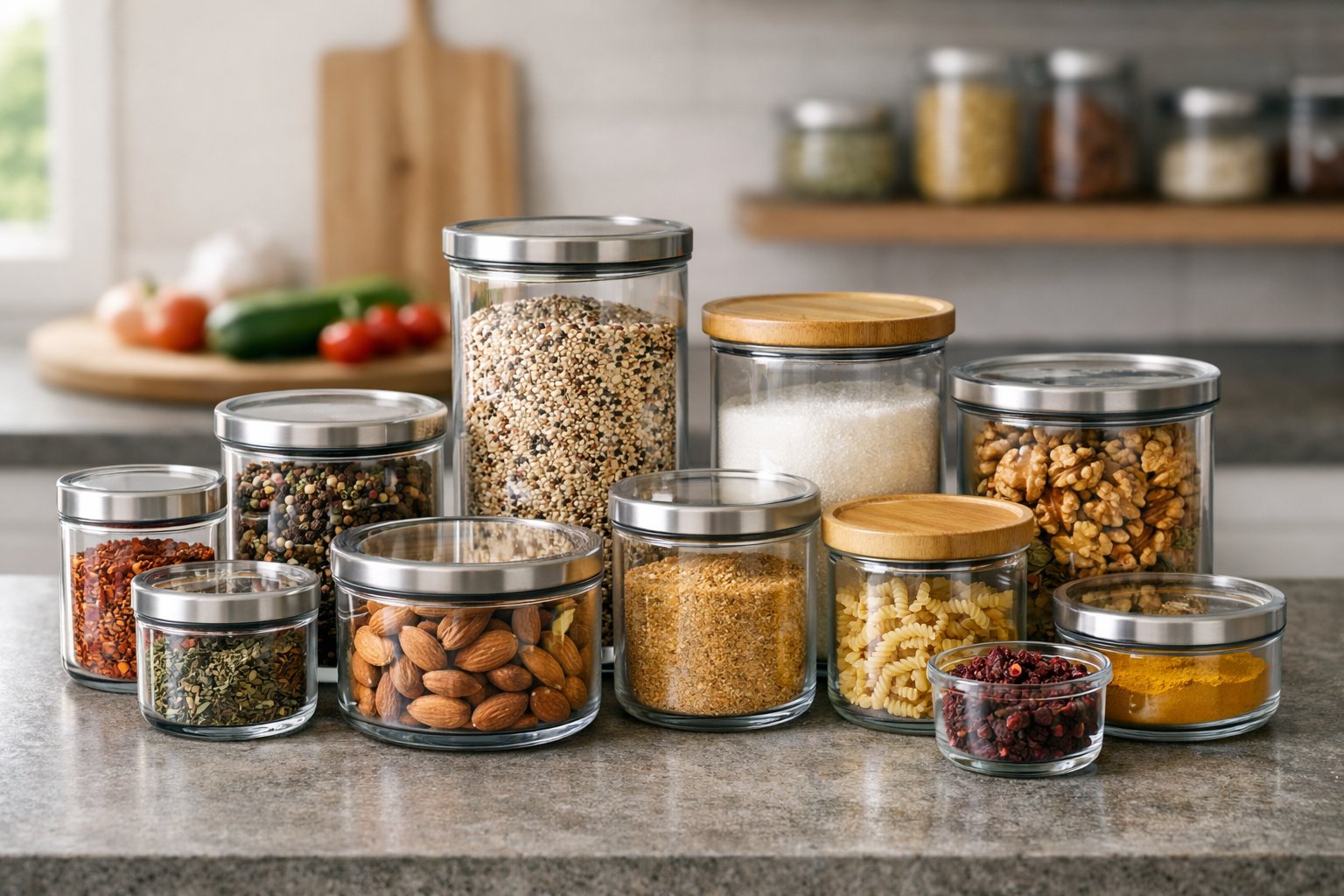
Insulated containers slow down temp changes. If you’re in and out of the fridge a lot, these help. Glass jars with tight seals are great for dry goods; thick plastic works for cold stuff.
For light- and oxygen-sensitive ingredients, go with opaque containers that don’t transfer heat easily. Metal tins with food-safe linings? Solid pick. The main point is to slow down how fast outside temps reach your food.
Vacuum Sealing and Blanching
Vacuum sealing pulls out air, cutting off the oxygen that drives oxidation and browning. This matters more than you’d think, especially when temps are unpredictable. Without oxygen, those reactions crawl.
Blanching before vacuum sealing adds another layer. A quick dip in boiling water (2-5 minutes) knocks out enzymes that mess with color, texture, and nutrients. Cool it fast in ice water to stop the cooking.
This combo works wonders for veggies and some fruits. Blanched and vacuum-sealed produce holds up for months in the freezer, even with minor temp hiccups. The blanching keeps colors and textures sharp; vacuum sealing stops freezer burn and oxidation.
Monitoring Storage Temperatures
You can’t fix what you don’t see coming. Digital thermometers with data logs show you temp swings you’d never notice otherwise. Stick wireless sensors in different spots to catch hot and cold pockets.
If you’ve got ingredients that need strict control, cold chain monitoring is a must. Some systems even ping your phone if temps drift, so you can act fast. Humidity sensors help too, since moisture jumps around with temp changes.
For home or small operations, check and jot down temps at least twice a day. Smart sensors can log everything automatically, so you can spot patterns and tweak your storage before things go sideways.
Cold Chain Solutions and Modern Storage Technology
Modern cold chains use tight temp controls and constant monitoring to keep ingredients safe from warehouse to kitchen. Real-time data and defined zones stop the wild swings that ruin food.
Cold Chain and Temperature Zones Explained
The cold chain works in zones, each for specific foods. Frozen storage holds at or below 0°F (-18°C) for things like meat and ice cream. Refrigerated zones stay between 32°F and 41°F (0°C to 5°C) for dairy, produce, and ready-to-eat stuff. Some storage even tweaks gas levels for fruits and veggies.
Keeping these zones stable takes knowing what each ingredient needs. Leafy greens want 32°F and high humidity, but tomatoes do better around 55°F or they get weird and mealy. Bananas? They need ethylene control along with temp.
The food cold chain runs from farm to table, with lots of handoffs—trucks, warehouses, stores. Every transfer is a risk. Direct evaporation cooling helps keep things steady, but only if there’s enough surface area to prevent moisture loss and temp spikes.
Tools and Sensors for Real-Time Monitoring
Wireless sensors and data loggers track temps nonstop in storage facilities. They record every few minutes and send alerts if things drift. If a fridge goes down, you’ll know before things spoil.
Modern systems add humidity and door sensors, too. You can check this data from anywhere, and some platforms even use algorithms to flag weird patterns across zones.
Data loggers are huge during shipping, giving a full temp history for every batch. If a shipment arrives off, you can pinpoint exactly where things went wrong. This helps tighten up weak spots in the process.
Managing the Food Supply Chain
The food supply chain is a juggling act—refrigerated trucks, warehouses, retail. Each handoff has to keep temps steady, even as products move between cooling systems. Standard protocols and specialized gear make those transitions smoother.
Reefer containers keep temps precise for overseas trips; refrigerated trucks cover local routes. Cold storage hubs hold products between moves. The longer and more complex the journey, the more chances for error.
To lower risk, we cut storage time and use insulated packaging during transfers. Training staff on loading, door use, and emergencies makes a difference. When everyone gets how their actions affect temps, the whole chain gets stronger and food stays safer.
Frequently Asked Questions
Temperature management touches everything from milk to spices. Here are some real-world questions and answers for keeping your ingredients in top shape.
What's cooking with temperature shifts? How do they spoil our precious pantry pals?
When temps swing, chemical reactions and microbes kick into high gear. Enzymes work faster, fats go rancid, and moisture collects where you don’t want it.
Pantry staples like flour and grains can clump or mold if moisture migrates in. Oils and nuts? They’re sitting ducks—fats break down at warmer temps, and you’ll taste it.
Even dried goods aren’t immune. Pasta, rice, beans—if they get condensation from temp changes, you might find pests or mold before long.
Is my fridge's fickle nature putting my food at risk? The safe-temp lowdown!
Your fridge needs to stay at or below 4°C (40°F) to keep bacteria in check. If it drifts above, you’re in the danger zone.
Frequent door openings, overstuffing, or putting hot food straight in can all mess with fridge temps. Every time it warms up, bacteria get a window to multiply.
Stick a thermometer in the center and check regularly. If you see temps above 4°C, dairy sours, meat smells weird, and greens wilt faster. The back of the fridge usually stays coldest and most stable.
Why do I feel a chill about freezer-temp flip-flops affecting my eats?
When your freezer can’t keep a steady -18°C (0°F) or below, ice crystals melt and refreeze, tearing up food at the cellular level.
If temps climb, even for a bit, ice crystals get bigger, busting up cell walls. You’ll see freezer burn, weird textures, and puddles when you thaw stuff. Meat dries out; veggies go mushy.
Look for frost, ice on packaging, or visible freezer burn—these are signs your freezer’s cycling instead of holding steady.
Safe food's hot topic: Is room temp playing it too cool with my groceries?
Room temp works only for true shelf-stable foods. Never leave perishables out for more than two hours—or just one if it’s hotter than 32°C (90°F).
Between 4°C and 60°C (40°F and 140°F), bacteria can double every 20-30 minutes. Even a tiny contamination can get dangerous fast. Cooked foods, cut fruit, dairy, and raw meat all need to stay cold.
Whole potatoes, onions, and winter squash are fine at room temp thanks to their skins. But once you cut them? Straight to the fridge.
Grilled or chilled: How does the wrong temp stir up bacteria's party in foods?
Bacteria love the danger zone—21°C to 38°C (70°F to 100°F). At those temps, Salmonella, E. coli, and Listeria can skyrocket in just a few hours.
When food sits at the wrong temp, moisture from condensation plus nutrients in the food give bacteria everything they need. Temperature abuse during storage or transport lets spoilage organisms like Pseudomonas get a foothold.
The best defense? Keep things cold (below 4°C) or hot (above 60°C). You can’t see, smell, or taste most bad bacteria, so sticking to safe temps is your main line of defense.
Can my spices stand the heat? Understanding shelf-stable snafus with temperature tango!
Spices and dried herbs might be shelf-stable, but they're definitely not invincible when it comes to heat. If you want to keep their flavor kicking, stash them somewhere cool and dark. That means far from stoves, ovens, or those sun-blasted windowsills that seem harmless until your cumin tastes like cardboard.
Heat speeds up the breakdown of the volatile oils—the good stuff that makes spices aromatic and flavorful. If your spices hang out above 24°C (75°F) too often, they're going to lose their punch way faster. Ground spices are especially quick to fade since they’ve got more surface area exposed to both air and heat. Whole spices hold up a bit better, but nothing’s totally safe.
Temperature swings are another sneaky culprit. When things heat up and cool down, condensation can sneak inside containers. That invites mold and makes your spices clump, which is just… annoying. If you want your spices to last, keep them in airtight containers tucked away in cabinets—definitely not in those cute racks right next to your stove.
Share:
Why Some Ingredients Require Airtight Storage More Than Others
Why Some Ingredients Require Airtight Storage More Than Others