

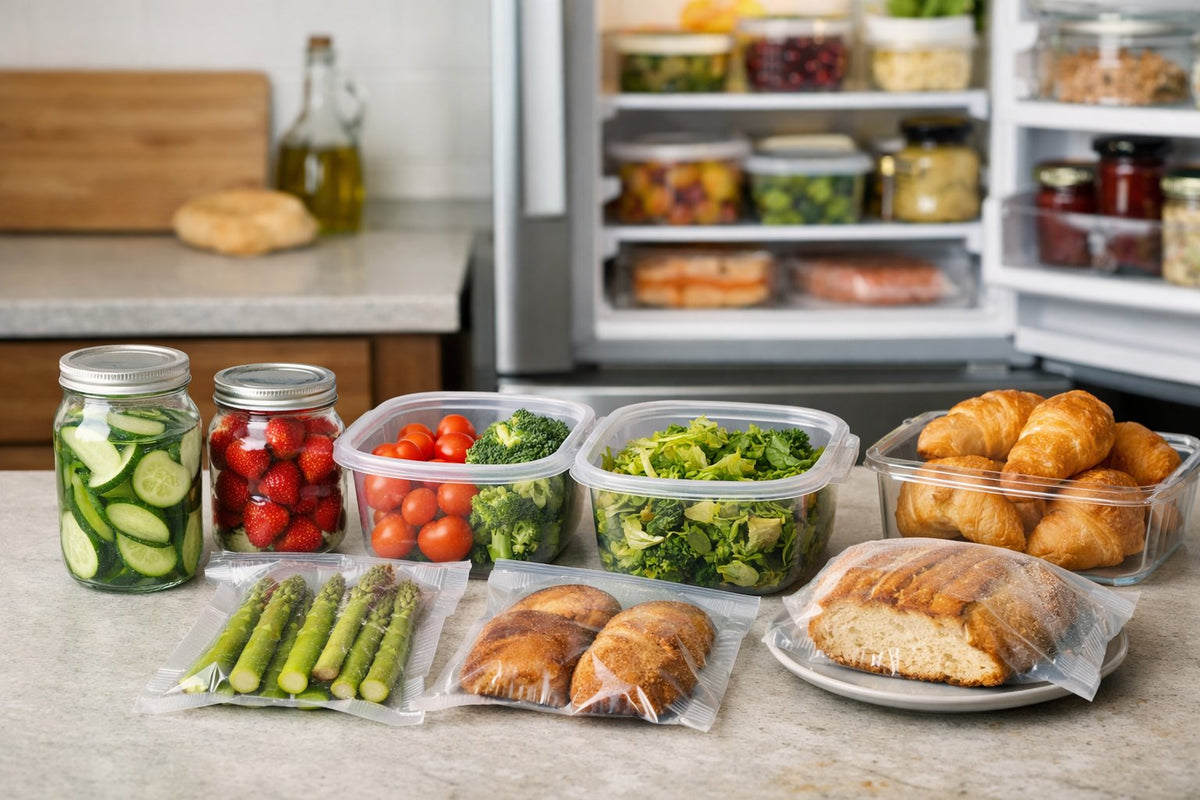
You've probably noticed it before, leftovers that taste a little off, bread that goes stale too fast, or strawberries that turn mushy overnight. It's not just bad luck.
How we store food changes its taste, texture, and overall quality because of things like temperature, humidity, oxygen, and container choice. If we get a handle on these factors, we can keep our meals tasting great for days instead of hours.
Food changes in storage, sometimes before it even gets close to spoiling. Flavors fade, textures go soggy or dry, and that crispy coating you worked for? Gone limp. We tend to blame ourselves for not eating things fast enough, but honestly, storage habits are usually the real problem.
From picking the right containers to managing moisture, a few tweaks can make food last longer and taste better. It's not rocket science, but it does take a little know-how.
Key Takeaways
- Storage choices shape food taste and texture through temperature, humidity, oxygen, and container materials
- Managing moisture and packaging prevents texture issues like sogginess, dryness, and staleness
- Small storage tweaks can keep food fresh longer and cut down waste
How Storage Decisions Impact Food Taste and Texture
The way we store food has a direct impact on how it tastes and feels to eat. Chemical, physical, and enzymatic reactions—triggered by temperature swings, humidity, and exposure to air or light—change food in ways you can taste and feel.
Why Storage Environments Matter
We often overlook how much storage decisions affect the final meal. Temperature is the big one—enzymes work faster when it's warm, breaking down proteins and starches that keep food’s texture. Bread left on the counter? It goes stale quickly as moisture moves from the inside to the outside and then vanishes.
Humidity teams up with temperature to mess with food. Low humidity sucks the moisture out of veggies and baked goods, making them limp or hard. High humidity does the opposite—crackers go soft, and microbes thrive, creating weird flavors.
Light isn’t innocent either. It breaks down flavor compounds and pigments. Fats oxidize in the light, giving foods that nasty rancid taste. Even a short stint in the wrong spot can mess up the freshness cues we depend on.
The Science Behind Texture Changes
Food texture changes for a bunch of reasons during storage. Freezing creates ice crystals that break cell walls, so when you thaw, things get mushy. Slow freezing makes big crystals and more damage; quick freezing keeps things firmer. That’s why store-bought frozen foods often stay in better shape than home-frozen stuff.
Starch retrogradation happens when cooked starches rearrange in the fridge. That’s why rice gets hard and bread gets crumbly—classic texture issues. Proteins in meat and dairy also change over time, turning tough or grainy.
Moisture moves between ingredients in mixed dishes too. Pasta salads get mushy as dressing soaks in, and pie crusts lose their crunch from wet fillings.
Taste Alterations Due to Storage
Taste takes a hit as flavor compounds break down or escape during storage. Oxidation brings out bitter, metallic, or cardboard flavors in fats and oils. If you’ve had old nuts, stale flour, or fatty fish that tastes off, you know what I mean.
Fruits and veggies keep changing after harvest. Enzymes convert sugars to starches or break down key flavors. Refrigerated tomatoes lose their sweetness because the cold stops the enzymes that make them taste good. Fresh herbs turn bitter as chlorophyll breaks down and sulfur compounds build up.
Flavors jump from food to food in the fridge or freezer. Butter picks up onion odor, ice cream gets freezer burn, and leftovers develop that weird generic "fridge flavor" as aromas mix.
Key Factors That Change Texture and Mouthfeel
Storage conditions—moisture, temperature, container material, and oxygen—change the physical feel of food. These factors mess with everything from cracker crunch to chocolate smoothness.
Moisture and Humidity Effects
Moisture ruins crunch. Chips, crackers, and cookies soak up water in humid air and go soft. On the flip side, bread dries out and hardens when there's not enough moisture.
It's simple chemistry. Dry foods try to balance with the air around them. Leave a cracker in a humid kitchen and it'll suck up water until it's as soggy as its surroundings.
Ever leave a bag of chips open overnight? Crunch gone. Airtight containers with moisture barriers—or even silica gel packets—keep things crisp. For moist foods, like cakes, dry air is the enemy. They dry out and lose that soft, chewy bite.
Temperature Fluctuations
Temperature swings mess with texture. Fats set up differently at different temps, so chocolate stored badly goes grainy and gets that weird white bloom. If you’ve had chocolate that's been through a few temperature changes, you know it’s just not the same.
Cold slows chemical reactions but can still wreck texture. Bread in the fridge goes stale faster than on the counter because starches recrystallize at 0-10°C. That’s retrogradation—bread gets firm and dry.
Freezing is tricky too. Ice crystals form inside food, and if they’re big, they burst cell walls. Fast freezing makes smaller crystals—less damage. That’s why blast-frozen foods often taste better than what we freeze at home.
Material Choices: Plastic, Glass, and Stainless Steel
Not all containers are equal. Glass doesn’t absorb odors or moisture and keeps air and humidity out if sealed tight. It’s great for keeping textures true.
Plastic is hit or miss. Cheaper plastics can soak up oils and even let some air through, slowly changing texture over time.
Stainless steel blocks light and air, keeping temps steady and flavors intact. You can’t see inside, but it’s excellent for foods sensitive to temperature swings. Plus, it won’t hang onto odors or flavors.
| Material | Moisture Barrier | Air Protection | Best For |
|---|---|---|---|
| Glass | Excellent | Excellent (with tight seal) | Crispy foods, liquids |
| Plastic | Good to Excellent | Moderate to Good | General storage |
| Stainless Steel | Excellent | Excellent | Temperature-sensitive items |
Air Exposure and Oxidation
Oxygen is a texture killer. Fats oxidize and get weird—not just in taste, but mouthfeel too. Nuts lose crunch and get waxy. Oils thicken or get sediment.
Air also lets enzymes soften foods. Cut apples and avocados brown and get mushy because enzymes react with oxygen. As cells break down, texture falls apart.
Vacuum sealing pulls out almost all the air, slowing these changes way down. Even pressing plastic wrap right onto food or filling containers to the brim helps. Crunchy foods like nuts and crackers stay crisp much longer when we cut down air inside.
Oxidation speeds up in the heat, so airtight, cool storage is the best bet for keeping texture and mouthfeel.
Modern Storage Strategies for Preserving Taste
Good storage isn’t just about avoiding spoilage. It’s about making food taste as good as possible, even days later. Vacuum sealing keeps flavor compounds in, controlled atmospheres slow down changes, and steady temps protect texture.
Vacuum Sealing and Its Flavor Benefits
Vacuum sealing sucks air out of packaging, protecting flavors in ways you might not expect. Oxygen breaks down fats and oils that carry flavor, so removing air keeps meats, cheeses, and leftovers tasting fresh.
No air also means no freezer burn, which wrecks both texture and flavor. Vacuum-sealed chicken, for example, keeps its juices and seasoning better than chicken in regular bags.
Herbs and spices hold onto their aromatic oils much longer under vacuum. Coffee beans, nuts, and dried fruit benefit too—these foods depend on volatile compounds for taste. The sealed environment also keeps crackers crisp and stops sugar from clumping.
Choosing Pantry or Freezer Storage
For dry pantry ingredients such as rice, flour, oats, and crackers, glass jars with tight-fitting lids help limit exposure to humidity and surrounding odors. Start with clean, completely dry jars, close the lids after each use, and keep them away from heat and sunlight.
For freezer portions and meal-prep foods, vacuum storage offers a different approach. Compatible vacuum bags let you portion food and reduce air around it, helping protect quality during frozen storage. Label each pack with its contents and date. Vacuum sealing does not replace refrigeration, freezing, or safe food handling.
Controlled Atmosphere Storage
Controlled atmosphere storage tweaks the oxygen, carbon dioxide, and nitrogen around food to slow ripening and keep things tasty. It’s like putting produce on pause without freezing it.
Apples stored with just 2-3% oxygen stay crisp for months longer than apples in regular air. Lower oxygen slows browning and ethylene production—both mess with taste and texture. Bananas, avocados, and tomatoes hang onto firmness and develop flavor more slowly.
We can’t exactly build a commercial storage room at home, but special produce containers with adjustable vents let us get close. Just set the vents based on whether the food makes or reacts to ethylene, and you’ll see the difference.
The Role of Temperature Control
Temperature swings break down food on a cellular level, releasing enzymes that destroy flavor and creating ice crystals that wreck texture. Consistency matters more than just being cold.
Meat kept at a steady 32-34°F holds its texture better than meat in a fridge that swings up and down. Temperature changes make proteins contract and squeeze out moisture—taking flavor with it. Fish is even touchier; just a couple degrees can mean the difference between fresh and "fishy."
Freezers at 0°F or colder work well, but only if the temp stays put. Opening the door a lot causes tiny thaws and new ice crystals. Organizing the freezer so you can grab what you need fast, and not overpacking, helps keep things steady.
Different foods want different temps for best flavor. Tomatoes lose their taste below 50°F, and basil turns black and bitter in the cold. We leave these out at room temp, in breathable containers, instead of cramming everything in the fridge.
Texture's Role in Satiety and Eating Experience
Texture isn’t just about pleasure—it actually changes how full we feel and how much we eat. The way food feels in your mouth sends signals to your brain about whether you’re satisfied or still hungry.
How Texture Influences Satiety
Solid and thicker foods make us feel fuller than liquids or smooth foods, even with the same calories. Chewing solid foods gives our bodies more time to register fullness before we overeat.
Viscosity matters too. Thick yogurt takes more effort to eat than a thin smoothie, and that extra chewing leads to feeling fuller. Studies show foods that require more chewing naturally slow us down and help our bodies catch up with our hunger.
When storage ruins texture—think soggy veggies or limp granola—we lose those cues that help us stop eating. Poor storage can actually make us eat more because the food just doesn’t satisfy in the same way.
From Creamy to Crunchy: Satisfying Mouthfeel
Texture’s a whole world of its own. Creamy foods wrap your tongue in comfort—fat, emulsifiers, thickeners, all working together to deliver that smooth, almost decadent sensation. It’s the kind of mouthfeel you crave when you want something that just feels good to eat.
Crunchy foods, though? They wake you up. There’s a reason biting into a crisp chip or carrot feels so satisfying—it’s not just taste, it’s the sound, the resistance, the whole interactive experience. You notice what you’re eating, and maybe, just maybe, you eat a little slower.
Context matters, too. Creamy soup on a cold night? Perfect. But when the clock hits 3pm, a handful of crunchy veggies is what hits the spot. Texture, temperature, and even the setting all mix together to shape how happy you are with your meal.
Why Texture Variety Keeps Us Interested
Let’s be honest—same-old, same-old gets boring fast. If every bite feels the same, your brain checks out and your appetite follows. Mixing up textures, even in a single meal, keeps things interesting and can make eating a whole lot more fun (without necessarily piling on the calories).
Think about your favorite dishes. Odds are, there’s a mix: creamy with crunchy, chewy with soft. A salad with creamy dressing, some toasted nuts, maybe a bit of dried fruit? Way better than a bowl of plain lettuce. When prepping meals for the week, keeping components separate helps preserve those contrasts—nobody wants a week’s worth of soggy, indistinguishable leftovers.
Texture preferences run deep. Some folks reach for crunchy snacks every time, others want something soft and smooth. Paying attention to these quirks—and storing foods so they keep their best texture—means you’re way more likely to actually eat what you’ve prepped instead of letting it go to waste.
Common Storage Mistakes That Affect Taste and Texture
Even if food stays safe, bad storage can wreck flavor and mouthfeel. The way we package, stack, and stash our food changes what we taste and how it feels to eat.
Overcrowding and Poor Airflow
Stuffing the fridge or pantry too full? That’s a recipe for uneven temperatures and humidity, and it ruins food quality in sneaky ways. Poor airflow means some foods sit in warmer spots, breaking down faster.
Fruits and veggies, for example, release moisture and ethylene gas. Without airflow, these build up and speed up spoilage. That’s how you end up with limp lettuce, mealy apples, and sad, wilted herbs.
Try to keep your fridge about three-quarters full. Give cheeses and meats some breathing room so they don’t soak up weird odors from their neighbors.
Critical spacing guidelines:
- Leave 2-3 inches between items
- Don’t block fridge vents
- Keep ethylene producers (like bananas and tomatoes) separate
- Use shelves vertically to boost airflow
Improper Use of Food Wraps and Containers
Not all wraps and containers are created equal. The wrong choice can suffocate food or let in too much air, both of which mess with flavor and texture.
For example, plastic wrap clings to cheese and traps moisture, turning it slimy. Bread left in plastic bags at room temp? That’s how you get a soggy crust. Foods need the right amount of air, depending on their structure and fat content.
Proper container matching:
| Food Type | Best Storage Method | Why It Works |
|---|---|---|
| Soft cheeses | Wax paper, then loose container | Lets it breathe, prevents drying |
| Crusty bread | Paper bag or cloth | Keeps crust from going soft |
| Leafy greens | Paper towels in perforated bags | Holds moisture at a happy medium |
| Fatty meats | Butcher/freezer paper | Stops fat from oxidizing |
Glass containers are a solid choice for leftovers—they don’t mess with flavors and keep food tasting like it should.
Temperature Abuse and Cross Contamination
Temperature swings can trash food texture. Keeping milk or eggs in the fridge door? Every time you open it, the temp jumps, and that can make fats separate or turn grainy.
Storing strong-smelling foods next to fats (think onions by butter, or uncovered fish near berries) leads to taste disasters. Fats soak up those odors fast.
Cold can be just as bad. Tomatoes chilled below 50°F get weird and mealy. Bread in the fridge? It goes stale way faster than if you’d left it out.
Keep your fridge steady at 35-38°F, and stash the most perishable stuff in the coldest spots—usually the back of the lower shelves. Spuds and garlic do better in a cool, dark spot at about 50-60°F, not in the fridge.
Special Cases: Unique Textures and Storage Solutions
Texture isn’t just about pleasure—it’s about science, too. Crunchy snacks, creamy sauces, and gooey fermented foods all need their own storage tricks to keep them at their best.
Crunchy Snacks and Moisture Control
Crunchy snacks are drama queens when it comes to humidity. The second you open the bag, they start pulling moisture from the air and lose their crispness.
Best bets for storage:
- Vacuum-sealed bags or containers with silica gel packets
- Glass jars with tight rubber seals
- Squeeze the air out of resealable bags
- Original packaging with a binder clip (only for a day or two)
Temperature swings create condensation, which is a death sentence for crunch. Keep these snacks in a cool, steady spot away from heat. If you must leave them in the bag, roll it tight and clip it—good for a couple days, but airtight containers are way better for long-term freshness.
Some snacks, like rice crackers or nori, are especially sensitive—hygroscopic, technically. They love to suck up moisture. Storing them with food-safe desiccant packets helps, and you can dry those packets out in a low oven to reuse them.
Preserving Creamy Foods and Emulsifiers
Creamy foods—mayonnaise, hollandaise, cream sauces—depend on emulsifiers to keep everything together. Store them wrong and you’ll get separated, grainy, or curdled messes that are tough to fix.
Refrigeration is a must, but it’s not just about being cold—it’s about being consistently cold. Keep these items on a main fridge shelf, not in the door where temps bounce around. That’s how mayo gets runny and salad dressings split.
Storage priorities for emulsified foods:
| Food Type | Storage Location | Temp Range | Shelf Life |
|---|---|---|---|
| Mayonnaise | Main fridge shelf | 35-40°F | 2-3 months opened |
| Cream sauces | Middle/rear shelf | 35-40°F | 3-4 days |
| Butter | Butter compartment | 35-40°F | 1-2 months |
| Vinaigrettes | Door shelf is okay | 35-45°F | 2 weeks |
For fresh sauces like hollandaise, cool them fast and reheat gently. Whisk in a splash of cold water if you see separation—it can help bring the sauce back together.
Tackling Slimy and Fermented Foods
Some foods are supposed to be slimy—natto, okra, all those funky fermented things. The trick is keeping them pleasantly slippery, not gross.
Natto and similar foods keep fermenting in the fridge. Store them in their original packaging, in the coldest fridge spot, to slow things down but not stop them. The stringy texture comes from polyglutamic acid, which gets even more intense if they warm up past 40°F.
Okra’s a special case. Cutting it ahead of time releases more slime. If you need to prep in advance, keep okra whole and unwashed, or, if it’s already cut, soak it in lemony or vinegary water in the fridge to cut down on goo.
Quick storage tips for viscous foods:
- Freeze natto for up to 6 months; thaw in the fridge overnight
- Store okra whole and dry until you’re ready to use it
- Keep fermented foods away from delicate items to avoid odor crossovers
- Glass containers help keep strong smells contained
Fermented foods keep their nutrition and health perks with proper storage, though the texture might get more intense the longer they sit.
Frequently Asked Questions
Storage mistakes can turn good ingredients into letdowns, but most problems have simple fixes. Here’s what people ask us most about keeping food tasting and feeling great.
What's the secret to keeping pantry staples tasting fresh as long as possible?
Airtight containers are your friend. Once you open flour, rice, pasta, or cereal, get them into something sealed tight—keeps moisture and air out, flavor and texture in.
Keep these items away from heat and sunlight. Warmth speeds up rancidity in nuts and grains, leading to off-flavors way sooner than you’d expect.
Cool, dark spots (50-70°F) are best. Even spices lose their oomph fast if they’re left out in the open.
How come some meals are like fine wine and get better with age—any tips for recreating this at home?
Stews, chilis, braised meats—these get tastier after a day or two in the fridge. Spices open up, acids mellow, and proteins break down for tender bites.
Cool these dishes quickly in shallow containers, then chill for 24-48 hours. This gives flavors time to blend without risking spoilage.
Tomato-based sauces especially benefit. They mellow and deepen, tasting richer than when they’re fresh off the stove.
Can the way I stash my canned goods actually invite the flavor funk, and how do I avoid it?
Cans stored somewhere hot and humid—like the garage or attic—can develop weird flavors from internal corrosion. Not immediately unsafe, but not tasty either.
Keep cans below 75°F in a dry spot. Dented or bulging cans are a red flag; small dents near seams can let in air, which messes with taste and safety.
Is there a magic chart for keeping my emergency grub not tasting like the apocalypse itself?
Rotation is key. Use the “first in, first out” rule—newer stuff goes behind the old, and check dates regularly.
Vacuum-sealed packages with oxygen absorbers really stretch shelf life. For long-term, focus on low-moisture foods like beans, rice, and pasta. They’ll outlast most other stuff if kept sealed.
Stable temps (60-70°F) are better than cold but fluctuating ones. Basements and garages can swing wildly, which leads to condensation and spoilage.
Why's my mac 'n' cheese going rogue in texture during storage, and how do I prevent turning it into rubber?
Pasta keeps soaking up sauce after it’s cooked, and dairy sauces want to separate. Undercook pasta a bit if you’re storing it, and keep sauce and noodles apart if you can.
When reheating, add a splash of milk or cream to bring back the creaminess. A little butter helps too.
Store mac ‘n’ cheese in shallow, airtight containers. Press plastic wrap right onto the surface before sealing to keep it from drying out.
Got any insider info on why my kitchen's version of 'leftover makeover' doesn't always pass the taste test?
Reheating messes with texture, no doubt about it. If you zap things in the microwave, proteins can turn rubbery and bread gets weirdly soggy. Oven or stovetop? Way better for keeping things close to how they started out.
Some ingredients just don't hold up. Fresh herbs, crispy toppings, delicate greens—honestly, they’re better off added after reheating. If you mix them in before, they wilt or get sad and mushy way too fast.
Leftovers lose flavor because those tasty aromas just drift off in the fridge or during reheating. I usually hit them with a squeeze of lemon, a little hot sauce, or fresh herbs to wake everything back up.
Share:
Understanding the Difference Between Short-Term and Long-Term Food Storage
Why Proper Storage Matters More After Food Is Opened