

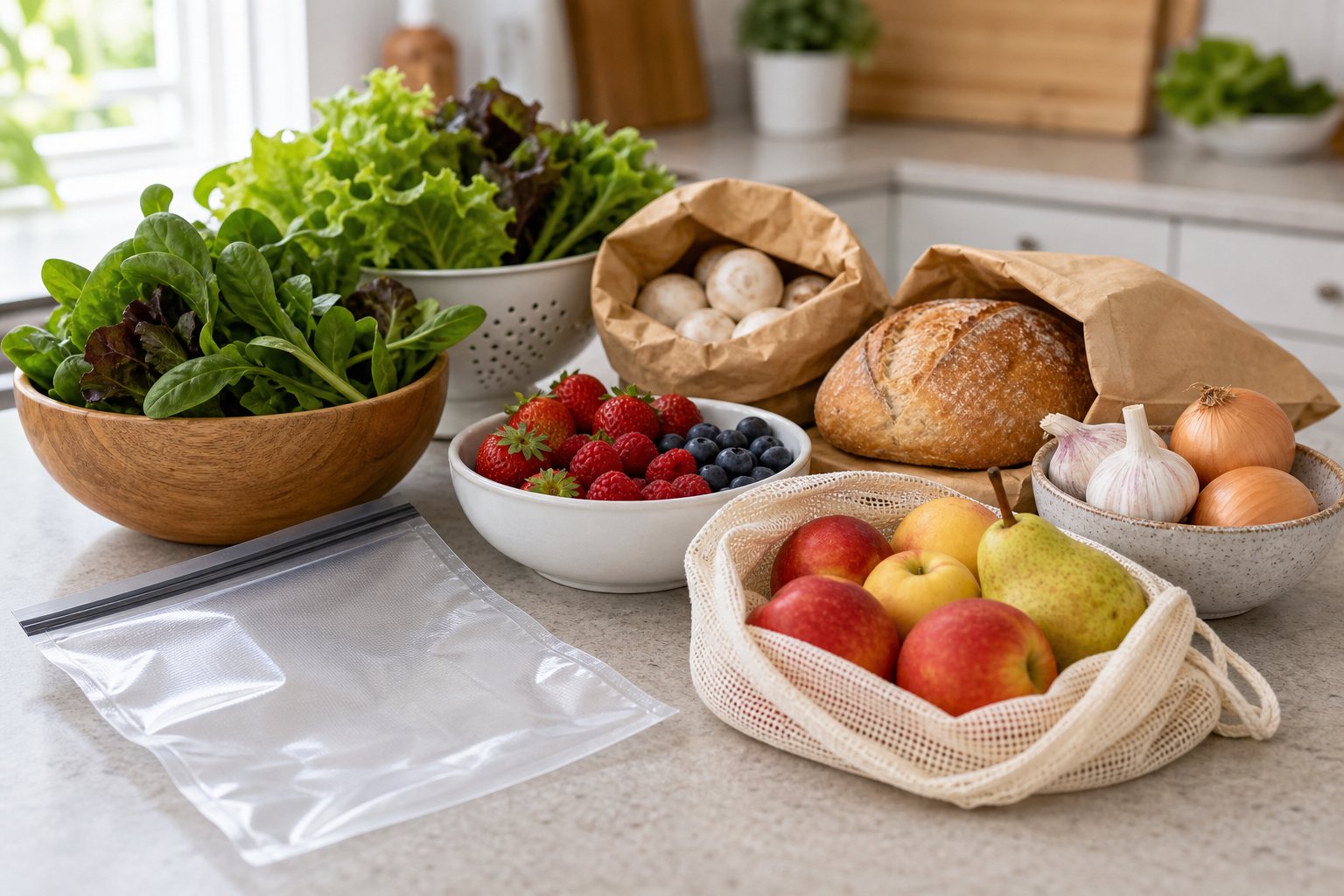
Check out our latest collection of compact vacuum sealer for food!
A vacuum sealer can help preserve food quality and reduce exposure to air, but it is not suitable for every ingredient or storage situation. Some foods can lose texture or freshness under vacuum, while certain perishable foods require careful temperature control because reduced-oxygen conditions can support the growth of harmful bacteria.
Understanding which foods should not be vacuum sealed, which need preparation first, and which are better suited to another storage method can help you build a safer, more effective food storage routine.
Whether you are new to vacuum sealing or regularly prepare meals in advance, the key is to treat vacuum sealing as a storage tool, not a substitute for refrigeration, freezing, cooking, or safe food handling.
Key Takeaways
- Vacuum sealing does not sterilize food or make perishable foods shelf-stable.
- Some foods should be cooked, blanched, chilled, or frozen before vacuum sealing.
- Certain foods are better stored using breathable packaging, refrigerated containers, or freezer-safe packaging.
- Vacuum-sealed perishable foods still require appropriate refrigeration or freezing.
Start With the Food Safety Rule
Vacuum sealing changes the environment surrounding food by removing much of the air from the package. This can slow oxidation and help protect food quality, but reduced oxygen also changes the conditions in which microorganisms can grow.
Vacuum Sealing Does Not Sterilize Your Food
Vacuum sealing does not kill bacteria, mold spores, or other microorganisms that may already be present on food. It primarily removes air from the package, which can slow some forms of spoilage and oxidation.
That distinction is important. Vacuum bags and containers can help limit moisture loss and air exposure, but they do not replace cooking, pasteurization, refrigeration, freezing, or proper food handling.
Think of vacuum sealing as an additional layer of food storage protection rather than a food safety shortcut.
Reduced-Oxygen Conditions Can Create Risk
Removing air creates a reduced-oxygen environment. Some microorganisms, including Clostridium botulinum, can grow under low-oxygen conditions when other factors such as temperature, moisture, acidity, and time are favorable. This is one reason vacuum-packaged perishable foods require careful temperature control.
Food contaminated with botulinum toxin may not necessarily develop an obvious smell, taste, or appearance. For home storage, vacuum sealing should therefore never be used as a way to make moist, low-acid, perishable foods safe at room temperature.
Refrigeration and Freezing Still Matter
Vacuum-sealed perishable foods should be kept cold. USDA guidance states that perishable vacuum-packaged foods should be refrigerated at 40°F or below or kept frozen. Freezing prevents microbial growth while food remains frozen, although it does not necessarily destroy microorganisms already present.
Clean handling matters as well. Wash your hands, use clean utensils and preparation surfaces, and avoid cross-contamination before food goes into a vacuum bag or container.
Foods Best Kept Out of Vacuum Bags
Some foods are poor candidates for home vacuum sealing because of food safety concerns, ongoing biological activity, high moisture levels, or changes in texture. In these cases, another storage method is often the better choice.
Fresh Garlic, Raw Onions, and Other Moist Aromatics
Do not use vacuum sealing to make fresh garlic, raw onions, or other moist aromatics shelf-stable. Garlic and other low-acid produce can present a botulism concern when stored in low-oxygen conditions without appropriate controls.
Garlic stored in oil requires particular care. CDC guidance recommends refrigerating homemade garlic or herb oils and discarding unused portions after four days.
For whole garlic and onions, use a cool, dry, well-ventilated storage area. If you are preparing them for longer freezer storage, use a suitable freezing method and keep them frozen rather than relying on vacuum sealing alone for safety.
Soft Cheeses Like Brie, Camembert, and Ricotta
Soft and high-moisture cheeses are generally better stored according to their original packaging instructions rather than being tightly vacuum sealed at home. Vacuum pressure can affect delicate textures, while some cheeses continue to mature during storage.
Keep soft cheeses refrigerated and use packaging that protects them without unnecessarily compressing the product. Firmer cheeses tolerate vacuum packaging more readily, but they still require appropriate refrigeration unless the manufacturer specifically states otherwise.
Raw and Fresh Mushrooms
Fresh mushrooms are another food for which reduced-oxygen packaging requires caution. FDA guidance identifies mushrooms as a produce category in which conditions created by reduced-oxygen packaging can present a potential botulism hazard.
Mushrooms also release moisture during storage, which can contribute to a soft or slimy texture when that moisture becomes trapped.
| Storage Method | Best Use | Why It Works |
|---|---|---|
| Breathable packaging in the refrigerator | Fresh raw mushrooms | Allows excess moisture to escape |
| Cook, cool, and freeze appropriately | Longer storage | Better suited to freezer storage than raw vacuum packaging |
If you want to prepare mushrooms for longer freezer storage, cook them using an appropriate method, cool them promptly, and freeze them in suitable freezer packaging.
Actively Fermenting Foods Like Kimchi and Sauerkraut
Actively fermenting foods continue producing gases as microorganisms convert sugars during fermentation. Sealing an actively fermenting food in a non-venting vacuum bag can cause the package to swell or lose its seal.
Use containers and lids designed for fermentation, and follow a tested recipe for preparation and storage. Once fermentation is complete, continue storing the food according to the recipe or product instructions rather than assuming vacuum sealing makes it shelf-stable.
Foods That Need Prep Before Sealing
Some foods can work well with vacuum storage, particularly for freezing, but they need the right preparation first. Proper cooling, blanching, freezing, and moisture control can improve both safety and storage quality.
Blanch Vegetables Before Freezing
Most vegetables benefit from blanching before freezing. Blanching briefly exposes vegetables to boiling water or steam, helping slow or stop enzyme activity that can otherwise affect flavor, color, texture, and nutritional quality during frozen storage.
Use the recommended blanching time for the specific vegetable rather than relying on a single time for every type. After blanching, cool the vegetables quickly in ice water, drain them thoroughly, and dry the surface before packaging and freezing.
Broccoli, green beans, cabbage, and many other vegetables are better suited to freezer storage after this preparation.
Chill Cooked Foods and Handle Wet Foods Carefully
Avoid vacuum sealing food while it is still hot. Steam and excess moisture can interfere with the seal, while leaving cooked food at room temperature for extended periods can increase food safety risks.
Instead, cool cooked foods promptly using safe cooling practices and refrigerate them before vacuum sealing. Perishable foods should not remain at room temperature for more than two hours, or one hour when temperatures are above 90°F.
Wet ingredients can also be difficult to seal because liquid may be drawn toward the sealing area. Follow your vacuum sealer manufacturer's instructions for moist foods, or use a compatible vacuum container when appropriate.
Freeze Liquids Before Sealing Soups and Stews
Liquids such as soups, stews, sauces, and broths can be difficult to seal directly in a standard vacuum bag because liquid may be pulled toward the machine.
One practical approach is to cool the food promptly, freeze individual portions in suitable containers, and then vacuum seal the frozen portions if your machine is designed for that use.
Freezing portions before sealing can also make soups and stews easier to stack and organize in the freezer.
Handle Raw Meat, Cooked Meats, and Cooked Rice With Care
Raw meat, poultry, and seafood must remain refrigerated or frozen before and after vacuum sealing. If excess liquid makes sealing difficult, the food can be chilled thoroughly or partially frozen until firm before packaging, provided it remains at a safe temperature throughout the process.
Cooked meat should be cooled promptly and refrigerated before sealing.
Cooked rice also requires careful temperature control. Bacillus cereus spores can occur in foods including cooked rice, and improper time and temperature control can allow bacteria to grow and produce toxins. Cool rice promptly, refrigerate it within the recommended food safety window, and do not leave it sitting at room temperature while preparing other foods.
Foods That May Lose Texture or Freshness
Not every reason to avoid vacuum sealing is related to food safety. Some foods simply lose their preferred texture, shape, or eating quality when air is removed.
Delicate Berries, Fresh Bananas, and Other Soft Fruits
Fresh berries and other delicate fruits can be crushed by the pressure created during vacuum sealing. Bananas are also easily bruised and continue to ripen after harvest.
For freezer storage, spread berries or sliced fruit in a single layer and freeze them until firm before packaging. Pre-freezing helps protect their shape and prevents individual pieces from being compressed together during sealing.
Whole Apples, Pears, Potatoes, and Tomatoes
Fresh fruits such as apples, pears, and tomatoes continue to respire after harvest. Removing air and tightly compressing them can affect texture and may not provide the storage benefit you expect.
Potatoes also require care. They are low-acid produce, so vacuum sealing should not be used to make raw potatoes safe for room-temperature storage. Store raw potatoes in a cool, dark, well-ventilated location instead.
For apples and pears, use appropriate refrigerator or produce storage once ripe. Tomatoes can generally be allowed to ripen under normal produce storage conditions before refrigeration is considered for longer holding.
Bread, Baked Goods, and Foods With Sharp Edges
Bread and soft baked goods depend on internal air pockets for their light texture. Vacuum pressure can compress these foods, leaving them flat or dense.
If you want to vacuum seal bread for freezer storage, freezing it until firm before sealing can help protect its shape. Freezer-safe bags or containers are another simple option.
Foods with sharp or rigid edges, including some bone-in meats, crackers, and hard snacks, can puncture vacuum bags. When your vacuum sealer manufacturer permits it, protect sharp areas with food-safe wrapping or use a more suitable container.
Carbonated Beverages and Other Unsuitable Items
Vacuum sealing is not an appropriate storage method for carbonated beverages. Reducing pressure can cause dissolved carbon dioxide to escape from the liquid, affecting carbonation and potentially creating problems with containers not designed for vacuum use.
For leftover carbonated drinks, use the original resealable container or a beverage container specifically designed to retain carbonation.
Better Storage Methods for Every Food Type
A practical kitchen does not need one storage method for everything. Combining vacuum sealing with breathable produce storage, refrigerated containers, freezer-safe packaging, and tested preservation methods can provide better results across different food types.
Use Breathable Storage for Produce That Needs Airflow
Produce such as fresh mushrooms benefits from packaging that allows excess moisture to escape. Paper bags or other breathable produce packaging can help prevent condensation from accumulating around delicate ingredients.
Whole onions, garlic, and potatoes generally benefit from cool, dry, ventilated storage rather than airtight or vacuum-sealed packaging.
Produce storage needs vary, so consider the type of fruit or vegetable, its ripeness, and whether it should be stored at room temperature or refrigerated.
Choose Refrigerated Containers for Short-Term Storage
If you plan to use food within a relatively short period, a covered refrigerator container may be simpler than vacuum sealing. This works well for many leftovers, prepared vegetables, and refrigerated foods.
Soft and semi-soft cheeses should remain refrigerated and stored according to their packaging or food safety instructions. Firm cheeses may be suitable for vacuum packaging, but vacuum sealing does not eliminate the need for refrigeration when the food is perishable.
Use Freezer Storage to Help Prevent Freezer Burn
Freezing is an effective way to preserve meat, bread, prepared meals, and many other foods for longer storage. Use packaging designed for freezer conditions to limit exposure to air and moisture loss.
Freezer burn develops when frozen food loses moisture from its surface. Removing excess air from appropriate freezer foods can help reduce this quality problem.
Label packages with the food name and freezing date, and freeze foods in practical portion sizes to make thawing and meal planning easier.
Consider Canning, Pickling, Dehydrating, or Fermenting
For longer-term preservation, consider established methods such as canning, pickling, dehydrating, or fermenting. Always use tested recipes and processing instructions, particularly for home canning, because the required method depends on the food's acidity and other safety factors.
Dehydrating can be useful for foods such as fruits and herbs when a tested preparation method is followed. Fermentation can preserve foods such as sauerkraut and kimchi when appropriate recipes, salt concentrations, temperatures, and storage practices are used.
Dry goods such as flour and nuts also benefit from appropriate containers and cool, dry storage. The best packaging depends on the food, expected storage period, and environmental conditions.
Frequently Asked Questions
These common questions cover some of the foods and safety considerations that are most important when using a vacuum sealer at home.
Which foods are unsafe or unsuitable to vacuum seal at home?
Avoid using vacuum sealing to make perishable or moist, low-acid foods shelf-stable. Fresh mushrooms, raw garlic, actively fermenting foods, and delicate foods that can be crushed may require another storage method or special preparation. Always keep vacuum-sealed perishable foods appropriately refrigerated or frozen.
Can I vacuum seal raw garlic, onions, or fresh herbs?
Do not vacuum seal raw garlic or onions for room-temperature storage. For longer storage, use an appropriate freezing method and keep the food frozen. Fresh herbs can also be frozen before packaging when suitable for the intended use.
Why should mushrooms not be vacuum sealed before storage?
Fresh mushrooms contain significant moisture, and reduced-oxygen packaging can create food safety concerns under certain conditions. Store fresh mushrooms in breathable refrigerator packaging or cook and properly freeze them for longer storage.
Can cooked rice, pasta, or potatoes be vacuum sealed safely?
They can be packaged after proper cooling, but vacuum sealing does not replace temperature control. Refrigerate cooked foods promptly and keep vacuum-sealed portions refrigerated or frozen as appropriate.
Is it safe to vacuum seal fresh vegetables without blanching them first?
For vegetables intended for freezing, blanching is recommended for most types because it slows enzyme activity that can reduce flavor, color, and texture. Use the recommended blanching method and time for each vegetable before cooling, packaging, and freezing.
Which vacuum-sealed foods need to be refrigerated or frozen right away?
Perishable foods such as raw meat, poultry, seafood, cooked leftovers, dairy products, and prepared meals still require refrigeration or freezing after vacuum sealing. Vacuum packaging does not make these foods safe to store at room temperature.
Share:
How to Practice Driver and Iron Shots With Different Tee Heights on a Golf Hitting Mat
Vacuum Canister vs Airtight Container: Which Is Better for Leftovers and Dry Foods?