

Check out our latest home & kitchen collection!
Hidden storage sounds great on paper, everything tucked away, surfaces cleared, home looking magazine-ready. But when you actually need to grab something, those clever cabinets and pull-out drawers can turn into annoying obstacles.
Accessible storage puts ease of use first, making sure the stuff you need most is right there, no extra steps, no hunting, no awkward stretching.
We've all been there, digging through a deep cabinet for that one container, or climbing on tiptoes to reach the top shelf for something we use every day.
Accessible storage flips the script by putting function at the forefront. It's not about ditching organization or style, but about creating systems that actually work with your daily habits and your body, not against them.
This stuff matters for everyone, not just folks with mobility challenges. Whether you're juggling a busy kitchen, working with a small space, or just plain tired of playing hide-and-seek with your own belongings, accessible storage makes life smoother. It cuts down on strain, saves time, and helps you actually use the things you own.
Key Takeaways
- Accessible storage focuses on function and easy reach, not just hiding clutter
- Universal design helps everyone by making daily life less physically demanding
- Good storage systems blend accessibility and space-saving features with smart placement
Accessible Storage vs. Hidden Storage: What's the Difference?
Accessible storage keeps things visible and within easy reach. Hidden storage, on the other hand, tucks stuff behind doors or inside built-ins. Which you pick really changes how quickly you can find what you need—and how your kitchen works day-to-day.
Core Definitions & Concepts
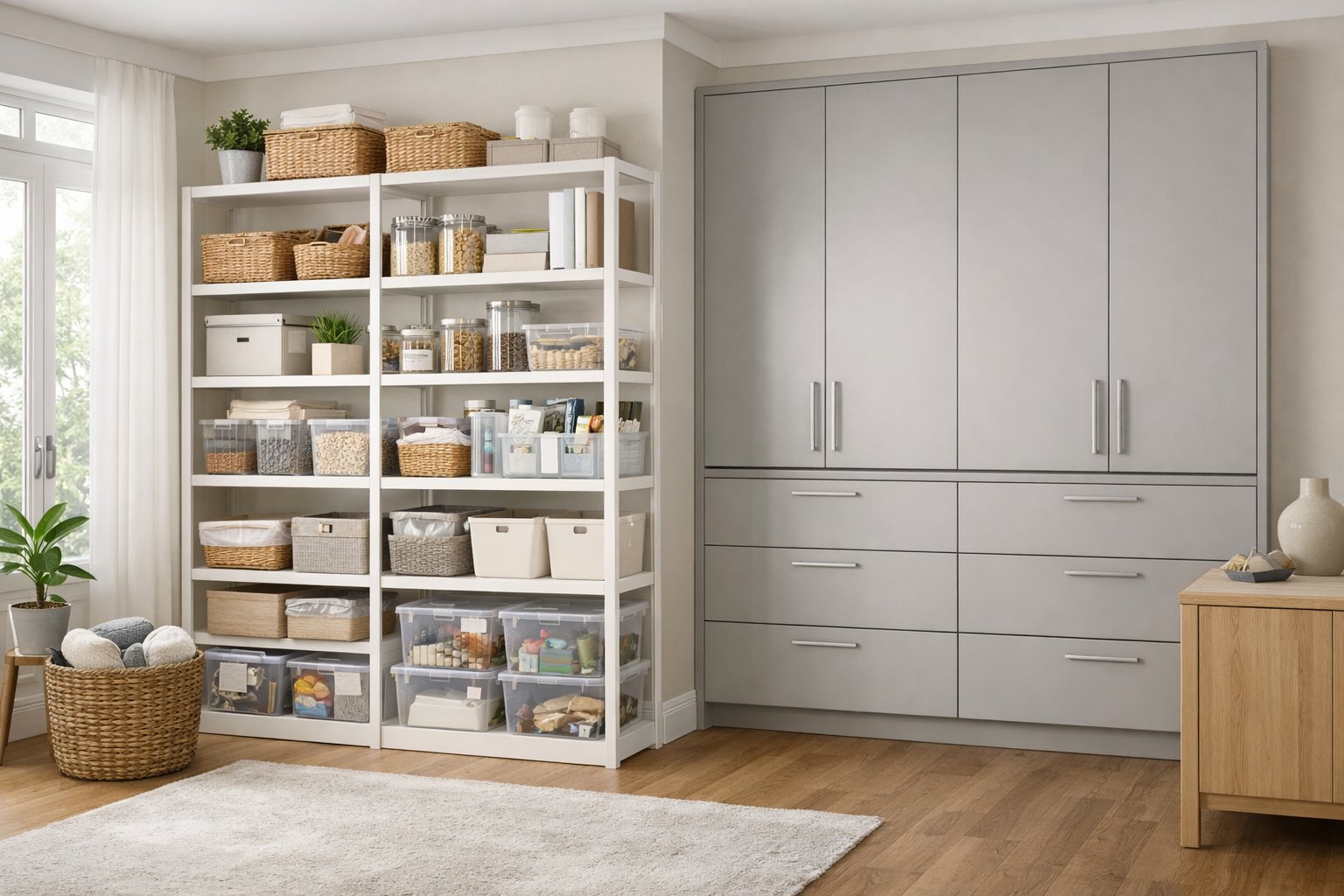
Accessible storage means you can see and grab items without opening doors or moving things around. Think open shelves, countertop organizers, hanging racks, or clear containers out in the open. The main thing is you can spot what's there right away.
Hidden storage uses closed cabinets, drawers, or built-in compartments to keep things out of sight. This keeps the space looking clean and tidy, but you need to remember where you put things and physically open something to get to them.
The big difference comes down to how fast you can grab stuff and how easy it is to keep track of what you have. With accessible storage, you see what you need instantly. Hidden storage relies more on memory and extra steps.
Everyday Examples of Each Approach
Accessible Storage in Action:
- Open shelving with everyday spices, oils, utensils
- Glass jars on the counter for flour, sugar, coffee
- Magnetic knife strips on the wall
- Hanging pot racks over an island
- Pegboards with measuring cups and tools
Hidden Storage Solutions:
- Deep pantry cabinets with pull-out drawers
- Storage built into kitchen islands
- Closed upper cabinets for dishes and glasses
- Drawer organizers for utensils and gadgets
- Appliance garages hiding toasters and blenders
Most of us mix and match. Maybe open shelves for plates and mugs, closed cabinets for holiday stuff.
Accessibility and Convenience in Real Life
Accessible storage saves time on the little things we do over and over. If olive oil sits on an open shelf, we just grab it. No digging behind other bottles. Those seconds add up over a week.
Hidden storage works better for stuff we rarely use or want to keep clean. We don't need the Thanksgiving platter in July, and built-ins help the kitchen look tidy—especially in open layouts.
But there’s a trade-off. Open shelves get dusty and greasy, so they need more cleaning. Hidden storage stays cleaner but makes it easier to lose track of things—who hasn't had to dig for a baking pan they haven't seen in months?
Why Accessible Storage Takes Center Stage in Modern Homes
Accessible storage really shapes how we move through daily life, from grabbing breakfast to finding that elusive spice. It lightens the mental load of remembering where things are and makes it easier for everyone in the house to pitch in—no frustration or awkward stretching.
Benefits for Daily Routines & Meal Prep
Designing for accessibility in the kitchen genuinely speeds up meal prep. Pull-out shelves in lower cabinets mean no more crouching or reaching for the rice cooker. Adjustable racks let us keep go-to items at arm level, no more stretching for olive oil every night.
Smart storage systems that make things accessible save real time. Storing cutting boards upright near the prep area means we don't have to dig through a pile. Open shelves for daily dishes make unloading the dishwasher way faster than dealing with deep cabinet stacks.
It's most noticeable on hectic mornings. When the coffee maker, filters, and mugs all live in one easy-to-reach spot, you’re not opening half the kitchen before your first cup. Same with lunch prep—containers and leftovers at eye level mean packing up takes minutes, not a scavenger hunt.
Reducing Stress and Clutter
Designing for accessibility naturally keeps clutter down because we actually use the space. Deep cabinets with pull-out drawers get used, while regular deep shelves just turn into black holes where food goes to expire.
It's easier to avoid buying doubles when you can see what you have. Lazy Susans and tiered shelves mean you spot that extra jar of tahini before you buy another. Clear sightlines kill the "I know it's here somewhere" panic that leads to stress and over-shopping.
When storage works with us, not against us, we spend less energy managing the kitchen and more actually enjoying it. Accessible home storage clears away tiny daily frustrations.
Accessible Storage for All Ages and Abilities
Universal design means kids can grab their own snacks from lower drawers—no climbing. Teens can help with meal prep when tools are within reach. Grandparents can navigate the kitchen without needing to bend or decode complicated systems.
Lower countertop sections with accessible storage underneath make things easier for wheelchair users or anyone who prefers to sit while prepping. Touch-latch cabinets help folks with arthritis skip the struggle with knobs. These tweaks help everyone—who hasn't had their hands full and needed to open a cabinet with an elbow?
Storage accessibility isn't about planning for limitations. It's about real life, where sometimes we're tired, juggling too much, or just need to grab something with one hand.
Designing for Accessibility: Features That Make a Real Difference
Accessible storage leans on features that cut down on physical effort and work for all kinds of abilities. From hardware that opens with a tap to mechanisms that bring stuff to you, these details can turn storage from a pain into a breeze.
Pull-Down and Pull-Out Systems
Pull-down shelves bring upper cabinet items down to you—no step stools or risky stretching. They use spring or hydraulic systems so you just pull gently and the shelf comes down. They're a game-changer for spices, dishes, or pantry items that would otherwise gather dust up high.
Pull-out shelves and drawers mean you never have to reach into the cabinet abyss. Full-extension slides show you everything at the back, and pull-out pantry organizers turn narrow spaces into easy-access storage. These help everyone, not just folks with mobility issues—honestly, who hasn't lost a can of tomatoes in a deep cabinet?
Corner pull-out systems deserve a shoutout too. They finally make those awkward corner spaces usable without crawling around on the floor.
Adjustable and Open Shelving Solutions
Adjustable shelves adapt as your needs change. Systems that let you move shelves with minimal fuss are best—no wrestling with brackets. This way, storage can shift for wheelchairs, walkers, or just different family members.
The sweet spot for accessible storage? Between 15 and 48 inches off the floor. Adjustable shelves help keep everyday stuff in this zone while still using vertical space.
Open shelving skips the hassle of cabinet doors. Everything's visible and easy to reach, no need for grip strength or tricky handles. For kitchens, open shelves are great for daily dishes, glasses, and oils you reach for constantly.
Soft-Close Drawers and Ergonomic Hardware
Soft-close drawers need almost no effort and stop that jarring slam. The dampers do the work, which is great if you have limited hand strength or just want to keep things quiet. Plus, they protect your stuff from shifting around.
Ergonomic hardware is the difference between easy and annoying storage. D-shaped pulls are way easier to grab than tiny knobs. Loop handles fit multiple fingers or even a wrist. Touch-latch options ditch handles altogether—just push and they pop open.
Some good hardware picks:
- Horizontal bar pulls (8-12 inches for a solid grip)
- Lever handles you can push down
- Recessed pulls that won't snag on clothing or mobility aids
- Contrasting colors for handles and cabinets, making them easier to spot
Adaptable Storage Options for the Whole Family
Adaptable storage changes as your family does, no need for expensive remodels. Modular systems with swappable parts let you rework layouts as needs shift. Lower storage, easy-open mechanisms, and clear visibility work for both little kids and aging adults.
Personal lockers or family zones give everyone their own accessible space. Smart lockers with touchless entry are great in mudrooms—open them with a phone or key fob, no digging for keys.
Height-adjustable counters and pull-out worktops create flexible prep space. Lazy Susans and tiered organizers bring things forward with a spin, so you don’t have to reach into the back of cabinets or fridges.
ADA Compliance & Universal Design: Making Storage Work for Everyone
The Americans with Disabilities Act sets the baseline for accessibility, but universal design goes further, making spaces everyone can use from the start. For kitchen storage, that means thinking about aisle widths, reach zones, and how people actually interact with shelves and cabinets every day.
Key ADA Guidelines to Know
ADA rules require certain measurements that really shape storage design. Aisles must be at least 36 inches wide, with 60-inch turn spaces for wheelchairs. These numbers aren't random—they're based on what mobility devices actually need.
For storage, ADA says put frequently used stuff between 15 and 48 inches off the floor. Anything higher needs a step or help, which defeats the point of independence. Cabinets, pantries, and drawers should keep daily items in this range.
Handles and pulls matter too. They shouldn't need more than 5 pounds of force and shouldn't require tight gripping or twisting. Push-to-open or D-shaped pulls are way better than tiny knobs.
Creating Wheelchair-Accessible Pathways
Wide pathways make or break a kitchen. You need at least 30 by 48 inches of clear floor space in front of storage so wheelchair users can get close without constant repositioning.
Floor transitions are easy to overlook but important. Any bump over ½ inch needs a ramp. Cabinet kick plates should be at least 9 inches high and 6 inches deep for toe clearance, so wheelchairs can roll in close.
In galley kitchens or double-sided pantries, bump that aisle width up to 60 inches. That gives enough room to turn around and actually use the space, not just squeeze through. Pull-out shelves and drawers also cut down on how far you have to reach.
Reach Range and Height Considerations
That 15 to 48-inch range is the sweet spot for daily storage. Lower cabinets with pull-out drawers beat regular shelves because they bring stuff forward. Upper cabinets shouldn't go above 48 inches for everyday things—about shoulder height if you're seated.
Pull-down shelves and motorized cabinets can help, but they're pricey. Usually, it's easier to just organize by how often you use things. Daily stuff stays in the prime zone, seasonal or rare items can go higher or lower.
Best zones by height:
- Below 15 inches: Rarely used stuff, small appliances
- 15-48 inches: Everyday dishes, pantry basics, cooking tools
- Above 48 inches: Holiday or specialty gear
Corner cabinets with lazy Susans or pull-outs also help—no more losing things in the dark corners.
Smart and Mobile: High-Density & Tech-Enabled Storage Systems
High-density mobile storage packs traditional shelves into movable units that cut out wasted aisle space. Smart storage tech adds automation and tracking, making it easier and faster to grab what you need.
What Is High-Density Mobile Storage?
High-density mobile storage swaps out fixed shelving for units on tracks that slide, so you only open up an aisle where you actually need it. Instead of permanent walkways between every shelf, you get one movable aisle that appears wherever you want.
These mobile storage units glide along floor tracks, either by turning a hand crank or pressing a button. When you’re not grabbing something from a section, the units squeeze together. That gets rid of all the empty aisle space that traditional shelves waste—sometimes up to half the room.
Spacesaver and similar high-density shelving systems can double or even triple what you can store in the same amount of space. A pantry that used to hold 100 items on regular shelves might fit 200 or 300 with mobile units. You don’t lose accessibility either; just move the shelves to open an aisle wherever you need to reach.
Mobile Storage Units and Their Advantages
Mobile storage units really shine in three ways: they save space, help you stay organized, and keep everything accessible. There’s no need to hide things behind other things—you’re just getting rid of those useless permanent aisles.
These units also take advantage of vertical space way better than most standard storage. High-density shelving usually stretches from floor to ceiling, using up space that regular cabinets just ignore.
Some stand-out advantages:
- Store 2-3 times more in the same area
- Reach every item without shuffling others around
- Customize shelf heights and setups
- Keep dust and light out when closed
- Cut down on off-site storage or the urge to expand
Technology and Automation in Accessible Storage
Smart storage systems now come with sensors, automated retrieval, and inventory tracking. They’ll tell you exactly where things are and sometimes even fetch them for you.
IoT sensors track what you store and when you grab it. Looking for that obscure spice you bought months ago? The system can show you exactly where it’s hiding, so you’re not stuck digging through every container.
Modern automated features:
- Move shelves with a button or even a wave of your hand
- LED lights that turn on when an aisle opens
- Weight sensors to track how much you have left
- Mobile apps for checking your inventory from anywhere
- Climate controls for stuff that needs it
Some commercial systems even use robots to grab things, but at home, automation is usually simpler. Motorized high-density shelves that open with a tap on your phone are starting to pop up, making smart storage part of everyday life. No more guessing what’s buried in the back.
Making Every Inch Count: Space Optimization with Accessible Storage
Accessible storage isn’t about hiding stuff—it’s about making your space work better. Adjustable shelves, built-ins, and personal lockers mean your storage fits around your routines, not the other way around.
Built-In Storage and Hidden Drawers Reimagined
Built-in storage works best when it’s designed for easy access. Pull-out drawers in the toe-kick under kitchen cabinets can stash baking sheets and cutting boards right at floor level—no more crawling into dark corners. Under-stair storage with doors you can actually open beats secret compartments that make you move half the room to reach.
Wall-mounted cabinets with pull-down racks bring high-up things down to eye level. That way, you use your wall space without risking life and limb on a wobbly stool. These work great for spices and oils in kitchens, or toiletries in bathrooms.
Roll-out pantry shelves make deep cabinets useful again. Instead of losing cans in the back forever, you just pull the whole shelf out and everything’s right there. Lazy Susans in corner cabinets do the same—spin them around and nothing’s out of reach.
Using Adjustable and Modular Components
Adjustable shelving gives you flexibility as your storage needs change, no new furniture required. Raise or lower shelves as your collection grows, or drop them down if you want things more accessible.
Some handy adjustable components:
- Clothing rods you can move up or down
- Removable dividers to create custom sections
- Magnetic strips inside cabinets for knives or metal containers
- Pegboards with hooks you can rearrange for tools and utensils
Modular drawer organizers let you change things up as your kitchen tools change. Bamboo dividers, plastic bins, expandable trays—you can mix and match every week if you want. No need to stick with a setup that doesn’t work.
You can fix a storage problem in seconds—just move a shelf or swap out a divider, and you’re good.
Personal Lockers and Custom Compartments
Personal lockers in shared kitchens solve the “whose container is this?” mystery and give everyone their own spot. Even in family homes, small cabinet sections or labeled drawers help keep things straight.
Custom compartments in drawers keep utensils sorted so you’re not digging through a pile every time. Knife blocks, spoon rests, and sectioned trays make it obvious where things go. Open a drawer and what you need is right there.
Shallow pull-out trays at eye level in pantries are perfect for the stuff you use all the time—coffee, breakfast foods, baking supplies. No more daily scavenger hunts through crowded shelves where things vanish to the back.
Frequently Asked Questions
Kitchen storage accessibility changes everything—from how fast you can prep to how much you enjoy cooking. Here are some common questions about making storage work for you, not against you.
How can the right storage solutions revolutionize your kitchen prep routine?
The right storage puts ingredients and tools within easy reach, slashing prep time. Pull-out cabinets and drawer organizers mean you’re not digging through piles of pots or reaching into the abyss at the back of shelves.
Clear containers and open storage let you see what you’ve got at a glance. Less time searching, more time actually cooking.
What are the key benefits of opting for easily accessible storage in your cooking space?
Accessible storage cuts down on awkward bending and heavy lifting. You grab what you need without frustration.
It also helps you keep track of what you have. When everything’s visible and reachable, you’re less likely to buy duplicates or let food expire in the back.
Easy access speeds up your workflow. Grab, use, and put away—no wasted steps when you’re in the middle of a recipe.
In what ways does a clutter-free kitchen enhance your culinary adventures?
A tidy workspace means you’ve actually got room to cook. You can lay out ingredients, chop comfortably, and juggle multiple tasks without bumping into stuff.
When your space is organized, your mind feels clearer too. It’s easier to get creative when you’re not distracted by clutter.
Cleanup gets faster. With a spot for everything, you can reset the kitchen in minutes instead of wrestling with a mess that just keeps piling up.
Can you dish out some tips for maintaining a balance between secure and accessible storage?
Keep your most-used items at eye level or within easy reach. Reserve the high or low cabinets for stuff you rarely need. This way, your storage matches how you actually cook.
Drawer dividers and adjustable shelves keep things both secure and organized. No more sliding piles or mystery items lost in the back.
Child safety locks can secure lower cabinets with hazardous stuff, so you don’t have to sacrifice convenience for safety.
How does quick access to storage impact your meal prep efficiency and enthusiasm?
When you know you can grab what you need without hassle, cooking feels less like a chore. You’re more likely to try new recipes or cook from scratch.
Cooking actually goes faster. Some studies say organized kitchens can cut meal prep time by 15-30% just by putting things in better spots.
You waste less food, too—because when everything’s easy to see and reach, you actually use what you have instead of letting it disappear into the void.
Why is it crucial to have a kitchen storage system that caters to both function and flair?
Function keeps the kitchen running for real life—quick dinners, lazy breakfasts, or those ambitious baking days. Storage should fit how you actually live, not just look good on paper.
But flair? That’s what makes the kitchen feel like yours. When shelves and drawers match your style, the space feels more inviting, and honestly, it’s easier to keep things tidy when you actually like what you see.
If storage is both practical and easy on the eyes, you’re just more likely to stick with it. Who wants to wrestle with clunky cabinets or stare at something you can’t stand?
Share:
How Proper Organization Makes Small Kitchens Work Better
How Proper Organization Makes Small Kitchens Work Better