

Check out our latest compact vacuum sealer for food collection!
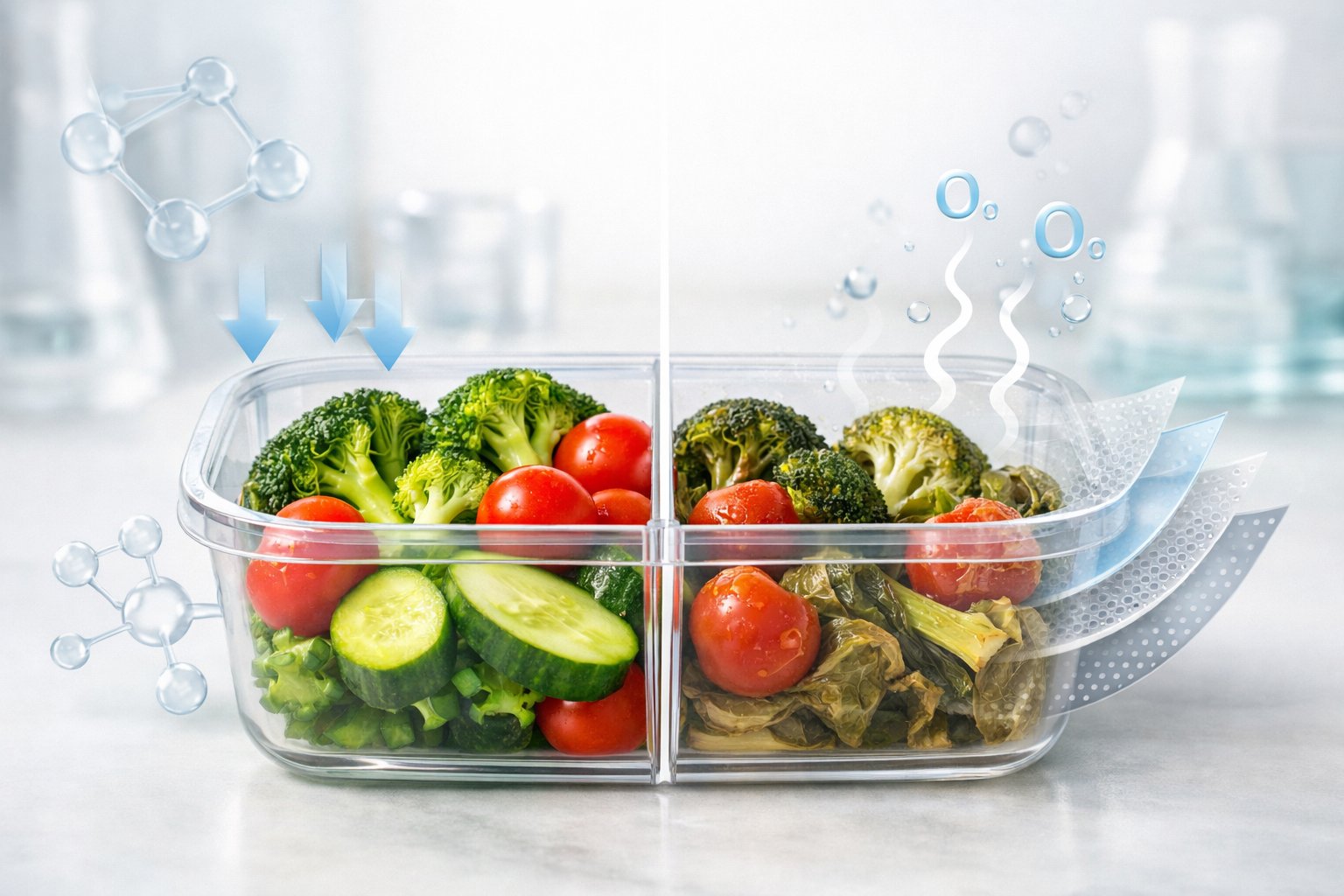
You’ve probably opened a container of strawberries and found the ones on the bottom turned to mush while the top still looked perfect. Or maybe you’ve noticed the salad greens pressed against the lid are slimy, but the leaves in the middle are still crisp. It’s annoying, right? This happens because food doesn’t spoil evenly inside containers, air circulation, moisture, and contact with surfaces all create little micro-climates within the same storage space.
Where food sits inside a container matters more than most of us realize. Items touching the bottom get hit with condensation and moisture from other foods. Pieces near the lid deal with different humidity and temperature swings every time you open the fridge. The center? Sometimes it stays fresher longer, buffered by its neighbors.
Let’s dig into what’s going on. We’ll look at the science behind uneven spoilage, how container design messes with your food, and some real-world tips for keeping stuff fresh longer.
Key Takeaways
- Food spoils unevenly in containers because moisture, air, and temperature aren’t the same everywhere inside
- Container material and design shape how well food’s protected from the stuff that makes it go bad
- Smarter food placement and storage help even out freshness and stretch shelf life for everything in the container
What Causes Uneven Food Freshness in a Single Container?
Even when you store food together, it doesn’t spoil the same way. Why? Because the environment inside the container isn’t uniform. Temperature, oxygen, and moisture all shift around, so different pieces of food break down at different rates.
Defining Food Freshness Decline
Food freshness means quality—texture, color, aroma, nutrition. As soon as food’s harvested or prepped, it starts to decline: enzymes break down cell walls, microbes multiply if conditions let them, and air causes oxidation.
You’ll notice freshness loss by:
- Texture changes (wilting, softening, hardening)
- Color shifts or browning
- Weird smells or flavors
- Mold or slime
- Nutrients fading
Ever see the top of a container spoil before the bottom? Or the stuff pressed to the sides decay differently than the center? That’s what we’re talking about.
Factors That Contribute to Uneven Spoilage
Moisture distribution is the big one. Water settles at the bottom, making it wetter and more bacteria-friendly. Stuff sitting in that puddle goes bad faster than the drier pieces up above.
Temperature isn’t even, either. Food near the edges gets hit with temperature swings every time you open the fridge. The center stays steadier.
Physical contact is another culprit. Food pressed against walls or each other gets bruised, and those spots are prime real estate for spoilage.
Ethylene gas, which some fruits and veggies release, piles up in spots with poor ventilation. Food in those pockets ripens and ages faster than food with better airflow.
How you pack the container matters, too. Tight spots restrict air, while loose areas let it circulate. That’s why some pieces rot before others.
Role of Oxygen Exposure
Oxygen speeds up spoilage, plain and simple. Food at the surface touches more air, so it browns and loses nutrients faster than food buried deeper.
Cut fruit browns because of oxidation. Vitamins (especially C and Bs) break down, and fats go rancid when exposed to air. If there’s a lot of empty space in your container, everything inside spoils quicker, but the top gets it worst.
Even in sealed containers, oxygen isn’t distributed evenly. As food breathes, it uses up oxygen and makes carbon dioxide, so there’s less oxygen at the bottom and more near the top. Some foods hate that, others don’t seem to care.
Impact of Seal Integrity and Container Design
A good seal keeps outside air and moisture out. Even a tiny gap lets in air, and food near that leak spoils faster.
Bad seals mean humidity escapes unevenly. Near the opening, things dry out; deeper in, they might stay too wet. So you get different spoilage zones inside the same box.
Container shape changes things. Tall, skinny containers stack food and squish the bottom, while wide, shallow ones spread it out but don’t protect from above. Glass doesn’t absorb odors or leach chemicals, but some plastics interact with acidic foods. Opaque containers shield light-sensitive nutrients better than clear ones.
Features like raised bases or vents help. They stop moisture from pooling and let gases escape. Containers without those features make it way harder to keep everything fresh evenly.
The Science of Permeability and Barrier Materials
Packaging materials act as barriers—some more than others. They control how much air and water vapor get in or out, and that totally changes how fast food goes bad in different spots inside the container.
Permeability of Common Packaging Materials
Permeability is basically how easily stuff passes through the packaging. Polyethylene (PE) is pretty porous—oxygen gets through at rates of 3,000-10,000 cm³/m²/day. Polypropylene (PP) is a bit better (1,500-3,000), and PET (polyethylene terephthalate) is much tighter (50-100).
So, if you put cut apples in a PE container, they’ll brown quickly. PET keeps them fresher. Glass jars, when sealed, don’t let anything in.
Wall thickness matters, too. Thin takeout boxes let in more air than thick storage containers, even if they’re made from the same stuff.
Oxygen and Water Vapor Migration
Oxygen sneaks in through plastic walls, and it does it faster if it’s warm or the walls are thin. Water vapor’s a different beast—it can dry out food or cause condensation, depending on the plastic.
PET lets in 15-25 grams of water vapor per square meter a day; PE is 10-15. That’s why bread goes stale near the bag’s surface first.
Comparing Plastic and Glass Barriers
Glass is the gold standard—no oxygen, no water vapor gets through when it’s sealed. That’s why jarred foods stay fresh everywhere, not just in the middle.
Plastic’s a mixed bag:
| Material | Oxygen Barrier | Water Vapor Barrier | Common Uses |
|---|---|---|---|
| Glass | Excellent | Excellent | Mason jars, storage jars |
| PET | Good | Moderate | Clear rigid containers |
| Polypropylene | Moderate | Moderate | Microwave-safe containers |
| Polyethylene | Poor | Poor-Moderate | Bags, flexible containers |
Glass is heavy and breaks if you drop it, but it protects food equally on all sides. Plastics are lighter and tougher, but you trade off some freshness, especially at the edges.
Container Material Choices and Their Effects on Freshness
What you store food in matters. Different materials control moisture, oxygen, and chemical reactions in their own ways.
Plastic Food Containers: Types and Performance
Not all plastics are created equal. Polypropylene (PP) is microwave-safe and resists oils—handy for leftovers. Polyethylene (PE) is flexible and tough but lets in more air. PET is clear and light, but not for the microwave.
Plastic’s main weakness is permeability. Air seeps in, speeding up spoilage for sensitive foods. Over time, plastic containers get scratched, which makes sealing worse and gives bacteria a place to hide.
Freezer-safe plastics are thicker and handle cold better, but they still degrade with use. Plastic’s fine for dry goods or stuff you’ll eat soon, but not for keeping things fresh for weeks.
Glass Containers and Jars: Pros and Cons
Glass containers don’t let in air or water, and they don’t absorb smells or stains. Food tastes like it should, and you can see what’s inside.
Glass won’t leach chemicals, even with acidic foods. It cleans up well and stays protective, basically forever.
But glass is heavy, breaks easily, and hogs space in your fridge. It also conducts temperature quickly, so food heats or cools faster when you move it around.
Airtight and Vacuum Sealing Technologies
Airtight containers with good gaskets really slow down spoilage. The seal matters more than the material—if it’s not tight, air gets in and food goes bad faster.
Vacuum sealing sucks out air, so there’s less oxidation and bacteria. This can keep food fresh 3-5 times longer, especially meats and pre-cut veggies.
But the vacuum only works if the seal stays perfect. Holes, crumbs, or wrinkled bags ruin it. For vacuum lids, you’ve got to check them now and then—slow leaks happen.
How Storage Conditions Lead to Uneven Spoilage
Conditions inside a container are rarely the same everywhere. Temperature, moisture, and how you pack leftovers all play a part in which bits go bad first.
Temperature Variations Inside Containers
Fridge and freezer temps aren’t uniform. The back of the fridge is colder than the door, and the top shelf can be a few degrees different from the bottom. If you put a container near the door, the outer edge might spoil while the center’s still fine. Freezers have similar issues—stuff near the door gets freezer burn faster.
Freezer burn happens when things warm up and cool down over and over. Moisture gets sucked out, especially at the edges and corners where air hits the food.
Moisture Redistribution and Condensation
Water moves around inside containers. Put warm food in a box and seal it, steam collects on the lid, then drips back down, making some spots wetter than others. Wet patches are a playground for bacteria.
Fruits and veggies breathe out moisture, which pools at the bottom. The stuff sitting in that puddle? It softens and molds much faster. Even in sealed boxes, humidity isn’t even—layers matter.
Leafy greens show this clearly. Leaves touching condensation wilt and brown, while the center stays crisp. Dense foods like cheese dry out at the surface but stay moist inside if wrapped well.
Storing Leftovers and Perishable Foods
How we pack leftovers directly affects where spoilage sneaks in. Overfilling containers? The food in the middle cools down way slower, hanging out in that bacterial danger zone while the outside chills safely. The center often goes bad first, even though it looks protected.
Air pockets inside containers are troublemakers too. Gaps between food pieces trap warm, moist air, and that’s where bacteria take off fastest. Mold loves to start growing on surfaces exposed to these little pockets way before it shows up on tightly packed areas.
Layering different foods adds to the mess. If you’ve got rice on the bottom and chicken on top, moisture levels get weird. The bottom soaks up condensation and gets soggy, while the top dries out—so you end up with both soggy and dried-out food in one spot.
Packaging Features That Influence Shelf Life Extension
How a package is sealed, designed, and labeled has a huge impact on how long food stays fresh—and how evenly that freshness lasts. Seal quality, odor control, and smart organization all help keep spoilage at bay.
Seal Types and Tamper-Evident Designs
We’ve all opened a container only to find food spoiled way before we expected. Usually, the seal is to blame. Not all seals are created equal.
Heat seals melt plastic layers together for a tight, airless barrier—great for deli meats and cheese. Zipper seals can be handy, but if you don’t close them just right, gaps let in air. Induction seals use electromagnetic energy to stick a foil layer to the rim, making them tough to tamper with and solid for keeping things fresh at first.
Tamper-evident features like shrink bands, breakable caps, and tear strips serve a double purpose: they protect the product and let us know if someone’s messed with it. If a seal’s broken, oxygen gets in and moisture escapes, so bacteria and staleness speed up.
Seal quality matters most when food moves—from the store to home, or from the counter to the fridge. Even tiny gaps let air in, which can dry out some parts and create moisture pockets elsewhere.
Odor Absorption and Flavor Retention
Packaging material can make or break the taste and smell of food. Some plastics let scents and flavors escape or absorb outside odors.
Glass and metal are champs at blocking odor transfer and flavor loss. They’re non-porous and don’t mess with what’s inside. HDPE and LDPE plastics do an okay job, but over time, some flavors sneak through. Polypropylene is a decent compromise between price and barrier quality for dry goods.
Newer packaging sometimes includes odor absorbers—little sachets or materials in the walls that use activated carbon or zeolites to trap bad smells. Oxygen scavengers are another trick; they pull out leftover oxygen, especially helpful for fatty foods that go rancid.
Material thickness and density matter, too. Thin packaging saves money but lets delicate flavors and aromas fade faster.
Labeling and Organization Methods
Clear labeling isn’t just for the rulebook—it actually helps us keep food fresh by rotating and storing it right. We need real info to make good calls about what to use when.
Date codes come in all flavors: "best by" means peak quality, "use by" is about safety. Knowing the difference helps us figure out what to eat first. Some packages now have time-temperature indicators that change color if things get too warm, giving us a quick visual on storage conditions.
Smart packaging design helps with organization. Stackable containers keep things from getting crushed and make it easy to line up by date. Clear windows or fully transparent packaging let us check contents without opening anything. Color-coded labels help us spot what’s what at a glance.
Storage instructions printed right on the package—like "refrigerate after opening" or "keep frozen"—aren’t just suggestions. Following them keeps food in the environment the packaging was designed for.
Best Practices for Reducing Uneven Freshness and Food Waste
We can stretch food life and cut waste by using smart rotation and storage habits that tackle uneven freshness. Good packaging choices matter, too, and can help us keep things fresh while being kinder to the planet.
FIFO Method and Food Rotation
The FIFO method (First In, First Out) is a kitchen classic for a reason. Put new stuff behind the old, so you use up the oldest food first.
For produce sharing a container, rotate everything every couple days. Stuff at the bottom gets squished and damp, so moving things around helps keep all of it fresher. Dating containers with masking tape makes it easy to track what’s oldest.
When we organize our fridge, we keep older items at eye level so we don’t forget about them. Out of sight really is out of mind sometimes.
Preserve Freshness With Smart Habits
We keep food fresher by using containers that actually fit the amount of food—less empty air means less oxidation and drying. Airtight containers with solid seals keep moisture where it belongs. Using dividers or compartments in bigger containers helps different foods stay fresh on their own. Paper towels in with leafy greens soak up extra moisture without drying out the leaves.
We check leftovers every few days and pull out anything going bad. One mushy berry can speed up the rot for the rest. Nipping it in the bud stops the whole batch from turning.
Temperature matters, too. We avoid putting containers near fridge vents (where temps swing) or right up against the back wall (where things can freeze).
Sustainability and Recyclability Considerations
We can fight both food waste and packaging waste by picking our containers wisely. Glass and some plastics can be recycled and reused, and they keep food good through lots of uses.
Reusable containers cut down on single-use trash and often seal better than throwaways. We look for recycling codes 1, 2, or 5—most curbside programs take those. Clear containers make it easy to check food without letting in warm air.
Composting food scraps is another win. Instead of sending spoiled produce to the landfill, we can turn it into compost for the garden.
Thinking long-term, a tough glass container used for years leaves a smaller footprint than buying disposable plastic over and over, even if glass costs more upfront.
Frequently Asked Questions
Food spoils unevenly in the same container because of shifting moisture, temperature swings, and how ingredients interact. These create little microclimates where each piece of food faces its own fate.
What's the deal with fruits turning into a science experiment in one corner of my crisper drawer?
Some fruits, like apples and bananas, pump out ethylene gas as they ripen. That gas speeds up aging for everything nearby, so mixing different fruits can turn your crisper into a mushy mess fast.
Moisture collects in certain spots, and fruits sitting in these wet patches mold faster than ones in dry areas. Humidity controls help, but they can’t fix uneven stacking or pooling.
Airflow plays a role, too. Fruits crammed against the drawer wall or buried under others don’t get enough air, and that stagnant zone turns into prime spoilage real estate.
Ever wonder if your leftovers are throwing a party when the fridge door closes? Why do some need to be tossed out sooner?
Leftovers spoil at different speeds depending on how hot they were when you put them away. Food left out for half an hour before chilling already has a head start on bacteria compared to stuff you cool right away.
Container shape matters—a shallow dish cools food faster and more evenly than a deep one, where the center stays warm longer. That warm spot is where bacteria get going, even if the edges are cold.
Mixed dishes spoil based on whatever ingredient is most fragile. A pasta salad with mayo will turn faster than plain noodles because mayo breaks down quickly.
How come some veggies in your salad drawer come out looking like they've been to the spa, while others look like they ran a marathon?
Different veggies want different moisture levels. Leafy greens need high humidity to stay crisp, but peppers and cucumbers prefer things drier. Storing them together forces a compromise that doesn’t really work for either.
Some veggies give off gases that harm their neighbors. Tomatoes can make lettuce wilt faster, so mixing them is like making bad roommates share a room.
Stacking veggies causes pressure points where moisture builds up. The bottom ones get squished and soggy, while the top ones stay drier. That’s why you’ll pull out limp spinach under totally fine carrots.
Is your fridge playing favorites? Let's chat about why some food spots inside seem like the tropics, while others are more like the arctic.
Fridges aren’t evenly cold. The back is coldest (32-34°F), while the front and door are a bit warmer (35-40°F). That 6-8 degree swing really affects how fast food spoils.
Colder air sinks, so lower shelves stay chillier than the top. Put the same food on two shelves, and you’ll see they last differently. It’s almost like giving one the VIP treatment and the other, well, not so much.
The door? It’s the worst. Every time you open it, warm air floods in. Stuff stored there lives through constant temperature changes, which speeds up spoilage.
You know how some days are just perfect for a picnic and others are not? Does that logic apply to different zones in your fridge affecting your food freshness?
Absolutely. Different fridge zones suit different foods, just like weather suits different plans. Raw meat needs the coldest spot (lower shelves), while sturdy veggies do fine in the crisper’s variable temps.
The door is best for condiments and drinks that don’t mind some temperature swings. Milk? Nope—too sensitive. Save the stable spots for stable foods, the coldest for the delicate stuff.
Humidity-controlled drawers create their own little climate, letting us tweak conditions for produce that needs more or less moisture. Makes you wonder if fridges will ever get even smarter, right?
So, what's the magic behind keeping our greens green and our meats neat inside that chilly box in our kitchen?
Temperature control really is the foundation. If your fridge isn't at 37°F or below, bacteria get a head start. Honestly, I wouldn't trust the built-in display—grab a cheap thermometer and double-check.
Containers matter more than most folks think. Airtight ones? Total lifesavers for keeping meats contained and greens crisp. Shallow containers help everything chill evenly, and if they're clear, well, at least you won't forget about that half-eaten salad lurking in the back.
Where you put things actually makes a difference. I always stash meats on the bottom shelf (no one wants raw chicken juice on their yogurt), dairy in the middle where temps stay steady, and produce in those drawers with the little humidity sliders. Door shelves? They're for stuff that doesn't freak out with a little warmth—think ketchup, not milk. And yeah, it's a pain, but wiping down shelves now and then is the only way to keep the funk at bay.
Share:
Why Storage Convenience Matters More Than Storage Volume
Why Storage Convenience Matters More Than Storage Volume