

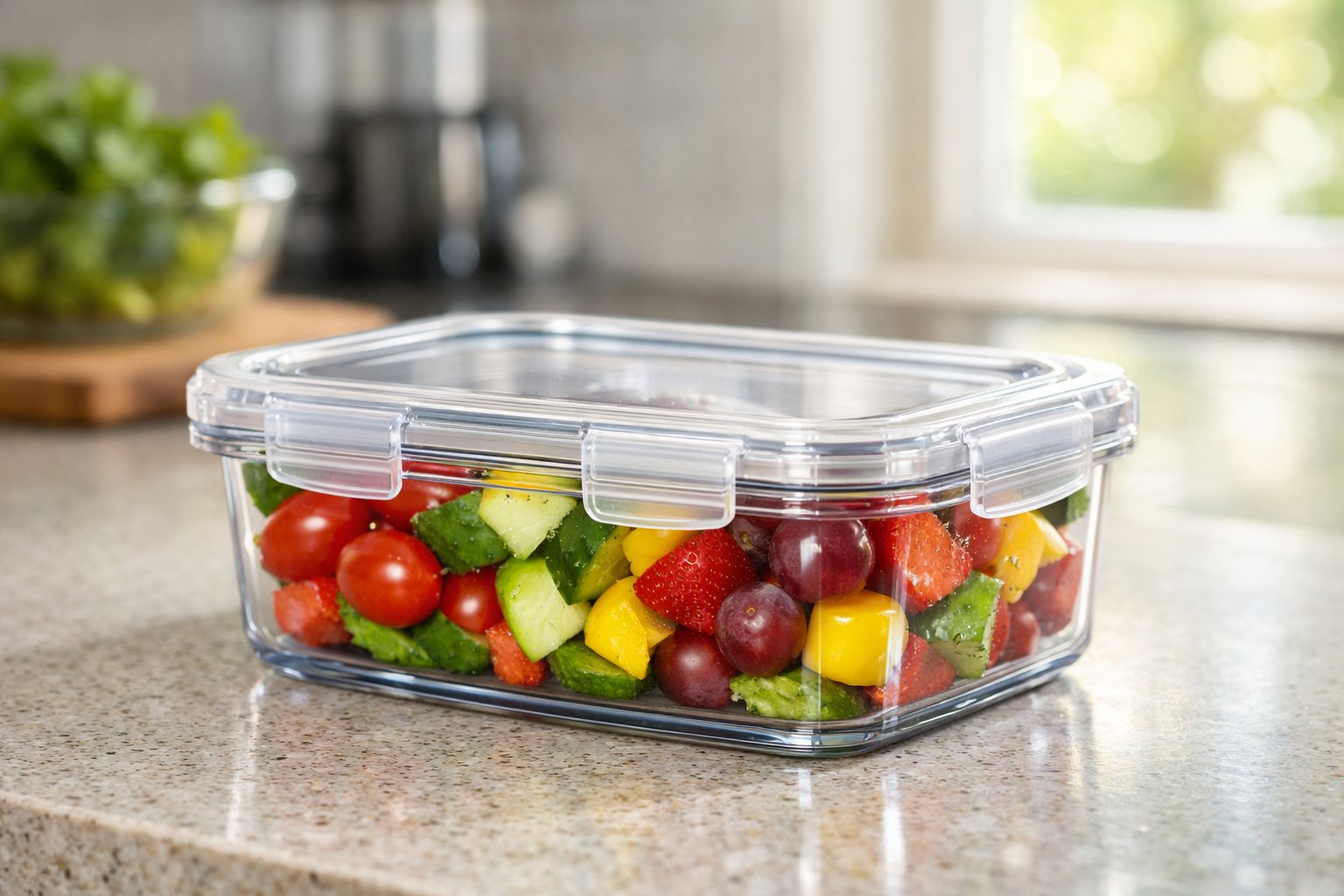
Check out our latest compact vacuum sealer for food collection!
When you think about keeping food fresh, sealing might seem like just another step in your kitchen routine. But a good seal does a lot: it keeps out bacteria and other unwanted guests, and it locks in the flavors, aromas, and textures that make meals worth eating. Skip this step, and your ingredients can lose their appeal fast, or worse, become unsafe.
Most of us have opened a container only to find freezer-burned meat or limp veggies. Usually, poor sealing is to blame, air, moisture, and contaminants sneak in and ruin what you’ve saved. Everything from the packaging you pick to your sealing method shapes both the safety and taste of your food.
Getting how sealing really works can change the way you handle food storage at home. Whether you’re meal prepping, stashing leftovers, or preserving summer’s best, using the right techniques helps cut down on waste, keeps food tasting like it should, and helps protect your family from foodborne nasties.
Key Takeaways
- A proper seal keeps out contaminants and preserves flavors and textures
- The right combo of packaging and sealing extends shelf life and cuts down on waste
- New sealing tech and smart storage habits help keep food safe and tasty
The Direct Impact of Sealing on Food Safety and Taste
A good seal forms a barrier that blocks harmful microbes and keeps in the flavors and aromas you want. When a seal fails, you risk both contamination and flavor loss.
How Sealing Prevents Contamination
Sealing keeps bacteria, mold, and other microorganisms out. If the seal breaks—even just a tiny hole—contaminants can get in and multiply.
The seal is your first line of defense against foodborne illness. If it’s compromised, air, moisture, and pathogens can reach your food, making it a breeding ground for bacteria. Even pinhole defects can cut shelf life and raise contamination risks.
Common contamination pathways from bad sealing:
- Air sneaking in with bacteria and mold spores
- Moisture fueling microbial growth
- Cross-contamination from outside surfaces
- Bugs and pests getting through gaps
You want the sealing surfaces to fuse completely. When heat sealing is done right, it creates a tight, hermetic barrier—no gas or moisture gets through.
Flavor Retention and Oxidation Prevention
Oxygen is the main enemy of fresh taste. When it gets to your food, it sparks chemical reactions that break down flavors, mess with colors, and cause off-tastes.
A good seal keeps oxygen out, so the original taste profile stays put. If the seal leaks, those delicate aroma compounds disappear fast, and food goes flat or stale. The seal isn’t just about safety—it’s about keeping the sensory experience you expect.
Fats and oils are especially at risk; if air gets in, they go rancid and taste awful. A tight seal keeps that from happening. You also help prevent moisture loss or gain, which can dull or concentrate flavors in weird ways.
Seal materials matter here, too. They shouldn’t add any weird tastes or smells of their own to your food.
Maintaining Product Integrity and Quality
The conditions you create during packaging—moisture, air, maybe a vacuum—need to stay the same. Sealing locks these in.
Sealing controls moisture exchange, which keeps textures right. Chips stay crisp if humidity stays out. Moist foods keep their softness if water can’t escape. Every food type needs a different kind of barrier, but it all comes down to the seal.
Sealing protects:
- Nutritional value (since oxygen and light break down vitamins)
- Looks (color and appearance)
- Structure (so food doesn’t fall apart)
- Shelf life (as the manufacturer intended)
If the seal goes, quality drops—even before safety does. The food might technically be safe, but it probably won’t taste, look, or feel right. That’s why it’s worth checking seals before you buy or store anything.
Sealing as the Foundation for Food Preservation
A solid seal keeps out the things that make food spoil, from oxygen to bacteria. How well you seal something decides how long it’ll stay safe and nutritious.
Extending Shelf Life with Airtight Seals
An airtight seal blocks oxygen, slowing down the chemical reactions that cause rancidity, color changes, and nutrient loss. If you keep air away from your food, it lasts way longer than it would otherwise.
Vacuum sealing is especially good for this—it sucks out the air before sealing. This can keep refrigerated meats fresh for 1-2 weeks instead of just 3-5 days, and frozen food good for years instead of months.
Different sealing methods offer different levels of protection:
- Heat sealing bonds plastic bags and pouches permanently
- Induction sealing makes tamper-evident seals on bottles and jars
- Modified atmosphere packaging swaps out oxygen for protective gases
The trick is matching the sealing method to the food. Fatty foods need better oxygen barriers. Moisture-sensitive foods need seals that keep humidity out.
Reducing Spoilage and Foodborne Illnesses
A proper seal keeps out the bacteria, mold, and yeast that spoil food and can make you sick. If you remove air and moisture, you take away what these bugs need to grow.
Sealing also stops cross-contamination—sealed packages keep raw meat juices away from ready-to-eat foods in the fridge.
But sealing isn’t magic. Some bacteria, like Clostridium botulinum, actually thrive without oxygen. So even sealed foods need to be stored at the right temperature and handled carefully.
Sealing plus refrigeration or freezing is your best bet. Cold, sealed foods create a place where most harmful bacteria just can’t survive.
Seal Integrity and Its Role in Long-Term Storage
Seal integrity is all about how well the seal holds up over time. If it fails, air, moisture, and contaminants get in, and you lose all the benefits.
You can check seals by looking for gaps, pressing gently to see if the seal separates, or watching for signs like frost inside frozen packages. If a vacuum-sealed bag isn’t tight anymore, the seal’s probably gone.
A few things can mess up seals: temperature swings make packaging expand and contract, which stresses seals. Sharp bones or edges inside can poke holes from the inside out.
Material choice matters, too. FDA-compliant materials like silicone and PTFE hold up well even with temperature changes and handling. They don’t break down easily, so the barrier stays strong.
For long-term storage, rotate your stash and check seals regularly. If you spot a broken seal, use that food soon or repackage it.
Choosing the Right Packaging Material and Design
The packaging you pick—and how you seal it—decides if your food stays fresh, safe, and tasty. Different foods need different materials and sealing methods.
Packaging Materials for Optimal Sealing
You want to match your material to your food. Glass jars are great for preserves, sauces, and pickles—they block moisture and oxygen well. Pair them with heat-seal lids or metal caps for a tight seal.
Flexible plastic films or laminates work for snacks, coffee, and dried foods. They bend easily and can be heat-sealed or even ultrasonically sealed. PET (polyethylene terephthalate) is popular for its strength and recyclability—you’ll see it in drink bottles and salad containers.
Metal containers keep out light and air, so they’re fantastic for long shelf life. Foil pouches have layers that block oxygen, moisture, and odors. Paper packaging can work for dry foods, but you’ll need a good liner to make it seal properly.
Selecting the Best Sealing Method for Your Needs
Heat sealing is the go-to for flexible packaging—it melts plastic layers together for a leak-proof seal.
Vacuum sealing pulls out the air first, so oxidation and bacteria slow way down. This works especially well for meats, cheeses, and ready meals you want to keep longer.
Ultrasonic sealing uses vibrations instead of heat, which is gentler for heat-sensitive foods. Zipper seals and resealable closures make it easy to open and close packages, but they need to be high quality to stay airtight.
When choosing your sealing method, think about storage conditions, how long you want the food to last, and how people will actually use the package.
How Modern Sealing Technologies Maximize Taste and Safety
Modern sealing tech controls the food’s environment at a tiny level. It blocks oxygen that ruins flavor and builds barriers against contamination. You’ve got everything from vacuum systems that suck out air to heat-based methods that seal things up in a flash.
Vacuum Sealing and Oxidation Control
Vacuum sealing pulls out up to 99% of the air before sealing. Since oxygen is what breaks down fats and dulls flavors, this step keeps food tasting fresher, longer. It also stops freezer burn by removing air pockets that turn into ice crystals.
Vacuum sealing helps meat keep its color and taste, herbs hold onto their aroma, and nuts stay crisp. It’s not just about taste, either—a vacuum slows down the growth of bacteria that spoil food and can cause illness.
Modified Atmosphere and Nitrogen Flushing
Modified atmosphere packaging (MAP) swaps the air inside with a mix of gases like nitrogen and carbon dioxide. Nitrogen flushing pushes out oxygen before sealing, creating a safe, inert space for the food.
Different foods need different gas blends. Red meat needs a bit of oxygen to keep its color, while produce needs just enough carbon dioxide to slow it down without damage. Baked goods stay soft when nitrogen keeps oxygen out.
Common MAP Gas Combos:
- Fresh meats: 70-80% oxygen, 20-30% carbon dioxide
- Processed meats: 20-35% carbon dioxide, 65-80% nitrogen
- Cheese: 30-40% carbon dioxide, 60-70% nitrogen
- Fresh produce: 3-5% oxygen, 10-15% carbon dioxide, rest nitrogen
Carbon dioxide in MAP slows down bacteria and mold, so you get longer shelf life without adding chemicals. Plus, the food keeps its original flavor.
Heat, Induction, and Ultrasonic Sealing Techniques
Heat sealing uses temperature and pressure to melt materials together, forming a tight bond that keeps stuff out. It’s super versatile and works with lots of packaging types.
Induction sealing uses electromagnetic fields to heat up a foil layer, which then bonds to the container opening. You see this on bottles and jars for products like condiments and supplements. The seal keeps out contaminants and locks in flavors.
Ultrasonic sealing uses high-frequency vibrations to create heat through friction, bonding materials gently—great for foods that can’t handle too much heat. It’s precise, strong, and uses less energy than traditional heat sealing.
Each method has its place. Heat sealing is flexible and affordable. Induction sealing is perfect for liquids and powders that need a strong barrier. Ultrasonic sealing is ideal for delicate foods.
The Role of Sealing in Avoiding Leaks, Waste, and Freezer Burn
Sealing food right puts up a barrier that keeps things fresh and stops those annoying leaks and ice crystals that can wreck good ingredients. When we nail the seal, we’re looking out for our wallets and saving ourselves from extra cleanup.
Preventing Leakage During Storage and Transport
Who hasn’t opened the fridge to find marinade dripping down or soup leaking into a bag? A solid seal keeps liquids, oils, and sauces contained, whether you’re storing or on the go.
The seal itself stands between what’s inside and everything else. Pressing out extra air and making sure closures are tight creates pressure that holds things together. This is extra important for liquidy stuff like broths and dressings that sneak through tiny gaps.
Key factors for leak prevention:
- Full contact between sealing surfaces (no gaps or wrinkles)
- Closure mechanisms fully engaged (zippers zipped, lids twisted tight)
- Using materials that won’t react with what’s inside (some plastics don’t play nice with acidic or oily foods)
- Making sure the seal can handle the storage temperature
It helps to check that sealing surfaces are clean and dry before closing. Bits of food or moisture on the seal can make weak spots where leaks start. Just taking a second to wipe things down saves you from sticky messes and keeps other foods safe.
Minimizing Freezer Burn in Frozen Foods
Freezer burn creeps in when air hits frozen food, drying it out and leaving those weird gray patches. The fix? Seal it right and get rid of as much air as possible.
Air carries moisture that turns into ice crystals on food. If we squeeze out the air before freezing, we cut down on those crystals. A good seal keeps the air out the whole time in the freezer, so food stays like it was when we packed it.
The faster we get a tight seal, the better the end result. Vacuum sealers pull out nearly all the air, but even just pressing out what you can by hand helps. For long-term freezing, double-wrapping adds another layer of protection.
Freezing food flat helps too—it traps less air and makes freezing faster, so ice crystals stay small and don’t mess up the texture. Foods that freeze quickly taste and feel better when we thaw them.
Seal Testing and Quality Assurance
Just closing a bag or container doesn’t mean it’s sealed. Testing before storage can save you from wasted food and safety headaches later.
Try the water test on bags: dunk the sealed bag in water and look for bubbles. For containers, press gently on the lid—if it moves or gives, the seal isn’t tight enough.
Look for obvious issues: wrinkles in the seal, food bits in the way, or damaged strips. Running your finger along the seal can help you feel for gaps you might not see. If it feels off or comes apart easily, it’s time to repackage.
| Test Method | What It Checks | Best For |
|---|---|---|
| Water submersion | Air leaks | Flexible bags, pouches |
| Press test | Lid security | Rigid containers, jars |
| Visual inspection | Seal quality | All packaging types |
| Finger trace | Continuous closure | Heat-sealed and zip-top bags |
Checking seals every so often, especially for stuff you’re storing long-term, is a good habit. Temperature swings can mess with seals. If you catch a weak seal early, you can move food to fresh packaging before things go bad or freezer burn sneaks in. It’s just one more way to cut waste and keep your kitchen running smoothly.
Sealing Solutions for Specialized and Sustainable Needs
Food storage isn’t just about keeping things in a bag or box. These days, sealing has to balance tough safety standards with eco-friendliness, plus new tech that actually helps protect what we eat.
Food-Grade Seals and Regulatory Compliance
When it comes to sealing food, materials matter as much as how you close things up. Food-grade seals have to meet FDA and other international standards, so they don’t leach weird stuff into your meals. These are designed specifically to touch food safely, whether it’s a ready meal or raw ingredients.
It’s not just about the first seal, either. We want seals that keep out oxygen and moisture for the long haul, so food doesn’t spoil or breed bacteria. In commercial kitchens, sealing machines are dialed in to give consistent pressure and temperature, making sure every package gets a solid seal.
Traceability is a big deal too. Modern sealing systems often add batch codes and dates right onto the package, so you can track food from production to plate and quickly sort things out if there’s ever a recall.
Sustainable Sealing Choices
Sustainable sealing is about reducing our environmental impact without giving up food protection. More companies are switching to renewable materials, like plant-based plastics and biodegradable films that break down way faster than regular plastic.
It’s not just the materials—the whole packaging system needs a rethink. Thinner materials, recyclable layers, and single-material structures all help shrink the carbon footprint while keeping seals strong. Some brands even offer compostable seals that break down in your backyard compost in a few months.
New sealing machines are more energy-efficient, cutting electricity use and waste. That’s good for the planet and for your energy bill.
Custom Seals and Intelligent Packaging Innovations
Custom seals tackle specific storage headaches. Vacuum sealing sucks out air to keep proteins and cheese fresh longer, and modified atmosphere packaging swaps out oxygen for inert gases so produce lasts. Resealable packages let us dip in and out without ruining the rest.
Intelligent packaging is getting wild. Time-temperature tags show if something’s gotten too warm, and freshness sensors sniff out spoilage before you can see it. Some seals have QR codes for storage tips, recipes, or reminders that ping your phone. Not bad, right?
These smart features cut food waste and boost safety. You can see at a glance if food is still good instead of guessing or relying on sketchy “best by” dates.
Smart Storage Habits and Portion Control with Proper Sealing
Sealing food the right way changes how we organize our kitchens and prep meals. It makes it easier to keep things fresh and manage portions, so we’re not stuck eating the same leftovers all week or letting things go bad.
Organizing Your Kitchen for Maximum Freshness
Think of your storage as zones that work together. The freezer is for long-term stuff—sealed proteins, batch-cooked meals—while the fridge handles what you’ll eat soon. Labeling with dates means you’re not playing the “sniff test” game every time you open the door.
Setting up zones for different foods helps you rotate stock. Raw meats go on the bottom, veggies in the crisper, and ready-to-eat stuff at eye level so you’ll actually grab it. This keeps things safe and makes meal planning less of a chore.
Key organization tips:
- Use clear containers or bags so you can see what’s inside
- Stack flat packages vertically to save space
- Group similar foods together (proteins, veggies, meals)
- Keep a simple inventory list on the fridge
Using Sealing for Portion and Prep Readiness
Sealing individual portions before storing solves two problems: you control serving sizes and don’t have to thaw a giant batch. Portion out chicken, ground beef, or grains into single meals, and you can just grab what you need.
Meal prep gets way easier when you seal ingredients separately. Cook proteins, starches, and veggies in batches, then mix and match all week. Marinades work better in sealed bags, so you can prep flavored proteins days ahead.
For snacks, pre-portion nuts, cheese, or veggies into sealed bags. It’s a simple way to avoid mindless munching straight from the big container. Same goes for leftovers: if you seal them in single servings right after cooking, you’ve got easy lunches that stay fresh and safe.
Frequently Asked Questions
Sealing matters for how long food stays safe, whether it keeps its flavor, and how well it shields us from spoilage or contamination. Knowing the basics helps us make smarter choices for everything from weeknight dinners to special treats.
How does airtight sealing affect the longevity of stored food?
Airtight sealing gets rid of oxygen that bacteria, mold, and yeast need to grow. Without air, those spoilage processes slow way down.
Vacuum sealing can make food last up to five times longer than just tossing it in a regular bag. The seal keeps out moisture, air, and other things that make food go bad.
Plus, vacuum sealing stops freezer burn by keeping moisture from escaping. Without a tight seal, you’ll see those dry, weird patches that ruin taste and texture.
Can you explain how proper sealing techniques can help to maintain food flavors?
Sealing traps the flavor compounds and aromas inside. They can’t escape or break down when protected from oxygen.
Oxidation is a big reason food loses flavor—it makes fats go rancid and fresh stuff taste off. A good seal keeps that at bay.
A tight seal also shields food from picking up weird smells from other things in the fridge. No one wants their jam tasting like garlic bread leftovers.
What role does sealing play in ensuring kitchen safety from food-related hazards?
Sealing keeps harmful microbes out of our food containers. That includes stuff like Clostridium botulinum, which can cause serious illness if it gets the right conditions.
A good seal blocks dust, bugs, and other gross stuff from getting in. It’s our first line of defense for safe food storage.
If you’re pressure canning, using the right headspace and times kills off pathogens and creates a vacuum seal. That way, you get both immediate and long-term safety.
Isn't it just a blast to know exactly how sealing keeps our pantry staples crisp and delicious?
Honestly, knowing the science makes it easier to keep food the way we want it. Keeping crackers crisp or cookies fresh is all about moisture control and picking the right container.
The seal keeps humidity just right. Too much, and things get soggy; too little, and they dry out.
You can really taste the difference between well-sealed and poorly stored food. Fresh herbs stay green, spices keep their punch, and baked treats hold onto that just-made vibe.
In what ways does sealing influence the nutritional value of our food treasures?
Airtight seals help lock in vitamins and minerals that break down when exposed to air or light. Vitamin C, for example, disappears fast if not protected.
When food is sealed right, oxidation slows down, so nutrients stick around longer. Preserved veggies and fruits keep more of their original goodness.
Seals also shield foods from temperature swings, which can mess with delicate nutrients. It’s like giving your food a safe little bubble until you’re ready to eat.
Why do those in the know say that meticulous sealing is vital for food freshness?
People who've spent time preserving food at home know that even a tiny gap in a seal can mess up a whole batch. If a lid's loose or there's a bit of food on the rim, air and bacteria can sneak right in.
Freshness really comes down to keeping that vacuum intact. We have to clean the jar rims, leave the right amount of space at the top, and tighten the lids just so—otherwise, things go sideways fast.
Nail the sealing process, and you end up with food that actually stays fresh for ages. It's not just about making life easier; it's about opening a jar and knowing what's inside is still safe and good.
Share:
How to Reduce Oxidation in Stored Fruits and Vegetables
How to Reduce Oxidation in Stored Fruits and Vegetables