

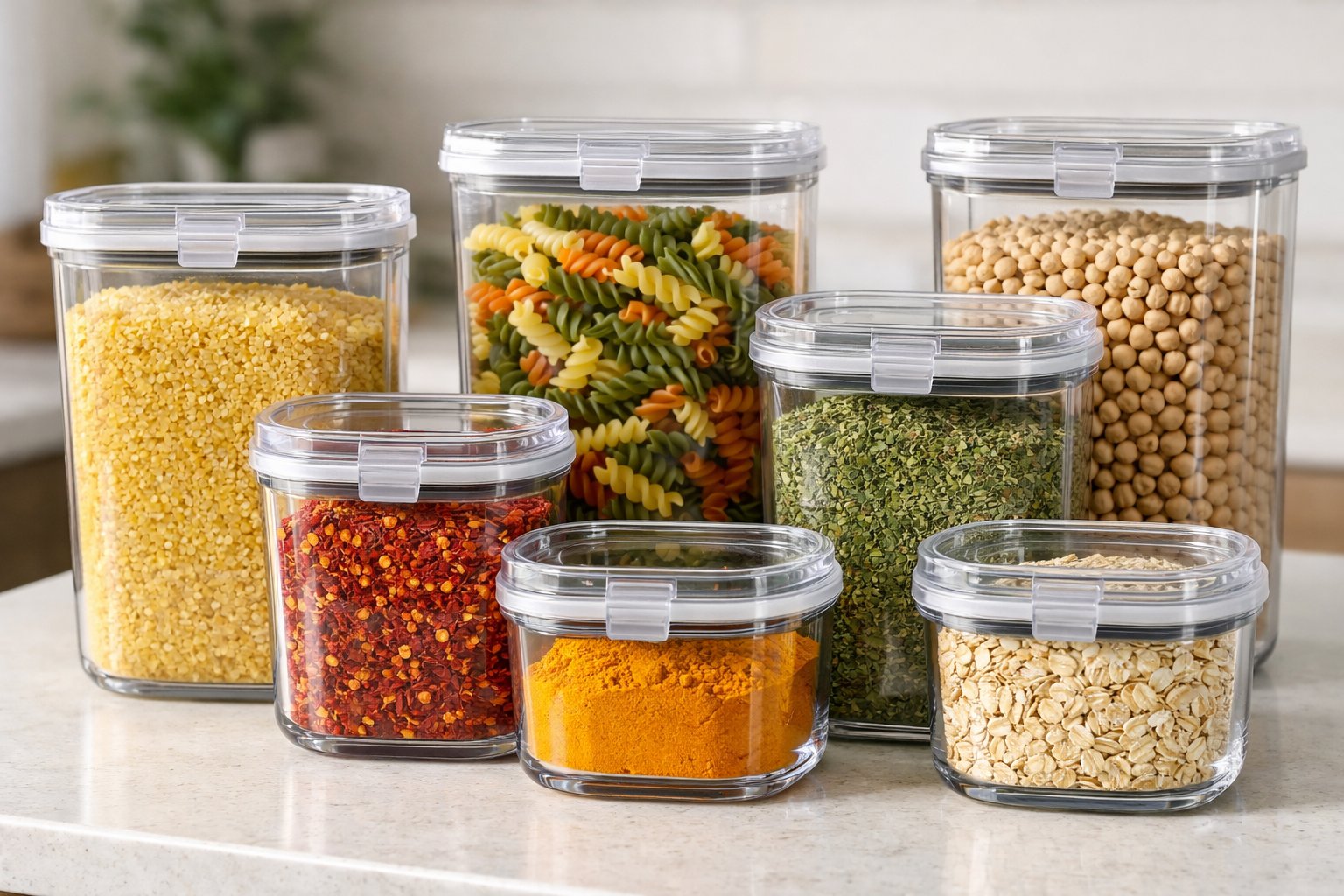
Check out our latest compact vacuum sealer for food collection!
Every time we open the pantry or fridge, we’re up against the clock. Ingredients lose their freshness, flavors fade, and textures shift as oxygen, moisture, and all sorts of microorganisms quietly get to work.
Sealed storage pulls oxygen out of the picture, creating an airtight environment that slows spoilage by up to five times compared to old-school storage. That means ingredients stick around longer, saving money and cutting down on food waste that, let’s be honest, sneaks up on us.
We’ve all had that moment, pulling out freezer-burned meat or a bag of stale nuts we bought not that long ago. It’s not just time doing the damage; it’s air. Oxygen triggers oxidation, lets bacteria get comfortable, and speeds up enzymatic breakdown. That’s how we lose the flavor, nutrition, and texture we’re after.
When you get how sealed storage works, it changes the way you handle ingredients. By keeping out oxygen, you’re basically hitting pause on decay. Whether you’re stashing bulk buys, meal prepping, or saving garden goodies, sealed storage gives you a fighting chance to keep ingredients fresher, longer.
Key Takeaways
- Sealed storage removes oxygen, stopping bacterial growth and oxidation that spoil food
- Most foods stay good three to five times longer when sealed right, compared to basic storage
- The right sealing method and packaging help keep ingredients fresher and reduce food waste
The Science Behind Sealed Storage
Sealed storage works by yanking out air and building barriers that keep oxygen away from your ingredients. That slows down how fast things break down. The main troublemakers are oxygen, moisture sneaking in, and microbial growth.
How Vacuum Sealing Works
Vacuum sealing pulls out atmospheric oxygen, dropping air levels below 500 parts per million. That’s a fancy way of saying bacteria and fungi can’t really get going—they need oxygen to multiply.
A vacuum sealer draws air from a bag or container until you’re left with almost no oxygen, and a bit of carbon dioxide from the food itself. This shift slows down those browning and rancidity reactions, plus keeps textures intact.
By vacuum sealing, you’re also locking in the flavor and aroma compounds that usually drift away. That’s why vacuum-sealed herbs and spices seem to keep their kick much longer than if you just left them in a jar or bag.
Creating an Airtight Environment
Airtight seals stop new oxygen from creeping in, holding onto that low-oxygen state you worked for. Even a little leftover air can cause browning and other damage, so getting a good seal matters.
The trick is to get the packaging material to hug the food tightly. Air pockets and wrinkles? Bad news—they give bacteria hiding spots and let moisture collect. That’s why vacuum-sealed bags look shrink-wrapped.
Different sealing methods offer different levels of protection. Rigid containers with gasket lids are great for dry goods and leftovers. Heat-sealed bags mold around odd shapes and squeeze out nearly all the air.
Oxygen Barriers and Their Role
The material you use for sealing makes a huge difference. Barrier layers like polyvinylidene chloride (PVDC), ethyl vinyl alcohol (EVOH), and polyamide all have different abilities to block oxygen.
Most vacuum bags use several layers: polyamide for strength, polyethylene for sealing, and EVOH or PVDC in the middle as the oxygen barrier. These layers work together to keep oxygen out way better than single-layer materials.
How well your packaging blocks oxygen directly affects how long food lasts. Vacuum-sealed frozen meat can stick around for 2–3 years, compared to just 6–12 months in regular packaging. Refrigerated stuff often lasts 3–5 times longer. That’s not just theory—you’ll see real differences in color, texture, and nutrition.
What Limits Ingredient Usability
Ingredients don’t always last until their expiration dates. The environment—moisture, physical bumps, and temperature swings—can ruin their structure, safety, or appeal long before that.
Moisture Control and Balance
Moisture’s a tricky thing. Dry stuff like flour or spices soak it up, leading to clumps, caking, or even mold. Who hasn’t opened a bag of brown sugar only to find a brick?
Moist foods have the opposite problem. Fresh herbs wilt if they dry out. Cheese gets crusty. Berries start leaking and turn to mush if condensation builds up.
Moisture control is tough because kitchens are rarely stable. Fridges cycle humidity, pantries change with the seasons, and prepping food exposes things to the air.
You don’t want zero moisture—just the right amount for each ingredient. Dried pasta needs to stay dry. Veggies need enough moisture to stay crisp, but not so much that bacteria move in. It’s a balancing act.
Preventing Physical Damage and Leakage
If ingredients get crushed or broken, we usually toss them, even if they’re safe. Texture matters, after all.
Leaking is worse. Spilled oil can ruin everything nearby. Sauce spills mean scrubbing shelves. Honey drips attract ants and make a mess.
Containers need to handle:
- Stacking from other stuff
- Daily handling
- Accidental drops
A bad seal lets in moisture and lets out liquids, leading to cross-contamination and faster spoilage.
Temperature Fluctuations and Impact
Temperature swings can wreck ingredient structure and speed up spoilage. Kitchens rarely stay the same temperature—countertops get warm, and fridges lose cool air every time you open the door.
Temperature changes mess with foods in different ways. Chocolate gets that weird bloom, oils go rancid, dairy separates, and freezer items get ice crystals.
Biggest problems happen during transitions. Move something from room temp to the fridge, and condensation forms. Bring cold food out, and surface moisture builds up. These shifts make it easier for microbes to grow and textures to go south.
Sealed storage can’t stop temperature swings, but it helps limit the damage—especially by keeping moisture in check.
Extending Shelf Life with Sealed Storage
Sealed storage creates barriers that keep out air, moisture, and contaminants. By controlling these factors, we can stretch shelf life and hold onto the quality we had when we first stored the food.
Blocking Contaminants and Spoilage Microbes
A good seal keeps out the bugs—bacteria, mold, yeast—all the stuff that ruins food. They need to reach the food surface to get started, and a tight seal blocks their way.
Airtight containers also stop cross-contamination. Think about open flour attracting pantry moths, or how unsealed stuff in the fridge lets odors and bacteria jump from one food to another.
But here’s the catch: you’ve got to start clean. Containers should be sanitized, and you should handle food with clean hands or utensils. A perfect seal won’t help if you’ve already introduced something nasty.
Key contamination blockers:
- Keeps airborne mold spores off food
- Stops pests (bugs, rodents) from getting in
- Blocks moisture that helps bacteria grow
- Cuts down on contact with environmental pathogens
Preserving Food Freshness and Nutrients
Sealed storage really helps ingredients keep their character. Less air exposure means slower loss of taste and nutrition.
Vitamins like C and B-complex are super sensitive to oxygen. Sealed veggies can hang onto up to 90% of their vitamins, while regular storage drops that to 50–60%. So you’re not just keeping food edible—you’re keeping it nutritious.
Moisture control keeps dry foods crisp and stops refrigerated items from drying out. So crackers stay crunchy, herbs keep their flavor, and cheese doesn’t dry out or get moldy.
Texture holds up better too. If you keep out humidity and temperature swings, food won’t get soggy, stale, or tough.
Slowing Oxidation and Enzymatic Changes
Oxygen is behind a lot of food’s problems—oxidation and enzyme reactions. Both speed up when food sits out, but sealed storage slows them dramatically.
Oxidation makes fats rancid and ruins flavors, especially in nuts, whole grains, and oils. Take away the oxygen, and these last 3–5 times longer. Same goes for coffee beans—they lose their punch fast if left open.
Enzymatic browning hits cut fruits and veggies. Some activity keeps going even in sealed storage, but with less oxygen, it’s much slower. Just compare a sliced apple on the counter to one in a sealed container—the sealed one browns way slower.
| Storage Method | Oxygen Exposure | Typical Shelf Life Extension |
|---|---|---|
| Open container | 100% | Baseline |
| Sealed container | 5-10% | 2-3x longer |
| Vacuum sealed | <1% | 3-5x longer |
Temperature still matters. Even the best seal can’t save a food that should be in the fridge but sits at room temp.
Vacuum Sealers: Technology and Types
Vacuum sealers come in two main types: chamber systems that seal whole bags in a controlled space, and external models that suck air out through the bag’s open end. Each has its perks, depending on what you’re storing and how often you seal.
Chamber Vacuum Sealer Features
Chamber sealers put the whole bag inside a compartment, then pull air from both the chamber and the bag. That gets you a strong, consistent seal every time.
These are a lifesaver for liquids, marinades, or moist foods. Because pressure is equal inside and outside the bag, liquids stay put—you won’t end up with soup in your sealing machine. You can seal sauces, soups, and marinated meats without fuss.
Why chamber sealers rock:
- Handle liquids and moist foods easily
- Make strong, reliable seals
- Use cheaper bags (no need for special channels)
- Work fast for big batches
Downsides? They’re bigger, pricier, and not really portable. They make sense if you do a lot of sealing or run a small food business.
External Vacuum Sealer vs. Handheld Units
External sealers are the go-to for most homes. They suck air out through the open end of a special bag, then seal it shut. They’re compact, affordable, and handle most dry or slightly moist foods.
You’ll need textured bags so air can escape, which costs a bit more. Still, they’re great for portioning meat, storing cheese, or prepping veggies.
Handheld sealers are super portable and work with reusable containers or zipper bags with special valves. Just press the device to the valve and let it pull out the air. They’re perfect for resealing snacks or keeping dry goods crisp.
But handhelds don’t seal as tightly as countertop models and aren’t great for long-term freezer use. They’re best for quick fridge jobs or keeping crackers and cereal from going stale.
Choosing the Right Packaging Materials
Sealed storage only works as well as the packaging you pick. The right materials, good sealing technique, and knowing how vacuum bags stack up against regular options all make a difference.
Vacuum Sealer Bags Versus Traditional Bags
Vacuum sealer bags aren't just thicker versions of regular storage bags—they're built differently from the ground up. Most plastic bags you find at the store use a single layer of polyethylene, which lets oxygen and moisture sneak in over time. Vacuum seal bags, on the other hand, use laminated layers—usually polyethylene mixed with nylon or polyester—to block out up to 99% of oxygen. It's a huge difference if you're trying to keep things fresh.
Thickness really comes into play here. Vacuum sealer bags usually run 3 to 10 mil thick, while your average zip-top bag is about 2 mil. This extra heft means vacuum bags resist punctures better and keep air out longer. In our experience, foods sealed in these bags stay airtight for months in the fridge, while regular bags start letting air in within days.
And those little channels or embossed textures on vacuum bags? They're not just for looks. They actually help suck the air out during sealing, something smooth bags can't do well with vacuum machines.
Packaging Material Impact on Food Longevity
Different containers create different protective environments, and that can make or break your food's shelf life. Glass is great for blocking oxygen and doesn't react with food, but it's not flexible for vacuuming. Metal cans are the gold standard for long-term storage—they block light, handle heat processing, and keep food safe for ages.
Rigid plastics like PET and HDPE strike a balance for dry goods, but vacuum bags really shine for chilled or frozen items. They hug the food, squeezing out air pockets where spoilage can start.
Material barrier effectiveness:
- Metalized films: Block 99%+ oxygen and light
- Nylon/polyethylene laminates: Block 95-98% oxygen
- Single-layer polyethylene: Only 60-70% oxygen blocked
Temperature is another factor. Polyethylene-based vacuum bags don’t get brittle in the freezer, but some regular bags will crack if you go too cold.
Airtight Seal Best Practices
Getting a good seal isn’t rocket science, but it does take a little care. We always keep the sealing strip dry and clear of crumbs or moisture—tiny bits can mess up the seal. If you’re sealing something wet, try freezing it a bit first or use the pulse setting so liquid doesn’t get sucked into the seal.
Wider seals hold up better. A quality sealer makes a strip at least 5mm wide, which spreads out any stress. When we’re sealing liquids or moist foods, we usually freeze them partially first or use the pulse vacuum function—otherwise, you risk a messy seal.
Double sealing is a simple insurance policy. Two lines instead of one barely takes more time but cuts down the risk of leaks. For anything we’re storing long-term (over six months), we check the seals once a month and reseal if any air sneaks in.
Practical Applications and Safety Considerations
Sealing food can be a game-changer at home or in a busy kitchen, but you’ve got to combine it with good temperature control and some awareness of bacteria that thrive in low-oxygen environments.
Vacuum-Sealed Meat and Raw Ingredients
Vacuum-sealing meat can stretch its shelf life in the fridge. Typically, raw meat in vacuum packaging lasts 6-10 days, compared to just 3-5 days in regular wrap.
Oxygen is the enemy here—it causes browning and spoilage. We’ve noticed red meat keeps its color and freshness longer when sealed tight.
Storage tips for vacuum-sealed raw meats:
- Get it into the fridge at 40°F or lower right after sealing
- Stick to manufacturer guidelines, even if the meat looks fine
- Check for leaks or punctures daily
- Label everything with the date and what’s inside
With raw poultry and ground meats, don’t push your luck. Even vacuum-sealed, use them within 3-5 days—they’re riskier because of their larger surface area.
Meal Prep and Commercial Kitchen Benefits
Vacuum sealing is a workhorse in commercial kitchens. It lets us portion proteins, veggies, and sauces ahead of time without sacrificing quality.
Batch cooking gets easier, too. You can seal and store components separately, and marinated meats soak up flavor faster in vacuum bags—more surface area, less air.
Some meal prep uses:
- Pre-portioned proteins for the week
- Pre-measured dry ingredients for baking
- Marinating with less fridge space
- Sous vide cooking (if you’re into that)
Vacuum-sealed bags stack better than containers and take up about half the space, which is a big deal when fridge real estate is tight.
Anaerobic Bacteria Risks and Refrigeration
Here’s the part that makes me a little nervous: some bacteria love low-oxygen environments. Clostridium botulinum is the big one to watch out for—it can produce toxins in sealed bags if you store them above 38°F.
So, always keep vacuum-sealed foods at 40°F or lower. Honestly, 38°F or below is even safer.
Must-follow safety rules:
- Don’t store vacuum-sealed garlic in oil at room temp
- Keep sealed foods chilled at 40°F max
- Freeze anything you’ll keep over 10 days
- Toss any packages that puff up or smell weird
Remember, home vacuum sealers don’t sterilize food. They just slow down spoilage. You still need to refrigerate or freeze everything as usual.
Reducing Waste and Promoting Sustainability
Sealing food fights two big problems: food waste and disposable packaging. By keeping ingredients fresh longer and making storage smarter, we can chip away at both issues.
Reducing Food Waste in Home and Industry
Sealed storage slows down spoilage, so we get more use out of what we buy. At home, flour lasts months instead of weeks, nuts don’t go rancid, and dried herbs keep their punch.
On a bigger scale, retailers and restaurants using vacuum or modified atmosphere packaging see spoilage drop by 30-50%. These methods kick out oxygen or swap it with inert gas, stopping most of the stuff that makes food go bad.
Buying in bulk becomes less risky when you can seal and store things properly. Batch-prepped ingredients last longer, so you’re not scrambling to use them before they turn.
Sustainable Packaging Practices
Switching to reusable sealed storage cuts down on single-use plastics. Glass jars, stainless steel containers, and sturdy bins with good seals replace endless disposable bags. You buy them once and use them for years.
Vacuum bags do require plastic, but they’re light and flexible, so there’s less waste compared to rigid containers. Plus, the longer shelf life means less food ends up in the trash, which cuts down on the resources wasted on growing, shipping, and cooling it.
Material choice isn’t just about what’s labeled “eco-friendly.” Some biodegradable and compostable options are out there, but it’s worth checking if they really break down as promised and work as well as traditional materials.
Frequently Asked Questions
Sealed storage brings up plenty of questions—how much longer does food last, how do you keep moisture out, what’s the best material for containers? Understanding how oxygen and moisture affect food helps you make the right choices.
How does vacuum sealing affect the shelf life of pantry staples?
Vacuum sealing pulls out about 99% of the air, which slows down oxidation and keeps pantry staples fresh way longer. We’ve seen sealed rice and beans last 1-2 years, versus 6-8 months in regular bags.
No oxygen means fats and oils don’t turn rancid. Flours keep their quality for 6-12 months, while unsealed they might only last a few months at room temp.
Cereals and grains stay crisp and bug-free. The airtight seal also stops humidity from making powders clump.
Can you detail the science behind moisture's impact on dry goods in sealed storage?
Moisture is a troublemaker—it helps mold and bacteria grow and can change the texture of dry goods. Sealing keeps outside humidity from getting in, so things like sugar and salt don’t clump up.
Stuff like sugar, salt, and baking powder suck in moisture from the air. Sealed containers stop this, so the texture and quality stay the same.
Inside sealed packaging, moisture levels stay steady—usually 10-15% for most dry foods. That keeps things from getting soggy or hard.
If you leave things in unsealed containers and the temperature changes, you’ll get condensation. Sealed bags and jars avoid this problem by locking out the air.
What's the deal with oxygen and food spoilage, and how does sealed storage come to the rescue?
Oxygen is behind a lot of food spoilage. It causes fats and vitamins to break down, colors to fade, and flavors to vanish. We see this as nuts going rancid, spices losing their color, or dried fruit getting bland.
Bacteria that need oxygen can’t multiply in sealed bags. With less than 1% oxygen inside, they just can’t do much damage.
Oxidation also destroys nutrients like vitamin C and E. By sealing out air, you hang on to those good things a lot longer.
Sealed storage also stops enzymatic browning in dried fruit and veggies. No oxygen means those browning enzymes can’t work their magic.
Could you clue us in on the best materials for sealed storage containers to maximize freshness?
Glass with a tight silicone gasket is hard to beat for keeping out air and moisture. Borosilicate glass, in particular, doesn’t pick up smells or leach anything into your food.
Food-grade HDPE and polypropylene plastics are solid choices for dry goods, as long as the lids really seal. Go for BPA-free and thick-walled options—they keep air out better than thin ones.
Metal containers with snug lids block light, which helps with ingredients that break down in the sun. Stainless steel won’t rust or react with acidic foods, so it’s a safe bet for long-term storage.
If you want something more high-tech, multi-layer packs with aluminum foil and plastic (like Mylar bags) are great for blocking air. They’re affordable and easy to use at home, especially if you get ones you can heat-seal.
Are there any unconventional tips for maximizing the effectiveness of sealed storage solutions?
Try pre-freezing wet foods for an hour or two before vacuum sealing—it keeps liquids from being sucked out during sealing. We’ve had good luck with this for marinated meats and saucy dishes.
Oxygen absorber packets can help, too. Toss one in with your sealed goods to grab any leftover oxygen and stretch shelf life even further.
Double-bagging fragile items prevents them from getting crushed while still keeping air out. The inner bag cushions, the outer bag seals.
It’s smart to portion foods before sealing, so you don’t have to open and reseal big bags every time. Individual servings stay fresher.
If you’ve got a vacuum sealer attachment for mason jars, use it! You get reusable glass storage with the benefits of vacuum sealing—kind of the best of both worlds.
How does sealing storage work to maintain the potency of spices and dried herbs?
When spices hit the air, their aromatic compounds tend to vanish fast, and that means flavor just slips away. Sealing them up traps those essential oils inside, so you get to keep that original punch for a couple of years—way longer than if you just left them open.
Light’s another sneaky culprit. It breaks down color and flavor molecules in herbs and ground spices. That’s why opaque or amber containers are so handy—they block out the UV and visible light that would otherwise zap your spices’ vibrancy.
Humidity? It’s a nightmare for dried seasonings. If moisture creeps in, you’ll find caked-up clumps and a weaker flavor. Keeping things sealed below 10% moisture helps spices stay loose and potent, just how you want them.
Oxygen’s not your friend here either. It’ll turn those essential oils stale and musty, which just flattens the taste. If you store spices in tight containers with little extra air, you cut down on that oxidation, and the fresh, sharp flavors stick around a lot longer.
Share:
How Improper Sealing Shortens Food Shelf Life
How Improper Sealing Shortens Food Shelf Life