

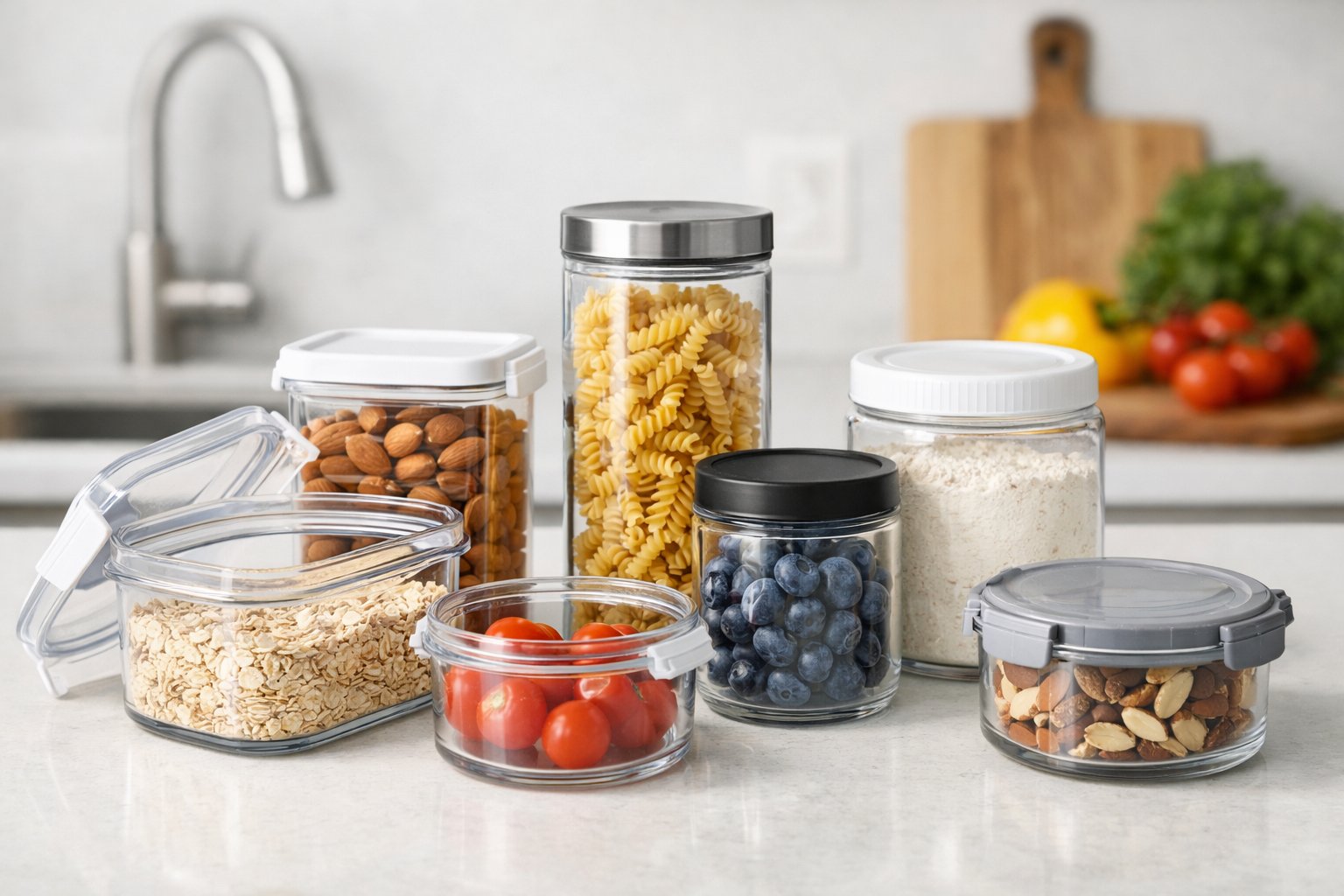
Check out our latest compact vacuum sealer for food collection!
You snap the lid closed, hear that satisfying click, and figure your leftovers are safe from air, moisture, and that weird fridge smell. But honestly? That sound doesn’t always mean you’ve locked out the air. A lot of containers sold as airtight don’t actually keep air out, usually because of bad gasket design, lids that don’t fit quite right, or subtle wear and tear you can’t even see.
We’ve all had it happen. You open a container of crackers expecting crunch, but they’re stale. Or you pull out rice and it smells like last week’s curry. Sometimes it’s not what you’re storing or how you’re using the container, it’s the container itself. Even if it looks fine and says “airtight” on the label, it can still let air sneak in.
Not all sealing mechanisms are created equal, and the one that works for dry pasta might totally fail for soup or leftovers. Knowing why these failures happen can save you from wasted food and the hassle of replacing containers that never really did the job.
Key Takeaways
- Gasket quality and lid design matter way more than the click you hear
- Even good containers wear out and lose their seal over time
- Testing for real airtightness is the only way to know if your food’s actually protected
Airtight Containers: What Really Makes a Container Airtight?
A real airtight container depends on seal technology, good materials, and precise design, all working together to block air. If you want your food to stay fresh, you need to know what’s actually happening at that lid.
How Airtight Seals Actually Work
An airtight seal blocks gas molecules from moving in or out. Most food containers use compression seals—soft silicone or rubber gaskets get pressed between the lid and the container’s rim.
When you close the lid right, the gasket squeezes into every tiny gap, making what engineers call a hermetic seal. The gasket has to be soft enough to fill in the bumps but strong enough to stay put.
Common seal mechanisms:
- Silicone gaskets with snap-lock lids
- Rubber O-rings in grooves
- Compression bands around rims
- Screw threads that press gaskets against the edge
How well it works depends on the gasket’s thickness, how stretchy it is, and how evenly the lid pushes down. Even high-quality containers can fail if the gasket is damaged, food gets in the way, or the lid just doesn’t clamp down hard enough.
Degrees of Airtightness: Not All Are Equal
Let’s be real, absolute airtightness is basically impossible for everyday food storage. What we end up with are different levels of “pretty good” air resistance, depending on the container.
Basic snap-lid containers might cut air exchange by 70-80%, which slows down spoilage but doesn’t stop it. Step up to silicone gaskets, and you’re usually at 90-95%. The best containers with multi-point locks and engineered seals can hit 98-99%.
Performance tiers:
- Entry: Cuts air flow, delays spoilage by a few days
- Standard airtight: Blocks most air, keeps food fresh for weeks
- Premium hermetic: Almost no air, stretches storage to months
Temperature swings mess with these numbers. Hot food builds pressure as it cools, sometimes popping the seal. Cold shrinks the materials, letting air sneak in through tiny gaps. Ever notice how a container that’s fine on the counter fails in the fridge? That’s why.
Why the Right Seal Technology Matters
Seal technology is the difference between food that stays fresh and food that’s just slightly less stale. The wrong seal, no matter how expensive, means you’re tossing food and money.
Silicone gaskets usually beat rubber because they handle heat, cold, oils, and acids better. Glass containers with silicone gaskets hold up after hundreds of uses. Plastic containers with basic rubber? Not so much—they lose their seal within months.
Locking mechanisms matter, too. Four-point locks spread pressure evenly, making a better seal. Single snap closures? Those almost always end up with a weak spot where air gets in.
Think about how you actually use your containers. If you move them from freezer to microwave, you need seals that can take the temperature shock without getting warped or cracked.
Why 'Airtight' Often Falls Short: Key Failure Points
Containers usually fail because of small, overlooked issues—worn seals, cheap materials, or design flaws that add up over time. You think it’s sealed, but your food still spoils.
Seals and Gaskets: Where the Magic Happens (or Doesn’t)
The seal is the battleground. Silicone gaskets are flexible and survive heat, cold, oils, and acids. Rubber looks similar at first but turns hard or cracks after a bunch of uses or too much heat.
Here’s where gaskets let us down:
- Uneven compression from warped lids or rims—tiny gaps let air in
- Gasket displacement—the seal shifts when you close or move the container
- Material breakdown—dishwasher heat or sunlight wears it out
Premium gaskets (often hollow-core) seal better with less force and adapt to imperfections. Cheap rubber seals in budget containers usually don’t, so even if the container looks fine, the seal fails.
Material Matters: Plastics, Stainless Steel, and More
Plastic containers are everywhere because they’re light and cheap, but they warp with heat and get micro-cracks that ruin the seal. Thin plastics flex too much, so the gasket never really makes full contact.
Stainless steel holds its shape and helps the seal do its job, but if you pair it with a junky rubber gasket, the gasket still fails.
It’s the combo that counts. Silicone on sturdy steel? That’s your best bet. Foam gasket on flimsy plastic? Not so much.
Shape, Fit, and Engineering Flaws
Shape matters. Round containers spread pressure more evenly, while rectangles put stress on the corners—gaskets often fail there.
Manufacturing quirks sneak in, too. If the lid’s even a little off-center, one part of the gasket gets squeezed too much, another not enough. Snap-fit lids are the worst for this; latches help, but only if they’re well made.
Lock placement is critical. Four latches work better than two, but only if they’re all tight. One loose latch, and air sneaks in.
Lid Styles and Mechanisms: Not All Clicks Are Created Equal
That click you hear? It’s not always proof of a good seal. The way lids work varies a lot, and knowing the difference can help you pick a container that actually keeps food fresh.
Screw-On Lids Versus Snap-Lock Lids
Screw-on lids seal by compression. Twist the lid, and the threads pull it down against a gasket. If the threads and gasket are in good shape, you get a solid seal. You can actually feel it tighten up. But the gasket wears out over time, especially if you’re twisting it a lot or storing oily or acidic foods.
Snap-lock lids use clips or tabs that hook under the rim. They’re fast and give that satisfying click, but the sound is just plastic on plastic—not a guarantee of a tight seal.
Material makes a difference. ABS plastic gives a crisp click, but that doesn’t mean the seal is any good. You can get a perfect snap from a lid that isn’t even touching the gasket.
Latch Mechanics and Their Downside
Latched lids use clamps to press down the lid. This can create uneven pressure, leaving weak spots for air to get through.
Latches themselves break down. Hinges loosen, springs lose their bounce, plastic gets brittle. You know that one latch that never quite catches anymore? Or the one that pops open if you look at it wrong? Yeah.
Temperature swings make it worse. Seal a container at room temp, put it in the fridge, and the plastic contracts while the metal latches don’t—suddenly you’ve got gaps.
Misaligned or Warped Lids
Even the best-designed lid can fail if it doesn’t sit flat. Plastic molds aren’t perfect, and over time, tiny flaws add up.
Heat is the enemy here. Too many dishwasher cycles or sitting near a hot stove, and your lid warps. You’ll see it wobble or notice one side doesn’t snap as tight as the others.
Screw-on lids with a twist can still make gaps in the gasket. Snap-lock lids might click on three sides, but if the fourth is even a millimeter high, air gets in.
Testing for Airtightness: Don’t Just Trust the Label
Manufacturers love to say their containers are airtight. But unless you test it yourself, you’re rolling the dice with your food. A few easy home tests can show you if your container is actually up to the job.
Water Submersion Test: The Ultimate At-Home Trial
The water submersion test is our go-to. Fill the container halfway with air, seal it, and dunk it in a sink or bucket. Wait a few minutes and watch for bubbles.
Bubbles mean air’s leaking out—which also means air and moisture can get in when you’re storing food. Press the container gently under water to force leaks to show.
If you see bubbles, your seal isn’t airtight. No bubbles, even with a little pressure? That’s a good sign. This test is quick, visual, and tells you right away if you’ve got a problem.
The Smell Test and Why It’s Telling
The smell test is simple and gives you a quick read, though it’s not foolproof. Toss something strong-smelling—coffee beans, garlic, onion—inside and seal it overnight. Next day, sniff around the outside.
If you smell anything, the seal isn’t working. If smells can get out, air and moisture can get in. But, just because you don’t smell anything doesn’t mean it’s totally airtight. Some odor molecules are bigger than oxygen or water vapor.
Still, it’s a decent first check before you get more serious.
Bubble Leak and Other Hands-On Checks
Try pressing on a sealed, empty container. If it resists and springs back slowly, air is trapped inside. If it squishes easily, there’s a leak.
Check the seal in good light—look for cracks, warping, food bits, or anything that could mess up the closure. Run your finger along the gasket to feel for bumps or gaps you might not see.
Temperature changes are another trick. Fill a container partway with room-temp water, seal it, and stick it in the fridge for an hour. If the lid’s harder to open afterward, a vacuum formed, which usually means the seal’s decent.
Wear, Tear, and Time: What Causes Containers to Lose Their Seal?
Even containers that look fine can have invisible failures. Gaskets break down from heat and cold. Tiny impacts make micro-cracks. Everyday use wears things out in ways you probably won’t notice until your food’s already spoiled.
Gasket Degradation and Seal Fatigue
Rubber or silicone gaskets that keep things airtight just don’t last forever. We’ve noticed that opening and closing containers over and over flattens these seals, and they lose their bounce—especially when you’re moving stuff between the fridge and room temp during meal prep.
Heat is rough on them, too. Dishwashers running hot (think 140°F or more) can warp gaskets fast, sometimes in just a few months. Microwaving—even with “microwave-safe” containers—slowly hardens the seal. Sunlight from kitchen windows? That’ll break down rubber compounds before you know it.
Chemicals play a part. Acidic foods like tomato sauce or citrus can eat away at some gasket materials. Oils sneak into tiny pores, messing with how well the gasket compresses. After about a year or so of steady use, most gaskets just don’t spring back like they should. Even if the lid looks closed, the seal isn’t tight, and food doesn’t stay fresh.
Physical Damage and Container Longevity
Dropping a container doesn’t always shatter it, but it’s rarely harmless. We keep seeing plastic containers that survive a fall but end up with hairline cracks along the rim or corners—stuff you can’t spot at a glance.
Stacking heavy containers on top of each other puts pressure on the lids, slowly warping them until they don’t sit right. Overfilling? That stretches gaskets out of shape, and they never really go back.
Temperature shock is a real killer. Going straight from freezer to hot water makes materials expand and contract at different rates, and bonded parts can start pulling apart. Even solid containers start losing their airtightness after a few years of this back-and-forth stress, no matter how good they look on the outside.
Cleaning, Heat, and Handling Mishaps
Scrubbing with harsh pads or steel wool scratches up the sealing surfaces. Those tiny scratches let air sneak in, even if the lid looks fine.
Residue buildup is just as bad. Grease, dried food, or minerals from hard water keep gaskets from making full contact with the rim. Even a super thin layer of gunk can break the seal.
Moisture left behind after washing can get trapped under the gasket, and that’s a breeding ground for mold. Storing containers with the lid snapped on when not in use? That keeps the gasket compressed and shortens its life by a third or more. We always store lids and containers separately if we want them to last.
Choosing the Right Storage Solutions: Materials, Features, and Must-Haves
What your container is made of really matters for keeping food fresh and safe. We try to match the container to what we’re storing—plastics, glass, silicone, and metal all have their quirks.
The BPA-Free Dilemma
“BPA-free” labels are everywhere, but honestly, they don’t guarantee safety. Lots of companies just swap BPA for similar chemicals like BPS or BPF, which aren’t necessarily any better for you.
If you want safer plastic, look for recycling codes 2, 4, or 5—that’s HDPE, LDPE, or polypropylene. They hold up better in normal conditions. Still, we avoid microwaving any plastic, no matter what the label says, because heat speeds up chemical leaching.
The whole BPA-free thing is kind of a distraction. It’s not just about one chemical. Certifications from third-party testers are way more meaningful than a sticker on the box.
When to Go for Silicone, Glass, or Stainless Steel
Glass containers are champs at keeping food fresh. They don’t stain, absorb smells, or leak chemicals. We like borosilicate glass for its ability to go from freezer to oven without drama. The downside? Glass is heavy and breaks easily, so it’s not our first pick for lunches on the go.
Stainless steel is tough—great for dry goods or prepped ingredients. It shrugs off drops and dents. But don’t store acidic stuff like tomato sauce in bare stainless for too long; it can mess with the taste.
Silicone is handy when you need something flexible. These containers collapse down to save space and can handle wild temperature swings. Food-grade silicone doesn’t leach chemicals, so we trust it more than most plastics for reheating meals.
Matching Container to Contents for Best Freshness
Leafy greens do best in containers with vents or moisture-control features—keeps them crisp without getting soggy. We like adjustable vents that let ethylene gas out but keep the humidity right.
Herbs last longer in tall containers with a bit of water at the bottom, kind of like a vase. Berries? Give them wide, shallow containers lined with paper towels to soak up moisture.
Dry goods—flour, rice, pasta—really need airtight seals to keep out bugs and humidity. We look for containers with silicone gaskets and locking lids. Clear containers let us see what’s left without popping the lid and letting air in.
Prepared meals are a whole different story. We go for containers with compartments to keep wet and dry foods separate—nobody likes soggy leftovers.
Frequently Asked Questions
Keeping an airtight seal isn’t always as simple as it looks. Even a container that seems secure can fail if the material or seal is worn out, or if you’re not handling it right.
How do I test if my food storage containers are truly airtight to ensure maximum freshness?
The water test is our go-to. Fill the container with water, seal it, flip it over the sink, and give it a gentle shake. See any leaks? That seal’s not airtight.
For bigger containers, try the paper towel test. Put a dry paper towel inside, seal it, and dunk the container in water for a few minutes. If the towel stays dry, you’re good.
Another trick: press down on the closed lid and watch for movement. If it pushes down easily, air’s escaping somewhere. A solid airtight container shouldn’t give much.
What materials are typically the most reliable for airtight storage containers to prevent spoilage?
Glass with silicone gaskets is our top pick. Glass doesn’t warp, and silicone stays flexible longer than rubber.
Borosilicate glass, in particular, stands up to temperature swings and doesn’t crack easily. We’ve used these containers for years, running them through the dishwasher, and they still seal tight.
High-quality BPA-free plastic with silicone rings is a lighter option. Just make sure the plastic is thick—thin ones warp after a few microwave or freezer runs.
Stainless steel with rubber gaskets works for dry stuff, but those rubber seals wear out faster, especially with oily or acidic foods.
What are the common signs that a storage container isn't airtight, despite appearances?
If food goes stale faster than you’d expect—crackers get soft, chips lose crunch, bread dries out—it’s probably not airtight.
Moisture inside the container is a red flag. We’re not talking about a little condensation from hot leftovers, but moisture that sticks around even with cool, dry food.
If you notice smells transferring between containers, your seals aren’t doing their job. Flour that starts to smell like onions from the next container over? Not a good sign.
Frost or discoloration on frozen food is another clue. Freezer burn on meats or meals means air is getting in, no matter how tight the lid looks.
Could small imperfections in storage container seals lead to food spoilage over time?
Absolutely. Even tiny gaps let in air, moisture, and bacteria. We’ve seen containers with barely visible cracks in the seal area let enough air in to cut food freshness in half within a few days.
Little nicks or warping on the rim where the lid meets the container become permanent leak points. These usually happen from dropping the container or scrubbing too hard.
Temperature swings make things worse. When a warm container cools, it can suck air in through small gaps. Over time, that slow leak adds up.
In what ways can improper use undermine the effectiveness of airtight storage containers?
Overfilling is a big one. If you pack food up to the rim, the lid can’t seal properly. We always leave a bit of space—about a quarter inch—so the lid fits snug.
Not cleaning the rim and lid before closing is another common mistake. Even a little food, oil, or moisture can break the seal.
Sealing while the gasket is wet doesn’t work well. We wait until both the gasket and rim are totally dry before closing up, especially after washing.
If you have to force the lid closed because it’s overstuffed, you’re just asking for trouble. That pressure damages the rim and the seal. We’d rather move things around than risk ruining a good container.
How can storing various foods together impact their freshness, even in airtight containers?
Strong-smelling foods like onions, garlic, and fish tend to release volatile compounds that sneak through some container materials, especially plastics. Honestly, we've all opened the fridge and wondered why the butter smells faintly of last night's leftovers, right?
Different foods crave different humidity. If you stash moisture-sensitive crackers near juicy, high-humidity foods like cut veggies, even in separate containers, you might notice both go off faster. It's like they're sabotaging each other just by being neighbors.
Fruits that pump out ethylene, such as apples and bananas, can speed up ripening in other produce. Airtight containers help, but the moment you crack one open, a bit of that ethylene escapes and starts causing trouble in the fridge.
Temperature swings also mess with freshness. If you put frozen items next to containers straight from the pantry, you can get annoying condensation inside the warmer container when you finally open it. That little bit of extra moisture? Not doing your food any favors.
Share:
What Causes Stored Food to Develop Off-Smells Without Spoiling
What Causes Stored Food to Develop Off-Smells Without Spoiling