

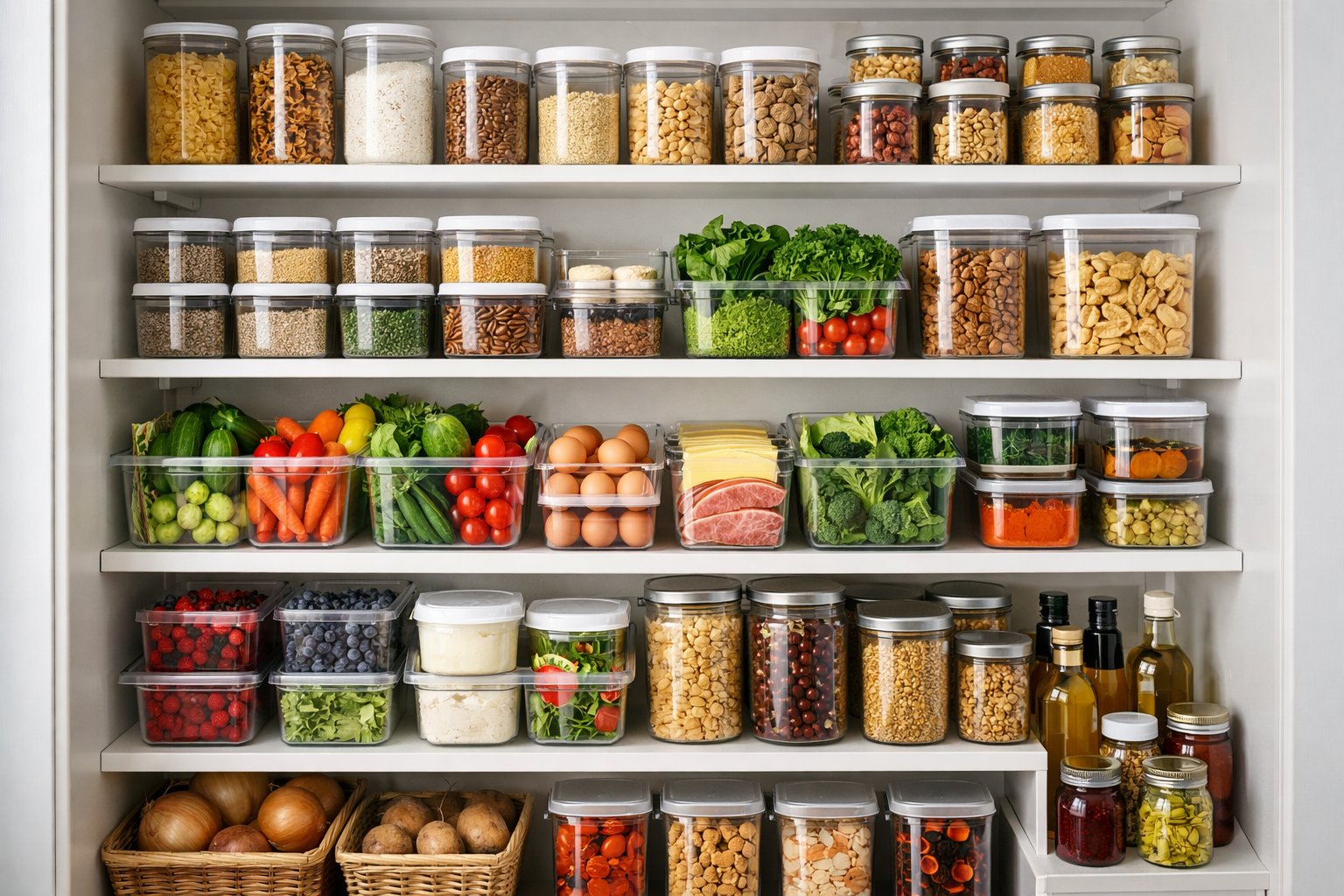
Check out our latest compact vacuum sealer for food collection!
A cluttered spice cabinet here, a forgotten vegetable drawer there, we’ve all been there, wrestling with a kitchen setup that just doesn’t fit how we actually cook. If you’re the type who meal preps every Sunday, you need a totally different storage game plan than someone who orders takeout most nights. Yet, somehow, most of us arrange our kitchens based on what’s Pinterest-worthy, not what actually works for us.
How often you cook should shape your storage choices. When your storage matches your real-life cooking habits, you’ll spend less time tearing through drawers, waste way less food, and maybe, just maybe, actually enjoy being in your kitchen. If you’re cooking daily, you need fresh produce and go-to spices at your fingertips. If you’re only firing up the stove once in a while, you’ll want long-term pantry and freezer solutions.
Let’s break down how to match your storage to your cooking frequency—covering food safety basics and some ways to set up kitchen zones that just make sense. Whether you’re cooking once a week or three times a day, the right storage setup can turn chaos into something that just works.
Key Takeaways
- Your storage system should reflect how often you cook to keep food fresh and your kitchen running smoothly
- Organizing by what you use most and setting up prep zones really cuts down on meal prep time
- Choosing the right containers and where you put them helps prevent food waste and supports your cooking style
The Critical Link Between Storage Systems and Cooking Habits
Storage is the backbone of how we cook. When storage design doesn’t match how often we’re in the kitchen, things get inefficient fast. We waste time, money, and food.
Different Cooking Frequencies Require Unique Storage Approaches
If you cook daily, you need storage that’s all about easy access and quick turnover. Oils, spices, and utensils should live right where you use them. For the fridge, keep produce and proteins at eye level. Transparent containers make it obvious what’s inside—no more mystery leftovers.
If you’re a weekly cook, your priorities shift. You’ll want bulk storage, spots for meal prep containers, and freezer space for pre-portioned meals. The pantry should be set up for shelf-stable items, but not so deep that you forget what you have.
Occasional cooks? You’ve got your own set of problems. Food needs to last longer, and you need a system that helps you remember what’s stashed away. Vacuum-sealed containers, well-labeled freezer bags, and a streamlined pantry help avoid that dreaded moment when you find something expired and fuzzy.
Benefits of Aligning Storage Design With Cooking Behavior
When storage fits your cooking rhythm, you waste less food—sometimes by as much as 30%, according to some studies. Visible, accessible ingredients are way more likely to get used up.
Time-wise, matched systems can save daily cooks about 15 minutes per meal just on prep and ingredient hunting. The kitchen feels intuitive instead of like an obstacle course.
You’ll save money, too. When you can actually see what you have, you quit buying doubles. Even your fridge and freezer run better—less door opening, more stable temps.
Risks of Mismatched Storage and Kitchen Use
If your storage doesn’t fit your habits, things go sideways. Daily cooks with deep pantries end up digging forever, losing track, and tossing out expired stuff. It’s frustrating and wasteful.
Food safety can take a hit, too. If you don’t cook often but use a setup meant for daily turnover, you’ll likely find spoiled ingredients lurking. Missed expiration dates and improper storage can lead to contamination.
And honestly, when your kitchen fights you, you’ll probably cook less. Prepping a meal becomes a hassle, and takeout starts to look a lot more appealing.
Essential Storage Principles for Food Safety and Freshness
Safe food storage boils down to a few essentials: good habits from the start, keeping food out of the “danger zone,” and separating raw from ready-to-eat.
Proper Food Storage as a Foundation
You can’t just shove things in the fridge and hope for the best. Every item needs to be covered, labeled with the date, and put in the right container. Clear, airtight containers keep smells in check and stop foods from drying out.
The First In, First Out (FIFO) rule is your friend. When you bring groceries home, move the old stuff to the front and tuck new things behind. It’s a simple way to keep things fresh and cut down on waste.
Quick storage rules:
- Cover foods in sealed containers
- Label with storage dates
- Keep dry goods at least 15cm off the floor
- Store cleaning chemicals far from food
- Don’t overcrowd the fridge—air needs to circulate
If you overpack the fridge, cold air can’t flow, and you’ll get warm spots even if the temperature looks fine.
Controlling the Temperature Danger Zone
Bacteria love temps between 5°C and 60°C—the “danger zone.” Your fridge needs to stay at or below 5°C. Freezer? -18°C or colder. These aren’t just suggestions; they’re what keeps your food safe.
Leave food out in that danger zone for more than two hours, and it’s risky. You can’t always smell or see when food’s gone bad, so temperature is your best bet. A simple fridge thermometer beats guessing with the dial.
Room temp works for a lot of pantry stuff, but keep it below 18°C if you can. Higher temps make oils go rancid and invite pests.
Preventing Cross-Contamination in Home Kitchens
Raw meat, poultry, and seafood have bacteria that spread easily. Always keep these on the bottom fridge shelf, sealed up or on a plate to catch drips. Ready-to-eat foods—leftovers, cheese, salads—go up top, safe from anything dripping down.
Here’s a quick shelf guide:
| Shelf Position | Appropriate Foods |
|---|---|
| Top | Cooked foods, dairy, sauces |
| Middle | Whole fruits and vegetables |
| Bottom | Raw meat, poultry, fish |
Raw poultry can carry Salmonella and Campylobacter—nasty stuff. Even a tiny drip can be a problem. Always use a separate cutting board for raw meat, and please, don’t rinse raw chicken (it just sprays bacteria around).
Types of Storage Solutions Tailored to Cooking Frequency
Your cooking style should shape your storage. Daily cooks need quick access to fresh stuff. Occasional cooks? You need storage that keeps food good for the long haul.
Short-Term vs Long-Term Food Storage Options
If you’re cooking daily, focus on easy-to-grab, short-term storage. Transparent glass or BPA-free plastic containers with tight lids keep things fresh for 3-5 days.
If you cook weekly or less, you’ll want long-term options. Vacuum-sealed bags are game-changers—they keep stuff fresh 3-5 times longer than regular containers. Use them for proteins, veggies, or batch-cooked meals in the freezer.
Temperature counts. Short-term stuff goes in the fridge (35-38°F), long-term in the freezer (0°F or below). Pantry goods need airtight containers to block out moisture and bugs.
The real difference? Turnover. Daily cooks cycle through ingredients fast. If you cook less, you need storage that won’t let things go bad while they wait.
Dry Storage Strategies for Everyday and Occasional Cooks
Dry storage isn’t one-size-fits-all. Everyday cooks do best with open shelves or easy-access cabinets for things like flour and rice. Smaller jars on the counter get refilled from bigger bulk containers.
If you cook less often, you need airtight containers that really seal out air and humidity. Arrange by what you use most. Daily staples go at eye level; specialty stuff goes higher. Square containers usually fit better than round ones—more efficient, less wasted space.
Want to really stretch shelf life? Toss an oxygen absorber into containers with flour, pasta, or beans. It can keep things good for years, which is perfect if you don’t cook much but want to be ready when you do.
Refrigerated and Frozen Storage: Adapting to Your Meal Prep Routine
How often you cook should dictate whether you lean more on the fridge or the freezer. Pick your storage based on your real habits, not wishful thinking. Temperature, cooling, and how you organize all matter.
Choosing the Right Refrigeration Based on Frequency
If you’re in the kitchen daily, refrigeration is your friend. Meals stay fresh for 3-5 days at 37-40°F, and you can grab what you need without thawing anything.
Weekly meal preppers? Try splitting the week: fridge for early-week meals, freezer for later. That way, nothing spoils before you get to it.
If you cook in big batches once a month, the freezer is your MVP. Foods keep their nutrition for 3-6 months at 0°F or below. Just make sure your freezer holds a steady temp to avoid freezer burn.
Big households or commercial kitchens might even have walk-in coolers, with zones for both short-term and long-term storage.
Best Practices for Frozen Foods and Rapid Cooling
Cool food fast before freezing. You want to get from 140°F to 40°F in two hours or less. Use shallow containers (no deeper than 2 inches) to help it cool, or set them in an ice bath and stir now and then.
Once it’s cool, portion meals into single servings. That way, you only thaw what you need. Always label with the date and what’s inside—everything looks the same after a couple weeks in the freezer.
Freezing tips:
- Keep freezer at 0°F or below
- Use airtight, freezer-safe containers
- Squeeze out extra air from freezer bags
- Stack containers flat to save space and freeze evenly
Organizing Refrigerated Storage for Efficiency
Organize your fridge by when you’ll eat things, not just by type. Meals for the next day or two should be front and center.
Coldest spots are usually at the back of the lower shelves—stash raw proteins and dairy there. Ready-to-eat stuff and leftovers go on top.
Clear, stackable containers help you see what’s what, so you don’t lose food to the back of the fridge.
Fridge zones cheat sheet:
| Location | Best For | Temperature Range |
|---|---|---|
| Top shelf | Ready-to-eat meals, leftovers | 37-40°F |
| Middle shelf | Dairy, eggs, prepped ingredients | 36-38°F |
| Bottom shelf | Raw proteins, marinating items | 34-36°F |
| Door | Condiments, drinks (not milk) | 40-45°F |
Don’t overload the shelves—air needs to move to keep temps steady and stop bacteria from getting a foothold.
Kitchen Layouts and Storage Zones Optimized for Food Prep Flow
A smart kitchen layout makes a huge difference in how fast you can cook and how easy it feels. Organizing storage into zones—rather than stashing things wherever—cuts down on wasted steps and keeps your go-to items right where you need them.
Work Triangle vs. Modern Kitchen Zones
The work triangle links the refrigerator, sink, and stove in a compact path, aiming to cut down on extra steps while cooking. It’s a classic layout that really shines in small kitchens where just one person handles the meal. Ideally, the three points should sit between 4 and 9 feet apart—close enough to avoid wandering, but not so tight that you’re bumping elbows with your own appliances.
But let’s be honest: most modern kitchens work better with zones. Instead of just focusing on the triangle, you carve out spaces for prepping, cooking, cleaning, storage, and serving. This setup works for households where more than one person might be in the kitchen, or if you’re juggling more than just basic cooking. Think about a baking station—a spot with a stand mixer, some marble countertop, and flour containers all together. Or maybe a coffee station tucked away from the main action, with mugs, beans, filters, and the machine all in one place.
Designing Prep, Cooking, and Cleaning Zones for Functionality
The prep zone really needs some elbow room—ideally at least 36 inches of uninterrupted counter, right between the fridge and the cooking zone. Keep cutting boards, knives, mixing bowls, and measuring tools right there. When you’re ready to cook, you don’t want to hunt for a spatula or your favorite bowl. Stash oils, spices, and seasonings in pull-out drawers or shelves nearby so you’re not trekking across the kitchen every time you need salt.
For the cooking zone, keep pots, pans, and utensils within arm’s reach of the stove. Most kitchen designers suggest deep drawers under the cooktop for stacking pots, and a utensil crock on the counter for spatulas and spoons. The cleaning zone by the sink should have dish soap, scrubbers, and towels close by, plus a dishwasher to the left or right of the sink for easy loading.
Dedicated Stations for Frequent Tasks
It just makes sense to set up stations based on how you actually cook. If you bake every week, gather flour, sugar, baking powder, vanilla, and mixing tools in one spot with enough counter space to roll dough. If coffee is your thing, cluster the coffee maker, grinder, mugs, and supplies on a single counter or cart.
A breakfast station could have the toaster, cereal, bowls, and a small cutting board for fruit. If you batch-cook meals, you’ll want a long counter with lots of cutting boards and containers nearby for portioning. The trick is to keep the stuff you use most often at eye level or in easy-to-reach cabinets. Put the specialty gear you rarely use up high or in the back of the pantry.
Best Practices: Containers, Sanitation, and Storage Organization
Good storage comes down to three things: picking the right containers, keeping everything clean, and organizing so nothing gets lost or wasted.
Selecting Food Storage Containers for Every Cook
You’ll need different containers depending on what you store and how you cook. Airtight ones are a must for dry goods like flour, rice, and pasta—they keep out moisture and bugs. Glass containers are great for leftovers since they don’t absorb smells and go from fridge to microwave without a fuss.
For raw proteins and produce, shallow containers work best. They cool food faster and more evenly, which helps prevent bacteria growth. Stackable rectangles fit better in the fridge than round containers, especially if you’re storing a lot at once.
Material matters. Glass and stainless steel don’t leach chemicals and last longer, but BPA-free plastic is lighter and budget-friendly. Try to match container size to your usual portions—too much empty space means food goes bad faster.
Cleaning, Labeling, and Rotating Stored Foods
Clean containers and shelves stop cross-contamination in its tracks. Wash containers with hot, soapy water after each use, and don’t ignore those tricky lid seals. Wipe down storage shelves and fridge drawers at least once a week to avoid sticky messes and mold.
Labeling is a game changer. Mark every container with what’s inside and when you stored it. Masking tape and a marker work fine, or splurge on reusable labels if you’re feeling organized.
Always put new items behind older ones. That way, you’ll use up food before it goes bad. Store things with soon-to-expire dates at eye level so you can’t miss them—this goes for both pantry and fridge.
Maintaining Food Quality and Reducing Waste
Keeping food at the right temperature makes the biggest difference. Set your fridge at 40°F or lower, and always store raw meat on the bottom shelf to keep drips away from ready-to-eat stuff. Let leftovers cool for a bit (but not too long—no more than two hours), then pop them into shallow containers in the fridge.
Want to waste less? Know where your food belongs. Potatoes and onions like a cool, dark pantry, but tomatoes actually lose flavor in the fridge. Herbs last longer upright in a glass of water, almost like a little bouquet.
Check your inventory regularly. Take a quick look in the fridge every few days and scan the pantry weekly. Plan meals around what needs to be used up. It saves money and keeps food from going to waste.
Frequently Asked Questions
Matching your storage system to how often you cook is all about making things organized, keeping food fresh, and making sure you can grab what you need without a hassle. These little tweaks can make your kitchen work for you—not the other way around.
How can efficient storage solutions spice up my meal prep routine?
Efficient storage cuts down on the time you spend searching for tools and ingredients. When everything has a spot that fits your cooking flow, you can move from task to task without that annoying scramble.
Pull-out shelves and clear containers let you see what’s on hand at a glance. No more rooting through cluttered cabinets while your pan threatens to burn.
Dedicated zones for different tasks help, too. Set up a baking area with all your flour, sugar, and measuring cups, and keep oils and spices right by the stove.
What's the recipe for keeping my ingredients fresh longer?
Temperature is everything. Store refrigerated stuff at 40°F or below, and keep dry goods in a cool, dark place.
Airtight containers help a ton—they keep out moisture and slow down spoilage. If you want to go the extra mile, vacuum sealing removes oxygen and keeps food fresh even longer.
Practice rotating your stock. Put new purchases behind the old ones so you use up ingredients before they expire.
Humidity and light matter, too. Potatoes and onions do best in dark, ventilated spots, while herbs like a little moisture—wrap them in a damp towel or stand them in water.
Can smart storage impact how often I cook at home?
Absolutely. When you can find fresh ingredients and tools right away, you’re way more likely to cook instead of ordering out.
Seeing what you have—thanks to clear containers and tidy shelves—can spark meal ideas. You won’t have to guess what’s buried in the back of the pantry.
A well-organized fridge and pantry also cut down on the disappointment of finding spoiled food. When things stay fresh and easy to grab, you’re more motivated to use them.
And if you keep your most-used items at eye level, you’re ready to cook the second inspiration hits.
Why does the arrangement of food in storage matter to my culinary exploits?
How you arrange food affects safety and speed. Stash raw meats on the bottom shelf to avoid drips, and keep ready-to-eat items higher up.
Grouping by cuisine or meal type makes it easier to grab everything you need for a specific dish. Maybe keep all your Asian ingredients together, or put breakfast stuff in one area.
Fridges have hot and cold spots, too. Use the humidity-controlled drawers for herbs and produce, and keep condiments and drinks on the door.
Put perishables front and center so you don’t forget about them. That way, you’ll use them up before they go bad.
What's the best way to organize my pantry for spontaneous cooking sessions?
Try organizing by food type and how often you use things. Everyday items like oils, grains, and spices should be right at eye level.
Clear containers make it easy to check what you’re running low on. No more surprise empty boxes of pasta.
Create zones for different meals—breakfast foods in one spot, dinner staples in another—so you can grab what you need without thinking.
Label everything with the date you bought or opened it. It’s an easy way to keep track of freshness.
Adjustable shelves help, too. Put tall bottles up high and keep the stuff you use all the time within easy reach.
How do preservation methods affect the taste of my home-cooked meals?
Different preservation methods change flavor, texture, and nutrition in their own ways. Fresh ingredients usually offer the brightest flavors, but sometimes you just can’t use everything right away—preservation steps in to help.
Freezing does a solid job at keeping ingredients usable, though it tends to mess with the texture, especially in watery produce. I’ve noticed frozen herbs, for example, lose their crispness but still give plenty of flavor when tossed into cooked dishes.
Dehydration really amps up flavors—great for tomatoes and mushrooms. But with some veggies, it can make bitterness way more noticeable. It’s worth paying attention to which foods handle dehydration well.
Refrigeration slows down the processes that change taste. Oddly enough, some things like tomatoes and basil actually taste blander after a stint in the fridge. So, it’s good to know what actually benefits from cold storage and what’s better left out.
Vacuum sealing helps avoid freezer burn and those weird off-flavors you get from oxidation. I trust it more than regular freezer bags, especially if I’m stashing something away for a while.
Share:
Why Ingredients Stored Separately Cook More Predictably
Why Ingredients Stored Separately Cook More Predictably