

Check out our latest compact vacuum sealer for food collection!
Most of us mean well when we buy groceries in bulk, but then, somehow, good food ends up spoiling before we get to it. You know the feeling, staring at a giant tub of leftovers or a value pack that seemed like a deal at the time.
Dividing food into smaller batches before storage can really help it last longer by cutting down on air, temperature swings, and contamination every time you grab some.
When you stash food in one big container, you expose the whole thing to air and bacteria every time you open it. Smaller containers mean less food gets hit with warm air and germs each time, while the rest stays sealed and safe. Plus, smaller amounts cool down more quickly in the fridge or freezer, so they spend less time in that risky temperature zone.
There’s more to it than just keeping food fresh. You end up wasting less, saving money, and meal prepping gets easier when things are already portioned out. Whether you’re dealing with bulk buys, prepping for the week, or just storing leftovers, smaller batches give you more control over quality and safety.
Key Takeaways
- Smaller portions mean less air and contamination every time you open your food
- They cool faster and stay at safer temperatures
- Ready-to-use portions cut down on waste and make cooking easier
How Smaller Batches Extend Food Shelf Life
When you store food in smaller amounts, you naturally slow down spoilage and keep things tasting better. You get more control over the storage environment and reduce the things that make food go bad.
Key Principles of Shelf Life
Shelf life comes down to four things: temperature, moisture, oxygen, and light. Smaller batches make it easier to manage these.
Temperature is easier to control with less food. A small container chills faster than a big one, which means food spends less time between 40°F and 140°F—the range where bacteria love to grow.
Moisture is simpler to manage too. Little containers don’t get as much condensation, and you can watch humidity better. That helps prevent sogginess and the kind of bacterial mess that happens with big tubs.
When you open a big batch, the whole thing gets hit with warm air and germs. Smaller containers? Only the one you open gets exposed.
Lowering Risk of Food Spoilage
Spoilage speeds up when food gets handled and exposed over and over. With smaller containers, you limit how much gets compromised each time.
Picture five pounds of chopped veggies in one container versus five one-pound containers. Open the big one, and all five pounds get a temperature bump and some new bacteria. With smaller ones, you just risk the one you open.
Cross-contamination drops, too. You’re not dipping into the same big tub with a spoon that’s touched other stuff. Each little batch stays sealed until you need it.
It’s also way easier to rotate your food—using up the oldest first—when you’ve got several small containers instead of one big mystery box.
Reducing Oxygen and Light Exposure
Oxygen and light are big enemies of food freshness. They break down nutrients, mess with flavors, and cause fats to go rancid.
Smaller containers mean less air inside. When you use right-sized containers, there’s not a lot of extra space for oxygen to hang around. Compare a half-full big tub to a full small one—the big one has way more air and speeds up spoilage.
Light breaks down vitamins and can make food taste weird. It’s easier to stash small containers in dark spots or use opaque ones, instead of trying to fit a giant container in the back of the fridge.
If you eat a small batch within a few days, you’re usually done before the food even starts to degrade much.
Smart Storage Techniques for Smaller Batches
How you store those small batches matters—a lot. The right combo of airtight containers, proper environments, matching container sizes, and a little organization keeps food fresher, longer.
Using Airtight Containers and Vacuum-Sealed Bags
Airtight containers are the first line of defense. With smaller batches, getting rid of air is even more important because there’s more surface area compared to volume. Oxygen speeds up spoilage, so sealing it out helps.
Vacuum-sealed bags are awesome for this. Suck out nearly all the air and you pretty much stop freezer burn and slow down bacteria. For meat in single servings, vacuum sealing can stretch freezer life from six months to two or three years.
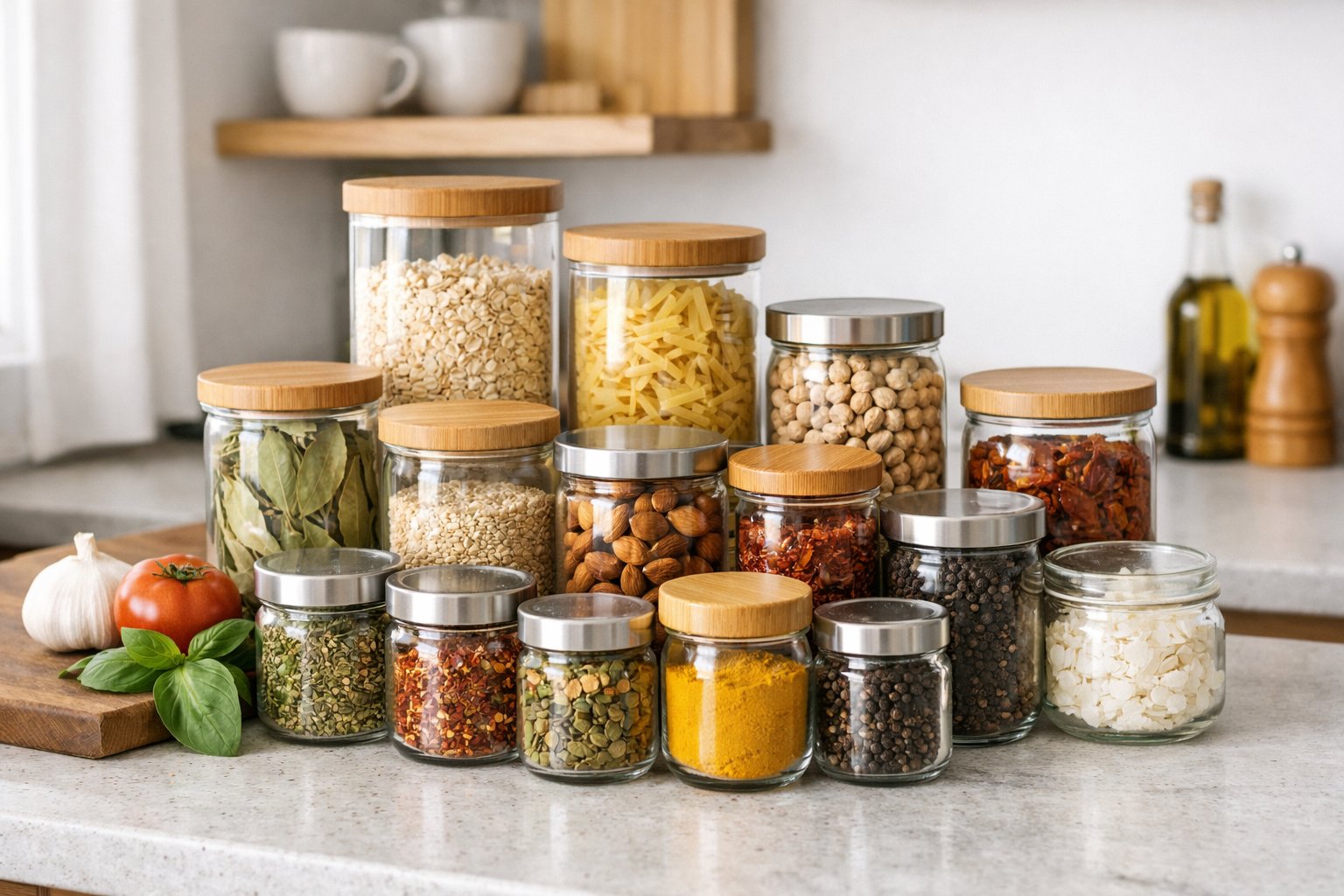
Glass containers with silicone lids work great for pantry stuff like grains or nuts. BPA-free plastic is fine for the fridge, though glass is better if you’re worried about chemicals. The main thing: the lid needs to seal tight so air and moisture can’t sneak in.
Temperature and Humidity Control
Where you store food matters just as much as how. Keep the fridge between 1°C and 4°C—cold enough to slow bacteria, but not freeze things. The freezer should stay at -18°C to keep texture and nutrients intact.
Humidity’s a big deal, too. Too much (over 60%) and you’ll see mold, especially with small portions that don’t have the mass of bulk storage. We like to toss silica gel packs into pantry containers with dried foods.
Not all foods want the same conditions. Leafy greens like it humid; herbs, not so much. We keep small batches grouped by what they need instead of shoving everything into one drawer. That way, you don’t get soggy lettuce or wilted parsley.
Proper Storage Containers for Batch Size
Size your containers to fit the portion—don’t put a tiny amount in a huge tub. Too much empty space means more air, and that’s bad news for freshness.
Quick guide:
- 4-8 oz: Single servings, spices, nuts
- 12-16 oz: Two servings, chopped veggies, cooked grains
- 24-32 oz: Small family portions, soups, sauces
- Vacuum bags: Any size, but especially handy for freezing
We like stackable, square containers—they just fit better in the fridge or freezer. Clear ones help you see what’s inside without opening them and letting in warm air.
Labeling and Organizing for Freshness
Label everything with the date and what’s inside. Waterproof markers or sticky labels work. This keeps you from finding “mystery meals” in the back weeks later. Small batches get used up faster, but only if you know what’s what.
Put the oldest stuff up front and practice first-in, first-out. That way, you don’t end up tossing forgotten leftovers.
Color-coding helps, too—maybe green for veggies, red for meat, blue for cooked meals. We sometimes write down when we plan to use it, not just when we stored it. Makes meal planning easier.
Food Safety Advantages of Storing in Smaller Portions
Dividing food into smaller containers creates extra layers of protection against contamination. Each little container is its own safe zone, and you only expose what you need to air or handling.
Preventing Foodborne Illnesses
Smaller portions lower your chances of foodborne illness by keeping food out of the danger zone more easily. Open a big container over and over, and you’re letting in warmth and germs every time.
With smaller batches, you just thaw or open what you need for one meal. If something goes bad, you only lose one container—not the whole batch.
You also avoid the risky habit of reheating food several times. Every time you heat and cool, bacteria get a chance to grow. Food safety folks say reheat only once, which is way easier if you’re working with single servings instead of a week’s worth in one pot.
For high-risk foods like meat and dairy, this really matters. Smaller portions chill faster and heat up faster, so you’re less likely to land in that bacteria-friendly temperature range.
Minimizing Cross-Contamination
Smaller containers naturally cut down on cross-contamination in your fridge or freezer. You handle each portion less, so there’s less chance of spreading germs from hands or utensils.
It’s easier to keep things organized and labeled, which means you can separate raw and cooked foods better. Big containers that need to be opened a lot make it tough to keep things safe.
Sealed individual portions keep out airborne stuff and stop smells from mixing. Open a big tub of stew, and everything inside gets a whiff of whatever else is in your fridge. With small containers, only what you open gets exposed.
Maintaining Nutritional Value
Nutrients break down every time food gets hit with air, light, or temperature changes. Smaller batches keep most of your food sealed and protected until you eat it.
Vitamins like C and B-complex are especially sensitive. Opening a big container of cut veggies or cooked grains over and over speeds up nutrient loss. With small portions, most of your food stays untouched.
You also slow down fat oxidation in things like nuts, meats, and cooked dishes. That keeps flavors better and avoids weird or even unsafe compounds. Less surface area exposed to air means slower breakdown.
Freezer burn’s less of a problem, too, since you use small portions faster and seals stay tight.
Types of Foods That Benefit Most from Batch Storage
Not all foods act the same with batch storage. Some last way longer, others just keep their quality and nutrients better. Knowing which ones to focus on helps you keep things fresh and cut down on waste.
Perishable and Dried Foods
Fresh produce, dairy, and raw proteins really benefit from splitting into small portions right away. If you freeze herbs in ice cube trays with oil or portion leafy greens into single servings, they last longer than if you leave the whole bag open.
Dried foods like beans, lentils, and pasta do better in small containers since they don’t get exposed to air as much. Same goes for rice and grains—they’re less likely to go rancid or lose their oils.
Dehydrated foods like mushrooms or fruit keep longer in small, recipe-sized portions. You can rehydrate just what you need, and the rest stays sealed.
Canned and Non-Perishable Foods
Even with canned and shelf-stable stuff, batch storage helps. Once you open a can, moving leftovers to small containers keeps them good for close to a week instead of just a few days. Plus, you don’t end up using more than you need.
If you make your own preserves, use smaller jars—half-pints or quarter-pints. You’ll finish them faster, so there’s less time for mold or bacteria to take over.
Pantry staples like flour, sugar, and baking powder also stay fresher in small containers. Keep one out for everyday use and leave the rest sealed tight to block out humidity and bugs.
Meal Planning and Batch Cooking
Meal planning really changes when we get into smaller batch storage. Instead of making a giant pot of soup, we just cook a regular recipe and split it up into two or three containers right away. Some go in the freezer, some in the fridge for now.
Proteins especially benefit from this. We portion raw chicken breasts, ground meat, or fish into meal-sized packages before freezing. Each one thaws fast and only goes through a single freeze-thaw cycle, so the texture and flavor actually hold up.
Cooked grains and beans stay good for about 3-5 days in small containers. We’ll cook a pot of rice or quinoa, then divide it up—just enough for a meal or two per container. What we don’t eat right away goes straight into the freezer, so it keeps its moisture and doesn’t get all dried out like it does in a big tub sitting in the fridge.
Batch Storage and Sustainability
Storing food in smaller batches actually helps the environment by cutting waste and making our food habits more efficient. When we split things up, we only use what we need and keep the rest fresh.
Reducing Food Waste and Environmental Impact
Small batch storage tackles the huge problem of food waste at home. If we dump a week’s worth of veggies into one big container, the stuff at the bottom often goes bad before we get to it. But if we use smaller containers, we only open what we need, so less food gets exposed to air and temperature swings.
Households using batch storage tend to cut food waste by about 25-40% compared to bulk storage. That’s a big deal since food waste in landfills releases methane—way worse for the climate than carbon dioxide.
There’s also an energy angle. Smaller containers cool down faster in the fridge, so it takes less energy to keep them safe. And since we open and close smaller portions more quickly, the fridge doesn’t have to work as hard to recover from temperature spikes.
Supporting Sustainable Food Practices
Batch storage fits naturally with more sustainable shopping. When we store in smaller portions, we buy just what we need, not massive bags or boxes that end up half-used. That sends clearer signals through the food supply chain.
Local farmers and producers actually benefit from this, too. We can buy fresh, seasonal foods in smaller amounts, so we’re not stuck with huge quantities we can’t store. It’s easier to support local growers when we’re not overbuying.
It also helps us keep better track of what’s in our kitchens. We can see what we have, avoid buying duplicates, and use things up in the right order—just like pro kitchens do. This makes meal planning easier and keeps food from slipping through the cracks.
Advanced Packaging and Inventory Methods for Shelf Life Extension
Modern packaging, paired with smart inventory habits, keeps our smaller food batches fresher for longer. With a mix of oxygen control and good rotation, we can really cut down on waste and keep quality high.
Modified Atmosphere and Controlled Storage
Modified atmosphere packaging (MAP) changes the air inside containers by lowering oxygen and adding nitrogen or carbon dioxide. This slows down the main things that spoil food—oxidation and microbes.
At home, we can use vacuum-sealed bags or containers with oxygen absorbers to get similar results. Removing oxygen slows down bacteria, mold, and staleness, especially for foods like nuts, whole grain flours, and fresh pasta.
A few things to keep in mind:
- Vacuum packaging pulls out all the air, but high-moisture foods still need refrigeration to avoid botulism
- Oxygen absorbers work for dry goods and don’t need any fancy gadgets
- CO₂ pads can help berries last longer by stopping mold
Controlled atmosphere storage (CAS) goes further by constantly adjusting gas levels. While that’s mostly for big operations, we can get close by storing small batches in airtight containers and using the fridge’s crisper drawers.
FIFO, FEFO, and Inventory Management Tips
First In, First Out (FIFO) means we use older items before new ones. First Expired, First Out (FEFO) focuses on expiration dates, which is more important for stuff with different shelf lives even if bought together.
Quick guide to date labels:
| Label Type | Meaning | Best For |
|---|---|---|
| Use By | Safety date, toss after | Fresh meat, dairy, prepared foods |
| Best Before | Quality date, may lose taste after | Dry goods, canned stuff, frozen foods |
| Sell By | Store’s date, ignore at home | Not really for us |
Let’s organize our food so the older stuff sits up front. That goes for the fridge, freezer, and pantry. With smaller batches, it’s easier to keep track and rotate things.
We can watch our habits over a few weeks to see what we really use. If we always toss half a bag of spinach, maybe we should buy less or plan meals to use it up fast.
Keeping the cold chain matters at home, too. When we get back from shopping, it’s best to put away cold and frozen foods first to keep them fresh longer.
Frequently Asked Questions
Storing food in smaller batches brings up practical questions about freshness, containers, and how to organize everything so our ingredients last.
What's the secret ingredient to keeping those leftovers tasting just as good tomorrow?
It all comes down to air exposure. When we split leftovers into smaller containers, less food gets hit by air each time we open one.
Opening a big container over and over lets in oxygen and changes the temperature, which speeds up spoilage. Smaller portions stay sealed and safe until we need them, so flavors and textures hold up better.
Plus, smaller batches cool down faster in the fridge, which gets them out of the “danger zone” (between 4°C and 60°C) sooner. That really helps keep bacteria at bay.
Is it true that splitting up my lasagna stash can actually keep it from going to the dark side too soon?
Definitely. Science agrees. If we store a whole pan of lasagna as one piece, the center stays warm way too long—perfect for bacteria.
Cutting it into individual or family-sized portions means it cools evenly and quickly. Each piece hits safe fridge temps in about two hours, compared to four or more for a big pan.
Also, we avoid the trap of reheating and cooling the same big dish over and over, which just ruins taste and ups the risk of contamination.
How does playing Tetris with my Tupperware help win the battle against food spoilage?
Organizing containers actually helps airflow in the fridge, so temps stay more even. With smaller containers, we can arrange things to keep vents clear and let cold air move.
Consistent airflow means fewer warm spots where food can spoil. Plus, it’s easier to rotate stock and keep older stuff up front, so nothing gets lost in the back.
Stacking smaller containers makes better use of fridge space and keeps everything visible. Just being able to see what we have cuts down on waste.
Could the size of your storage containers be the knight in shining armor for your groceries' lifespan?
Container size matters more than most of us think. When we use containers that fit our portions, we cut down on headspace—the air above the food that leads to oxidation and drying out.
Single-meal containers seal better because there’s less air inside. Foods like cut veggies, cooked grains, and proteins all stay fresher this way.
We’ve also noticed that right-sized containers help prevent cross-contamination, since foods don’t touch each other like they might in a big tub. Each thing gets its own safe spot.
Can someone spill the beans on how to juggle different food types in the fridge to keep them fresh-fresh?
Different foods need different storage game plans, and smaller batches make that easier. Raw meats go on the bottom shelf in sealed containers to stop drips, while ready-to-eat stuff stays up top.
Produce goes in the crisper drawers, in smaller amounts, with the right humidity—high for leafy greens, lower for things that give off ethylene gas. Separating batches lets us keep sensitive items away from the big ethylene producers.
Dairy and eggs do best on the middle shelves where temps don’t swing as much. By portioning cheese, yogurt, and other dairy into smaller containers, we only expose what we’re using to the fridge’s temperature changes when we open the door.
Are there wizard-level tips for arranging our eatables in the icebox to cast a longevity spell on them?
We label everything with dates and contents, usually just scribbling with a dry-erase marker or slapping on a removable label. This little ritual, paired with making smaller batches, actually keeps the whole first-in-first-out thing from falling apart at home.
Transparent containers are a game changer. You can spot what’s inside without cracking the lid, so you don’t end up letting out cold air every five minutes. Square or rectangular ones? They just fit better. I mean, you can cram way more leftovers and snacks into the same shelf space.
We’ve carved out a zone just for stuff we’ll eat today, and another for things that can wait until later in the week. It sounds a bit obsessive, but with smaller portions, it’s not a hassle to shuffle things around. Oh, and leaving a little breathing room between containers? That helps with airflow, which keeps things from getting all soggy or moldy. It’s not exactly magic, but it feels pretty close.
Share:
How to Keep Bulk Meat Purchases Fresh for Weeks
How to Keep Bulk Meat Purchases Fresh for Weeks