

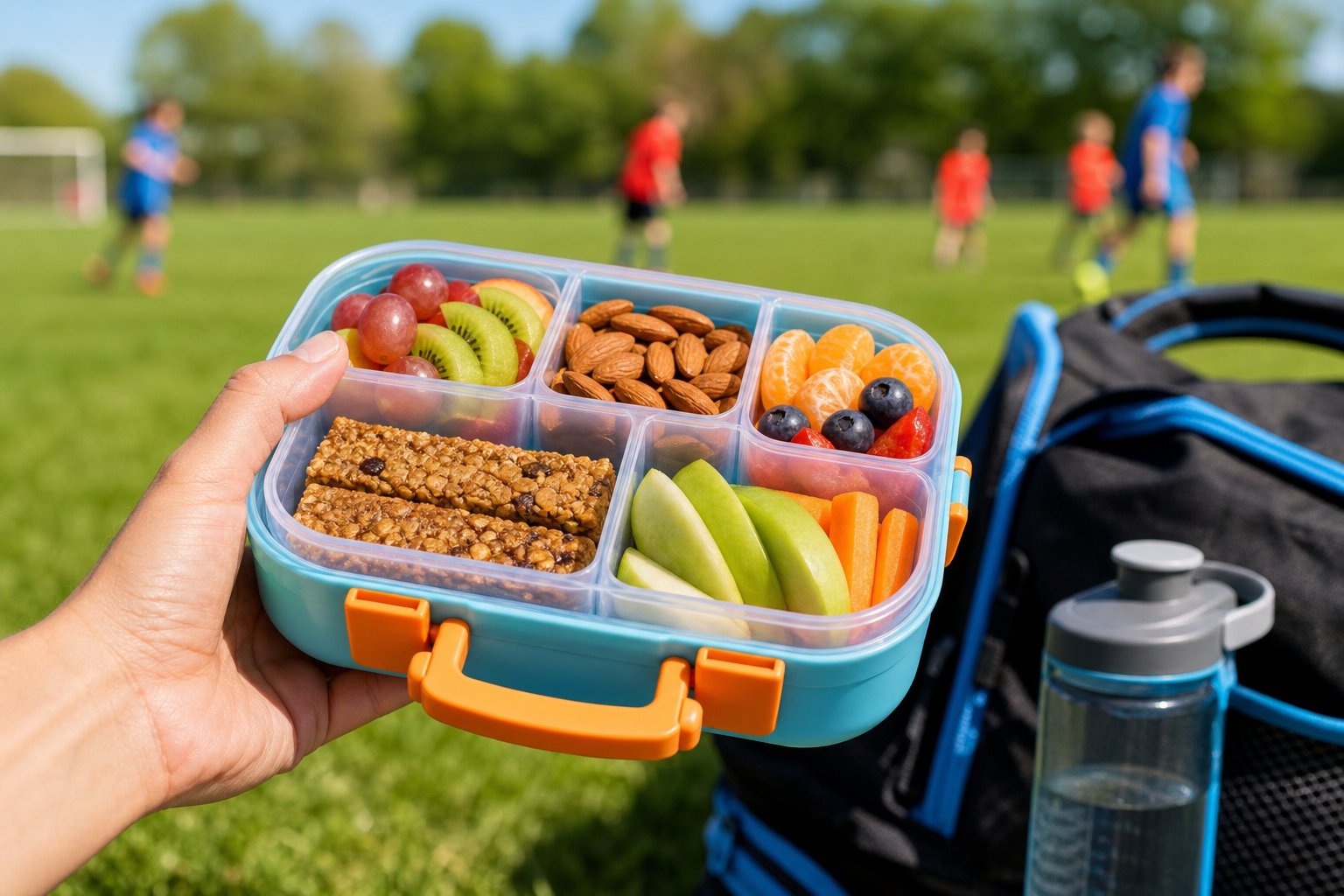
Schauen Sie sich unsere neuesten Snackbox-Kollektionen an!
Snacks können einen ereignisreichen Tag retten oder ruinieren. Zwischen Sportspielen, Nachmittagen im Park und langen Autofahrten können lose Tüten und zufällige Behälter schnell zu zerdrückten Crackern, klebrigem Obst und hungrigen Beschwerden führen.
Eine tragbare Snackbox hilft, alles ordentlich, frisch und leicht erreichbar zu halten. Mit separaten Fächern, sicheren Deckeln und einer reisefreundlichen Form bietet sie eine einfache Möglichkeit, verschiedene Lebensmittel zu verpacken, ohne dass sich Geschmäcker vermischen oder Flüssigkeiten Ihre Tasche überfluten.
Ein guter Reise-Snackbehälter hält Snacks frisch und griffbereit, dank auslaufsicherer Konstruktion, Kühlmöglichkeiten und einer leichten Bauweise, die leicht zu transportieren ist. Anstatt lose Tüten in einen Rucksack oder eine Kühlbox zu werfen, bietet Ihnen eine Snackbox echte Organisation. Keine zerdrückten Chips, geschmolzenen Käse oder Dips mehr, die ein Chaos verursachen. Das richtige Design hilft Ihnen, sich vorzubereiten, schnell zu packen und überall zu servieren, ohne zusätzlichen Reinigungsaufwand oder Verwirrung.
In diesem Leitfaden erfahren Sie, was tragbare Snackboxen für Sporttage, Parkausflüge und Reisen nützlich macht, einschließlich Materialien, Fächer, Kühlfunktionen und cleverer Verpackungsideen.
Wichtigste Erkenntnisse
- Tragbare Snackboxen halten Lebensmittel organisiert und frisch, indem sie Fächer verwenden, die Verschüttungen und Vermischungen während des Transports verhindern.
- Auslaufsichere Deckel und Kühlfunktionen wie Kühlakkus helfen, Snacks stundenlang frisch zu halten, was ideal für Sport, Parks und Roadtrips ist.
- Leichte, robuste Materialien und leicht zu reinigende Designs machen Snackboxen praktisch für Familien und aktive Menschen ohne zusätzlichen Aufwand.
Hauptvorteile tragbarer Snackboxen
Tragbare Snackboxen sind wirklich eine Hilfe für aktive Familien und alle, die viel unterwegs sind. Sie halten das Essen organisiert, helfen, es frisch zu halten, und bewahren Sie vor dem Chaos, das entsteht, wenn man eine Menge zufälliger Tüten oder Behälter mit sich herumschleppt.
Bequemlichkeit für einen geschäftigen Lebensstil
Eine Snackbox kann chaotische Morgen in etwas fast Überschaubares verwandeln. Anstatt in Schränken zu kramen und lose Snacks in Tüten zu werfen, packen Sie einfach alles einmal ein und schnappen sich eine einzige Box auf dem Weg nach draußen.
Das ist wichtig, wenn Sie Kinder zum Sport bringen, Besorgungen erledigen oder spontan in den Park fahren. Bewahren Sie eine tragbare Snackbox im Kofferraum oder an der Tür auf, gefüllt und bereit zum Mitnehmen. Sie werden den Drive-Thru oder den Verkaufsautomaten umgehen, was immer ein Gewinn ist.
Alles in einem Behälter zu haben bedeutet weniger Gänge zur Küche, und Sie verschwenden keine Zeit mit der Suche nach passenden Deckeln. Wir alle haben schon einmal zerdrückte Cracker am Boden eines Rucksacks gefunden oder gemerkt, dass wir Servietten vergessen haben. Das hilft, das zu vermeiden. Selbst für Pendler dienen diese Behälter als Lunchboxen für Erwachsene, die Snacks an langen Tagen oder im Stau griffbereit halten.
Tragbare Snackbehälter passen in Getränkehalter, Kinderwagenkörbe und Sporttaschen, ohne zu viel Platz einzunehmen. Diese praktische Größe bedeutet, dass Sie sie tatsächlich mitnehmen werden, anstatt sie zurückzulassen, weil sie nicht passen.
Organisation für mehrere Snacks
Separate Fächer verhindern, dass sich Geschmäcker vermischen und stoppen Kreuzkontaminationen. Sie können salzige Brezeln direkt neben süßen Beeren packen, und nichts wird matschig oder alt. Die meisten Snackboxen bieten zwischen vier und zwölf Abschnitte, sodass Sie jedes Mal Abwechslung haben können.
Diese Einrichtung ist ein Lebensretter für Familien mit unterschiedlichen Essensvorlieben oder Allergien. Ein Fach enthält milchfreie Snacks, ein anderes hält Nüsse von allem anderen fern. Dips bleiben an Ort und Stelle, und saftige Trauben berühren nichts, was knusprig bleiben soll.
Die Organisation geht über das Essen hinaus. Viele Snackboxen haben Fächer für Besteck, Servietten oder sogar kleine Kühlakkus. Kein Graben mehr in Taschen nach einer Gabel oder Abwischen klebriger Hände an der Hose.
Roadtrip-Snacks werden hier ebenfalls aufgewertet, und jeder kann sehen, was verfügbar ist, und aufhören zu fragen: „Was haben wir denn?“, alle paar Minuten. Sie müssen nicht alles auspacken, nur um etwas ganz unten zu erreichen.
Transparente oder durchsichtige Deckel ermöglichen es Ihnen, vor dem Verlassen zu überprüfen, was sich im Inneren befindet, sodass Sie alles, was Sie vergessen haben, rechtzeitig bemerken und beheben können.
Reduziert Unordnung und Abfall
Auslaufsichere Deckel und dichte Verschlüsse halten Verschüttungen in Schach, selbst wenn das Auto einen Stoß bekommt oder Kinder wild werden. Wir haben die klassische Katastrophe von Hummus in der Handtasche oder Saft, der die Autositze durchnässt, vermieden.
Reisefreundliche Behälter verwenden verstärkte Dichtungen und Schnappverschlüsse, die auch bei unsachgemäßer Handhabung halten. Das bedeutet, dass Sie tatsächlich Joghurt, Dips oder geschnittenes Obst einpacken können, Dinge, die Sie normalerweise auf Reisen meiden würden.
Die Reinigung wird auch einfacher. Die meisten tragbaren Snackboxen verwenden glatte, nicht poröse Materialien, sodass Sie sie abspülen können, ohne ewig schrubben zu müssen. Nie wieder krustige, fleckige Brottüten.
Wiederverwendbare Snackbehälter reduzieren auch Einwegverpackungen. Anstatt einzeln verpackte Snacks zu kaufen oder Plastiktüten zu verbrauchen, packen Sie Großartikel einmal ein und verwenden die gleiche Box wieder. Sie sparen Geld und werfen nach Roadtrips oder Outdoor-Tagen viel weniger Müll weg.
Eine einzige Snackbox kann jeden Monat Dutzende von Einwegtüten ersetzen. Wenn Ihre Familie ständig unterwegs ist, summiert sich das wirklich zu weniger Abfall und keinem zusätzlichen Aufwand.
Hält Snacks länger frisch
Eingebaute Kühlfunktionen helfen, Lebensmittel bei langen Ausflügen sicher und schmackhaft zu halten. Viele tragbare Snackboxen verfügen über Fächer für Kühlakkus oder enthalten wiederverwendbare Gelpacks, die die Dinge kühl halten.
Wir haben festgestellt, dass hochwertige Snackboxen mit guter Isolierung Lebensmittel fünf bis acht Stunden lang kühl halten können, je nach Wetter und wie oft Sie sie öffnen. Das ist normalerweise ausreichend für die meisten Tagesausflüge oder Sportveranstaltungen.
Wichtige Frischefaktoren:
- Platzierung des Kühlakkus: Untere Kühlstellen verteilen kalte Luft über alle Fächer
- Isolierte Deckel: Doppelte Schichten helfen, die Kälte im Inneren einzuschließen
- Luftdichte Dichtungen: Einzelne Deckel stoppen Feuchtigkeitsverlust und halten Snacks knusprig
- Materialwahl: BPA-freie Kunststoffe und lebensmittelechte Materialien halten die Geschmacksstoffe sauber
Das ist am wichtigsten für Dinge wie geschnittenes Gemüse, Käse, Aufschnitt und milchhaltige Dips, die schnell verderben. Sie können sie verpacken, ohne sich um Verderb zu sorgen.
Einzelne Fächer mit eigenen Deckeln verhindern auch, dass trockene Snacks matschig werden. Cracker bleiben knusprig, Chips welken nicht, und Kekse nehmen keine Feuchtigkeit von nahegelegenen Früchten auf. Snacks schmecken nach sechs Stunden genauso gut wie beim Einpacken.
Designmerkmale, die die Tragbarkeit verbessern
Die besten tragbaren Snackboxen kombinieren intelligente Konstruktion mit Funktionen, die das Tragen, Packen und Verwenden überall erleichtern. Leichte Materialien, bequeme Griffe und platzsparende Formen verwandeln einen gewöhnlichen Behälter in etwas, das Sie tatsächlich mitnehmen möchten.
Griffe und leichte Konstruktion
Ein stabiler Griff ändert alles, wenn Sie Snacks vom Auto zum Picknicktisch schleppen oder Sportausrüstung und Wasserflaschen jonglieren. Eingebaute Griffe oder Silikongriffe verteilen das Gewicht, sodass Sie nicht herumfuchteln müssen, wenn Ihre Hände bereits voll sind. Einige Snackboxen haben sogar verstellbare Riemen oder Clips, die an Rucksäcke oder Kinderwagen gehakt werden können, was super praktisch ist, wenn Sie beide Hände frei brauchen.
Gewicht spielt tatsächlich eine Rolle. Ein leerer Behälter mag sich gut anfühlen, aber füllen Sie ihn für drei Kinder, und plötzlich wird es mühsam. Wir entscheiden uns normalerweise für BPA-freien Kunststoff oder lebensmittelechtes Silikon, weil sie leicht, aber langlebig sind.
Der Unterschied zwischen einer 12-Unzen- und einer 6-Unzen-Box mag gering erscheinen, aber an einem ganzen Tag im Park oder unterwegs werden Sie es merken. Leichtere Boxen ermöglichen es auch jüngeren Kindern, ihre eigenen Snacks zu tragen.
Kompakte und stapelbare Formen
Clevere Abmessungen machen den Unterschied zwischen einer Snackbox, die in Ihre Tasche passt, und einer, die den ganzen Platz beansprucht. Rechteckige oder quadratische Designs lassen sich ordentlich in Kühlboxen, Wickeltaschen oder Autofächern stapeln. Achten Sie auf flache Deckel, die es Ihnen ermöglichen, Boxen vertikal zu stapeln, was super nützlich ist, wenn Sie für eine ganze Mannschaft packen.
Schlanke Profile passen in Rucksacktaschen oder zwischen Autositze. Einige Boxen haben sogar faltbare Abschnitte, die im leeren Zustand zusammenklappen und so Platz für die Heimreise sparen.
Überlegen Sie, wie die Box zu Ihrer Routine passt. Eine Box mit vielen Fächern könnte höher sein, hält aber die Lebensmittel getrennt, während eine Box mit einem einzigen Fach flacher bleibt und in enge Räume passt.
Isolierte Taschen für längere Frische
Eine isolierte Tasche hält Snacks länger frisch, besonders an heißen Tagen. Diese Taschen verwenden Schaum- oder reflektierende Einlagen, um die Dinge stundenlang kühl zu halten, auch ohne Kühlakku, obwohl das Hinzufügen eines solchen bei wirklich warmem Wetter sehr hilft.
Für lange Sporttage oder Roadtrips hält die Isolierung Käse vom Schwitzen, Obst vom Welken und Joghurt vom Verderben ab. Selbst eine einfache Isolierung macht einen Unterschied, sobald die Temperatur über 24°C steigt.
Gute isolierte Taschen haben versiegelte Nähte und wasserabweisende Außenseiten, sodass sie Kondensation und kleine Lecks bewältigen. Die besten haben Außengriffe und Innentaschen aus Netzgewebe für Kühlakkus, damit Ihre Snacks nicht durch direkten Kontakt mit dem kalten Pack durchnässt werden.
Fächer- und Trennwandoptionen
Die richtige Fächeraufteilung hält Cracker von Trauben fern, und Gott sei Dank dafür. Sie verhindert auch, dass Studentenfutter zu einem Haufen Krümel wird. Abnehmbare Trennwände ermöglichen es Ihnen, die Dinge für verschiedene Ausflüge zu variieren, während feste Layouts bei der Portionskontrolle helfen, wenn Sie jede Woche die gleichen Snacks einpacken.
Abnehmbare Fächer für Flexibilität
Abnehmbare Trennwände ermöglichen es Ihnen, zu kontrollieren, wie viel und welche Art von Lebensmitteln Sie einpacken. Einige Snackbox-Sets enthalten mehrere Einsätze, die Sie herausnehmen können, wenn Sie Platz für größere Gegenstände wie ein Sandwich oder einen ganzen Apfel benötigen. Wir haben festgestellt, dass abnehmbare Fächer am besten funktionieren, wenn Sie nasse und trockene Snacks mischen. Nehmen Sie ein paar für Hummus heraus und setzen Sie sie dann das nächste Mal für Cracker und Käse wieder ein.
Viele Snackboxen enthalten herausnehmbare Fächer, die für eine Handvoll Nüsse, Karottensticks oder Beeren dimensioniert sind. Wenn die Fächer herausgenommen werden, ist die Reinigung ein Kinderspiel, da Sie jedes Teil separat waschen können.
Geteilte Serviertabletts zur Organisation
Ein geteiltes Tablett mit Deckel hält verschiedene Snacks sichtbar und leicht zugänglich. Feste Trennwände helfen bei der Portionskontrolle, was praktisch ist, wenn Sie Snacks für die Woche vorbereiten und alles gleichmäßig haben möchten. Einige runde oder unterteilte Tabletts verwenden feste Fächer, die jedem Abschnitt den gleichen Platz geben und verhindern, dass Trennwände verrutschen.
Diese Tabletts glänzen an Sporttagen, wenn Sie schnellen Zugriff benötigen. Der durchsichtige Deckel zeigt, was sich im Inneren befindet, sodass Sie nicht alles öffnen müssen, wenn die Kinder ungeduldig sind. Feste Layouts verhindern auch das gefürchtete Verrutschen der Trennwände, das alle Ihre Snacks miteinander vermischt.
Snackbox-Layouts zur Anpassung
Snackbox-Layouts reichen von vier großen Fächern bis zu sechzehn kleinen. Wählen Sie basierend darauf, wie viele Snack-Typen Sie normalerweise mitnehmen. Für Autofahrten scheinen acht Fächer den Sweet Spot zu treffen, da Sie genug Abwechslung haben, ohne dass sich die Box überwältigend anfühlt. Für Parkausflüge mit vielen Leuten ermöglicht ein zwölffaches Fach, dass jeder die Box dreht, anstatt sie herumzureichen.
Einige größere Sets enthalten herausnehmbare Trennwände über mehrere Fächer hinweg, sodass Sie eines für einen einzelnen Snackliebhaber mit vielen Optionen und ein anderes für Gruppensnacks mit größeren Portionen einrichten können. Mahlzeitenvorbereitungsbehälter verwenden oft vier bis sechs Fächer, aber Snackboxen sind besser mit kleineren Abschnitten, um Geschmacksrichtungen getrennt zu halten und Überessen zu vermeiden.
Materialsicherheit und Reinigungsfreundlichkeit
Sichere Materialien und einfache Reinigung sind wichtig, wenn Sie Snacks für die Familie einpacken. Eine BPA-freie Konstruktion sorgt für mehr Gesundheit, und wenn Sie die Box in die Spülmaschine geben können, ist die Reinigung ein Kinderspiel.
BPA-freie Behälter wählen
Wählen Sie BPA-freie Kunststoffe oder Materialien wie Weizenstroh-Verbundwerkstoffe, wenn Sie eine Snackbox auswählen. BPA (Bisphenol A) kommt manchmal in Kunststoffen vor und kann in Lebensmittel übergehen, besonders wenn der Behälter heiß wird oder abgenutzt ist.
Die meisten modernen Snackboxen verwenden lebensmittelechtes Polypropylen (PP) oder Weizenstrohmischungen, die gänzlich auf BPA verzichten. Diese Materialien bleiben stabil und beeinträchtigen den Lebensmittelgeschmack nicht, was Ihnen Ruhe verschafft, wenn Sie für Kinder packen oder eine Weile im Freien unterwegs sind.
Überprüfen Sie die Etiketten oder Produktbeschreibungen auf einen klaren „BPA-frei“-Hinweis. Behälter aus lebensmittelechten Materialien halten besser und nehmen keine seltsamen Gerüche von stark riechenden Lebensmitteln wie Käse oder Essiggurken auf. Das ist ein großer Pluspunkt, wenn Sie dieselbe Box für Sporttage oder mehrere Ausflüge pro Woche wiederverwenden.
Spülmaschinenfest vs. Handwäsche
Spülmaschinenfeste Snackbehälter sparen wirklich Zeit, besonders wenn Sie sie ständig für Parkausflüge und Autofahrten nutzen. Sie können diese Boxen einfach in den oberen Korb geben, und die Spülmaschine erledigt klebrige Verschmutzungen ohne all das Schrubben nach Obst oder Dips.
Manche Mehrfachbehälter benötigen jedoch etwas mehr Pflege. Wenn Sie Silikondichtungen intakt halten oder das Verziehen abnehmbarer Trennwände vermeiden möchten, müssen Sie sie von Hand spülen. Das bedeutet, alles auseinanderzunehmen und jeden Abschnitt zu waschen, was Ihrer Reinigungszeit weitere 5-10 Minuten hinzufügt.
Ehrlich gesagt, erleichtern spülmaschinenfeste Modelle das Leben vielbeschäftigter Familien, die täglich Snacks packen. Nur handwaschbare Modelle mögen cool aussehen oder schicke Funktionen haben, aber sie bedeuten mehr Arbeit. Bevor Sie sich entscheiden, überlegen Sie, wie oft Sie den Behälter verwenden werden und ob eine schnelle Reinigung wichtiger ist als die zusätzlichen Extras.
Langlebigkeit im Alltag
Eine robuste Snackbox hält allen Strapazen des Packens, Werfens und Waschens stand, ohne dass Deckel reißen oder Verschlüsse locker werden. Ich würde nach verstärkten Scharnieren und dickem Kunststoff suchen, der es überlebt, in eine Sporttasche geworfen oder im Kofferraum herumgerollt zu werden.
Wenn Sie Verriegelungen und Silikondichtungen aus anständigen Materialien wählen, bleiben sie auch nach Dutzenden von Verwendungen dicht. Billigere Boxen bekommen ziemlich schnell Lücken oder kaputte Clips, und dann haben Sie es mit Lecks und abgestandenen Snacks zu tun.
Behälter, die für Outdoor-Abenteuer oder Reisen gebaut sind, haben in der Regel eine robustere Konstruktion als einfache Aufbewahrungsboxen für den Kühlschrank. Schlagfeste Ecken und eng anliegende Deckel halten alles sicher während des Chaos von Sporttagen und halten eine ganze Saison, nicht nur ein paar Ausflüge.
Auslaufsichere und Frische-Technologien
Wenn Ihre Snackbox undicht ist oder Lebensmittel verderben lässt, was nützt sie dann? Sie benötigen Behälter mit festen Dichtungen und cleveren Kühltricks, um die Sachen frisch zu halten, vom Auto bis zur Picknickdecke.
Arten von auslaufsicheren Deckeln und Dichtungen
Nach meiner Erfahrung leisten Silikondichtungen bei aktiven Tagen im Freien die beste Arbeit. Diese Dichtungen, etwa 2 bis 3 Millimeter dick, drücken beim Verschließen des Deckels fest auf den Rand. Das erzeugt eine luftdichte Abdichtung, sodass selbst wenn Ihre Box in Ihrer Sporttasche herumkullert oder unter Ausrüstung gequetscht wird, nichts ausläuft.
Schnappverschlussdeckel sind nicht dasselbe wie Schraubverschlüsse. Die vierfach verriegelnden verteilen den Druck gleichmäßig, was sich hervorragend für feuchte Snacks wie Obst oder Dips eignet. Schraubverschlüsse dichten auch gut ab, aber sie brauchen länger zum Öffnen, weil Kinder ungeduldig werden, wenn sie nach einem Spiel hungrig sind.
Einige auslaufsichere Deckel gehen noch einen Schritt weiter mit einer doppelten Dichtungstechnologie: einer inneren Dichtung und einem äußeren Verriegelungsrand. Diese halten Temperaturschwankungen besser stand, sodass Sie die Dichtung nicht verlieren, wenn Sie von einem klimatisierten Auto auf einen heißen Parkplatz wechseln.
Eingebaute und wiederverwendbare Kühlakkus
Eingebaute Kühlfächer oder gefrierbare Deckel bedeuten, dass Sie keine separaten Kühlakkus hineinquetschen müssen. Diese eingebauten Akkus halten die Dinge normalerweise 4 bis 6 Stunden lang kühl, was für die meisten Tagesausflüge ausreicht.
Wenn Sie mehr Flexibilität benötigen, passen wiederverwendbare Kühlakkus, die für Snackboxen hergestellt wurden, zwischen die Fächer oder lassen sich an den Deckeln befestigen. Gelpacks sind die besten, da sie selbst im gefrorenen Zustand biegsam bleiben und sich der Behälterform anpassen, ohne die Dichtung zu beeinträchtigen. Ich würde sie über Nacht einfrieren, um die besten Ergebnisse zu erzielen.
Kombinieren Sie eine gute Snackbox mit einer isolierten Tasche, und Sie halten Snacks 8 Stunden oder länger frisch. Der Behälter versiegelt alles, und die Tasche hält die Temperatur konstant.
Lebensmittelsicherheit unterwegs gewährleisten
Temperaturkontrolle ist bei Dingen wie Käse, Joghurt und geschnittenem Obst wirklich wichtig, da diese bei Wärme schnell verderben. Sie sollten Lebensmittel unter 4°C halten, besonders an Sporttagen oder Parkausflügen.
Kühlen Sie Behälter eine halbe Stunde vor dem Verpacken im Kühlschrank. Das hilft ihnen, länger kühl zu bleiben, besonders wenn Sie gefrorene Packs hinzufügen. Ich lege die Snacks, die wir zuerst essen werden, an die am leichtesten erreichbaren Stellen, damit die Box nicht zu lange offen ist.
Reinigen Sie auslaufsichere Dichtungen nach jedem Gebrauch immer gründlich. Lebensmittelreste, die in den Dichtungsrillen stecken bleiben, können eklig werden und die Dichtung beeinträchtigen. Die meisten Silikondichtungen können in die Spülmaschine, aber Handwäsche erreicht die engen Stellen, an denen die Dichtung auf den Deckel trifft.
Ideale Snack-Ideen und Anwendungsfälle
Jeder Ausflug erfordert seine eigene Snackstrategie. Sporttage? Da braucht man schnelle Energie und Flüssigkeit. Bei Parkausflügen geht es eher um entspannte, teilbare Snacks. Bei Autofahrten dreht sich alles um unkomplizierte, leicht essbare Auswahlmöglichkeiten.
Beliebte Optionen für Sporttage
Für den Sport füllen wir unsere Snackbox mit Lebensmitteln, die schnell Energie liefern. Mini-Rindfleischsticks, Käse-Sticks und hartgekochte Eier helfen den Muskeln, sich zwischen den Spielen zu erholen. Wir packen immer Kohlenhydrate wie Brezeln, Cracker oder Studentenfutter für schnelle Energie ein, die niemanden ausbremst.
Frisches Obst ist ein Grundnahrungsmittel, darunter Weintrauben, Orangenscheiben und Apfelspalten. Sie sind süß, hydratisierend und leicht zu greifen. Manchmal schmuggeln wir ein wenig Zartbitterschokolade für einen mentalen Schub vor dem Spiel ein.
Eine gute Box mit mehreren Fächern hält feuchte und trockene Lebensmittel getrennt. Ein Fach enthält Gurkenscheiben oder Zuckerschoten zur Hydratation, ein anderes geröstete Kichererbsen oder Mandeln für die Ausdauer.
Wichtige Snacks für Sporttage:
- Hartgekochte Eier (Protein)
- Studentenfutter mit Nüssen und Trockenfrüchten
- Käse-Sticks oder gewürfelter Käse
- Babykarotten mit Hummus
- Cracker oder Reiswaffeln
- Frische Weintrauben oder Beeren
Beste Auswahl für Parkausflüge
Parkausflüge ermöglichen es uns, Spaß mit der Snackbox zu haben. Wir haben es nicht eilig, also packen wir eine große Vielfalt zum Naschen und Teilen ein. Kirschtomaten, Paprikastreifen und Brokkoliröschen passen hervorragend zu Ranch- oder griechischem Joghurt-Dip in auslaufsicheren Fächern.
Fingerfood ist ein Muss. Mini-Pepperoni, Käsewürfel und Vollkorncracker sorgen für eine zwanglose Charcuterie. Popcorn, Gemüse-Strohhalme und Pita-Chips sorgen für einen befriedigenden Crunch, ohne dass Gabeln benötigt werden.
Für Süßigkeiten werfen wir Kekse, Brownie-Stücke oder Fruchtleder in ihre eigenen Fächer. Frische Erdbeeren und Heidelbeeren sorgen für natürliche Süße.
Eine gute Snackbox mit auslaufsicheren Fächern hält Herzhaftes und Süßes getrennt. Wir nutzen die größeren Fächer für Dinge wie Salzstangen oder Tortilla-Chips, die sich jeder greifen kann.
Clevere Lösungen für Autofahrten
Autofahrten erfordern die meiste Planung. Man möchte wirklich Snacks, die kein Chaos verursachen, also verzichten Sie auf klebrige, krümelige oder schmelzanfällige Sachen. Wir füllen unseren Behälter mit trockenen, in sich geschlossenen Snacks, die das Auto nicht verschmutzen.
Beef Jerky, geröstete Edamame und Sonnenblumenkerne liefern Proteine, ohne dass ein Kühlschrank benötigt wird. Wir portionieren alles, um Verschüttungen zu vermeiden. Getrocknete Früchte, einschließlich Cranberrys, Kirschen und Bananenchips, sorgen für Süße ohne Saft.
Knackiges Gemüse wie Babykarotten, Zuckerschoten und Sellerie bleibt frisch. Cracker, Brezeln und Seetang-Snacks stillen den Heißhunger, ohne überall Krümel zu hinterlassen.
Auto-freundliche Snack-Liste:
- Beef Jerky oder Putensticks
- Mandeln oder gemischte Nüsse
- Getrocknete Früchte (ohne Saft)
- Käsegebäck
- Müsliriegel
- Mini-Reiswaffeln
Der Schnappverschluss hält bei abrupten Stopps alles im Inneren. Wir bewahren die Box griffbereit, aber sicher auf, damit sie nicht herumfliegt.
Häufig gestellte Fragen
Tragbare Snackboxen sind einfacher zu verwenden, wenn man weiß, was man einpacken, wie man Speisen kühlen und welches Layout zu den eigenen Plänen passt. Hier sind schnelle Antworten auf die häufigsten Fragen.
Welche Merkmale sollte ich bei einer tragbaren Snackbox für aktive Ausflüge beachten?
Achten Sie auf auslaufsichere Deckel, sichere Verschlüsse, stabile Fächer und lebensmittelechte Materialien. Eine leichte Bauweise, ein Tragegriff und ein spülmaschinenfestes Design erleichtern zudem die häufige Verwendung der Box.
Wie packt man eine Snackbox, damit alles frisch bleibt und während der Reise nicht zerdrückt wird?
Legen Sie feste Snacks nach unten und empfindliche Snacks nach oben. Bewahren Sie feuchte Lebensmittel in verschlossenen Fächern auf und verwenden Sie Trennwände, um ein Verrutschen der Gegenstände zu verhindern.
Was sind die besten Ideen für Snackboxen für Autofahrten für Kinder und Erwachsene, die keine Sauerei machen?
Gute, wenig schmutzige Optionen sind Cracker, Brezeln, Käsewürfel, Karottensticks, Trockenfrüchte, Nüsse, Müsli, Mini-Muffins und Müsliriegel. Vermeiden Sie klebrige oder schmelzanfällige Snacks.
Wie hält man kalte Snacks in einer Snackbox gekühlt, ohne dass Flüssigkeit austritt oder die Lebensmittel durchnässt werden?
Verwenden Sie integrierte Kühlakkus, wiederverwendbare Kühlakkus oder eine isolierte Lunchtasche. Halten Sie Kühlakkus von trockenen Snacks getrennt und kühlen Sie den Behälter vor dem Verpacken.
Welche Größe und Fachaufteilung eignet sich am besten zum Teilen von Snacks im Park oder zwischen Autositzen?
Zum Teilen wählen Sie eine Box mit mindestens drei bis fünf Fächern. Größere Tabletts eignen sich gut für Parks, während kompakte stapelbare Boxen besser zwischen Autositzen passen.
Welche Snacks halten in einer Snackbox für lange Autofahrten und warmes Wetter am besten?
Nüsse, Samen, Trockenfrüchte, Brezeln, Cracker, Reiswaffeln, Karotten, Sellerie, ganze Äpfel und Orangen halten gut. Verzichten Sie auf Schokolade, Mayonnaise-basierte Speisen und Milchprodukte, es sei denn, Sie haben eine Kühlmöglichkeit.
Teilen:
Was solltest du zuerst mit einer Golf-Schlagmatte zu Hause üben?
Kann eine Snackbox-Tragetasche Familienausflüge leichter packen und aufräumen?