

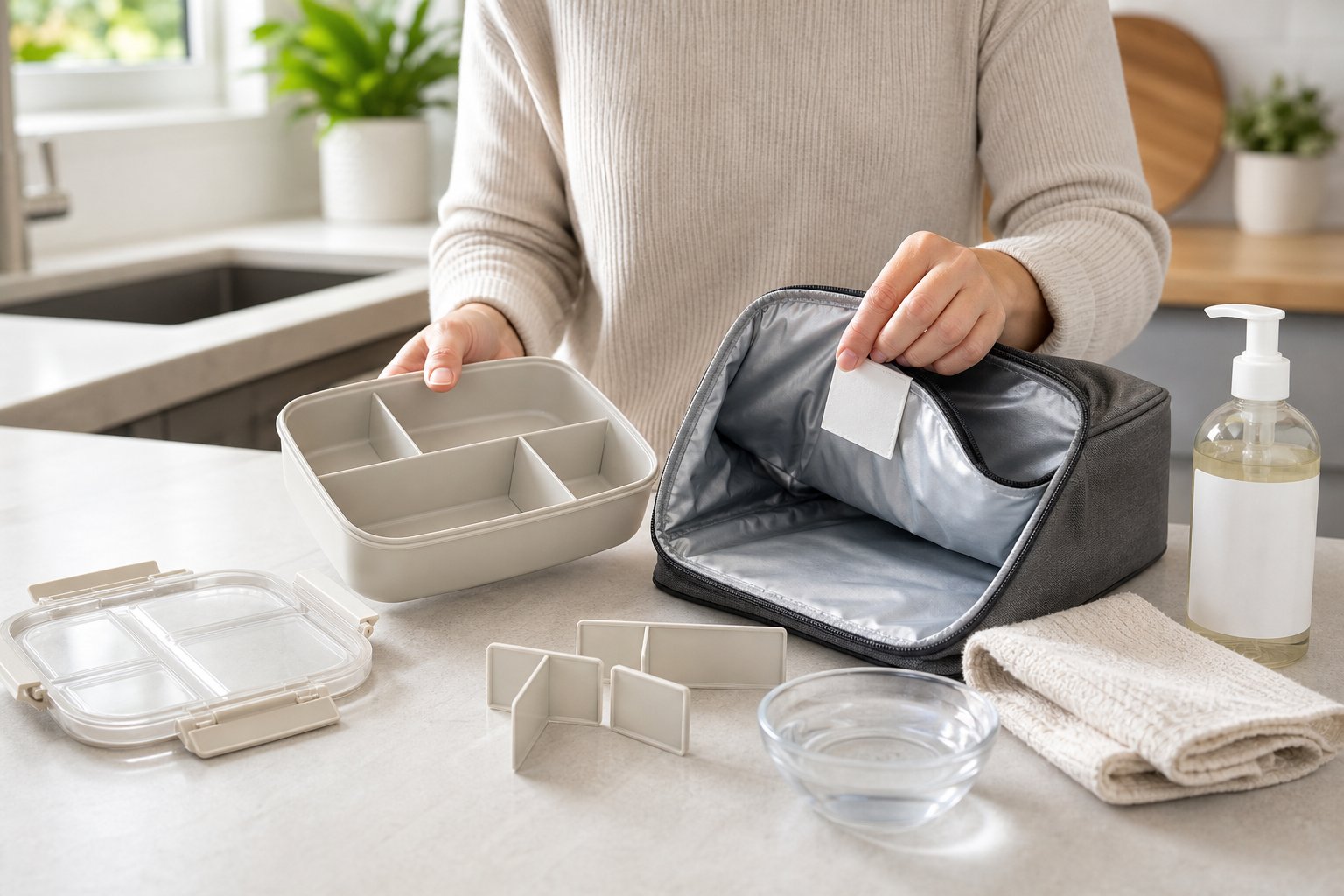
Check out our latest snack box collections!
A compartment snack box and insulated carry bag can collect crumbs, condensation, and spills throughout the day. A quick clean after each use, followed by a more thorough cleaning as needed, can help prevent lingering odors, sticky residue, and moisture buildup.
It can be tempting to put a snack box or bag back in the refrigerator or cupboard without checking it first. However, food residue and trapped moisture can lead to unpleasant odors and, in some cases, mold growth. A few simple cleaning habits can help keep your snack box and insulated carry bag fresh and in good condition.
Here is how to clean a compartment snack box and insulated carry bag, from everyday upkeep to dealing with stubborn stains and odors. Before you begin, always check the materials and manufacturer care instructions because cleaning recommendations can vary.
Key Takeaways
- Always check the materials and care instructions before washing your snack box or insulated bag.
- Remove crumbs and spills promptly to help prevent stains, odors, and buildup.
- Dry every component thoroughly before storing it to reduce the risk of trapped moisture and mold.
Check Materials and Care Instructions First
Before choosing cleaning supplies or washing methods, check what your snack box and insulated carry bag are made from. The materials will determine whether an item can go in the dishwasher or washing machine or should be cleaned by hand.
Identify Dishwasher-Safe Snack Box Parts
Some compartment snack boxes have removable lids, dividers, trays, or seals that are dishwasher-safe, while other components require hand washing. Look for a dishwasher-safe symbol or specific instructions on the product, packaging, or care guide.
If you cannot confirm that a part is dishwasher-safe, hand washing is generally the more cautious option. Even materials that appear durable can warp, discolor, or lose their fit when exposed to high temperatures.
Pay particular attention to silicone seals, locking mechanisms, and removable gaskets. Follow the manufacturer's instructions for these components rather than assuming they can withstand the same cleaning method as the main container.
Read the Carry Bag Care Label
The care label on an insulated carry bag can provide important information about the lining, outer fabric, and insulation. Some linings are designed for simple wipe cleaning, while others may tolerate more thorough washing.
If the bag has a removable liner, check its individual care instructions before placing it in a washing machine. The outer material, such as polyester, canvas, or coated fabric, can also affect the recommended cleaning method.
Avoid assuming that a fabric exterior means the entire insulated bag is machine-washable. Internal insulation, coatings, adhesives, or structured panels may require gentler care.
Know When Hand Washing Is the Safer Choice
Hand washing is often a practical choice for insulated bags with structured panels, thick insulation, coated linings, zippers, buckles, or other hardware, unless the care label specifically approves machine washing.
Use mild soap and warm or cool water according to the manufacturer's recommendations. Avoid bleach, harsh cleaners, and other strong chemicals unless the care instructions specifically state that they are suitable for the material.
Build a Quick After-Use Cleaning Routine
A brief cleaning routine after each use can prevent food residue and moisture from becoming harder to remove later. These simple steps can make deeper cleaning easier.
Empty Food and Crumbs Right Away
Remove leftovers and loose crumbs as soon as practical. Shake the snack box and carry bag over a trash can or sink, then use a clean, dry cloth or paper towel to remove crumbs from compartment corners and seams.
Promptly removing leftover food also makes it easier to spot any spills or damp areas that need attention before storage.
Wipe the Box and Bag Before Residue Sets
After removing crumbs, wipe affected surfaces with a clean, damp cloth. For oily or sticky residue, use a small amount of mild dish soap that is appropriate for the material.
For food-contact surfaces, avoid using cleaning products that may leave unsuitable residues unless the product is specifically intended for that purpose and its directions are followed carefully.
Cleaning spills while they are fresh can make them easier to remove and reduce the likelihood of lingering stains or odors.
Check Compartments, Seams, and Corners
Compartments, seams, zipper areas, and corners can trap crumbs and moisture. Run a clean cloth along these areas to remove anything left behind.
If the snack box or bag feels damp, leave it open in a well-ventilated area until it is completely dry. Avoid closing or storing insulated items while moisture remains inside.
Wash the Compartment Snack Box Thoroughly
A thorough cleaning involves separating removable components, washing away residue, and checking corners and seals before reassembly.
Separate Lids, Dividers, and Silicone Seals
Remove lids, dividers, silicone seals, or gaskets if they are designed to be removed. Food particles and moisture can collect around these areas.
Wash removable pieces separately according to their care instructions, and place small components somewhere secure while drying so they are not misplaced.
Do not force seals or other components out of place if they are not intended to be removed.
Use Warm Soapy Water for Hand Washing
For hand-washable snack boxes, warm water and mild dish soap are usually suitable. If food has dried onto the surface, allow the affected area to soak briefly if the material permits it.
Use a soft sponge for larger surfaces and a dedicated soft cleaning brush for narrow corners and edges. Avoid abrasive scrubbers that may scratch plastic or other finishes.
Very hot water can affect some plastics, so follow the manufacturer's recommended water temperature.
Handle Sticky Residue and Stubborn Stains
Sticky foods and sauces can leave residue or discoloration in some containers. Start with mild dish soap and warm water.
If the care instructions allow it, a paste made from baking soda and a small amount of water may help with some stubborn marks. Apply it gently with a soft sponge, let it sit briefly, then rinse thoroughly.
Test any stain-removal method on a small area first if you are unsure how the material will react.
Rinse and Inspect Every Food Compartment
Rinse each component thoroughly to remove soap and loosened residue. Check compartment corners, divider edges, seals, and other small spaces for remaining food particles.
Inspect removable seals and locking components for cracking, warping, or other signs of wear. If a part is damaged, follow the manufacturer's guidance about replacement or continued use.
Clean the Insulated Carry Bag Without Damaging It
Insulated carry bags may require gentler cleaning than ordinary fabric totes because their linings, coatings, and insulation can be affected by excessive water, heat, or aggressive scrubbing.
Spot-Clean the Insulated Lining
For routine spills, use a soft or microfiber cloth with a small amount of mild soap and water, provided the care label permits it.
Work on one area at a time and blot or wipe rather than scrubbing aggressively. For dried residue, briefly holding a damp cloth against the spot can help soften it before wiping.
Scrub Straps, Handles, Zippers, and Seams Gently
Handles, straps, zippers, and seams can collect dirt and crumbs more quickly than other areas. Use a soft brush or cloth with mild soapy water to clean these spots gently.
Avoid forcing a zipper that feels stuck. First remove visible debris and clean around the zipper teeth carefully.
After cleaning, wipe the area again with a clean, damp cloth to remove remaining soap.
Use a Gentle Machine Cycle Only When Approved
Only machine-wash an insulated carry bag if its care label specifically allows it. Machine washing can affect structured panels, coatings, insulation, adhesives, or hardware in bags that are not designed for it.
If machine washing is approved, follow the manufacturer's recommended water temperature, cycle, and detergent instructions. A mesh laundry bag may help protect loose straps or hardware when appropriate.
Avoid bleach, fabric softener, or other additives unless they are specifically permitted by the care instructions.
Rinse Away Soap Without Soaking the Insulation
After spot cleaning, use a fresh damp cloth to remove soap residue. Avoid unnecessarily saturating the bag or allowing water to pool in seams unless the manufacturer specifies that full washing or soaking is safe.
Once the surface is clean, leave the bag open in a well-ventilated area until every section is completely dry.
Remove Odors, Stains, and Signs of Mold
Even with regular cleaning, snack boxes and insulated bags can develop lingering odors or stains. Start with gentle methods and always consider the material and care instructions before using additional cleaning products.
Neutralize Lunch Bag Odors With Baking Soda
Baking soda may help absorb lingering odors in some dry, washable containers and bags. If the care instructions allow it, place a small open container of baking soda inside the empty, dry bag overnight rather than applying powder directly to delicate or porous surfaces.
For suitable hard surfaces, a mild baking soda paste may help lift some stains. Apply it gently, allow it to sit briefly, then rinse or wipe the surface thoroughly.
Use Diluted White Vinegar Carefully for Lingering Smells
Diluted white vinegar may help with some lingering odors, but it is not appropriate for every lining, coating, or finish. Check the care instructions and test a small, inconspicuous area before using it.
If the material tolerates vinegar, wipe the affected area lightly with a diluted solution, then wipe again with a clean, damp cloth and allow the item to air dry completely.
Never mix vinegar with bleach or other cleaning chemicals.
Address Mold Before Using the Bag Again
Visible mold or mildew can develop when moisture remains trapped in a closed bag. If you notice suspicious spots or persistent musty odors, stop using the bag for food storage until the issue has been addressed.
Follow the manufacturer's cleaning instructions and use only cleaners that are suitable for the material. Avoid saturating porous insulation or applying unapproved essential oils, harsh chemicals, or abrasive cleaners.
Before using the bag again, make sure that:
- Visible residue has been thoroughly removed.
- Any cleaning product has been wiped or rinsed away as directed.
- The lining, seams, and insulation are completely dry.
If mold remains, repeatedly returns, or appears to have penetrated porous or inaccessible areas, replacing the bag may be the more practical option.
Dry, Store, and Deep Clean for Lasting Freshness
Cleaning is only part of the routine. Proper drying and storage can help prevent odors, moisture buildup, and mold between uses.
Towel-Dry Before Air Drying
After washing, use a clean, dry towel to remove excess surface moisture from the snack box and any wipe-clean areas of the insulated bag.
Pay particular attention to compartment corners, seams, and other areas where water can collect. Removing excess moisture can help shorten the overall drying time.
Keep the Bag Open in a Ventilated Area
Leave the snack box and insulated carry bag open in a well-ventilated area until they are fully dry. Avoid placing damp items in a closed cupboard, drawer, backpack, or other enclosed space.
Padded linings, seams, and corners can take longer to dry than flat surfaces, so check these areas before storing the bag.
Schedule Regular Deep Cleaning
Daily wipe-downs can handle crumbs and minor spills, but regularly used snack boxes and carry bags may benefit from a more thorough cleaning each week or whenever visible residue, stains, or odors develop.
During a deeper clean, pay attention to removable compartments, seals, zipper tracks, handles, and seams while following the care instructions for each material.
Store Both Items Only When Fully Dry
Do not store a snack box or insulated bag until it is completely dry inside and out. Trapped moisture can contribute to musty odors and create conditions that encourage mold growth.
Store both items in a clean, dry area with adequate ventilation whenever possible. If any section still feels damp, continue air drying before putting it away.
Frequently Asked Questions
What is the best way to wash a compartment snack box after each use?
Remove leftover food and crumbs, then wash or wipe the compartments with warm water, mild dish soap, and a soft sponge or cloth. Clean corners carefully and rinse thoroughly before drying.
Can I put a compartment snack box in the dishwasher?
Only if the manufacturer identifies the snack box or individual components as dishwasher-safe. Check the care instructions first, including any recommendations for rack placement or temperature.
How do I remove food odors and stains from snack box compartments?
Start with warm water and mild dish soap. If the material allows it, baking soda may help with persistent stains or odors. Rinse thoroughly and leave the container open until completely dry.
How should I clean the insulated carry bag if it has crumbs or a spill inside?
Shake out loose crumbs, then spot-clean the affected area with a damp cloth and mild soap if permitted by the care label. Avoid saturating the insulation, and let the bag dry completely before reuse.
How do I dry a snack box and insulated bag properly to prevent mold?
Towel away excess moisture, then leave both items open in a well-ventilated area until fully dry. Avoid using a clothes dryer unless the manufacturer's instructions specifically allow it.
How often should I deep-clean a snack box and its insulated carry bag?
For frequently used items, a weekly deeper clean can be a practical routine. Clean them sooner whenever you notice spills, residue, stains, persistent odors, or trapped moisture.
Partager:
How to Choose Portion Sizes in a Compartment Snack Box for Kids and Adults
Golf Practice Net vs Driving Range: When Does At-Home Practice Make More Sense?