

Check out our latest compact vacuum sealer for food collection!
We’ve all felt that pang of guilt when we find a soggy bag of spinach hiding in the fridge or open a container of leftovers that’s clearly past redemption. The reality? American households toss out hundreds of dollars in edible food every year. Most of this waste isn’t because we don’t care, it’s because we never really learned the basics of storing food properly.
Just a few changes in how you store food can seriously reduce waste, keep your kitchen less chaotic, and make your groceries last way longer. Honestly, the difference between using up your groceries and tossing them is usually about where you put stuff, how you organize, and what you store it in. None of this is rocket science or reserved for super-organized people.
Here’s a collection of food waste-busting tips that actually work in the real world, stuff like learning your fridge’s “zones,” using rotation tricks, and picking the right container for the job. Whether your kitchen is tiny or sprawling, these habits help you see what you have, use it up, and stop throwing away money.
Key Takeaways
- Food storage starts with being able to see and organize what you have, so it gets used before it goes bad
- Different foods need different storage conditions and containers to stay fresh
- Simple habits, like checking inventory and rotating items, keep food from hiding and spoiling
Why Food Waste Happens at Home
Most food waste at home comes from shopping habits, storage mistakes, and not really knowing how to keep food fresh. We often set ourselves up for spoilage without realizing it, or just forget what we’ve bought.
Common Causes of Household Food Waste
We all overbuy when we shop without a plan. Those tempting deals and bulk buys? They’re great—until you’re staring at a mountain of wilting greens. Shopping while hungry makes it worse. Suddenly, your cart’s full of stuff you don’t actually want to eat.
Leftovers are another trap. We cook with the best intentions, but then those containers get shoved to the back of the fridge, out of sight and out of mind. Same with buy-one-get-one produce deals—unless you’re feeding a crowd, a lot of it just goes bad.
It’s easy to get tripped up by not knowing which fruits ripen after you buy them. If you grab unripe berries or citrus, for example, they’re probably going to stay sour and end up in the trash.
Impact of Expired and Overlooked Foods
Expiration dates confuse just about everyone. Most of us treat “best by” dates like hard cutoffs, but they’re really just about peak flavor, not safety.
The back of the fridge is where food goes to die. Salad greens get slimy, herbs turn into brown mush, and mystery containers pile up until you finally clean out the fridge. In 2022 alone, U.S. households wasted $428 billion worth of food.
We’re not just wasting cash—we’re tossing out the water, energy, and labor that went into growing and transporting that food. One forgotten carrot doesn’t seem like much, but multiply that by millions of households and it’s a massive problem.
The Role of Food Storage in Waste
How you store food can make or break its shelf life. Most of us just toss produce into drawers or stack containers wherever they fit, not realizing those drawers are designed for humidity control—and that matters.
Common storage mistakes:
- Putting ethylene-producing fruits next to veggies that are sensitive to it
- Storing moisture-sensitive foods in damp spots
- Refrigerating stuff that does better at room temp, like tomatoes and potatoes
- Skipping the prep step after shopping
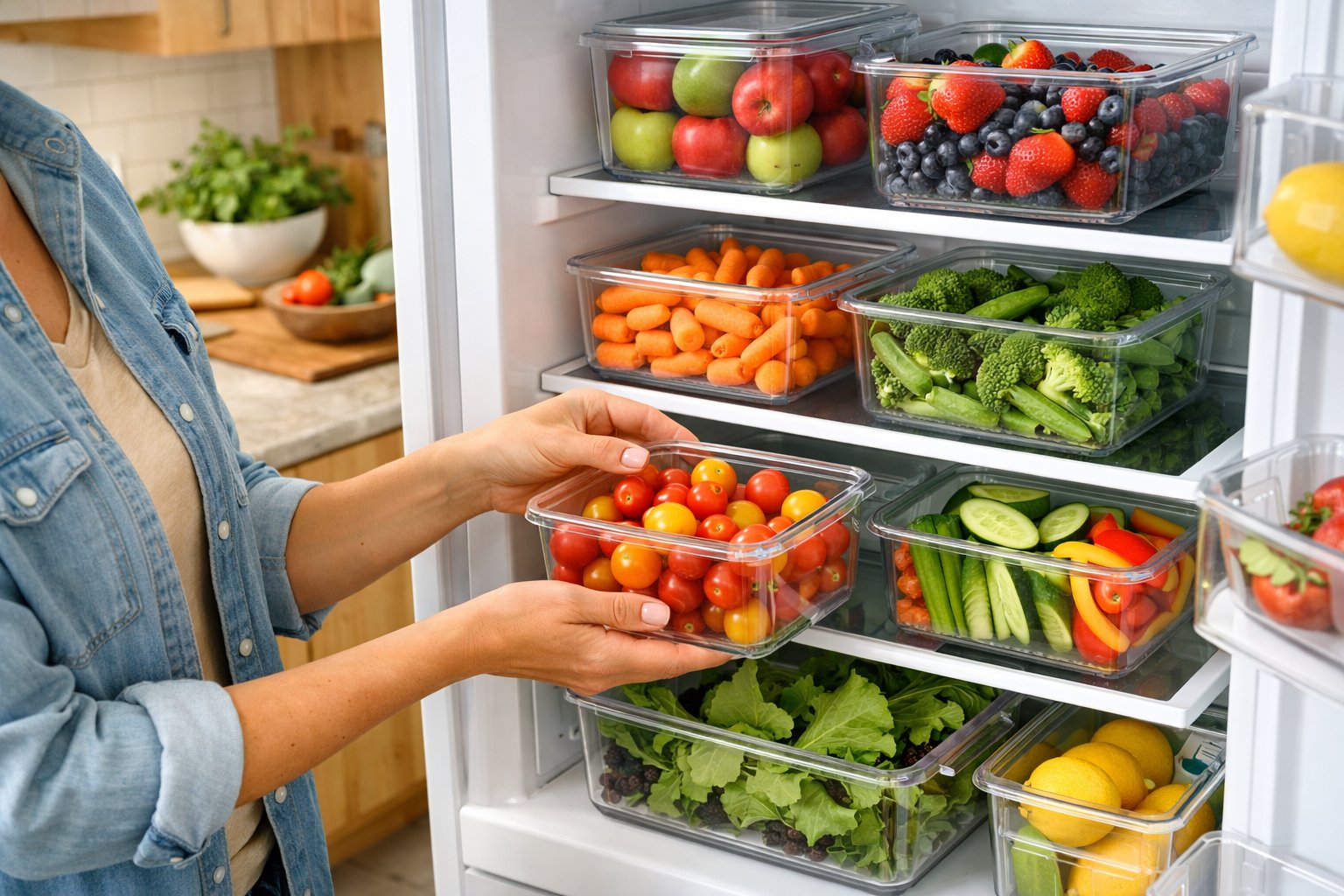
We tend to shove produce into drawers and forget about it. If you don’t wash, chop, and store it in clear containers, you’re way more likely to let it rot. Different foods need different conditions to stay good, and a little knowledge here goes a long way.
Smart Shopping and Meal Planning
Cutting down on food waste actually starts before you even bring groceries home. If you plan meals and shop with intention, you’ll only buy what you need and actually use it.
Crafting an Effective Shopping List
A good shopping list is a game changer. Before heading out, check your fridge, freezer, and pantry so you don’t double up on stuff you already have.
Make your list specific. Instead of “lettuce,” write “salad greens for three lunches.” It sounds picky, but it keeps you from grabbing too much. Keep a running list of favorite meals and their ingredients—makes planning way easier.
Match your list to your real life. If you eat out a couple times a week or live on leftovers, factor that in. Bulk bins are great, but only if you take what you’ll actually use.
Meal Planning to Cut Waste
Build your meal plan around what needs to be used up. That half-bunch of cilantro or those sad carrots? Make them the star of dinner. Using up what you already have keeps food from spoiling while you’re busy cooking with new stuff.
Think about how many you’re feeding and portion sizes. Cooking the right amount avoids both waste and a fridge full of leftovers nobody wants. Plan for leftovers on purpose—roast chicken one night, tacos the next.
Use perishable ingredients early in the week, and save the pantry staples for later. Herbs and ripe tomatoes go first; potatoes and grains can wait.
Making the Most of Imperfect Produce
Imperfect produce is just as good as the pretty stuff, and often cheaper. We look for those odd-shaped veggies and funny-looking fruits—they taste the same.
If something’s past its prime at home, don’t toss it right away. Overripe bananas? Smoothies or banana bread. Wilted greens? Soup or stir-fry. Mushy tomatoes? Sauce.
“Imperfect” just means it looks weird, not that it’s bad. Buying these helps cut waste at the store and saves you money.
Pantry and Fridge Organization Mastery
A well-organized fridge and pantry can make a huge difference in how long your food lasts. It’s all about where you put things, how you group them, and a little trick called FIFO that pros swear by.
Pantry Organization Strategies
Treat your pantry like an inventory, not a dumping ground. Group similar items so you can see what you’ve got.
Transparent containers are a must for dry goods—pasta, rice, flour, cereal. If you can see it, you’ll use it. Plus, they keep food fresh and bugs out.
Label everything. What is it, and when did you put it in there? Especially for stuff you buy in bulk. Keep track of “best by” dates if you can.
Organize by type:
- Baking supplies: Top shelf or a dedicated zone
- Grains and pasta: Eye level for easy grabbing
- Canned goods: Lower shelves (they’re heavy)
- Snacks: In bins or baskets
- Oils and vinegars: Near where you cook
The Art of Fridge Zones
Organize your fridge by temperature. Each area is a little different, and putting things in the right spot helps them last.
Top shelves are most consistent—good for leftovers, drinks, ready-to-eat stuff. Middle shelves for dairy (milk, cheese, yogurt).
Bottom shelf is coldest—put raw meat, poultry, and fish here. Always use sealed containers or trays to catch drips.
Crisper drawers have humidity controls. High humidity keeps greens and veggies crisp; low humidity is for fruits that give off ethylene gas. Don’t mix them, or your veggies will spoil faster.
Door shelves are warmest. Don’t store milk or eggs there, even if it’s convenient. Use them for condiments and shelf-stable items.
FIFO: First-In-First-Out for Freshness
Restaurants use FIFO (first-in, first-out) to avoid waste, and it works at home too. Use up older stuff before the new, so nothing gets lost in the shuffle.
When you put away groceries, move older cans or boxes forward and the new ones to the back. Same with fridge items.
Check dates, but don’t panic—“best by” is about quality, not safety. “Expires on” is more serious. “Sell by” is for stores, not you.
Some quick routines:
| Storage Area | FIFO Method | Frequency |
|---|---|---|
| Pantry staples | New stuff in the back | Weekly restocking |
| Canned goods | Rotate when unpacking | Every shopping trip |
| Fridge leftovers | Date containers, keep them up front | Check daily |
| Produce drawers | Quick scan, pull out old stuff | Every couple days |
A strip of masking tape and a marker is all you need to date leftovers. No more “is this still good?” roulette.
Choosing and Using Storage Containers
The right containers, plus a little organization, can keep food fresh and visible. Go for see-through, airtight, and stackable designs. Sustainable options are a bonus—they help the planet and your wallet.
Airtight and Stackable Containers
Airtight containers are essential. Air means oxidation, which ruins flavor and nutrition, and invites bacteria.
Look for containers with silicone gaskets or locking lids. Glass is a solid choice—it doesn’t stain or hold smells, and you can use it in the freezer or microwave. You won’t need to switch containers to reheat.
Stackable containers with the same footprint turn fridge chaos into order. If you can see everything, you’re less likely to forget it.
Look for:
- Clear glass or plastic so you can see inside
- Same size/shape for easy stacking
- Rectangular shapes (they fit better than round)
- Reinforced corners so they don’t warp
Skip the cheap stuff that warps or loses its seal. Good containers cost more up front, but they pay for themselves by keeping food fresher, longer.
Reusable and Sustainable Options
Ditch single-use plastics where you can. Reusable silicone bags are awesome for chopped veggies, snacks, or marinating. They seal tight, go in the freezer, and survive the dishwasher.
Beeswax wraps are great for covering cut fruit, cheese, or bowls. They’re naturally antibacterial and mold to any shape with the warmth of your hands. If they get tired, a quick iron between parchment paper brings them back.
Silicone stretch lids fit over almost anything, replacing plastic wrap for short-term storage. No more hunting for matching lids.
Easy swaps:
| Instead of | Use |
|---|---|
| Plastic wrap | Beeswax wraps or silicone lids |
| Plastic bags | Reusable silicone bags |
| Disposable containers | Glass or stainless steel containers |
Reusable options cost more at first, but you buy them once, not over and over. Plus, they actually keep food from spoiling as fast.
Labeling and Tracking Food
Most of us waste food because we forget what we put away and when. Just slapping a label on a container can turn chaos into a system that actually helps us waste less.
Masking tape and a permanent marker? Quick, easy, and you can peel them off later. For glass containers, I like using erasable markers—they wipe right off with a damp rag. If you’re feeling fancy, there are reusable labels that stick on magnetically or with adhesive strips.
Honestly, the date is the real game-changer. We might recognize leftover curry by sight, but knowing if it’s three days old or eight makes all the difference in whether we’ll eat it or toss it. Dating everything takes out the guesswork.
Key info to jot down:
- Date you stored it (not the expiration date)
- What’s inside if it’s not obvious
- Portion info or meal prep notes if that helps
Label stuff before it goes in the fridge or freezer—don’t trust your memory. A first-in, first-out system only works if you know what went in first. Clear containers plus clear labels let you see what’s up at a glance, so you actually use things before they go bad.
Storing Different Foods the Smart Way
Different foods, different needs. If we pay attention to how temperature, moisture, and air affect what we buy, suddenly things last longer and we throw out less.
How to Store Produce Properly
Some fruits and veggies belong in the fridge, some are happier on the counter. Citrus, tomatoes, and avocados? Leave them out. Cucumbers, peppers, and carrots? Definitely refrigerate. Apples and pears are flexible—take your pick.
Leafy greens stay crisp if you tuck them in with paper towels to soak up extra moisture. Celery wrapped in foil keeps its crunch way longer—weeks, even. Mushrooms? Paper bags in the fridge are perfect for humidity and airflow, so they won’t get slimy quite so fast.
Berries do better if you rinse them with a 10-to-1 water and vinegar mix before storing. It gets rid of hidden pests and keeps them fresher a bit longer. Bananas should stay away from other produce—they give off gas that makes everything else ripen (and rot) faster.
Fresh herbs last longer if you treat them like flowers: snip the stems, stand them in a glass of water, loosely cover with a plastic bag, and refrigerate. Swap out the water daily and they’ll look good for about 10 days.
Keeping Leftovers and Cooked Food Fresh
Freezing leftovers is a lifesaver. That last bit of casserole you’re sick of? Freeze it and it’ll be a welcome lunch later. If you have leftover canned sauces, freeze them flat in bags so you can break off just what you need.
Good containers matter. Glass or food-grade plastic beats original packaging most of the time. Always label with contents and dates—no one likes mystery science projects lurking in the fridge.
Homemade stock freezes perfectly in ice cube trays. Once they’re solid, toss them in a bag and grab a couple cubes when you need a splash for a recipe. Same trick works for leftover wine, pesto, or any liquid you want in small amounts.
For yogurt, cottage cheese, or sour cream, try storing them upside down. It creates a little vacuum under the lid and keeps oxygen out, so they last longer.
Extending Shelf Life for Dry Goods
Dried beans are cheap and last forever if you store them right. Move them (and flour, sugar, rice, etc.) into airtight containers as soon as you get home—keeps out bugs and moisture.
Whole wheat flour spoils faster because of the wheat germ. Store it in the fridge to keep it fresh. Brown sugar needs a little moisture to stay soft—a marshmallow or two in the container works wonders.
Nuts go rancid quickly if they’re left out, especially in the heat. Stick them in the freezer and they’ll last for months. Chocolate can go in the fridge too, as long as you wrap it well so it doesn’t pick up weird flavors.
Spices lose their punch if they’re near heat or sunlight. Keep them away from the stove and out of bright spots. Even the fridge is better than a sunny counter.
Meat, Dairy, and Eggs: Special Considerations
Fresh meat should go straight in the fridge or freezer. A vacuum sealer is handy for breaking up bulk packs and avoiding freezer burn.
Butter freezes just fine, so if there’s a sale, stock up. Cheese dries out in plastic wrap—parchment paper is better since it lets it breathe but still keeps it moist. This one simple switch keeps cheese tasting good much longer.
Room temp butter spreads easier and might help you use less. Keep a small amount in a butter bell or dish on the counter for a few days; stash the rest in the fridge.
Hard cheeses outlast soft ones. Store opened packages in airtight containers so they don’t soak up fridge smells. Eggs stay freshest in their original carton, on a fridge shelf—not the door, where temps swing too much.
Taking Food Waste Reduction Further
We can do more than just store food right. Turning scraps into compost or sharing extra food with neighbors or food banks makes a real dent in waste and helps others at the same time.
Composting at Home
Instead of pitching veggie peels, fruit cores, eggshells, and coffee grounds, toss them in a compost bin and get rich soil for your plants. Composting works whether you have a yard or just a countertop gadget.
It’s pretty simple: layer “green” stuff (food scraps, grass) with “brown” stuff (leaves, cardboard). Bones and citrus peels are fine in moderation. Avoid meat, dairy, and oils—they attract critters and slow things down.
In a couple months, you’ll have compost for your garden. This keeps waste out of landfills and puts nutrients back in the earth. No yard? Worm bins or electric composters fit in apartments, and some cities have curbside composting.
Donating Excess Food
Bought too much at the farmers market? Plans changed? Share unopened packages and extra produce with neighbors using local sharing apps. These connect you with people nearby and help cut waste while making new connections.
Always check dates before donating. “Best before” items are usually fine, but skip anything past “use by.” Dry goods, canned stuff, and fresh produce in good shape are always welcome.
Lots of buildings and offices have sharing stations now. Just leave extra groceries for someone else. It’s informal, but it works.
Partnering With Food Banks
Food banks always need shelf-stable goods, fresh produce, and frozen items. Find one nearby online—they usually list what they need most and their drop-off hours.
What food banks often need:
- Canned proteins (tuna, chicken, beans)
- Peanut butter and nut butters
- Whole grain pasta and rice
- Low-sodium canned veggies
- Cooking oil and spices
- Fresh produce from your garden
Some food banks take perishables if you deliver them quickly. If you bought too much or your garden exploded, donating helps fight food insecurity right in your neighborhood. Many places even offer pickup for big donations, so you don’t have to toss good food.
Frequently Asked Questions
Trying to make groceries last and cut food waste? You’re not alone. Here’s what people ask most often—and what actually works in a busy kitchen.
What clever tricks can I use in my kitchen to make my groceries last longer?
Wrap banana stems in plastic wrap to trap ethylene gas and slow ripening. You’ll get a few extra days before they turn brown.
Treat herbs like flowers: trim the stems, stand them in water in the fridge, and cover loosely with a plastic bag. Basil’s the exception—keep it at room temp.
For greens, line containers with paper towels to soak up moisture. Swap the towels every couple days to keep things crisp.
Wilted veggies sometimes bounce back with a 10-15 minute ice bath. It’s not magic, but it works more often than you’d think.
What's the secret to keeping fruits and veggies crisp and fresh in the fridge?
Crisper drawers aren’t just for show—they control humidity. High humidity drawers are for greens, broccoli, carrots, and cucumbers. Keep the vents closed to trap moisture.
Low humidity drawers suit fruits and veggies that make ethylene gas. Apples, pears, stone fruits, avocados—open the vents so gases escape and things don’t ripen too soon.
Never put tomatoes, potatoes, onions, or winter squash in the fridge. Cold ruins their flavor and texture. A cool, dry spot on the counter is best.
How can I tell if my leftovers are still good to eat or ready for the bin?
Label everything with the date you cooked or stored it. Most leftovers are safe for 3-4 days in the fridge at 40°F or below.
If it smells weird, looks off, feels slimy, or has mold, just toss it. Better safe than sorry.
Store leftovers in shallow, airtight containers so they cool quickly and stay safe. Don’t leave cooked food out for more than two hours.
Reheat to 165°F to kill any bacteria. Use a thermometer—guessing isn’t worth the risk.
What are the top storage hacks for maximizing shelf life of pantry items?
Move flour, rice, and pasta into airtight containers right after opening—keeps out bugs and moisture.
Store pantry goods in a cool, dark place, away from heat. Anything over 70°F speeds up spoilage.
Group similar items together and rotate using “first in, first out.” Put new stuff behind the old so you use things before they expire.
Nuts and whole grain flours do best in the freezer. Their oils spoil fast at room temp, but freezing gives you months more.
How often should I be cleaning my fridge to keep my food safe and fresh?
Wipe up spills right away. It stops bacteria and keeps smells in check.
A deep clean once a month works for most. Pull everything out, check dates, and wash shelves and drawers with warm, soapy water.
Wipe the door seals monthly. If they’re dirty, the door won’t close right and your fridge won’t stay cold enough.
Check the temperature every week with a fridge thermometer. Aim for 35-38°F in the fridge, 0°F in the freezer.
What are some smart investments for my kitchen to help preserve my food longer?
Glass containers with airtight lids are a game-changer. They don’t pick up weird smells, resist stains, and you can spot what’s inside without digging around. We reach for them constantly, leftovers, pantry staples, you name it.
Vacuum sealers pull out the air from storage bags, so food doesn’t get freezer burn nearly as fast. Meat, veggies, even dry goods stick around a lot longer when they’re not exposed to oxygen.
Silicone storage bags are a solid swap for plastic ones. Toss them in the freezer or microwave, and they’ll hold up for years if you treat them right.
Beeswax wraps? They’re surprisingly handy. Use them instead of plastic wrap to cover bowls or wrap up produce. Warm them with your hands, and they’ll shape to whatever you need. Just wash and reuse, super simple.
A good food thermometer is something I didn’t know I needed until I had one. It helps keep food at safe temps, so you’re not tossing things out just to be safe or risking anything sketchy.
Share:
How to Maintain Ingredient Freshness During Weekly Meal Prep
How to Maintain Ingredient Freshness During Weekly Meal Prep