

Check out our latest compact vacuum sealer for food collection!
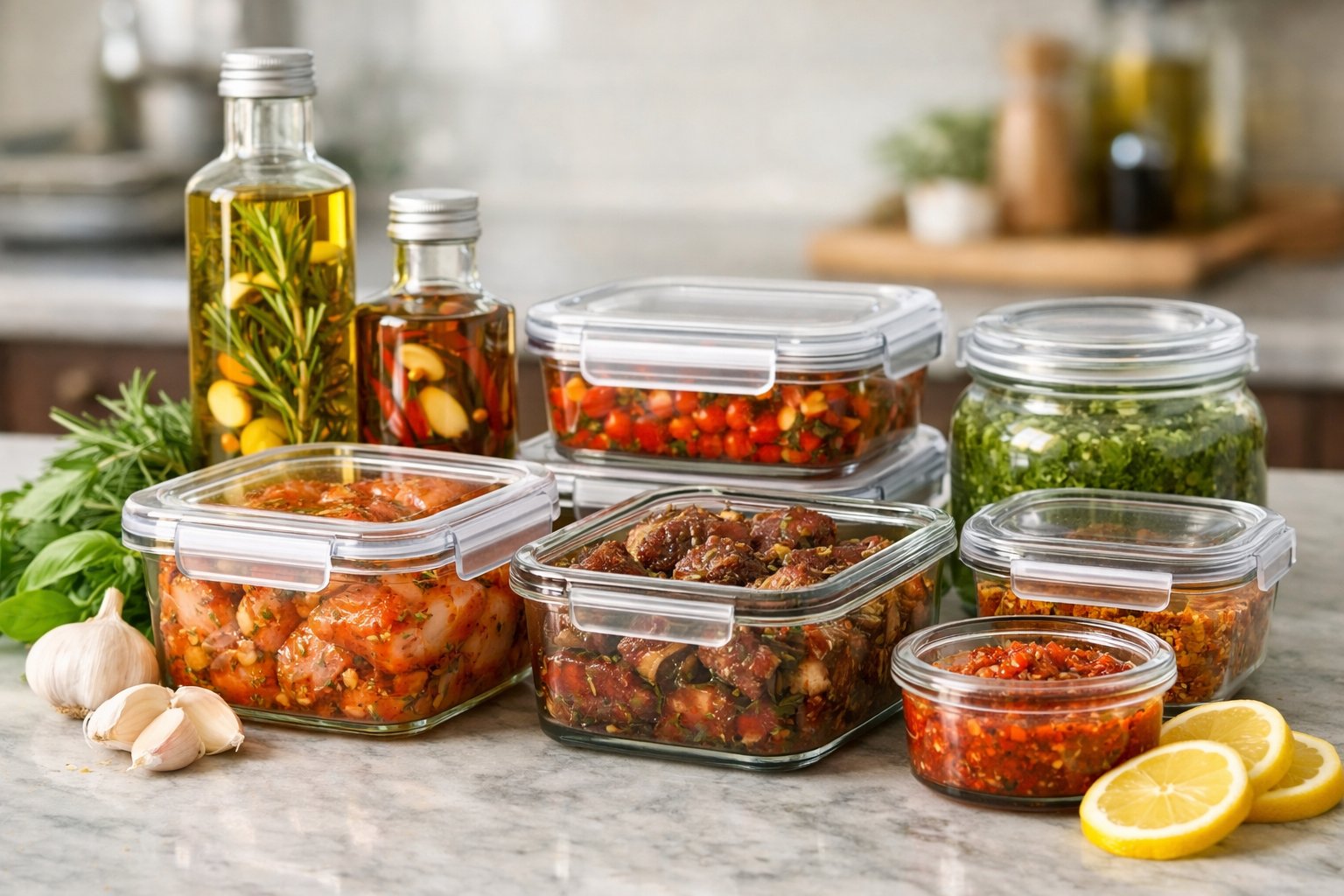
Pre-seasoned ingredients make life easier and keep flavors consistent, if you store them right. Whether it’s marinated proteins, seasoned veggies, or pre-mixed spice blends, how you handle these ingredients really shapes the final dish. To keep flavor locked in, control the temperature, keep out air, and use containers that stop moisture loss and cross-contamination.
The seasonings in pre-seasoned foods can actually speed up flavor loss if you don’t store them well. Spices and marinades don’t behave like plain ingredients, they react to storage conditions in their own way. Honestly, once you get a feel for these quirks, you’ll notice a huge difference in how your food turns out.
But hey, you don’t need fancy gadgets or complicated routines. A few smart storage habits and a bit of know-how about how seasonings interact with ingredients can help you keep those flavors bold. Freezer tricks, the right containers, it’s not rocket science, just a little attention to detail.
Key Takeaways
- Use airtight containers and keep things at the right temperature to avoid losing flavor and moisture.
- Freeze pre-seasoned foods in the right packaging and thaw them slowly to keep seasonings where they belong.
- Label and rotate your stash so you’re always cooking with ingredients at their best.
The Science of Preserving Flavor in Pre-Seasoned Ingredients
Flavor fades in pre-seasoned foods mostly because of volatile compounds breaking down and moisture shifting around. If you get the storage right—and let the seasonings help out a bit—you can keep things tasting great for longer.
Why Pre-Seasoned Ingredients Lose Flavor
Volatile organic compounds (VOCs) are the main troublemakers when it comes to flavor loss. These little molecules give us the punchy aromas of garlic, ginger, and all those tasty seasonings, but they love water and vanish quickly if exposed to air or heat.
As soon as you season something, things start to break down. Fresh seasonings like garlic go through enzymatic changes the second you chop or crush them, making those sharp flavors we crave, but also starting a clock on freshness.
Oxygen doesn’t help. When air gets to your food, compounds in things like ginger shift and change, making flavors sharper or even a bit off. Light speeds this up, especially for stuff like garlic and scallions that have delicate sulfur compounds.
Moisture is tricky, too. If water evaporates, it takes flavor with it. Too much moisture? Now you’ve got microbes growing, making things taste weird and maybe even unsafe.
How Seasoning Protects and Enhances Taste
Some good news: many seasonings have built-in defenses. Garlic, ginger, scallions—they all have natural antimicrobials that slow down spoilage and help keep flavors intact.
Seasonings also act like little shields. When you coat proteins or veggies with spice blends or pastes, you’re actually creating a barrier that keeps out oxygen and holds in flavor. Salt helps by drawing out moisture and making it harder for bacteria to thrive.
Oils in spices play their part, too—they hang onto fat-soluble flavors, stopping them from drifting away. Antioxidants in herbs and spices (think phenolics) mop up free radicals that would otherwise wreck those tasty compounds.
Acidic seasonings—citrus, vinegar, that sort of thing—lower the pH and slow down enzymes, so flavors stick around longer and your food stays safer.
Impact of Storage Methods on Flavor Retention
Temperature is huge here. Keeping things chilled at 35-40°F slows down flavor loss a lot. If you freeze pre-seasoned foods at 0°F or colder, you basically hit pause on the whole process, though the texture might change a bit when you thaw.
Air is the enemy. Vacuum sealing is awesome for this—it keeps oxygen out and flavors in. If you can’t vacuum seal, just use airtight containers and fill them up so there’s not much extra space for air.
Light doesn’t seem like a big deal, but it really is. Store your pre-seasoned stuff in opaque containers or in the dark—UV rays break down flavors faster than you’d think. Those cute glass jars? They’re flavor thieves if you leave them out.
Storage Method Comparison:
| Method | Flavor Retention | Best For |
|---|---|---|
| Vacuum seal + freeze | 6-12 months | Seasoned proteins, spice pastes |
| Airtight container + refrigerate | 3-7 days | Fresh seasoned vegetables |
| Oil-based preservation | 2-4 weeks | Herb blends, garlic confit |
| Freeze-drying | 12-24 months | Pure seasonings, dried blends |
Moisture needs balance. Too much and you get spoilage; too little and your food dries out, losing flavor. Aim for 50-70% relative humidity for short-term storage of most pre-seasoned items.
Proper Storage Techniques for Maximum Flavor Retention
Pre-seasoned ingredients are a bit high-maintenance if you want to keep their flavors lively. Temperature, packaging, and a little organization all play a part in keeping things tasty.
Preventing Freezer Burn with Airtight Packaging
Freezer burn is the enemy—it wrecks your careful seasoning by letting air and moisture in. Push out as much air as you can from freezer bags, starting at the bottom and sealing as you go. If you have a vacuum sealer, use it. It’s worth it.
Double wrapping helps for longer storage. Wrap seasoned foods tightly in plastic wrap, then slide them into freezer bags or wrap in foil. That extra layer really cuts down on freezer burn.
Pick sturdy, airtight containers—BPA-free plastic or stainless steel work well. Try to leave as little air space as possible, but give things a bit of room to expand as they freeze.
Optimal Organization in Fridge and Freezer
Where you stash your pre-seasoned foods matters. Fridge and freezer zones have different temps and humidity.
Keep pre-seasoned meats on the fridge’s bottom shelf where it’s coldest. That way, nothing drips onto other foods, and you stay in that safe 32-40°F range.
In the freezer, put what you use most near the front—less-used stuff can go in the back where it’s even colder and more stable.
Storage Zone Guide:
| Ingredient Type | Location | Temperature |
|---|---|---|
| Seasoned meats (fresh) | Bottom fridge shelf | 32-38°F |
| Seasoned vegetables | High-humidity drawer | 35-40°F |
| Frozen seasoned proteins | Back of freezer | 0°F or below |
| Pre-marinated items | Middle fridge shelf | 35-40°F |
Don’t cram everything together; let air circulate around your containers. Overcrowding leads to warm spots, and that’s bad news for flavor.
Labeling and Rotation for Freshness
Labels matter. No one likes mystery bags with faded seasonings. Jot down the ingredient, what you seasoned it with, and when you stored it.
First-in, first-out is the way to go. Put new stuff behind the old, and always use the oldest first.
Pre-seasoned foods just don’t last as long as plain ones—spices and aromatics fade. Most seasoned meats are good for 1-2 days in the fridge, 2-3 months in the freezer. Dry rubs outlast wet marinades, usually.
Check your stash every week for ice crystals or weird colors. That’s a sign the flavor’s gone, even if the food is technically still safe.
Choosing Storage Containers Wisely
The right container makes a difference. Glass doesn’t stain or soak up smells, but it’s bulky and breakable.
Plastic is light and stacks well—just go for BPA-free so you’re not worrying about chemicals or lost aromas.
Stainless steel is tough and keeps smells at bay. It’s great for strongly seasoned foods since it doesn’t hang onto odors.
If you use clear containers, keep them in a dark spot—light-sensitive spices like paprika hate sunlight. Opaque containers are even better for that.
Match the container size to your portions. Too much empty space means more air, and that’s not what you want for flavor.
Best Freezing and Thawing Strategies
Freezing pre-seasoned foods is all about moving fast—quick freezing locks in flavor, while smart thawing keeps things juicy and seasoned. If you know how ice crystals form and how to thaw right, you’ll protect both taste and texture.
How Freezing Affects Pre-Seasoned Ingredients
Freezing turns water into ice crystals, and if those crystals get too big, they bust cell walls and let your seasonings leak out when you thaw. That’s a bummer.
To avoid this, freeze things quickly. Spread seasoned foods in a single layer on a baking sheet before packing them up. You’ll get smaller ice crystals and keep the good stuff inside.
Seasoned foods need extra protection—freezer burn hits them even harder. Vacuum sealing or double-wrapping (plastic wrap, then foil) keeps air out and flavor in.
Key freezing practices for seasoned ingredients:
- Freeze at -18°C (0°F) or colder
- Use single layers for speed
- Squeeze out extra air
- Label with seasoning and date
- Freeze within 2 hours after seasoning
Salt and acidic marinades can change texture a bit, so don’t go overboard. Salty foods last longer, but you might want to season lightly before freezing and adjust after.
Cold Water Thawing for Faster, Flavorful Results
Cold water thawing is fast and keeps things safe. Pop your sealed, seasoned food into a leak-proof bag and dunk it in cold tap water. It’s way quicker than the fridge and keeps bacteria at bay.
Change the water every 30 minutes so it stays cold. For a pound of chicken or fish, you’ll need about 1-2 hours.
Don’t use warm or hot water—it’s risky for bacteria and messes with the seasoning. Plus, you get uneven thawing, which can make flavors pool in weird places.
This works best with vacuum-sealed or tightly wrapped foods, so you don’t wash away the seasonings. Keep the original packaging on.
Safe Refrigerator Thawing Tips
Fridge thawing is slower, but you get even results and the best flavor. Move your frozen food to the fridge and let it thaw at under 40°F.
Plan ahead—most things need a full day per 2-3 pounds. Put your food on a plate or in a container to catch drips and keep flavor where it belongs.
Slow thawing lets seasonings soak back in as the food rehydrates. Always use the lowest shelf so nothing drips on your other groceries.
Refrigerator thawing timeline:
- Small cuts (fish fillets, chicken breasts): 12-24 hours
- Medium items (whole chicken, roasts): 24-48 hours
- Large cuts (turkey, big roasts): 1 day per 2 pounds
Once thawed, you’ve got 1-2 days to cook your pre-seasoned food. That makes meal planning a little less stressful.
Prepping Pre-Seasoned Meats and Proteins
Pre-seasoned proteins are a lifesaver on busy nights, but they need a little extra care to keep their flavor strong. Think about how seasonings interact with meat through storage, cooking, and reheating if you want the best results.
Smart Handling of Pre-Seasoned Chicken and Pork
Pre-seasoned chicken and pork need a little extra attention in storage to keep their flavors sharp. Always pat these proteins dry before adding seasonings—if there’s too much moisture, the seasonings just slide off and the texture can go a bit limp.
When stashing pre-seasoned poultry or pork, like to separate each piece with wax paper. It keeps the seasonings where they belong and stops them from rubbing off onto other pieces. For freezing, seasoned cuts go into freezer bags with as much air squeezed out as manage. Freezer burn is the enemy, and less air means the spice coating stays intact.
Key considerations for pre-seasoned storage:
- Label every package with the date, protein, and what seasonings you used
- Store chicken and pork separately, since flavors can mingle in weird ways
- Keep pre-seasoned meats away from pungent foods in the fridge
- Use refrigerated pre-seasoned proteins within 24 hours for the best flavor
A little salt before freezing actually helps the meat stay juicy after cooking. Go easy on it, though—you can always add more later, but once it’s in, it’s in.
Marinades, Rubs, and Infusions: Dos and Don'ts
Freezing halts marinating, so you don’t have to worry about overdoing it while your meat’s on ice. The process picks up again as it thaws, so your defrosting method actually matters for total marination time.
Spices to avoid in pre-frozen rubs:
- Garlic powder or fresh garlic (they get way too strong)
- Black pepper (can taste bitter)
- Cloves (flavor gets wild)
Freezer-friendly seasonings:
- Paprika
- Cumin
- Dried herbs like oregano and thyme
- Onion powder (just a pinch)
I hold off on adding garlic and black pepper until after thawing. Otherwise, those flavors can really take over in a not-so-great way.
For wet marinades, mix protein and liquid right in a freezer bag, massage it around for even coverage, and freeze it straight away. When it’s time to cook, delicate proteins thaw best in cold water, while tougher cuts do well with a slow fridge thaw for a longer soak.
Dry rubs need a little oil or mustard to help them stick. Reach for neutral, high smoke point oils like canola or vegetable. Work the rub into every nook and cranny, no bare spots.
Cooking Methods to Keep Juiciness and Flavor
Cooking technique makes or breaks pre-seasoned meat. Some cuts just handle advance prep and reheating better than others.
Searing pre-seasoned meat before freezing can help lock in the spice crust. This works especially well if reheating later, the seasoning stays put through the whole freeze-thaw-reheat cycle.
Best practices for cooking pre-seasoned proteins:
- Let refrigerated pre-seasoned meat sit out for 15-20 minutes before cooking
- Use medium-high heat for a good sear without burning the spices
- Add a splash of broth or water when reheating to help keep things moist
- Cover proteins during reheating to trap steam
I don’t like cooking frozen pre-seasoned meats straight from the freezer. Thawing first just gives you better, more even results. If I’m prepping proteins for the week, I’ll slightly undercook them at first so they don’t dry out when reheat.
Fattier cuts—think pork shoulder or chicken thighs—hold up to reheating much better than lean breast meat. For seasoned ground meats, portion them out with a little cooking liquid to keep them juicy.
Optimizing Pre-Seasoned Frozen and Cooked Seafood
Pre-seasoned seafood can lose punch after freezing and reheating, but you can keep a lot of flavor with smart thawing and gentle heat. Moisture retention and low temps are your friends here.
Enhancing Flavor After Thawing Frozen Shrimp
I always thaw pre-seasoned frozen shrimp in the fridge overnight. It takes longer, but you won’t lose as much moisture or flavor.
Once thawed, pat the shrimp dry with paper towels, too much surface moisture can wash away seasonings and mess with caramelization.
If the shrimp tastes a bit flat after thawing, I’ll brush on a little oil mixed with extra spices. Fat just carries flavor better than water, honestly. Olive oil with garlic powder or paprika can perk up the seasoning without covering it up.
Quick flavor boost options:
- Lemon zest (not juice—juice makes things soggy)
- Toasted sesame oil (great for Asian flavors)
- Compound butter right after cooking
Reheating Pre-Seasoned Seafood Without Drying Out
I reheat pre-cooked seafood at 275°F to 300°F—lower than you might expect. High heat just squeezes out moisture and flavor.
Steam reheating works wonders. Put seafood in a covered skillet with a couple tablespoons of water or stock. The steam keeps everything moist and flavorful.
For the oven, wrapping portions in foil with a pat of butter traps all those good aromas. Check the temp at 120°F for delicate fish and 140°F for shellfish.
In the microwave, cover the dish with a damp paper towel and use 50% power in short bursts.
Pairing and Presentation for Ultimate Taste
I like serving pre-seasoned seafood on simple bases—plain rice, quinoa, or soft polenta. They soak up the flavorful juices without competing.
Acidic garnishes like pickled veggies or citrus segments cut through the richness and keep things lively. Heavy sauces just hide all that seasoning you worked for, so skip them.
Effective pairings by seasoning type:
| Seasoning Profile | Best Accompaniments |
|---|---|
| Cajun/Blackened | Cooling cucumber salad, white rice |
| Garlic Herb | Roasted vegetables, crusty bread |
| Teriyaki/Asian | Steamed bok choy, jasmine rice |
| Lemon Pepper | Arugula salad, fingerling potatoes |
I try to plate seafood right after cooking, since it loses moisture fast. Those first few minutes are the best for flavor.
Maintaining Flavor in Pre-Seasoned Plant-Based and Dairy Items
Pre-seasoned plant proteins and flavored dairy can lose their flavor if you’re not careful—air, temperature swings, and cross-contamination are the main culprits. Herb-coated cheeses and marinated soy products need different storage tricks, since their moisture and fat levels aren’t the same.
Protecting Seasoned Cheeses Like Boursin
Herb-crusted soft cheeses dry out and pick up fridge odors in no time. The garlic, herbs, and cream in Boursin, for example, can fade or go off if you’re not careful.
Key storage practices:
- Wrap opened cheese in parchment, then plastic wrap
- Store in an airtight container with a folded paper towel to catch moisture
- Keep away from stinky foods like onions or fish
- Use within 5-7 days of opening for best flavor
The herb coating has delicate volatile compounds that vanish fast at room temp. Only let seasoned cheese sit out for 10-15 minutes before serving, not the usual half hour.
Once you open the original packaging, which usually has some fancy air control, the clock starts ticking on freshness.
Storage Hacks for Marinated Tofu or Tempeh
Pre-marinated plant proteins can get too salty or bland depending on storage. Keep tofu or tempeh submerged in their marinade in a shallow glass container—if there’s not enough liquid, I’ll mix a bit of water in.
Optimal storage conditions:
- Store at 35-38°F in the coldest fridge spot
- Use within 3-4 days after opening
- Flip pieces daily for even marinade coverage
- Pat dry before cooking so you get a good sear
Tempeh keeps fermenting in the fridge, and after a couple days, that flavor can overpower the marinade.
Frequently Asked Questions
Keeping pre-seasoned ingredients tasty means knowing how to store each type of food. Herbs, spice blends, marinated meats, they all have their quirks.
What's the best way to store herbs to keep them tasting garden-fresh?
Fresh herbs stay bright with moisture and cool temperatures. Treat delicate herbs (basil, cilantro, parsley) like flowers: trim stems, place upright in a jar with an inch of water, cover loosely with a plastic bag, and refrigerate. Change water every other day; they last up to a week.
For woodier herbs (rosemary, thyme, sage), wrap in a slightly damp paper towel and seal in a container to prevent drying or mold; they last about two weeks.
Extra herbs can be chopped and frozen in ice cube trays with olive oil or butter, ideal for cooking, though texture changes.
Can you share some tips for maintaining the zest in citrus fruits once cut?
Cut citrus dries out quickly. Wrap tightly in plastic wrap or place cut-side down in an airtight container and refrigerate. Use within 2 days for best flavor; 3–4 days is the maximum for quality.
Freeze zest in small portions (optionally mixed with sugar or salt) in ice cube trays to lock in oils. If zested but not fully used, wrap tightly and use soon, exposed areas dry fast.
How should you freeze marinated meats without losing the robust flavors?
Freeze in thick freezer bags or vacuum-sealed pouches to block air and prevent freezer burn. Dry rubs last up to 6 months and hold flavor well, apply just before freezing.
Wet marinades are trickier; limit acidic ingredients (vinegar, citrus) to under 5% and freeze for up to 3 months max. Consider freezing meat and marinade separately.
Always thaw in the fridge overnight for safety and deeper flavor, never at room temperature.
What are top-notch techniques to keep my spices and seasonings punchy and potent?
Whole spices last up to 4 years when stored airtight, away from heat, light, and moisture.Ground spices last 1–2 years; label with purchase date and test by smell before use.
Store in a cool, dark pantry or drawer, never above the stove, where heat and steam destroy flavor. Buy small amounts to ensure freshness. For blends and rubs, watch dried garlic/onion, they fade fastest.
Could you spill the beans on the ideal way to keep my dairy additives fresh and flavorful?
Store dairy (cream, butter, cheese) in the main fridge compartment, not the door, to avoid temperature swings. Butter absorbs odors; keep in its wrapper or airtight container. Freeze extras tightly wrapped in foil and a bag for up to 6 months.
Hard cheeses (e.g., parmesan): wrap in parchment, then loosely in plastic or foil to allow breathing without drying. Use heavy/sour cream within a week after opening; never return leftovers to the original container.
For cream cheese and soft cheeses, press plastic wrap directly onto the cut surface before resealing for extra days of freshness.
Are there any clever tricks to keep my infused oils living their best life on the shelf?
Use only bone-dry herbs/spices for room-temperature storage to avoid moisture and botulism risk. Homemade oils with fresh ingredients must be refrigerated and used within 2–4 days.
Dried-herb infusions last longer in airtight, dark bottles in a cool, dark place (or fridge/freezer). Always use clean containers, label with dates, and discard if cloudy or off-smelling, botulism has no visible signs.
Share:
Why Half-Used Ingredients Spoil Faster Than You Expect
What Makes Long-Term Storage Different from Short-Term Storage