

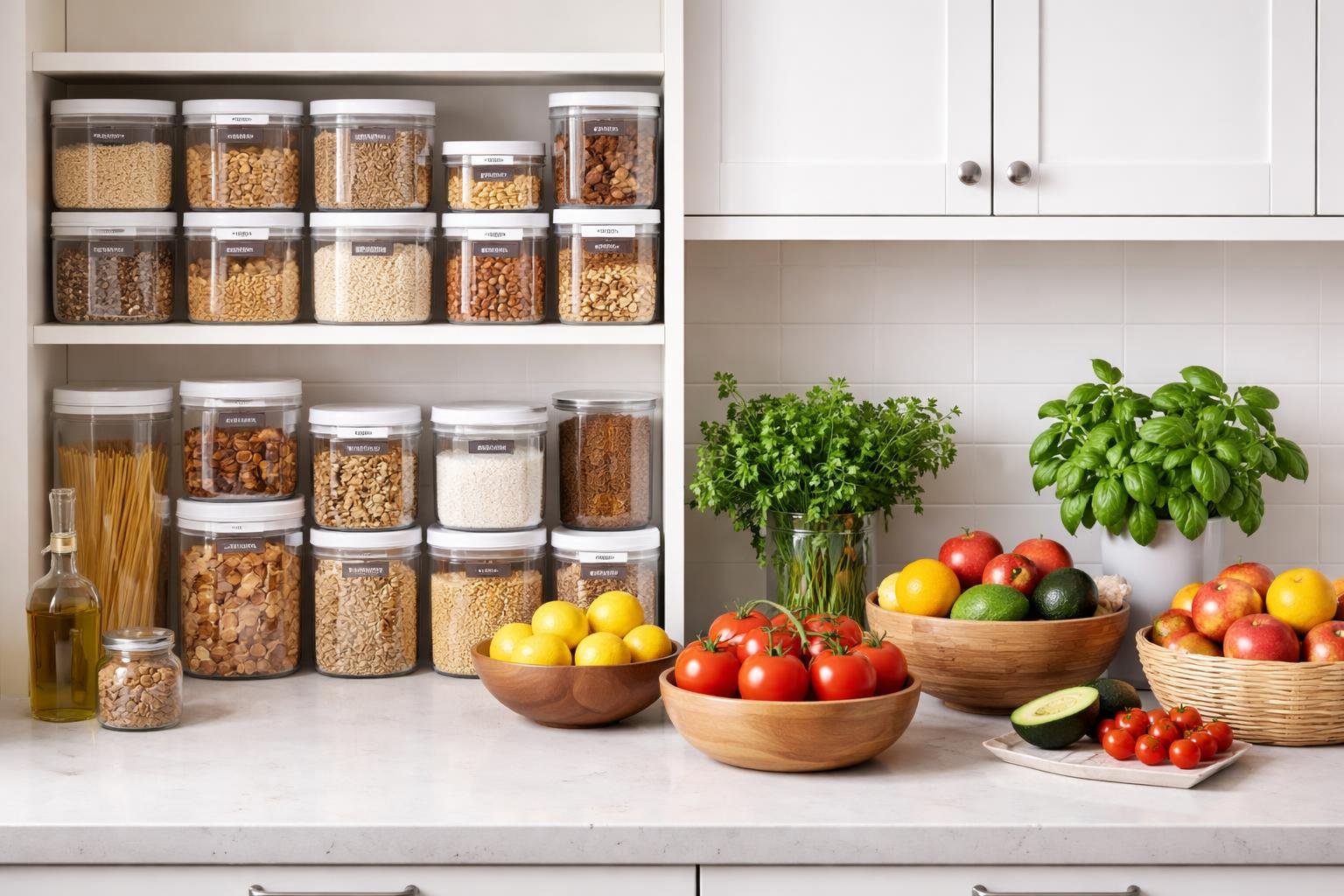
Check out our latest compact vacuum sealer for food collection!
Knowing how to store kitchen essentials properly can save you money and prevent food waste. Long-term kitchen storage preserves items for months or years using low-moisture, low-oil foods in specialized containers.
Short-term storage keeps everyday foods fresh for weeks or months in standard packaging. This difference shapes what you buy, how you package it, and where you stash things in your kitchen.
We've all felt the sting of finding spoiled food hiding in the back of the pantry or fridge. Getting a grip on which storage method suits different foods helps you set up a system that actually works. Some foods only need a simple container and regular use, while others demand careful packaging if you want them to last for years.
The good news? You don't have to pick just one approach. A practical kitchen mixes both methods. Your daily pantry items and your backup stash work together, giving you options for both everyday meals and those "just in case" moments.
Key Takeaways
- Long-term storage uses dry, low-oil foods in airtight containers that can last 20-30 years. Short-term storage rotates everyday items with 3-5 year shelf lives.
- Success depends on picking the right containers, keeping things cool and dry, and organizing based on how often you use each item.
- A solid kitchen storage system blends both methods for daily cooking and emergency backup.
Defining Long-Term vs Short-Term Kitchen Storage
The main difference here? It's all about time and packaging. Short-term storage covers what you'll eat this week or month. Long-term storage is for foods you'll keep for years—sometimes even decades.
Understanding Storage Timeframes
Short-term storage usually means anything from a few days up to several months, depending on the food. That's the milk in your fridge, the pasta you bought last week, or the frozen chicken you plan to cook soon. You use these foods regularly and restock as needed.
Long-term storage stretches from 10 to 30 years. These are your "just in case" dry goods—think wheat berries sealed in mylar, white rice packed away, or freeze-dried veggies in airtight buckets.
How long you plan to keep something changes everything. Short-term foods don't need fancy packaging because you'll use them up quickly. Long-term foods need real attention to moisture, oxygen, and temperature.
Typical Uses in the Modern Kitchen
We lean on short-term storage for daily meals and weekly cooking. The pantry holds canned tomatoes, oils, and snacks. The fridge and freezer handle perishables you'll use within days or months.
A stocked pantry can get you through a hectic week, a sudden cold, or a snowstorm. You aren't changing your diet, just relying on your regular supply.
Long-term storage? That's a whole different ballgame. Here, you're building a backup for real emergencies—job loss, natural disasters, or long-term supply chain hiccups. These aren't your go-to ingredients for a Tuesday night dinner. They're more like insurance.
Shelf Life and Food Safety Requirements
Short-term storage foods usually keep for:
- Canned goods: 3-5 years for low-acid foods, 2-3 years for high-acid items
- Packaged foods: 1-3 years, depending on what's inside
- Frozen foods: 6-12 months for best quality
- Cooking oils: 1-2 years unopened
Long-term storage is all about dry goods with low moisture (below 10%) and little oil. Grains like wheat and white rice can last 25-30 years if you seal them right. Dried beans and lentils hold up about as long. Powdered milk or eggs? About a decade, give or take.
Temperature really matters. Every 10-degree jump in storage temp can cut shelf life in half. We keep long-term food under 70°F, in the dark and dry. Short-term stuff is fine in the regular pantry or freezer.
Key Differences in Storage Principles
Long-term and short-term storage run on different rules. Short-term storage is all about easy access and quick turnover. Long-term storage focuses on keeping food safe and edible for months or years.
Preservation Methods and Techniques
Short-term storage uses basic methods—just the fridge, freezer, or a simple pantry shelf. You usually keep these foods in their original packaging or in basic containers, since you'll use them up soon.
Long-term storage needs more protection. You have to control temperature, humidity, light, and oxygen. That means using special containers: vacuum-sealed bags, mylar with oxygen absorbers, or food-grade buckets with tight lids.
Temperature control isn't optional for long-term food. Short-term foods can handle some swings, but long-term storage needs steady conditions. Dry goods like it cool—between 50°F and 70°F. Frozen stuff should stay at 0°F or colder.
The packaging is a whole different story. Short-term containers might be glass jars or plastic tubs from the store. Long-term storage calls for airtight, moisture-proof, light-blocking containers that keep out bugs and rodents.
Access and Rotation Strategies
We reach for short-term storage all the time. Those foods live at eye level in the pantry or front and center in the fridge. You don't need a fancy inventory system here.
Long-term storage usually sits in the basement or tucked away. You might go months without touching it, so you need a plan to keep things from going bad unnoticed.
The "first in, first out" rule really matters with long-term storage. Label containers with dates, and arrange shelves so the oldest stuff is easiest to grab. Some folks track inventory with a spreadsheet or an app, but honestly, even sticky notes can work.
Short-term items rotate naturally because you use them every day. Long-term foods need reminders—maybe a calendar alert—to check expiration dates or plan a meal around something that's getting old.
Storage Duration and Inventory Turnover
Short-term storage usually refers to foods used within days, weeks, or a few months, and just days or weeks for refrigerated foods. These items move fast because they're part of your regular meals.
Long-term storage can last anywhere from 5 to 30 years, depending on what you store and how. White rice, beans, and freeze-dried foods can stick around for decades if you do it right. This long timeline changes how you think about what to stock and how to manage your stash.
Short-term storage is about what you'll eat this week and next. Long-term storage is for emergencies or bulk buys. How quickly you use things affects everything—from what containers you pick to where you keep them to whether it's worth investing in special gear.
Choosing the Right Storage Containers and Materials
The containers and materials you use really impact how long your food stays good. Short-term and long-term storage need different solutions, and each container type has its sweet spot.
Containers for Short-Term Food Storage
Short-term containers are for foods you'll eat soon—within days or weeks. They need to keep food fresh but don't have to be as tough as long-term options.
Glass containers are awesome for leftovers and meal prep since they don’t soak up smells or stains. You can microwave or toss them in the dishwasher—no problem. BPA-free plastic containers are lighter and handy for lunches or snacks on the go.
For produce, containers with vents or a bit of airflow help keep things like lettuce crisp. Stackable containers make the most of fridge space, which is always at a premium.
Most of us use these daily. They seal well enough to keep food from drying out but aren't designed to block out moisture or oxygen for years on end.
Specialized Vessels for Long-Term Kitchen Storage
Long-term storage needs containers that actually block air, light, and pests. Mylar bags are fantastic for dry goods like rice, beans, and flour. They keep out light and oxygen if you seal them right.
Food-grade buckets with tight lids are perfect for big batches of grains, sugar, and dried foods—they keep out rodents and moisture. Canned goods from the store already come in tough packaging that lasts for years.
Glass jars with rubber seals work for dried herbs, spices, or pasta if you want something in between. Metal tins with tight lids also keep bugs and humidity at bay.
Bottom line: Long-term containers need to seal out air and water vapor completely. Short-term ones just need to close up tight enough to keep things fresh for a little while.
How to Use Oxygen Absorbers and Silica Gel Packets
Oxygen absorbers pull oxygen out of sealed containers, stopping food from going rancid or moldy. Just toss a packet or two into your mylar bag or jar before sealing. They’re filled with iron powder that grabs onto oxygen over a few hours.
Grains, beans, and pasta really benefit from oxygen absorbers. Skip them for sugar or salt—they don’t spoil from oxygen anyway.
Silica gel packets fight moisture, not oxygen. Drop them into containers of dried foods, spices, or anything that humidity might ruin. They're especially helpful if you live somewhere damp.
Oxygen absorbers remove oxygen while silica gel absorbs moisture. They serve different purposes and can sometimes be used together depending on the food and storage conditions. Pick whichever threat is bigger for the food you’re storing: oxygen or moisture.
Keep unused packets sealed up tight so they stay fresh. Fresh oxygen absorbers feel soft; old ones get hard and crunchy, so give them a squeeze before using.
Environment and Location Considerations
Where and how you store your food matters just as much as the container itself. Long-term storage needs steady temps, low humidity, and darkness—plus protection from pests. Short-term storage can tolerate more ups and downs.
Optimal Temperature and Humidity for Storage
Long-term storage works best below 70°F and with humidity between 10-15%. Those conditions stop bacteria and keep moisture from ruining your food. Even one heatwave can shave months or years off shelf life for things like beans or rice.
Short-term storage is less picky. The pantry at room temp or the fridge at 41°F or below keeps most foods fine for days or weeks. Fresh produce and dairy don’t need perfect conditions if you’ll use them soon.
For long-term storage, avoid spots near ovens, dishwashers, or sunny windows. Short-term foods can hang out in those areas since they'll be gone before any real damage happens.
The Role of Climate-Controlled Storage
Climate-controlled storage keeps temperature and humidity steady all year. That's key when we're stashing food for months or years. A facility with climate control shields our bulk foods from seasonal swings that can cause condensation and spoilage.
We don't always need this for short-term storage. A regular pantry or basement works for food we'll use in a few weeks. If we see moisture on containers or temps jump past 75°F, it's a sign our spot isn't up to the job for the long haul.
Freezers count as climate-controlled too. We keep them at 0°F or below for long-term frozen stuff. Short-term frozen foods can handle a little up-and-down as we open the door during daily use.
Securing Your Food: Pest Protection and Light Exposure
Long-term storage means airtight containers, at least six inches off the floor. Mice, bugs, even fruit flies—give them a chance and they’ll ruin months of food in no time. Blocking all light is just as important; UV rays break down nutrients and fats faster than you’d think.
Short-term storage needs some pest protection but it's not life or death. Regular containers on counters or cabinets with normal kitchen lighting are fine for food that won't be sitting around long.
Dark, enclosed spaces work best for both types, but long-term storage is pickier. We steer clear of areas near garbage, bathrooms, or under pipes—contamination risks are higher there. For short-term, those spots aren't great either, but the long exposure time makes them a deal-breaker for anything you want to keep long-term.
Best Practices for Kitchen Storage Organization
Smart kitchen organization means treating your short-term pantry staples differently from your long-term emergency supplies. We need clear systems for rotating everyday items while keeping a separate stash of shelf-stable foods that last for years.
Rotation and Labeling for Short-Term Staples
We mark every opened package with the date using a permanent marker. It's a simple habit, but it keeps things fresh and cuts down on waste.
For stuff we use weekly, first-in-first-out is the rule. New bags go to the back, older ones come forward. It works well for flour, sugar, rice, canned goods—anything that cycles through the kitchen quickly.
Grouping similar items in clear bins with bold labels helps a lot. Dried foods like pasta, beans, and grains each get their own spot. Seeing everything at a glance keeps us from buying duplicates or letting things expire.
A quick weekly check of expiration dates takes a couple minutes. We keep a running list on our phones of what needs to be used soon. No more finding stale crackers or ancient spices hiding in the back.
Creating an Emergency Food Supply
We keep our emergency food supply separate from daily ingredients. A dedicated shelf or closet works best for these "just in case" items.
Our emergency stash has freeze-dried foods that last 25 years if sealed right. We also stock canned proteins, dried beans, and shelf-stable milk. Minimal prep, good nutrition, and ready for whatever comes up.
We rotate emergency supplies every 6-12 months, depending on the product. Freeze-dried stuff lasts decades, but canned goods need replacing sooner. We label each item with purchase and expiration dates using waterproof labels.
Water storage matters too. We figure one gallon per person per day for at least two weeks. The emergency food stays in a cool, dark spot, away from temperature swings.
Long-Term Inventory Maintenance
We keep a digital spreadsheet for long-term storage. Each entry notes the product, quantity, purchase date, and expiration. It cuts out the guesswork.
Temperature and humidity control matter more for long-term storage. We store shelf-stable food in spots that stay between 50-70 degrees. Dry basements work, but we avoid areas near water heaters or furnaces.
Twice a year, we check for damage—bulging cans, broken seals, signs of pests. Anything compromised gets tossed immediately to protect the rest.
Vacuum-sealed bags stretch the life of dried foods. We repackage bulk rice and beans in airtight containers with oxygen absorbers. It's a little extra work, but it keeps moisture and pests out—and that's worth it.
Beyond Food: Additional Storage Needs in the Kitchen
Kitchens are more than just food. We have seasonal items, appliances, and bulk supplies that need different storage depending on how often we use them.
Seasonal and Occasional Storage
Holiday baking sheets, turkey roasters, and cookie cutters eat up space for most of the year. We stash these in upper cabinets or bins in the basement or garage.
Grouping seasonal items by holiday in labeled containers saves time. Thanksgiving platters in one bin, Christmas cookie stuff in another, summer grilling tools in a third. It keeps everyday kitchen space open and makes seasonal prep easier.
Off-season storage spots need the same temp and humidity control as long-term food. We avoid putting things right on concrete or against outside walls where moisture sneaks in.
Small Kitchen Appliances and Cookware
Stand mixers, food processors, slow cookers—they're bulky and heavy. We keep frequently used appliances within reach, while seasonal ones go into deeper storage.
Heavy stuff like Dutch ovens belongs on lower shelves to save our backs. Appliance garages or pull-out shelves help hide bulky items but keep them handy.
Specialty cookware—pasta makers, waffle irons—falls into the occasional-use pile. We store those in labeled bins on high shelves or in a pantry closet. Keeping manuals with them saves headaches later.
Business and Bulk Storage Options
If you run a home food business or buy in bulk, regular kitchen storage won't cut it. Sometimes we need external storage units or spaces that meet commercial food prep rules.
Food-grade shelving and commercial containers help organize big warehouse hauls. Paper goods, disposables, or bulk ingredients need climate control and should stay separate from regular kitchen stuff.
Storage facilities are handy for overflow business supplies or bulk seasonal items. Look for temperature control and pest prevention. We keep a detailed inventory so we don't end up buying things twice.
Comparing Cost, Convenience, and Flexibility
When we look at kitchen storage options, the money and access matter as much as the space. Short-term rentals work differently than long-term contracts, and our needs change as our lives do.
Short-Term Rentals versus Long-Term Commitments
Short-term storage units usually run month to month. We pay more each month, but there's no long commitment. It's handy if we're renovating for a couple months or need a spot for extra appliances during a move.
With long-term storage, the monthly price drops if we sign up for six months or more. Some places offer 15-30% discounts for longer stays. But if our plans change early, there are usually fees. If we're downsizing long-term or storing stuff we only use once a year, the math can work out.
The price difference adds up. A short-term unit might be $150 a month, but the same one drops to $100-$110 with a year-long deal. We save over time, but lose flexibility.
Portability and Access Needs
Access matters. Short-term rentals usually let us come and go as we please. We can grab that pasta maker or extra mixing bowls whenever the mood hits.
Long-term storage sometimes limits visits—some places charge for extra trips or have tighter hours. That's fine for stuff we truly won't need, like holiday platters or bulk pantry goods.
Location is a big deal. A facility 30 minutes away seems fine until we realize we need those canning jars every weekend. Closer spots cost more, but the time saved is worth it if we're always grabbing things.
Adapting Storage as Life Changes
Kitchen needs shift fast. A short-term rental gives us room to adapt if we start a catering side gig, then scale back when it's over.
Long-term contracts need more planning. We might get a 10x10 unit for extra cookware, only to realize later we need less (or more) space. Breaking the contract usually means paying penalties that wipe out any savings.
Honestly, it all starts with a gut check. Are we storing stuff for a quick remodel, or holding onto equipment we barely use? Short-term rentals cost more per month but let us pivot. Long-term storage saves cash but locks us in—so we need to be sure of our future plans.
Frequently Asked Questions
Good storage keeps ingredients fresh and safe. The right containers and conditions cut waste and protect your food investment.
What are the must-know tips for keeping spices fresh over the long haul?
We stash whole spices in airtight glass jars, away from heat and light. They'll keep their punch for up to four years. Ground spices fade faster—replace them every year or two.
Keep spices away from the stove and dishwasher—heat and moisture zap their oils. We label each jar with the purchase date to keep track.
Buy small amounts of ground spices you'll use in six months. Whole spices you grind yourself taste better and last longer. Can't argue with fresher flavor.
How can I optimize my pantry layout to ensure maximum longevity for stored goods?
We put long-term items like grains and beans in the coolest, darkest pantry spot. Shorter shelf-life stuff stays at eye level so we'll use it up.
Heavy things like rice and canned goods go on the bottom. Upper shelves are for lighter or rarely used items.
Rotation is key: new stuff goes in the back, older stuff comes forward. That way, nothing sits until it expires.
Temperature matters more than most folks realize. We aim for 50 to 70 degrees Fahrenheit for the pantry. Cooler is better, honestly.
What's the secret to preventing cross-contamination in long-term storage?
We keep raw ingredients separate from ready-to-eat foods with dedicated shelves or dividers. That keeps bacteria from spreading.
Sealed containers are our best friend. We never leave open packages on shelves where they can leak onto other food.
Clean hands and utensils every time. We use scoops for each container—no reaching in with bare hands.
We check for pests or spoilage regularly. Anything bad gets tossed right away to protect the rest.
Could you spill the beans on the ideal temperature and humidity for a well-kept kitchen stash?
Long-term storage is happiest between 50 and 70 degrees Fahrenheit, with humidity below 15 percent. It slows down spoilage and keeps dry goods good for years.
We avoid damp basements or spots near heaters. Temperature swings cause condensation and mold—no thanks.
A cheap humidity monitor tells us if things are too moist. We toss in moisture absorbers in humid spots.
Consistent cool temps matter more than chasing an exact number. We hunt for the coolest, steadiest spot in the house.
What are the go-to containers for marinating my kitchen supplies in that long-term freshness vibe?
Food-grade plastic buckets with gamma seal lids are great for bulk grains and beans. They keep out moisture and pests.
We use Mylar bags with oxygen absorbers inside those buckets for the longest shelf life. It blocks light, air, and moisture.
Glass jars work for stuff we grab often—flour, sugar, pasta. Mason jars with fresh lids seal tight and let us see what's inside.
Food-grade PETE plastic bottles are good for smaller amounts of dry goods. We always check that any plastic is food-safe and BPA-free.
How do I dance around the pantry pests and keep my long-term storage as clean as a whistle?
We always check every package before it even gets close to the pantry, and we usually toss grains in the freezer for about 72 hours—supposedly, that knocks out any eggs hitching a ride. It’s a simple step, but it saves so much hassle later.
I like to throw a few bay leaves into each container of grains or dried goods. Maybe it’s old-fashioned, but those leaves seem to keep most pests at bay. I’m not sure it’s magic, but it works for us.
We wipe down the shelves every month and jump on spills right away. It’s easy to let things slide, but regular cleaning really helps keep critters in check.
Honestly, airtight containers are a must. Even the tiniest crack can let bugs sneak in and ruin your stash. I’ve learned that lesson the hard way—now, I double-check every lid.
Share:
How to Preserve Flavor in Pre-Seasoned Ingredients
How to Avoid Flavor Transfer Between Stored Foods