

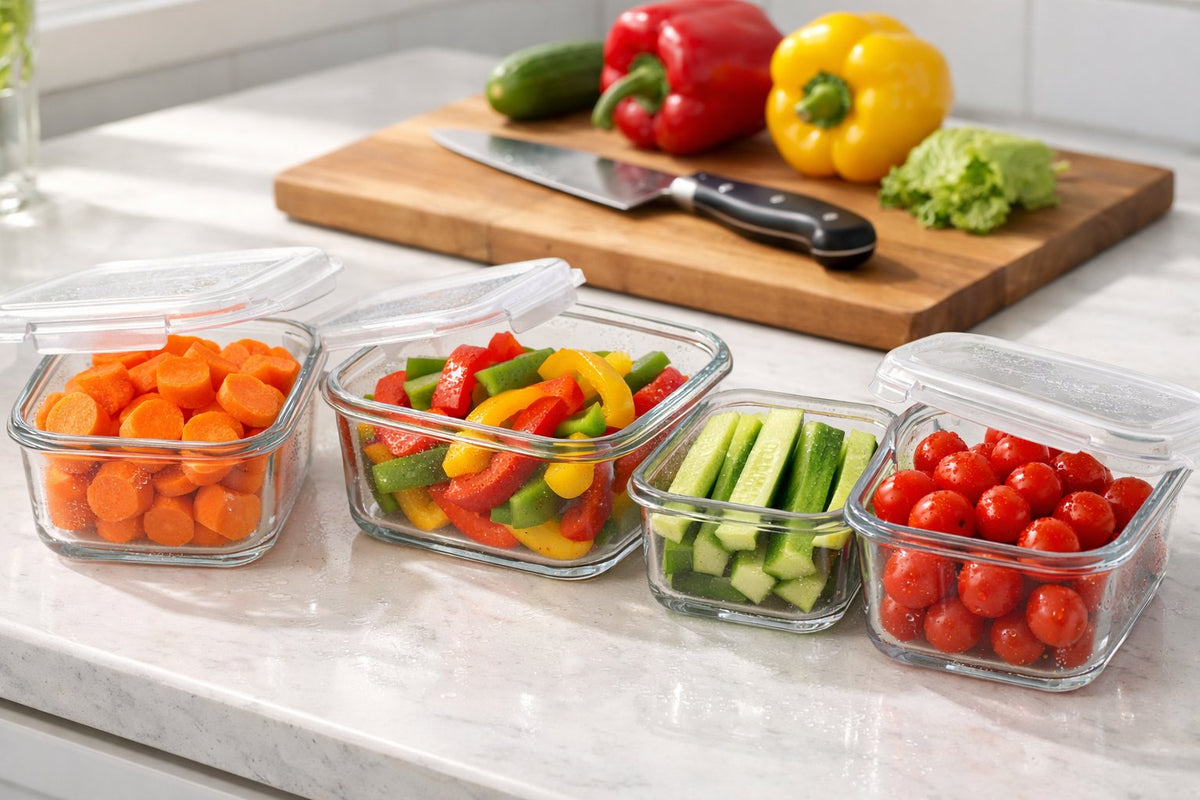
Prepped vegetables are supposed to save us time, but too often, they end up as soggy mush or sad, shriveled leftovers before we can use them. That crisp bell pepper you sliced on Sunday? By Tuesday, it's limp. The cucumber sticks meant for healthy snacking? Weirdly wet and unappetizing. It's honestly discouraging to put in the work and watch it all go downhill in the fridge.
The trick to keeping prepped veggies fresh is simple: manage moisture and pick containers that let them breathe just enough. Some vegetables want to be almost sealed up, others need a bit of airflow or they'll turn into a soggy mess.
We've messed this up plenty of times, but honestly, you don't need fancy gadgets or complicated routines. Just a few smart habits can mean the difference between tossing wilted produce and actually enjoying crisp, ready-to-cook veggies all week.
Key Takeaways
- Use paper towels or breathable containers to control moisture and avoid both slime and shriveling
- Store ethylene-producing veggies away from ethylene-sensitive ones to make everything last longer
- Pick containers with the right amount of ventilation and use your fridge drawers the way they're meant to be used
Why Prepped Vegetables Dry Out or Turn Slimy
Cutting vegetables breaks their natural barriers and exposes their insides to air and shifting moisture. That's where things start to go wrong.
The Science of Moisture and Air Exposure
Once you slice into a vegetable, you're basically opening the floodgates. Water starts to evaporate from those cut surfaces, and that's how you get shriveled veggies. Meanwhile, enzymes and nutrients leak out, providing a buffet for bacteria and mold.
Air makes things worse. Oxygen triggers reactions that break down cell walls and create that dreaded slimy coating. If you trap all that moisture in a sealed container, it just pools up and gives bacteria a perfect home.
Temperature matters a lot, too. High-water vegetables like cucumbers and tomatoes lose moisture way faster if it's too warm. Go too cold, and their cells can freeze and burst—hello, mush.
How Cutting Vegetables Impacts Shelf Life
Whole veggies last ages because their skin keeps moisture in and bad stuff out. Once you chop them, their shelf life drops—sometimes dramatically.
Cut size matters. The smaller the pieces, the more surface area is exposed, and the faster things dry out or spoil. Julienned carrots might last a few days, but whole carrots in water can stay crisp for a week or more.
Different vegetables react differently to being cut. Carrots and beets, for example, can handle it. Leafy greens or bell peppers? Not so much. Softer veggies go slimy fast because they release a lot of juice when cut. That's why you need to store each type a little differently.
Essential Preparation Tips Before Storing
Getting veggies ready for storage is half the battle. Washing, drying, and cutting them right makes a huge difference in how long they stay fresh.
Proper Washing and Drying Techniques
Wash veggies well to get rid of dirt and pesticides, but don't let them stay wet. Rinse under cold water, scrub root veggies with a brush if needed.
Drying is where most of us mess up. Use a salad spinner for leafy greens, or lay veggies out on a clean towel and pat them dry. Even a little leftover water can lead to slime. For dense stuff like broccoli, give it 10–15 minutes to fully dry. With herbs and delicate greens, gently roll them in a towel—don't crush them.
Cutting and Prepping for Longevity
How you cut matters. Bigger pieces hold onto moisture better, so cut based on when you'll use them.
Try not to cut watery veggies (like cucumbers, tomatoes, mushrooms) too far ahead. If you have to, use a sharp knife for clean cuts—ragged edges spoil faster.
A few quick tips:
- Hearty Veggies (carrots, celery, bell peppers): Cut into sticks or chunks, store in water
- Leafy Greens: Tear by hand or leave whole until you need them
- Broccoli/Cauliflower: Cut into florets, make sure they're dry
Don't mix veggies with different moisture levels in the same container. Wet ones will make dry ones soggy.
Choosing the Right Storage Containers
The container you pick can make or break your meal prep. You want something that keeps air and moisture balanced, not just any old tub.
Airtight Containers versus Resealable Bags
Airtight containers are great for things like carrots, bell peppers, and broccoli. They slow down oxidation and keep out fridge smells. Go for a tight seal, but not so tight that moisture gets trapped.
Resealable bags work for veggies that need a bit of airflow—think leafy greens and herbs. Squeeze out extra air before sealing. For carrots and celery, try storing them in bags with a little cold water; they stay crisp for days.
Glass, Plastic, and Specialty Storage Options
Glass containers don't stain or hold odors, so they're perfect for onions, garlic, or anything with a strong smell. They last forever, but yeah, they're heavy and breakable.
Plastic containers are lighter and often have adjustable vents—handy for controlling humidity. Clear ones help you see what's inside at a glance.
Specialty containers with built-in strainers or raised bottoms keep veggies out of their own juices. These are awesome for mushrooms and tomatoes.
Matching the Storage Method to the Vegetable
No single container works for every prepped vegetable. The right choice depends on how much water the vegetable holds and whether it needs to breathe. Here's a quick way to sort them:
| Vegetable type | Examples | What works best |
|---|---|---|
| Crunchy, low-moisture | Carrot and celery sticks, radishes | Submerged in cold water in a lidded container, water changed every couple of days |
| Firm cut pieces | Bell pepper strips, broccoli and cauliflower florets, snap peas | Patted dry, in an airtight or vacuum container with a paper towel |
| High-moisture | Cucumbers, zucchini, tomatoes | Dry paper towel in an airtight container, prepped only a day or two ahead |
| Leafy and tender | Lettuce, spinach, herbs | Lightly damp towel in a container with a little airflow |
| Needs to breathe | Mushrooms | Paper bag or towel-lined container, never sealed tight |
Where vacuum storage fits. For the firm cut pieces in the second row, removing air can help. With less oxygen around the cut surfaces, pepper strips and broccoli florets are slower to dry out at the edges. A vacuum canister set suits this job because the rigid canisters hold their shape, so pulling the air out doesn't crush florets or pepper strips the way squeezing a bag can, and you can still see what's inside. Pat everything dry first, since trapped water is what turns cut vegetables slimy.
Where it doesn't. Skip vacuum storage for mushrooms, cut garlic, cut onions and anything stored in water. Low-oxygen storage isn't a good match for these, and sealing garlic or mushrooms without air raises food-safety concerns. Vacuum-sealed or not, prepped vegetables still belong in the fridge and are best used within a few days.
Mastering Moisture Control
Managing moisture is the whole game. Too much water equals slime; too little, and your veggies get sad and dry.
The Paper Towel Trick for Greens
Leafy greens need just enough moisture—not too much, not too little. After spinning them dry, line your container with a paper towel, layer the greens, and top with another towel before sealing.
That way, excess water gets absorbed instead of pooling. Check every couple of days and swap out damp towels. If you prefer, use a clean cloth instead.
Storing Crunchy Veggies in Water
Carrots and celery love being stored in water. Just fill a container with cold water, submerge the sticks, and pop on a lid. Change the water every few days to keep things fresh. These veggies can actually reabsorb water and get crisper.
Broccoli and cauliflower can handle a little water—just a shallow layer at the bottom of the container works.
Avoiding Excess Moisture for Delicate Veggies
Bell peppers, cucumbers, and mushrooms hate too much moisture. Dry them really well after washing and store in airtight containers with a dry paper towel.
Wait to wash cucumbers until you're about to eat them; their natural coating helps keep them fresh. If you prep them ahead, dry thoroughly and use paper towels to soak up any liquid.
Mushrooms? Don't wash before storing—just brush off the dirt. Put them in a paper bag or a container lined with dry paper towels. They need air, not humidity, so skip the crisper drawer for these.
Refrigerator Strategies for Maximum Freshness
Your fridge actually has features that help keep veggies fresh, but most of us ignore them. The crisper drawer and different temperature zones can make a big difference.
Using the Crisper Drawer Correctly
The crisper drawer isn't just a random bin—it's designed to trap humidity, which most veggies need after prepping.
High humidity: Great for greens, broccoli, carrots, and celery. Keep the vent closed or use containers with small vents.
Low humidity: Better for peppers, zucchini, and squash. These guys rot if it's too damp.
Ethylene producers like tomatoes and avocados? Keep them out of the crisper—they'll ruin everything else in there.
Optimal Temperature Zones for Veggies
Aim for 35–40°F in your fridge. Lower is better for prepped veggies.
The back of the fridge is coldest, the door is warmest. Store prepped veggies on the middle or lower shelves, near the back—not in the door.
Where to put what:
- Bottom shelf near crisper: Root veggies, carrots, beets
- Middle shelves: Peppers, cucumbers, chopped onions (sealed up)
- Top shelf: Cut tomatoes, squash
Avoid spots near freezer vents—too cold, and your veggies will get frostbite or turn mushy.
Separating Ethylene Producers and Sensitive Veggies
Some fruits and veggies pump out ethylene gas as they ripen, which can wreck everything else nearby. Keeping them apart can really stretch out the life of your prepped stuff.
Which Vegetables and Fruits Produce Ethylene
The biggest ethylene culprits: apples, bananas, avocados, tomatoes, peaches, plums. They all give off a lot of gas as they ripen.
Others to watch: pears, melons (especially cantaloupes), kiwis, and even onions (though they're milder).
Sensitive types? Leafy greens, broccoli, carrots, cucumbers, green beans—they'll yellow, wilt, or get soft much faster if stored near ethylene producers.
Lettuce, cauliflower, cabbage, peppers, and squash are also sensitive. If you want your veggies to stay crisp and not turn to mush, keep these groups apart.
How to Organize and Separate for Extended Shelf Life
We keep ethylene producers in their own crisper drawer or stash them on a separate shelf, away from prepped veggies. If there's only one drawer, we'll leave gassy fruits on the counter or toss them in open containers up on the top shelf.
For chopped veggies, we usually go for sealed glass containers, stowed far from any whole fruits. That way, they're shielded from ethylene while still holding onto the right humidity.
Here's the basic setup we stick to:
- Top shelf or counter: Apples, bananas, tomatoes, avocados
- Middle shelf in sealed containers: Prepped sensitive veggies (carrots, cucumbers, peppers)
- Crisper drawer: Leafy greens and cruciferous stuff (broccoli, cauliflower)
We always store apples in their own spot since they pump out a lot of ethylene. Giving them their own area keeps our prepped veggies and other fruit from ripening too quickly.
Special Care for Root and Hardy Vegetables
Root veggies and hardy alliums need a different approach than delicate greens. Most roots like it cold—think 32-40°F—and humid (close to 95%). Potatoes, onions, and garlic? They're happier a bit warmer, with plenty of air moving around.
Best Ways to Store Root Vegetables
We always snap off the greens from beets, carrots, turnips, and radishes right after prepping. The tops just suck moisture out of the roots. Wrapping the cut veggies in a damp paper towel keeps them from shriveling up, but doesn't let them get slimy.
For prepped carrots and parsnips, we dunk them in containers of cold water in the fridge. Swapping out the water every couple of days keeps bacteria at bay. This way, they stay crisp for up to two weeks.
Chopped beets and turnips do best wrapped in damp towels inside a perforated bag or container. We check and re-moisten the towels every few days if they start drying out. Sweet potatoes? They're a bit tricky—cold and moisture after cutting just don't work for them. We wrap them tight in plastic wrap and try to use them up within a couple days.
Tips for Onions, Garlic, and Potatoes
Cut onions release moisture and sulfur, so they spoil faster. We stash them in airtight containers lined with paper towels to soak up extra moisture and keep slime at bay. This usually keeps them good for about a week.
Minced garlic turns bitter and oxidizes fast. If you cover it with olive oil, keep the container in the fridge and use it within 4 days. Garlic in oil can grow harmful bacteria if it's kept longer or left at room temperature.
Cut potatoes brown in minutes. We fully submerge them in cold water and keep them in the fridge—24 hours, tops. Sometimes we'll toss in a splash of vinegar or lemon juice to slow down browning. Just drain and dry them before cooking.
Smart Storage Habits to Reduce Waste
Keeping prepped veggies fresh means having a system to track what's in the fridge and using it before it goes bad. Labeling and a loose meal prep schedule help us avoid those forgotten science experiments.
Labeling and Rotating Your Stock
We slap a piece of masking tape or use a dry-erase marker to note what's in each container and when we prepped it. Sounds simple, but it saves us from guessing games.
Rotation basics:
- Put new prepped veggies behind the older ones
- Keep quick-to-spoil items (2-3 days) at eye level
- Store hardier stuff (5-7 days) lower down
- Check labels before shopping so you don't double up
Using the "first in, first out" method helps us use veggies before they turn. Clear dates on containers make it obvious if those peppers are still good or past their prime.
Meal Prep Schedules for Freshness
We plan meal prep around how long veggies last, not just batch-prepping everything at once. Softer veggies like tomatoes, cucumbers, and bell peppers get chopped a day or two before we need them. Hardier ones—carrots, broccoli, green beans—get done three or four days ahead.
A typical schedule for us: prep roots and cruciferous veggies on Sunday for early-week meals, then handle softer stuff on Wednesday for the end of the week. This way, veggies stay fresh and don't get sad by Friday.
We also batch similar tasks—washing all the greens or chopping a bunch of roots at once. It's efficient, but we still store everything based on how long it'll last.
Frequently Asked Questions
Getting veggie storage right mostly comes down to managing moisture and picking the right containers. Different veggies need their own storage tricks to keep them crisp and tasty.
What's the secret to keeping chopped veggies crisp in the fridge until it's showtime?
We keep chopped veggies crisp by managing moisture and temperature. Airtight containers with a paper towel at the bottom soak up excess water that would otherwise make things soggy.
For carrots, celery, and bell peppers, we submerge them in cold water inside sealed containers. Change the water every couple of days, and they'll stay crunchy for up to a week.
We always stash prepped veggies in the coldest fridge spot, usually the bottom drawer—somewhere between 32°F and 40°F.
Can you spill the beans on the best containers for stashing my veggie preps?
We're big fans of glass containers with tight lids for prepped veggies. They don't hold onto smells, you can see what's inside, and they keep air out, which slows spoilage.
BPA-free plastic containers with adjustable vents are great for stuff that needs a little airflow—leafy greens, especially, since they want humidity but not sogginess.
For strong-smelling stuff like onions or garlic, we use sealed glass jars. That keeps their aroma from taking over the whole fridge.
Got any savvy tips to prevent my greens from getting all soggy and sorry?
We wrap leafy greens in a damp paper towel before putting them in a container with a couple air holes. This keeps the moisture just right—crisp, not wilted or mushy.
The trick is using a towel that's damp, not dripping. Too much water and you get slime; too little and they wilt.
We check our greens every few days and swap out the towel if it's too wet or dry. That little bit of upkeep can stretch their life from a few days to more than a week.
Help me out, what's the magic behind keeping root veggies fresh and fabulous longer?
Carrots, beets, and radishes stay fresh when we keep them in containers of cold water. That keeps them from drying out and keeps the crunch.
We change the water every couple of days to keep bacteria away. This way, our prepped roots stay crisp for a week or more.
For potatoes and sweet potatoes, we submerge them in cold water to stop browning and keep them firm. Sometimes a splash of vinegar or lemon juice gives them extra staying power.
I've heard whispers of wrapping tricks for veggies, know any that actually work wonders?
We wrap veggies with lots of water, think cucumbers, zucchini, in dry paper towels before sealing them in containers. The towel grabs extra moisture so they don't turn slimy.
For herbs and delicate greens, we go with the damp towel method: lightly moisten a paper towel, wrap them up, and store in a perforated bag or container.
Broccoli and cauliflower do well wrapped in a slightly damp cloth and tossed in the crisper drawer. Just enough humidity, not enough for slime.
Share:
A Guide to Smart Ingredient Batching Without Wasting Food
How to Keep Marinated Ingredients Fresh Without Over-Soaking