

Check out our latest home & kitchen collection!
Keeping snacks fresh and ready to grab when we're rushing out the door can feel like a puzzle we never quite solve. We've all been there, throwing loose granola bars in our bags only to find them crushed, or packing fruit that turns brown by lunchtime.
The key to on-the-go snack storage really comes down to picking the right containers and setting them up so food stays fresh and easy to reach when we need it.
We don't need fancy systems or pricey gadgets to get portable snacking right. Using simple, reusable containers with good seals, prepping snacks ahead of time, and carving out a grab-and-go spot in our pantry can totally change how we eat throughout the day.
Whether we're packing for work, a road trip, or our kids' activities, a little planning saves time and cuts down on food waste.
This guide digs into practical container choices, packing tricks that keep snacks fresh, and organization tips that make grabbing something quick less of a hassle.
We'll talk about everything from silicone bags to bento boxes, and how to set up a system that actually fits into real life.
Key Takeaways
- Airtight, reusable containers like silicone bags or bento boxes keep snacks fresh and organized on the move
- Prepping snacks in advance and stashing them in a pantry grab zone makes mornings less chaotic
- Mix up healthy options for snacks that give you steady energy—don't just grab the first thing you see
Essential Snacks for On-the-Go
The best on-the-go snacks strike a balance between nutrition and portability, whether you're after protein-packed bites or homemade swaps for store-bought stuff.
Healthy Snacks to Pack
Fresh fruit is probably the easiest healthy snack around. Apples, bananas, and oranges are grab-and-go classics—they come with their own packaging and need zero prep. Berries work too if you put them in small containers, but try to eat those within a day or two.
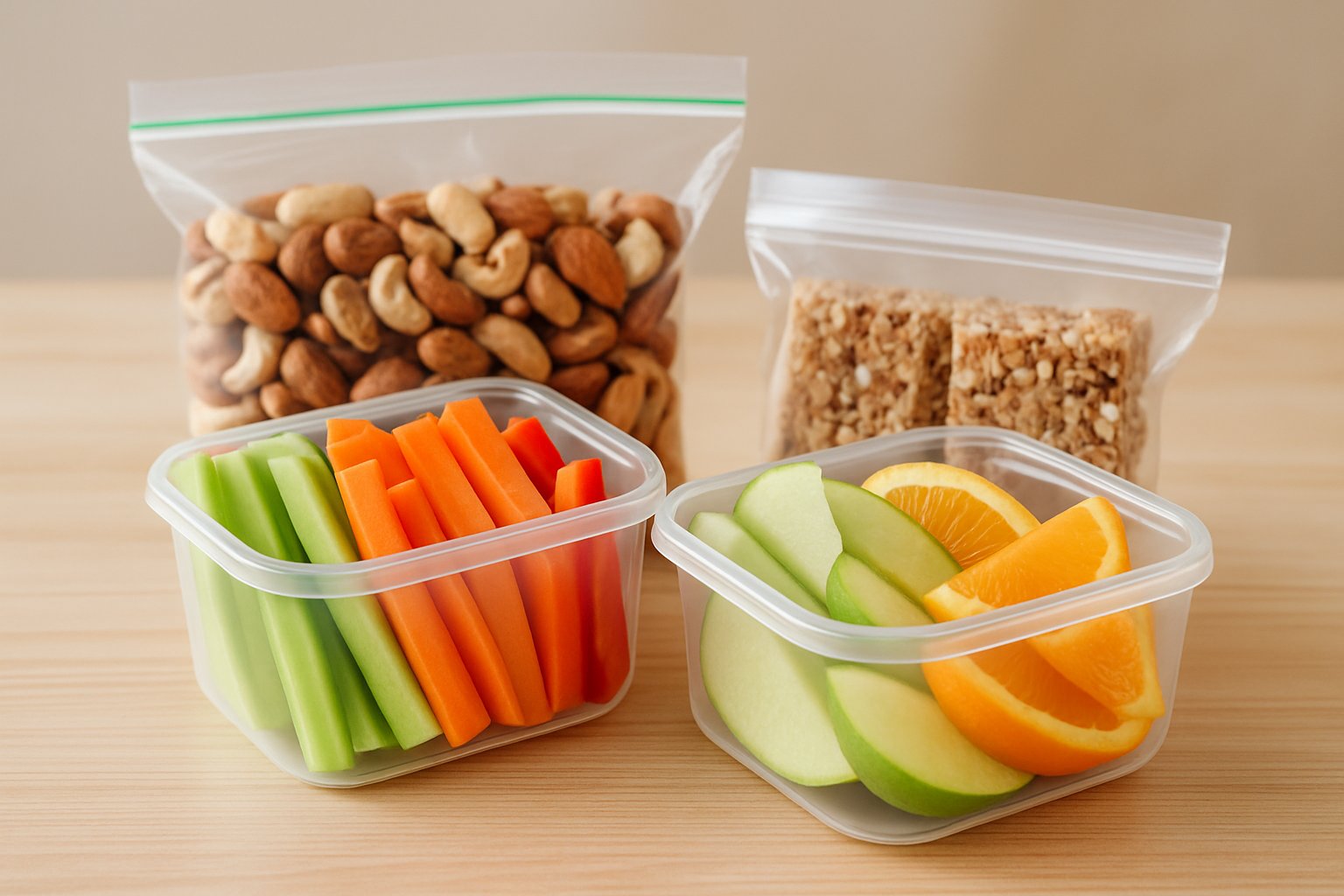
Nuts and seeds are tiny powerhouses. Almonds, cashews, pistachios—they've got healthy fats and protein to keep you satisfied. Pre-portioning them into little containers or silicone bags helps avoid mindlessly eating a whole bag in one sitting.
Greek yogurt is great for protein and probiotics, but you'll need a cooler or insulated bag. Add some granola or berries and it's a filling snack. Cheese sticks, or baby carrots with hummus, are other solid options if you keep them cold.
Whole grain crackers, air-popped popcorn, and dried fruit round out the rotation. Store them in airtight containers and they'll last for weeks.
Top Protein-Packed Choices
Protein bars are super convenient, but quality is all over the place. Look for at least 10 grams of protein, less than 8 grams of added sugar, and ingredients you actually recognize. Some bars are basically candy, so it's worth checking the label.
Hard-boiled eggs have about 6 grams of protein and last up to a week in the fridge. Make a batch on Sunday and you've got snacks all week—just remember to keep them cold.
Jerky (beef, turkey, or plant-based) is another protein option that doesn't need refrigeration. Just skip the ones loaded with sodium or weird preservatives.
If you want plant-based protein, try edamame, roasted chickpeas, or trail mix with nuts and dark chocolate chips. Nut butter packets with apples or whole grain crackers are another go-to—nice mix of protein and carbs for steady energy.
Homemade Snacks vs. Store-Bought Options
Homemade snacks put you in control of ingredients and usually cost less per serving. You can make granola bars, energy balls, or muffins in big batches for the week. Bake a tray of protein muffins on Sunday and you're set for days.
But let's be real—making your own snacks takes time. You have to plan, shop, and actually prep them. Store-bought stuff is just easier when you're short on time.
Store-bought snacks win for shelf life and variety. These days, a lot of brands use cleaner ingredients too. Most folks keep a mix of both—homemade when there's time, packaged for the crazy days.
Price-wise, it depends. Homemade trail mix is about half the cost of pre-packaged. But making your own protein bars? By the time you buy protein powder and nut butters, you might not save much.
Smart Snack Storage: Choosing the Best Containers
The right container can mean the difference between a fresh snack and a sad, stale mess at the bottom of your bag. We need containers that seal well, travel easily, and keep snacks tasting good all day.
Glass Containers for Maximum Freshness
Glass containers really shine when it comes to keeping snacks fresh. Airtight seals keep air and moisture out, and glass doesn't hang onto smells or stains. You can use the same container for marinara crackers one day and apple slices the next—no weird flavors left behind.
Being able to see what's inside without opening everything is a bonus. Most glass containers go right in the microwave or dishwasher, so reheating and cleanup are easy. BPA-free glass with silicone seals is the way to go if you want safe, fresh storage.
Glass works best for snacks that need moisture control—think cut veggies, cheese cubes, or homemade energy balls. The weight is a trade-off; it's sturdy, but you do have to pack it carefully. For commutes or desk snacks, small glass containers with snap-lock lids are a sweet spot.
Portable and Eco-Friendly Container Options
Reusable silicone bags are a favorite for lightweight, flexible storage. They fold flat, barely take up space, and work for everything from trail mix to fruit slices. They're leak-resistant, easy to clean, and help cut down on single-use plastic.
Stainless steel containers are tough and sustainable. They're perfect for hiking, camping, or tossing into a gym bag—they don't crack and they're naturally odor-resistant. Snacks stay cool longer, too.
If you're looking for something even more eco-friendly, try containers made from recycled materials or bamboo fiber. They perform a lot like plastic but feel better for the planet. Mason jars with silicone sleeves give you glass quality in a more portable package, though they're a bit heavier.
Insulated and Leak-Proof Solutions
Insulated containers are a lifesaver for snacks that need to stay cold (or hot). We use them for yogurt parfaits, cheese sticks, and hummus—anything that shouldn't warm up in your bag. Double-walled stainless steel versions keep things chilled for hours.
Leak-proof containers with locking lids are a must if you ever pack dips, dressings, or juicy fruit. Look for silicone gaskets and solid clip closures. These little details save you from a soggy bag.
Multi-compartment containers with sealed sections let you pack combos—crackers in one, hummus in another—so nothing gets soggy before you're ready to eat. The best ones have pressure-tested seals and vents to stop pressure buildup without breaking the seal.
Packing Techniques for Lasting Freshness
How you pack snacks matters—it's the difference between crunchy and limp or fresh and stale. Let's look at portioning, keeping textures right, and managing moisture and temperature.
Portion Control Strategies
Pre-portioning snacks is a game changer. When you split a big bag of crackers or nuts into single servings, you cut down on air exposure and help snacks last longer. Use small containers or resealable bags for 100-200 calorie portions.
This is especially handy for trail mix, pretzels, or cut veggies. Prep a week's worth on Sunday night, and label each with the date if you're keeping them for a few days.
Single portions also make it quick to grab what you need without digging around. Less time with containers open means less air and moisture sneaking in.
Preventing Staleness and Sogginess
Resealable bags keep snacks fresher by blocking air. Press out as much air as you can before sealing—makes a real difference.
Always separate wet and dry foods. Moisture-heavy snacks (like tomatoes or cucumber) need their own containers with tight lids. If you have to pack them together, put wax paper between them to slow down sogginess.
Store crunchy snacks (chips, crackers) in containers with solid locking lids instead of flimsy bags. Glass keeps things fresher than plastic, honestly. And if you open a bag at home, switch to an airtight container right away—bag clips just don't cut it.
Moisture and Temperature Tips
Insulated bags with a couple of ice packs keep perishable snacks safe. Food shouldn't sit between 40°F and 140°F for more than two hours—after that, it's risky. Big blocks of ice melt slower than cubes, so they're better for long days out.
Pack cold stuff at the bottom of your cooler or insulated bag, with the ice packs under them. That creates a cold zone for dairy, deli meat, or cut fruit. For hot foods, preheat your thermal container with boiling water before adding your meal.
Room-temp snacks like nuts, granola bars, or whole fruit can go in a separate section—keeps them from getting too cold and weirdly chewy. And yeah, don't leave your snack bag in a hot car or direct sun.
Meal Prep Like a Pro: Make-Ahead Snack Ideas
Prepping snacks ahead saves time and means you always have something decent to eat when you're hungry. The trick is finding a system for batch cooking, organizing weekly prep, and storing things so they actually last.
Batch Cooking Snack Recipes
Most snack recipes can be doubled or tripled for a week's worth of grab-and-go. Energy bites are perfect—you just mix oats, nut butter, honey, and whatever add-ins, then roll a bunch at once.
Best snacks for batch cooking:
- Granola bars (bake, cut, and wrap individually)
- Roasted chickpeas (do a couple of pans at once)
- Hard-boiled eggs (a dozen in one go)
- Muffins (most recipes make 12-24)
- Trail mix (just dump everything together)
Roasting veggies like sweet potato rounds or beet chips turns them into snacks that last four or five days if stored right. Doubling recipes barely adds time since you're already making a mess in the kitchen anyway.
Efficient Weekly Snack Prep
Setting aside an hour or two on Sunday (or whenever works) makes snack time way easier. Start by washing and portioning produce—carrot sticks, cucumber slices, bell peppers—into containers with snap-on lids.
A simple plan: bake one or two things, make a no-cook snack like energy balls, and portion out nuts or seeds. There's no need to make everything at once—some stuff stays fresher if you prep it mid-week.
Overnight oats in mason jars are a quick breakfast or snack for a few days. Prep dry and wet ingredients separately, then mix the night before for the best texture.
Storing Homemade Snacks Safely
Airtight containers are non-negotiable if you want snacks to last. We label everything with the prep date using painter's tape or a washable marker, just to keep track.
| Snack Type | Storage Method | Shelf Life |
|---|---|---|
| Energy bites | Refrigerator, airtight container | 5-7 days |
| Roasted nuts | Room temp, sealed jar | 2 weeks |
| Cut vegetables | Refrigerator with damp paper towel | 4-5 days |
| Baked goods | Counter (2 days) or freezer (3 months) | Varies |
| Trail mix | Pantry in sealed container | 1 month |
Freezing works great for muffins, granola bars, and cookies. Wrap each in parchment and toss them in a freezer bag—then you can grab just one without thawing the whole batch. Most homemade snacks thaw in about half an hour at room temp, or just throw them in your lunch bag frozen.
Nutrition on the Move: Balancing Fuel and Flavor
Smart snacking isn't about cutting yourself off from treats—it's about picking foods that give you steady energy and actually taste good. The trick is combining macronutrients so your blood sugar stays steady and you don't get hangry an hour later.
Combining Protein, Fiber, and Healthy Fats
We really do need all three macronutrients working together if we want to avoid that mid-afternoon crash. Protein helps us stay full and keeps muscle mass in check. Fiber slows digestion and keeps our blood sugar steadier. Healthy fats stick with us, fueling energy and helping us soak up vitamins.
Winning combinations we actually use:
- Nuts and seeds (almonds, pistachios, pumpkin seeds) with fresh fruit
- Greek yogurt topped with berries and a handful of granola
- Apple slices and almond butter packets
- Protein bars with at least 10g protein, 3g fiber, and not a ton of added sugar
Pistachios are a favorite since eating them in the shell slows us down (a good thing, right?). They deliver 6 grams of protein per ounce, plus those heart-healthy fats we keep hearing about. Greek yogurt is a staple because it’s nearly double the protein of regular yogurt—15-20 grams per serving—so it’s an easy grab-and-go protein fix.
When we’re picking protein bars, we go for recognizable ingredients and a 2:1 or 3:1 carb-to-protein ratio for steady energy.
Snacking for Energy Throughout the Day
We’ve all had those energy dips from going too long between meals or grabbing snacks that spike blood sugar. Spacing snacks 2-3 hours after meals helps us dodge that sluggish feeling without piling on extra calories.
Timing strategies we actually stick to:
- Mid-morning snack (10-11 AM): Protein and healthy fats like nuts and seeds or a hard-boiled egg
- Afternoon boost (2-3 PM): Complex carbs plus protein—think whole grain crackers with cheese
- Pre-workout: Quick carbs with a bit of protein
We pack snacks in 150-250 calorie portions—enough fuel, but not so much that we’re skipping meals. Trail mix with pistachios, dried fruit, and dark chocolate hits the sweet-and-salty craving and keeps us going. String cheese and whole grain crackers take maybe a minute to pack and cover our nutrition bases.
Prepping these combos ahead of time really saves us when hunger hits and willpower is nowhere to be found.
Snack Organization: Tips for a Tidy, Grab-and-Go Pantry
A tidy snack pantry makes rushed mornings less frantic and helps everyone grab what they need, fast. With dedicated zones, up-to-date labels, and snacks within easy reach for kids, we can skip the daily pantry dig and keep things fresh.
Snack Zone Setups at Home
We like to give each snack category its own spot in the pantry. Chips and crackers in one clear bin, granola bars in another, nuts in a third—it keeps things from toppling over when we’re digging for something.
Eye-level shelves are best for everyday snacks. We’re reaching for these most, so keeping them between waist and shoulder height just makes sense. Sweet treats and “sometimes” snacks can go up high, and heavy bulk stuff belongs down low.
Clear containers are a lifesaver for seeing what’s left without opening everything. We use:
- Square bins for bags of snacks
- Stackable containers for crackers and cookies
- Small baskets for single-serve packets
- Lazy Susans for anything round or in jars
A grab-and-go basket by the pantry door is our secret weapon for busy mornings. We fill it with single-serve packs, fruit cups, or homemade trail mix bags, so tossing snacks in a bag is no-brainer.
Labeling and Rotating Stock
Labels keep the whole system from falling apart. We slap a label on each container with the snack name and the date we bought it. A label maker is nice, but honestly, masking tape and a marker work too.
Rotation matters. When we bring home new snacks, we move older ones to the front. First in, first out—nothing gets forgotten in the back.
| Labeling Method | Best For | Update Frequency |
|---|---|---|
| Permanent labels | Container type | Once |
| Date stickers | Individual packages | Each purchase |
| Dry-erase labels | Changing contents | As needed |
Every month or so, we check expiration dates and move anything close to expiring into a “eat first” basket. That way, we waste less and save a little money.
Kid-Friendly Organization Hacks
Lower shelves are for the kids. Their favorite snacks go right at their height so they can help themselves—no climbing or constant requests.
We give each kid their own bin. Their name goes on it, and we fill it with age-appropriate portions, healthier stuff up front, treats in the back.
Picture labels beat words for little ones. We print or doodle crackers, fruit snacks, pretzels—whatever they like—and tape those to bins. Even kids who can’t read know where to find their goldfish.
A snack token system gives us portion control without hovering. Kids get two or three tokens a day to “spend” on snacks from their bin. It teaches choices and keeps random grazing in check.
Frequently Asked Questions
How you store and organize snacks can make a bigger difference than you’d think—especially when you’re traveling or working with tight spaces.
What's the secret to keeping snacks fresh during a long road trip?
We swear by airtight containers with good lids to keep snacks from going stale or getting crushed. Silicone bags and hard containers are our go-tos—they handle temperature swings and humidity better than flimsy bags.
For chips or crackers, we squeeze out extra air before sealing. That keeps them crisp way longer.
Packing snacks in portion-sized containers (not giant family bags) means we’re not constantly opening and closing the same package, so everything stays fresher.
Mind sharing some clever snack packaging hacks for on-the-go munching?
Mason jars with leak-proof lids are surprisingly great for trail mix, granola, and nuts. They’re stackable, tough, and you can see what’s inside without opening five containers.
Reusable snack pouches with zippers are perfect for dried fruit or crackers. They barely take up space and keep everything secure.
Lately, we’ve started wrapping individual servings in parchment paper before putting them in containers. It’s a little extra, but it really helps with baked goods or sticky snacks.
Need tips! How do you organize snack stations in a cozy, pantry-less kitchen?
We claim one cabinet or drawer for snacks and stack bins to use every inch of space. Clear containers help us see what’s there without the “snack avalanche.”
Over-the-door organizers are a game changer for single-serve snacks and small packages. They make use of space we’d otherwise ignore, and nothing gets lost.
We sort snacks by type or by family member using labeled bins or baskets. Keeping sweet and savory separate, or giving everyone their own basket, really cuts down on clutter.
Got any genius ideas for sneaky snack stashes in my bedroom without attracting critters?
We only use airtight containers with rubber gaskets—no scent escapes. Metal tins or thick plastic boxes with locking lids are the safest bet.
We stick with individually wrapped, shelf-stable snacks. Protein bars, wrapped candies, or sealed crackers are less likely to attract pests than open chips or cookies.
We always stash snacks off the floor in sealed boxes or drawers. It’s just one more line of defense against curious critters.
How do you prepare a snack box that's both adult-approved and travel-friendly?
We go for snacks with low moisture—nothing that’ll spoil if it’s not refrigerated. Nuts, seeds, dried fruit, jerky, and whole-grain crackers hold up for a long time.
Containers with compartments help us pack a variety without everything mixing. We aim for a balance of protein, healthy fats, and complex carbs to keep energy up.
We skip anything that melts easily or needs utensils. Snacks you can eat one-handed while juggling luggage or squeezed into a plane seat are just easier, honestly.
Can you list some no-fridge, no-fuss healthy snacks perfect for an active lifestyle?
Roasted chickpeas bring a solid crunch and a punch of protein—no fridge, no problem. Toss them in a sealed jar and they’ll hang out happily for weeks. Honestly, I’d pick them over chips any day.
Nut butter packets with whole-grain crackers or rice cakes are a go-to for steady energy. These little single-serve packs mean you won’t need utensils, and you won’t end up with a sticky mess.
Dried seaweed snacks, popcorn, and whole almonds are super light and easy to toss in a bag before heading out. If you’re into a little prep, try energy balls with dates, nuts, and oats. Store them in an airtight container and they’ll stay good for days—plus, they’re a bit more interesting than your standard snack.
Share:
How to Maintain the Freshness of Bulk Pantry Items
How to Maintain the Freshness of Bulk Pantry Items