

Check out our latest home & kitchen collection!
Food waste hits the average American household for about $1,500 a year, money that honestly could do a lot more good if it stayed in your pocket.
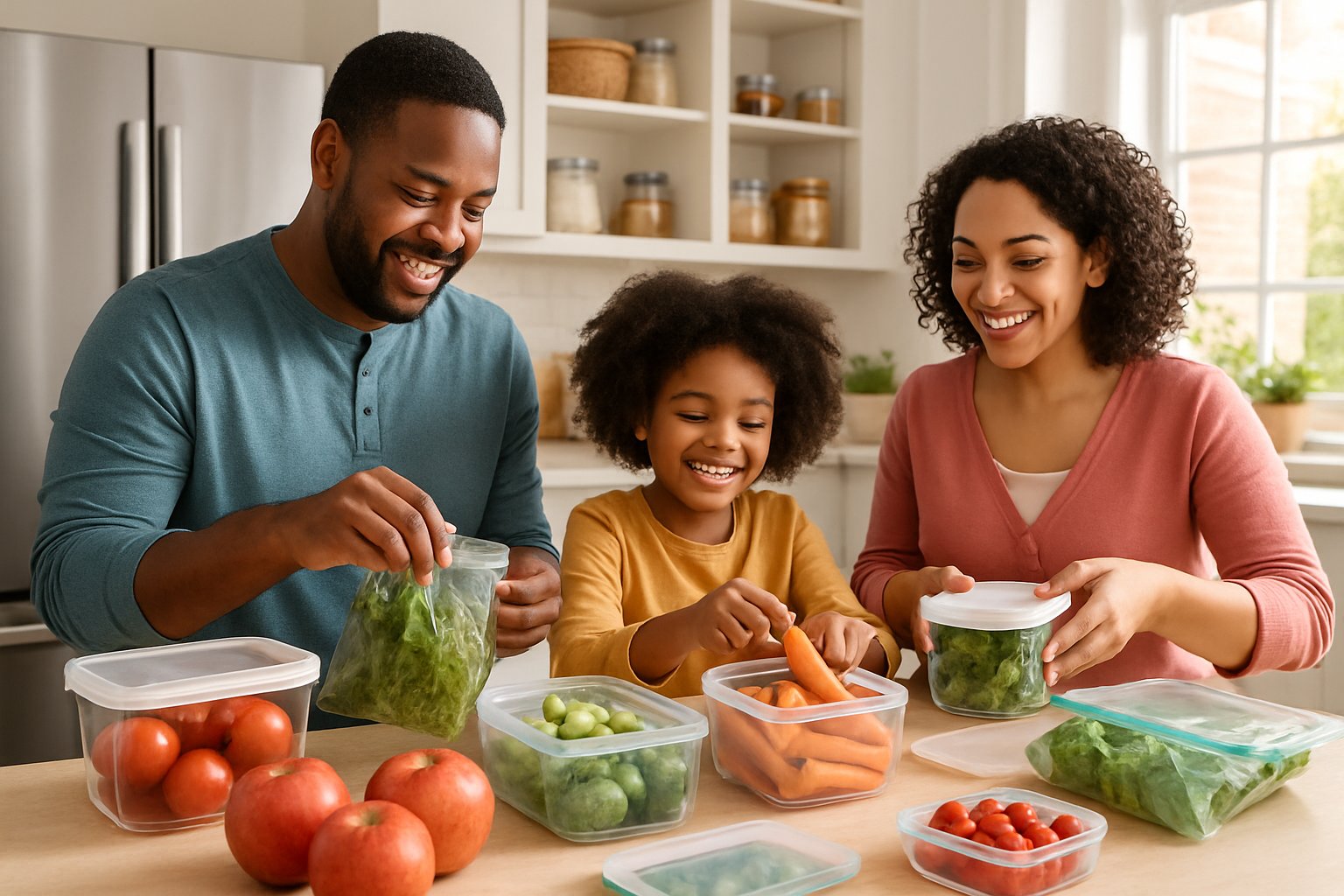
Storing food the right way can keep groceries fresh for days, sometimes weeks, which means less money wasted and fewer last-minute grocery runs.
With prices creeping up and budgets feeling tight, figuring out how to stretch your groceries just makes sense.
Let’s be real, who hasn’t found a bag of slimy lettuce hiding in the crisper or tossed out bread that turned fuzzy way too fast? These little moments of waste pile up, especially when every grocery trip seems pricier than the last.
But here’s the thing, most food spoilage can be stopped if you tweak how you store your haul.
Below, you’ll find storage methods that actually make a difference, from fridge and freezer organization to figuring out which foods need the counter and which need the cold.
There’s also a look at how storage connects to meal planning and shopping smarter, so you can keep more cash for things you actually want.
Key Takeaways
- Smart storage can save you about $1,500 a year by keeping food fresh and out of the trash
- Organizing your fridge, freezer, and pantry (and planning meals) means you waste less and spend less
- Knowing which foods need special storage helps your groceries last longer and your budget stretch further
The Impact of Food Waste on Your Grocery Bill
Every time you toss out spoiled lettuce or moldy bread, you’re literally throwing away money. Household food waste makes up about 30–40% of all food wasted in the US, and every bit you toss adds up on your grocery bill.
How Food Spoilage Raises Grocery Expenses
Food spoilage stings. If you’re wasting $100 in groceries a month, that’s $1,200 a year on food you never even got to eat.
With prices rising over the last few years, every wasted item just hurts more. Beef costs more these days (thanks, low cattle numbers), and eggs have been all over the place. Even as some prices level out, experts say we shouldn’t expect a big drop anytime soon.
When you toss pricey stuff like chicken or ground beef, you end up replacing it on your next trip. That’s double the spending for the same meal. Ouch.
Common Causes of Food Waste at Home
Most food waste is surprisingly easy to prevent. The big culprits? Buying without a plan, storing things wrong, and forgetting what you already have.
It’s easy to grab stuff on sale, even if you’re not sure you’ll use it before it goes bad. Perishables aren’t like canned beans—they can’t wait around forever, even if they were a good deal.
Storing foods in the wrong spot speeds up spoilage. Apples (which give off ethylene gas) next to cucumbers? That’s a recipe for mushy veggies. Washing produce before storing it just adds moisture and encourages mold.
And let’s be honest: most fridges are a black hole. Stuff gets shoved to the back and forgotten. Without a regular check, you might buy a second tub of sour cream when the first one’s already expired.
Simple Ways to Track Waste
Want to get a handle on your waste? Try this: stick a notepad on the fridge and jot down everything you toss for two weeks, with a rough price and why it got trashed.
You’ll spot patterns fast. Maybe you always lose those bagged salads or forget about berries until they’re fuzzy. Once you see the trend, you can buy less or store things differently.
Try this tracker:
- Write down the item and what you paid
- Note why it spoiled (forgotten, bought too much, stored wrong)
- Add up your weekly/monthly waste
- Check your notes every couple weeks
Snapping a photo of your fridge before shopping helps too. You’ll remember what’s there and avoid buying more of what you don’t need. It’s a simple trick that helps with meal planning and saves money.
Smart Storage Basics for Maximum Freshness
A little organization in your fridge, pantry, and freezer goes a long way. It keeps food fresher and means less gets tossed.
Fridge Organization for Easy Access
Let’s stop treating the fridge like a dumping ground. The top shelf stays the most consistent, so leftovers and drinks go there. Middle shelves are best for dairy—milk, cheese, yogurt—since they stay cool but don’t freeze.
Bottom drawers are for produce and have humidity controls. High humidity for leafy greens and herbs; low humidity for fruits like apples and avocados.
Here’s a quick breakdown:
- Top shelf: Leftovers, drinks, ready-to-eat stuff
- Middle shelves: Dairy, eggs (keep them in their carton)
- Bottom drawers: Veggies and fruits (separate by humidity)
- Door: Only condiments, sauces, dressings
The door is the warmest, so don’t put milk or eggs there. Try to keep about 20% of the fridge empty—air needs to circulate.
Proper Pantry Storage Techniques
A pantry audit every couple of weeks saves you from finding mystery jars years later. Group things by type: grains, cans, baking, snacks, oils.
Transfer dry goods to airtight containers instead of leaving them in open bags. It keeps out moisture and bugs. Glass jars or vacuum-sealed containers are sturdier than thin plastic bags.
When you get home from the store, put new stuff behind the old. Keep what you use most at eye level, backups higher or lower. Label everything with the date using a marker or tape.
Pantry temp matters too. Aim for 50–70°F and keep it away from stoves or dishwashers.
First In, First Out Method
This one’s straight from restaurant kitchens. When you bring home groceries, move old stuff to the front and new to the back. Do the same in your freezer and produce drawers.
Check expiration dates as you put things away, not when they’re already questionable. Use removable labels or painter’s tape to date containers.
It’s especially helpful for:
- Canned and jarred goods
- Frozen meats and veggies
- Dairy that goes bad quick
- Fresh herbs and greens
A “use first” bin in the fridge can be a lifesaver for those almost-expired items. It’s a visual cue to use them up before you find a science experiment in your crisper.
Storing Fruits, Vegetables, and Herbs the Right Way
Keeping produce fresh isn’t one-size-fits-all. You’ve got to separate things based on how they ripen and what kind of humidity they need. Doing this right can add days, even weeks, to their life.
How to Store Vegetables for Longevity
Not all veggies belong together. Leafy greens, carrots, cucumbers, and broccoli thrive in high humidity, so toss them in the crisper drawer set to high. They dry out fast and need the extra moisture.
Wrap leafy greens in a plastic bag with a paper towel. The towel soaks up extra moisture, stopping rot but keeping things crisp.
Some veggies—potatoes, onions, winter squash—prefer room temp. Keep them in a cool, dark spot. But don’t store potatoes and onions together; they’ll spoil each other faster.
Veggies like tomatoes give off ethylene gas, so keep them away from sensitive items like broccoli and cucumbers. It slows down decay and keeps things crunchy.
Keeping Fruits Fresh and Flavorful
Fruits are tricky. Some pump out ethylene gas (bananas, apples, avocados) and speed up ripening in anything nearby. Store these in the low-humidity drawer or on the counter, away from other produce.
Ethylene producers:
- Apples
- Bananas
- Avocados
- Tomatoes
- Pears
Berries? Don’t wash them until just before eating—water makes them moldy. Store in their original container or a paper towel–lined box that can breathe.
Stone fruits (peaches, plums) ripen on the counter, then move to the fridge. Citrus lasts longer cold but tastes better at room temp. Watermelon likes its own space, away from other produce, since it’s both an ethylene producer and soaks up odors.
Frozen fruit is a solid backup for smoothies or baking, especially if fresh isn’t in the budget. Freeze berries, sliced bananas, or mango when they’re ripe to lock in the good stuff.
Best Methods for Fresh Herbs
Soft herbs—parsley, cilantro, basil—are like flowers. Trim the stems, pop them in a jar with a little water, and loosely cover with a plastic bag. Change the water every few days.
Basil’s picky. It likes room temp, not the fridge. Cold turns it black and mushy, so just keep it on the counter out of direct sun.
Hardy herbs (rosemary, thyme, sage) do best wrapped in a damp paper towel inside a plastic bag in the fridge. The towel keeps them from drying out, but not so wet they get slimy.
You can freeze herbs if you’ve got too many. Chop and freeze them in ice cube trays with olive oil or water—perfect for tossing into recipes later.
Making the Most of Frozen and Bulk Foods
Buying frozen or in bulk can save you a bunch, but only if you store things right and actually use them. The trick is picking good-quality frozen stuff and setting up systems so bulk buys don’t just sit and go stale.
Choosing and Storing Frozen Fruits and Vegetables
Frozen fruits and veggies are usually cheaper than fresh, and just as healthy since they’re frozen at peak ripeness. Look for bags without sauces, sugar, or lots of ice (ice means it thawed and refroze).
Keep your freezer at 0°F or below. Most frozen veggies last 8–12 months; fruits, about 6–9 months before they lose their edge.
Once you open a bag, transfer the rest to a freezer bag or airtight container and date it. Freezer burn is real, and this helps you use things up in time. If you freeze your own, blanch veggies first—a quick boil then ice bath keeps them tasting right.
Quick frozen tips:
- Buy plain, unsauced veggies and fruits
- Check for frost or ice before buying
- Use opened bags within 3–4 months
- Keep a list of what’s in the freezer on the door
Buying in Bulk Without Creating Waste
Bulk only saves money if you eat it all before it goes bad. Be honest about what you’ll actually use—not just what you wish you’d use.
Stick to shelf-stable stuff you eat a lot, like rice, pasta, oats, or beans. Store in airtight containers to keep out bugs and moisture.
For perishables, divide up bulk packs right away. Freeze what you won’t use in a few days, portioned out for meals. That giant pack of chicken? Split it into dinner-sized bags before freezing.
Rotate new stuff to the back, old to the front, so nothing gets lost. And do the math—a cheap price isn’t a deal if you toss half of it.
Meal Planning to Prevent Spoilage and Save Money
Planning meals before you shop is a game-changer. It helps you buy only what you’ll actually eat and lets you take advantage of sales without buying stuff you’ll forget about.
Building a Weekly Meal Plan Around What You Have
Start by looking through your fridge and pantry. Got half a bag of spinach? Three sad carrots? Check expiration dates and bump those up the priority list.
Planning around what you already have means fewer impulse buys. If you spot a sale, only grab it if it fits your plan. No more buying random ingredients for recipes you’ll never make.
Simple plan:
- Early week: Use up fresh stuff and proteins that go bad fastest
- Midweek: Switch to hardier veggies and frozen items
- End of week: Make flexible meals with pantry staples
Theme nights (like “pasta Tuesday” or “soup Friday”) keep things interesting but simple. Just be honest about how much time and energy you’ll have—no shame in an easy dinner after a long day.
Incorporating Leftovers Into New Meals
Leftovers can be a lifesaver if you plan for them. Instead of forcing yourself to eat the same chicken dinner three nights in a row, why not turn Monday's roasted chicken into Wednesday's chicken tacos and Friday's chicken soup? It keeps things interesting, and honestly, who wants to eat the same thing all week?
Leftover transformation ideas:
- Grains → fried rice, grain bowls, or breakfast porridge
- Roasted vegetables → pasta, sandwiches, or omelets
- Cooked proteins → salad toppings, wraps, or casseroles
We usually label containers with both the contents and the date, so we know what needs attention first. Dedicating one night a week to a "leftover remix" clears out the fridge and keeps meals from getting boring. Plus, it stretches those pricier proteins and helps us avoid that gross surprise of moldy food lurking in the back.
Using a Shopping List to Avoid Overbuying
A solid shopping list, built from a meal plan, really helps dodge those impulse buys that end up wasted. Before writing the list, we always check the pantry—no need to buy what’s already there.
Being specific helps. Instead of jotting down "tomatoes," we’ll write "4 tomatoes for pasta sauce." That way, we don’t end up with a pile of produce we can’t use in time.
| Shopping List Best Practices | Why It Matters |
|---|---|
| Organize by store section | Faster shopping, fewer missed items |
| Note specific quantities | Cuts down on waste |
| Check weekly sales first | Saves money on planned meals |
| Stick to the list | Avoids impulse splurges |
Shopping hungry is a trap—everything looks good. Digital list apps make it easier to track regular buys and share with others at home.
Smart Grocery Shopping and Budgeting Strategies
Changing up your shopping habits can shave 20-30% off your grocery bill, and you don’t have to give up the foods you love. Store brands often match name-brand quality but cost less. Digital coupons and a nutrition-first mindset help squeeze more out of every dollar.
Opting for Store Brands and Generic Brands
We’ve all stood in the aisle, squinting at name brands and their generic twins, wondering if the price gap is justified. Here’s the thing: store brands and generics often roll off the same factory lines as the big names, with similar ingredients and standards.
The savings are real—generics can be 20-30% cheaper, and that adds up fast. For basics like flour, rice, pasta, and canned goods, honestly, there’s rarely a noticeable difference.
Best stuff to buy generic:
- Pantry staples (beans, grains, spices)
- Frozen veggies and fruit
- Dairy: milk, butter, cheese
- Cleaning and paper goods
- Over-the-counter meds with the same active ingredients
Try swapping a few basics to store brands and check the labels. Some stores even have premium store-brand lines—organic, specialty, you name it—that rival the fancy stuff for way less.
Leveraging Coupons, Discounts, and Digital Deals
Digital coupons have changed the game. About 65% of people use store loyalty programs, and it’s easy to see why—they offer deals tailored to what you actually buy.
Most big grocery chains have apps where you can load coupons to your loyalty account before you shop. No more snipping paper coupons. Sometimes you can stack manufacturer and store coupons for extra savings.
Smart coupon moves:
- Load digital coupons every week
- Check store apps for personalized deals
- Time big purchases for bonus point events
- Stack manufacturer and store coupons when possible
- Join several loyalty programs to compare offers
Seasonal sales bring the steepest discounts. Holidays are prime time to stock up on non-perishables that’ll last for months.
Shopping With Nutrition in Mind
Eating well doesn’t have to cost more. Focusing on whole foods and what’s in season naturally lowers your bill and bumps up nutrition.
Fruits and veggies are cheapest and tastiest during their peak seasons. Summer tomatoes, winter squash—when they’re in abundance, they’re better and less expensive than imports.
Nutrition-focused savings tips:
- Build meals around budget proteins like beans, eggs, and chicken thighs
- Frozen veggies can be just as nutritious and cheaper than out-of-season fresh
- Buy whole grains in bulk—they’re filling and affordable
- Canned fish in water is lean protein for under $2 a serving
- Go for plain yogurt and oatmeal; skip the sugary, flavored stuff
Stretch your budget by prepping versatile basics. A whole chicken gives you several meals plus homemade stock. Dried beans? Protein for pennies.
Frequently Asked Questions
Storing food properly means knowing your fridge, reading labels with a grain of salt, and picking the right containers. Smart shopping and meal prep help you use what you buy before it goes bad.
How do you optimize fridge organization to extend the lifespan of perishables?
Work with your fridge’s natural temperature zones. The back of the top shelf is coldest—good for milk and eggs. The door is warmest, so stick to condiments there.
Keep fruits and veggies in separate drawers. Many fruits release ethylene gas, which makes veggies spoil faster. For herbs, stand them in water like flowers and loosely cover them with a plastic bag—this keeps them fresh way longer.
Raw meat goes on the bottom shelf in sealed containers to avoid drips. We keep our fridge at 37-40°F, which stops bacteria but doesn’t freeze produce.
What are some meal prep hacks to use ingredients more efficiently and save money?
A single chicken can stretch into three meals: roast it, use leftovers for salads or sandwiches, then simmer the bones for broth and soup.
Pick ingredients that work in different recipes all week. A bunch of cilantro can top tacos, flavor curry, and garnish a grain bowl. Prepping ingredients in stages (not full meals) gives you more flexibility.
Freeze leftovers right away in single portions. People in the U.S. waste about $1,500 a year on food they forget about—most of it’s leftovers lost in the fridge.
Can you share tips for deciphering food labels to prevent premature disposal?
"Best by" dates mean peak quality, not safety. Most foods are fine past that date if stored well. Trust your senses for things like yogurt, cheese, and packaged goods.
"Use by" is more important for perishables, but there’s usually a buffer. "Sell by" dates are for stores, not you—you typically have several days after.
Don’t toss food just because of the date. Smell it, check for mold or weird textures. A date stamp alone isn’t a reason to throw something out.
What's the best way to store bulk purchases to avoid waste and maximize savings?
Split up bulk items as soon as you get home. We portion meat into meal sizes, wrap tightly, and label with the date.
Dry goods like rice and flour need airtight containers to keep out moisture and bugs. Glass jars or food-safe bins with tight lids work great and let you see what you’ve got.
Freeze whatever you won’t use soon. Bread, cheese, butter, even milk can go in the freezer for months. Freezing in smaller portions avoids the dreaded "freeze-thaw-refreeze" problem that ruins food.
Are there any smart container choices or preservation methods that keep food fresh longer?
Glass containers with tight lids are our go-to for leftovers—they don’t stain or hold smells, and you can see what’s inside. That helps you remember to actually eat it.
Vacuum sealing pulls out air that causes freezer burn. It can make food last way longer—sometimes years. If you don’t have a sealer, just squeeze as much air as you can from zip-top bags.
For leafy greens, wrap them in a damp paper towel inside a bag or container. The towel keeps them from wilting but soaks up excess water. Swap the towel out every few days for best results.
Could you give us strategies for reducing impulse buys during grocery shopping?
Start with a solid list, organized by the store's layout, and do your best to stick to it. I usually plan meals for the week before heading out, but I always check the pantry and fridge first—no one wants to end up with three jars of mustard.
Shopping on an empty stomach? Bad idea. Hunger just makes those snack aisles way too tempting. Grabbing a quick bite beforehand keeps cravings in check and helps me focus on what I actually need.
Set a budget that makes sense for you, and keep an eye on it as you go—your phone’s calculator works just fine. If something catches your eye because it’s on sale, pause and ask yourself: would I pay full price for this? If not, maybe it’s not such a great deal after all.
Share:
A Beginner’s Guide to Creating a Minimalist Kitchen
A Beginner’s Guide to Creating a Minimalist Kitchen