

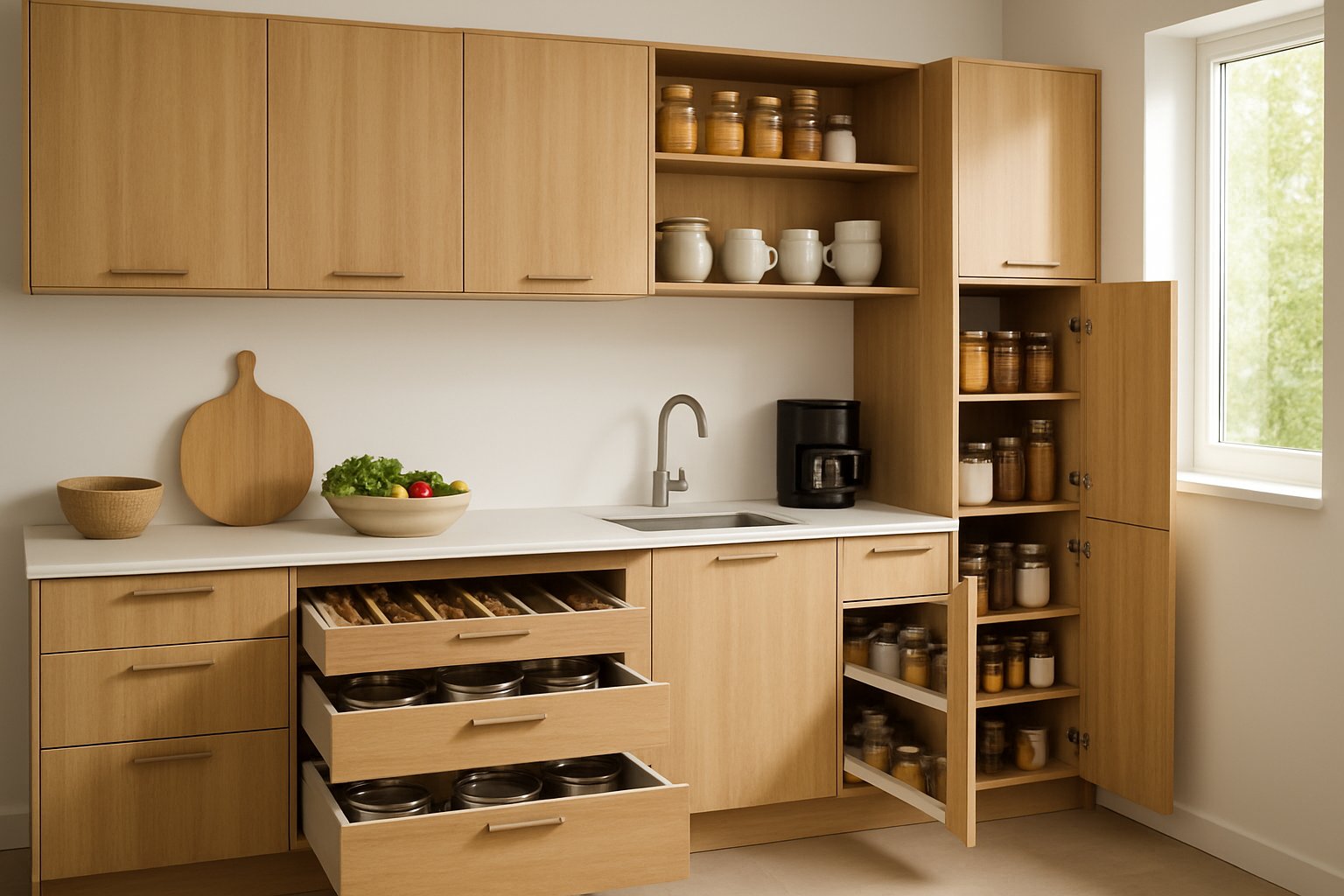
Check out our latest home & kitchen collection!
A cluttered kitchen full of random containers and a jumble of organizers might seem okay at first, but honestly, it just leads to more chaos.
Most of us have been there, digging through odd-sized bins, hunting for the right lid, and wondering why grabbing a measuring cup feels like a full-on scavenger hunt. Matching kitchen storage systems bring visual harmony, make everything easier to find, cut down on clutter, and just make cooking less of a hassle.
When you invest in coordinated storage, you’re not just buying containers or dividers. You’re building a system where everything has its place, stacks up neatly, and actually makes your kitchen work for you. It’s a shift from a random mess to a purposeful setup that uses every inch of space.
The perks go way beyond looks. Matching systems help you find stuff faster, keep food fresher by making it visible, and take a lot of the stress out of meal prep.
Whether you’re in a tiny galley or a big chef’s kitchen, coordinated storage adapts to your needs while keeping things satisfyingly orderly.
Key Takeaways
- Coordinated storage systems make kitchens more efficient by giving everything a clear spot, so you can find what you need fast
- Matching storage solutions use space better, with stackable designs and sizes that fit together
- Unified storage systems boost both function and looks by cutting visual clutter and keeping things organized
How Matching Kitchen Storage Systems Maximize Organization
Matching storage creates a sense of order that just makes life easier. When your containers, dividers, and shelves all follow the same design, you start to build habits and patterns that save you time.
Streamlined Storage for Everyday Use
Uniform containers take the guesswork out of finding lids or cramming things into odd-shaped spaces. When everything’s the same size, it stacks up cleanly and you don’t waste space.
Same goes for drawer dividers. Instead of every drawer having some weirdly shaped organizer, you get used to where things live—spatulas here, peelers there. You can grab what you need without thinking.
Pull-out shelves at matching heights make it easy to see what you’ve got. No more digging through the back of a cabinet. This is especially handy in pantries, where you can line up similar items and always know what’s running low.
You really notice the difference on busy nights. When everything’s in its place, you’re not wasting energy on organizing—you’re just cooking.
Preventing Clutter and Improving Flow
Mismatched storage almost always leaves weird gaps that turn into junk zones. Coordinated systems snap together and use every bit of space.
Cabinet organizers are a great example. When shelf risers, lazy Susans, and racks all fit together, you don’t end up with wasted corners or awkward empty spots. If something doesn’t fit, it stands out instead of disappearing into a pile.
Matching storage also helps keep categories separate. If you use one type of container for baking stuff and another for breakfast foods, it’s obvious where things go—and everyone else in the house can follow the system.
Cleaning is faster, too. Wiping down a set of similar containers is way easier than juggling a bunch of different materials. The less effort it takes to keep things tidy, the more likely you’ll actually do it.
Simplifying Meal Prep with Logical Layouts
Coordinated storage lets you set up real prep zones. If you keep matching containers of your most-used ingredients near the stove, you can just grab and go.
Pull-out shelves at the same height mean you can get to heavy appliances or pots without moving other stuff around. That’s huge when you’re in the middle of a recipe and need to move fast.
Zone-based organization works better with matching dividers—you can split up tools by type in different drawers, and anyone helping out can find things without a tour.
The time savings are real. Studies have shown that organized kitchens cut down meal prep time, especially when everything has a logical, consistent home.
Enhancing Kitchen Design with Coordinated Storage
Coordinated storage systems tie the whole kitchen together, both in looks and in function. When everything matches—finishes, materials, colors—it just feels right, like someone actually thought about the design.
Creating a Cohesive Look
Matching storage cuts down on the visual noise that comes from mixing random styles and colors. When your drawer organizers, cabinet inserts, and shelves all follow the same vibe, it looks intentional.
Matching wood tones on drawers, spice racks, and pantry organizers brings a sense of flow. Metal finishes work the same way—stainless steel dividers, matching utensil holders, and wire shelves all help the kitchen feel pulled together.
Key matching elements:
- Cabinet hardware (handles, knobs, pulls)
- Organizer materials (wood, metal, plastic)
- Color schemes and finishes
- Storage container styles
Coordinated storage can turn a basic kitchen update into something that really pops. Floating shelves that match your cabinets, or baskets with similar textures and colors, just make the space feel finished.
Blending Functionality with Aesthetics
You don’t have to pick between looks and utility. Drawer organizers can separate utensils and still look sharp if you have friends over.
Open shelves work best when your containers match. White ceramic canisters or glass jars with the same lids keep things neat and let you see what you’ve got. It’s practical, but it also just looks good.
Hidden storage benefits too. Opening a drawer to see matching bamboo dividers or coordinated bins feels more permanent and put-together. When something feels designed, you’re more likely to keep it that way.
Matching storage makes things run smoother. When you put similar items in identical containers, you remember where they go. That speeds up meal prep and helps everyone keep things tidy.
Popular Styles and Trends
Modern kitchens lean toward minimalist matching systems—think clean lines and neutral colors. Matte black organizers, natural wood dividers, and clear acrylic containers are everywhere right now.
Farmhouse kitchens love coordinated woven baskets—natural fibers on open shelves or tucked in cabinets. They’re charming and actually useful, storing everything from produce to linens.
Industrial styles go for metal—wire shelves, metal organizers, and stainless containers give that pro-kitchen vibe and keep stuff easy to spot.
Current trends:
- Matching containers with uniform labels
- Drawer inserts all in one material
- Pantry bins in the same color
- Storage finishes that match hardware
Modular matching systems are getting more popular, too. You can add pieces as you need them and still keep that unified look.
Efficient Use of Space: Systematic Solutions for Every Kitchen Size
Matching storage systems can work in any kitchen, big or small. By placing things strategically and using scalable pieces, you get more usable storage and keep the look consistent.
Maximizing Small Kitchens
Small kitchens need every inch to count. Matching pull-out drawers in base cabinets can give you up to 40% more usable space compared to regular shelves—no more losing stuff in the back.
Space savers:
- Slim rolling carts that slide between appliances (6-12 inches wide)
- Under-cabinet storage for mugs and spices
- Stackable containers that use vertical space in cabinets
- Door-mounted organizers that match your hardware
Consistent dimensions are key. When organizers and containers all fit together, you can rearrange things without leaving gaps.
Multi-purpose pieces shine in tight spaces. A matching cart can be a prep station, storage, or even a breakfast bar when everything coordinates.
Vertical Storage Strategies
Most cabinets waste tons of vertical space. Installing tiered shelves that fit your stuff, not just the factory settings, makes a big difference.
Vertical solutions:
| Storage Type | Best For | Space Gained |
|---|---|---|
| Tiered shelving | Plates, bowls, canned goods | 25-35% |
| Stacking bins | Produce, snacks, baking supplies | 20-30% |
| Wall-mounted racks | Utensils, cutting boards | Frees 2-3 drawers |
Under-cabinet storage grabs that dead space under wall cabinets. Matching racks, towel holders, and baskets keep things handy without hogging counters.
Don’t forget cabinet doors. Adding matching spice racks or bins turns unused space into real storage.
Optimizing Awkward Corners
Corner cabinets are notorious for swallowing stuff. Matching corner solutions finally bring order to these tricky spots.
Today’s lazy Susans come in coordinated sets with multiple levels and finishes. Kidney-shaped ones fit cabinet corners better and give you about 25% more usable space than the old round ones.
For deep corners, pull-out baskets in matching wire or solid finishes work better than spinning shelves. They usually have two or three baskets that slide out together, so nothing gets left behind.
Corner solutions:
- Shallow corners (24”): Two-tier lazy Susan with matching bins
- Standard corners (30-36”): Three-basket pull-out system
- Deep corners (36”+): Magic corner mechanisms with coordinated containers
Diagonal corner drawers are a newer fix—they cut across the corner at an angle and, if they match your other drawers, blend right in while making that space useful.
Custom Components in Modern Storage Systems
Modern storage is all about specialized pieces that solve real problems. Slide-out spice racks keep seasonings where you can see them, drawer dividers sort utensils, and magnetic knife strips get blades off the counter but still handy.
Spice Racks and Seasoning Solutions
Who hasn’t gotten frustrated digging through a messy spice cabinet mid-recipe? Slide-out spice racks give every jar a spot in plain sight. These slim pullouts fit between cabinets or by the stove, putting spices right where you need them.
Laying everything out in a single layer means you see every label—no more buying a third jar of paprika because you couldn’t find the first two. The upright setup makes the most of narrow spaces.
Some racks have adjustable shelves for different bottle sizes, so whether you’re into tiny jars or big bulk containers, you’re covered.
Specialty Inserts: Dividers and Trays
Drawer dividers and trays turn messy drawers into organized stations. You can split up measuring spoons, whisks, spatulas—whatever works for you. Adjustable pegs let you change things up if your tool collection grows.
Vertical tray dividers are a game changer for baking sheets, cutting boards, and platters. Standing them upright means you don’t have to unstack five things to get to the one you want. Everything’s visible and easy to grab.
Plate inserts, stored upright at waist height, save your shoulders compared to reaching overhead. Pegged or padded systems keep dishes from sliding around. Most of these inserts pop out for cleaning, which is a nice touch.
Magnetic Knife Strips and Wall Storage
A magnetic knife strip on the wall or inside a cabinet door keeps blades sharp and easy to reach. Unlike chunky knife blocks, strips free up counter space and use walls you’d usually ignore.
The magnets are strong enough for heavy knives but gentle on the edges. You see exactly what you’re grabbing, which speeds things up.
Wall-mounted rails with hooks are great for pots and pans, too. They clear out cabinet space for stuff that can’t hang. If you’re short on space, this setup keeps your go-to tools in reach without cluttering the counters.
Innovative Storage Features for Enhanced Function
Kitchen storage has come a long way since basic cabinets and drawers. Pull-out mechanisms and mobile units tackle accessibility issues and keep up with changing needs.
Pull-Out and Lazy Susan Mechanisms
Pull-out shelves turn deep cabinets from annoying black holes into usable storage. Now, instead of fumbling around on our knees, we just slide the shelf out and everything’s right there—no more digging. They glide on rails and can handle heavy pots, so nothing’s hidden or impossible to reach.
Lazy Susans solve that dreaded corner cabinet issue. Instead of cramming your arm into the abyss, you spin the platform and whatever you need comes to you. People use them down low for bulky stuff or up high for spices and cans—honestly, anywhere you’re tired of rummaging.
Common uses:
- Deep pantry cabinets for oils and condiments
- Blind corners that usually waste space
- Under the sink for cleaning supplies
- Upper cabinets for everyday dishes
These setups often include soft-close features, so doors and shelves don’t slam. If you have mobility challenges, they’re a game changer—you don’t have to bend or reach awkwardly.
Mobile and Modular Storage Units
Rolling carts give us flexibility that fixed cabinets just can’t. Need a prep station? Wheel it over. Hosting a party? Instant bar. When you’re done, push it out of the way. They’re perfect for overflow or seasonal stuff too.
Modular units are all about change. Stackable bins, adjustable dividers, and swap-in drawer inserts let you adapt as your kitchen or habits change. You’re not stuck with one setup forever, which feels pretty liberating.
These mobile solutions really shine in tight kitchens, where permanent islands just take up too much room. Roll out a cart for meal prep, then stash it in a corner or closet when you’re finished.
Transforming Your Kitchen with Matching Systems
Upgrading to matching storage systems starts with figuring out what actually makes sense for your kitchen and cooking style. You want components that fit your space and how you move around—not just what looks nice in a catalog.
Upgrade Paths for Existing Kitchens
No need to rip out everything to see big improvements. Focus on high-traffic spots first, like the pantry or cabinets near the stove. Swapping fixed shelves for pull-out drawers gives instant access to pots and pans—no more reaching way in back.
A simple upgrade path:
- Phase 1: Add drawer organizers for utensils and spices
- Phase 2: Put pull-out systems in lower cabinets
- Phase 3: Install corner units or lazy Susans to reclaim dead space
Cabinet door racks are great for lids and cutting boards—no major construction needed. We’ve noticed that tackling one section at a time keeps things manageable and you actually see progress. Most modular options fit standard cabinets, so you won’t need custom work.
Key Factors for Selecting the Right System
Measure first. Cabinet depth, drawer height, and door swing all matter. Most pull-out pantries need at least 22 inches of depth. Drawer organizers have to match your drawer’s width—close isn’t good enough.
Think about how you actually use your kitchen:
- If you cook with heavy pots, go for deep drawers with strong slides.
- Bakers need upright dividers and easy-to-reach counters.
- Meal preppers? Segmented drawers for all those containers.
Match materials to what you already have—bamboo for wood cabinets, wire for modern looks. Check weight limits, especially if you’re storing appliances or big cans. Manufacturers usually list specs, so don’t overload and regret it later.
Frequently Asked Questions
Matching kitchen storage systems raise a lot of practical questions—does this actually make life easier, or is it just for looks? Here’s what we’ve picked up about how coordinated storage affects daily kitchen life.
How does a cohesive storage system enhance meal prepping efficiency?
A cohesive storage system means you always know where things are. With uniform containers and drawers, you’re not hunting for that one spice or missing lid. It’s all predictable, which saves time and hassle.
Matching storage sizes let you group things without awkward gaps or wasted space. Prep bowls nest, spices line up, and measuring tools have their own spot—no more digging.
It’s less mentally exhausting, too. You build muscle memory for where things live, so grabbing ingredients is almost automatic, especially when you’re in a rush.
Can uniform kitchen storage solutions contribute to a better cooking workflow?
Absolutely. When storage is consistent, you don’t have to think about which drawer might jam or which shelf is too high. Everything opens and closes the same way, and you don’t waste time adapting to quirks.
Matching pull-outs mean you use the same motion every time. Overhead cabinets with the same shelf heights and doors make it easy to remember where things are, so you’re not distracted by storage oddities.
The flow improves because you’re not constantly adjusting for mismatched storage. You can actually focus on cooking instead of wrestling with cabinets.
What are the space-saving benefits of synchronized kitchen storage units?
Synchronized storage eliminates the weird dead space that happens with random organizers. When everything’s built to fit together, you use every inch—no odd gaps.
Coordinated shelf heights let you stack containers up high, and matching drawer dividers keep things from sliding around or wasting space.
Corner units work way better when they’re part of a matched system. Instead of clashing or overlapping, they fit neatly with the cabinets next to them.
Why is it important for kitchen storage aesthetics to complement each other?
Consistent design calms the space down. When storage matches in color and finish, the kitchen feels less chaotic—even when you’re in the middle of making dinner.
It’s also good for resale. Buyers notice when a kitchen looks thoughtfully put together instead of random. Matching storage signals quality and care.
Plus, cleaning’s easier. If everything’s the same material, you don’t have to juggle different products or techniques.
In what ways can integrated kitchen storage improve your overall culinary experience?
Integrated storage just makes cooking smoother. When utensils, pots, and ingredients all live where they should, you don’t waste time or energy hunting things down.
It’s more comfortable, too. Integrated systems take ergonomics into account, so you’re not stretching for one thing and stooping for another that really should be together. Related items end up at similar heights and within easy reach.
Cooking gets more fun when storage helps instead of getting in the way. You can focus on making something great, not on where you’re going to stash the blender.
What are the practical advantages of having a kitchen storage system with matching components?
Matching components make it way easier to manage your kitchen stuff and plan future upgrades. If you need to swap out a broken organizer or just want to add more storage, you already know what fits—no endless searching or second-guessing.
It’s less of a headache when it comes to maintenance, too. You can actually find replacement parts and accessories in the same product line, so you’re not left scouring the internet for something that’s been discontinued or settling for pieces that almost fit.
Honestly, spending a bit more upfront can pay off in the long run. When everything coordinates, materials tend to age at the same pace, so your kitchen keeps looking fresh. You’re less likely to end up with one worn-out piece making the whole space look tired—and that means you don’t feel pushed into a full renovation just because one thing looks out of place.
Share:
How to Transition Your Kitchen to a More Organized Routine
How to Transition Your Kitchen to a More Organized Routine