

Check out our latest home & kitchen collection!
Kitchen odors have a sneaky way of overstaying their welcome, turning our favorite cooking spaces into something less than pleasant.
We've all opened a cabinet or fridge only to be greeted by a mystery smell that makes us wonder what culinary experiment went wrong. The good news? Most kitchen odors aren't mysterious at all, they come straight from how we store our food, trash, and kitchen stuff.
Proper food storage is hands-down the best way to stop kitchen odors before they start. Sealed containers and organized spaces keep smells from drifting all over your home.
When we leave foods exposed or stash them carelessly, they release odors that stick to surfaces, blend with other smells, and create that stale kitchen vibe nobody enjoys. If we get how storage affects freshness, we can finally tackle the real cause behind most kitchen odor issues.
The connection between storage and smell seems kind of obvious, but honestly, the little details make all the difference. Picking the right containers, organizing your fridge in a smart way, those tweaks can totally change how your kitchen smells every day.
Key Takeaways
- Airtight containers and proper sealing stop food odors from spreading and contaminating other items
- Regular cleaning of storage areas with good ventilation keeps smells from settling in for good
- Natural deodorizers and clever food placement—together with smart storage—help keep your kitchen fresh for the long haul
How Proper Storage Reduces Kitchen Odors
Kitchen odors show up when food particles release volatile compounds into the air. Proper storage blocks this process by trapping those molecules before they wander off. If we understand why smells happen and use a few targeted storage tricks, our kitchens just stay fresher.
The Science Behind Kitchen Odors
Food gives off volatile organic compounds (VOCs) as it breaks down, and these little molecules float through the air to our noses. If we leave food uncovered or loosely wrapped, bacteria and enzymes break it down faster, making those smells even stronger.
Temperature matters—a lot. Warm kitchens speed up bacteria and VOC release, which explains why food left on the counter stinks up the place faster than stuff in the fridge. Keeping the refrigerator at 32°F to 40°F slows this whole process way down.
Stuff that makes odors worse:
- Moisture exposure
- Air moving around the food
- How long something's been stored
- Food type (proteins are smellier than grains, no surprise there)
Why Food Storage Affects Smells
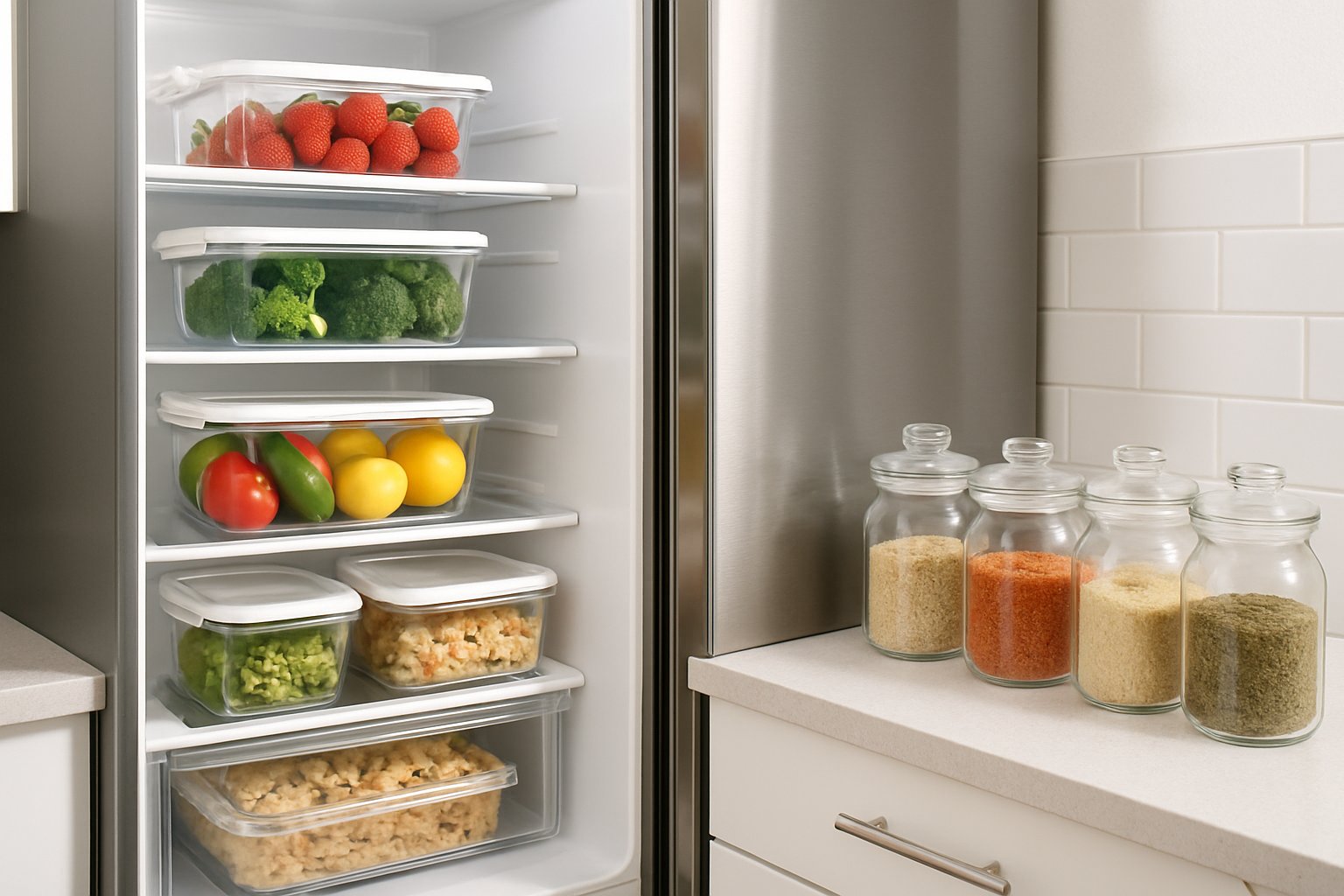
Airtight containers trap odor molecules, stopping them from mixing with kitchen air or sneaking into other foods. When we tuck leftovers into sealed containers instead of just covering them with foil, we're locking in the smell right at the source.
Odor cross-contamination is a classic fridge problem. Strong-smelling foods like onions, fish, or cheese can make mild items like milk or butter smell weird if we don't store them right. Dedicated containers with tight lids fix this.
Container material matters too. Glass and stainless steel don't soak up odors like plastic does—plastic tends to hang onto smells even after a wash. For particularly pungent stuff, glass containers are the way to go.
Common Sources of Unpleasant Kitchen Smells
Raw meat, poultry, and seafood are probably the worst offenders for lingering kitchen odors and spoilage smells. These proteins break down quickly, releasing sulfur compounds and ammonia. Storing them on the bottom shelf in sealed containers keeps both the smell and any drips contained.
Produce is a mixed bag. Onions, garlic, and cruciferous veggies (think cabbage) let off strong sulfur smells, while overripe fruits give off ethylene gas and sometimes a whiff of fermentation. Keeping these in crisper drawers or their own containers helps.
Dairy goes sour when exposed to air or kept too long. Milk and cheese last longer (and smell better) when sealed up and stored on middle shelves. And let's be real—forgotten leftovers in the back of the fridge are a surefire way to create a science experiment you never wanted.
Best Practices for Storing Food and Preventing Odors
If you want to control kitchen odors, start by keeping things at the right temperature, organizing food with clear labels and dates, and sealing items tight to keep out air and moisture.
Temperature Control and Food Safety
We keep refrigerators at or below 40°F (4°C) and freezers at 0°F (-18°C) to stop bacteria that cause both gross smells and food safety issues. The danger zone—between 40°F and 140°F—is where bacteria go wild, making all the compounds responsible for spoilage odors.
Raw meats, seafood, and dairy need to hit the fridge right away. Store these on the bottom shelf to avoid drips and keep odors from spreading.
Leaving perishables out for more than two hours gives odor-causing bacteria a chance to thrive. A basic fridge thermometer helps check your appliance's real temperature—those built-in displays aren't always spot-on.
Labeling, Dating, and Organization
Tracking when food comes in and using up the old stuff first helps cut down on odors. Label containers with prep or purchase dates so you know what needs to go soon.
The "first in, first out" method works: newer items behind, older ones up front. Waterproof labels and permanent markers keep dates readable.
Set up different zones for each food type to avoid mixing strong-smelling stuff with foods that absorb odors easily. Onions and garlic? Keep them away from butter and cheese.
Using Airtight Containers for Maximum Freshness
Airtight containers stop odor molecules from escaping and messing with other foods. Silicone and glass containers with solid seals beat out plastic wrap or half-closed bags.
Move leftover onions, garlic, fish, and cheese straight into sealed containers after using them. These foods release strong smells that can take over your fridge fast if left open.
Airtight storage also keeps food from drying out and slows down spoilage. Leak-proof designs help avoid spills that breed bacteria. Honestly, investing in good containers is worth it—your food stays fresher, and you won't be hit with mystery fridge smells.
Reducing Food and Trash-Related Smells
How we handle trash and store perishables makes a big difference in kitchen air quality. Food waste and trash are the main causes of stubborn odors.
Minimizing Food Waste to Avoid Odors
The less food we waste, the fewer smells we deal with. Storing food right keeps it fresh longer and stops the decay that leads to kitchen stink.
Check the fridge every few days for items nearing expiration. Pop leftovers into airtight containers after meals to block bacterial growth. Keeping the fridge between 35°F and 38°F really slows spoilage.
Simple storage habits that help:
- Put older items at the front using FIFO
- Store apples and bananas (which give off ethylene) away from other produce
- Use crisper drawers with the right humidity for veggies
- Move opened packages into sealed containers
Meal planning cuts down on buying too much. If you have food scraps, freezing them until trash day stops the smell from taking over your kitchen.
Proper Trash and Food Scrap Storage
Even if you minimize waste, you still need a solid trash system. The trick is to keep decomposing stuff away from your breathing space.
Trash storage basics:
- Empty kitchen trash every 2-3 days, more often in warm weather
- Line bins with tightly sealing bags to trap moisture and smells
- Sprinkle baking soda in the bottom of bins to soak up odors
- Rinse food containers before tossing them
Keep your main trash bin in a cool spot, away from heat. For compost scraps, a sealed container in the freezer is a game-changer—it totally eliminates odor until you take it out. If you go for countertop compost bins, charcoal filters actually work pretty well for smell control.
| Storage Method | Odor Control | Best For |
|---|---|---|
| Freezer storage | Excellent | Meat scraps, veg peels |
| Charcoal-filtered bin | Good | Daily food scraps |
| Sealed plastic bin | Moderate | Short-term (1-2 days) |
Maintaining a Clean and Odor-Free Kitchen
Keeping storage areas clean and food organized stops odors from starting and spreading. These habits make for a fresher kitchen, plain and simple.
Regular Cleaning of Storage Areas
We should clean fridges, freezers, and pantries every month or two to keep odors at bay. That means pulling everything out, wiping shelves with mild detergent, and checking for expired stuff or spills.
Pay extra attention to fridge and freezer door seals, drawer bottoms, and back corners—crumbs and sticky spots love to hide there. Water and white vinegar (half and half) works wonders on sticky residue and neutralizes smells.
Line pantry shelves with washable liners to make cleanup easier and catch spills. An open box of baking soda in each storage area helps absorb odors between cleanings.
Don’t forget to check behind and under appliances. Food bits end up there and can start to stink if ignored.
Preventing Cross-Contamination with Smart Storage
We avoid odor transfer and food contamination by using airtight containers instead of original packaging. That keeps strong-smelling foods like onions, fish, and garlic from affecting everything nearby.
Raw meats go on the bottom fridge shelf in sealed containers or leak-proof bags—no exceptions. That stops juices from leaking and creating both safety issues and nasty smells.
Organize by food type: dairy together, produce together, raw proteins separate. It makes it easier to spot stuff that's going bad and cuts down on flavor and odor transfer. Labeling containers with contents and dates helps keep things moving and avoids surprises.
For strong-smelling leftovers, double-wrap or use containers made for odor control. In our experience, glass containers with rubber seals beat plastic every time for containing tough smells.
Ventilation and Airflow: Your Secret Weapon Against Odors
Good airflow swaps out stale, smelly air for fresh stuff, while exhaust systems catch cooking byproducts before they settle into storage spaces.
Proper Ventilation Techniques
Natural ventilation can do wonders—just crack open windows during and after cooking. Cross-ventilation works best: open windows on opposite sides of the kitchen so air actually moves through.
Leave cabinet doors cracked open after cooking with smelly ingredients. This stops odors from getting trapped and lingering in closed spaces. It's especially helpful for cabinets near the stove or ones with wooden boards or cloth napkins inside.
Adding small vents to cabinet backs or bottoms helps air move in tight spaces. Even tiny holes in hidden spots make a difference for moisture and odor control. Under-sink cabinets need this most, since plumbing adds humidity.
Using Exhaust Fans and Range Hoods
Run the exhaust fan or range hood while cooking and for at least 15 minutes after. That way, you catch lingering steam and odor particles that keep coming even after you turn off the stove.
Range hoods do best when they're 24-30 inches above the cooktop. Models that vent outside are way more effective than ones that just recirculate air. Clean or swap out grease filters every month—clogged filters barely work and can even blow odors back into the kitchen.
If you don't have a range hood, a bathroom-style exhaust fan in the kitchen should move at least 100 cubic feet per minute (CFM) to get enough air exchange.
Natural Deodorizers and Pro Tips for Freshness
Stuff like baking soda, vinegar, and coffee grounds actually neutralize odors by absorbing smells or killing odor-causing bacteria instead of just covering them up. Use these natural solutions all over your storage spaces for a fresher kitchen.
Baking Soda, Coffee Grounds, and Vinegar for Odor Control
Baking soda is easily our go-to. It grabs odor molecules right out of the air—no fuss. We toss open boxes in the back of the fridge, stash them in cabinets, even hide them in drawers with our reusable containers. About once a month, we swap them out for fresh ones.
Coffee grounds do a decent job too, but only after they’ve dried out. After brewing, we scatter the used grounds on a plate until they’re bone dry, then scoop them into small bowls or fabric pouches. They’re surprisingly effective wherever garlic or onions linger.
Vinegar takes a different route—it actually kills off the bacteria behind those smells. We’ll wipe down pantry shelves and the inside of the fridge with a 50/50 mix of white vinegar and water. For tight spots like microwaves or stinky containers, we heat up a bowl of vinegar for a couple minutes. It really helps with those stubborn odors.
DIY Solutions for Persistent Odors
When usual tricks flop, we mix things up. Baking soda and a splash of lemon juice make a paste that scrubs and deodorizes storage containers. We let it sit for about 15 minutes, then rinse.
For those plastic containers that just won’t quit smelling, here’s our routine: wash with dish soap, coat the inside with baking soda and leave it overnight, then wipe it down with vinegar in the morning. The fizzing action really seems to help break up trapped smells.
Activated charcoal is a powerhouse here. We toss small pieces in breathable bags and keep them near trash cans or at the bottom of compost bins. They soak up both moisture and odors for a couple of months before needing a refresh.
Frequently Asked Questions
Proper food storage is the first step—contain those smells before they take over. We rely on temperature control, airtight containers, and keeping up with regular cleaning.
What's the secret to keeping your fridge fresh and funk-free?
Honestly, it’s a mix of prevention and a bit of maintenance. We always keep an open box of baking soda on a fridge shelf and swap it out every month.
Spills? Clean them up right away—otherwise, they get into the cracks and start stinking. We pull out expired stuff weekly and wipe shelves with a simple vinegar-water mix (one part vinegar, two parts water).
Leftovers and smelly foods like onions or fish always go in airtight containers. That’s the best way to keep the classic “fridge smell” from taking over.
Can you spill the beans on the ABCs of effective food storage?
Airtight containers are our first defense—glass or sturdy BPA-free plastic with tight lids work best for trapping strong smells.
We keep raw meats on the bottom fridge shelf so nothing drips down. Produce stays in the crisper, where the humidity helps it last but doesn’t get soggy.
Labeling everything with dates is a lifesaver. It helps us use things in the right order and stops forgotten leftovers from turning into a science experiment in the back.
Ever wonder why your fridge still whiffs, despite a scrub down? What gives?
Sometimes the problem hides where we don’t look. The drip tray under the fridge can collect gunk and start to smell.
Those rubber door seals? They pick up food bits and moisture over time. We wipe them with warm, soapy water once a month—easy win.
The fridge’s air filter is another sneaky culprit. If it’s clogged, it can’t do its job. Check your manual for how often to swap it out. Sometimes it’s that simple.
Do the storage hustle: what tidbit saves your food from turning into stink bombs?
Temperature is everything. We set the fridge at 37-40°F and the freezer at 0°F to slow down bacteria.
We never seal up warm food. Letting it cool to room temp (but not more than two hours) before storing keeps condensation—and bacteria—at bay.
Wrapping matters, too. For extra-smelly stuff like cheese or fish, we double-wrap with plastic and then tuck it in an airtight container. Overkill? Maybe, but it works.
Is your food storage savvy enough to pass the sniff test? What's the drill?
We do a quick fridge check every week—scan for expired stuff and anything looking sketchy. It takes five minutes and saves us from surprises later.
Pantry storage counts, too. We keep onions, potatoes, and garlic in a cool, dark spot with good airflow, not sealed up, since that just traps moisture and speeds up spoilage.
Freezer goods go in bags or containers made for the cold, and we squeeze out as much air as possible. Freezer burn ruins taste and, honestly, can make things smell weird when they thaw.
What are the must-follow guidelines for playing it cool with food storage?
We always stash raw meats away from ready-to-eat foods to dodge cross-contamination and those weird fridge smells. I mean, nobody wants meat juice on their strawberries. Using separate containers for meat really helps keep everything in its lane.
Cover your food before it goes in the fridge. Even cut fruit—surprisingly—can mess with the vibe by releasing ethylene gas or extra moisture, which just makes everything smell off.
We dump our compost bin every day and line it with a compostable bag. If you’re using an indoor compost container, tossing a bit of baking soda in the bottom can help soak up the stink until you get around to emptying it.
Cleaning storage areas isn't exactly fun, but it’s gotta happen. We wipe down pantry shelves about once a month and try to vacuum behind appliances when we remember—those stray crumbs and spills really do add up.
Share:
Best Practices for Storing Homemade Bread and Baked Goods
Best Practices for Storing Homemade Bread and Baked Goods