

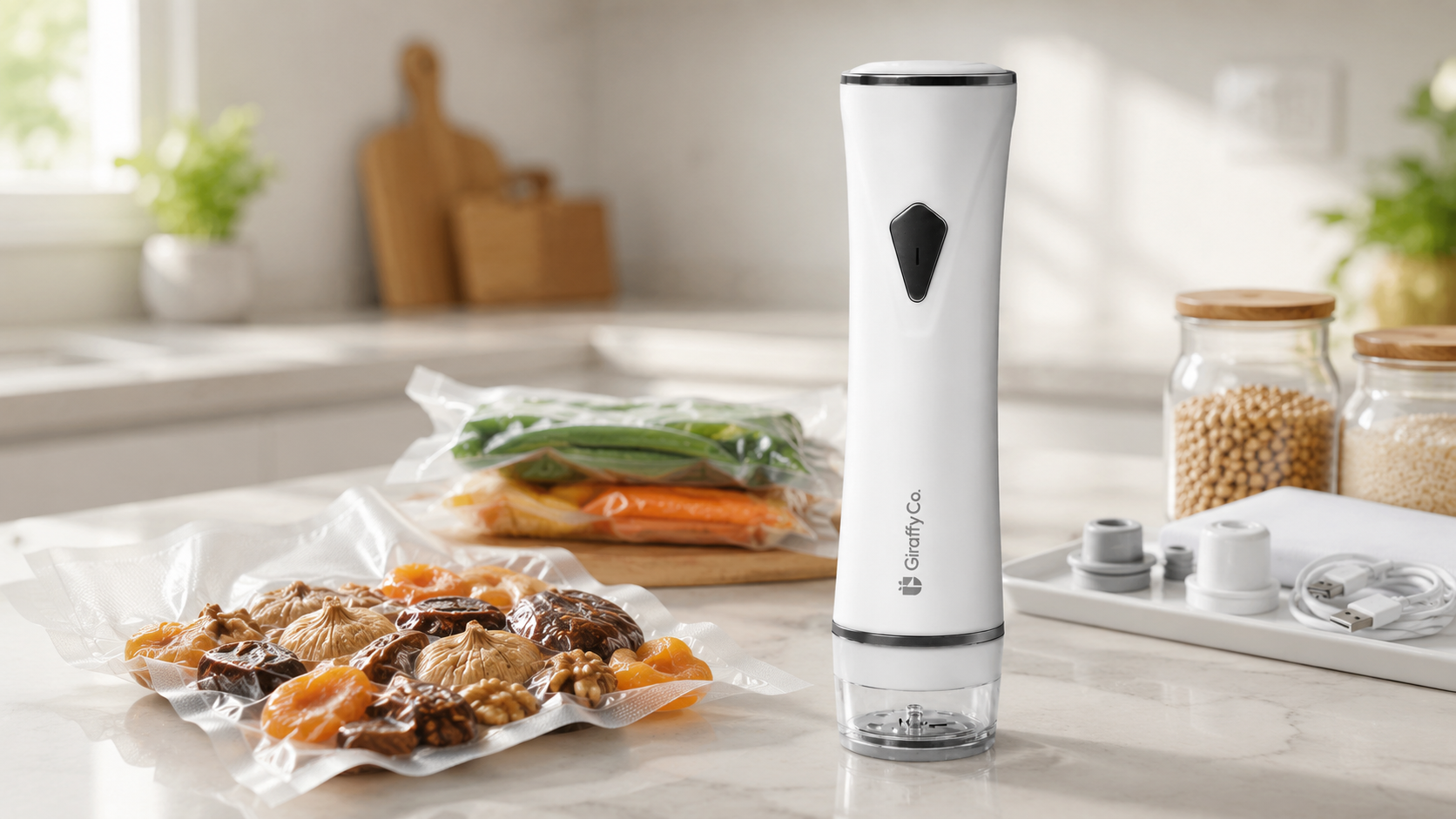
Check out our latest collection of compact vacuum sealer for food!
Not every kitchen needs the same vacuum sealing setup. Some people want a simple machine they can pair with their own bags and containers, while others want a ready-to-use set with everything included from day one. The best choice depends on how often you seal food, what you store most, and how much flexibility you want.
A vacuum sealer machine gives you more control over bag sizes, accessories, and long-term setup. A vacuum sealer set is easier for beginners because it usually includes bags, rolls, and basic tools so you can start sealing right away.
In this guide, you’ll learn how vacuum sealing works, what comes with each option, which features matter most, and how to choose the right setup for your kitchen routine.
Key Takeaways
- Standalone machines let you customize, but sets get you sealing right away with bundled bags and extras.
- Knowing the difference between suction and chamber sealers helps you match the right tech to your habits and the foods you seal.
- Long-term value depends on your kitchen routine, how much space you’ve got, and whether you’re sealing dry foods or liquids most often.
How Vacuum Sealing Works and What It Does
Vacuum sealing pulls air out of special bags or containers and seals them up tight, protecting food from the stuff that makes it spoil. The process uses a vacuum pump and a heating strip to get rid of oxygen and keep out moisture, bacteria, and freezer burn.
Vacuum Sealing Explained
You put your food in a compatible bag, then the vacuum sealer’s pump sucks the air out, either from the bag itself or from a whole chamber. The machine’s heating element melts the bag’s edges together and makes a watertight seal.
Edge sealers, which are the most common type, use suction to pull air right out of the bag’s opening. These need bags with a textured mesh lining, which helps air escape during sealing. You just stick the open end of the bag into the sealer, hit start, and the pump does its thing while the heating bar fuses the plastic.
Chamber vacuum sealers do things differently. They pull air out of the entire chamber around the bag, so the pressure inside and outside stays the same. You can use smooth bags with no mesh required, and these machines handle liquids much better since they don’t suck them toward the seal.
The Science Behind Vacuum Sealers
Oxygen is the main reason food goes bad. When you take air out of the packaging, you get rid of most of the oxygen that bacteria, mold, and enzymes need to break things down. A good vacuum sealer removes up to 99% of the air, which is pretty impressive.
Seal quality matters just as much as vacuum strength. The heating element has to hit the right temperature for long enough. Too little heat can cause leaks, while too much heat can melt right through the bag.
Different foods need different vacuum strengths. Bread or chips can get crushed if you suck out too much air, but dense foods like steak benefit from max vacuum. The best machines let you pick the vacuum level, so you don’t end up with a bag of breadcrumbs where your loaf used to be.
Benefits for Freshness, Safety, and Taste
Vacuum sealing stops freezer burn by keeping air and moisture out. That means no more sad, gray patches on frozen meat. Properly sealed food just doesn’t get those.
Food safety improves because bacteria can’t grow as fast without oxygen. It doesn’t make food sterile, but it definitely keeps things safe much longer if you refrigerate or freeze it.
You’ll waste less food since ingredients stay fresh three to five times longer than with regular storage. Cheese lasts for months, not weeks. Raw meat can stay good in the freezer for a year or more, instead of just a few months.
Vacuum sealing keeps flavor and texture locked in. The tight seal holds in natural juices, stops oxidation, which causes weird flavors, and keeps moisture from escaping. If you’re marinating, the vacuum even helps seasonings soak in faster.
Types of Vacuum Sealers and Their Unique Strengths
Most home kitchens use external sealers since they’re affordable and easy, but chamber models shine when you need to seal liquids or do a lot of batch work. Handheld sealers are portable for quick jobs, and some multi-functional machines let you use a bunch of different accessories.
External (Edge) Vacuum Sealers
External vacuum sealers, also called edge sealers or suction sealers, pull air from the open end of a bag and seal it shut with a heated rod. These countertop models are what most people picture when they think “vacuum sealer.”
They’re easy to use. Just stick the bag’s opening in, and the machine sucks out the air and seals it across the top. Many have built-in bag storage and a cutter for making custom-sized bags from rolls.
Some models offer pulse modes and manual seal buttons so you can control how much air gets removed. That’s handy for delicate foods or anything with a bit of liquid. Double-sealing is another feature we like, especially if you’re cooking sous vide or freezing things long-term.
The downside? External sealers don’t love liquids unless you freeze them first or use special settings. And you have to use textured bags so the air can get sucked out properly.
Chamber Vacuum Sealers
Chamber sealers work by putting the whole bag inside a compartment and sucking air out of the entire chamber. The vacuum forms all around the bag, then the machine seals it.
This approach means you can seal liquids without worrying about spills, since the vacuum isn’t just pulling from one end. Chamber models are great for marinating, pickling, or infusing, since the low pressure helps flavors soak in.
You can run these machines for longer sessions without waiting for them to cool down, which is nice for big batches.
They do take up more space and cost more, usually several hundred bucks more than edge models. You’ll also need smooth bags rather than textured bags. We usually see these in serious home kitchens where folks seal a lot of liquids or do big meal preps.
Handheld and Compact Vacuum Sealers
Handheld vacuum sealers attach to special valve bags or containers to pull out air, with no heat sealing involved. They use a small pump to suck air through a valve.
These are super portable and fit in a drawer. They’re perfect for quick jobs like sealing dry pantry stuff or using with containers. Some even work with mason jars, which is handy if you’re into jams or pickles.
Compact sealers are made for small kitchens or occasional use. They can’t handle wet foods because liquids would get sucked into the pump, and you can’t use them for sous vide since they don’t make a watertight seal.
We see handheld models as a nice backup, but not a full replacement for a countertop machine if you’re sealing meat or doing heavy meal prep.
Multi-Functional Models and Accessories
Some external vacuum sealers come with hoses that let you seal containers, canisters, or jars.
These let you do more than just bags. You can seal mason jars, marinating containers, and special vacuum canisters. The external pulse vacuum lets you control suction, which helps with softer foods or liquids.
Many accessory bundles include different bag sizes, jar attachments, or container adapters.
Accessories that actually help:
- Vacuum rolls for making your own bag sizes
- Jar sealer attachments for mason jars
- Marinating containers with valve ports
- Reusable zipper bags
We think multi-functional models are worth it if you like using different storage methods. They cost more up front but save you from buying multiple gadgets. Just make sure you’ll actually use the extras because they’re not much good sitting in a drawer.
Comparing Individual Machines and Vacuum Sealer Sets
Picking between a standalone vacuum sealer or a full set affects your wallet, your storage, and how fast you can jump in. Sets usually give you everything you need to start sealing immediately, while buying just the machine lets you pick accessories as you go.
What Comes in a Vacuum Sealer Set
A starter kit usually includes the base machine plus the essentials you’d otherwise buy separately. Most sets have pre-cut bags in a few sizes, a starter roll or two, and sometimes a drip tray for liquids.
Fancier kits might throw in bag holders, external hoses for canisters, or wine stoppers. Sous vide sets often include bags that can handle high temps or reusable silicone bags.
These bundles can save you a chunk of change compared to buying everything piece by piece.
Kits for beginners often come with printed guides or quick-start cards that walk you through sealing times for different foods. That guidance helps you avoid crushing bread or messing up when sealing moist foods.
Pros and Cons of Buying a Machine Alone
If you just buy the vacuum sealer machine, you get to pick accessories that actually fit your needs. You can go for better bags, skip stuff you’ll never use, or add things bit by bit as you figure out what works.
The biggest plus is you won’t end up with a pile of extras you don’t want. If you already have storage canisters or like certain bag brands, you can avoid duplicates. This is especially nice if you’re upgrading from an old machine.
That said, buying separately usually costs more up front. You’ll need to buy bags and rolls right away, which adds to the initial price. It’s not as plug-and-play as opening a full set and sealing your first bag in minutes.
If you’re on a budget, the standalone route can be a pain because tracking down compatible bags, comparing prices, and waiting for everything to arrive can be frustrating.
Suitability for Different Routines and Kitchens
If you’re meal prepping for a family every week, a kit with lots of big bags will save you from running out mid-batch.
Small kitchens with limited space do better with a compact machine and just the bag sizes you actually use. No need for a pile of unused accessories cluttering your drawers.
Sous vide fans should look for sets made for high-temp cooking. These usually include BPA-free bags and extras for liquid marinades.
First-time buyers often find starter kits less overwhelming than picking out each part separately. The all-in-one approach takes the guesswork out and gets you sealing leftovers, portioning proteins, or freezing food right away.
Feature Checklist: What to Look for Based on Your Needs
When we help folks choose between machines and sets, it usually comes down to matching features with how you actually cook and store food. Seal quality, how well it handles liquids, and bag compatibility make the biggest difference day to day.
Bag Compatibility and Storage
Bag compatibility can honestly be a headache. Some machines force you to buy only their brand’s vacuum seal bags, so you end up stuck with higher costs over time. Others let you use generic vacuum sealer bags, which is way more flexible because you can grab whatever’s on sale or whatever you already have at home.
Reusable vacuum bags usually work with most external sealers, but you’ll need sealing clips instead of heat sealing. It’s worth double-checking what bags your machine handles before you buy, especially if you’re picky about brands or have a stash of bags already.
Built-in bag and roll storage keeps things tidier. If your machine has a built-in bag cutter, you can cut bag sizes straight from the roll, no scissors needed. This saves a bit of money and definitely cuts down on clutter since you’re not juggling different bag sizes and random kitchen tools.
Starter sets toss in a few bags, but you’ll want to look at replacement bag prices before deciding. The real cost sneaks up on you with those refills, not just the initial machine price.
Handling Liquids and Marinades
Working with liquids is a different ball game compared to dry foods. Most vacuum sealers will suck up liquid into the pump if you’re not careful, which can wreck the motor and leave you with a lousy seal.
A removable drip tray catches any overflow, which is a lifesaver when you’re sealing marinated meats or anything wet. We always hunt for this feature if we’re sealing soups, sauces, or stews. Moisture detection helps too, since it tweaks suction to keep liquid from creeping up to the seal.
If you seal a lot of liquids, it’s usually best to freeze the food flat first or use the pulse function for manual control. Some machines have a marinade mode that pulls air out more gently, which is super handy for things like fresh fish or berries.
Try tilting the bags upward as you seal, or leave extra space at the top. The seal area needs to stay bone dry or you’ll end up with a weak seal.
Automatic Functions and Built-Ins
Automatic bag detection starts the vacuum cycle as soon as you slide a bag in, which makes batch sealing a breeze. This feature really shines when you’re sealing a dozen or more portions in one go.
One-touch operation takes the guesswork out of settings. The machine figures out bag thickness and food type, then auto-adjusts the pressure. That keeps delicate stuff like bread or pastries from getting squished.
Manual override is a must when you’re dealing with foods that don’t fit the presets. The pulse button gives you fine-tuned control. Honestly, we use it all the time for chips, cookies, or anything fragile.
If you’re tight on space, built-in cord storage and vertical storage options help smaller models squeeze into cabinets or tight corners. Some machines even stand upright, which is surprisingly handy.
Sealing Strength and Speed
Sealing efficiency really comes down to motor strength and how wide the seal bar is. Wider seals, like double seals or at least 3mm seals, block out air and moisture better, especially for long-term freezer storage.
You’ll want adjustable heat settings for different bag thicknesses. Thin bags need less heat, while heavy-duty ones can take more. Too much heat melts the bag, too little and you get leaks.
Cycle time matters if you’re sealing a lot at once. Faster machines finish in about 10 to 15 seconds; slower ones can drag on for 30 to 40 seconds per bag, which gets old fast during meal prep.
Motor cooling periods can slow you down. Cheaper models need breaks after sealing five to seven bags in a row, but commercial-grade ones just keep going. If you’re prepping a month’s worth of meals, that continuous run time is a real time-saver.
Popular Models and Brands in Home Kitchens
The vacuum sealer world is full of countertop models, chamber sealers, and compact handheld options. Each style has its strengths, whether you’re just storing leftovers or getting serious with sous vide. Some models just keep popping up in real kitchens and tests.
Top Picks for All-Purpose Use
A strong all-purpose vacuum sealer should balance power and ease of use. Double-seal options can give extra protection against leaks, especially for freezer storage or sous vide. No-wait sealing is also helpful if you want to move through a batch of bags quickly.
A versatile machine should let you choose between single and double seals, normal and gentle vacuum, and pulse mode. These settings help with everything from cereal to marinades. A short cooldown between uses can be annoying if you’re in a hurry, but the control you get is still valuable.
Everyday kitchen models should be reliable and easy to clean. Removable drip trays help with cleanup, while built-in bag storage keeps your sealing setup neat.
Best Choices for Sous Vide and Marinades
If you’re into sous vide, double-seal tech is non-negotiable. Two heat seals hold up better during long cook times and higher temperatures.
A chamber vacuum sealer is a step up for folks who want to seal liquids without hassle. Chamber sealers suck air out of the whole chamber, not just the bag, so they’re perfect for marinating or sealing anything juicy.
Chamber designs push marinade deep into proteins by creating pressure, which is awesome if you need a quick flavor boost before dinner.
Budget and Entry-Level Options
Entry-level vacuum sealers usually cost between $50 and $80. A basic starter model can be a solid pick for beginners because it covers the essentials for freezer storage and simple meal prep.
Budget models usually skip features like pulse mode or adjustable vacuum strength, so they’re not the best for delicate or liquid-heavy foods. They also take longer between seals.
Mid-range choices, usually around $100 to $150, offer a nice mix of features like bag cutters, more seal modes, and better motors without breaking the bank.
Long-Term Value and Kitchen Fit
You’ll pay more up front for a machine, but you save in the long run with reusable parts and cheap generic bags. Sets cost less at first, but you might be stuck replacing things more often.
Initial Investment vs. Savings
Vacuum sealer machines go for anywhere from $80 to $300, depending on features and build. Sets with bags and accessories start around $40 to $120, which looks like a deal until you factor in ongoing bag costs.
Here’s where it adds up: Machines use generic bags that run about $0.15 to $0.30 each if you buy in bulk. Sets often need proprietary bags, which can be $0.50 to $1.00 a pop. If you seal a lot, those costs pile up fast.
From what we’ve seen, frequent users break even in 3 to 6 months if they go with a machine and cheap bags. If you’re sealing groceries every week or doing big meal preps, the savings add up fast. If you’re only sealing once or twice a month, a set might last years before the bag costs catch up.
Cost Comparison Over One Year
| Usage Pattern | Machine + Generic Bags | Set + Proprietary Bags |
|---|---|---|
| 4 seals/week | $150 + $31 = $181 | $80 + $104 = $184 |
| 2 seals/week | $150 + $16 = $166 | $80 + $52 = $132 |
Speed matters too. Machines usually seal a bag in 8 to 15 seconds, while budget sets can take up to 30 seconds per bag. That’s a big difference if you’re doing a lot at once.
How to Choose for Your Storage and Cooking Habits
Your kitchen habits really decide what’s best. If you buy meat in bulk, freeze garden veggies, or go all-in on sous vide, a machine handles the workload and gives you solid, long-term storage.
Sets work better in small kitchens or if you only seal food now and then. They’re a good way to test the waters before investing in a bigger machine.
Some quick scenarios:
Go for a machine if you:
- Seal food 3+ times a week
- Need reliable, long-term storage
- Want to use affordable generic bags
- Have space for a 5 to 6 pound unit
Go for a set if you:
- Only seal food once or twice a month
- Need compact tools for a tiny kitchen
- Want to try vacuum sealing before spending more
- Like having everything bundled together
Think about your cooking style too. Sous vide fans need watertight, durable seals, and machines usually do that best. If you’re just freezing leftovers, a set might be all you need, as long as bag costs and sealing time don’t drive you nuts.
Frequently Asked Questions
Here are quick answers to the most common questions about vacuum sealer machines, starter sets, bags, and everyday food storage.
What is the difference between a standalone vacuum sealer machine and a starter vacuum sealer set for everyday meal prep?
A standalone vacuum sealer is just the device, so you buy bags, rolls, and extras separately. A starter set usually includes the machine plus bags or rolls, making it easier to start meal prepping right away.
What should I look for when buying a vacuum sealer if I freeze a lot of food and batch cook weekly?
Look for strong suction, adjustable settings, a wide seal bar, roll compatibility, and a removable drip tray. These features help with bulk sealing, freezer storage, and wet or delicate foods.
What are the two main types of vacuum sealers, and which one makes the most sense for a typical home kitchen?
The two main types are external vacuum sealers and chamber vacuum sealers. Most home kitchens do best with external sealers because they are compact, affordable, and easy to use for everyday food storage.
What are the biggest downsides of vacuum sealing food, and how can you avoid the common mistakes?
Soft foods can get crushed, liquids can affect the seal, and short bags can waste material. Use gentle or pulse mode, freeze wet foods first, and leave 2 to 3 inches of space at the top of the bag.
How do you use vacuum sealer bags correctly to get a reliable seal without wasting bags?
Keep the bag opening clean, dry, and flat. Leave enough space above the food, place the open end correctly in the vacuum channel, and use the right setting for dry, moist, or delicate foods.
Can you seal vacuum bags without a vacuum sealer, and when is that good enough for short-term storage?
Yes. You can use the water displacement method with a freezer-safe zip-top bag. It works for short-term fridge storage, quick marinades, or occasional sous vide, but a vacuum sealer is better for long-term freezing.
Share:
How to Choose Gifts for Beginner Golfers Who Want to Practice at Home
Which Foods Should Go in Vacuum Canisters Instead of Vacuum Sealer Bags?