

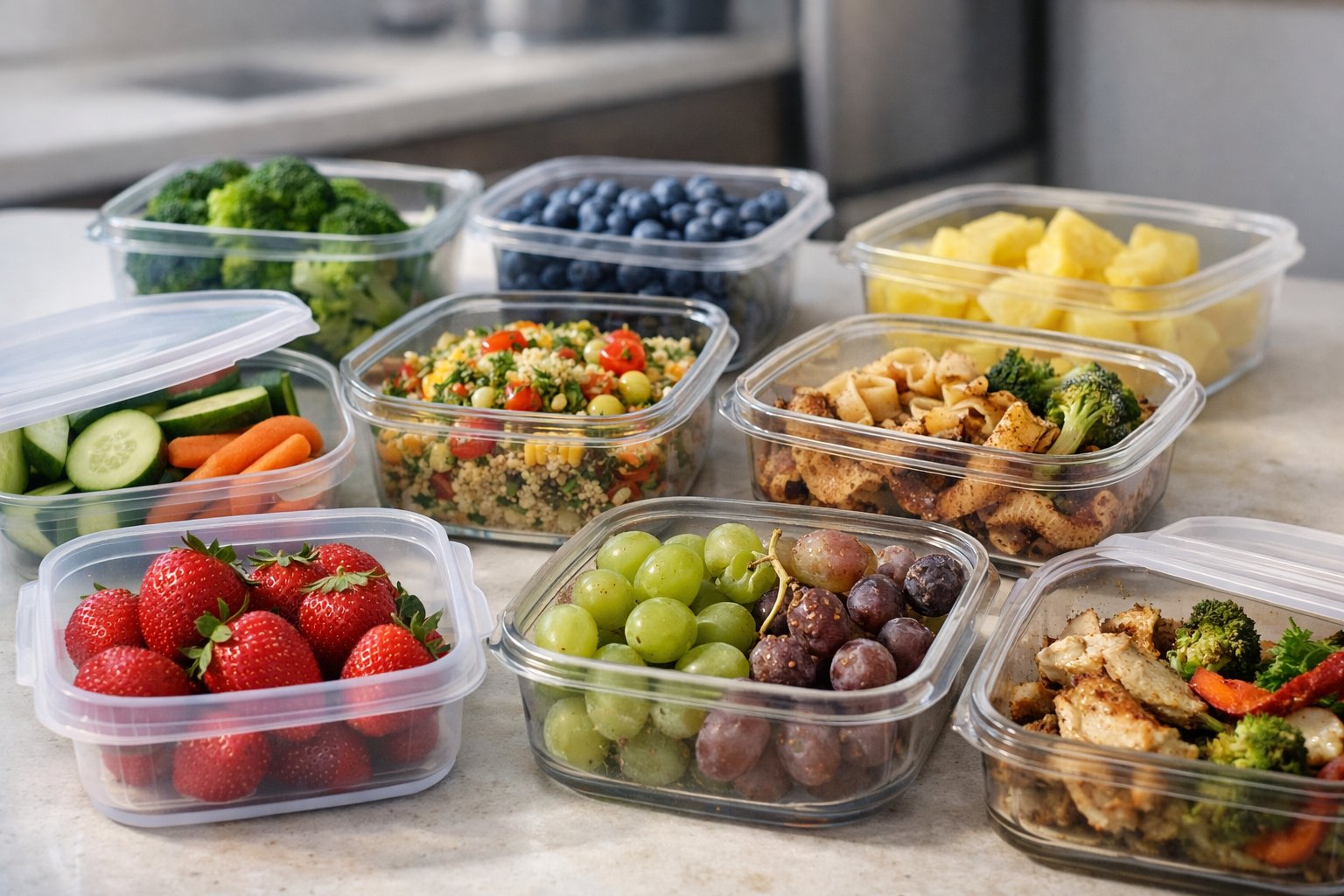
Check out our latest compact vacuum sealer for food collection!
Opening leftovers from last night's dinner often brings disappointment when the vibrant flavors you remember have faded into something dull and unappealing.
We've all had that moment, yesterday's perfectly seasoned meal now tastes flat or weirdly stale. Why does this keep happening? Every time stored food meets the air, a bunch of chemical reactions start up and steadily eat away at its flavor.
When you let food meet the air over and over, oxygen kicks off oxidation, which breaks down fats and oils into the stuff that makes food taste rancid and off, while enzymes and microbes change the original taste.
How fast this happens? Depends on the food, how often you open the container, and what your kitchen is like. Some foods lose their charm within hours, others hang on for a few days.
Key Takeaways
- Repeated air exposure triggers oxidation, turning fats and oils into compounds with nasty, rancid flavors
- Chemical reactions and microbes together chip away at both taste and safety every time food gets a fresh hit of oxygen
- Smart storage that limits air contact keeps food tasting like it should for way longer
How Air Exposure Triggers Flavor Loss in Stored Food
Oxygen gets into food and starts breaking down flavor molecules, changing how things taste and smell. It's not always about spoilage—sometimes food just tastes off, even if it’s technically still safe. Managing how much air gets to your food really affects how long it keeps its original flavor and aroma.
The Role of Oxygen in Accelerating Flavor Changes
Crack open a container and oxygen jumps right in, reacting with the food's chemistry. This is oxidation, and it messes with the compounds that give food its best aromas and tastes. Those compounds are what make leftovers smell and taste like the meal you cooked, not just generic “fridge.”
Temperature plays a big role. Warmer storage speeds up oxidation, so you’ll notice flavor changes much faster if you leave food out or store it in a warm spot.
What oxidation does:
- Breaks down the aroma compounds that make food smell good
- Creates off-flavors and weird odors from fats and oils going bad
- Messes with texture and changes the food’s structure
- Causes discoloration as oxygen reacts with different molecules
A lot of these changes start before you see or smell anything wrong. Flavor shifts happen quietly, so you might think the food’s just old when really, it’s just been hit with too much air.
Difference Between Spoilage and Flavor Loss
Spoilage and flavor loss aren’t the same thing. Spoilage means microbes have moved in and made the food unsafe. Flavor loss is more about chemical changes—food tastes stale or weird, but it might still be safe to eat.
Oxygen can ruin taste without any bacteria involved. The food’s molecules break down, making new stuff that just doesn’t taste right. For example, acetaldehyde can make things smell sharp, and ethyl acetate can add a weird, astringent bite.
Enzymes in the food help this along. They react with oxygen and break down texture and aroma, even if you’re storing things at the right temperature and keeping bacteria at bay.
Importance of Food Quality During Storage
How well you keep air away from your food decides if it keeps tasting right or turns gross. Once flavor compounds break down, there’s no fixing it—prevention is the only real option.
A good seal keeps oxygen out. But every time you open the container, you let more in, and the process starts up again. That’s why food you keep dipping into loses flavor way faster than stuff you open once and finish.
How to keep food tasting better:
- Fill containers up to minimize extra air inside
- Use airtight seals
- Don’t keep opening and closing the same container
- Store food cold whenever you can
Oxygen also chips away at nutrients, not just taste. What starts as a little flavor change eventually ruins the whole eating experience and even the food’s health benefits.
Chemical Changes That Lead to Loss of Flavor
Every time you let stored food breathe, chemical reactions start breaking down the good stuff—the flavors, the aromas, the textures. Oxidation is the main culprit, but enzymes and other breakdowns get in on the action.
Oxidation Processes and Rancidity Development
As soon as oxygen touches fats and oils, they start breaking down. That’s oxidation, and it’s why things taste stale or even a little soapy.
Rancidity can come from two places. Hydrolytic rancidity happens when water splits up fats, releasing free fatty acids that taste bitter or just plain weird. Oxidative rancidity is when oxygen attacks unsaturated fats, making peroxides and aldehydes—hello, cardboard flavor.
Foods that go bad fastest:
- Nuts and seeds
- Cooking oils
- Butter and margarine
- Whole grains
- Dried meats
Foods with lots of polyunsaturated fats go downhill the quickest. Their chemical structure just makes them more vulnerable to oxygen.
Enzymatic Browning and Its Effect on Taste
Cut or bruise certain foods, and enzymes get to work. Polyphenol oxidase, for example, reacts with oxygen to make brown pigments—melanins. But it’s not just color; the taste changes too. Apples get mealy and less sweet. Avocados turn brown and lose that buttery flavor.
These enzymes also break down aroma compounds, making food taste flat or even bitter. They work fastest at room temperature, but you can slow them down with cold or acid.
Lipid Oxidation and Off-Flavors
Lipid oxidation is a flavor killer. When fats meet oxygen, they produce hydroperoxides, which then break down into aldehydes, ketones, and alcohols.
These byproducts taste bad. Hexanal gives a grassy, almost paint-like flavor. Other aldehydes can make things taste metallic or fishy.
How it goes down:
- Initiation – Free radicals form from heat, light, or metal exposure
- Propagation – Free radicals multiply with oxygen
- Termination – Stable compounds form, but the flavor’s already wrecked
Every time you open the container, more oxygen gets in and keeps the process rolling. Foods with more unsaturated fat just can’t catch a break.
Microbial Growth and Its Impact on Flavor and Safety
Repeatedly letting air into stored food gives bacteria, molds, and yeasts a chance to move in. They don’t just make food go bad—they actually change the way it tastes, sometimes long before you see anything wrong.
Spoilage Microorganisms in Stored Food
Every time you open a food container, you invite in more oxygen and, honestly, more germs from your hands and kitchen. Bacteria like Pseudomonas love protein-rich foods and break down fats and proteins into smaller, often smelly compounds. Molds and yeasts pop up on sugary or acidic foods, especially if you keep opening the container.
Different foods attract different bugs. Canned stuff can get Bacillus or Clostridium, while fresh produce is a playground for Aspergillus and Penicillium. Dairy? Psychrotrophic bacteria that keep working even in the fridge.
Moisture and temperature decide how fast microbes take over. Every new exposure brings more oxygen and more contamination, speeding things up.
Bacterial and Fungal Off-Flavors
Bacteria make food taste bad by breaking down proteins into things like putrescine and cadaverine—yep, they taste as nasty as they sound. Fats go rancid, adding soapy or metallic notes.
Molds and yeasts bring their own set of problems. They make musty, earthy, or chemical flavors that can take over a whole dish. Some even make trimethylamine, which is why spoiled fish smells like ammonia.
Warning signs:
- Sour or acidic notes from lactic acid bacteria
- Bitterness from protein breakdown
- Fruity or boozy flavors from yeast
- Rotten, sulfurous smells
Sometimes, these flavor changes show up before you see mold or anything else wrong.
Risks of Foodborne Illness
Some microbes don’t just ruin flavor—they’re dangerous. Certain molds make mycotoxins that stick around even if you scrape off the mold. Those toxins can make you sick, even from small amounts.
Bacterial pathogens like Salmonella or Staph aureus can multiply between openings, especially if food sits at the wrong temperature. Staph makes toxins that survive cooking, and Clostridium in canned or vacuum-packed foods can make deadly botulinum toxin.
The scariest part? You often can’t see, smell, or taste dangerous microbes until it’s too late. Temperature control is your best bet for keeping the bad guys at bay.
Physical Changes: Moisture, Texture, and Flavor Decline
Repeated air exposure doesn’t just mess with chemistry; it changes the way food feels and tastes in your mouth. Moisture moves in or out, textures break down, and weird smells creep in—sometimes before you see any mold or obvious spoilage.
Moisture Loss and Staleness
Bread is the classic example. Open the bag a few times and water escapes, starches crystallize, and suddenly your bread is dry and flavorless, even if it’s still safe.
Crackers and chips have the opposite problem—they suck up moisture from the air and go soft. That crunch you love? Gone. Cheese left unwrapped dries out and gets a hard, bland rind. Nuts and seeds lose their aromatic oils, so they taste flat and cardboard-like. Every time you open the container, you speed up these changes.
Texture Changes Impacting Taste
Texture and flavor are linked in ways you might not realize until something feels wrong. Cookies that go soft taste less sweet and satisfying. The way food feels actually changes how flavor hits your tongue.
Fruits and veggies show it, too. Apples get mealy and lose their snap. Lettuce wilts and goes slimy, making it taste less fresh. Pasta and rice leftovers harden with each air exposure, and reheating doesn’t really fix it. The food just gets less appetizing, even before it actually spoils.
Absorption of Unwanted Odors
Food’s a bit of a sponge for whatever’s floating around in the air—especially when we store it wrong. Leave butter or milk uncovered in the fridge, and they’ll soak up garlic, onion, or fish smells from nearby. That flavor transfer? It can make your food taste pretty weird.
Baked goods don’t fare much better. Cakes and pastries left exposed in the fridge can take on odd flavors in just a few hours. Their sweetness gets masked, and suddenly your pastry tastes like last night’s leftovers. Ground coffee is another culprit—it loses its own aroma and picks up everything else, leaving you with a cup that’s just... off.
Every time we open a container, the food inside meets whatever’s floating through the kitchen or fridge. Cross-contamination of flavors sneaks up fast, so airtight storage really becomes a must if you want food to taste like itself.
Storage Methods to Prevent Air-Related Flavor Loss
To keep air out, we need barriers—special containers, changing the air inside, or sucking it out altogether. These tricks slow down the stuff that makes food taste stale or odd, like oxidation and microbe growth.
Benefits of Airtight Containers
Airtight containers seal out oxygen and moisture. Good ones use special films or gaskets that block air, slowing down bacteria, mold, and yeast since they need oxygen to thrive.
Airtight storage tackles the main flavor killers head-on. By shutting out oxygen, it reduces those nasty reactions that make fats go rancid and steal away aroma. Plus, it keeps moisture where it belongs, so texture and taste stick around longer.
Not all containers are equal, though. Multi-layered ones with rubber or silicone seals keep things fresher than basic plastic. Glass containers with locking lids are great, especially for oils, spices, and dried goods that lose their punch fast if exposed.
How Vacuum Sealing Works
Vacuum sealing sucks the air out before sealing food up tight. This removes nearly all the oxygen, so your food lasts way longer—no freezer burn, no weird drying, and a lot less flavor loss.
With oxygen gone, bacteria and mold can’t grow, and the original flavor and aroma stick around. Meats, cheeses, and coffee beans especially benefit since their oils go rancid quickly if exposed. Plus, vacuum-sealed foods don’t dry out, so you avoid that papery taste after a while in the freezer.
Modified Atmosphere Packaging Solutions
Modified atmosphere packaging (MAP) swaps out regular air for a custom gas mix. Usually, we see more nitrogen for foods that hate oxidation, like coffee, nuts, and dried fruits. Nitrogen doesn’t mess with flavor, just keeps oxygen away. Some packages even include little oxygen-absorbing packets to mop up any leftovers.
Sometimes, they bump up the carbon dioxide to slow bacterial growth in produce and ready-to-eat foods. This slows down the enzymes that make things taste funky over time, so fruits and veggies keep their aroma and taste longer.
Preservation Techniques and Smart Storage Habits
Temperature control—refrigeration and freezing—is our best tool for fighting flavor loss from air. Consistent freezer temps and routines that limit how often we open things make a big difference.
Refrigeration and Freezing for Flavor Protection
We lean on refrigeration and freezing because they slow down oxidation, which trashes flavor when food meets air. Refrigeration works for short-term storage, keeping things fresh for days or weeks at 32°F to 40°F. This slows down enzymes and microbes, though it doesn’t stop them.
Freezing goes further. If you freeze food in airtight containers, you basically pause those chemical reactions. Heavy-duty freezer bags or tightly sealed containers work best—just squeeze out the extra air first.
Fresh herbs, proteins, and leftovers all last longer with quick refrigeration or freezing. Wrapping things in a couple layers before freezing gives extra protection from air sneaking in.
Managing Freezer Temperature
Freezer temperature matters—a lot. Keeping it at 0°F or below helps food keep its flavor. If the temp bounces around, ice crystals form and melt, which messes with texture and lets air inside the packaging.
Critical Temperature Guidelines:
- Standard freezing: 0°F or lower
- Deep freezing: -10°F to -20°F for longer storage
- Never above: 5°F
It’s worth checking your freezer temp weekly with a thermometer. Manual-defrost freezers usually keep temperatures more stable than auto-defrost models, which is good for long-term storage.
Effective Food Storage Routines
Good storage habits make a difference. Use a first-in, first-out system so older stuff gets used before it loses quality. Label every container with the date—it saves you from opening things just to check.
Our Essential Storage Checklist:
- Move ingredients to airtight containers right after opening
- Store frequently used items in smaller portions to cut down on air exposure
- Keep a running inventory to avoid opening containers unnecessarily
- Do weekly checks to spot anything nearing its flavor peak
We organize the fridge and freezer by ingredient type and how often we grab them. Stuff we use daily goes up front, so we don’t disturb everything else.
Recognizing and Responding to Signs of Spoilage
When we keep opening stored food, it helps to know what spoilage looks and smells like. Spotting problems early keeps us safe and cuts down on waste.
Visual and Sensory Indicators
Our senses are the first defense. Look out for mold—white, green, black, or blue fuzz on bread, cheese, fruits, and veggies. Discoloration matters, too: brown spots on produce, gray or green meat, yellowing dairy.
Texture changes are telling. Slimy surfaces on meat or veggies? That’s bacteria. Soft spots or unexpected mushiness mean the food’s breaking down. Always check before eating.
Smell is a big clue. Sour dairy, ammonia-like meat, or fats that smell like paint—all bad signs. If it smells off, don’t taste it.
For canned goods, watch for swollen lids, broken seals, or bulging cans. That’s a red flag for bacterial contamination.
Food Safety Practices to Minimize Waste
We can waste less and stay safe with a few smart habits. First-in, first-out keeps older items moving. Dating containers when we open them helps track air exposure.
Keep the fridge at 40°F or below to slow microbes. Store opened items in airtight containers, and use smaller portions to cut down on repeated air exposure.
When in doubt, toss it. Safety always beats saving a few bucks. If you see spoilage, mold, odd smells, or weird textures, just get rid of it. Cutting off moldy parts doesn’t make food safe—there’s more going on than you can see.
For risky foods—meat, seafood, dairy, cooked leftovers—stick to recommended storage times, even if they look fine. Bacteria can grow without obvious warning signs.
Frequently Asked Questions
Air exposure speeds up oxidation in fats and oils, plus moisture evaporates, messing with flavors. The right storage slows these changes and keeps food tasting like it should.
How does exposure to air impact the taste of stored foods?
Air kicks off oxidation, which especially hits fats and oils. When oxygen meets these, you get rancid, stale flavors—think of those nuts or chips you forgot about.
It really depends on the food. Herbs and spices lose their aroma fast, which is why a new jar smells so much better than one that’s been open for months. Dried foods can get soggy or develop odd flavors as they pull in moisture.
Fresh stuff gets hit from both sides. Dry fridge air pulls out moisture, and oxygen breaks down flavor. That onion half you left uncovered? It’ll smell sharp but taste flat after a couple days.
Can you tell me if letting food sit out affects its flavor over time?
Leaving food out at room temp just makes everything worse. Enzymes work faster in warmth, breaking down the stuff that makes food taste good.
It’s not just chemistry, either. Bacteria love room temperature, and their waste makes things taste sour or putrid. What seems fine after a few hours can turn gross by the next day.
Warmth plus air exposure is a recipe for fast spoilage. Oxidation speeds up, so cut fruit or uncovered sauce falls apart way quicker on the counter than in a sealed fridge container.
What are the consequences of not covering food during storage?
Uncovered food in the fridge loses moisture as the cold, dry air circulates. Some flavors get stronger, others fade, and you end up with a weird, unbalanced taste.
There’s also the flavor-mixing problem. Strong-smelling foods share their aromas with everything else. Butter or milk can pick up fish or garlic notes, and suddenly nothing tastes right.
Surface oxidation ramps up, too. Fats on meats and cheeses react with oxygen, leaving off-flavors and weird colors you’ll want to cut off before eating.
How does repeated air exposure influence the shelf-life of food?
Every time you open food to the air, oxidation and contamination start up again. Repeatedly opening containers lets in fresh oxygen, which slowly ruins flavor and nutrition.
Temperature swings from taking food in and out also matter. Condensation forms, and that moisture helps both chemical reactions and bacteria do their thing.
You’ll notice this with foods like nuts. A jar you dip into daily goes rancid much faster than a sealed one, even if both started out fresh. The damage adds up with each exposure.
In what ways do storage conditions alter the original flavor profile of food items?
Temperature controls how fast enzymes and chemicals break down flavor. Cold slows things down, which is why the fridge helps, but it doesn’t freeze everything in time.
Humidity decides if food dries out or soaks up moisture, changing flavor strength. Dried herbs in a humid spot get limp and bland, while fresh produce in dry air shrivels and turns bitter.
Light, especially for oils and fats, speeds up rancidity. That’s why olive oil comes in dark bottles and nut butters in opaque jars—light just ruins the taste faster.
What steps can I take to preserve the freshness and taste of my stored ingredients?
Try to keep air away from your food—grab containers that actually fit what you're storing, so there’s barely any empty space at the top. Airtight glass or food-safe plastic containers do a solid job of keeping oxygen out. That way, your ingredients aren’t constantly getting hit with air and losing their edge.
If you buy in bulk, splitting things into smaller batches makes a difference. Only open what you’ll use soon, and stash the rest away sealed tight. You’ll really notice the flavors sticking around longer this way.
Cold helps slow down spoilage, but just tossing stuff in the fridge isn’t enough. Wrap things up or cover them, or you’ll end up with dried-out food and weird fridge smells mixing together. For stuff you grab often, maybe keep a little on hand and hide the rest away, so you aren’t always cracking open your main stash.
Vacuum sealing is kind of a game-changer, especially for things like nuts or coffee that go bad fast. If you don’t have a vacuum sealer, just pressing plastic wrap right onto the surface of your food can help keep air out. It’s not perfect, but honestly, it works better than nothing.
Share:
How to Organize Freezer Storage for Easy Rotation and Usage
How to Organize Freezer Storage for Easy Rotation and Usage