

Check out our latest compact vacuum sealer for food collection!
Daily cooking doesn't have to feel like an endless cycle of chaos and cleanup. The most efficient way to manage daily cooking tasks is to combine clear counters, organized zones, prep-ahead habits, and a clean-as-you-go mindset that keeps your kitchen in constant flow.
When we treat our kitchens like workstations instead of storage dumps, meal prep gets faster, less stressful, and honestly, way more enjoyable.
We've all stood in front of a cluttered counter, kind of frozen, wondering where to start. But efficiency isn't about fancy gadgets or a huge budget. It's about repeatable systems that cut out wasted motion, keep fresh ingredients visible, and make cleanup feel almost automatic.
Whether you're cooking for one or feeding a whole crew, the right habits can turn your kitchen from a frustration zone into a space that actually helps you out.
Let’s get into the strategies that professional cooks and super-organized home chefs rely on to streamline their routines. From smart storage hacks to little workflow tweaks that shave minutes off every meal, these are the tools and habits that make cooking feel less like work and more like, well, something you might actually look forward to.
Key Takeaways
- Keeping counters clear and organizing by zones means you don’t waste time searching for tools and ingredients
- Meal planning plus weekly fridge cleanouts reduce food waste and make sure fresh ingredients are always ready
- Clean-as-you-go habits and strategic prep routines turn chaotic cooking into a much smoother process
The Fundamentals of Efficient Daily Cooking
Managing daily cooking tasks really comes down to how time moves through the kitchen, building a workflow that fits your life, and knowing what needs attention first. These three things are the backbone of a kitchen that runs without constant stress.
Why Time Management Matters in the Kitchen
Time management in the kitchen isn’t about rushing or cutting corners. It’s about noticing where our minutes actually disappear and making choices about how we spend them.
If you track your cooking, you’ll probably find you lose 15-20 minutes per meal to avoidable stuff. We’re talking searching for tools, stopping mid-recipe to hunt for ingredients, or just standing around while something simmers when we could be prepping the next thing.
The big payoff? Less stress. When you know what needs to happen and when, cooking feels less like chaos and more like something you’re in control of. You’re not scrambling to get dinner on the table at 6:30—you’ve already mapped out your next steps.
Common time drains to ditch:
- Searching for ingredients mid-recipe
- Unplanned cleaning that interrupts your flow
- Prepping ingredients too early so they sit and oxidize
- Waiting at the stove when you could be multitasking
Defining an Efficient Cooking Workflow
An efficient workflow means prepping and cooking happen together, not as separate steps. This “tandem cooking” approach saves a lot of time compared to the classic restaurant-style mise en place where you prep everything before you even start.
So, you heat your pan or get water boiling first. While that’s happening, you chop your first ingredients. Those go into the pan, and while they cook, you prep what’s next. The trick is syncing your prep speed with your cooking intervals.
Read the recipe all the way through before you start. Pick out natural breaks—like simmering, reducing, or resting—and use those to get more prep done. A timer helps when you need to stir occasionally but don’t want to stand there the whole time.
If you’re new to this, start simple. As you get more comfortable, you’ll find it easier to handle more complex meals.
Prioritising Tasks and Prep Time
Getting stuff done in the right order is huge. Start with whatever takes the longest—boiling water, preheating the oven, or starting a long-cooking protein.
Then, prep ingredients in reverse order of when they’ll hit the pan. Things that cook longest get prepped first. Quick-cooking veggies or garnishes can wait until later. This keeps cut produce fresh and your counter less crowded.
Task order that works:
- Turn on heat sources (oven, stovetop, grill)
- Prep proteins and anything that needs more time
- Prep medium-cooking veggies
- Handle quick-cooking stuff last
- Do garnishes and finishing touches while things finish cooking
Think about which ingredients spoil or brown quickly—like avocados, apples, potatoes. Cut those last or toss with lemon juice right away.
Strategic Meal Planning for the Week
Meal planning can turn daily cooking from a stress-fest into something a lot more manageable. We’re talking about making a realistic weekly schedule, prepping ingredients ahead, and knowing what you’ve already got so you don’t waste food or time.
Creating a Weekly Meal Plan
Pick a consistent day each week to plan your meals. Check your calendar for busy nights, count heads, and note any dietary needs. Assigning themes to days (like pasta Mondays or soup Wednesdays) narrows down choices without feeling boxed in.
List three or four dinners you already know how to make, then toss in one or two new recipes for variety. Write it all down somewhere visible—a calendar, whiteboard, whatever works—so everyone knows what’s coming. No more “what’s for dinner?” panic at 5pm.
Things to keep in mind:
- Family schedules and late nights
- Ingredients that work for multiple meals
- Balance of proteins, veggies, grains
- Realistic cook times for busy days
Incorporating Meal Prepping and Batch Cooking
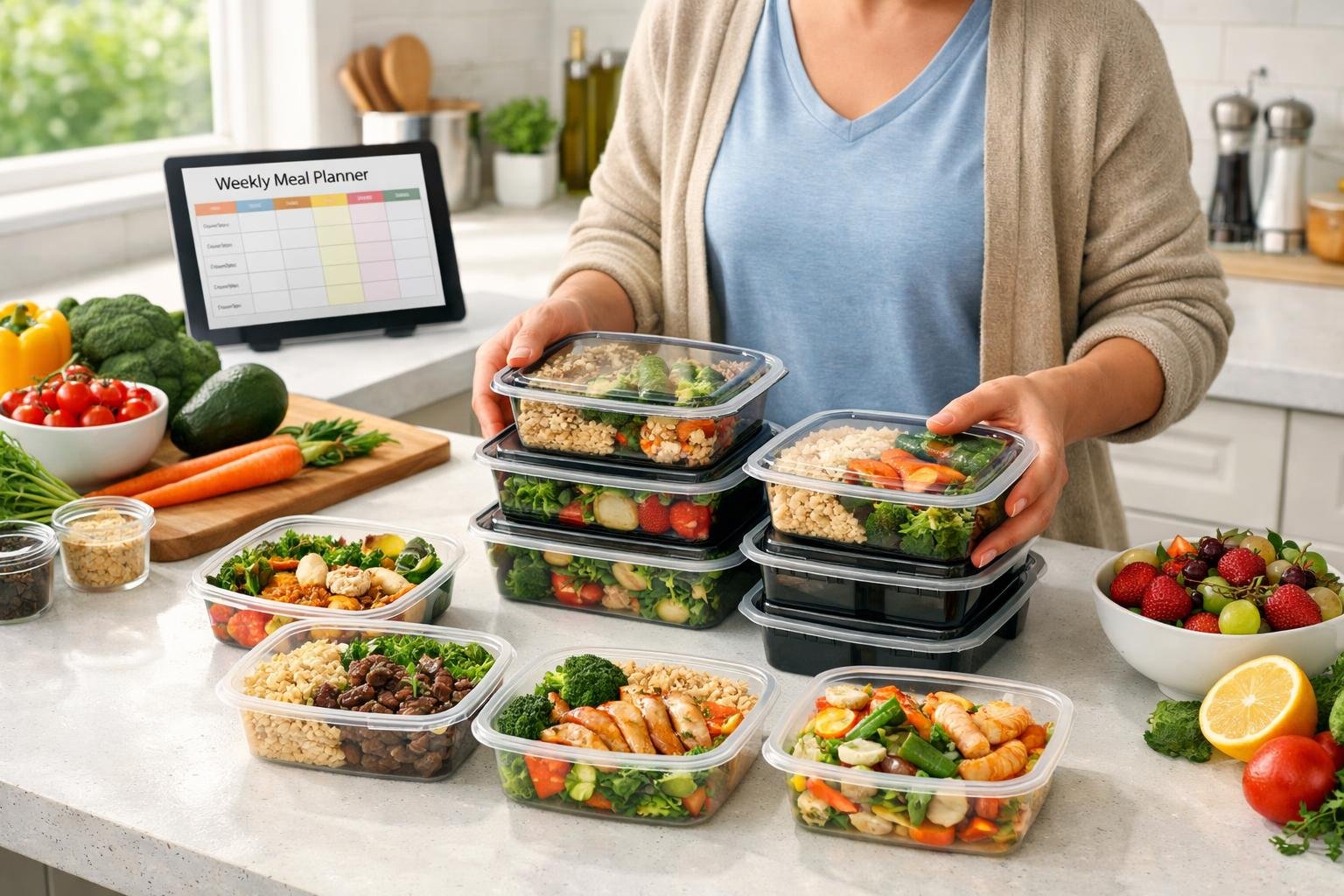
Batch cooking is about making big batches of basics or full meals in one go. Set aside a couple of hours on a weekend or day off to cook grains, roast veggies, portion proteins, and whip up sauces that’ll last all week.
Focus on versatile stuff. Cook a big pot of rice, roast a few kinds of veggies, grill some chicken—mix and match all week. Soups, stews, and casseroles are perfect since they taste even better after a day or two.
Store everything in clear, labeled containers with dates. That way, you know what’s what, and nothing gets lost in the back of the fridge. Most batch-cooked food stays good for four or five days in the fridge, or up to three months in the freezer. Weeknight cooking becomes more about assembly than starting from scratch.
Inventory Management for Fresh Ingredients
Before you plan meals or shop, do a quick scan of your fridge, freezer, and pantry. Takes maybe ten minutes, but it stops you from buying duplicates or letting food rot. Move older stuff up front so it gets used first.
Sort by category: proteins, produce, dairy, grains, pantry staples. Keep a running list on paper or your phone. It’s not fancy, but it works. You’ll start to see what you actually use and what just sits there.
For fresh stuff, plan meals with delicate greens or herbs early in the week. Save heartier veg like carrots or broccoli for later—they last longer. This way, you use everything at its best and waste way less.
Kitchen Organisation for Everyday Ease
A well-organised kitchen saves time and keeps high-traffic spots functional when you need them most. The right storage and work zones can make daily cooking way less of a hassle.
Setting Up a Clutter-Free Kitchen
Be ruthless about what lives on your counters. Only keep the stuff you use daily—coffee maker, knife block, maybe a mixing bowl.
Everything else? Find it a home in a cabinet or drawer. Use the “one month rule”: if you haven’t used it in a month, it doesn’t need to be within arm’s reach. Seasonal gadgets and specialty tools go up high or in the pantry.
Daily essentials to keep handy:
- Cutting boards
- Chef’s and paring knives
- Wooden spoons and spatulas
- Salt and pepper
- Cooking oils
Aim for enough breathing room so you can wipe down your counters in under a minute at the end of the night. That’s a solid test for a clutter-free kitchen.
Smart Storage Solutions and Prep Bowls
Prep bowls are game-changers and deserve a drawer near your main prep spot. They’re perfect for holding chopped veggies, measured spices, or whatever you need prepped before cooking.
A stackable set of glass or stainless bowls barely takes up space. Keep them in a drawer right below your cutting board so you’re not hunting for them. Drawer dividers help keep everything in place.
Match storage containers to what you actually use. Drawer organizers for utensils, lazy Susans for corners, pull-out shelves for pots and pans—these little upgrades make a big difference. Use vertical racks for baking sheets and cutting boards.
Under the sink, stackable bins or pull-out caddies keep cleaning stuff contained but easy to grab when you need it.
Creating Efficient Work Zones
Break your kitchen into three zones: prep, cooking, and cleanup. Each area should only have what you need for that task, so you’re not running laps during meal prep.
Put your prep zone between the fridge and sink. Store knives, cutting boards, prep bowls, colanders, and mixing tools here. If it’s within arm’s reach, you’ll use it.
Your cooking zone centers on the stove. Pots, pans, utensils, most-used spices, and oils belong here. A drawer or crock by the stove holds spatulas and tongs.
Cleanup happens around the dishwasher and sink. Keep everyday dishes and cutlery in cabinets right by the dishwasher for easy unloading. Trash and recycling bins should be close to where you do most of your prep.
The goal? Fewer steps between related tasks. When your stuff matches how you naturally move, efficiency just sort of happens.
Time-Saving Techniques and Tools
Streamlining daily cooking starts with the right gear and a workspace that actually works for you. Combine smart gadgets with solid prep strategies, and you can seriously cut your kitchen time.
Leveraging Kitchen Gadgets for Speed
A food processor turns chopping veggies from a 15-minute slog into a 30-second breeze. Dice onions, shred carrots, mince garlic—no tears, no fuss.
Instant Pots and pressure cookers are time machines. Dishes that used to need all day—pot roasts, beans, stews—are done in 20 or 30 minutes.
A good blender makes soups, sauces, and smoothies in no time. Slow cookers let you toss in ingredients in the morning and come home to dinner. Stand mixers knead dough while you do something else.
But don’t buy gadgets you won’t use. If you make soup every week, a blender’s worth the counter space. If you never bake, stash that mixer away.
Mastering Mise en Place
Mise en place is just having everything measured, chopped, and ready before you start cooking. Chefs swear by it because it stops the mid-recipe scramble.
Spend ten minutes getting all your ingredients prepped. Chop veggies, measure spices, trim proteins. Put everything in little bowls or containers by the stove.
Sharp knives and good cookware make this faster and safer. A dull knife slows you down and makes even tomatoes a chore. A sturdy, non-slip cutting board saves your fingers and your time.
This setup cuts down on mistakes too. When you’re not racing to chop garlic while something’s burning, you actually enjoy cooking more. You can focus on doing things well instead of just getting them done.
One-Pot Meals and Sheet Pan Wonders
One-pot meals are lifesavers for cooking and cleanup. Brown meat, toss in veggies and liquid, let it all simmer together. You get deep flavor and just one pot to wash.
Sheet pan meals do the same thing in the oven. Arrange protein and veggies on a pan, season, and roast. Dinner’s done, hands-free, while you set the table or pack tomorrow’s lunch.
These methods don’t need much babysitting. No juggling multiple pots or timing everything perfectly. It all finishes together.
Plus, you can riff on them with any cuisine. Sheet pans work for everything from roast chicken and potatoes to salmon and asparagus. One-pot meals can be pasta, rice bowls, stir-fries—just change up the seasonings and ingredients.
Optimizing Kitchen Workflow and Delegation
Dividing up tasks and simplifying routines can cut down cooking time and make meals taste better. We try to match folks to jobs that suit them, use tech when it actually helps, and keep communication open while we cook.
Task Delegation and Effective Communication
Delegation works best when we give people jobs that fit their skills and schedules. Maybe one person tackles veggies while another handles proteins—suddenly, you’re working in parallel and things move way faster.
Talking to each other is key. We check in as we go, so no one repeats a step or skips something important. This matters even more when the kitchen gets crowded.
A few communication tricks:
- Announce when you’re preheating the oven
- Let others know before you open the fridge or oven
- Double-check ingredient amounts before starting
- Say when your area needs a quick clean
Written task lists help a ton. We stick them up where everyone can see and cross things off as we go. It keeps us on the same page without endless shouting across the room.
Automation to Make Life Simpler
Automated gadgets can seriously lighten the load. Slow cookers, instant pots, rice cookers—they’ll handle whole dishes while you do something else.
Timers are lifesavers. We set a few for different dishes and label each one. If you’ve got smart kitchen gear, you’ll get a ping on your phone and can step away for a sec without risking disaster.
Food processors and stand mixers speed up the boring stuff. They’ll knead dough or slice veggies in seconds, saving a lot of effort.
Designating Cooking Tasks by Strengths
Letting people do what they’re good at just works better. If someone loves chopping, hand them the knife. If another person’s great at timing, let them run the stove.
We talk honestly about what each person likes and can do. Some folks find chopping veggies relaxing, others want the action of sautéing or grilling.
When handing out tasks, think about:
- Physical comfort (like standing or grip strength)
- Experience with certain techniques
- How comfortable someone is with heat or knives
- Patience for detail work
Switching up roles now and then keeps things fresh and helps everyone learn. We do this during chill meals, not when we’re on the clock or expecting guests.
Daily Habits for Maintaining Kitchen Flow
Good routines—like cleaning up as you go, keeping tools handy, and tracking ingredients—turn chaos into smooth sailing. These habits keep your kitchen running and meal prep on track.
Clean as You Go for Maximum Efficiency
Honestly, cleaning as you cook saves so much hassle later. When you finish chopping, rinse the board while the pan heats. If a pot’s done simmering, wash it before you plate up.
We keep a bowl of hot, soapy water nearby. Used utensils go straight in, so nothing gets crusty or gross. It’s a small thing that saves a lot of scrubbing.
Treat counters as work zones, not storage. After each step, take a moment to wipe down and put things away. By dinner, only the dishes you actually used are left.
Keeping Tools and Ingredients Within Reach
Put your go-to tools and ingredients where you use them. Oils, salt, pepper, and wooden spoons belong by the stove, not buried in a pantry.
We group gadgets by what they do. Baking stuff in one drawer, cutting tools in another. It’s easier to grab what you need without thinking about it.
Magnetic strips for knives and metal tools are a game changer. Drawer dividers keep whisks and spatulas upright and visible. When everything has a spot, you spend less time searching.
Routine Checkups and Inventory Freshness
A quick weekly fridge check stops food waste and last-minute ingredient runs. We set aside ten minutes (usually Saturday) to toss old stuff and pull forward what needs eating soon.
We do the same for the pantry and spices. A running list on our phone (or a fridge notepad) helps us remember what’s running low. Spot you’re almost out of tomatoes? Jot it down right then.
Group perishables by how soon they’ll go bad. Herbs and greens front and center; sturdy veggies in the back. Seeing what needs using helps with meal planning.
Frequently Asked Questions
Everyday cooking always brings up questions about saving space, keeping food fresh, and making things easier. Here’s what we get asked most.
How can I optimize my kitchen counter and storage space?
Keep only items used at least four times a week on the counter; store the rest in drawers or on high shelves, and group similar items together (cutting boards near prep areas, oils by the stove, spices within arm’s reach) while utilizing vertical space with magnetic strips and pegboards.
What’s the best way to keep vegetables fresh and crisp longer?
Control moisture by lining crisper drawers with paper towels, wash and dry leafy greens thoroughly then wrap them in tea towels inside containers, and store root vegetables properly, carrots and celery upright in water, potatoes in a cool, dark place away from onions.
How should I organize my pantry for maximum efficiency?
Group items by cooking use (baking supplies together, breakfast items on one shelf, dinner staples at eye level), use clear containers for quick visibility, and employ shallow shelves or risers so nothing gets hidden in a second row.
What are the smartest meal prep strategies to save time while keeping great flavor?
Prep in stages rather than full meals—chop all vegetables at once, marinate proteins the night before, and batch-cook versatile basics like grains, roasted vegetables, or proteins that can be turned into multiple different meals throughout the week.
How can I maintain fresh ingredients without complicated tracking systems?
Immediately write the purchase date on packages with a permanent marker, rotate stock by moving older items to the front and newer ones to the back, and use clear storage bins so contents are visible at a glance.
Share:
How Can You Prep Ingredients Faster Without Losing Quality
How Do You Keep Cooked Meals Tasting Fresh After Reheating