

Check out our latest compact vacuum sealer for food collection!
Storing food properly isn’t just about tossing things in the fridge and hoping for the best. There’s a real difference between how you handle raw and cooked foods, and it’s not just a bunch of nitpicky rules. The main thing? Raw foods always go below cooked foods, and you want them in separate, sealed containers to avoid cross-contamination and slow down bacterial growth.
Let’s be honest, most of us have stood in front of the fridge, wondering where to stash that leftover chicken or whether it’s okay to put raw veggies next to last night’s pasta. Raw foods come with bacteria that cooking destroys, so they need extra care and strict separation. Cooked foods? They’re ready to eat, but they’re sitting ducks for contamination from anything raw.
How we store things doesn’t just affect safety, it totally changes how long our food stays fresh, how much we end up throwing out, and how smooth our kitchen routine feels. Getting this right protects our health and keeps our meals tasting like they should.
Key Takeaways
- Raw foods always go below cooked foods to keep drips and bacteria from ruining your leftovers
- Keep an eye on temperature and use airtight containers for both safety and quality
- Organizing and separating raw from cooked foods helps cut down on waste and keeps foodborne illness at bay
Why Storage Methods Matter for Raw and Cooked Foods
Raw and cooked foods have different spoilage timelines and face different bacterial threats, so you can’t just treat them the same way. The storage tricks that keep raw chicken safe aren’t what you’d use for pasta, and mixing up these approaches can really mess things up.
Main Differences in Raw and Cooked Food Storage
Raw foods—like meat, poultry, and seafood—are loaded with bacteria that multiply fast if you don’t keep them cold enough. These belong in the coldest part of your fridge, usually the bottom shelf, at 32°F to 35°F. That way, if anything leaks, it won’t drip onto foods that are ready to eat.
Cooked foods have already been through the heat that kills most bacteria. Now, your goal is to keep new bacteria out and slow down staleness. Airtight containers are your friend here. Once food cools, you’ve got about two hours to get it into the fridge before bacteria start multiplying.
Temperature zones aren’t the same for everything. Raw produce likes the high-humidity crisper, but cooked leftovers just need a reliably cold spot below 40°F.
Impact on Food Safety and Quality
If you mess up storage, foodborne illness is almost inevitable. Raw foods stored wrong turn into perfect breeding grounds for bacteria like Salmonella and E. coli. If raw juices touch your ready-to-eat items, you’re asking for trouble.
Quality goes downhill in its own way for each food. Raw veggies lose their crunch and nutrients if they’re too dry or too damp. Cooked foods get weird textures or off-flavors if you leave them uncovered or let them sit too long.
Storing food properly really does cut down on waste. Raw meat lasts just a couple of days in the fridge but months in the freezer. Cooked leftovers give you a few days in the fridge or months in the freezer, if you’re careful about temperature and containers. Otherwise, you’ll be tossing out food that could’ve been perfectly good.
Key Principles for Storing Raw and Cooked Foods
Safe storage is really about keeping things cold, separating raw from ready-to-eat, and picking containers that keep out air and moisture.
Temperature Control and the Danger Zone
Keep your fridge between 32°F and 40°F—shoot for around 35°F if you can. Freezer? That stays at 0°F or lower. These numbers aren’t just for show; they actually stop bacteria from multiplying like crazy.
The “danger zone” is 40°F to 140°F. Bacteria love it there and can double in just 20 minutes. Raw meats and seafood need the coldest shelf—bottom of the fridge, 32°F to 35°F.
Storage Temperature Guidelines:
| Food Type | Refrigerator Temp | Freezer Temp | Max Time Before Freezing |
|---|---|---|---|
| Raw Meat/Poultry | 32-35°F | 0°F or below | 1-2 days |
| Seafood | 30-34°F | 0°F or below | 1-2 days |
| Cooked Foods | 32-40°F | 0°F or below | 3-4 days |
Grab a food thermometer and check your fridge and freezer every so often. The built-in displays aren’t always spot on. And when you’re cooling cooked food, remember you’ve got about two hours to get it down to fridge temp before bacteria start multiplying.
Preventing Cross-Contamination
Raw foods always go on the bottom shelf. If you put raw chicken up top, those juices will drip onto everything—gross and risky. Keep raw meats, poultry, and seafood in sealed containers or leak-proof bags down low. That way, nothing drips where it shouldn’t.
Use different cutting boards for raw and cooked foods. Clean all your surfaces, utensils, and hands after handling raw stuff. Don’t skip washing storage containers with hot soapy water, especially after they’ve held raw meat or fish.
Container Choices and Airtight Solutions
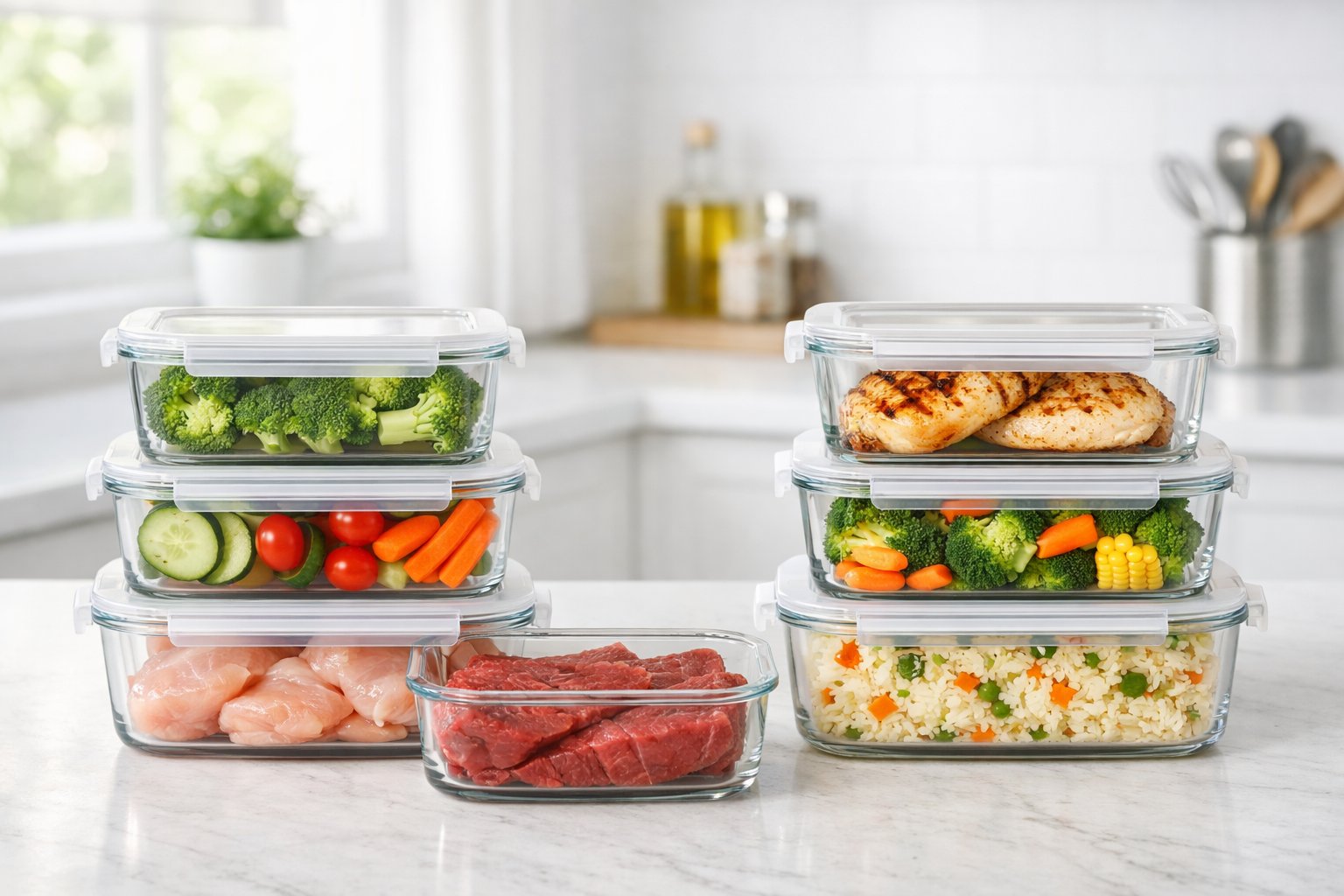
Airtight containers keep out oxygen and moisture—the main enemies of freshness. Go for glass or food-safe plastic that actually seals.
For the fridge, shallow containers are better than deep ones. They help food cool faster and more evenly. If you’ve got a big batch of leftovers, split them into smaller containers so everything chills quickly and stays safe.
Freezer bags made for the cold hold up better than regular storage bags. Squeeze out as much air as you can before sealing. Heavy-duty freezer bags are best for raw meats, while solid containers work well for soups and cooked dishes.
Label everything with the contents and date. It’s easy to forget what’s what. Clear containers help you see inside without opening them, which means less temperature fluctuation from opening the fridge too often.
Storing Raw Foods: Best Practices
Raw foods need specific temperatures and real separation to keep bacteria in check. You’ve got to know your fridge settings, get the right packaging, and put things in the right spot to keep everything fresh and safe.
Raw Meat, Seafood, and Poultry
Always store raw meat, seafood, and poultry on the bottom shelf. It’s the simplest way to stop juices from contaminating other foods.
Raw meat should be at 32°F to 35°F and used or frozen within 1-2 days. Poultry can hang on for 2-3 days, seafood needs 30°F to 34°F and should be cooked within 1-2 days. Keep everything tightly wrapped in its original packaging or move it to sealed containers.
If you’re not using raw proteins soon, freeze them right away. Press the air out of freezer bags to dodge freezer burn. Most raw meats last 3-6 months in the freezer at 0°F or below.
Never store raw food right next to ready-to-eat items. Even wrapped, bacteria can still spread through drips or contact.
Fresh Fruits and Vegetables
The crisper drawer is for produce, but not all fruits and veggies want the same thing. Leafy greens and cruciferous veggies like humidity; peppers and squash prefer it drier.
Tomatoes, bananas, and avocados stay out of the fridge until they ripen, then you can chill them to slow things down. Potatoes, onions, and garlic like a cool, dark pantry instead.
Too much moisture makes produce rot, too little dries it out. Perforated bags help items that need airflow; sealed containers are good for cut produce. Wash fruits and veggies right before eating, not before storing, since extra moisture speeds up mold.
Dairy and Eggs
Keep dairy on the interior shelves, where the temperature is steady—usually 35°F to 38°F. The fridge door gets warm every time you open it, so skip storing milk there, no matter what the little shelf says.
Eggs do fine in their original carton on a middle or top shelf. The carton keeps out odors and helps eggs last longer. Hard cheeses outlast soft ones; wrap cheese in parchment or wax paper, then tuck it in a loose plastic bag so it can breathe.
Yogurt, sour cream, and cottage cheese need to be sealed and eaten by their use-by dates. Don’t pour unused dairy back into the original container—that just spreads bacteria and ruins the whole batch.
Storing Cooked Foods: Best Practices
Cooked foods need to cool down fast, go into proper containers, and stay at the right temp to keep them safe and tasty. Let’s run through how to cool, pack, label, freeze, and reheat your leftovers without any drama.
Cooling and Refrigerating Cooked Dishes
The two-hour rule for cooked foods is serious. Anything left out longer is in the danger zone.
Cool hot dishes fast before they hit the fridge. Split big portions into smaller, shallow containers so they chill quickly. A giant pot of soup takes ages to cool, but a few smaller containers get cold in under an hour.
Your fridge should be between 32°F and 40°F. Most cooked foods last 3-4 days, but soups and stews—especially the wetter ones—are best within 2-3 days.
Put cooked foods on the upper shelves, away from anything raw. Airtight containers keep them from drying out and stop odors from spreading.
Packing, Labeling, and Shelf Life
Glass or food-safe plastic containers with tight lids are your best bet for cooked food. Get as much air out as you can before sealing.
Labels matter. Write what’s inside and the date. It keeps you from playing “what’s that smell?” weeks later.
Here’s a rough guide for common cooked foods:
| Food Type | Refrigerator (3-4 days) | Freezer (2-6 months) |
|---|---|---|
| Cooked meat & poultry | 3-4 days | 2-6 months |
| Soups & stews | 2-3 days | 2-3 months |
| Cooked rice & pasta | 3-4 days | 1-2 months |
| Casseroles | 3-4 days | 2-3 months |
Check stored foods often. If it smells weird, looks off, or feels slimy, just toss it—even if the date says it’s fine.
Freezing and Reheating Strategies
Freezing cooked foods is a game changer. Let food cool completely before freezing or you’ll get freezer burn—those icy patches that ruin taste and texture.
Use heavy-duty freezer bags, not the flimsy ones. Squeeze out excess air and lay them flat to save space. Keep your freezer at 0°F or below.
Freeze in meal-sized portions so you only thaw what you’ll eat. Smaller portions thaw faster and more evenly.
Thaw in the fridge, not on the counter. If you’re in a rush, use cold water or the microwave. When reheating, make sure the food hits 165°F all the way through to kill off any bacteria. And only reheat what you’ll eat—don’t keep reheating leftovers, since that just invites spoilage and zaps the flavor.
Choosing and Organizing Storage Spaces
How we set up our storage spaces makes a real difference for food safety and kitchen flow. Putting raw meats on the lowest shelves keeps their juices from dripping onto cooked foods. Assigning specific spots for different types of food just makes everything easier, and it keeps things fresher longer.
Refrigerator and Freezer Layout
Think of organizing the fridge as building a safety net, not just cramming things wherever they fit. Raw meats, poultry, and seafood? Those always go on the bottom shelf. That way, if anything leaks, it won’t ruin your leftovers or salad fixings above.
Cooked foods and leftovers get the upper shelves, tucked away in sealed containers to lock in moisture and keep smells from mingling. The middle shelves are perfect for dairy and eggs—these need stable temps but aren’t as risky as raw proteins.
Walk-in fridges should have clear sections for raw and cooked stuff, with signs or even barriers if you can swing it. Freezers follow the same logic: raw ingredients away from ready-to-eat meals, and everything gets a date label so you know what’s what. In bigger units, you really have to keep an eye on the temperature since cold and warm zones pop up.
Dry and Pantry Storage
Dry storage is a different ballgame. Opened dry goods go in airtight containers to keep moisture and pests out. Grains, flour, and baking supplies stay in cool, dark spots—heat and humidity mess with their quality fast.
Grouping pantry items by type and using a rotation system helps a ton. Put new stuff behind the old, so you use up what you have before it expires. Raw ingredients like beans and pasta should be kept separate from ready-to-eat or processed foods, though you don’t have to worry as much about cross-contamination here.
Humidity sneaks up on you. We avoid stashing dry goods near sinks, dishwashers, or anywhere that gets steamy.
Smart Storage in Commercial Kitchens
If you’re running a commercial kitchen, things get stricter. Color-coded systems are a lifesaver—red for raw meat, yellow for poultry, green for produce, blue for cooked foods. It’s not just for looks; it really cuts down on mix-ups.
Walk-ins need shelves that let air circulate, and food never sits right on the floor. Always keep at least six inches between food and the walls. First-in, first-out isn’t optional here; you just can’t afford to waste inventory.
Temperature logs and equipment checks keep things running smoothly. Deep cleans happen during slow shifts, and every new staff member gets trained on storage basics right away.
Food Safety Guidelines and Standards
Food safety rules set the line between safe and risky storage. Keeping raw and cooked foods at the right temps, labeling everything, and cleaning up properly are the basics that protect everyone from foodborne illness.
Compliance and Labeling
Fridges need to hold steady at 40°F (4°C) or below, and freezers at 0°F (-18°C) or colder. These numbers aren’t suggestions—they’re what actually stop bacteria like Salmonella and E. coli from getting out of hand.
Labeling is our insurance policy against mistakes and waste. Every container gets marked with what’s inside and when it went in. Raw meats? Those need clear labels for type and purchase date. Cooked foods get prep dates.
A few quick timelines to keep in mind:
Refrigerator Storage
- Raw meat and poultry: 1-2 days
- Raw seafood: 1-2 days
- Cooked leftovers: 3-4 days
- Raw produce: 3-7 days, depending on the item
Freezer Storage
- Raw meat: 3-12 months, depending on the cut
- Cooked meals: 2-6 months
- Raw vegetables: 8 months
Always keep raw foods below cooked ones in the fridge. That way, if anything leaks, it won’t contaminate the stuff you’re ready to eat.
Cleaning, Sanitation, and Food Handling
How we handle food makes or breaks safe storage. Wash your hands before touching anything, and use separate boards for raw meats and ready-to-eat foods.
Containers need a real wash with hot, soapy water between uses. A quick rinse won’t cut it—bacteria love to hang on, especially at room temperature. Glass and food-safe plastics are the best bets; older, scratched containers can harbor germs.
The two-hour rule is key. Don’t let cooked food sit out longer than that, or bacteria start multiplying fast. Refrigerate leftovers quickly, and split big portions into shallow containers so they cool down faster.
For raw ingredients, airtight packaging keeps air and spoilage out. Freezer-specific bags are worth it—they hold up better and prevent freezer burn. Always squeeze out extra air before sealing.
Sustainable Storage Methods and Environmental Impact
Sustainable storage isn’t just about feeling good—it actually cuts waste and keeps food in better shape. Food waste is a huge chunk of global emissions, so how we store things matters for our wallets and the planet.
Reducing Food Waste with Smart Storage
You’d be surprised how much food you can save just by storing it right. Smart systems can keep food fresh 2-4 weeks longer, meaning fewer trips to the store and less stuff going bad.
FIFO (first-in, first-out) is the way to go. Keep older items up front so they get used before new ones. Clear containers with date labels make it easy to see what needs eating soon. This one habit can save a household around $1,500 a year.
Different foods need different temps. Dairy and eggs do best at 38-40°F on middle shelves, produce at 35-38°F in drawers. Keeping things in the right spots helps them last and keeps their nutrients intact.
Eco-Friendly Storage Containers and Practices
Let’s be honest—single-use plastics are out. Switching to sturdy, reusable containers pays off. Glass jars last forever and don’t leach chemicals. Stainless steel is lightweight and tough for dry goods or lunches.
Sustainable Container Options:
- Glass containers for everything from grains to soups
- Stainless steel for things that need to stay cool or packed lunches
- Silicone bags (some last up to 3,000 uses) for freezing and reheating
- Beeswax wraps instead of plastic wrap
With these, you can ditch disposable bags entirely. Glass doesn’t hold onto smells or stains, and vacuum sealing with reusable bags can keep food fresh 3-5 times longer—sometimes up to 3 years in the freezer without the dreaded freezer burn.
Frequently Asked Questions
Raw and cooked foods need different storage strategies. Nailing down temperature, picking the right containers, and keeping things organized all help keep your food safe and tasty.
How should I adjust my storage practices to maximize the shelf life of both raw and cooked foods?
Cool cooked foods fast—ideally within two hours—before sticking them in the fridge. Break big batches into smaller, shallow containers so they chill evenly.
Raw foods need their own rules. Store raw meats at 32°F to 35°F on the fridge’s bottom shelf, wrapped tight to keep juices from escaping. Most raw meats last 1-2 days in the fridge; poultry can go 2-3 days.
When freezing, push out as much air as possible to dodge freezer burn. Raw meats freeze well for up to six months; cooked meals, 2-6 months. Always label with contents and dates.
What are the cardinal rules for keeping raw foods from contaminating cooked items in the kitchen?
Raw meat, poultry, and seafood always go on the fridge’s bottom shelf. That way, nothing drips onto your ready-to-eat foods.
Use separate, airtight containers for cooked and raw foods. Raw produce gets the crisper drawer, and leftovers take the higher shelves.
Clean and sanitize surfaces, boards, and tools after handling raw foods. Having a separate cutting board for meats is a must.
Could you dish out the ideal temperature settings for storing a variety of food items safely?
Keep the fridge at or below 40°F, but 32°F to 35°F is even better for raw meats. Use a thermometer—don’t trust the built-in dial.
Freezers stay at 0°F or below. Food’s safe at that temp indefinitely, though it loses quality over time.
Seafood’s a bit picky. Store it at 30°F to 34°F and use it within 1-2 days—don’t push your luck here.
What are the golden guidelines for organizing my pantry and fridge to accommodate both raw and cooked ingredients?
Organize the fridge by risk. Ready-to-eat and cooked stuff goes on top; raw ingredients stay low. Make the bottom shelf your raw meat zone.
In the pantry, use FIFO. New stuff in the back, old stuff in the front. That way, you use things before they expire.
Don’t cram the fridge full. Leave space for air to move around so everything stays cold.
Can you spill the beans on the top storage containers that keep the freshness of foods in-check, whether they're raw or ready-to-eat?
Airtight containers made of glass or BPA-free plastic are our go-to for cooked foods—they don’t hold odors or stains and keep air out.
For the freezer, use heavy-duty freezer bags or containers meant for freezing. Regular storage bags just don’t cut it for long-term use.
Raw meats usually stay in their store packaging for a day or two, but if you repackage, wrap them tight in plastic or foil and stick them in a sealed container to catch leaks.
What savvy kitchen habits should I adopt to prevent food poisoning while storing different types of food?
We don’t leave food out at room temperature longer than two hours—raw or cooked. That goes for meal prep and after dinner, too.
Before popping leftovers into the fridge, we make sure the food’s cooled down enough but hasn’t been sitting out for ages. When it’s time to reheat, we aim for an internal temp of 165°F to knock out any lurking bacteria.
Honestly, we go with our gut. If something smells weird or feels off, it goes straight to the trash. No meal’s worth getting sick over. And yeah, the fridge gets a regular cleanout. It’s the only way to keep track of what’s still good and what’s just taking up space.
Share:
How to Store Cheese So It Doesn’t Sweat, Dry Out, or Absorb Odors
How to Store Cheese So It Doesn’t Sweat, Dry Out, or Absorb Odors