

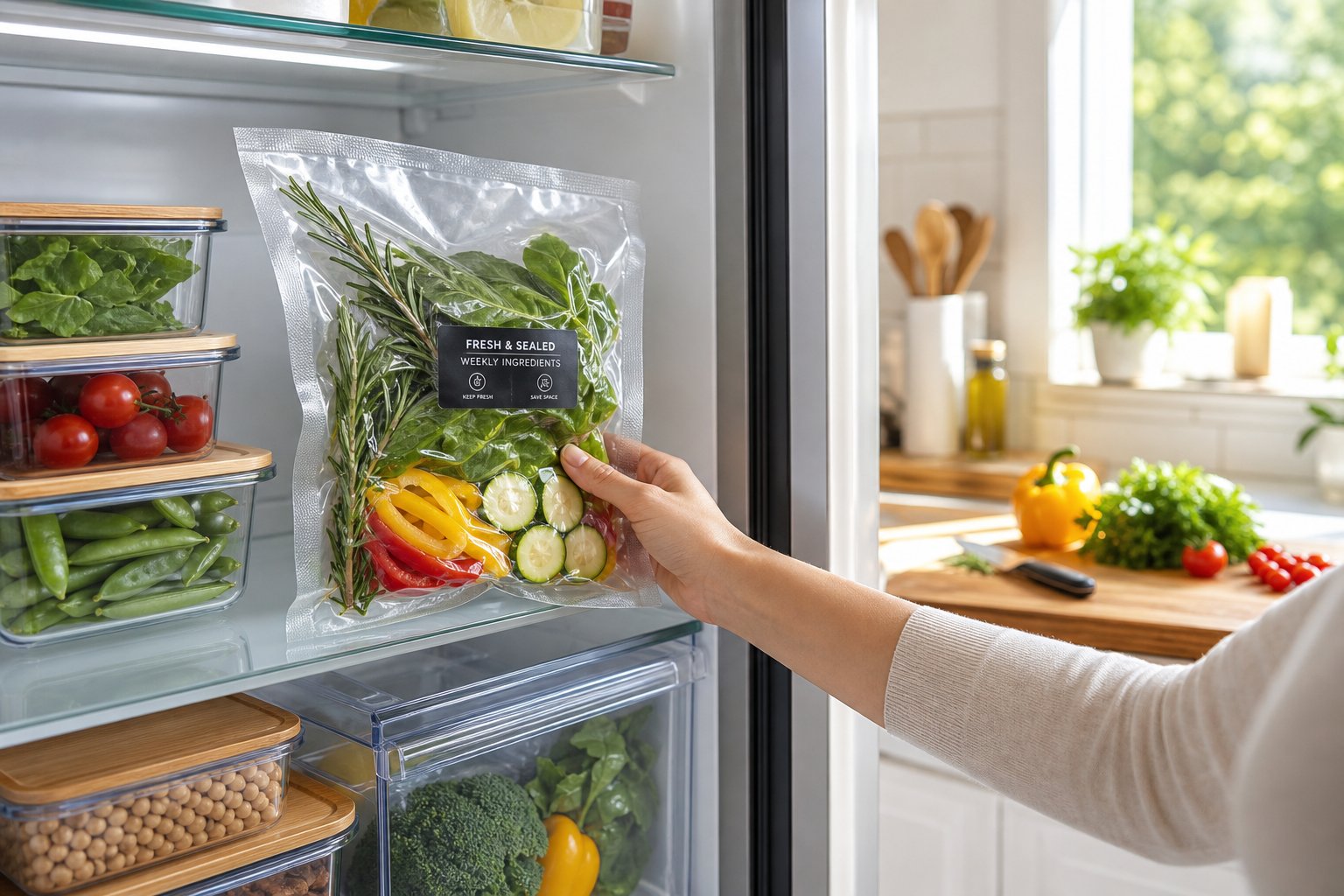
Check out our latest collection of compact vacuum sealer for food!
Your first vacuum storage setup can make the difference between a home that feels organized and one where bulky items keep getting in the way. For first-time buyers, the goal is simple: choose a practical spot, keep the right accessories together, and make storage easy enough to use every day.
A simple setup should include a wall-mounted dock or dedicated closet corner for your vacuum, plus a small basket, hooks, or organizer for cords and attachments. This keeps everything visible, easy to grab, and less likely to become clutter.
You do not need expensive built-ins or complicated storage systems to get started. Whether you use a cordless stick vacuum, a classic upright, vacuum storage bags, or a handheld pump, this guide will show you what to include, where to store it, and how to build a setup that keeps your home cleaner and more organized.
Key Takeaways
- Pick a central, easy-to-reach spot near an outlet so you can grab and charge your vacuum without hassle
- Use wall mounts or tuck it into a corner to save floor space
- Keep all the attachments and accessories together, because it will make cleaning so much easier
Essential Equipment for Vacuum Storage Success
You really need just three things for a solid vacuum storage setup: quality bags that actually stay sealed, a good way to suck out the air, and valves that don’t give up after a few uses. People often grab the cheapest bags and end up with re-inflated messes and wasted effort. Don’t be that person.
Choosing the Right Vacuum Storage Bags
The bag’s material really makes a difference. Go for multi-layer bags at least 80 microns thick, especially if you’re packing bedding or towels. Thinner bags? They’ll probably spring leaks in no time.
I’d look for bags with a textured or embossed side. Those little channels help air escape faster, so the vacuuming step doesn’t drag on forever.
And size? It matters more than you’d think. Jumbo bags seem like a deal, but if you half-fill them, you just waste space and they don’t compress well. Here’s a quick guide:
Standard Bag Sizes for Common Items:
- Small (16x20 inches): Travel clothes, throw pillows
- Medium (20x28 inches): Standard bed pillows, light blankets
- Large (28x40 inches): Comforters, heavy winter coats
- Jumbo (40x50 inches): King-size bedding, multiple blankets
Clear bags really help. You can see what’s inside without ripping them open, which is handy if you’re storing things up on high shelves for months.
Selecting an Efficient Vacuum or Pump
If you already own a vacuum with a hose, you’re set. Most upright and canister vacuums work with standard storage bags, so you don’t need to buy a separate pump.
Hand pumps are cheap and fine for the occasional bag, but honestly, they get old fast if you’re compressing a bunch of bedding or bulky coats.
Electric pumps make things easier if you’re handling a lot of storage. Battery-powered ones are portable, but AC-powered models give more consistent suction, which is great for thick stuff like comforters.
Always check if your pump matches the bag’s valve. Some brands use weird, proprietary valves that force you to stick with their stuff, which is annoying.
Understanding Storage Bag Valves and Seals
Double-zip seals are the most reliable. I always run my fingers over the seal a couple of times each way. Missing even a tiny spot can let air sneak back in.
Valves are usually where things go wrong. The best ones use a one-way gasket that blocks air from creeping in after you’ve compressed the bag. Flip valves with sturdy caps tend to last longer than slide valves, at least in my experience.
Some bags have screw-on caps for extra protection. It’s one more step, but worth it if you’re storing stuff for months.
After you vacuum, test the seal by pressing on the bag and listening for leaks. A good bag stays compressed for at least 48 hours, and the better ones last 6-12 months if you store them right.
Preparing Home Textiles for Storage
Getting your fabrics ready keeps them fresh and helps vacuum bags work better. Clean, dry stuff compresses more and won’t get musty or smelly.
Sorting and Folding Bedding
Wash bedding before storage to get rid of oils, dust, and allergens. Make sure everything, including sheets, duvet covers, and pillowcases, is totally dry. Even a little dampness can cause mildew in a sealed bag.
Sort bedding by size and type. Keep queen sets with queen, king with king, etc. You’ll thank yourself when you’re digging for a specific set later.
For folding, use your bed or a clean table. Fold fitted sheets by tucking the corners in, then fold into thirds and roll or square it up. Flat sheets and pillowcases are easier. Just fold them to match.
I like to stash whole sheet sets inside one of their pillowcases. It’s a simple trick that keeps everything together, even after you pull them out of storage.
Best Practices for Compressing Towels and Linens
Towels compress really well. Wash and dry them first. Oddly enough, older towels squish down better than fluffy new ones.
Fold bath towels lengthwise, then roll or fold tight. Stack hand towels and washcloths flat or roll them. Group similar sizes together for even layers in the bag.
Kitchen linens, including dish towels and napkins, fold flat and stack easily. They don’t take up much space, but vacuum sealing still helps, especially when you’re storing them with bigger items.
Don’t over-compress delicate or fancy linens. Everyday cotton and microfiber towels are fine in bags, but heirloom or embroidered stuff can get permanent creases. For those, just lay them flat on a shelf with a bit of tissue paper.
Hangers, Drawer Organizers, and Closet Prep
Clear out your shelves and organizers before you start. You’ll probably find blankets or bedding you forgot about. It is the perfect time to decide what to store or donate.
Use hangers for bedding or throws you use often. Save vacuum bags for seasonal or backup stuff. A laundry basket works well as a temporary spot while you’re sorting.
Drawer organizers help keep compressed bags sorted by type. Label bags with what’s inside and the date. Put heavier bags on lower shelves so they don’t topple over.
I like to keep some laundry supplies nearby. Tossing a dryer sheet in the closet helps with freshness, but don’t put scented stuff inside the vacuum bags. It can get intense after a while.
Kitchen Organization With Vacuum Storage
Vacuum storage bags can seriously help declutter kitchen cabinets by shrinking bulky stuff and keeping essentials dust-free. If you’re tight on space, start with pots, pans, dishware, and small appliances. Those make the biggest difference.
Space-Saving for Pots, Pans, and Kitchenware
Pots and pans hog a lot of cabinet space, especially when you just toss them in. Use vacuum bags for cookware you don’t use much, like big stockpots, specialty pans, or extras you’re saving for later.
Nest smaller pots inside bigger ones before sealing. This saves space and protects non-stick surfaces. For mixing bowls, stack by size and put a towel between each before vacuuming.
Group kitchen tools, including measuring cups, spatulas, and whisks, by type in smaller bags. Baking stuff in one, cooking utensils in another. It’s way easier to find what you need.
Label everything with what’s inside and when you packed it. Store the bags vertically in drawers or on pantry shelves so you can grab what you need without digging.
Packing Plates, Bowls, and Kitchen Essentials
Plates and bowls need careful packing to avoid chips. Put a paper plate or foam sheet between each dish, and don’t stack more than 4-6 plates per bag.
Bowls nest well with padding in between. Vacuum bags are great for dishware you only use on special occasions. Keep daily dishes in the regular cabinets for easy access.
Storage containers compress well. Just separate lids from bases and stack them flat in their own bags. This keeps them from warping and saves a ton of space.
Can openers and small gadgets fit nicely in gallon-sized bags. I keep similar items together rather than mixing everything.
Protecting Small Appliances and Supplies
Vacuum storage works for blenders, coffee makers, and toasters when you’re packing up for a season or moving. Take off any removable parts and pack them separately so nothing breaks.
Wrap blender bases with the cord and pack glass jars with extra padding before sealing. Make sure coffee makers and toasters are completely dry. Moisture is the enemy here.
Stack microwave-safe containers and specialty supplies flat. Group coffee gear in one bag, tea stuff in another, baking tools in a third.
Take a few photos of appliance cords and accessories before you pack them away. It’ll save you time later and help you remember what goes where. Keep vacuum-sealed appliances somewhere climate-controlled to keep them in good shape.
Cleaning Supplies and Maintenance Tools
You’ll want a basic set of cleaning products and repair tools that fit into vacuum bags or compact organizers. Pairing the right cleaners with a few tools keeps your place running without stuffing every cabinet.
Must-Have Cleaners for New Spaces
Start with a good multi-surface cleaner for counters, tables, and shelves. One bottle covers a lot. Glass cleaner handles windows and mirrors. Disinfecting spray or wipes are great for doorknobs and switches.
For floors, pick a cleaner that matches your surface. A mop and broom with a dustpan handle everyday dirt. Don’t forget toilet cleaner, a brush, and a plunger for the bathroom.
Basic Cleaning Product List:
- Multi-surface cleaner
- Glass cleaner
- Disinfecting spray or wipes
- Floor cleaner (pick what works for your floors)
- Toilet cleaner
- Dish soap
Keep gloves under the sink to protect your hands. A duster with a long handle makes it easy to reach fans and shelves. Microfiber cloths are way better than paper towels and you can just toss them in the wash.
Essential Tools for Quick Fixes
A small toolbox covers most basic repairs without taking up much space. Grab a hammer, drill with some bits, a set of screwdrivers, and pliers. You’ll use these for hanging pictures, putting together furniture, and little fixes around the house.
Scissors are a must for opening boxes or cutting things. An iron and a small ironing board keep your clothes neat, though lots of people go for a compact, fold-flat board.
Starter Tool Collection:
| Tool | Primary Use |
|---|---|
| Hammer | Hanging pictures, minor repairs |
| Drill | Furniture assembly, mounting hardware |
| Screwdriver set | Tightening fixtures, adjusting appliances |
| Pliers | Gripping, bending, cutting wire |
| Scissors | General cutting tasks |
Store your tools in a small caddy or box that fits on a shelf or under the bed. Organize screws and little hardware in labeled containers or boxes with compartments so you’re not digging through a mess every time you need something.
Storing Cleaning Accessories
Vacuum storage really comes in handy for bulky cleaning items, like microfiber cloths, extra sponges, or backup gloves. I like to roll these up tight before sealing them, just to get the most out of the compression. For the stuff you reach for all the time, like your duster or spray bottles, keep them in a caddy under the sink or stash them in a closet organizer so you’re not digging around every time.
Place trash cans strategically in the kitchen, bathroom, and main living areas. Bags that fit your can exactly, with no awkward overhang or weird gaps, work best. For toilet paper, vertical organizers or over-the-tank caddies make life easier and don’t hog floor space.
You’ll want to swap out your shower curtain and liner now and then, so keeping one backup set makes sense. Fold it flat and tuck it in a vacuum bag with your seasonal linens or towels. Hanging mop heads and broom bristles on wall hooks or a closet rod keeps them in better shape than leaving them on the floor.
If you’re short on space, over-the-door organizers let you stash spray bottles, gloves, and small tools vertically. Clear bins make it super easy to spot what’s inside and they stack neatly in cabinets or on shelves.
Safety Essentials Every Home Needs
Before you get lost in vacuum storage bags or perfecting your pantry, let’s talk about the basics that keep your home safe. Smoke alarms and carbon monoxide detectors are your first line of defense. Fire extinguishers and first-aid kits help you handle emergencies on the spot. And when the power goes out, you’ll be glad you have batteries, flashlights, and bottled water ready to go.
Selecting and Installing Smoke and Carbon Monoxide Detectors
Install smoke alarms on every level of your home, inside each bedroom, and outside sleeping areas. That’s the setup that gives you the fastest warning, according to the National Fire Protection Association.
For carbon monoxide detectors, put them near sleeping areas and on every floor. Since carbon monoxide is a bit lighter than air, mount these at about chest height, roughly five feet from the floor. Don’t install them right next to fuel-burning appliances, since that can lead to annoying false alarms.
Go for detectors with 10-year sealed batteries so you don’t have to mess with yearly changes. Interconnected alarms, where one goes off and they all do, offer the best protection, especially in bigger homes. Test your alarms every month by pressing the test button, and swap out any that are ten years old or older, even if they still seem to work.
Fire Extinguishers and First-Aid Kit Placement
Keep a multipurpose ABC fire extinguisher in your kitchen, close to an exit so you won’t get trapped. I always put one in the garage and near any workshop, too.
Pick a spot for your first-aid kit where everyone knows to find it. I like a kitchen cabinet or a hallway closet. Bathrooms get too humid and can ruin supplies. Stock it with band-aids in all sizes, sterile gauze, medical tape, antiseptic wipes, tweezers, scissors, gloves, and any prescription meds your family needs.
Check expiration dates every six months and restock as needed. Toss in a small flashlight. Emergencies rarely wait for daylight.
Stocking Up on Emergency Items
Keep a three-day supply of bottled water (one gallon per person per day) and rotate it every six months to keep it fresh. Store it somewhere cool, dark, and away from chemicals or sunlight.
Put working flashlights in several rooms and keep fresh batteries nearby, but store batteries separately so they don’t corrode in the flashlight. AA and AAA batteries cover most devices. Even if you don’t use them, swap them out every year.
A few other must-haves: a battery-powered or hand-crank radio, non-perishable food, a manual can opener, basic tools, duct tape, plastic sheeting, and copies of important documents in a waterproof container. Keep these together so you can grab them fast if you need to go.
Maximizing Storage and Organization Throughout the Home
Getting storage right from the start means putting up shelves that actually stay level, picking furniture that does double duty, and really thinking about how power and lighting reach every corner. Honestly, I see a lot of first-time buyers forget the basics, like whether their dresser drawers actually fit their clothes, or if they have enough outlets for all those chargers and lamps.
Leveling and Shelving for Stable Storage
Use a level when you put up shelves, or your vacuum bags and storage bins will slide all over the place. Check both horizontal and vertical alignment. Older walls especially can be a bit wonky.
Metal shelving units are great for closets and utility spaces since they hold more weight than particle board. Adjustable shelves let you change things up as your storage needs shift. Wire shelving helps air circulate around your vacuum bags, which is handy in basements or garages where moisture sneaks in.
Always anchor wall-mounted shelves into studs if you can. Toggle bolts work for drywall but don’t trust them with more than about 15-20 pounds per shelf. Trust me, I’ve seen too many shelves sag or even yank right out of the wall when people skip this step.
Freestanding shelf units give you flexibility, especially if you rent or like to rearrange. Just make sure the base is wide enough so it won’t tip when you load up those top shelves.
Furniture Basics: Bed Frames, Dressers, and Coffee Tables
A bed frame with drawers or risers gives you instant under-bed storage for vacuum bags, with no need for extra bins. Platform frames sit lower but often have side drawers that slide out easily.
When you pick a dresser, think about how you actually fold your clothes. Go for deep drawers for sweaters, shallower ones for t-shirts and underwear. I always measure drawer depth first, since vacuum bags need at least four to six inches clearance once you open them.
Coffee tables with lift-tops or lower shelves keep remotes and chargers handy without cluttering your space. Glass tops look sleek but show dust and fingerprints more than wood or laminate. This is just something to keep in mind if you don’t love cleaning.
Furniture that does more than one thing is a win. Storage ottomans double as seating and hide blankets or vacuum bags. Console tables with shelves fit behind sofas or in entryways to corral clutter.
Optimizing With Extension Cords and Light Bulbs
Extension cords help you put lamps and electronics where you actually use them, not just wherever there’s an outlet. I stick with 14-gauge cords for anything over ten feet to reduce the risk of overheating.
Don’t link several extension cords together. It’s a fire risk and usually means you need a power strip with surge protection instead. Flat cords run under rugs or along baseboards more easily than round ones, if you care about hiding them.
Light bulbs matter more than people realize. LEDs in closets and storage areas let you see what you’re doing without heating up your vacuum-sealed stuff. I use 60-watt equivalent daylight LEDs (5000K) in work areas and softer 2700K bulbs in living spaces.
Smart bulbs are fun if you like controlling lights from your phone, but regular LEDs cost less and last for ages. Always check fixture limits. Some enclosed lights can’t handle the heat from high-wattage LEDs.
Bathroom and Utility Room Essentials
Window coverings in the bathroom protect your walls from moisture and keep humidity from messing with nearby storage. Vinyl or faux-wood blinds hold up to steam way better than fabric curtains.
A toothbrush holder keeps counters tidy and prevents brushes from touching. Wall-mounted holders are great for small bathrooms where every inch counts.
Pick laundry baskets that stack or nest if you’re tight on space. I like baskets with handles and ventilated sides so dirty clothes don’t get musty before wash day. Collapsible baskets fold flat and tuck away behind doors or under sinks.
Drying racks depend on your space. Over-the-door racks work in apartments, while freestanding racks handle bigger loads. Wall-mounted folding racks stay out of the way until you need them and are perfect for delicates.
Frequently Asked Questions
Here are quick answers to common questions first-time buyers ask when choosing a simple vacuum storage setup for food, clothes, and home organization.
Which vacuum sealer type makes the most sense for a first setup: countertop, handheld, or manual pump?
A countertop vacuum sealer is the best choice if you plan to seal food often, including moist foods or freezer meals. A handheld sealer works well for dry foods, small pantry items, or zipper-style bags. A manual pump is best for occasional use or tight budgets.
What accessories do beginners actually need on day one for sealing both food and clothes?
Start with quart-size and gallon-size vacuum sealer bags, plus a roll of bag material for custom sizing. For clothes, use thicker vacuum storage bags with valve ports. Add labels so you can quickly identify what is inside each bag.
How do you choose the right bag sizes and bag styles for freezer storage and meal prep?
Choose quart bags for single portions, snacks, or leftovers. Use gallon bags for family meals, batch cooking, and larger cuts of meat. For freezer storage, pick textured bags that are thick enough to resist tearing and freezer burn.
What should you look for in a starter vacuum sealer if you plan to do moist foods, marinades, or sous vide?
Look for a moist food setting, a removable drip tray, and adjustable vacuum pressure. For sous vide, choose a model that creates a strong heat seal. A double-seal option adds extra protection for long cooking times.
How can you get a reliable seal at home if you do not have a vacuum sealer yet?
Use the water displacement method with a freezer-safe zip-top bag. Seal the bag almost closed, lower it into water to push out the air, then close it before water reaches the opening. It is not perfect, but it helps reduce freezer burn.
What are the most common beginner mistakes that cause weak seals, crushed food, or wasted bags?
The biggest mistakes are overfilling bags, leaving moisture near the seal, using the wrong pressure setting, and cutting bags too short. Leave extra space at the top, keep the seal area dry, and use gentle pressure for soft foods.
Share:
Can Vacuum Storage Make Weekly Ingredient Access Easier Without Overfilling the Fridge?
Which Dry Ingredients Are Easier to Store in Vacuum Canisters Than Original Packaging?