

Check out our latest compact vacuum sealer for food collection!
Busy days expose every weak spot in your kitchen routine. When dinner sneaks up after a packed schedule, the real problem usually is not cooking itself. It is wasted time from last-minute decisions, scattered ingredients, and a space that makes every step harder than it needs to be.
The best time-saving kitchen habits are planning meals ahead, prepping ingredients in advance, and keeping your space organized so everything actually has a home. Together, these habits cut decision fatigue, reduce repeat work, and make weeknight cooking far more manageable.
From meal planning that actually fits your life to storage tricks that keep you sane, this guide shows you which habits save the most time and how to make busy-day cooking feel simpler.
Key Takeaways
- Planning meals and prepping ahead nixes the daily “what’s for dinner?” stress and saves hours every week
- Organizing your kitchen so tools and ingredients have set spots means less time searching and a smoother flow
- Batch cooking and efficient tools can make cooking feel manageable, even on your busiest days
Mastering Meal Planning for Efficient Kitchens
Planning meals ahead of time turns those crazy weeknights into something you can actually handle. A smart shopping list and a well-stocked pantry make all the difference when life throws curveballs.
Setting Up Weekly Meal Plans
We usually kick off the week by checking what’s already in the fridge and pantry. There is no need to buy more of what we already have, and it keeps things from going to waste.
A decent meal plan syncs up with your actual schedule. On nights when time’s tight, we pick 20-minute recipes. More relaxed evenings? That’s when we try something a little more involved. Writing down meals for each day means there’s no last-minute panic.
We keep a running list of favorite recipes, organized by how long they take. It makes planning faster, so we are not reinventing the wheel every Sunday.
Planning Checklist:
- Monday: Leftovers or easy-to-reheat dishes
- Tuesday-Thursday: Quick proteins and simple sides
- Friday: Comfort food, maybe something slow-cooked
- Weekend: Bigger batch cooking
Creating a Flexible Cooking Schedule
Our schedule always leaves some wiggle room. We prep a lot on Sunday but do not feel locked in, and swapping meals between days is totally fine.
We batch similar tasks together. Chopping all the veggies at once, marinating proteins for a few meals, or washing greens in one go saves time and keeps the mess to a minimum.
Sometimes we’ll roast veggies for three meals at once or cook a big pot of grains that can go with anything. It’s all about making the most of your time.
Building a Well-Stocked Pantry
Pantry staples are the backbone of quick meals. We always have things like canned beans, pasta, rice, quinoa, and broth ready to go.
Keeping a running list of basics helps us avoid those “uh-oh, we’re out of rice” moments. We try to restock before things run out, not after.
Essential Pantry Categories:
- Proteins: Canned tuna, beans, lentils
- Grains: Rice, pasta, quinoa, oats
- Flavor boosters: Oils, vinegars, soy sauce, spices
- Quick additions: Canned tomatoes, coconut milk, stock
We keep everyday items up front and stash backups in the back. Clear containers and labels make it easy to see what’s there, so there is no more digging.
Batch Cooking and Make-Ahead Strategies
Batch cooking lets you turn one chunk of effort into several ready meals. Freezing and creative leftovers stretch that effort even further. These approaches work because you get the prep out of the way and don’t have to keep making the same decisions every night.
Batch Cooking Essentials
Before we start, we make sure the kitchen’s clean and the pantry’s sorted. Jumping between clutter and chaos just slows everything down.
Steps for efficient batch cooking:
- Pick 2-3 recipes with overlapping ingredients
- Prep all veggies and proteins at once, maybe with a food processor
- Cook similar items together (all proteins, then all grains)
- Use all available burners and the oven at the same time
Chopping five onions at once is way faster than doing one a day, and you only have one cutting board to clean. Same goes for browning a big batch of ground meat.
We portion out meals as soon as they’re cooked, not days later when we’re in a rush. This way, we know exactly what’s in the fridge and nothing gets lost or wasted.
Freezing Meals for Future Ease
Most cooked meals freeze well for a month or two if you store them right. Soups, stews, casseroles, and cooked grains hold up best. Creamy sauces might get a little weird, but they’re usually still tasty.
We squeeze as much air as possible out of freezer bags to avoid freezer burn, and flatten them for easy stacking and quick thawing. Always label them with what is inside and the date, so there are no more mystery meals.
Foods that freeze well:
- Pasta bakes like lasagna or baked ziti
- Chili, curry, and other saucy dishes
- Cooked chicken, pulled pork, shredded beef
- Pancakes, muffins, quick breads
- Cookie dough, portioned out
Snacks like granola bars or muffins go straight into the freezer in grab-and-go portions. Toast a frozen banana bread slice or warm up pancakes in minutes, with no need to thaw a whole batch.
Using Leftovers Creatively
Planned leftovers are a game changer. We cook extra chicken or rice on purpose, knowing it’ll be tomorrow’s stir-fry or burrito bowl.
Shredded meats work across cuisines. Monday’s roast chicken becomes Wednesday tacos or Friday soup, and it never feels like the same meal on repeat. We keep these proteins plain, then switch up the seasonings and sides.
Turn one base ingredient into several meals:
| Base Ingredient | Meal 1 | Meal 2 | Meal 3 |
|---|---|---|---|
| Cooked rice | Fried rice | Burrito bowls | Rice pudding |
| Pulled pork | Sandwiches | Quesadillas | Fried rice |
| Roasted vegetables | Grain bowls | Frittata filling | Soup addition |
We treat cooked grains, roasted veggies, and proteins as building blocks. Mix and match all week, avoid meal fatigue, and let your initial effort keep paying off.
Time-Saving Ingredient Prep Habits
Getting ingredients ready before you start cooking can turn dinner from chaos into something manageable. Prepping veggies in batches, buying some pre-cut items when it makes sense, and storing everything so it is easy to see are habits that save real time.
Prepping Ingredients in Advance
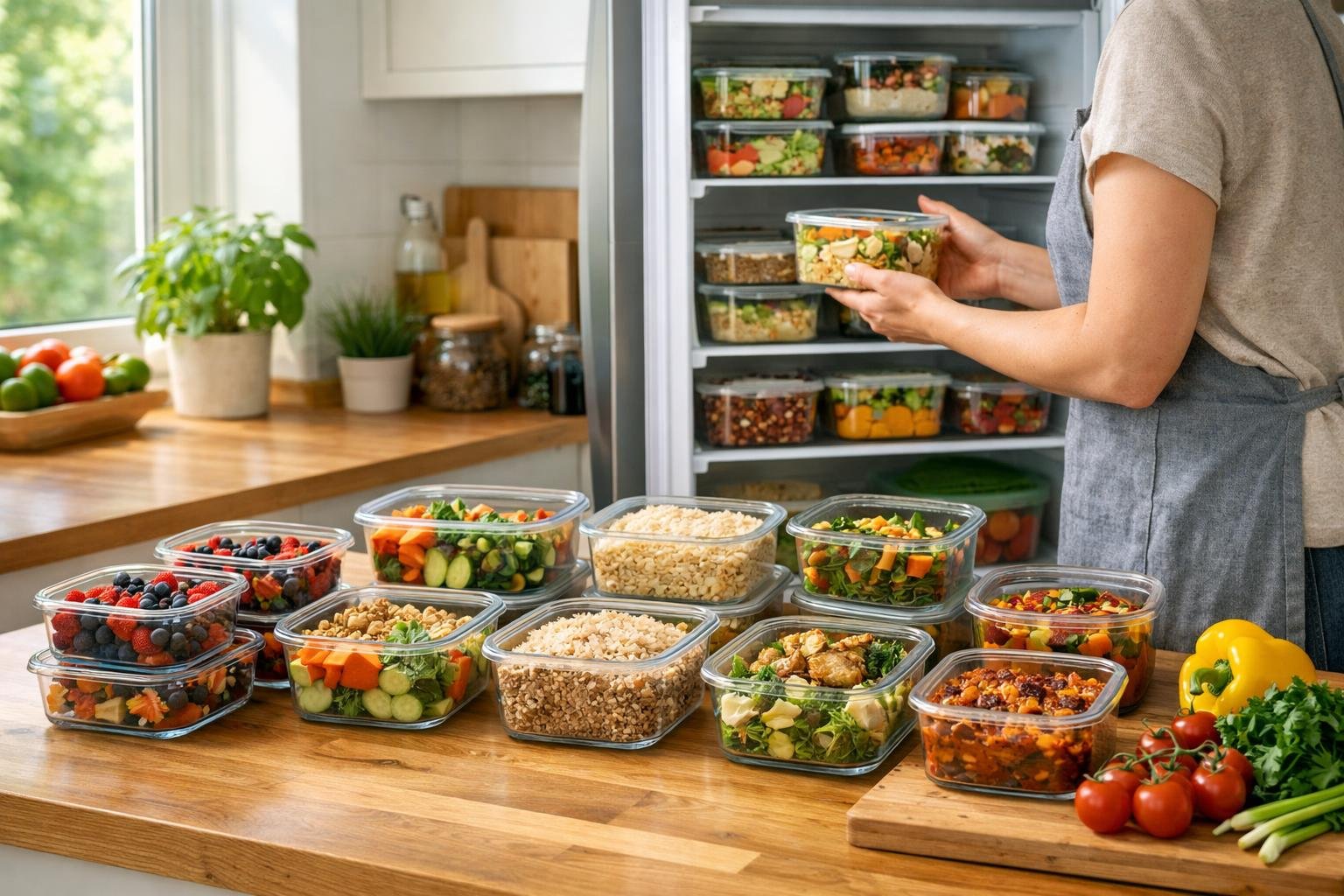
Spending 30-60 minutes once or twice a week on ingredient prep makes daily cooking so much faster. Wash and chop vegetables, portion proteins, and mince things like garlic and ginger all in one go. Stash everything in clear containers so you can grab what you need without thinking.
For stuff you only use in small amounts, freezing in usable portions is a lifesaver. Divide tomato paste or minced garlic into ice cube trays or tiny bags. No more hacking at a frozen brick just for a tablespoon.
Pre-Cut and Pre-Washed Vegetables
Pre-cut veggies cost more, but sometimes the time saved is worth it. We’ll buy pre-cut butternut squash or spiralized veggies when we’re busy, and always grab pre-washed salad greens.
A whole squash can take 15 minutes to prep; a pre-cut bag is ready in seconds. We usually do our own prep for simple stuff like onions and peppers, but do not mind paying for labor-intensive veggies. Pre-washed greens are a must because they save you from endless rinsing and drying.
Organizing with Clear Containers
Clear containers make it so much easier to see what you’ve got. No more forgetting about prepped veggies until they’re too far gone.
We use square or rectangular containers because they stack better and make the most of fridge space. Labels with contents and dates help us keep track of freshness.
For dry goods, clear canisters on the counter or pantry shelves show when things are running low. Most-used items go at eye level; less-used stuff gets tucked away. This simple shift means less time searching and more time actually cooking.
Leverage Kitchen Gadgets and Tools
The right tools can turn meal prep from a headache into something you can breeze through. Investing in multi-use gadgets and power appliances cuts down on hands-on time and delivers more consistent results.
Choosing Must-Have Kitchen Gadgets
The best gadgets solve more than one problem and do not hog all your counter space. A vegetable chopper with different blades can slice, dice, and grate in seconds, which is super handy during big prep sessions.
Silicone clip-on strainers are a small miracle. They clip straight onto pots and pans, so you don’t have to transfer hot food to a colander. Plus, they fit in any drawer.
A meat chopper (the nylon kind that’s safe for non-stick pans) makes breaking up ground meat fast and even works on frozen blocks. It’s dishwasher safe and makes browning less of a hassle.
We look for gadgets that nest or collapse for storage, and always pick sturdy materials like stainless steel or food-grade silicone. If it isn’t something we use often, it doesn’t earn a spot on the counter.
Maximizing Your Slow Cooker and Instant Pot
The slow cooker is our go-to for turning raw ingredients into dinner with almost no effort. We load it up in the morning, and by evening, dinner is ready because tough cuts of meat turn tender after hours of gentle heat.
The Instant Pot is a multitasker: pressure cooker, slow cooker, rice cooker, and more. Pressure cooking can cut cook times by 70%, with dried beans ready in 25 minutes and brown rice in 15. There is no soaking and no waiting.
We batch-cook slow cooker recipes on the weekend, then freeze portions for later. Chilis, stews, and pulled meats reheat well all week. Newer models let us delay start times or switch to warm mode, so dinner’s hot when we need it.
Both appliances let us walk away and focus on other things while dinner cooks itself.
Harnessing Power Tools: Food Processor and Blender
A solid food processor saves a ton of chopping, slicing, and shredding time. We blitz onions, carrots, and celery for soup in two minutes flat. The shredding disc is perfect for cheese, cabbage, or potatoes.
Blenders are unbeatable for smoothies, sauces, and soups. High-powered ones can handle frozen fruit and ice without stopping. We even blend hot soups right in the pitcher, so there are no risky transfers.
We keep both appliances out on the counter during busy weeks, since if it’s packed away, chances are we won’t bother. Food processors are best for dry or chunky stuff; blenders shine with liquids and frozen things. Use the right tool for the job, and you’ll save time and frustration.
Smart Use of the Pressure Cooker and Rice Cooker
Pressure cookers trap steam, raising cooking temperatures above boiling and slashing cook times. Pot roast's done in 45 minutes instead of three hours. Whole chickens are ready in 25. The sealed setup packs in flavour and keeps nutrients that usually escape with regular cooking.
Modern electric pressure cookers have safety features that take away the old risks. We just set the time and pressure, walk away, and the built-in timer lets us know when food's finished.
A rice cooker nails perfect rice every time, with no babysitting needed. We measure, add water, press start, then let it do its thing. It flips to warm mode automatically, so rice stays ready for hours. Lots of models come with steamer baskets for veggies, so we can make a whole side dish in one go.
Honestly, these appliances are only as helpful as our habits. We keep quality cookware clean and handy, so grabbing the pressure cooker feels as natural as reaching for a skillet.
Streamlining Your Cooking Routine
When we're pressed for time, the right methods can chop our kitchen work in half. Simple recipes, fewer pots, and quick techniques keep us moving without losing out on flavour.
Quick Recipes for Busy Days
Fast meals usually have a few things in common: not many ingredients, short cook times, and easy steps. A protein with two or three sides can be on the table in under 20 minutes.
Our go-tos include overnight oats with oats, milk, and toppings in a jar before bed. There is no stress in the morning. For lunch or dinner, stir-fries take five to seven minutes, or we throw together grain bowls with pre-cooked quinoa or rice, rotisserie chicken, and whatever fresh veggies are around.
It helps to have a mental list of three to five no-brainer recipes. We stock our pantry for those, so we're not caught off guard.
Embracing One-Pot and Sheet Pan Meals
One-pot and sheet pan meals are lifesavers during crazy weeks. They cut down cooking and make cleanup a breeze.
For one-pot meals, we toss pasta, protein, veggies, and liquid into a single pot. Everything cooks together, and the flavours blend while we do other things. Sheet pan dinners are similar, just with dry heat. We lay out chicken thighs, potatoes, and Brussels sprouts on a lined pan, season, and let the oven handle it.
Sheet pan dinners usually take 25 to 35 minutes at 200°C, and we sometimes prep a couple pans at once for meal prep. The best part? They're super flexible. We swap in whatever ingredients need using up, so nothing goes to waste.
Time-Saving Stir-Frying Techniques
Stir-frying is our ace for fast dinners. It cooks food in two to four minutes over high heat with constant movement.
The real trick is prepping everything first. We chop and group ingredients in the order they go in: proteins, then harder veggies like carrots, then softer stuff like peppers and greens. We keep it all moving with a spatula or by tossing the pan.
A hot wok or big skillet is key. We let it get smoking before adding oil, which stops sticking and gives that sear. Sauces are pre-mixed and ready to pour at the end, so there is no scrambling.
Organized Kitchen, Happy Life
An organized kitchen turns meal prep from chaos into something almost enjoyable. Smart storage, clear counters, and good drawer setups make it easy to find what we need and breeze through tasks.
Designing Smart Storage Systems
We stash things where we actually use them. Plates and glasses stay near the dishwasher or sink, so we’re not zigzagging across the kitchen. Pots and pans hang out by the stove, baking stuff clusters by the prep area.
Most of us ignore vertical space, but it’s gold. We add pull-down shelves for rarely used items, hooks inside cabinet doors for measuring cups and potholders, and magnetic strips for knives right where we need them. Small changes, big impact.
Grouping by function beats grouping by type. All breakfast stuff together, coffee gear in one spot, snacks in their own zone. That way, we’re not opening every cabinet to make a sandwich. Kids’ dishes and snacks go lower, so they can help themselves (and leave us alone for a minute).
Keep Counters Clear for Maximum Efficiency
Clear counters mean real workspace. We only leave out what we use daily: coffee maker, knife block, maybe a fruit bowl. Everything else goes away into the pantry, cabinets, or another storage spot.
Less clutter means a quick wipe-down and no need to clear space before starting dinner. We set up a spot for keys and mail away from food prep to keep kitchen and household messes separate.
Small appliances only stay out if we use them a lot. The rest? Lower cabinets or the garage. Out of sight, but not out of mind.
Using Drawer Dividers and Labels
Drawer dividers turn messy utensil drawers into something that actually works. We separate cooking tools from serving pieces, keeping our favourites (spatulas, wooden spoons, tongs) in the top drawer by the stove. No more digging through a jumble during dinner.
Labels might seem a bit much, but they’re a game changer when the whole family’s involved. We label pantry shelves, freezer bins, and containers for bulk stuff. No more mystery leftovers or hunting for flour.
We also date leftovers with removable labels or dry-erase markers on reusable containers. This helps us spot what needs eating first, which is crucial for those nights when we are just grabbing whatever is fastest.
Easy Cleaning Habits for Busy Households
Keeping the kitchen clean is not about epic scrubbing sessions. It is about building small habits into the routine. Tackle little messes right away, and the kitchen stays manageable.
Cleaning as You Go
Clean as you go is honestly the best way to keep kitchen chaos at bay. Wipe the counter after chopping, rinse bowls while water boils, and deal with spills right then and there.
This habit saves us from facing a mountain of dishes after dinner. We keep a damp cloth near the stove and another by the prep area to wipe between steps. Spreading out the cleaning means we save at least 20 minutes after meals, and the kitchen never feels overwhelming.
We also load dirty utensils and bowls into the dishwasher as we’re done with them. By dinnertime, most of the mess is already gone. It really changes how we feel about cooking.
Efficient Dishwashing Tricks
We run the dishwasher after dinner and empty it first thing in the morning. Tying it to something like making coffee helps us remember.
For hand washing, we fill the sink with hot soapy water before we start cooking, so stuff can soak while we prep. This loosens stuck-on food, making scrubbing easier. Dish soap and sponge stay in a caddy at the sink, always ready.
Quick dishwashing tips:
- Rinse plates right after eating so food doesn’t harden
- Wash in order: glassware, then plates, then pots
- Use a drying rack for overnight air-drying
- Only let one day’s worth of dishes pile up
Reducing Food Waste Daily
Cutting food waste starts with smart storage. We put new groceries behind older ones, so nothing gets forgotten and wasted.
Every week, we check the fridge and pantry for stuff nearing its best-before date, then plan meals to use it up. Leftovers go into clear containers at eye level because out of sight, out of mind is real, and we try to avoid that.
We keep a running freezer inventory, too. Everything gets labeled with date and contents, so there are no mystery blobs taking up room. Freezing bread ends, veggie scraps for stock, and extra meal portions helps us make the most of what we buy.
Frequently Asked Questions
What is the best way to set up a fridge for faster grab-and-go meals?
Store prepped proteins, chopped vegetables, cooked grains, and sauces in clear labeled containers so you can build meals quickly without searching.
How can I organize my pantry and kitchen tools so I waste less time?
Group similar items together, use clear containers and labels, and keep everyday tools near your main prep and cooking zones.
Which ingredient prep habits save the most time during the week?
Wash produce, chop vegetables, portion proteins, and prep small flavor boosters like garlic or ginger once or twice a week.
What cooking methods make weeknight meals easier to manage?
Batch cooking, one-pot meals, sheet pan dinners, stir-fries, and slow cooker recipes help you cook faster with less cleanup.
How can I keep fresh produce usable for longer?
Store herbs upright in water, keep greens dry but lightly protected, and separate ethylene-producing fruits from sensitive vegetables.
Share:
How Do You Keep Cooked Meals Tasting Fresh After Reheating
How Can You Improve Meal Prep Efficiency At Home