

Check out our latest compact vacuum sealer for food collection!
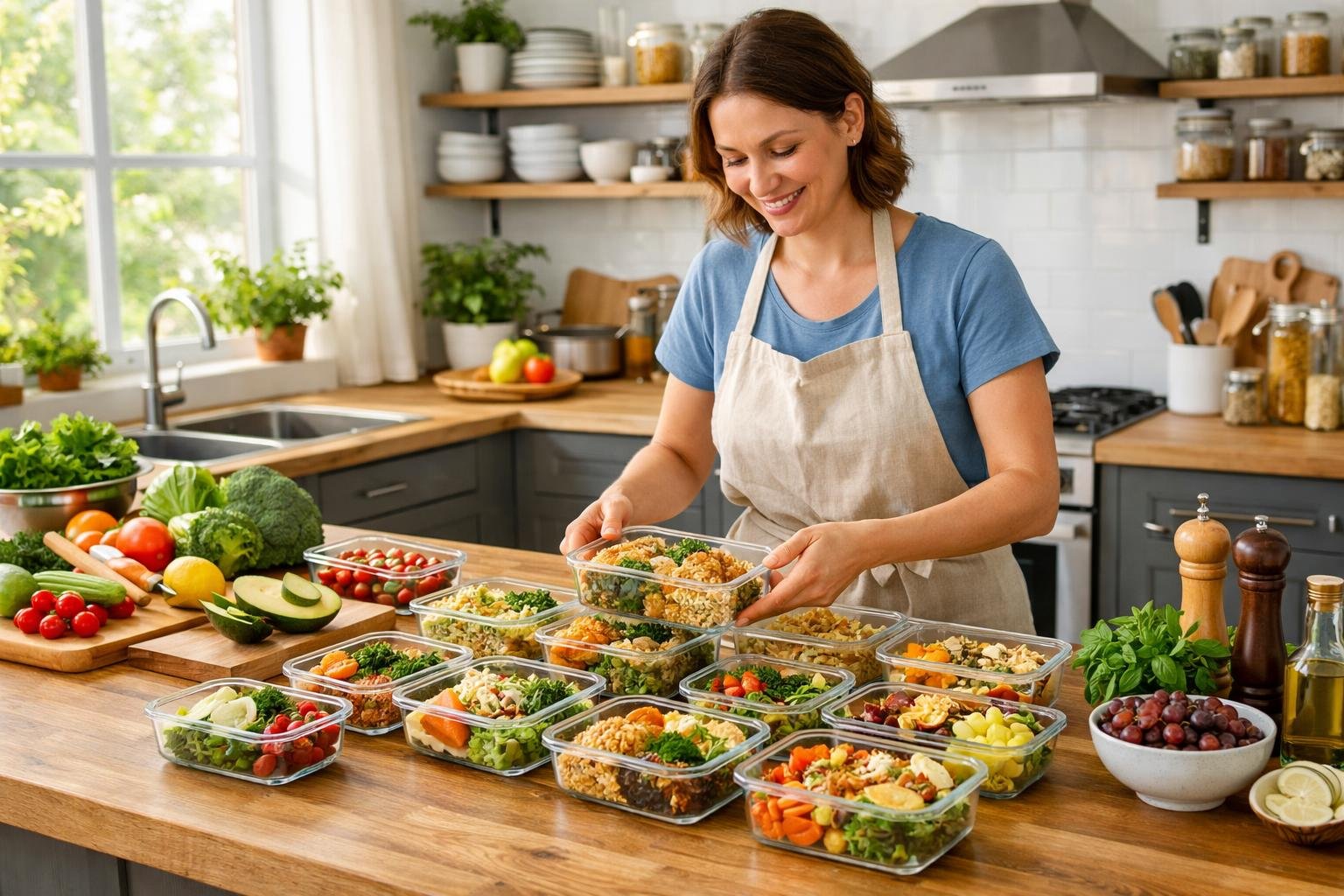
Meal prep does not need to take over your weekend. With a few smart habits, you can cut kitchen chaos, save time, and make everyday cooking feel much easier.
The fastest way to improve meal prep efficiency at home is to plan meals and your shopping list ahead of time, batch similar tasks, and store ingredients in a way that keeps food fresh and easy to grab. These simple changes help you spend less time deciding, chopping, and searching through the fridge.
In this guide, you will learn how to shop smarter, prep faster, cook in batches, and organize your kitchen so meals come together with less stress and less waste.
Key Takeaways
- Plan meals and your shopping list in advance to cut down on decisions and avoid wasted ingredients
- Batch prep things like chopped veggies, cooked grains, and proteins so you've got flexible building blocks for meals
- Use good storage containers with clear labels and organize your fridge to keep food fresh and cut down on waste
Mastering Meal Prep Planning
Good meal prep starts with a plan that actually fits your life. It's not about perfection—it's about habits that stick. Start small, build slowly, and keep things flexible.
Start Slow And Build Habits
Honestly, most people flame out on meal prep because they try to do too much too soon. Instead of prepping every meal for the week, just pick two or three dinners to start. That way, you can figure out what works for you without your whole weekend getting eaten up.
Pick a regular day for meal prep. A lot of folks go with Sunday, but Wednesday night or Saturday morning can work too. It's the routine that matters, not the day.
When you're comfortable with a few dinners, maybe add breakfast or lunch. You'll start learning which containers you like, how long foods last, and what your real habits are. That means less waste and more money saved.
Keep quick notes on your phone. Did those chopped peppers last five days? Did you actually eat those grain bowls on Thursday, or did they just sit there? Little observations like these help you tweak your plan as you go.
Building A Flexible Meal Prep Plan
Rigid meal plans are tough to stick with. Instead, prep versatile ingredients—not just finished meals. Cook a batch of chicken, roast a couple trays of veggies, and make two or three different grains. You can mix and match all week.
Make a basic grid: proteins, veggies, grains, sauces. It helps you see the combos without getting bored. Grilled chicken can go in grain bowls, salads, wraps, or stir-fries, depending on what you throw in.
Sample Meal Prep Components:
- Proteins: Grilled chicken, roasted chickpeas, baked tofu
- Vegetables: Roasted broccoli, sautéed peppers, raw cucumber
- Grains: Brown rice, quinoa, pasta
- Sauces: Tahini dressing, pesto, teriyaki
Keep a running shopping list, organized by store section. Add stuff as you plan, and you'll skip those annoying mid-week grocery runs.
Weekly Menu Themes For Variety
Themes make meal prep less boring and way simpler. Assign a style or cuisine to each day—like Mediterranean Monday, Taco Tuesday, or Sheet Pan Thursday. It helps narrow down ingredients and keeps things interesting.
You don't have to follow strict recipes. Just prep ingredients that work across a couple of theme days, and your storage system will feel way more efficient.
Themes also help you rotate different flavors and nutrients. You're not stuck eating the same chicken and rice five days in a row, but you're still using your batch-prepped stuff wisely.
Seasonal themes are great, too. Summer might mean more grilling and salads, while fall leans into roasted veggies and hearty grains. That way, your meal prep lines up with what's fresh—and usually cheaper—at the store.
Smart Shopping Strategies
Before you start chopping anything, get your shopping sorted. A good grocery run sets the tone for the whole week and keeps you from wandering the aisles in a daze.
Make An Organised Grocery List
Seriously, a detailed shopping list is everything. Organize it by section—produce, dairy, proteins, pantry. That way you're not zigzagging all over the store.
Be specific. Instead of just "tomatoes," write "6 Roma tomatoes" or "2 cans diced tomatoes." That way, you won't buy too much or grab the wrong thing.
Group ingredients by how you'll use them. If three recipes need chicken breast, total it up and buy it all at once. Same goes for onions or peppers. It's cheaper and makes prep day easier.
Jot down little notes about storage, too. Maybe something goes straight to the freezer, or some produce needs washing right away. These reminders keep things moving once you're home.
Shop Your Pantry First
Check what you've already got before making your list. This saves money, helps you use up stuff before it goes bad, and can even spark meal ideas.
Glance at expiration dates. If that bag of quinoa is getting old, build a meal around it. Same with canned beans or that random jar of sauce.
Versatile ingredients are your friend. A jar of pasta sauce could become a sheet-pan dinner, and frozen veggies are a lifesaver for quick meals. Frozen vegetables are underrated for meal prep—they're washed, often chopped, and last ages.
Keep a running inventory on your phone or a sticky note on the fridge. When you use the last of something, add it to the list right away. Makes life easier next time.
Choose Pantry Staples For Versatile Meals
Having the right pantry staples makes meal prep feel less like a chore and more like a creative project. You can swap things around, improvise, and avoid last-minute store runs.
Focus on shelf-stable proteins and grains: canned beans, lentils, rice, quinoa, pasta. They're the backbone of tons of meals and don't hog fridge space. Stock up on canned tomatoes, coconut milk, and broths for quick sauces and soups.
For healthy eating that doesn't get bland, keep a mix of seasonings and condiments. Olive oil, soy sauce, vinegar, hot sauce, and a couple of spice blends (curry powder, Italian seasoning) can totally change up the same basic ingredients.
Don't forget freezer staples: frozen veggies, fruit for smoothies, and pre-portioned proteins. These bridge the gap between fresh and convenient, so you can keep meal prep going even when you're busy. Toss frozen broccoli into a bowl or add berries to oats—no fuss.
Batch Cooking And Efficient Recipes
Cooking several components at once and picking recipes that cut down on steps turns meal prep into something you can actually stick with. It's all about getting the most out of your time.
Batch Cook Grains, Proteins, And Veggies
Cook a big batch of grains like rice or quinoa at the start of the week. A rice cooker is a lifesaver—you set it and forget it. For proteins, roast a few chicken breasts or bake salmon fillets all at once. Season half one way, half another, so you don't get bored.
Shredded chicken is super versatile—throw it in sandwiches, salads, tacos, whatever. Hard-boiled eggs are another go-to; they'll keep for days and are easy to grab.
Roast a couple trays of veggies like broccoli, peppers, and sweet potatoes all at once. Frozen veggies are a great shortcut—just steam or sauté and you're done. Store everything in airtight containers so you can mix and match all week.
One-Pot Meals And Sheet Pan Magic
One-pot meals—think chili, curry, soup—save time and cut down on dishes. Make a big batch, freeze some in portions, and you're set. These actually taste better after a day or two, but go easy on salt and spices since flavors get stronger in the freezer.
Sheet pan dinners are another lifesaver. Toss chicken thighs, Brussels sprouts, and cherry tomatoes on a tray, drizzle with oil, roast at 200°C (400°F) for about 35 minutes.
The best part? Minimal hands-on time. Prep, toss it all in, and let the oven or stove do the work while you get on with life.
Mix And Match With Grain Bowls And Stir-Fries
Grain bowls and stir-fries are the easiest way to turn batch-cooked stuff into something new. Layer quinoa, roasted veggies, a protein, and top with a different sauce—suddenly it feels like a whole new meal.
Stir-fries are lightning fast if you've got rice and prepped veggies ready. Heat a wok, toss in garlic and ginger, add your ingredients, finish with soy or teriyaki. Done in under 10 minutes.
Mixing and matching keeps things interesting. Monday's chicken and sweet potato bowl can be Wednesday's stir-fry—just swap the sauce. Keep a few sauces and dressings handy to change things up without extra work.
Food Storage Fundamentals
Good containers and a smart storage setup keep your prepped food fresh and make it easy to grab what you need. A little organization goes a long way, especially on busy nights.
Choose The Right Meal Prep Containers
You want containers that can handle the weekly grind—no warping, staining, or leaking. The best ones go from fridge to microwave, stack neatly, and seal tight so you don't end up with soup in your bag.
Square and rectangular containers save way more space than round ones. They fit together better, especially if you're prepping a bunch of meals. Snap-lock lids are worth it—they're less likely to pop open than the press-on kind.
Get a mix of sizes. Small (250-500 mL) for sauces and snacks, medium (750-1000 mL) for single servings, and big ones (1.5-2 L) for bulk stuff or family portions. Having options means you're not stuffing a tiny container or overfilling a big one.
Organise With Glass And Airtight Containers
Glass meal prep containers really do beat plastic ones in a lot of ways. They won’t hold onto smells or get stained by tomato sauces or curries, and you can microwave them without worrying about chemicals leaching in. Plus, you can see exactly what’s inside—no more mystery leftovers.
Airtight containers help keep food fresh by blocking out moisture and air. This is especially important for veggies, which wilt or dry out fast if you just toss them in the fridge. For leafy greens, we usually tuck a damp paper towel in the container to keep things humid without making everything soggy.
A little food-type organisation goes a long way:
- Raw proteins belong on the bottom shelf to avoid drips
- Ready-to-eat meals at eye level for grab-and-go access
- Prepped veggies in the crisper drawer for max freshness
- Door shelves? Just condiments and dressings—nothing that spoils easily
We label everything with masking tape and a marker—contents and date. It’s a quick habit that helps us stick to “first in, first out” so nothing lingers too long.
Portion For Freshness And Speed
Portioning out food isn’t just about convenience—it’s about safety and taste too. Instead of tossing all the grilled chicken in one big tub, we split it up into single servings. That way, we only warm up what we’ll eat, and the rest stays safely chilled.
Smaller portions also reheat better. A 500 mL container of curry heats evenly, while a huge one always seems to have cold spots.
If we know we won’t eat something within three days, we freeze it right after cooking. Grains, proteins, sauces—they all freeze well in individual portions, and we just move what we need to the fridge to thaw overnight.
Vacuum-sealed bags are a game changer for freezer storage. They prevent freezer burn, stack flat, and thaw quickly—honestly, they make freezer organisation way easier.
Kitchen Tools And Gadgets For Prep Success
Having the right kitchen gear turns meal prep from a slog into something almost fun. We’ve learned that a few smart investments and a bit of workspace organisation can make batch cooking way less daunting.
Time-Saving Appliances And Tools
A food processor is our MVP. It chops, slices, and shreds veggies in seconds. Prepping a whole bag of carrots? Done in two minutes instead of twenty.
Digital kitchen scales are another must. When we’re dividing up chili or weighing out proteins, it takes the guesswork out and keeps portions consistent.
Multifunctional appliances earn their spot on the counter:
- Slow cookers: dinner’s ready when we walk in the door
- Multi-cookers: pressure, steam, rice—one pot, many jobs
- High-speed blenders: smoothies, soups, sauces, all without fuss
We use baking sheets for more than cookies. Sheet pan dinners let us roast proteins and veggies at once, and heavy metal sheets distribute heat evenly without warping.
Meal Prep Hacks To Free Your Hands
Salad spinners might seem old-school, but they’re lifesavers. We spin whole heads of lettuce, then store the dry greens with paper towels. That way, salads are ready in seconds all week.
Rice cookers make perfect grains without any babysitting. Set it, forget it, and no more scraping burnt rice from the pot.
Container choices matter more than we thought:
- Clear containers show what’s inside at a glance
- Stackable shapes save fridge space
- Leakproof lids mean no more sauce spills in our bags
We’ve swapped plastic wrap for beeswax wraps—reusable, breathable, and they actually keep cheese and produce fresher.
Optimising Prep Space And Mise En Place
Before we start prepping, we lay out cutting boards, knives, and bowls so everything flows from fridge to container. No more hunting for tools mid-chop.
A sharp chef’s knife is non-negotiable. It makes slicing safer and faster, and we keep a paring knife handy for small stuff like strawberries or shrimp.
Nested mixing bowls are great for holding chopped ingredients and mixing things together. Glass ones even double as serving dishes, which saves on cleanup.
We use a vacuum sealer for soups, sauces, and proteins—portioning them into flat, stackable bags that thaw super fast when we need them.
Boosting Storage & Freshness Behaviour
Smart storage keeps meal prep fresh, safe, and tasty for longer. Labelling, freezing, and a few strategic habits help us get the most out of our efforts.
Label And Date Everything
Honestly, labelling is a game changer. We use masking tape and a marker to jot down what’s inside and when we made it: “Grilled Chicken - March 23, 2026,” or “Roasted Veg - March 22, 2026.”
For frozen meals, we even add reheating notes right on the label. It saves time when we’re hungry and don’t want to guess.
Colour-coded labels speed things up. Green for veggies, red for proteins, blue for grains. We can spot what we need without reading every container.
Labels make it easy to use up older meals first and avoid that dreaded surprise container in the back of the fridge. This habit cuts waste and keeps our rotation fresh.
Freeze Meals For Later
Freezing lets us stretch meal prep into weeks, not just days. We portion proteins, grains, and full meals into airtight containers or freezer bags before freezing.
For things like chicken or meatballs, we freeze them on a baking sheet first, then transfer to a container. No more clumping—just grab what you need.
Frozen veggies keep their nutrients really well, sometimes even better than “fresh” produce that’s been sitting around. We always keep some on hand for quick meals.
Vacuum-sealed bags are awesome for beans, rice, and pasta. They keep air out, so food lasts up to three months. We flatten bags before freezing to save space and make thawing faster.
Smart Storage Habits To Reduce Food Waste
We use the first in, first out rule—new stuff goes behind older items, so we naturally grab what needs eating first. It’s an easy way to eat healthier and waste less.
Raw proteins live on the bottom shelf, ready-to-eat meals at eye level, and veggies in the crisper drawer. Each spot has its purpose.
Temperature zones in the fridge matter. The back is coldest—good for dairy and proteins. The door’s warmer, so we only keep condiments there.
We keep a running freezer inventory, either on a notepad stuck to the door or in our phones. It stops us from buying doubles and helps us plan meals based on what’s already there. Weekly check-ins let us move anything close to expiring into the freezer, stretching its life and keeping things safe.
Frequently Asked Questions
Simple storage, prep, and organization habits can make meal prep much easier. Here are quick answers to the questions people ask most often.
What's the secret to keeping veggies crisp and ready-to-go for quick meal assembly?
Store leafy greens in airtight containers with a damp paper towel, and keep chopped firm vegetables in sealed containers. For whole vegetables, wait to wash them until you are ready to use them.
How do you organise a pantry to make finding ingredients a no-brainer?
Group similar items together, use clear labeled containers, and keep everyday staples at eye level. A simple running inventory also helps you shop faster and avoid duplicates.
Are there any game-changing kitchen gadgets that cut down on chopping and dicing time?
A food processor is one of the biggest time savers for bulk chopping, and a mandoline helps with even slices. A sharp chef’s knife is still one of the most useful tools for fast, safe prep.
What's your go-to strategy for meal prep that doesn't take up the whole weekend?
Set one short prep session each week and start with foods that take the longest to cook. Prepping ingredients instead of full meals gives you more flexibility and saves time.
Could the right containers really extend the life of your prepped meals?
Yes. Airtight glass containers help food stay fresh longer, reheat well, and resist stains and odours. Using the right size container also helps prevent soggy leftovers and wasted space.
Any tips on arranging the fridge to avoid playing Tetris with your meal prep containers?
Store ready-to-eat meals at eye level, raw proteins on the bottom shelf, and prepped vegetables in the crisper drawers. Keep older items in front so they get used first.
Share:
Which Kitchen Habits Save The Most Time During Busy Days
What Are The Biggest Mistakes People Make During Food Prep