

Check out our latest compact vacuum sealer for food collection!
You know the drill: you slice open a fresh onion, use half, and a few days later the leftover piece is either slimy or shriveled in your fridge. Meanwhile, that whole onion in the pantry? Still going strong.
Half-used ingredients lose freshness faster than whole ones because cutting exposes their insides to oxygen, moisture loss, and microbes that speed up spoilage. Once we break through foods’ natural protective barriers, we set off a chain reaction, texture, flavor, and nutrients all start to slip.
Most of us have tossed out wilted herbs, dried cheese, or browning avocado halves. The thing is, hardly anyone ever taught us how to store half-used ingredients properly, so we waste money and food. Figuring out why this happens and what to do about it can make a real difference in how long groceries last.
Simple storage tweaks can stretch the life of your half-used ingredients. Whether you’re picking the right container or figuring out which foods need a moisture barrier, you can keep those prepped bits fresh and ready, plus, you’ll waste a lot less.
Key Takeaways
- Cutting removes natural protective barriers, exposing food to oxygen and moisture swings that speed up spoilage
- Different foods need different storage methods: damp towels for some veggies, airtight containers for others
- Smart storage and planning can keep half-used ingredients fresher, longer, and help you waste less
What Makes Half-Used Ingredients Lose Freshness Rapidly?
Once you cut into fresh ingredients, their defenses are down. Exposed surfaces get hit by oxidation, moisture loss, and bacteria—stuff that whole foods can usually resist just fine.
The Science of Oxidation and Moisture Loss
Slice a fruit or veggie, and you’re breaking open cell walls, letting enzymes meet oxygen. That’s oxidation, and it breaks down nutrients, changes colors, and dulls flavors way faster than if you’d left the food untouched.
Cut surfaces dry out quickly without their protective skin. A whole carrot stays crisp for weeks, but a half-used one? It can go rubbery in just a few days as water evaporates away.
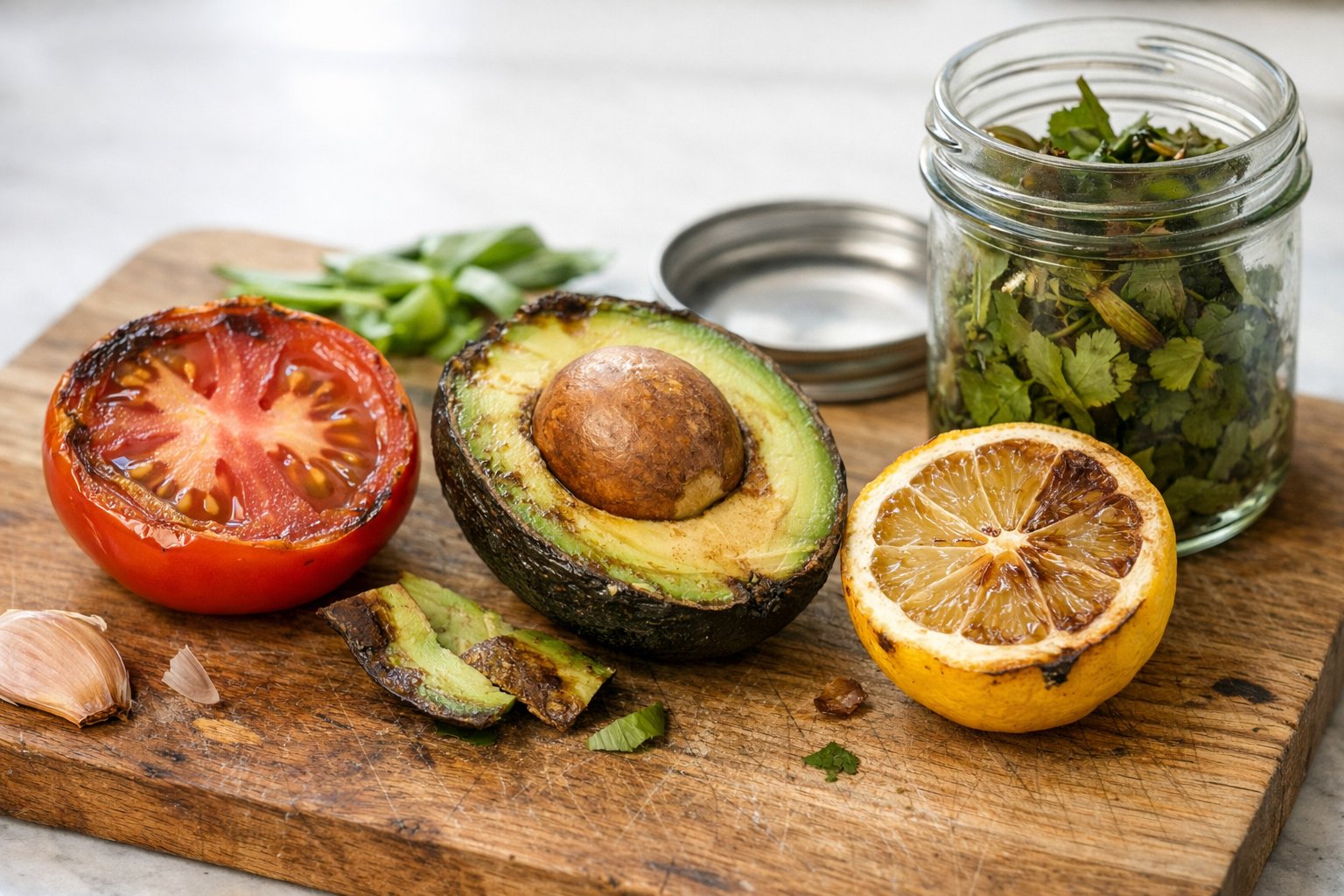
Enzymes released by cutting speed things up. Polyphenol oxidase, for example, browns apples and avocados almost immediately. Even in the fridge, this enzyme activity keeps chugging along—just a bit slower.
Moisture loss wrecks texture, too. Greens wilt, root veggies go limp, and herbs turn brittle and brown. You can almost see the cells collapsing as they dry out.
Exposure to Air, Light, and Temperature Changes
Every time you open the fridge for that half onion, it gets hit with temperature swings—perfect for bacteria. These changes cause condensation, which is just what microbes want.
Light breaks down vitamins and speeds up rancidity, especially in fatty foods like nuts and avocados. Oils in these foods oxidize even faster when they’re exposed to both air and light.
Key environmental troublemakers:
- Air flow dries out cut surfaces
- Temperature swings (fridge to room temp) help bacteria multiply
- Light destroys nutrients like vitamin C and folate
- Humidity can either dry things out or encourage mold
The fridge isn’t always your friend here. It circulates air to keep things cool, but that same air dries out exposed food fast. Opened ingredients also soak up odors from everything else in there.
Cross-Contamination and Microbial Growth
Knives, boards, and hands all bring bacteria to cut surfaces. A whole pepper’s skin keeps most stuff out, but once it’s sliced, it’s fair game for whatever’s on your tools.
Cut surfaces are prime real estate for bacteria—plenty of nutrients and moisture, but no more defenses.
Common contamination culprits:
- Cutting boards that weren’t cleaned well
- Dirty utensils
- Hands that haven’t been washed
- Other foods bumping into your cut ingredients
- Containers that weren’t washed thoroughly
Storing cut ingredients in clean, airtight containers and handling them with clean hands or utensils helps, but even the best storage can’t fully stop bacteria from colonizing damaged tissue.
Ingredient Types Most Susceptible to Fast Deterioration
Once you open or use part of an ingredient, some categories go downhill faster than others. It comes down to moisture, enzymes, and how much air gets in. Produce dries out, dairy breeds bacteria, and spices lose their punch surprisingly quickly.
Fresh Produce: Fruits and Vegetables
Cut fruits and veggies are freshness ticking time bombs. Slicing damages cell walls and exposes enzymes to oxygen, so browning and moisture loss happen fast.
Leafy greens like spinach and lettuce turn slimy within a day or two because they’re mostly water and have thin cells. Herbs—cilantro, parsley, basil—wilt even faster once separated from their stems.
Quickest to go bad:
- Cut tomatoes and cucumbers (soften in a day)
- Sliced avocados (brown in hours)
- Peeled garlic and ginger (dry out in 2-3 days)
- Halved onions (off-flavors in 48 hours)
Berries are super vulnerable, too. Once you break the seal, those thin skins don’t protect much.
Dairy and Opened Cream-Based Products
Dairy spoils fast after opening thanks to all that protein and moisture—bacteria love it. Milk lasts maybe a week after opening, even in the fridge.
Cream-based stuff like sour cream or heavy cream can get moldy or sour within a week if exposed to air. Every time you dip a spoon in, you’re adding bacteria.
Soft cheeses like ricotta or cottage cheese go bad in 3–5 days after opening. Hard cheeses hang on longer, but once you cut into them, mold can start creeping in.
Spices and Seasonings: Spotlight on Red Pepper Flakes
Dried spices aren’t immortal—far from it. Red pepper flakes, for instance, lose their heat and flavor within six months of opening. The oils that give them kick evaporate with air and light.
Keep red pepper flakes in a clear container on the counter, and you’ll see them fade from bright red to dull brown in weeks.
Signs your flakes are fading:
- Washed-out color
- No aroma when crushed
- Weak heat
- Dusty, stale smell
Ground spices lose potency even faster than flakes because there’s more surface area for oils to escape. Whole spices hold up better, but once you grind them, the clock’s ticking.
How Storage Habits Impact Half-Used Ingredient Freshness
How you handle ingredients after cutting them matters just as much as what you store them in. Bad placement, the wrong packaging, and little mistakes all speed up spoilage in half-used foods.
Common Storage Mistakes People Make
We’ve all tossed half an onion back in the fridge uncovered or left a cut avocado out on the counter. These habits just invite oxidation, which kills nutrients and texture.
Leaving cut surfaces exposed is a big one. Oxygen gets in, browning and drying happen, and that crisp carrot turns rubbery before you know it.
Temperature is another thing. A lot of us keep nuts at room temperature after opening, but their oils go rancid fast unless you chill them. Same goes for herbs—leave them on the counter, and they wilt in no time.
Mixing foods that shouldn’t go together is risky, too. Storing half an onion next to other ingredients without a lid means odors and flavors spread. Cross-contamination happens when raw and cooked foods are together, or if you reuse a dirty container.
The Role of Packaging Materials
Your choice of container makes a big difference. Airtight containers keep oxygen and moisture out—both big enemies of freshness.
For cut veggies like celery or jicama, use a container with a damp cloth over the cut side. That keeps humidity up without making things soggy. Glass containers are great—they don’t hang on to odors and you can see what’s inside.
Plastic bags work for leafy greens, but wrap them in a dry towel first. The towel soaks up extra moisture, which helps avoid wilting and mold.
Best packaging by food:
- Cut onions: Lidded containers (blocks odors)
- Herbs: Glass with water, loosely covered
- Oxidizing produce: Container with a lemon juice rub
- Nuts: Sealed, freezer-safe containers
Placement Matters: Fridge Zones and Pantry Shelving
Where you stash half-used ingredients in the fridge matters. The door is warmest and gets the most temperature changes—not great for cut produce.
The back of the lower shelves is coldest, which is good for stuff you want really cold, but can actually freeze delicate veggies. Middle shelves are usually safest for most cut fruits and veggies.
Crisper drawers are there for a reason—they keep humidity higher. You can even tweak the humidity depending on what you’re storing: high for greens, low for things that rot if too wet.
In the pantry, keep half-used dry goods in opaque containers away from heat and sunlight. Top shelves get warmer, so stick sensitive items lower down.
Smart Techniques to Extend Freshness of Half-Used Ingredients
Once you cut into something, the freshness countdown starts. But with the right wrapping, containers, and a little planning, you can slow down oxidation and moisture loss.
Effective Wrapping and Sealing Methods
The trick is blocking air and moisture. For cut onions, leave the root end on (it stays fresher) and stick the rest in a lidded container so the smell doesn’t take over your fridge.
Firm veggies like carrots and celery do best with a damp cloth over the cut end. That keeps them from drying out but doesn’t make them mushy. Skip newspaper—ink can rub off.
For things that brown fast, like avocados or apples, a little lemon juice on the cut side helps. Wrap them tight in plastic or beeswax wrap, pressing it right against the cut surface to keep air out.
Wrap greens in a dry towel before refrigerating. The towel soaks up excess moisture, so they don’t wilt or rot.
Creative Use of Containers and Covers
Treat fresh herbs like flowers: trim the stems, put them in a glass with a bit of water, and tent loosely with a plastic bag. Change the water daily and you might get a week or more out of them.
Airtight containers are your friend for most cut veggies. Add a damp paper towel for things that like humidity, skip it for drier stuff. Clear containers help you see what needs using up.
For big cut veggies like tomatoes or cabbage, set the cut side down on a plate and cover with a bowl. It’s a simple dome that limits air but lets things breathe a bit.
Mason jars work great for storing pre-cut veggies in water. Celery, carrots, and bell peppers stay crisp for days longer this way than if you just leave them dry.
Storing Pre-Portioned and Single-Use Ingredients
Some ingredients just keep better when we prep the whole batch at once. Take a big spaghetti squash—it’s easier to roast the whole thing, then freeze what we won’t eat right away.
Fresh ginger and garlic? I like to peel a bunch at a time and stash them in airtight containers in the freezer. It’s way faster when you need a quick hit of flavor, and you’re not left with shriveled odds and ends.
Nuts, once opened, really belong in the freezer. Their oils go off fast at room temp, but freezing keeps them fresh for months. You don’t even have to thaw them—just toss straight into recipes.
Vacuum sealing is a game-changer for dry goods. By sucking out all the oxygen, it keeps flour, coffee, dried fruit, and opened bulk spices fresh for ages—sometimes five times longer than the usual storage.
Long-Term Solutions: Reducing Food Waste with Better Planning
Strategic meal planning and smart storage really get at the heart of why so many ingredients go to waste. Organizing what we buy around overlapping ingredients, and using a few simple preservation tricks, can cut food waste way down without sacrificing flavor.
Meal Planning and Ingredient Cross-Utilization
The real secret to less waste starts before you even hit the store. Planning meals around ingredients that show up in a few dishes each week—like cilantro for tacos, then in stir-fries or salads—means nothing gets forgotten.
Making a shopping list based on what’s already in the pantry stops those accidental doubles that end up spoiling. The FIFO (first in, first out) system is handy: put new stuff behind the old so you use things up in order. There are even apps now that track your pantry and ping you before things expire.
Cross-utilization ideas:
- Toss herb stems in stocks or sauces instead of trashing them
- Turn chicken trimmings into ground meat for another meal
- Save veggie scraps for homemade broth
- Stock up on ingredients like onions, garlic, and tomatoes—they work in almost anything
Shopping with intention—just buying what you’ll use—makes a huge difference. People who use lists waste less, probably because they dodge those tempting displays meant to lure you into buying stuff you don’t need.
Freezing, Pickling, and Alternative Preservation Tricks
Freezing is still the best way to fight waste, but it works best if you do it while things are still fresh. Most veggies hold up better if you blanch them quickly before freezing—they keep their color and bite.
Pickling stretches the life of veggies for weeks, sometimes months. Quick pickles in vinegar brine take half an hour and work for cucumbers, radishes, onions, carrots. Fermenting is worth a try too—cabbage becomes sauerkraut, jalapeños turn into spicy condiments.
Preservation methods by ingredient:
- Herbs: Freeze in oil in ice cube trays or just dry them
- Citrus zest: Freeze in tiny portions for baking or cooking
- Ginger: Freeze unpeeled, then grate as needed
- Bread: Slice before freezing for easy single servings
Dehydrating is great for fruits, tomatoes, mushrooms. Store the dried stuff in airtight containers, and it’ll last for months outside the fridge—freeing up space for things that have to be cold.
Red Pepper Flakes: Shelf Life, Potency, and Bulk Storage
Red pepper flakes usually stay tasty for 1–3 years if you store them right, but they’re still technically safe for up to 7 years—they just lose their punch and color. The real enemies are air, light, and moisture, and once you crack the seal, those start working fast.
How and Why Red Pepper Flakes Lose Freshness
The second you open a jar of red pepper flakes, the spicy, aromatic oils start drifting away. Those capsaicinoids and oils are what give them heat, but they’re pretty fragile.
Light bleaches out the bright red color, turning flakes dull and brownish. That’s a sure sign the flavor’s already fading. Heat speeds the process up, so keeping them by the stove isn’t a great idea.
Moisture is the real danger. If flakes soak up humidity, they clump together and can grow mold or bacteria. That’s when they go from bland to actually unsafe.
How to tell if your red pepper flakes are past their prime:
- Color’s faded or dull
- Hardly any aroma when crushed
- Clumping or visible dampness
- Musty or just plain weird smell
Bulk vs. Single-Serve: What Keeps Spice Flavor Locked In
Buying red pepper flakes in bulk can save money, but it’s a trade-off. Every time you open that big container, you’re letting in air and moisture.
Smaller containers are better for freshness. If you buy in bulk, portion out a week’s worth into a little jar and seal the rest tight. That way, you’re not exposing the whole stash every time you cook.
Freezing bulk flakes can keep them potent for over 3 years, as long as you use airtight packaging. It’s a bit more effort, but worth it if you go through a lot.
Optimal Storage Practices for Maximum Pungency
The best spot for red pepper flakes? Somewhere cool, dark, and dry—definitely not near the stove or window. Use containers that keep out both light and air.
Best to worst storage options:
- Opaque, airtight glass jars in a cool pantry or freezer
- Resealable bags inside opaque containers away from heat
- Original packaging (if still sealed and kept cool)
- Clear containers near heat or light (skip this)
Avoid just tossing them in a resealable bag—doesn’t block enough air or light. And always use a clean spoon for scooping, or you risk adding moisture from other spices.
To check for freshness, crush a few flakes and sniff. If they don’t hit you with that sharp, spicy aroma, or they smell musty, it’s time for a new batch.
Frequently Asked Questions
Most half-used ingredients spoil fast because we don’t store them quite right—or just aren’t sure what they need. Knowing which foods are most fragile and using the right tricks can make a big difference.
What are the common mistakes that lead to quicker deterioration of partially used ingredients?
Leaving ingredients uncovered in the fridge is a big one. Exposed surfaces dry out, soak up weird smells, and oxidize fast.
Storing things that don’t play well together—like apples (which give off ethylene) next to delicate veggies—makes those veggies spoil way faster.
Temperature swings are trouble too. Taking stuff in and out of the fridge or leaving it on the counter for ages during prep lets bacteria and moisture do their thing.
Dirty containers or utensils are another culprit. If you use a cutting board or knife for something raw, then touch your leftovers, you’re just adding bacteria.
Can you shed some light on the optimal storage conditions to prolong the life of half-used food items?
For most cut veggies, airtight containers in the fridge at 32–40°F work best. That keeps bacteria slow and moisture in check.
Leafy greens and herbs last longer wrapped in a dry towel before refrigerating—it soaks up extra moisture. Some herbs hang in there for over a week if you stick their stems in water and loosely cover with a plastic bag.
For things like avocados or apples, a little lemon juice on the cut surface before sealing in a container helps keep them from browning.
Celery and carrots do better if you cover the cut end with a damp cloth inside an airtight container—stops them from drying out and picking up fridge odors.
I've noticed my leftovers spoil in no time. What's the secret to keeping them fresh longer?
Cool leftovers fast before they hit the fridge. Anything left at room temp for more than two hours is a bacteria magnet.
Shallow containers help leftovers chill faster and are easier to reheat. Deep, hot containers warm up everything around them and can make things spoil even quicker.
Label your containers with dates so you know what’s what. Most cooked leftovers are good for three to four days, though some go bad sooner after being mixed into a dish.
Only reheat what you’ll eat—don’t keep warming up the whole batch. That just encourages spoilage.
How does the size or amount of leftover ingredients impact their rate of spoilage?
Smaller pieces go bad faster because they have more surface area for air to hit. Sliced carrots, for example, dry out and oxidize faster than a big chunk.
Leaving the root end on onions helps them last longer. If you cut from the shoot end first, you keep the protective layers mostly intact.
Crowding leftovers in containers traps moisture and can lead to mold. Give them a bit of space, but still seal them up tight.
Are there certain food items that are more prone to lose freshness once opened or partially used?
Leafy greens are super fragile—once you cut or tear them, they wilt and spoil fast. Spinach and lettuce can go limp or slimy in a couple of days.
Herbs lose their flavor and oils quickly after cutting. Basil and cilantro are notorious for turning black or mushy if you don’t store them just right.
Dairy like half and half goes off quickly after opening, picking up fridge odors and separating as the proteins break down.
Nuts and seeds have oils that go rancid at room temp. Keeping opened packages in the freezer keeps them crisp and tasty for months.
Soft fruits—berries, stone fruits—bruise and mold quickly after cutting. Their high water and sugar content make them a playground for bacteria.
What food preservation tricks should everyone know to avoid the fast spoilage of half-used ingredients?
We usually freeze ingredients we won't use within a few days. Ginger and garlic, for example, keep really well in the freezer after peeling—you can just grate them straight from frozen when you need some.
Blanching veggies before freezing helps them keep their color and texture better than just tossing them in raw. That quick dunk in hot water stops the enzymes that would otherwise mess things up while they're stored.
We often toss cut veggies into containers with a splash of vinegar or lemon juice. The acidity helps slow down bacteria, so stuff stays fresh a bit longer. It doesn't work for everything, but it's handy for things like cucumbers or carrots.
Vacuum sealing is a game-changer for keeping air out and avoiding freezer burn. If we don't have a sealer, we just squeeze as much air as possible from bags before sealing them—it's not perfect, but it helps.
Sometimes, instead of trying to keep a raw half of something like spaghetti squash, we just cook the whole thing and store the leftovers. Cooked food usually holds up better in the fridge or freezer than a cut-up raw piece, at least in our experience.
Share:
How Container Size Impacts Food Longevity
How Light Exposure Degrades Stored Food Quality