

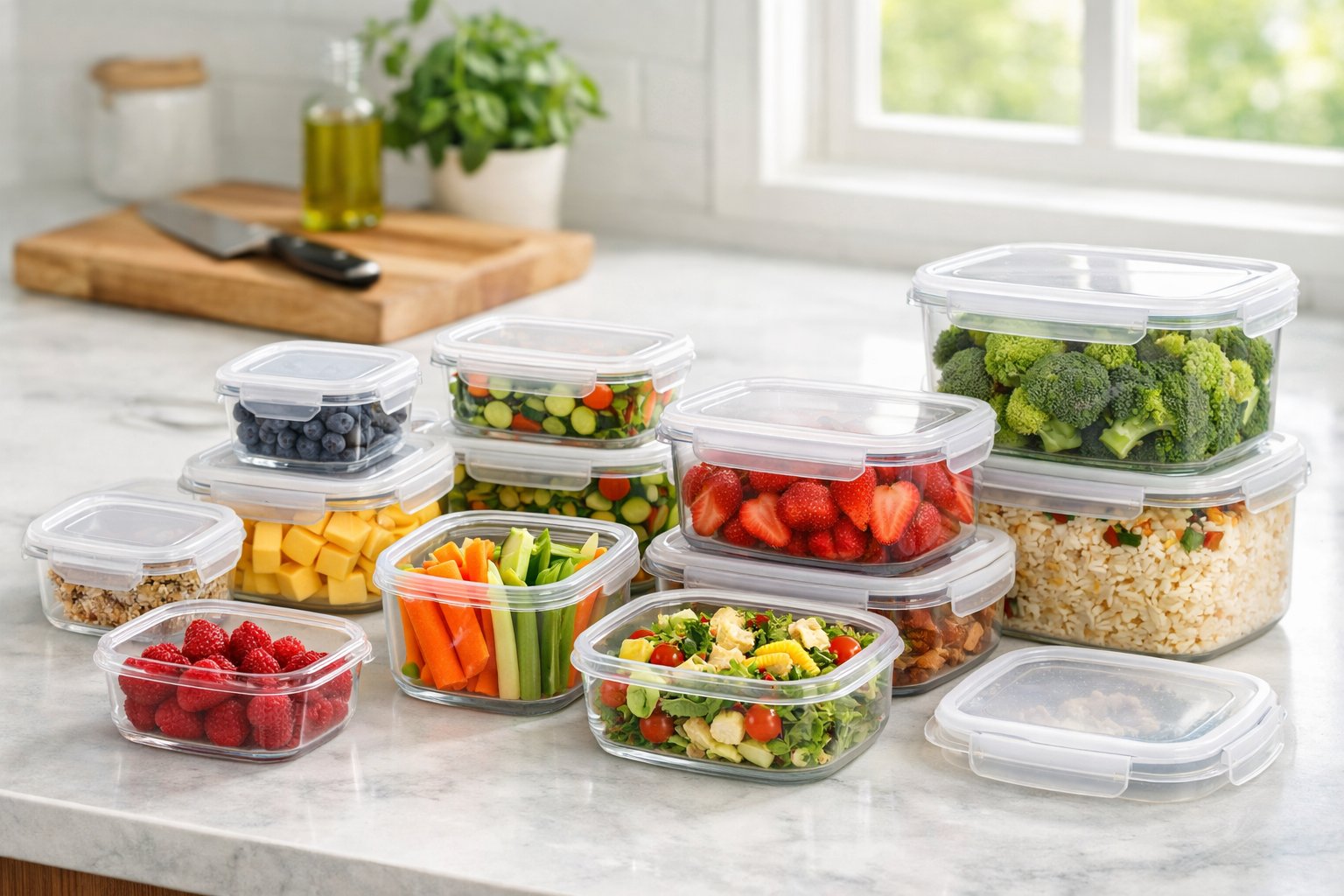
Check out our latest compact vacuum sealer for food collection!
We've all been there, grabbing any old container for leftovers, then finding a forgotten science project festering in the fridge days later. The size of your storage container does more than just organize your shelves.
Container size really determines how long your food stays fresh, mainly by controlling air exposure, which fuels oxidation and bacterial growth. Too much empty space means extra air, and that speeds up spoilage while ruining flavor and nutrition.
That gap between food and lid? It matters more than you'd think. Oversized containers give moisture and bacteria room to roam, while tiny ones squish delicate foods or don’t seal right. The difference? Crisp veggies that last a week, or soggy greens by Wednesday.
Getting container sizing right isn’t rocket science, but you do need to know a few basics about how air, moisture, and materials play off different foods. Once you’ve got the hang of it, you’ll toss less food, save some cash, and spend less time scraping out mystery leftovers.
Key Takeaways
- Match container size to food volume to cut down air exposure and boost freshness
- Square and rectangular containers use fridge space better and help keep temps steady
- Material and sealing work with sizing to stop moisture loss and contamination
Why Container Size Directly Affects Food Longevity
Container size shapes how fast food goes bad by controlling air, moisture, and gas around it. When the container fits right, food lasts longer—sometimes days, sometimes weeks.
Minimizing Air Space and Oxidation
Throw a small bit of leftovers into a massive container, and you’re basically inviting oxygen to wreck your food. Oxygen browns cut fruit, turns fats rancid, and zaps vitamins. The emptier the container, the faster it happens.
Aim to fill containers about 75-80% full—enough to crowd out air but still get the food out easily. For really perishable stuff, like cut avocados or fresh herbs, this can double shelf life. Got two cups of food? Grab a container that holds three, max.
You’ll notice the difference: greens stay crisp, cooked rice doesn’t dry out, and cheese keeps its bite. Even an extra day or two of freshness means less waste (and fewer trips to the store).
Controlling Moisture and Humidity
Container size also decides how moisture acts. Too much space? You’ll get condensation, which leads to mold. The right fit keeps humidity at a sweet spot so food doesn’t dry out or get soggy.
Moisture-sensitive foods and ideal sizing:
- Baked goods: Slightly bigger containers keep them from drying out
- Leafy greens: A bit of air with some ventilation keeps them from wilting or sliming up
- Cooked grains: Snug containers stop the edges from getting hard
High-water foods like cut veggies need close-fitting containers to hold in moisture, but not so tight that nothing breathes. Some produce actually likes a tiny bit of airflow—so perfectly sized, not airtight, containers work best for delicate stuff. The right container keeps humidity around 90-95% for most produce, which is just about perfect.
Reducing Ethylene Gas Exposure
Ethylene gas—yeah, the stuff that ripens fruit—can be a problem if you don’t watch your container sizes. Oversized containers often mean you toss all sorts of produce in together, and ethylene producers like apples or tomatoes will speed up the decay of sensitive veggies like lettuce or carrots.
Smaller, purpose-specific containers help you keep ethylene-producers and sensitive foods apart. If you can’t cram three types of produce in one box, you’re less likely to mix foods that shouldn’t be together. For fruits that do make ethylene, leave 20-30% headspace—enough for some gas to escape, but not so much it ruins everything else nearby.
Choosing the Right Food Storage Container Size
Picking the right size means thinking about the food, where you’ll keep it, and how you actually eat. Nail this, and your food lasts longer, your kitchen feels less chaotic, and you’re not constantly cleaning up spoiled messes.
Sizing for Food Type and Quantity
Every food has its own “just right” amount of breathing room. Leafy greens and herbs need enough space to avoid bruising, but not so much they wilt. Shoot for 75-85% full with most fresh produce.
Liquids (soups, sauces) need extra space at the top if you’re freezing them, since they’ll expand—leave about an inch. Dry goods like flour or rice can fill their bins almost to the top (90% or so) since they don’t really change shape.
Quick sizing guide:
- Fresh herbs: 8-16 oz containers
- Chopped veggies: 24-32 oz containers
- Single servings: 16-24 oz containers
- Family portions: 48-64 oz containers
- Bulk dry goods: 3-5 liter bins
Proteins like cooked chicken or ground beef do best in containers just big enough for the portion—less air, less spoilage. A half-pound of ground beef? 16 ounces. Whole chicken? Closer to 64. The less room, the better.
Matching Container Size to Storage Location
Fridge shelves, freezer drawers, and pantry bins all have their own limits. Rectangular containers pack tighter than round ones and stack better, in my experience. Measure your fridge shelves before buying a new set—no one wants a 4-inch-tall container that doesn’t fit.
Freezers love flat, stackable containers. Shallow bins (2-3 inches tall) freeze food faster and thaw it more evenly. Door shelves are usually best for smaller containers—think 8 to 24 ounces for sauces or small servings.
Pantry bins work best when they’re square or rectangular. A 5-liter bin fits a standard bag of flour and usually runs about 8x6x8 inches—definitely check your shelf depth before you buy.
Meal Planning and Prepping Considerations
If you meal prep, container size becomes part of your Sunday routine. Single meal portions usually need 24-32 ounce containers—enough for your protein, grain, and sides without turning into a mushy pile.
Prepping ingredients separately gives you more options during the week. I keep chopped onions in 16-ounce containers, rice in 32-ounce ones, and sauces in 8-ounce jars. That way, you only open what you need, and the rest stays fresh.
Meal prep container breakdown:
| Meal Type | Container Size | Typical Use |
|---|---|---|
| Breakfast prep | 16-24 oz | Overnight oats, egg muffins |
| Lunch portions | 24-32 oz | Main meal with sides |
| Snack prep | 8-16 oz | Cut fruit, nuts, hummus |
| Ingredient storage | 32-48 oz | Cooked grains, chopped veggies |
Label your containers with dates and what’s inside—it’s easy to forget. See-through containers help too; you can spot what you need without digging through everything.
Materials Matter: Impact on Food Safety and Freshness
Container material isn’t just about looks—it affects how long food stays good and whether you’re risking chemical exposure. Glass, plastic, and stainless steel all have their quirks, and BPA is still a thing to watch for.
Glass, Plastic, and Stainless Steel Comparison
Glass doesn’t absorb smells, stains, or flavors. You can take it from freezer to microwave without worry, and it won’t leach chemicals. For acidic foods, like tomato sauce, glass is a safe bet.
Plastic is light and won’t break if you drop it, but not all plastics are equal. Lower-quality plastic scratches, and bacteria can hide in those grooves. Even BPA-free plastic breaks down over time, especially with heat, and might still release chemicals.
Stainless steel resists dents and odors, and it’s great for blocking moisture and pests. You can’t microwave it or see inside without opening it, though. Good stainless steel won’t react with most foods, but cheap versions can have issues with acids.
| Material | Chemical Safety | Durability | Temperature Range | Best For |
|---|---|---|---|---|
| Glass | Excellent | Breaks if dropped | -40°F to 450°F | Acidic foods, reheating |
| Plastic | Varies by type | Scratches easily | 0°F to 250°F | Dry goods, short-term storage |
| Stainless Steel | Very good | Nearly indestructible | -40°F to 500°F (no microwave) | Lunches, pantry staples |
Understanding BPA and Food Safety
BPA (bisphenol A) is used to harden plastics and line cans. It mimics estrogen and links to hormone disruption, child development issues, and higher health risks. BPA leaches into food, especially when you heat plastic or store fatty or acidic foods in it.
Almost everyone’s exposed to BPA—it’s in over 90% of people tested. Food contact is the main culprit. If you microwave plastic or put hot leftovers in it, BPA moves into your food faster.
The FDA banned BPA in baby bottles and sippy cups, but it’s still in plenty of other containers. Some plastics labeled “microwave-safe” still have BPA or similar chemicals. Avoid reheating food in takeout containers or plastics not meant for heat.
Benefits of BPA-Free Plastics
BPA-free plastics use alternatives like polypropylene (PP) or polyethylene (PE) that don’t have bisphenol A. These are safer for food and resist leaching better than old-school plastics. They’re also light, cheap, and shatterproof—handy for meal prep and lunches.
Most BPA-free containers handle fridge and freezer temps without trouble. Always check for “microwave-safe” labels, though—not all BPA-free plastics like heat.
But here’s the rub: “BPA-free” doesn’t always mean “risk-free.” Some brands swap in BPS or BPF, which might be just as questionable as BPA. Research is still ongoing, but early signs aren’t great. Glass and stainless steel are safest for long-term use, but decent BPA-free containers are fine for food you’ll eat soon.
Specialized Containers and Features for Longevity
Different storage methods create their own protective bubbles, and smart features can add days or weeks to your food’s life. Vacuum sealing pulls out oxygen, stackable systems save space, and specialty containers solve the quirks of tricky ingredients.
Airtight Lids, Vacuum Sealing, and Food Preservation
Airtight containers keep food fresh by sealing out oxygen and moisture. The lid acts as a barrier, slowing down oxidation and locking in flavors.
Vacuum sealing goes a step further. By pulling out the air from vacuum-sealed bags before sealing, we make it tough for bacteria to grow and nearly eliminate freezer burn. Meats can last three to five times longer in the fridge this way.
Airtight lids with silicone gaskets are solid for daily storage—dry goods, leftovers, meal prep, you name it. They're easy to use and reusable. For foods we want to keep even longer, especially proteins or anything headed for the freezer, vacuum sealing is the gold standard.
Canning uses heat to create an airtight seal, which works wonders for fruits, veggies, and sauces—sometimes for years. Beeswax wraps offer a breathable option for produce, keeping things crisp without trapping too much moisture.
Stackable and Modular Systems
Stackable containers are a lifesaver for both shelf life and space. They let us pile up food vertically, so we can actually find stuff without knocking over a tower of mismatched lids at 6 AM.
Square and rectangular containers make stacking way easier than round ones. They fit together neatly, so we don't waste any space or risk a wobbly pile when we're half-awake.
Modular systems use standard sizes that stack together—2-cup, 4-cup, 8-cup, all in the same lineup. This makes meal prep less chaotic and it's easier to see what we've got left.
Containers for Specific Foods (e.g., Dough Boxes, Produce Bags)
Dough boxes are built for dough. They give it space to rise and keep the surface from drying out. The seal keeps the humidity right, but doesn't let condensation mess things up.
Produce bags and drain boxes help veggies stay crisp. Drain boxes lift produce above any water, so we don't end up with that gross, slimy lettuce. Some even have vents you can adjust for different foods—leafy greens versus mushrooms, for example.
Honestly, these aren't just marketing tricks. A real dough box holds fermentation temperature better than a bowl with plastic wrap, and good produce bags can keep berries fresh for days longer.
Practical Storage Tips for Maximizing Food Shelf Life
How we store food changes how long it stays fresh—sometimes by months or years. Managing temperature, freezing things right, and handling pantry staples carefully all make a difference.
Freezing and Freezer Storage Guidelines
We need to keep the freezer at 0°F or below. That stops bacteria and slows down the changes that ruin food.
Before freezing, squeeze out as much air as possible from bags or containers. Air causes freezer burn—those dry, weird patches that ruin flavor and texture. Vacuum-sealed bags are especially good for this.
Best freezer storage tips:
- Always label with what's inside and the date
- Freeze in portions we'll actually use
- Leave space in containers for liquids to expand
- Rotate new items behind older ones
- Don't overload the freezer or airflow suffers
Most cooked meals last three to four months frozen. Raw meats can hang in there from four to twelve months, depending on the cut. Flat-packing ground meat or soups in freezer bags saves space and thaws faster—highly recommend it.
Temperature and Humidity Control for Different Foods
Different foods need their own storage conditions. Most produce does best between 32-40°F, but humidity is a whole other story.
High humidity (90-95%) works for leafy greens, carrots, celery. Low humidity (65-70%) is better for apples, peppers, and things that hate moisture. Modern fridges usually have separate drawers for these.
Pantry items—canned goods, dried foods—prefer 50-70°F and humidity under 15%. Hotter temps speed up nutrient loss and can mess with can seals. We keep shelves away from ovens, dishwashers, or sunny spots.
Humidity over 60% in the pantry? That's asking for mold and ruined packaging. We toss in moisture absorbers if things get sticky in summer.
Proper Storage for Grains, Beans, and Pantry Staples
Grains and pasta last longest in airtight containers, away from moisture and pests. We move them from store packaging into glass jars, sturdy plastic, or Mylar bags with oxygen absorbers for long-term storage.
White rice and pasta can last 25 years or more if sealed up right. Whole grains have more oils, so they’re good for 6-12 months at room temp. Dried beans keep their best quality for 1-2 years, though they’re still edible way beyond that—just tougher to cook.
Storage hierarchy:
- Best: Mylar bags with oxygen absorbers in food-grade buckets
- Better: Vacuum-sealed bags or jars
- Good: Airtight containers in cool, dark spots
- Minimum: Original packaging inside sealed plastic bins
We always check beans for cracks, discoloration, or bugs before cooking. With grains and pasta, we sniff for off smells or look for pests when rotating stock.
Canned goods don't need special containers, but organized shelves help us rotate them and spot expiration dates. Single layers make it easier to check dates and keep cans from crushing each other.
Detecting Spoilage and Maintaining Food Quality
Spotting spoilage early and keeping food organized helps us waste less and keeps things running smoother in the kitchen.
Common Signs of Food Spoilage
Visual cues usually come first. Mold shows up as fuzzy spots—any color—on bread, cheese, or produce. Discoloration is another red flag: gray or brown meat, veggies with dark patches, or cloudy oils all spell trouble.
Texture is another giveaway. Fresh produce turns slimy or mushy. Proteins get a sticky film. Grains and spices start clumping if they've picked up moisture.
Smell is a dead giveaway. Sour, rancid, or ammonia-like odors mean something's off. Storage boxes and bowls can trap smells, so we should always open and sniff before using.
Taste is the last check, but honestly, if food looks or smells weird, don't risk it.
Organization Systems to Prevent Waste
First-in, first-out keeps older food in reach. We label storage boxes and containers with dates and put newer stuff behind the old on shelves and in the fridge.
Grouping food by type helps us keep track. We stash spices and seasonings together in small containers so it's easy to spot dates. Bowls and trays keep raw proteins away from ready-to-eat stuff, which helps prevent cross-contamination.
Clear containers win over opaque ones. We can see if something's going bad without opening everything. This is especially handy for leftovers that tend to get lost.
Regular checks—weekly for the fridge, monthly for the pantry—catch problems before they become a health risk. Anything that looks or smells off gets tossed right away.
Frequently Asked Questions
Container size can make or break how long your food lasts. The right fit means less air, better seals, and fresher food—sometimes for days longer.
What's the secret to keeping my veggies vibrant in storage?
We've noticed that picking a container just a bit bigger than the veggies works best. Less extra air means less wilting and browning.
Leafy greens in particular need a snug, airtight container. Too much space lets moisture escape from the leaves, but also lets humidity build up on the walls—bad combo.
We aim for containers about two-thirds to three-quarters full. That keeps the seal tight and cuts down on oxygen that saps freshness.
Ever wonder if bigger is actually better for storing leftovers?
Honestly, bigger containers usually just make leftovers go bad faster. We've seen rice last just three or four days in a big container, but nearly a week in one that fits.
Extra air speeds up drying and off-flavors. Pasta, casseroles, soups—they all do better with less headspace.
We try to pick containers where the food comes within an inch of the top. Enough room to seal, but not so much that it dries out.
Is your spice's life span shrinking? Could your choice of jar be the culprit?
Small, airtight containers are key for spices. Spices in big jars with lots of empty space lose flavor and aroma way faster.
Every time you open a big spice jar, humid air rushes in and messes with the oils that make spices pop. Ground spices are especially sensitive.
We move bulk spices into small containers—just enough for a few months at a time. Glass or stainless steel with silicone gaskets blocks moisture and light, which both wreck spice quality.
How do compact containers help my herbs stay 'herbaceous' longer?
Fresh herbs wilt fast in big containers. We use little four to eight ounce ones to keep air out and humidity right, so herbs don't dry out or get slimy.
Compact containers help keep the humidity balanced without trapping too much moisture. When we pack basil, cilantro, or parsley in tight, the leaves stay crisp for five or six days instead of two.
Washing and drying herbs before storing helps, too. A paper towel in the bottom of the container soaks up extra moisture, and the tight seal keeps herbs from drying out.
Think small portions are just for diets? See how they extend your food's shelf life!
Dividing food into smaller containers means we're not opening the whole batch every time. That keeps air and bacteria out, slowing down spoilage.
We portion out cooked grains, sauces, and proteins into meal sizes. That way, we only open what we need, and the rest stays fresh.
Smaller portions also cool down faster in the fridge, which gets them out of the danger zone quicker. We've found individual servings of soup or stew last seven to nine days, compared to just three to five in a big container.
Does the fridge layout matter for my meal prep mastery? Spoiler: Size does matter!
Fridge organization and container size really do shape how long your meal prep stays fresh. I like to stack containers of similar size so air can move around them, keeping the temperature steady and avoiding those weird warm spots where bacteria love to hang out.
Square and rectangular containers just fit better—they make the most of your shelf space, and honestly, it's way easier to spot what you've got. That means less chance of discovering a forgotten container that's turned into a mini science project.
I usually stash raw proteins in leak-proof containers down on the bottom shelf, and keep prepared meals and produce up higher. Medium containers, when they're about two-thirds full, stack nicely and naturally separate different foods, which helps cut down on cross-contamination.
Share:
What Causes Stored Food to Smell Off While Still Edible
Why Half-Used Ingredients Lose Freshness the Fastest