

Check out our latest home & kitchen collection!
A kitchen packed with mismatched containers, random drawer organizers, and a jumble of different storage styles might seem fine at first. But if you’ve ever scrambled to find a matching lid or dug through cluttered cabinets while your pasta water boils over, yeah, it’s not great. Matching storage systems create visual order and predictable placement, so you spend less time searching and more time actually cooking.
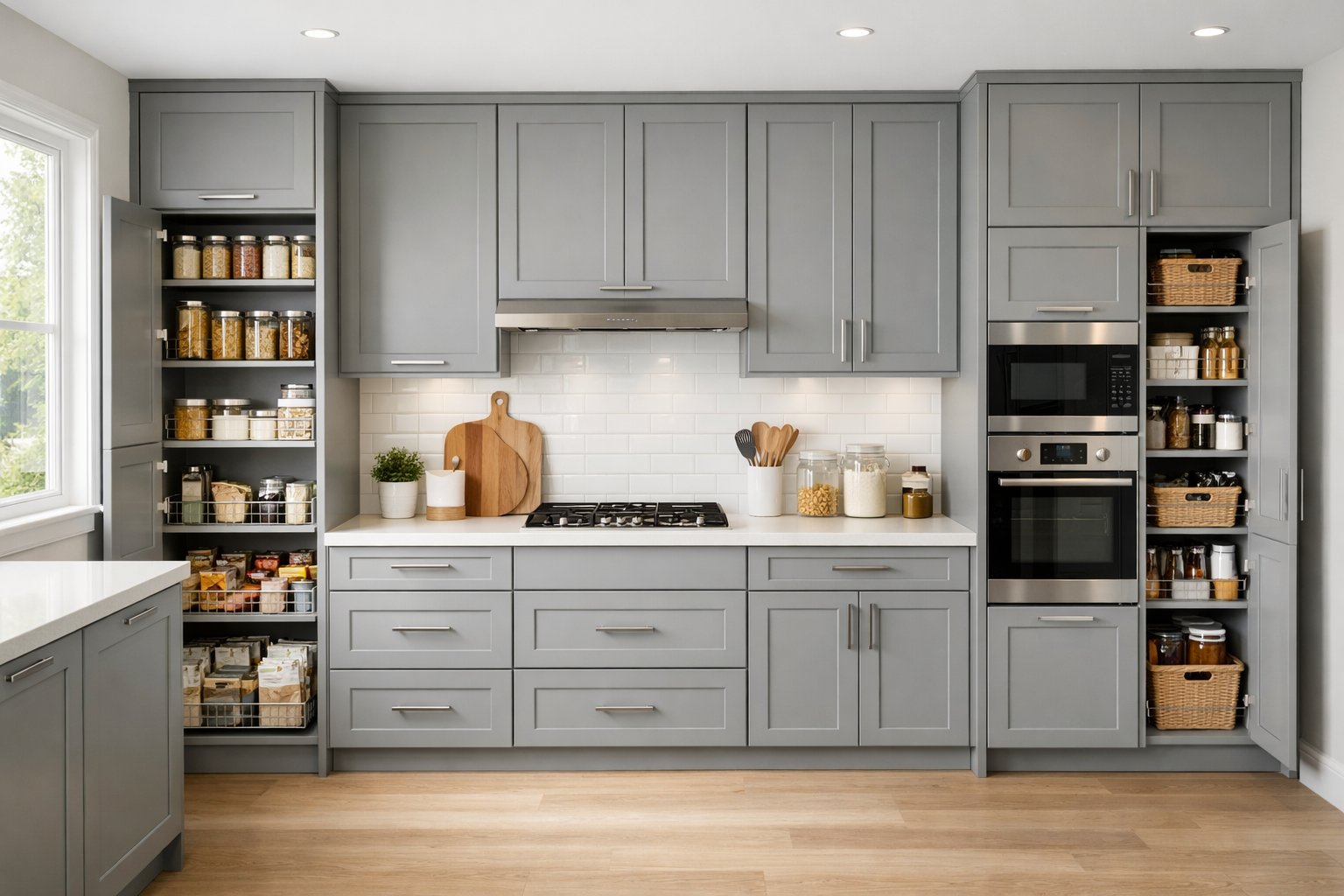
When we talk about matching storage, it’s not just about looks. Sure, a coordinated kitchen looks pulled together, but the real magic is how it changes the way your kitchen works. Uniform containers stack neatly, coordinated drawer dividers build muscle memory so you just grab what you need, and pull-out systems at consistent heights let you see everything in one glance.
The shift from random storage to a matching system is about building habits that stick. When everything follows the same design, your brain can stop making those little decisions about where things go or how they fit. That mental load adds up—especially on busy weeknights when you’re just trying to get dinner done.
Key Takeaways
- Matching storage systems cut down on search time and mental clutter by giving every item a predictable home
- Coordinated containers and organizers maximize space efficiency with stackable designs and uniform sizes
- A unified storage approach improves both daily cooking flow and long-term organization, making it easier to keep things in order
The Core Benefits of Matching Kitchen Storage
Coordinated kitchen storage solutions really change how smoothly we move through meal prep, how fast we find what we need, and whether our kitchen feels intentional or just... chaotic. These systems turn scattered cabinets into functional zones that support better cooking habits.
Streamlined Workflow and Meal Prep
Matching storage containers and organizers cut out the fumbling that slows us down. When pantry containers are the same size and shape, they stack easily and ingredients are visible at a glance—no more shuffling through a mess of jars.
This consistency helps with the work triangle between sink, stove, and fridge. Uniform drawer dividers near each station mean you grab the right tool immediately—no digging for measuring spoons in three different drawers. Pull-out shelves at matching heights let you access heavy pots without rearranging everything else.
The prep zone just works better. Line up coordinated containers of your most-used ingredients right where you need them, and you’ll move less between stations. Studies show organized kitchens cut meal prep time, mostly because you know exactly where things live and can reach them without thinking.
Enhanced Accessibility and Organization
Uniform storage systems make finding things almost automatic. If you use one container style for baking supplies and another for breakfast stuff, everyone in the house just gets it—no need to explain.
Key accessibility improvements:
- Matching containers end the endless hunt for lids
- Standard heights stop things from getting buried in the back
- Consistent drawer dividers mean you always know where your tools are
- Pull-out systems work smoothly everywhere
Modern kitchen design leans on these coordinated solutions because they can boost usable storage space by up to 30%—all without knocking down walls. That efficiency comes from organizers that actually fit together, not leaving those weird gaps that turn into junk zones.
Consistent Aesthetic Appeal
Visual harmony matters more than we admit. When organizers, containers, and cabinet inserts share a design language, the space feels intentional—not like it was thrown together over time.
Matching finishes—wood tones, matte black, clear acrylic—cut down on visual noise. Open a drawer and see bamboo dividers or uniform bins, and suddenly it feels like a permanent system you’ll actually want to keep up. In modern kitchens with open shelving and glass-front cabinets, storage is always on display.
When storage looks cohesive, we’re more likely to respect the organization. Coordinated systems feel like investments, not just temporary fixes, and that subtly changes how we use the kitchen every day.
Visual Harmony and Its Impact on Functionality
Matching storage creates a unified visual foundation that really does make everything run smoother. When storage solutions coordinate in color, material, and style, we cut decision fatigue and make the space feel clearer—which translates to faster, less stressful meal prep.
Reducing Visual Clutter for Better Focus
Visual chaos fights for our attention when we’re cooking. Open a cabinet filled with mismatched containers and your brain processes each one before finding what you need. Research even shows visual clutter can cut focus by up to 15%, which means slower cooking and more mistakes.
Matching storage containers take that load off your mind. With uniform jars for dry goods or bins for tools, your eyes scan more efficiently. You find things by label, placement, or size—not by sorting through a mess.
This matters even more with complex cooking. If you’re juggling several recipe steps, the last thing you need is your storage system demanding extra brainpower. Glass-front cabinets especially benefit from matching storage—mismatched stuff is distracting when it’s always in view, while coordinated storage just looks organized.
Creating a Sense of Spaciousness
Matching storage somehow makes kitchens feel bigger. When containers, baskets, and organizers share colors and materials, they read as one unit instead of breaking up the space.
Custom cabinetry designers often recommend matching storage to maximize the feeling of space. A pantry filled with clear containers with white lids looks like one organized system, while the same pantry with random packaging feels cramped and busy.
Open shelving works the same way. Five matching canisters take up the same space as five random ones, but they create a visual calm that makes the kitchen feel larger. In small kitchens, this effect is even more noticeable.
Achieving Cohesion in Open-Concept Kitchens
Open-concept layouts put kitchen storage on display from the living and dining rooms, so visual coordination matters even more. What we store and how it looks becomes part of the home’s whole vibe—not just kitchen function.
Matching storage helps the kitchen blend with other spaces. If your living room has warm wood, matching wooden or bamboo containers create flow. Glass containers with metal lids can echo stainless appliances and keep things looking sharp from every angle.
If you’ve got open shelving or glass-front cabinets, mismatched items create visual chaos that spills over into other rooms. Coordinated storage turns those exposed spots into design features, not eyesores.
Key Types of Matching Kitchen Storage Solutions
Coordinated storage systems usually fall into three main buckets: cabinet solutions that make the most of enclosed spaces, containers that keep pantry items visible and fresh, and vertical options that use walls and doors to free up counters and cabinets.
Cabinet Organizers and Pull-Outs
Pull-out shelves transform deep cabinets from black holes into usable storage. Instead of crawling on the floor to reach that one pot, you just slide the shelf out and grab what you need. These usually glide on metal rails and can hold 75-100 pounds, so heavy cookware isn’t a problem.
Deep drawers are great for bulky stuff like mixing bowls and small appliances. Match the drawer organizers inside—same material, same finish—and it’s easier to keep things in place. Everyone knows where things go.
Drawer dividers keep utensils, gadgets, and tools separated. Adjustable ones with pegs or slots let you tweak the setup as your collection changes. When all your drawers have matching dividers, you start to grab the right tool without even thinking about it.
Pull-out drawers in lower cabinets give you about 40% more usable space than fixed shelves. Cabinet door racks add storage for lids, cutting boards, and foil without big installs. When these match your cabinet hardware and finishes, the whole setup feels intentional.
Stackable and Modular Containers
Uniform containers end the lid-hunting game. When everything’s the same size and shape, you stack up and actually use vertical space, instead of leaving awkward gaps.
Clear containers show you what’s running low, so you don’t buy duplicates. Glass or BPA-free plastic in matching sets keep dry goods fresh and make shelves look pretty sharp.
Common container sizes:
- Small (1-2 quarts): spices, baking powder, seeds
- Medium (3-4 quarts): flour, sugar, pasta, rice
- Large (5+ quarts): cereal, bulk grains, snacks
Modular systems grow with your needs. Add pieces as you go, and it all still looks intentional. When storage looks planned, you’re just more likely to keep it up.
Vertical Storage and Wall-Mounted Racks
Most of us forget about vertical space on walls and inside cabinet doors—which is basically wasted storage. Wall racks for pots, utensils, and boards get daily-use items off counters but still handy.
Magnetic knife strips hold blades securely and use wall space you’d otherwise ignore. You see exactly which knife you’re grabbing—no more rummaging.
Adjustable shelves inside cabinets let you set the right height for different things. Short shelves for spices and cans, taller ones for appliances. When hardware and brackets match, swapping shelf heights between cabinets is a breeze.
Cabinet door racks in matching finishes turn the backs of doors into legit storage for wraps, bags, or cleaning stuff. Super helpful in small kitchens where every inch matters.
Maximizing Every Inch: Smart Zones and Clever Features
Strategic storage zones and thoughtful features can turn awkward spaces into real assets. When we match storage to fit our actual needs and tackle tricky areas like corners, the kitchen just works harder—no need for more square footage.
Customized Solutions for Everyday Needs
Custom storage makes the biggest difference in daily kitchen life. A pull-out pantry fits into narrow gaps and transforms a six-inch space into vertical storage for oils, vinegars, and spices. Tray dividers keep baking sheets and boards upright instead of stacked in a wobbly pile.
Under-sink storage is usually a mess, but pull-out organizers with adjustable shelves work around plumbing and keep cleaning supplies in check. Adding pantry bins to group similar items—baking stuff, snacks, whatever—makes everything easier to grab.
Spice racks inside cabinet doors or built into narrow pull-outs keep seasonings visible and handy. Shelf risers double cabinet space by making two levels for plates, bowls, or cans. These little tweaks add up and really speed up finding what you need.
Corner Cabinets and Hard-to-Reach Spaces
Corner cabinets are the trickiest real estate in any kitchen. A lazy susan is the classic fix—spin it and everything’s right there. Modern versions have two tiers to maximize vertical space and keep things separated.
Pull-out corner systems work differently but just as well. They slide out and swing items into view, ending the “black hole” where things vanish. Hidden compartments in toe-kick areas below base cabinets give bonus storage for flat stuff like racks or platters.
Deep corner drawers are another option—they pull straight out with angled fronts to access the whole space. Stack pots and pans without reaching into dark corners. The trick is picking corner solutions based on what you’ll actually store there, not just leaving those spots empty.
Elevating Home Value and Kitchen Remodels
A kitchen remodel is one of the best ways to boost home value, with minor updates often recouping 70-80% of costs at resale. Coordinated storage solutions play a real part in this by signaling quality and careful planning to buyers.
Move-in Readiness and Resale Value
Buyers put kitchens at the top of their wish lists, and matching storage systems say a home is move-in ready. Custom cabinetry with uniform finishes and hardware eliminates the chaos that makes kitchens feel incomplete.
Tall cabinets with a built-in fridge create seamless, wall-to-wall storage that looks great in listings. This integrated approach shows the kitchen’s been thoughtfully designed, not pieced together over time. Homes with cohesive storage sell faster because buyers don’t expect to renovate right away.
Energy-efficient appliances tucked behind matching panels offer a double win—lower utility bills and polished style. An appliance garage with coordinating doors keeps counters clear while maintaining that unified look buyers love. These details matter during showings, when first impressions decide if buyers can picture themselves living there.
Matching Storage as a Selling Point
Coordinated storage isn't just background noise—it can be a real selling feature when you're listing a home. Real estate agents often call out custom cabinetry in listings, and for good reason: those systems signal a step up from the basic builder-grade stuff.
When tall cabinets frame a built-in fridge, it creates a striking focal point and hints at quality throughout the house. Buyers may not always know what makes a kitchen "feel expensive," but they pick up on the uniformity and craftsmanship, even if it's subconscious.
Consistent storage zones with matching finishes also shine in listing photos. Most buyers scroll through homes online first, and a kitchen with coordinated storage just photographs better. An appliance garage with matching cabinet faces keeps the visual flow going, while mismatched storage can distract and pull focus from the kitchen's best features.
Practical Tips for Implementing Matching Storage
Start with the busiest spots and pick systems that support how you actually cook—makes the whole process less overwhelming. Your personal style should matter as much as function when you're designing a kitchen that works for you.
Easy Upgrades for Small and Large Kitchens
Drawer organizers are hands-down the easiest starting point. Swapping out random utensil holders for matching bamboo or plastic dividers can turn a chaotic drawer into a usable station. It doesn't cost much, takes just minutes, and the improvement is obvious right away.
Next up: cabinet organizers. Matching pull-out shelves or tiered risers in pantry cabinets make everything accessible, no renovation required. It helps to tackle one cabinet at a time instead of trying to redo the whole kitchen in a weekend.
Quick wins by zone:
- Cooking zone: Matching pot racks or pan organizers near the stove
- Prep zone: Coordinated knife blocks and cutting board holders on the counter
- Cleaning zone: Uniform bins for trash and recycling under the sink
If you have a large kitchen, island storage with matching drawer organizers pays off. Smaller kitchens get more mileage from vertical solutions like wall-mounted racks—all in the same finish, ideally. Sticking to a couple of materials keeps things pulled together but not overly matched.
Blending Function With Personal Style
Matching doesn’t have to mean lifeless. The best storage systems reflect how you really cook, not just what looks good on Instagram.
If you love baking, matching containers for flour and sugar make sense. If you’re more of a weeknight stir-fry person, coordinated drawer organizers for your favorite tools matter way more than pretty pantry bins.
Materials carry a vibe. Natural wood brings warmth to farmhouse kitchens, while acrylic or metal feels right in modern spaces. Mixing textures within the same color family adds some interest without breaking the visual thread.
Style matching guide:
| Kitchen Style | Storage Materials | What to Match |
|---|---|---|
| Modern | Acrylic, stainless steel | Cabinet organizers, drawer dividers |
| Farmhouse | Wood, woven baskets | Open shelf containers, drawer inserts |
| Industrial | Wire, metal | Pot rack, utensil holders, shelving |
Labels are a lifesaver when you’re using similar containers for different things. Keeping label styles consistent helps the look stay coordinated and makes it easier for everyone to find what they need.
Frequently Asked Questions
Coordinated kitchen storage comes with real-world questions about setup, daily use, and whether it’s actually worth the effort in a working kitchen.
How does coordinated storage simplify meal prep and cooking?
Matching storage creates predictable zones, so ingredients and tools always live in the same spot. When you’re cooking, you don’t waste time hunting for measuring cups or wondering where the olive oil went.
Uniform containers stack neatly and fit together, so you can grab what you need without knocking over a pile of stuff. Pull-out shelves at the same height mean heavy pots slide out easily—no digging required.
The time savings add up, especially on busy weeknights. Organized kitchens really do help cut meal prep time, especially when you’ve set up a system that makes sense without much thought.
What tricks can you spill for maximizing storage in a small kitchen space?
Matching pull-out drawers in base cabinets can boost usable space by up to 40% compared to basic shelves. You actually see what’s in the back instead of losing half your pantry to the void.
Slim rolling carts that fit between appliances—usually 6 to 12 inches wide—add extra prep space or overflow storage. When you’re done, just tuck them away.
Vertical storage is a game-changer in tight spaces. Tiered shelving and stacking bins can increase cabinet capacity by 25-35%. Wall-mounted racks get utensils and cutting boards off the counters and out of overcrowded drawers.
Are there any smart tips for container use that keep kitchen chaos at bay?
Uniform containers end the lid-hunting game. When everything’s the same size and shape, lids are interchangeable and containers stack up without wasting space or tipping over.
Clear containers let you see what’s inside instantly, so you know when you’re running low. Matching, labeled containers for different categories—like baking supplies in one style and breakfast items in another—set clear visual boundaries.
The fewer types of containers you deal with, the faster cleanup goes. Wiping down a set of identical containers is way easier than wrestling with a jumble of random shapes.
Can we dish out the details on the role of a well-organized pantry?
A coordinated pantry makes meal planning less stressful because you can actually see what you have. Matching bins and containers keep similar items together—grains with grains, snacks with snacks.
Pull-out shelves or lazy Susans bring everything to eye level, so you’re not crouching and peering into dark corners. This setup makes it easier to keep track of expiration dates and rotate your stock.
When the pantry follows a clear system, everyone in the house can find things without asking. That alone makes the effort worthwhile.
When it comes to kitchen storage, does form follow function, or is it the other way around?
Honestly, you don’t have to pick one over the other—coordinated storage gives you both. Drawer organizers keep utensils sorted and still look good if someone sneaks a peek.
Matching materials and finishes tie the kitchen together visually, but the real win is that uniform systems just work better. When containers fit and organizers follow the same dimensions, you use space more efficiently and keep things tidier with less fuss.
Good design should support function. Open shelves with matching containers look intentional and make it easy to grab what you need. The aesthetics just make the practical setup more satisfying to live with.
Storage mix and match - a recipe for disaster or a dash of personality for your kitchen?
Mixing storage styles usually leads to visual clutter and awkward gaps that quickly become junk zones. When we grab random containers and mismatched organizers, things rarely fit together, and we waste space. Before you know it, you're just shuffling stuff around, not really solving the problem.
Still, coordinated doesn't mean everything needs to look identical. You can mix materials—say, wood dividers with metal racks—if the finishes and sizes actually work together.
The trick? Be intentional. Pick a few matching systems that work for now, but leave yourself room to add more later. That way, your kitchen stays functional and looks pulled together, without feeling stiff or over-designed.
Share:
Understanding Flow Between Storage, Prep, and Cooking Areas
Understanding Flow Between Storage, Prep, and Cooking Areas