

Check out our latest collection of compact vacuum sealer for food!
A well organized meal prep routine can save your week before it even starts. Instead of buying random groceries, forgetting ingredients, and scrambling for dinner, a simple plan helps you use what you have, cook with purpose, and keep fresh food within easy reach.
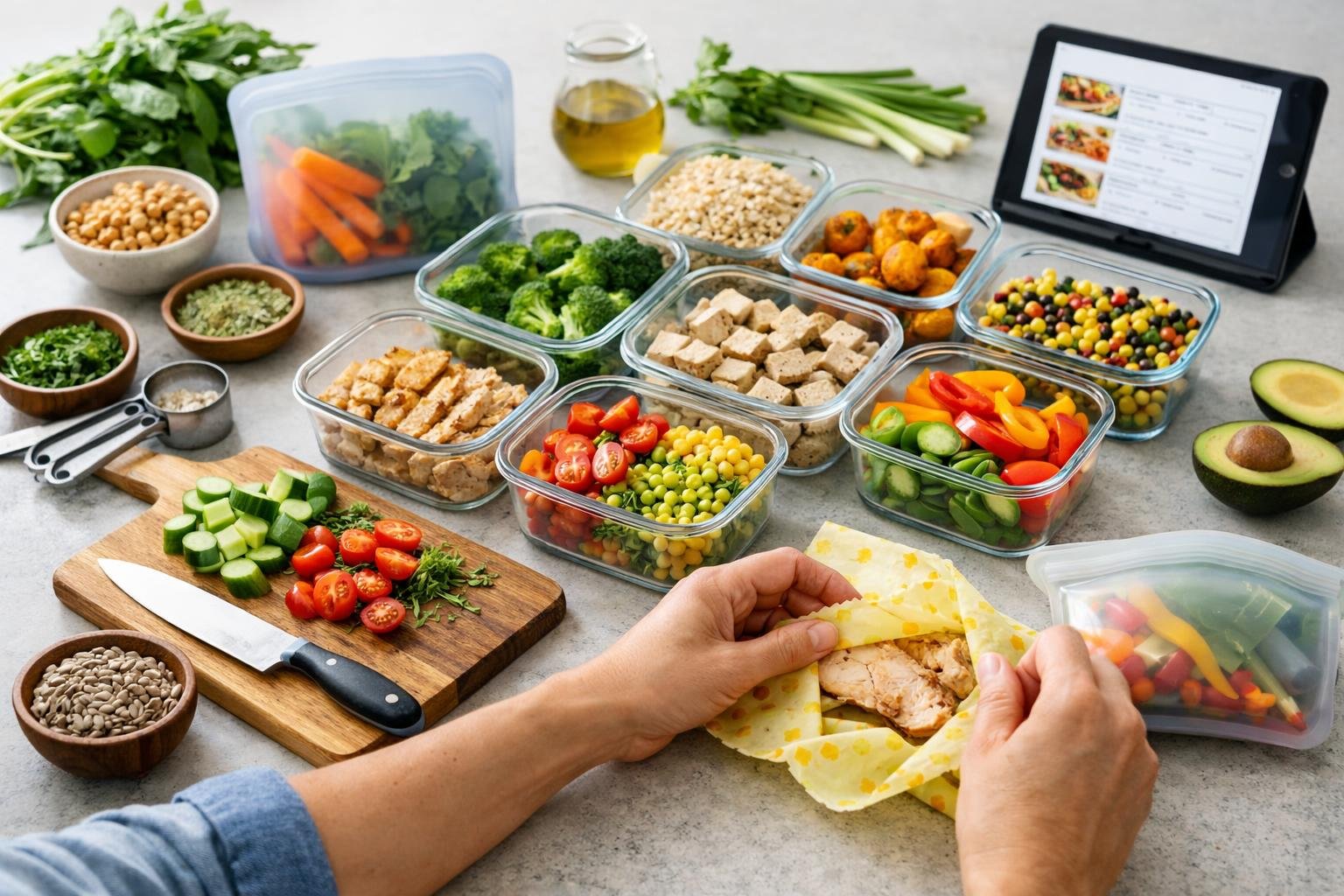
Meal prep is not about making every meal identical or spending your whole Sunday in the kitchen. It is about planning meals with overlapping ingredients, prepping a few useful staples, and storing food in a way that keeps everything visible, fresh, and easy to grab.
With the right routine, you can reduce waste, save time, spend less on groceries, and make home cooking feel much easier. In this guide, you will learn practical meal prep strategies that help you stay organized without overcomplicating your kitchen routine.
Key Takeaways
- Plan meals that use overlapping ingredients and prep them in batches to save time and cut waste
- Use good storage containers, label and date everything, and organize your fridge so food stays fresh and visible
- Start with easy one-pot or sheet-pan recipes and build a prep routine that fits your real schedule
Fundamental Principles of Organized Meal Prep
Organized meal prep can turn weeknight cooking from a scramble into a pretty smooth system. It’s all about knowing what meal prepping is, how it helps you waste less food, and using strategies that actually fit your life.
What Is Meal Prep and Why It Matters
Meal prep means planning, shopping for, and prepping multiple meals or meal parts ahead of time, usually for the week. You don’t have to cook everything on Sunday and eat leftovers all week, unless you want to. It might just mean washing and chopping veggies, cooking some proteins, or prepping grains so they’re ready to go.
Why bother? It helps with the 6pm “what’s for dinner” panic and stops you from letting groceries rot in the fridge. When ingredients are prepped, you make better shopping choices and don’t resort to takeout as often.
Some folks do full meals in containers, others just prep basics to mix and match. Both work, pick what fits your style and schedule.
The Benefits of Reducing Food Waste
Most of us throw out more food than we realize, especially produce and forgotten leftovers. Meal prep fights this by making us plan for every ingredient before we buy it.
When you base meals around what needs using up, you waste less. That cilantro gets used in tacos and then in curry, not as green goo by Friday. Cooked proteins get portioned right away instead of dying in a takeout container.
A few ways meal prep helps waste less:
- You shop intentionally, not randomly
- Prepped foods go straight into storage at safe temps
- You see what’s about to go bad, so you use it up
- Freezing extras before they spoil becomes second nature
Buying in bulk also makes more sense when you know you’ll actually use and freeze the extras. Planning and shopping go hand in hand, and that’s where you really save money.
Core Meal Prep Strategies for Busy Households
The easiest way to stick with meal prep is picking one or two days a week to do the bulk of it. Focus on foods that take longer, such as proteins like chicken or beans, grains like rice or quinoa, and roasted veggies.
Some real-life time savers:
- Batch-cook proteins and grains while prepping veggies
- Wash and chop veggies all at once for a few recipes
- Use the oven or stove to cook several things at the same time
- Prep grab-and-go breakfasts and lunches in their own containers
Start small, maybe just prep for 2-3 dinners instead of the whole week. Prepping basics, like cooked chicken, chopped onions, or washed greens, gives you flexibility without forcing you to eat the same thing every day.
Label everything with the prep date so you know what to use first. Keep herbs and greens in clear containers at eye level so you don’t forget them. Seriously, out of sight is out of mind. Don’t let good food disappear into the crisper abyss.
Smart Meal Planning for Efficiency and Savings
Meal planning helps you spend less on groceries and cuts down on kitchen time by deciding what you’ll cook before you shop. If you plan around your actual week, you’ll avoid impulse buys and those last-minute takeout splurges.
Building a Practical Meal Planning Routine
Take 20-30 minutes once a week to plan your meals, ideally before you shop. Sunday night or Saturday morning usually works, but pick whatever time lets you think ahead without feeling rushed.
Start by checking your calendar. Got a busy night? Plan something quick or use leftovers. Chill evening? Maybe try a new recipe. Honestly, planning for 4-5 dinners a week, not all seven, gives you wiggle room for leftovers or eating out, so you’re not setting yourself up for waste.
Before you plan, check what’s already in your fridge, freezer, and pantry. Using up what you have first stops you from buying doubles and helps you use perishables before they spoil. Try to plan at least a couple meals around what’s already on hand.
Pick recipes that share ingredients. If you’re buying fresh parsley for one dish, find another recipe that uses it up. This kind of overlap stretches your grocery dollar and keeps things from going bad.
Creating and Using a Grocery List
A solid grocery list, organized by store section, keeps you from forgetting stuff or grabbing random extras. We usually split our lists into produce, proteins, dairy, pantry, and frozen, which makes shopping faster.
Write down quantities. Instead of just “chicken” or “onions,” put “2 lbs chicken breast” or “3 yellow onions.” It’s way easier to buy the right amount and not overdo it.
Keep a running list during the week. Stick a notepad on the fridge or use your phone. That way, you don’t forget what you’re running out of by shopping day.
Before you leave, double-check your meal plan against your list. Make sure you’ve got every ingredient, even the basics like olive oil or garlic. Saves you from those annoying mid-recipe runs to the store.
Incorporating Dietary Needs and Preferences
Meal planning can cover special diets without cooking separate meals for everyone. Figure out any must-follow restrictions, like allergies or health needs, then work around preferences when you can.
Build meals around flexible recipes. Taco night works great. Just offer different proteins and toppings so everyone’s happy. Stir-fries, grain bowls, and pasta dishes are easy to customize for different needs.
Plan a couple of familiar favorites each week, mixed with something new. It keeps everyone on board and makes trying healthier stuff less overwhelming. Changing everything at once rarely sticks. Slow and steady works better.
Stock up on versatile basics, such as eggs, rice, beans, seasonal veggies, and proteins that fit different diets. These are your meal-building blocks, whether someone’s plant-based, low-carb, or just likes classic comfort food.
Leveraging Meal Planning Apps and Tools
Meal planning apps can make life easier by storing recipes, making grocery lists, and tracking what you’ve cooked. Some let you scale recipes, swap ingredients, or share plans with the family.
We like apps that let you scan barcodes or track pantry inventory, which helps avoid buying doubles. Some even suggest recipes based on what’s in your fridge, which is honestly a lifesaver when you’re out of ideas.
But honestly, a simple notes app or spreadsheet works fine if you’re not into fancy tech. Just set up a template with days of the week and fill in your meals. Save it so you don’t have to start from scratch every time.
The best system is the one you’ll actually stick with. If you hate apps, use paper. No shame in keeping it low-tech if it works for you.
Batch Cooking and Portion Control Techniques
Batch cooking saves you a ton of time, and portioning meals ahead keeps you from overeating or tossing out spoiled leftovers. Here’s how to bulk-prep basics, portion things out, and avoid wasting food.
Batch Cooking Base Ingredients
Focus on making big batches of basics you can use in lots of meals. Roast some chicken thighs, brown ground turkey, or cook up a pot of beans. Season them simply so you can use them in different dishes.
Grains and starches are perfect for batch cooking. Make a big pot of rice, quinoa, or pasta and stash it in the fridge. Roasted veggies like peppers, broccoli, or sweet potatoes hold up well and save you from chopping every night.
Keep flavors neutral so you don’t get bored. A plain batch of rice can be stir-fry one night, burrito bowls the next, and fried rice later on. No one wants to eat the same thing over and over.
Prepping and Portioning Meals Ahead
Once you’ve cooked, portion things out right away, either into single servings or family-sized containers. Label them with what’s inside and the date so you know what to eat first or what to freeze.
Pre-portioned meals make weeknights so much easier. Put together simple combos, such as protein, grain, and veggies, in one container and dinner’s just a quick reheat away. This is a lifesaver for lunch. Just grab and go.
For freezing, portion food in flat layers so it stacks neatly and thaws quickly. Single servings mean you only defrost what you need, not an entire batch.
Mastering Portion Control for Less Waste
Use measuring cups or a kitchen scale at first to get a feel for what a real portion looks like. Most of us serve ourselves way too much, which leads to overeating and leftovers that just go bad.
A typical meal: 3-4 oz protein, 1/2 to 1 cup grains, 1-2 cups veggies. Once you know what that looks like, you can eyeball it. Smaller containers help keep portions reasonable and stop you from loading up more than you’ll actually eat.
Pay attention to leftovers. If you keep throwing out half a pot of rice, just make less next time. Adjust as you go, and you’ll find your sweet spot.
Choosing and Organizing the Best Meal Prep Containers
Good containers make meal prep work. They keep food fresh, help you see what you’ve got, and make storage less of a headache.
Container Options: Glass, Plastic, and More
We’re big fans of glass containers. They’re oven- and microwave-safe, don’t stain or hold smells, and won’t leach chemicals into your food. Great for reheating and long-term storage.
BPA-free plastic containers are lighter and cheaper. They are handy for taking meals to work or the gym since they won’t break if you drop them. Look for ones with locking lids that actually seal and don’t leak.
Honestly, it’s nice to have both. Use glass for acidic foods, like tomato sauce, and oven reheating, plastic for on-the-go meals and dry stuff.
Mason jars are super versatile for salads, overnight oats, or soups. Layer ingredients so the dressing stays at the bottom and greens up top. For the freezer, go with containers or bags that prevent freezer burn. Vacuum-sealed bags are awesome for proteins and soups.
Pick containers that stack easily and are all about the same size and shape. It saves space and makes it way easier to see what you have.
Proper Food Storage Techniques and Safety Tips
Let hot food cool to room temperature before sealing it up. Otherwise, you’ll trap steam, get soggy food, and risk bacteria. We usually split big batches into smaller containers so they chill faster and are easier to grab later.
Raw proteins belong on the fridge’s bottom shelf. If anything leaks, you won’t ruin your leftovers. Meals you’ve already cooked? Keep those up top, where temps stay steady.
If you’re freezing soups or stews, leave about an inch of space at the top of the container. Liquids expand and nobody wants a cracked lid or a freezer mess.
Airtight containers help slow down bacteria by keeping out air. Push those lids down hard, especially if there’s a silicone seal. When we get new containers, we fill them with water and shake them around to check for leaks before trusting them with actual food.
Get most leftovers in the fridge within two hours. Eat refrigerated meals within 3-4 days, and frozen ones within 2-3 months for the best taste and safety.
Labeling Systems and Freezer Strategies
Label everything with what it is and when you cooked it. We use masking tape and a permanent marker, or sometimes just write right on freezer bags with a plastic-safe marker.
Whenever we stash new food, we move older containers to the front. First-in, first-out keeps us from rediscovering science experiments in the back of the freezer.
We like to organize the freezer by category. Proteins in one spot, grains in another, soups together, and so on. Flat bags stack vertically, kind of like file folders, so you can actually see what you have.
A running inventory on your phone or stuck to the fridge door helps too. Cross things off as you use them, add new stuff as you prep. It’s a 30-second habit that saves you from standing in front of the open fridge, wondering what’s for dinner.
If you microwave meals at work, try grouping containers by how fast they reheat. That way, you can grab something quick if you’re in a rush.
Shopping and Cooking Smarter for Less Waste
A few smart habits can turn meal prep from a wasteful hassle into something that actually saves money and fridge space. Buy what’s in season, grab bulk deals when it makes sense, don’t shy away from “ugly” produce, and get creative with leftovers. It all adds up.
Using Seasonal Produce and Buying in Bulk
Seasonal produce is cheaper and lasts longer since it hasn’t been shipped halfway across the world. Strawberries in June taste better and keep longer than the sad winter ones.
Bulk buying is great for pantry staples, such as grains, beans, nuts, and olive oil. We portion these into smaller containers and freeze the extras so nothing goes stale.
Bulk buying tips:
- Split big bags with friends or family
- Freeze herbs in oil or water
- Store grains and beans in airtight jars
- Buy bigger cuts of meat and portion them at home
But don’t get carried away. We’ve all bought a massive bag of something on sale, only to forget about it until it’s stale.
Embracing Local Ingredients and Imperfect Produce
Local stuff usually has less packaging and gets to you faster, so it’s fresher. Farmers markets and co-ops often have deals, especially if you shop near closing time.
Imperfect produce is everywhere now. “Ugly” fruits and veggies are cheaper and taste just as good. A crooked carrot or a lumpy tomato? Who cares, they cook up the same.
We save a ton by grabbing what others leave behind. Bruised apples make great applesauce. Bent cucumbers? They’re perfect for salads.
Where to find cheap local produce:
- Last hour of weekend farmers markets
- CSA, or community supported agriculture, boxes
- Discount produce racks at grocery stores
- Co-op member deals
Using Leftovers Creatively
Leftovers shouldn’t just sit in the fridge. Turn them into something new so you’re not stuck eating the same thing three days in a row.
Roasted veggies can fill a frittata, start a soup, or top a grain bowl. Cooked grains work in porridge, fried rice, or burgers. Proteins get shredded for tacos, chopped for salads, or blended into dips.
Even scraps can become stock. We keep a freezer bag for veggie peels, herb stems, and bones. Just simmer with water for homemade broth.
Leftover ideas:
- Day-old rice? Make fried rice or rice pudding.
- Roasted chicken? Chicken salad, soup, or quesadillas.
- Wilted greens? Toss them into smoothies, pesto, or a quick sauté.
- Stale bread? Croutons, breadcrumbs, or bread pudding.
Treat leftovers as ingredients, not just repeats. It keeps things interesting and cuts down on waste.
Essential Meal Prep Hacks and Lazy Solutions
Let’s be real, meal prep can feel like a chore. But a few shortcuts and low-effort tricks make it manageable, even on busy weeks. We’re all about keeping things practical and not letting food go to waste.
Time-Saving Meal Prep Hacks
We always label containers with the date. It’s the easiest way to avoid mystery meals hiding in the back.
Batch-cooking proteins on Sunday gives us options all week. Grill a bunch of chicken, roast a tray of veggies, cook up a pot of rice, and suddenly, you’ve got mix-and-match meals.
Good containers are worth it. Clear ones show you what’s inside, stackable ones save space. We use deli containers for salads and dressings. They’re cheap and just the right size.
Slow cookers and Instant Pots let us start dinner in the morning and come home to a hot meal. Freezing single portions of soup or chili in flat bags means they stack neatly and thaw fast.
Pre-Cut Vegetables and Convenience Staples
We don’t feel bad buying pre-cut veggies. The time saved is worth a few extra bucks. Chopped onions or sliced peppers mean we’re more likely to cook instead of ordering out.
Bagged frozen veggies are a lifesaver. Always ready, last forever, and work in stir-fries, bowls, or as sides.
If we need bell peppers for fajitas, we plan another meal, maybe a stir-fry, that uses them too. That way, nothing gets forgotten.
We wash and prep produce right after shopping. Washed lettuce with a paper towel stays fresh days longer.
Overnight Oats, Smoothies, and Quick-Grab Meals
Overnight oats are a no-brainer. We make a week’s worth in mason jars: oats, protein powder, milk, toppings, done.
Smoothies are even easier if you pre-bag the ingredients. Frozen fruit, spinach, protein powder. Just dump it in the blender with some liquid.
Jar salads keep well if you put dressing at the bottom and greens on top. Grab and go, and they’re not soggy by lunch.
Repurposing leftovers is the lazy way to meal prep. Yesterday’s chicken becomes today’s grain bowl with some veggies and a new sauce. It keeps things interesting and saves time.
Auditing and Improving Your System
We pay attention to what actually gets eaten and what goes bad. If spinach always wilts, we switch to kale or buy it frozen.
Snapping a quick photo of the fridge before shopping helps us avoid buying duplicates. We also keep a list on our phone of what needs to be used soon.
Trying one new meal prep trick at a time keeps things manageable. Maybe freeze herbs in oil this week, try jar salads next week.
Matching container sizes to what we actually eat helps too. We learned the hard way that big containers just take up space and end up half-empty.
Frequently Asked Questions
Here are quick answers to common meal prep questions that can help you save time, reduce waste, and keep your fridge more organized.
What's the simplest weekly system for planning meals so leftovers get used up instead of forgotten in the back of the fridge?
Plan meals for three or four days at a time, then schedule one leftovers night. Keep cooked meals in clear containers at eye level and use the oldest food first.
How should I portion and label prepped meals so they stay fresh and I can grab them fast on busy nights?
Portion meals into single servings once they cool slightly. Label each container with the meal name and date so you know exactly what to grab and when to eat it.
Which storage containers and formats work best for stacking, freezing, and avoiding mystery-food waste?
Clear rectangular containers are best for the fridge because they stack well and show what is inside. For the freezer, use flat freezer-safe bags or labeled airtight containers.
How can I prep ingredients once and mix-and-match them into different meals without eating the same thing all week?
Prep simple base ingredients like rice, roasted vegetables, and proteins. Change the meal with different sauces, wraps, salads, soups, or bowls.
What's a practical workflow for cooking multiple components at once so prep day doesn't take over my whole weekend?
Start with the longest cooking items first. Use the oven for sheet-pan foods, the stove for grains, and a slow cooker or pressure cooker for proteins or soups.
How do I build a grocery list from what I already have so I stop overbuying and throwing food away?
Check your fridge, freezer, and pantry before planning meals. Build your list around ingredients that need to be used soon, then only buy what fills the gaps.
Partager:
Which Foods Benefit Most From Airtight Portioning Before Freezing
What Is The Best Way To Preserve Meat Texture During Long-Term Freezer Storage