

Check out our latest compact vacuum sealer for food collection!
Food prep should save time, not leave you with soggy vegetables, forgotten leftovers, and meals you stop wanting by Wednesday. The biggest mistakes people make during food prep include skipping a plan, storing food the wrong way, ignoring food safety, and prepping more than they can realistically eat.
The good news is that most meal prep problems are easy to fix once you know where they start. With better planning, smarter storage, and a more realistic prep routine, you can waste less food and keep meals fresh, safe, and worth eating all week.
In this article, you’ll learn the most common food prep mistakes and the simple habits that help you store and prep like a pro.
Key Takeaways
- Planning meals and making a shopping list cuts waste and chaos
- Good storage and food safety keep prepped meals fresher, safer, and way more appealing
- Variety, balanced portions, and keeping things simple make meal prep sustainable
Skipping Meal Planning and Grocery Lists
Jumping into food prep without a plan or a list? That’s a recipe for wasted cash, spoiled food, and those “uh, what’s for dinner?” moments. It’s kind of chaos, honestly, and makes it way too easy to grab takeout or let things go bad.
Overlooking a Weekly Meal Prep Plan
Ever find yourself staring into the fridge on Sunday night with zero clue what to eat for the week? Yeah, same. Without a plan, we end up cooking the same two things over and over or scrambling to throw something together after a long day.
It’s so much easier to map out five or six dinners (leave space for leftovers or last-minute plans). Actually write down recipes and the ingredients you’ll need. Don’t just jot “chicken” or “pasta” and hope for the best. And, honestly, don’t plan a complicated meal for your busiest night. You’re not going to want to spend two hours cooking after a day full of meetings.
Forgetting to Take Inventory of Ingredients
If you’ve ever found three half-bags of quinoa or yogurt that expired last month, you’re not alone. Checking what’s already in your fridge, freezer, and pantry before making a plan saves money and stops you from buying stuff you don’t need.
Take a quick look at expiry dates and figure out what needs to get used up. Maybe those sad carrots or that chicken nearing its best-before date should be the stars of your next meal. I like to keep a running list on my phone or a notepad in the kitchen so I don’t get caught halfway through a recipe with something missing.
Impulsive Grocery Shopping
Grocery shopping without a list just makes it way too easy to buy things you don’t need. Those “limited time” deals and shiny packaging? Yeah, they get me too sometimes.
Stick to your list, shop after you’ve eaten (seriously, being hungry in the store is a trap), and avoid aisles you don’t need. Only buy what your recipes call for and stick to the amounts you need. If you organize your list by store section, you’ll get in and out faster and probably spend less.
Not Creating a Balanced Menu
Prepping chicken and rice for five days straight? Not only is that boring, but it’s not exactly the best for your body or your sanity.
Aim for variety: mix up your proteins (chicken, fish, beans, tofu, beef), and don’t forget colourful veggies. Each colour brings different nutrients, so don’t just stick with broccoli and carrots. Throw in some greens, peppers, sweet potatoes, or tomatoes.
And portions matter. Try to include a palm-sized protein, a fist of whole grains or starchy veg, and at least two fists of non-starchy veggies in each meal. It’s not an exact science, but it works.
Portioning Errors and Prepping Too Much
Getting the right amount of food prepped can be tricky. Too much and you’re tossing spoiled meals, too little and you’re back to takeout. It’s a balancing act.
Ignoring Portion Control
Ever pack a container so full you can barely close it, then realize you made way too much? Eyeballing portions almost never works. Our sense of “a serving” is usually off.
A food scale makes this so much easier. Weigh your proteins (say, 140-170g per meal), measure out grains, and try to keep things even. Portion-sized containers help too, so you don’t end up with wildly different meals each day.
Overestimating How Much to Prep
Going overboard and prepping meals for the whole week is super common. But by day five, food is usually past its prime, with soggy veggies, dry chicken, and blah flavors.
Honestly, prepping for 3-4 days is usually enough. Freeze anything you won’t eat right away instead of letting it hang out in the fridge. That way, meals stay fresher and you don’t get bored or grossed out.
No Allowance for Leftovers
It’s easy to forget about dinners out, family meals, or leftovers from the night before. Suddenly, your prepped meals are just sitting there, getting older by the hour.
Leave some wiggle room. If you need five lunches, just prep three or four. If you end up eating out, no harm done. And if not, you’ve got a backup in the freezer. Win-win.
Batch Cooking Only One Dish
Making five containers of the same thing? By midweek, you’ll probably want anything but that. I’ve definitely been guilty of this.
Instead, prep a few different proteins, grains, and veggies separately. Mix and match throughout the week, and keep sauces or dressings on the side. Even just swapping out a marinade or seasoning can make leftovers feel new.
Some easy ways to keep things interesting:
- Use different marinades or spice blends for proteins
- Prep a couple of veggie options
- Keep sauces separate so you can switch up flavors
- Cook grains that work with lots of meals
It’s not about extra work. It’s about making your food something you actually want to eat.
Not Storing Food Properly
Bad storage can ruin even the best meal prep. The right containers, airtight seals, and simple labels make all the difference between food that stays fresh and food you end up tossing.
Using the Wrong Meal Prep Containers
Grabbing whatever Tupperware is clean? We’ve all done it, but it doesn’t really work. The right container depends on what you’re storing. Plastic containers can warp in the microwave, and loose lids mean leaks.
Glass containers with locking lids are a great option because they go from fridge to microwave, don’t hold on to smells, and don’t stain. For soups or saucy dishes, make sure you’ve got something leak-proof.
Container size matters too. Too big and your food dries out, too small and you’re cramming stuff in. Match the container to the portion, leaving just a little room at the top.
And don’t forget: salads do best with the dressing in a separate compartment, and anything going in the freezer needs to be in a freezer-safe container.
Overlooking Airtight Storage
Air is basically the enemy of fresh food. If your containers aren’t airtight, food dries out or spoils way faster. Regular lids often don’t cut it. Look for containers with rubber or silicone seals.
A good airtight seal makes a little hiss when you open it. That’s a good sign! Stackable containers also help keep your fridge organized and prevent flavors from mingling.
Not Labelling or Dating Meals
Unlabeled containers are a nightmare. You end up playing “what is this and when did I make it?” and by the time you figure it out, it’s probably too late.
Just slap a piece of masking tape on there with the meal name and date. Takes seconds, saves you from guessing later. For frozen meals, you might want to add reheating instructions too. It’s a tiny habit that pays off big time.
Food Safety Blunders During Prep
Food safety is where a lot of us slip up, even if we think we’re being careful. Bacteria love it when we leave food out too long or let raw and cooked stuff mix.
Letting Food Sit in the Temperature Danger Zone
The “danger zone” is between 5°C and 63°C, where bacteria multiply quickly. When we’re prepping, it’s easy to leave stuff out while we chop or portion, but that’s risky.
Ideally, keep perishable foods in the fridge until you need them. Work in small batches and put things back in the fridge between uses. Get prepped meals into the fridge within two hours of cooking. Sooner is better. If you’re holding hot food for later, keep it at 65°C or higher.
Don’t let salads, sauces, or anything with dairy just hang out on the counter while you prep other things. It’s not worth the risk.
Mixing Raw Proteins and Produce
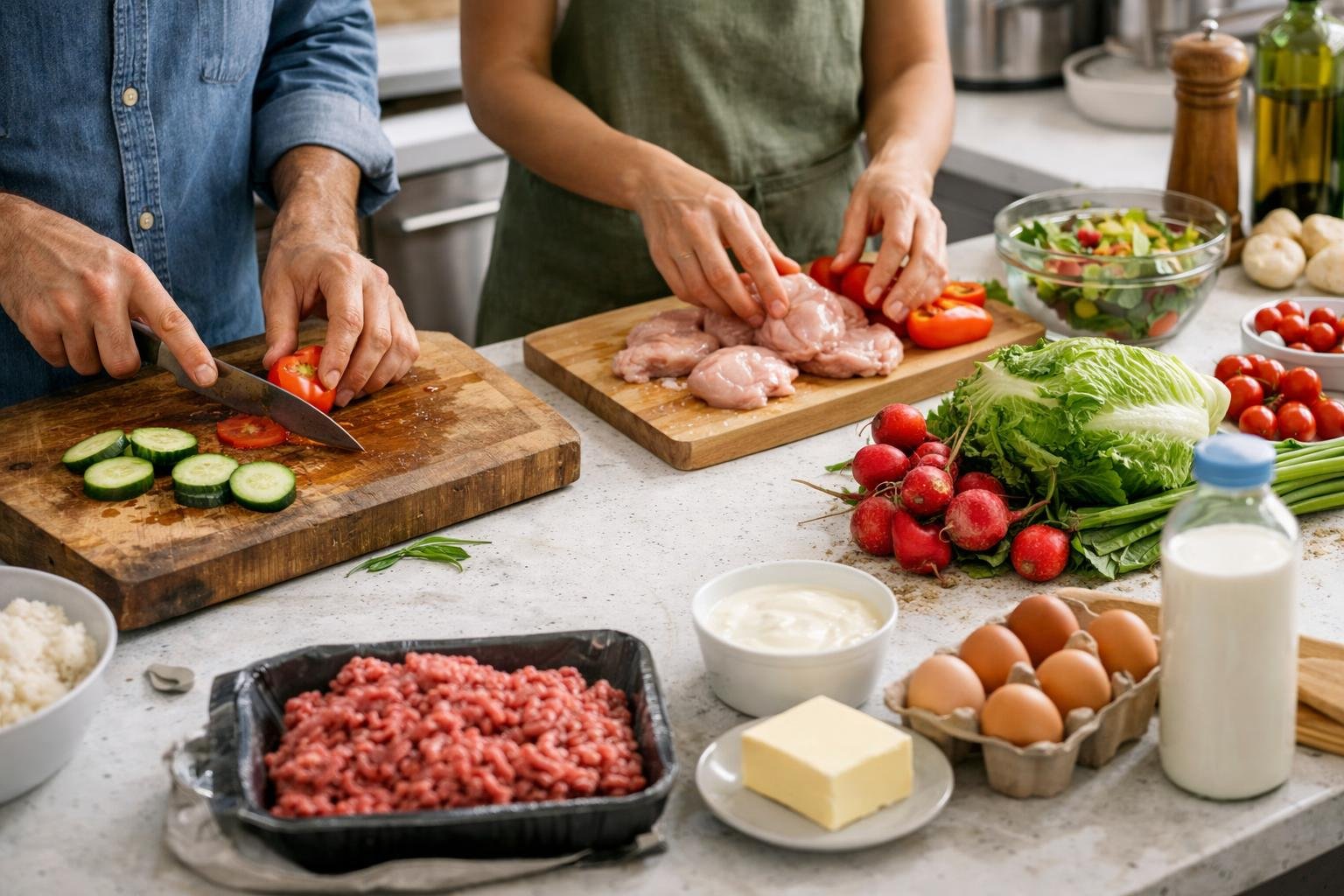
Cross-contamination happens when bacteria from raw meat, poultry, or seafood end up on ready-to-eat foods like vegetables or cooked items. Raw proteins have higher bacterial loads thanks to their water content and protein makeup, so they're especially risky if they touch anything else.
This mistake pops up all the time in meal prep. Using the same cutting board for raw chicken and fresh veggies? That’s a direct route for Salmonella and E. coli to get onto foods we won’t cook again. Rinsing the board between uses doesn’t actually get rid of these bacteria.
Essential separation practices:
| Raw Foods | Cooked/Ready-to-Eat Foods |
|---|---|
| Use red cutting boards | Use green or white boards |
| Store on bottom fridge shelves | Store on top shelves |
| Designate specific knives | Keep separate utensils |
| Wash hands after handling | Wash hands before handling |
Storage arrangement matters just as much as prep. If we keep raw meat above cooked food in the fridge, drips can contaminate everything below. Always put raw proteins on the lowest shelf in sealed containers to keep any juices away from other foods.
Never wash raw meat or poultry. That just spreads bacteria around the sink and countertops with water splatter, turning your kitchen into a contamination zone instead of making things safer.
Improper Thawing or Cooling Practices
Thawing frozen proteins at room temperature? That’s basically an open invitation for bacteria to multiply on the outside while the inside stays frozen. It’s tempting to speed things up by leaving meat on the counter, but it’s not worth the risk.
Proper thawing takes patience and usually 8-12 hours in the fridge, depending on size. You can check if meat’s thawed by poking a knife into the center; if it’s still hard or icy, it needs more time. Never thaw in still water at room temperature. This leads to discoloration and a bacteria boom.
Cooling hot food is another trouble spot. Leaving food out to cool before refrigerating? That just lets bacteria go to town. The advice about letting food reach room temperature before chilling is outdated and, honestly, risky.
For faster, safer cooling:
- Divide big batches into shallow containers (5 cm deep or less)
- Use an ice bath to chill hot containers before refrigerating
- Cooling racks help air circulate around containers
- Don’t stack warm containers in the fridge because they need space to cool
It’s fine to refrigerate food while it’s still warm. Modern fridges can handle it, especially if you use shallow containers that cool quickly.
Lack of Variety and Boring Meals
Getting stuck eating the same thing day after day? Meal prep loses its shine fast. The main culprits: recycling the same recipes, sticking to one protein or veggie, and forgetting to switch up flavors.
Repeating the Same Meals All Week
We’ve all done it: batch cook a mountain of chicken and rice on Sunday, and by midweek, we’re dreading another bite. It’s probably the most common meal prep pitfall. When we only make one dish for the whole week, food fatigue sets in, no matter how good it tasted on day one.
The fix isn’t complicated. Instead of one giant batch, prep two or three different recipes and split them between the fridge and freezer. It’s a bit more work up front, but you won’t be forcing down identical grain bowls five days straight. Prepping versatile ingredients like roasted veggies works great because they go with salads, wraps, scrambled eggs, and more.
Another trick? Rotate your menu every two or three weeks. Maybe Mediterranean chicken bowls this week, beef tacos next, then back to the bowls. Enough time passes between repeats that the meal feels new again.
Neglecting Protein and Veggie Variety
Chicken breast is the meal prep MVP, but let’s be honest, eating only chicken gets old. Sticking to the familiar is easy, but it limits nutrients and can make meals feel like a chore.
Mix it up. Alternate between chicken, beef, pork, fish, and plant-based proteins like lentils or chickpeas through the week. Even within chicken, try thighs for a change. They’re juicier than breasts. Ground chicken is great in egg muffins or stuffed peppers.
The same goes for veggies. Roasting broccoli every week? You’re missing out on flavors and nutrients from bell peppers, zucchini, Brussels sprouts, or squash. Seasonal produce tastes better and usually costs less. Winter’s for root veggies and greens, while summer brings tomatoes, cucumbers, and corn. Switching things up keeps meals interesting without much extra planning.
Failing to Customise Flavours
Meal prep isn’t a one-size-fits-all formula. The same base ingredients can taste completely different with a tweak in seasoning. Forgetting this is how good food turns into bland fuel.
Build in flavor variety from the start. Split that batch of roasted veggies and season each portion differently, with Italian herbs for one, curry spices for another, and cumin with chili for a third. Plain cooked chicken? Portion it out and add different sauces or marinades during the week.
Save some seasoning for the day you eat. Prepped dishes often need a squeeze of lemon, a handful of fresh herbs, or a drizzle of hot sauce right before serving. Go easy on salt and heavy oils during prep; adjust flavors at mealtime to keep things tasting fresh. Small touches like toasted nuts, crispy onions, or a dollop of Greek yogurt can make the same base meal feel totally new.
Not Accounting for Nutrition or Meal Balance
Getting caught up in the logistics, we sometimes forget what’s actually going into our containers. Nutrition matters as much as efficiency, but it’s easy to overlook macros, storage, and reheating when batch cooking takes over.
Missing Out on Macronutrient Balance
Sometimes we prep for the week, only to realize halfway through we’re either starving soon after eating or feeling sluggish from too many carbs. That’s what happens when we don’t plan for balance from the start.
Each meal should have a mix of protein, healthy fats, and carbs to keep us full and energized. As a rule of thumb: half the container veggies, a quarter protein (chicken, fish, tofu, legumes), and a quarter complex carbs (quinoa, sweet potato, brown rice). Don’t forget a fat source such as olive oil in dressing, avocado, or nuts on top.
If we repeat the same meal over and over, we might get protein right but miss out on fiber, or load up on fats and skip veggies. You don’t need to obsess over tracking macros, but having a general sense of proportions helps make sure meal prepping actually supports your goals instead of just filling containers.
Creating Meals that Don't Stay Fresh
You can prep the healthiest meals in the world, but if they’re soggy or spoiled by midweek, it’s all for nothing. Different foods last different lengths of time, and ignoring this just wastes your effort.
Leafy greens wilt quickly if dressed or stored with warm foods. Watery veggies like cucumbers and tomatoes make everything soggy. Crispy things like nuts, croutons, and fried toppings lose texture fast when mixed in.
Keep things separate. Dressings go in small containers. Crispy toppings stay out until serving. Layer sturdy veggies at the bottom, delicate greens on top. Some proteins last longer than others. Hard-boiled eggs are good for a week, but flaky fish starts to go downhill after a couple days. Knowing these timelines helps you prep efficiently and keep meals fresh.
Overlooking Foods That Don't Reheat Well
Not everything survives the microwave. Some foods lose texture, get rubbery, or just taste weird after reheating, and that can totally kill your motivation to eat what you’ve prepped.
Foods that don’t reheat well:
- Fried or breaded items (turn soggy)
- Pasta (gets mushy)
- Seafood (turns rubbery or smells strong)
- Cream-based sauces (separate and get grainy)
- Fresh herbs (brown and lose flavor)
Prep these for cold eating or pick alternatives. Use tomato or oil-based sauces instead of cream. Bake or grill chicken instead of frying. If you love pasta, undercook it a bit before storing. This helps it survive reheating.
Some meals actually get better with time, like stews, curries, and grain bowls with sturdy veggies. Focusing on these can keep both your nutrition and enthusiasm on track.
Forgetting Snacks, Breakfast, or Prep-Ready Extras
Most of us pour all our energy into lunch and dinner, but then scramble for something at 7 a.m. or hunt for snacks by 3 p.m. Skip these, and the best meal plan falls apart when you need it most.
Skipping Snack Prep
That midafternoon slump hits, and suddenly you’re digging for anything to munch on. No prepped snacks? You’ll probably grab whatever’s easiest, and it’s rarely the healthiest.
Treat snack prep like meal prep. Go for portable, protein-rich options that last. Boiled eggs keep 3-5 days in the fridge and travel well. Hummus in small containers with pre-cut veggies (stored in airtight bags with a damp paper towel for crunch) is a winner.
Energy bites made with oats, nut butter, and seeds can be portioned and frozen. Greek yogurt with berries and granola (keep granola separate until eating) is balanced and easy. Trail mix in individual containers or bags can include nuts, seeds, and a bit of dried fruit.
Variety and grab-and-go access are key. If snacks are ready, you’ll actually eat them.
Not Including Easy Breakfasts
Breakfast is the most-skipped meal, but it sets the tone for the day. No prepped options? You’ll either skip it or grab something that won’t last till lunch.
Overnight oats are a lifesaver. Mix oats with milk or yogurt, toss in chia seeds, and portion into jars, and they last up to 5 days in the fridge. Switch up toppings for variety.
Egg muffins are another solid option. Whisk eggs with veggies, cheese, and cooked proteins, bake in muffin tins, and you’ve got breakfast that reheats in seconds or freezes for months.
Smoothie packs cut morning chaos. Portion frozen fruit, spinach, and protein powder into freezer bags. Dump in the blender with liquid when you’re ready, with no measuring and no fuss.
Lack of On-the-Go Options
Life doesn’t always stick to our meal schedule. Without portable options, we end up buying food we didn’t plan for and blowing the budget.
Prep meals and components that travel well. Mason jar salads (dressing on the bottom) stay fresh for days. Wraps hold up better than sandwiches if wrapped tightly in parchment and foil. Grain bowls in divided containers keep ingredients separate till you’re ready to eat.
For true emergencies, stash freezer backup meals. Individual portions of soup, chili, or pasta bake can go straight from freezer to microwave. Label everything with contents and date, and rotate so nothing gets lost in the back.
The difference between sticking with prep and abandoning it? Planning for real life, not just the ideal.
Frequently Asked Questions
Food prep works better when your fridge, pantry, and prep routine stay organized. These quick answers cover common storage and food safety questions.
How can you tell if you're overstuffing your fridge, and what's the big deal about it anyway?
Your fridge is too full when air cannot move around items and food gets buried in the back. Keep it about 70% full so food stays colder, fresher, and easier to find.
Any pro-tips for avoiding cross-contamination while chopping and dicing?
Use separate cutting boards and knives for raw proteins and produce, and wash them well between tasks. Store raw meat on the bottom fridge shelf so any drips stay away from ready-to-eat food.
What's the best way to keep track of perishables so they don't go bad before you use them?
Label containers with the prep date and use the oldest items first. Keep a simple fridge list and store short-life ingredients like herbs and greens where you can see them.
In the world of kitchen organisation, what's the ultimate faux pas when storing utensils and gadgets?
The biggest mistake is cramming everything into one crowded drawer. Keep everyday tools easy to reach, store rarely used gadgets farther back, and keep knives protected and separate.
How do you keep herbs garden-fresh in the kitchen without them wilting away like a bad party guest?
Store soft herbs upright in a little water and keep woody herbs in a sealed container with a lightly damp paper towel. Wash herbs right before using them, or freeze extras if you will not use them in time.
What are some must-know tricks for keeping dry goods at their peak in your pantry?
Move dry goods into airtight containers, label them, and keep them in a cool, dry spot away from heat. For whole grains and nuts, the fridge or freezer helps them stay fresh longer.
Share:
How Can You Improve Meal Prep Efficiency At Home
How Do You Maintain Consistent Taste Across Multiple Meals