

Check out our latest compact vacuum sealer for food collection!
Better cooking does not start with complicated methods. It starts with a few smart habits that make everyday meals taste better, feel easier, and turn out more consistently. For most home cooks, the biggest upgrades come from better prep, smarter storage, quality ingredients, and simple seasoning changes.
You do not need advanced chef skills or a kitchen full of gadgets to get better results. Small improvements, like organizing your workspace, controlling heat, and tasting as you cook, can make a noticeable difference. In this guide, you will learn practical ways to cook with more confidence, improve flavor, and make everyday kitchen routines work better for you.
Key Takeaways
- Prepping and organizing your ingredients before you start makes cooking smoother and less chaotic
- Simple seasoning adjustments as you cook boost flavor more than technical tricks
- Fresh, quality ingredients and smart storage make a real difference in the end result
Set Yourself Up for Success: Prep and Pantry Essentials
Good cooking starts before the stove even comes on. When your ingredients are ready and your pantry's stocked, you spend less time scrambling and more time actually cooking.
Mise en Place: Staying One Step Ahead
Mise en place is just a fancy way of saying "get your stuff together before you start." Read the recipe, chop the veggies, measure out the spices, and put everything within reach. It really does make things go smoother.
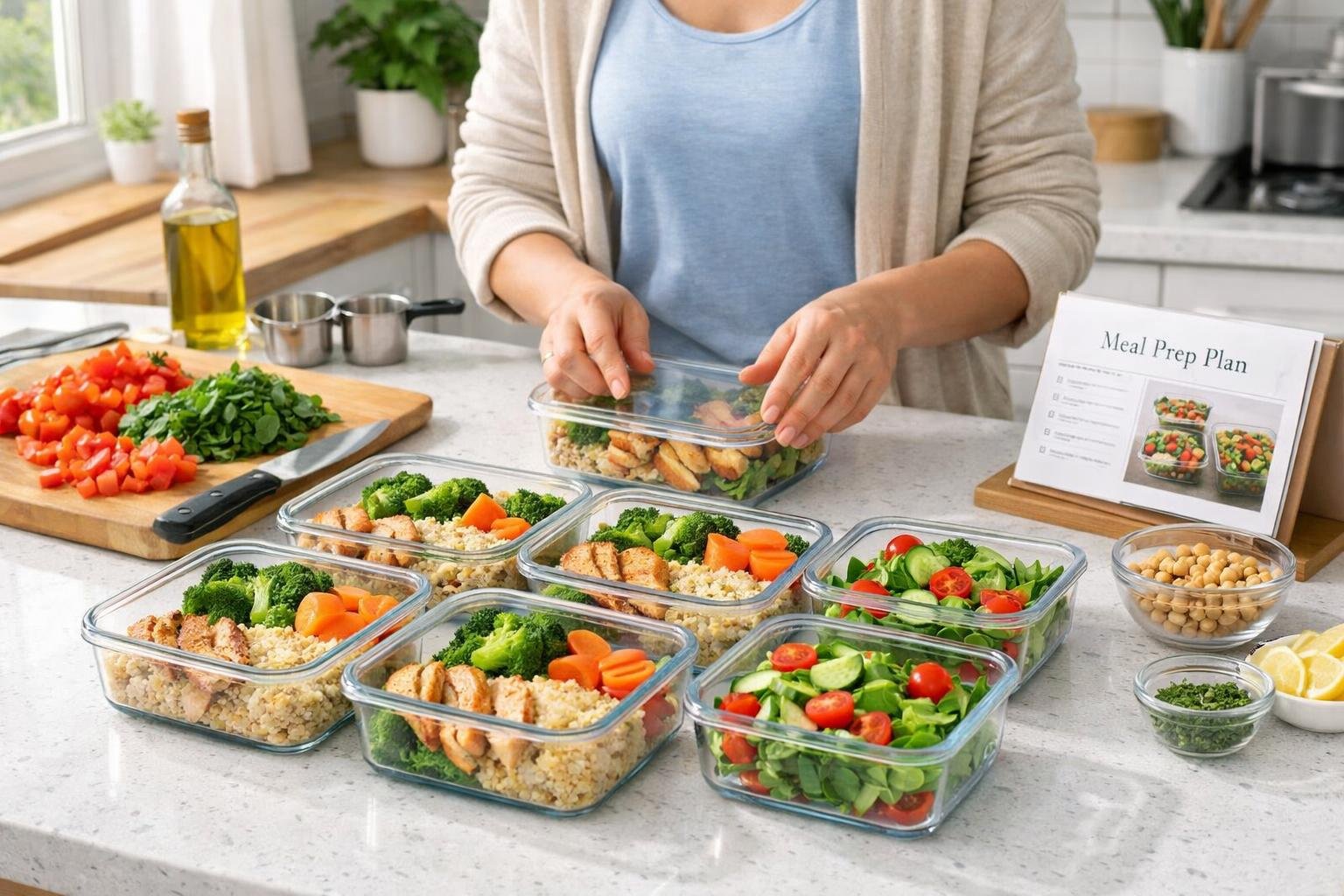
Prepping ahead avoids that frantic moment when onions are burning and you're still hunting for paprika. Use little bowls for prepped ingredients, keep a damp towel handy for wiping hands, and try to keep your workspace clear. If you're prepping a lot, set up a station with your cutting board, knives, and containers grouped by task.
Cleaning as you go keeps the mess under control. Wipe down counters, stash finished prep in containers, and wash tools when you're done with them. Keep your knives sharp. It's faster and way safer. A honing steel nearby helps keep blades in shape.
Well-Stocked Pantry for Effortless Meals
A solid pantry is your safety net for quick, tasty meals, with no extra shopping trips. Stock up on versatile ingredients that work in lots of dishes, not just single-use items that take up space.
Pantry basics:
- Canned tomatoes, beans, coconut milk, broth
- Rice, quinoa, dried pasta
- Olive oil, neutral oil, red and white wine vinegar
- Onions, garlic, ginger
- Salt, pepper, cumin, paprika, dried herbs
- Soy sauce, fish sauce, hot sauce, mustard
Rotate what you have and check dates now and then. Canned and dried goods form the backbone, while fresh aromatics like onions and garlic bring meals to life.
Smart Storage and Freshness Habits
How you store things affects both taste and shelf life. Good kitchen storage keeps everything organized and easy to grab.
Store hardy herbs (rosemary, thyme) wrapped in damp paper towels in a bag. Tender herbs (cilantro, parsley) go in jars of water, upright like flowers. Freeze leftover tomato paste or minced garlic in ice cube trays for easy single-use portions.
Clear containers help you see what you’ve got. Label everything with dates, stack things in the fridge or freezer so you can actually find them, and keep your go-to items at eye level. Portion leftovers right after cooking. Otherwise, they just become mysterious science experiments in the back of the fridge.
Master the Fundamentals: Techniques Without the Fuss
Getting the basics down, controlling heat, using your knife well, and picking the right cooking method, does more for your meals than any fancy trick. You don't need special equipment, just a bit of attention.
Heat and Temperature Control Made Easy
We've all scorched garlic or served chicken that's a little too pink. Nine times out of ten, it's a heat problem. Most home cooks crank the burner and hope for the best.
Medium heat is usually your friend. For sautéing veggies or browning meat, stick to medium or medium-high. The pan should sizzle but not smoke the second food hits it.
Trust your oven's temperature. Get an oven thermometer, they are cheap, because most ovens lie by 10-15 degrees. That difference messes with everything from cookies to roast chicken.
Caramelizing onions or browning meat? Go low and slow. Give onions a good 20 minutes over medium-low instead of rushing and burning them.
Remember, food keeps cooking after you pull it off the heat. Take steaks or casseroles out just before they're "done," and they'll finish as they rest.
Knife Skills for Everyday Cooking
A sharp knife makes prep faster and a lot safer. Dull knives slip and make you use more force, which is just asking for trouble.
You really only need three knife moves for most recipes:
- Dicing: cubes for even cooking
- Mincing: tiny bits for garlic, herbs, or ginger
- Slicing: thin or thick, depending on the dish
Try to keep your pieces close to the same size. Uneven chunks cook at different speeds.
A stable cutting board is more important than the brand of knife. Put a damp towel under it so it doesn't slide. Wood or plastic is fine, just keep separate boards for meat and veggies.
For garlic, smash the clove with the flat of the knife first. The skin pops off, and mincing gets way easier.
Work on your grip. Pinch the blade just above the handle with your thumb and forefinger, wrap the rest around the handle. It feels weird at first, but you get more control and keep your fingers out of the way.
Timing and Cooking Methods for Home Chefs
Different ingredients need different cooking methods, and knowing which to use saves a lot of guesswork.
Searing: Brown the outside for flavor. Heat the pan, add oil, then meat or veggies. Don’t move them for a couple minutes.
Braising: Brown meat, then cook it slowly in liquid. Tough cuts turn tender after a couple hours.
Steaming: Super simple. Boil water, put veggies in a steamer basket above, cover, and wait a few minutes.
Stir-frying: Everything happens fast. Prep everything ahead, then cook on high heat, stirring constantly.
Grilling and broiling: Both use direct heat, but grilling heats from below, broiling from above. Grilling is for thicker cuts. Broiling is for thinner stuff.
Prep everything before you start cooking. If a recipe says sauté onions for 3 minutes then add garlic, have that garlic ready and waiting.
Honestly, sautéing, roasting, and steaming cover most weeknight meals. No need for special skills or tools.
Unlock Maximum Flavour with Simple Seasoning
Salt brings out the best in every ingredient, acids add brightness, and umami gives food that satisfying depth. Master these, toss in some herbs and spices, and you control flavor, with no fancy gadgets or complicated steps needed.
Using Salt and Acids Like a Pro
Salt isn't just about making things salty. It amplifies flavor, balances bitterness, and wakes up bland veggies or grains.
Add salt in layers as you cook, not just at the end. A pinch in pasta water, another in the sauce, then taste and adjust before serving. It builds flavor instead of just salting the surface.
Acids, like lemon juice, vinegar, and lime, cut through rich dishes and make flavors pop. Squeeze citrus over roasted veggies, splash vinegar into soup, or finish with yogurt. Acid wakes up your taste buds.
Add acid at the end so it keeps its brightness. Too early, and heat will dull it.
Herbs, Spices, and Taste-As-You-Go
Fresh herbs like basil, parsley, mint, and dill add a lift when stirred in right before serving. Treat them as finishing touches, not something to cook to death.
Dried spices need a different approach. Toast whole spices in a dry pan, or bloom ground spices in oil to unlock their aroma. It takes half a minute, but the flavor boost is huge.
Taste as you cook. Seriously, grab a spoon, try a little, and ask yourself what’s missing. Too bland? Add salt or acid. Too sharp? A pinch of sugar or honey can round things out. This is how you build instincts, not just follow recipes.
Balancing Flavours and Umami
Great dishes hit a few taste points: salt for flavor, acid for brightness, a bit of sweetness for balance, and umami for that deep, savory thing.
Umami comes from ingredients like soy sauce, miso, Parmesan, tomato paste, mushrooms, and anchovies. A spoonful of tomato paste in beans or a splash of soy sauce in soup adds fullness, with no complicated steps needed.
| Umami Source | Best Used In |
|---|---|
| Soy sauce | Soups, grains, roasted veggies |
| Miso | Dressings, marinades, broths |
| Parmesan rinds | Simmering soups, stews |
| Tomato paste | Sauces, beans, braises |
Think about what’s already on your plate. In-season produce usually needs less because it’s already packed with flavor. Winter squash just needs salt to bring out sweetness. Summer tomatoes? Olive oil and basil, done.
Quality Ingredients and Ingredient Swaps
Starting with good ingredients and knowing smart swaps can turn simple cooking into reliably tasty meals. Fresh, seasonal produce gives you better flavor, while pantry staples let you improvise when you’re missing something.
Why Fresh and Seasonal Matter
Seasonal produce almost always tastes better than out-of-season stuff. When fruits and veggies are picked at their peak, they’re sweeter, juicier, and more flavorful. That means less work for you.
Seasonal ingredients need fewer tweaks. Summer tomatoes barely need salt. Winter ones need all sorts of doctoring to taste good. Fresh herbs from the market have way more punch than the limp ones in the fridge drawer.
Shopping with the seasons makes meal planning easier, too. Build meals around what’s abundant, root veggies in fall, greens in spring, stone fruit in summer, and you get better results with less hassle.
Making the Most of Pantry Staples
Canned and dried goods save the day when fresh is out of reach. Good canned tomatoes beat sad winter tomatoes for sauces and stews.
Stock up on versatile basics:
- Canned chickpeas for quick protein in salads, stews, or curries
- Coconut milk for curries or as a dairy swap
- Dried pasta, it’s always reliable
- Canned beans for soups and salads, no soaking needed
Pantry staples shine when you know what they do. Tomato paste brings umami when fresh tomatoes fall flat. Dried spices can stand in for fresh herbs, just use less, since they’re more concentrated.
Swap smart. Use veggie broth with a splash of soy sauce if you’re out of chicken broth. Greek yogurt can sub for sour cream. Use what you have, keep it flexible, and you’ll still get tasty results.
Simple Habits for Confident, Efficient Cooking
You don't need fancy techniques to feel confident in the kitchen. It's really about keeping your space organized, making a few notes about what works, and just showing up to cook, again and again, with new ingredients and flavors.
Clean as You Go for Kitchen Bliss
Honestly, nothing derails my cooking mood faster than a chaotic mess. So, I've learned to clean as I go. If water's boiling or something's resting, that's my cue to wash a bowl or wipe the counter. It saves me from facing a mountain of dishes later and keeps my head in the game.
When I'm juggling a few dishes, these little habits matter even more. I’ll wipe down the counter after each step, stash away ingredients as soon as I'm done, and toss scraps into a bowl nearby. These tiny actions take almost no time but make a huge difference in keeping things under control.
There's also a food safety bonus, less clutter means I'm way less likely to mix up clean and dirty tools or cross-contaminate ingredients. It's just easier to spot what needs a rinse and what’s good to go.
Cooking Journals and Personal Challenges
A cooking journal doesn't have to be pretty. I scribble quick notes, what oven temp gave those crispy potatoes, which spice combo really hit the spot, or that one tweak that made the texture perfect. Over time, these notes turn into a personal cheat sheet that's way more useful than most cookbooks.
Trying out new cuisines? I jot down unfamiliar ingredients or steps that tripped me up. Next time, I’m not starting from scratch, I’ve already mapped out the pitfalls.
Setting mini-challenges keeps things interesting. Maybe I’ll try a new veggie every week or tackle one technique a month. Writing these down helps me stay accountable, and flipping back through old notes is a good reminder that I’m actually getting better.
Practice, Experiment, Repeat
Real talk: kitchen confidence comes from repetition, not nailing it on the first try. I pick a couple of recipes and make them over and over, paying attention to what changes with a tweak here or there. That’s how you build instinct for timing, heat, and texture.
I like to keep experiments low-pressure. Swapping out proteins, using whatever veggies look good, or playing with spice levels, every little switch teaches me something about how flavors work together.
I don’t wait for a special occasion. Even a quick Tuesday night dinner can be a chance to practice one thing, like knife skills or seasoning. Regular, focused cooking does more for my skills than any big, fancy project.
Learn and Connect: Resources for Ongoing Improvement
Want to get better, faster? There are tons of ways to learn and connect with other home cooks, without getting bogged down in complicated recipes or intimidating techniques.
Online Cooking Classes and Tutorials
Online classes are a lifesaver for learning at your own pace. YouTube’s packed with free tutorials, from chopping onions to basic sauces. I love being able to pause and rewind until I actually get it, instead of scrambling to keep up.
Some classes focus on the “why” behind techniques, not just following recipes. That’s huge for adapting to whatever’s in the fridge.
And if I’m stuck on something, like knife work, I’ll watch a pro’s demo a few times. It’s way easier to fix my form before I build bad habits.
Cookbooks and Cooking Shows
Cookbooks are still gold. No screens, just pages I can mark up and revisit. The best ones explain why each step matters, not just what to do.
Cooking shows fill in the gaps, sometimes you just need to see what “golden brown” actually looks like. Lately, I’ve noticed more shows focusing on real-life home cooking, which feels more doable than restaurant stuff.
I pick resources that fit where I’m at. Starting with easy recipes helps me build confidence before I try anything wild.
Join Cooking Communities
Cooking’s more fun with other people. Local groups often have chill meetups where everyone can learn together, no pressure. It makes the whole thing less lonely and way more motivating.
Online, there are forums and social media groups for every kind of cook. I’ll post photos, ask for advice, or just lurk and pick up tips. Seeing how others organize their kitchens or handle prep always sparks new ideas for me.
Sharing goals with a group keeps me on track. If I say I’m going to master sourdough, I’m a lot more likely to actually do it.
Frequently Asked Questions
Small organization and storage habits can make cooking easier, reduce waste, and help ingredients stay ready to use.
What's the secret to keeping herbs vibrant and recipe-ready?
Store tender herbs in a jar with a little water and keep them loosely covered in the fridge. Keep basil on the counter. For longer storage, wrap washed herbs in damp paper towels inside a sealed container.
Can you give me the lowdown on organizing my pantry for maximum culinary flow?
Keep everyday items at eye level, group similar products together, and use clear labeled containers for staples like rice, flour, and pasta. Place soon-to-expire items where you can see them first.
What are some top tips for keeping my fridge contents fresher, longer?
Keep your fridge cold but not freezing, avoid overcrowding, and use drawers properly. Store ready-to-eat foods on upper shelves and raw meat on the bottom shelf to prevent drips.
How can I tweak my kitchen's layout to make cooking a breeze?
Create simple zones for prep, cooking, and cleaning. Keep your most-used tools close to where you use them, and leave only essentials on the counter.
Got any clever food prep shortcuts that'll save me time without sacrificing taste?
Batch-prep basics like onions, garlic, and greens, and store them for the week. You can also marinate proteins overnight and pre-portion ingredients to make cooking faster.
What's the best way to store my spices so they stay punchy and flavour-packed?
Store spices in airtight containers in a cool, dark cupboard away from heat and moisture. Label jars with purchase dates, and replace older spices when their aroma fades.
Share:
What Are The Most Effective Meal Prep Strategies For Beginners
Which Simple Changes Can Upgrade Your Daily Cooking Experience