

Check out our latest compact vacuum sealer for food collection!
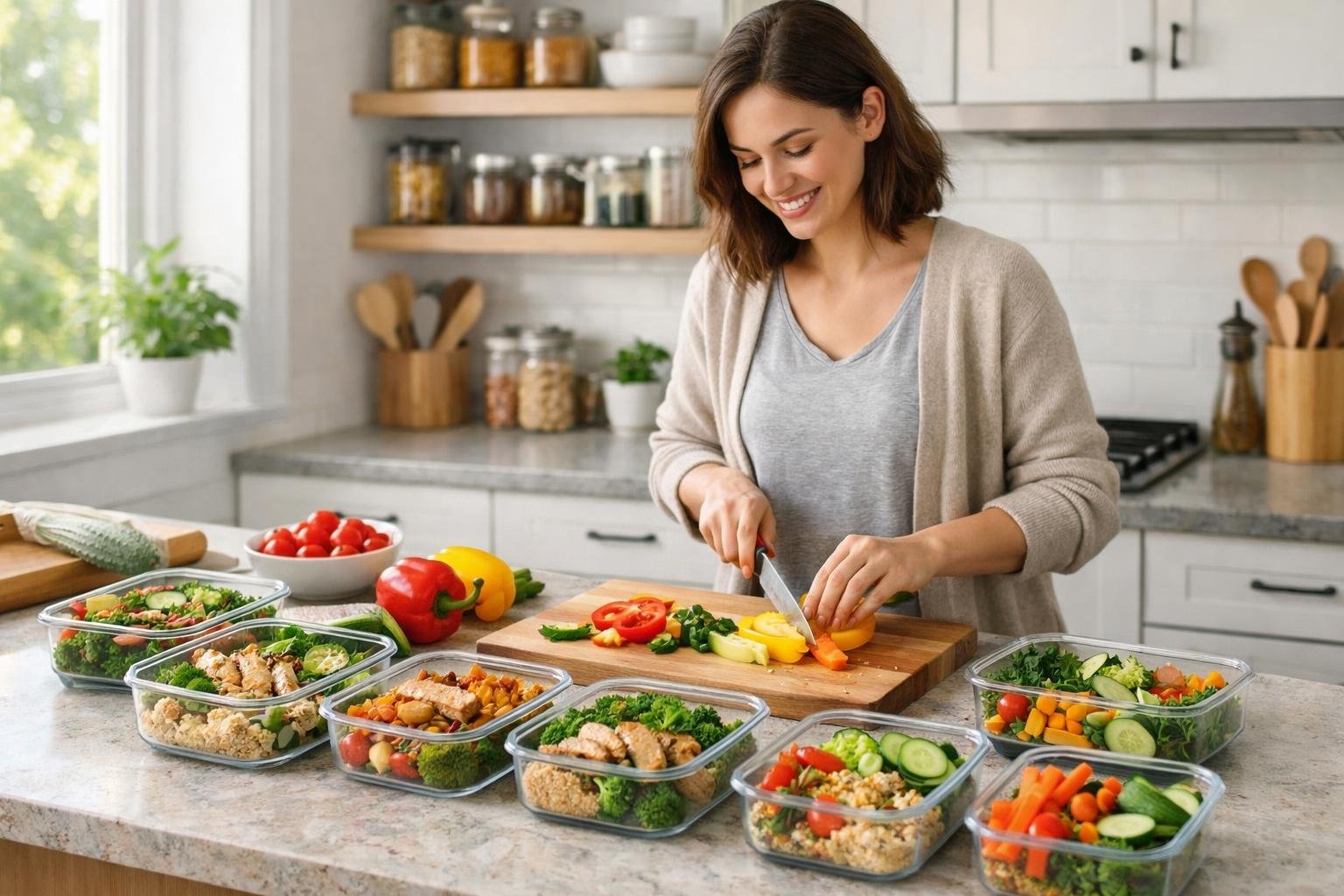
Meal prep can look overwhelming at first, but it is one of the easiest ways to make everyday cooking feel less stressful. For beginners, the most effective approach is to keep it simple: choose a few familiar recipes, prep only what you need for the next few days, and store everything in containers that help food stay fresh and organized.
A lot of new meal preppers try to do too much at once and burn out before the habit even sticks. The trick is to pick a couple of familiar recipes you already enjoy, then add more as you get comfortable. That way, you keep things manageable but still get the time-saving and money-saving perks that make meal prep worth it.
Once you get the hang of the basics, meal prepping shifts from being about spending your whole Sunday in the kitchen to just making smarter use of your time. Let’s break down the strategies that actually work for beginners, from choosing the right containers to keeping your fridge organized so food stays fresh.
Key Takeaways
- Start with one meal prep method and 2-3 recipes you know to keep things easy while you build the habit
- Get good airtight, microwave-safe containers—your meals will stay fresher and safer through the week
- Stick to a regular weekly schedule for planning, shopping, and prepping so it becomes a routine that saves time and cuts down on food waste
Understanding Meal Prep: The Basics
Meal prepping changes how we handle daily cooking by getting food ready ahead of time—sometimes that means full meals, sometimes just ingredients, or maybe just dividing up snacks. It saves time during busy weeks and makes it a lot easier to stick to healthier eating, since you’re not scrambling at the last minute.
What Is Meal Prep
Meal prep is just making meals or parts of meals ahead of time so your week runs smoother. Instead of starting from scratch every time you’re hungry, you spend a little focused time in the kitchen to set yourself up for the days ahead.
It’s all about planning before you get hungry. When you know what you’ll eat, you’re less likely to order takeout or reach for something quick but not-so-healthy.
The process is pretty simple: decide what you want to eat, shop for what you need, and block off a bit of time to cook or assemble food. Store everything so it stays fresh, and you’re good to go. The effort upfront pays off when dinner is just a quick reheat away.
Popular Meal Prep Methods
Make-ahead meals are full dishes you cook, then stash in the fridge or freezer. You just reheat them at dinnertime—super handy when you don’t feel like cooking.
Batch cooking is all about making a big batch of one recipe and splitting it into portions for freezing. These are great for lunches or dinners for weeks to come. Soups, casseroles, and stews are perfect for this.
Individually portioned meals are fresh dishes you prep and divide into containers for the next few days. You keep these in the fridge, not the freezer. This works especially well for breakfasts and lunches.
Ready-to-cook ingredients is more about prepping than cooking. You wash, chop, and portion everything so it’s ready to throw together when you’re actually hungry. It cuts down your kitchen time without forcing you to eat the same leftovers again and again.
Benefits Of Meal Prepping
Meal prepping slashes the time you spend cooking during the week. Instead of cooking every night, you do most of the work in one or two short sessions.
It helps you eat healthier, too, since you’ve already picked out your meals. When there’s good food in the fridge, you’re way less tempted by takeout or junk.
You’ll save money—you buy only what you need, waste less, and skip the extra restaurant runs. Portion sizes are easier to manage, too, since you measure things out when you’re calm, not when you’re starving.
And you don’t have to answer “what’s for dinner?” every night. That decision’s already made, which honestly takes a load off your mind.
Building Your Meal Prep Routine
A solid meal prep routine comes down to picking the right day to prep, deciding how many meals to make at once, and setting up a workflow that keeps things moving. Nail these three, and meal prepping stops feeling chaotic and actually fits your life.
Establishing A Prepping Schedule
Most people do best when they pick a regular prep day and stick with it. Sunday is classic, but if Wednesday evening or Saturday morning fits your life better, go for it.
Block off 2-3 hours where you won’t get interrupted. Just start with one prep day a week instead of spreading it out—this helps you get into a groove and build up your routine.
Think about your week. If Monday mornings are always nuts, don’t leave prep for Sunday night when you’re already tired. Pick a time you actually have some energy and aren’t rushing to finish.
Meal Prep For The Week
Prepping 3-5 days of meals is usually better than trying to do a full week at once. Most foods taste best for 3-4 days in the fridge, so this keeps things fresh and avoids waste.
Start with dinners, then add lunches once you’re comfortable. Add breakfast later if you want, but don’t try to do everything at once.
Weekly meal breakdown:
- 3-4 dinner portions
- 3-4 lunch portions (leftovers work great)
- 2-3 grab-and-go breakfast items
- Snack stuff (cut veggies, nuts, hard-boiled eggs)
We like prepping components instead of full meals. Cook your proteins, grains, and veggies separately, then mix and match. This way, you don’t get bored eating the same thing, and you’ve got options if plans change.
Prep Day Workflow
We usually organize prep by cooking method, not by recipe. That way, you make the most of your oven and stovetop and don’t waste time bouncing around.
Get your oven preheating and start any slow cooker or pressure cooker meals first. While those are going, chop all your veggies at once. Batch similar tasks instead of switching between recipes.
Efficient prep order:
- Start the longest-cooking stuff (roasted veggies, baked chicken, slow cooker meals)
- Cook grains and pasta while proteins bake
- Prep raw ingredients (wash lettuce, chop veggies, portion snacks)
- Let everything cool before storing
Clean as you go—seriously, it’s a lifesaver. Fill the sink with hot soapy water and toss in cutting boards and knives as you finish. Final cleanup takes maybe 10-15 minutes if you stay on top of it.
How To Plan And Choose Meals
Good meal prep starts with picking the right recipes and getting your shopping list organized. Go for meals that fit your schedule, don’t need a million ingredients, and won’t blow your budget.
Meal Planning Strategies
Begin with 3-4 recipes you already know. That way, your first prep session isn’t overwhelming, and you’re not learning new techniques while juggling a new routine.
Check your calendar. Figure out how many breakfasts, lunches, and dinners you’ll actually eat at home. If you’ve got plans midweek, don’t prep food for those meals.
Match your recipes to your kitchen gear. Pick one oven dish, one or two stovetop meals, and maybe a no-cook option like salads or sandwiches. You can cook multiple things at once and don’t have to wait around.
Some meal prep recipes last 3-4 days in the fridge, while others freeze well. Soups, casseroles, and grain bowls usually hold up better than salads or crispy foods.
For budget meal prep, pick recipes that use a lot of the same ingredients. If you’re using onions, peppers, and chicken in three recipes, you’ll save money and time.
Creating A Grocery List
Group your grocery list by section: produce, proteins, dairy, pantry, frozen. This saves you a ton of time in the store.
Write down exact amounts. Don’t just put “chicken”—write “1.5 kg boneless chicken breasts.” You won’t be left guessing or buying too much.
Look over all your recipes before making your list. If multiple recipes need diced onions, add it all up so you can do it in one go. This batching makes your prep faster.
Keep a running list on your phone. If you run low on olive oil or spices, add it right then instead of trying to remember later.
Grocery delivery can make meal prep easier—you can order the same day each week and reuse your list. Most services let you save previous orders, which is handy for staples.
Mixing Up Recipes For Variety
Rotate your proteins, veggies, and starches so you’re not eating the same thing all week. Maybe chicken stir-fry on Monday, salmon with roasted veggies on Wednesday, and bean chili with quinoa on Friday. Keeps things interesting.
A simple formula: protein + veggie + complex carb. Swap each part weekly. One week it’s turkey meatballs, broccoli, and sweet potatoes. Next week it’s tofu, peppers, and farro.
Try recipes from different cuisines. Burrito bowls, Mediterranean salads, Asian noodles—different spices and cooking styles help you avoid getting bored.
Do one familiar recipe and one new one each week. That way, you keep things fresh without getting overwhelmed. As you get comfortable, add new favorites to your rotation.
Mix up textures, too. Pair creamy soup with crunchy veggies, or crispy chickpeas with soft grain bowls. It just makes meals more satisfying.
Essential Meal Prep Equipment & Containers
Having the right tools makes meal prep so much smoother. Good containers keep food fresh, and a few basics speed up chopping, measuring, and portioning.
Choosing The Right Storage Containers
Start with glass containers—they don’t stain, absorb odors, or leach chemicals. Look for sets with 4-cup and 2-cup sizes and airtight lids. These are great for storing grains, proteins, and whole meals.
Compartment containers are awesome for keeping ingredients separate so nothing gets soggy. Three compartments usually cover protein, veggies, and a starch.
For breakfasts or overnight oats, mason jars are super handy. The wide-mouth 500ml ones fit in most bags and are easy to clean. For soups and stews, use freezer-safe containers—make sure they’re labeled for the freezer so they don’t crack.
Stackable containers in the same size save fridge space and make it easy to see what you’ve got. Rectangular ones usually fit better than round.
Must-Have Kitchen Tools For Prep
A food scale takes the guesswork out of portioning proteins, grains, and snacks. Digital ones that measure in grams are the most reliable if you’re tracking nutrition or following recipes.
Sharp knives are more important than fancy gadgets. Invest in a good chef’s knife and keep it sharp. If you want to speed things up, a food processor can chop veggies, shred chicken, or whip up sauces in seconds.
Basic measuring cups and spoons keep your portions consistent. Stainless steel sets last forever and go in the dishwasher. Big mixing bowls, sheet pans, and a sturdy cutting board round out the essentials. You don’t need specialty tools until you know you’ll actually use them.
Containers For Portion Control
Pre-portioned containers take a lot of guesswork out of busy weekdays. Bento boxes with fixed compartments help keep servings in check and keep foods from mixing. I always look for adult-sized ones—3 to 4 cups total usually does the trick.
Colour-coded container sets are handy if you’re following a meal plan. Assigning each colour to a macro—protein, carbs, veggies, fats—makes building a balanced meal a lot faster. Stainless steel containers are my go-to; they outlast plastic and keep lunches cooler or warmer for longer.
If you want more flexibility, grab a bunch of small containers—1-cup and 2-cup sizes are perfect for snacks, sauces, and sides when you don’t want to commit to a full meal setup. I keep a mix, honestly, because some days call for bigger portions and others, not so much.
Ingredient Prep: Staples For Easy Meals
Having basic ingredients prepped ahead gives you a ton of flexibility. You can whip up different meals all week by just mixing and matching what you’ve already got ready. It keeps things interesting, and you don’t get stuck eating the same thing over and over.
Prepping Proteins And Plant-Based Options
At the start of each week, I usually cook 2-3 different proteins to keep my options open. Lean chicken breasts, turkey, or white fish—poached, baked, grilled, whatever’s easiest. I’ll do about 1-1.5 kg of chicken on Sunday, plain, and store it in containers so I can season it however I want later.
Plant-based protein is just as important. I batch-cook dried beans and lentils since they taste better and cost less than canned. A big pot of chickpeas or black beans is magic for grain bowls, stir-fries, or salads.
Hard-boiled eggs are a lifesaver. I make a dozen at once for egg muffins, quick breakfasts, or to top salads. They last about five days in the fridge and are the ultimate grab-and-go food.
Batch Cooking Versatile Grains
Grains are the backbone of quick meals. I cook big batches of quinoa and brown rice early in the week—they reheat well and work with nearly anything.
My usual grain prep:
- 3 cups uncooked quinoa (about 9 cups cooked)
- 2 cups brown rice (about 6 cups cooked)
- Store them separately, up to 5 days
These become grain bowls with roasted veg and protein, stir-fries, stuffed peppers, or even a savoury breakfast with Greek yogurt. Sweet potatoes are in the mix too—I roast a whole pan and cube them to toss into bowls or heat as a side.
Veggies And Fruits That Store Well
Not every veggie handles meal prep equally. I go for those that keep their crunch and flavour after a few days in the fridge.
Top veggies for prepping:
- Bell peppers (sliced, 4-5 days)
- Carrots (sticks or rounds, up to a week)
- Broccoli and cauliflower (florets, 3-4 days)
- Cherry tomatoes (whole, 5-6 days)
- Cucumber (sliced, max 3 days)
I wash and chop everything right after shopping. Roasted veggies are a staple—I’ll do a big batch and use them as sides or toss them into grain bowls and stir-fries.
For fruit, I wash and dry berries right away. Apples and pears get sliced only when I’m about to eat them since they brown fast. Pre-portioned fruit is perfect for overnight oats and energy bites when you need something quick.
Smart Food Storage and Safety
Smart storage and safety habits protect all that prep work from going to waste. When you store things right and stick to the basics, your food stays fresher and you save yourself from tossing stuff out early.
Portioning For Freshness
Divide meals into single servings as soon as they cool. This way, you’re not opening and closing a big container all week, letting bacteria and air in.
Individually portioned meals cool faster, moving food out of the danger zone (4°C to 60°C) quickly. Try to get everything into the fridge within two hours of cooking—if it’s hot in your kitchen, aim for one hour.
Glass containers are my favourite for portioning—you can see what’s inside and they’re the perfect size (500ml to 750ml for mains, 250ml for sides or snacks). When freezing, squeeze out extra air or leave just a little headspace to avoid freezer burn. Always label with the date and what’s inside—no one likes surprise freezer meals.
Safe Food Storage Tips
We keep the fridge at 4°C or below and eat prepped meals within three or four days. Cooked proteins like chicken, beef, and fish stay fresh if they’re sealed well. Veggie-heavy meals sometimes last a day or two longer.
Frozen meals are good for two to three months in a regular freezer, or up to six in a deep freeze. New stuff goes behind the old so nothing gets lost and forgotten.
Hot food goes into shallow containers (no deeper than 5cm) for quick cooling. Don’t stack warm containers—the middle stays hot too long. Once they’re at room temp, they go straight into the fridge.
We thaw frozen meals in the fridge overnight, not on the counter. If you’re in a rush, put the sealed container in cold water and change the water every 30 minutes.
Preventing Cross-Contamination
Raw meats always go on the bottom fridge shelf, below everything ready-to-eat. This keeps juices from dripping onto food you won’t cook again.
We use separate cutting boards for raw proteins and produce—colour-coded ones make it easy. Red for meat, green for veggies. It’s a simple way to avoid mix-ups when you’re moving fast.
Hands get washed between handling different foods, and we make sure to clean knives, counters, and tools after raw ingredients and before touching anything else.
Airtight containers keep foods from mingling in the fridge. Never leave dishes uncovered—condensation or drips from other foods can ruin your prep.
Reducing Food Waste
Checking the fridge before shopping saves money and stops you from buying things you already have. It’s such a simple habit, but it makes a big difference.
Clear containers help you see what’s left and what needs to be eaten soon. I keep a “use first” section in the fridge for anything nearing its limit.
Veggie scraps, herb stems, and bones go into a freezer bag for stock instead of the trash. Later, I’ll simmer them into broth for future meals.
If meals start looking tired after a few days, I freeze them before they go bad. It’s a nice backup for those weeks when you just can’t cook.
Simple Meal Prep Recipes & Snack Ideas
Starting with easy recipes builds confidence and keeps meal prep from feeling like a chore. The best ones use overlapping ingredients, basic techniques, and stay good for days.
Make-Ahead Breakfast Favourites
Overnight oats are my standby. Rolled oats, milk or yogurt, chia seeds, berries or banana—mix it up in a jar and you’ve got breakfast for up to five days.
Egg muffins are protein-packed and easy. Whisk eggs with whatever veggies you like, pour into muffin tins, bake about 20 minutes. They reheat well and are perfect to grab on your way out.
Greek yogurt parfaits are great too—just layer yogurt, granola (keep it separate so it stays crunchy), and fruit in jars. Smoothie packs are a lifesaver; portion frozen fruit, greens, and protein powder in bags, then blend quick each morning.
Lunches and Dinners You'll Actually Crave
Mason jar salads keep greens crisp if you layer them right—dressing at the bottom, chickpeas and cucumbers next, then greens on top. When you’re ready, just shake and pour.
Grain bowls are endlessly customizable. Batch-cooked quinoa or rice, grilled chicken, roasted veggies, and toppings like hummus or tzatziki. Use whatever proteins and veggies you’ve got.
Sheet pan meals are such a time-saver. Chicken thighs, sweet potatoes, and broccoli on one tray—season, roast 30 minutes, done. Wraps are easy too—prep fillings ahead, then just assemble fresh.
Stir-fries and burrito bowls are in heavy rotation. They use similar prep and stay fresh about four days if you keep everything separate until you’re ready to eat.
Healthy Snacks for Your Routine
Cut veggies with hummus are the easiest snack. Slice bell peppers, carrots, cucumbers on prep day, portion out with small hummus cups.
Energy bites are no-cook and cure a sweet tooth—mix oats, peanut butter, honey, chocolate chips, roll into balls, refrigerate. They last two weeks.
Hard-boiled eggs are quick protein for in-between meals. Make a dozen, stash in the fridge, done. Trail mix with nuts, seeds, dried fruit is another winner—portion into small bags to avoid mindless munching.
Frequently Asked Questions
A good kitchen setup, smart storage, and keeping ingredients fresh really make meal prep work without adding extra stress.
How can I set up my kitchen for the smoothest meal-prep experience?
Start by clearing your counters and grouping tools by task. Keep knives, cutting boards, bowls, and measuring tools easy to reach. Set up a packing area near the stove or oven so portioning meals feels faster and more organized.
What are the top food storage containers for keeping my meals fresh all week long?
Glass containers with secure lids are one of the best choices because they are durable, easy to clean, and great for storing full meals. Divided containers work well for keeping ingredients separate, while reusable silicone bags are useful for chopped produce and freezer storage.
Any tips for a meal prep rookie on how to keep your fruits and veggies crispy?
Wash and dry produce thoroughly before storing it. Use paper towels in containers to absorb extra moisture, and replace them if they get damp. For berries, remove any soft pieces first and store them in a dry, lined container.
Could you dish out some clever kitchen storage hacks for small-space living?
Use vertical storage like shelves, magnetic strips, and hooks to free up counter space. Stick to stackable containers in matching sizes so they store neatly. Clear bins also help keep pantry and fridge items sorted and easy to grab.
What's the skinny on prepping meals in batches without losing flavour or variety?
Prep core components instead of making every meal the same. Cook proteins, grains, and vegetables separately, then mix them in different ways through the week. Keep sauces and seasonings on the side so meals taste fresher when you eat them.
How do you keep meal prepping fun and avoid getting into a recipe rut?
Add one new recipe to your routine each week and rotate flavors, sauces, or vegetables in meals you already like. Theme nights and a running list of favorite meals can also make planning easier and keep your weekly menu from feeling repetitive.
Share:
How Can You Reduce Time Spent On Repetitive Cooking Tasks
How Do You Improve Cooking Results Without Complex Techniques