

Check out our latest compact vacuum sealer for food collection!
Consistent flavor should not feel like guesswork. If one meal tastes great on Monday but falls flat by Tuesday, small changes in measuring, ingredient quality, storage, or cooking temperature are usually the reason. The real fix is building repeatable kitchen systems that make good results easier to repeat.
Restaurants keep dishes consistent because they rely on standards, not luck. Home cooks can do the same by using exact measurements, reliable ingredients, smart storage, and simple prep routines that remove guesswork.
Whether you are meal prepping for the week or trying to recreate a dish you loved the first time, this guide will show you how to standardize recipes, store ingredients well, and use practical quality checks so every meal tastes more consistent.
Key Takeaways
- Standardized recipes with clear measurements and instructions take the guesswork out of cooking
- Consistent ingredient sourcing and smart storage keep your flavors predictable
- Practicing the same techniques and doing quick quality checks make it easier to nail the same flavor profile every time
The Foundations Of Consistent Flavour
If you want food to taste the same each time, you’ve got to know what actually affects flavor, and why it’s such a big deal. There are plenty of little hurdles in the way.
Defining Flavour Consistency
Flavour consistency is just making sure your dish tastes, smells, and feels the same every single time. It’s not only about following a recipe. You need the same saltiness, spice, acidity, and texture, whether it’s Monday night or Friday lunch.
When you hit that mark, your taste buds recognize the familiar combo of seasonings and textures. That’s how you build trust. If you store herbs right, they’ll keep their punch. Fresh garlic kept cool? Still pungent, week after week.
What we control:
- Ingredient freshness and storage
- Exact measurements and timing
- Cooking temperature
- Seasoning ratios and how you layer flavors
How you store stuff matters, a lot. Spices lose their edge if they sit in the sun or get too warm. Produce that’s not stored right can pick up weird flavors and throw off your dish.
Why Consistency Matters To Diners
You know that disappointment when you order your favorite meal and it just doesn’t taste right? That’s a fast way to lose trust and repeat business. People come back, whether to your kitchen or a restaurant, because they know what to expect.
Consistency isn’t just about the food; it’s about the feeling. If someone tells a friend, “You’ve got to try this,” but the dish is totally different, you’ve kind of let them down, even if you didn’t mean to.
What’s at stake:
- Repeat visits and good word-of-mouth
- Trust in your cooking
- The value people put on your effort
When your food turns out the same every time, you waste less. No dumping out failed batches or fielding complaints. You get better at managing ingredients because you know what you need and how to keep it fresh.
Common Challenges In Maintaining Consistency
Storage temperature swings are sneaky. Maybe your pantry gets too warm in the afternoon, or your fridge doesn’t seal tight. Your ingredients notice, even if you don’t.
Ingredients themselves can be unpredictable. Tomatoes from one store taste nothing like the next. Garlic can be fiery or bland. You need a system to handle these differences. Rotating your stock helps. Don’t mix old and new batches if you want steady flavor.
Usual headaches:
- Measuring by eye instead of with tools
- Environmental changes messing with storage
- Ingredient quality shifts from different suppliers or seasons
- Equipment that heats or cools unevenly
- Bad labeling and poor rotation
Time pressure makes us cut corners, like sloppy measuring or skipping steps. But with a bit of organization and clear labeling, you take out the guesswork. You don’t need to be perfect from day one. Just build habits that make consistency almost automatic.
Standardizing Every Recipe For Success
When you write down the exact measurements, steps, and plating for every dish, you create a system anyone can follow. That’s how you get meals that taste the same, every time.
Creating And Maintaining Standardized Recipes
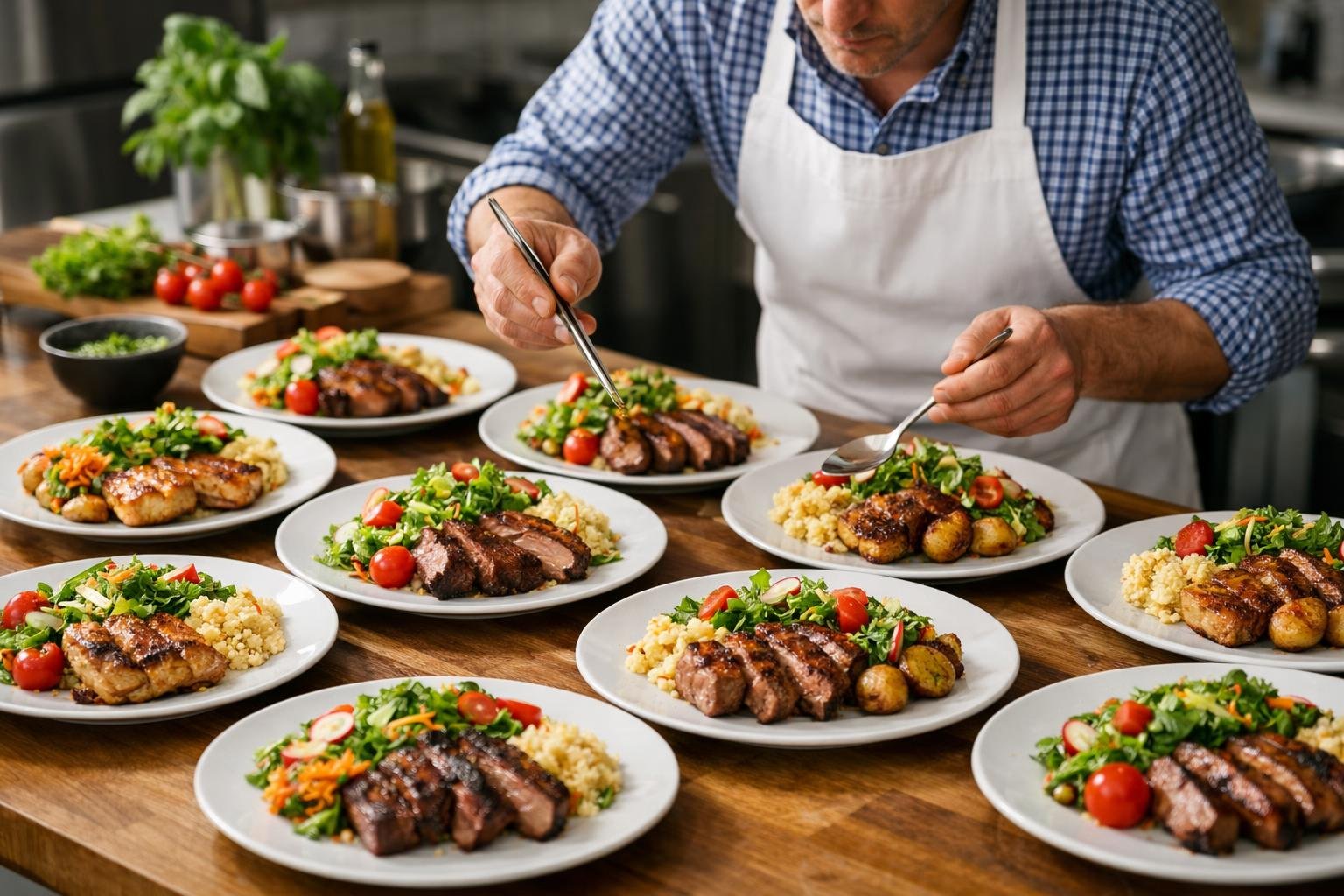
You’ve got to get every recipe down to the tiniest detail: no guessing, no “I think that’s about right.” List ingredients by weight (not just cups or spoons), describe each step, note exact cooking temps and times, and even how you want the dish plated. Photos help a lot.
Test each recipe a few times, with different people if you can. Tweak it until you get the taste you want, then call it done. Digital files are better than paper because they are easy to update and reduce the risk of someone using an old version.
Keep recipes in one spot. If everyone’s pulling from the same source, you avoid confusion and don’t end up with three slightly different versions floating around.
Precise Measurements And Portion Control
Weigh your ingredients. Seriously, even pros misjudge by eye. Grams beat cups every time, especially for stuff like flour, spices, or proteins, because tiny differences can totally change the dish.
Portioning matters, too. Use the same size ladles, scoops, or guides for serving. That way, every plate looks and tastes the same, and you won’t waste food or shortchange anyone.
Cooking temperature isn’t up for debate. Write down the exact temps and times, and use thermometers instead of guessing. Ovens and stoves can be wildly different. Calibrate them and update your notes if something changes.
Utilizing Recipe Management Software
Recipe software keeps everything organized. You can update recipes instantly, add photos or videos, track costs, and make sure everyone’s looking at the same instructions. Some apps even help you track inventory or alert you when you’re running low.
With all your recipes in one place, it’s easier to see what’s working, figure out your costs, and spot ways to improve without cutting corners on quality. Reports show exactly where your money and effort are going.
Training new people gets way easier when you’ve got step-by-step instructions with pictures. No more weeks of shadowing, just hand them the guide and let them jump in.
Controlling Ingredient Quality At Every Step
The ingredients you start with decide if your tenth batch tastes like your first. You need steady quality from delivery to finished dish, which means setting clear standards and keeping tabs on everything that comes through your kitchen.
Building Reliable Supplier Relationships
Good supplier relationships are the backbone of ingredient quality. Ask for Certificates of Analysis, such as protein content in flour or fat in dairy.
Check your suppliers regularly. Track when things arrive, how fresh they are, and if they meet your standards. If a supplier keeps sending tomatoes at different ripeness levels, talk to them, or move on.
Communication is huge. Tell suppliers exactly what you need, whether it’s uniform veggie sizes or a certain moisture level in grains. Keeping an open line helps you spot issues before they mess up your menu.
Have backup suppliers for your key ingredients. If your main flour source runs into trouble, you’ve got alternatives lined up and ready.
Setting Ingredient Quality Benchmarks
Set clear, measurable standards for everything you bring in, such as color charts for produce, size ranges for proteins, and moisture levels for dry goods.
Use your senses. Herbs shouldn’t be wilted, proteins need the right marbling, and spices should smell strong. Write these standards down where everyone can check them.
Quick tests, like pH checks for dairy or a taste test for oils, only take a minute and can save you from a bad batch. If something’s off, send it back, even if it’s from your favorite supplier.
Adjust for the seasons. Summer tomatoes aren’t the same as winter ones, so tweak your recipes or change sources to keep things tasting right.
Inventory Management Best Practices
First-in, first-out rotation keeps ingredients from going stale. Label everything with the date you got it, and put the oldest up front. Digital inventory tools can warn you before something goes bad.
Store things the right way. Dairy and produce need specific fridge zones, dry goods need to stay dry. Use sensors to keep an eye on conditions so you can catch problems before they ruin your stock.
If you’re running more than one kitchen, buy from the same suppliers and stick to the same specs. That way, your food tastes consistent no matter where it’s made. Supply chain software can help coordinate and track everything.
Regular checks keep you honest. Audit your inventory, make sure things are stored and rotated right, and sample ingredients for freshness. Smaller orders more often mean you’re always using the freshest stuff.
Mastering Preparation And Cooking Techniques
If you want your meals to taste the same every time, you’ve got to prep and cook the same way. Knife skills, heat control, and basic prep habits are what really make the difference between a dish that’s reliably great and one that’s hit-or-miss.
Cooking Techniques That Enhance Consistency
Stick to the same approach each time. When sautéing veggies, use the same pan temperature and oil amount. Preheat your pan for a set time, and measure your oil instead of eyeballing it.
Browning proteins? Pat them dry first. Wet meat steams instead of searing, and that changes flavor. Don’t crowd the pan, either, or you’ll lose heat and get uneven results.
When reducing sauces, measure by volume, not just by look. If you start with two cups, cook down to one, not “until it looks right.” Use the same burner and heat setting for each batch.
Braising works best when you keep the liquid at the same level every time. Mark your pot or remember the cup measurement. That way, your proteins come out with the same texture and flavor each time.
Knife Skills And Kitchen Prep Essentials
Knife skills matter more than most folks realize. If your dice ranges from tiny to huge, some pieces will burn and others will stay raw. Practice set cuts, like brunoise, julienne, and medium dice, until they’re second nature.
It’s not cheating to use a ruler at first. Keep one handy until you can eyeball cuts accurately. Restaurants do this all the time, so why not at home?
Prep timing is key. Chop garlic or ginger right before you cook to keep their flavors sharp. If you do it too early, you lose those bright notes. Batch prep what you can, but save delicate stuff for last.
Set up your mise en place the same way every time. Put bowls and spices in the same order, measure everything before you start, and have your tools ready before the heat’s on. Sometimes it feels a bit obsessive, but it really does make things smoother.
Temperature Control And Equipment Calibration
We double-check that our equipment tells the truth. Oven thermometers quickly show that our dial setting of 180°C might actually be 165°C or even 195°C. So, we stick a reliable thermometer inside during preheating and adjust our settings as needed. This one habit saves us from a lot of headaches with consistency.
Stovetop burners? They’re all over the place. "Medium" on one range could scorch food on another. We use numbered settings (like "4 out of 10" instead of "medium") and keep notes on how foods react. If veggies caramelize just right at setting 5, we write that down for next time.
Probe thermometers give us real precision for doneness. We always cook chicken to an internal 74°C, not just by guesswork or time. Carryover cooking bumps the temp up another 3-5°C after we pull proteins off the heat, so we take things off a little early. That way, we avoid dry, overcooked food.
Every month, we calibrate our thermometers using the ice water method (should read 0°C) or boiling water (should hit 100°C at sea level). Food safety and flavour both depend on getting temps right.
Staff Training And Ongoing Skill Development
If we want our meals to taste the same every time, staff training has to be spot-on. We rely on hands-on practice, regular skill refreshers, and clear standards to keep everyone cooking at the same level, no matter the shift.
Hands-On Training Methods
Handing someone a recipe card just isn’t enough. New team members work alongside seasoned cooks, picking up knife skills, watching how to adjust heat, and learning the right texture for batters or sauces. This shadowing usually lasts two to three weeks, depending on how complex the menu is.
We drill muscle memory for portioning. Cooks practice with ladles, scoops, and scales until they can eyeball portions pretty accurately. Timing is another big one. They learn exactly when to drop fries, flip proteins, or pull things from the oven, so they’re not glued to timers.
Key training elements:
- Recipe walkthroughs and ingredient ID
- Equipment use and temperature checks
- Plating standards with reference photos
- Tasting sessions to lock in the right flavours
We track each trainee’s progress with practical assessments. They have to make signature dishes under supervision and nail taste, appearance, and timing before they go solo.
Workshops And Continuous Learning
Monthly workshops keep the whole kitchen sharp and up to speed on new menu items. We usually do these mid-afternoon, between the lunch and dinner rush. Each session focuses on something specific, such as sauce consistency, veggie cuts, or hitting the right doneness on proteins.
Sometimes, guest instructors or senior chefs lead workshops on new techniques or ingredient handling. When we roll out seasonal menu changes, everyone learns the recipes together. We also use these sessions to tackle issues we keep seeing, like broken sauces or overcooked veggies.
We keep a recipe binder and a digital database that staff can check during prep. Video demos help too, and sometimes seeing a technique from a few angles just makes it click.
Maintaining Consistency In Team Performance
We run regular taste tests and quality checks to keep standards from drifting. Weekly blind tastings let staff compare dishes from different cooks with our benchmarks. This gives us quick feedback and heads off bad habits before they stick.
Quarterly performance reviews focus on things like portion accuracy, ticket times, and customer feedback. We track who’s mastered which recipes and figure out who needs extra help.
Cross-training is huge. Every cook learns more than one station, so if someone’s out, we’re not stuck. This keeps things running smoothly during holidays, sick days, or turnover.
Implementing Quality Control Measures
Quality control isn’t just a box to tick. It’s how we actually deliver consistent taste. We rely on systematic checks, direct feedback, and regular audits to spot problems before customers do.
Routine Quality Control Checks
We build quality checks right into the daily routine, not just as an afterthought. Throughout the shift, staff stop to verify temperatures, taste profiles, and portion accuracy before dishes leave the kitchen.
Temperature logs get updated every two hours for all hot-holding equipment. We use quick visual checks to confirm plating, garnish, and sauce placement. These take maybe 30 seconds per dish but catch mistakes fast.
Simple checklists for opening and closing help us avoid missing things during shift changes. We check prep container dates, seasoning levels in base sauces, and make sure equipment stays calibrated. If we spot inconsistencies, we document them and tweak processes before the next service.
Taste Tests and Customer Feedback
We taste every sauce, soup, and prepped component at the start of each shift and again halfway through service. That’s the best way to catch flavour drift.
Customer feedback matters, too. We collect it through comment cards, online surveys, and just chatting with diners. If a few customers say a dish tastes different than last time, we pay attention.
The trick is tying feedback to specific batches or shifts. If three people on Tuesday night say the chicken’s oversalted, we can trace it back by checking who cooked, what ingredients were used, and what changed. That way, we turn vague complaints into real fixes.
Conducting Quality Audits for Improvement
Quality audits dig deeper than daily checks. We schedule them monthly and look at everything from storage temps to whether cooks actually follow recipes.
During audits, we compare what’s supposed to happen with what’s really happening. Are staff sticking to portion guides, or just winging it? Are suppliers consistent, or does produce quality swing from week to week? Audits show us where our assumptions don’t match reality.
We use audit results to tweak training, update recipes, or swap suppliers. The point isn’t to play “gotcha,” but to keep improving. Over time, tracking audit results shows if our quality control actually works or needs a rethink.
Frequently Asked Questions
Consistent flavor comes down to storage, timing, and repeatable habits. These quick answers cover the basics.
What's the secret to keeping spices fresh and punchy for that same zesty flavour every time?
Store spices in airtight containers away from heat, light, and moisture. Replace most ground spices about every six months, and replace whole spices when their aroma starts to fade.
Can you spill the beans on the best way to lock in taste when batch cooking?
Cool food quickly, portion it into shallow freezer-safe containers, and label each batch with the date. For the best flavor, use frozen meals within about three months.
How's a chef to juggle the fridge real estate to keep ingredients prime-time ready?
Keep leftovers and ready-to-eat foods on upper shelves, dairy in the middle, and raw proteins sealed on the lowest shelf. Use clear containers and move older items to the front each week.
Do tell, what are those magic tips for ensuring your herbs stay lively from dish to dish?
Store soft herbs in a jar with water and loosely cover them, and wrap sturdier herbs in a damp towel inside a sealed bag. Freeze extra chopped herbs in oil if you want longer storage.
Got any tricks up your sleeve for preserving the get-up-and-go of your go-to sauces?
Keep sauces in airtight glass containers and refrigerate them promptly. Dairy-based sauces are best within three to four days, while oil- or vinegar-based sauces last longer and freeze well in small portions.
What's the scoop on keeping your pantry items in tip-top condition for consistent quality in your creations?
Transfer dry goods to airtight containers and keep them in a cool, dark, dry pantry. Rotate stock by placing newer items behind older ones and check dates regularly.
Share:
What Are The Biggest Mistakes People Make During Food Prep
Which Cooking Techniques Help Retain Maximum Flavor