

Check out our latest compact vacuum sealer for food collection!
Great flavour starts with the right cooking method. The way you apply heat can bring out the best in fresh ingredients or leave them dry, flat, and forgettable.
The cooking techniques that retain the most flavour usually protect moisture, reduce nutrient loss, and build depth without overcooking the food. Methods like steaming, roasting, sautéing, pressure cooking, and searing each shine in different ways depending on the ingredient.
Here’s everything you need to know which cooking techniques preserve flavour best, how they affect different foods, and how to choose the right method for better results in your everyday kitchen.
Key Takeaways
- Controlled heat and less water mean more flavour and nutrients stick around
- Fresh ingredients, smart storage, and good prep matter way before you turn on the stove
- Mixing up cooking methods, using herbs, aromatics, and seasoning well can boost natural flavours without piling on fat or salt
The Science Behind Flavour and Nutrient Retention
Cooking is a balancing act—trying to coax out the best taste while holding onto nutrients. Heat, water, and time all play a part in whether your meal is bursting with flavour and vitamins or just... kind of there.
Understanding Cooking Techniques
Different methods give you wildly different results for both flavour and nutrition. Dry heat, like roasting and grilling, amps up flavours by evaporating moisture and triggering those tasty browning reactions. Wet heat—boiling and steaming—works another way, transferring heat through water or steam.
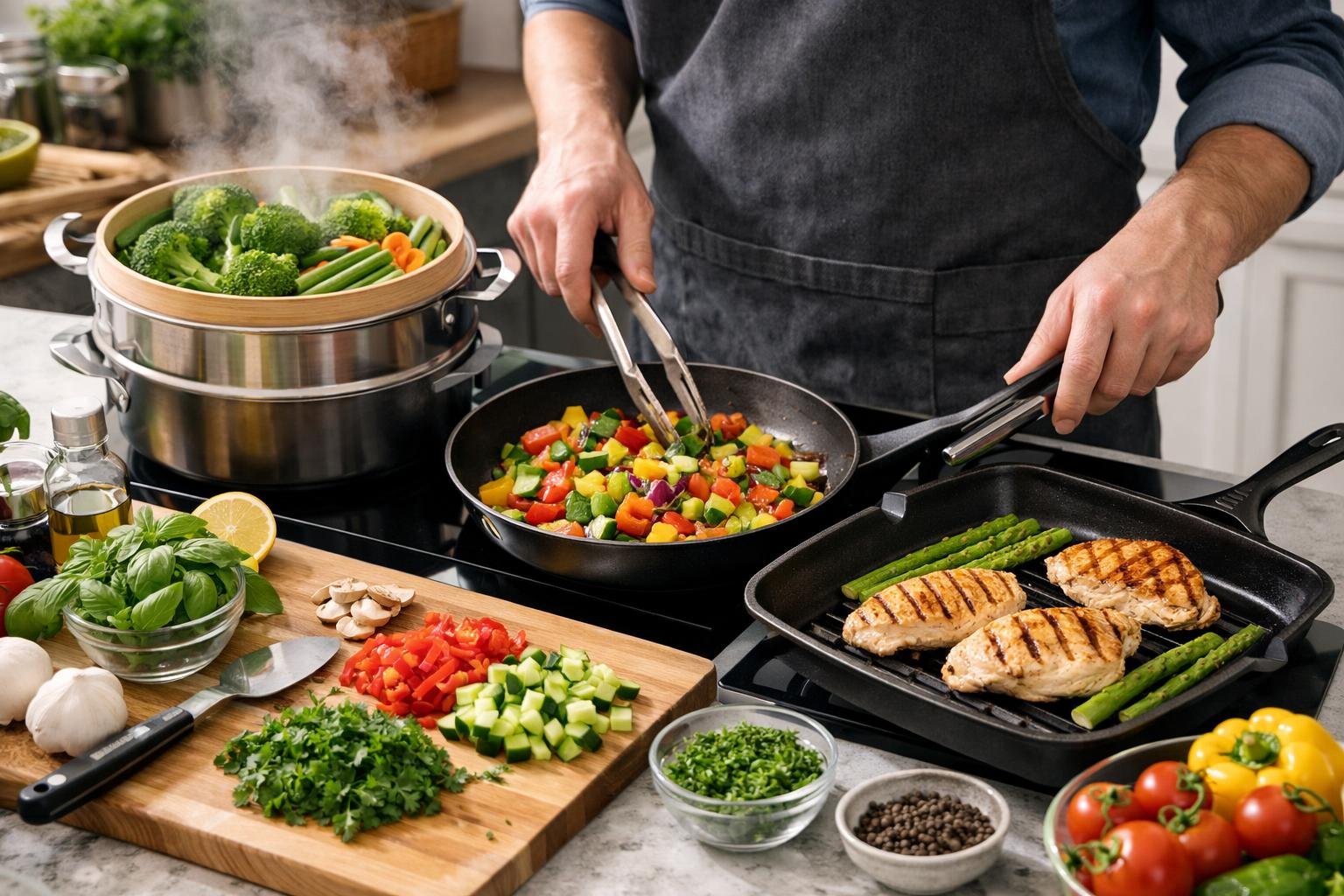
Steaming keeps veggies above the water, not in it, which preserves their flavour and colour. I’ve found this keeps veggies tasting like themselves and not like, well, boiled water. The cell walls stay mostly intact, but the food still softens enough to be digestible.
Microwaving heats from the inside out by exciting water molecules, usually getting food cooked faster (and often saving more nutrients) than boiling. Boiling, on the other hand, dunks everything in water—so a lot of those good water-soluble compounds just leach out.
The temperature and timing you pick make a huge difference. High heat builds more complex flavours but can also trash delicate nutrients pretty quickly.
Role of Water-Soluble Vitamins
Water-soluble vitamins—like vitamin C and the B group—are especially at risk. They dissolve in water and break down with heat, oxygen, and even light.
Boiling vegetables? You’re probably losing most of the vitamin C, sometimes almost all of it, especially if you let them swim for too long. Basically, those nutrients end up in the water, not your food.
Vitamin Retention by Cooking Method:
- Microwaving: 70-91% vitamin C sticks around
- Steaming: 60-85% vitamin C
- Blanching: 40-75% vitamin C
- Boiling: 0-55% vitamin C
If you use the cooking water for soups or sauces, you can get some of those lost vitamins back. But really, shorter cooking times and less water generally mean more nutrients stay put.
Maillard Reaction and Caramelization
The Maillard reaction—when amino acids and sugars meet at over 140°C—creates hundreds of flavour compounds and that irresistible golden colour. It’s what makes seared steak, toasted bread, and roasted veggies so much more interesting.
Caramelization is a bit different: it happens when sugars hit 160°C or more, breaking down into nutty, toasty, sweet new compounds. This process doesn’t need protein—just sugar and heat.
Both need dry heat and a hot surface. If you crowd your pan or add too much liquid, you’ll end up steaming instead of browning. That’s why a seared steak gets that tasty crust, while boiled meat looks and tastes, well, sad.
And hey, these browning reactions don’t just taste good—they can even create new antioxidant compounds.
Freshness, Storage, and Prep: Setting the Foundation for Maximum Flavour
Great flavour starts before the stove’s even on. Good ingredients, smart storage, and thoughtful prep are the real backbone of tasty food.
Selecting High-Quality and Seasonal Produce
If you want maximum flavour, you’ve got to start with ingredients that have some to begin with. Look for produce that’s firm, not bruised, and meat that’s fresh—not slimy or off-smelling. Even frozen veggies can be good if they’re not caked in ice.
Seasonal produce is a secret weapon. Fruits and veggies picked at their peak have more sugars, aroma, and essential oils. Honestly, a summer tomato is a world apart from a winter one.
Quick checklist:
- Firm, no soft spots or wrinkles
- Vibrant colour
- Fresh smell—especially for herbs and fruit
- No mould or weird moisture
Proper Storage for Freshness
Bad storage will ruin flavour and texture faster than you’d think. Each ingredient needs its own little ecosystem.
Most veggies like a humid crisper drawer. Apples and pears? Lower humidity. Root veggies do best in a cool, dark spot with air flow.
Storage tips:
- Herbs last longer upright in water, loosely covered
- Onions and garlic want dry, ventilated spots—keep them away from potatoes
- Cut produce goes in airtight containers in the fridge, and don’t wait too long to use it
- Meat should go in the coldest drawer
Tomatoes, stone fruit, and avocados are better at room temp until ripe, then move to the fridge to slow down spoilage.
Prep Techniques for Texture and Flavour
How you prep matters. Gentle handling keeps the taste and texture you’ve worked to preserve.
Uniform chopping isn’t just for looks—it helps everything cook evenly. Smaller pieces give more surface area for flavour, but bigger chunks stay juicier.
Wash produce right before using, not days ahead. Too much moisture speeds up spoilage and waters down flavour. After washing, pat things dry—especially greens and herbs you’ll be roasting or sautéing.
Don’t over-handle delicate stuff like berries or soft herbs. Bruising speeds up browning and weird flavours. For herbs, sometimes tearing by hand just works better than chopping.
Moist-Heat Methods: Steaming, Poaching, and Pressure Cooking
These techniques use water or steam to gently cook food, helping delicate flavours and nutrients stick around better than blasting with high heat.
Steaming Vegetables and Proteins
Steaming surrounds food with hot vapour, not boiling water. That’s key—water-soluble vitamins, especially B and C, don’t get leached away.
Steamed veggies keep their colour and snap. Broccoli, beans, Brussels sprouts—steaming makes them taste like themselves, not boiled mush. For proteins, fish and chicken come out moist and tender, no extra fat needed.
Why steaming rocks:
- Up to 80-90% of nutrients stay put
- Flavour stays sharp, not watered down
- No oil needed
- Quick cooking means less flavour loss
Set up your steamer so food sits above—not in—the water. Keep the lid on tight. Season after, not before, since steaming doesn’t concentrate flavours like roasting.
Gentle Poaching for Delicate Foods
Poaching means cooking in liquid below boiling (71-82°C). This gentle heat keeps proteins tender and lets you infuse subtle flavours.
Poaching’s a go-to for eggs, fish, or chicken breasts. The low temp stops proteins from toughening up. You can flavour the poaching liquid with herbs, wine, or aromatics.
Use just enough liquid to cover. A simple court-bouillon (water, wine, veg, herbs) can add a lot without overpowering. Low heat means nutrients don’t just break down and drift off.
Save the poaching liquid! It’s full of flavour for sauces or soups.
Pressure Cooking for Fast Nutrient Preservation
Pressure cooking seals in steam, raising the boiling point to about 120°C. Food cooks fast and stays moist, with more nutrients surviving than in regular boiling.
The speed here is the secret—less heat exposure means more vitamins stick around. Studies back this up: pressure cooking beats boiling for nutrient retention.
It’s especially handy for tough cuts of meat and dried beans. Pressure breaks down tough fibers, leaving meat tender and beans creamy. Flavours get trapped inside, not lost to the air.
Modern pressure cookers are pretty foolproof now—just set and go. Plus, the sealed pot keeps all those good smells and tastes in your dinner, not in your kitchen walls.
Dry-Heat Techniques: Roasting, Baking, Grilling, and Searing
Dry-heat methods cook without water, using hot air or direct contact to build deep flavours through browning and caramelization. These are the ones that give you crispy outsides and juicy insides.
Roasting for Flavour and Browning
Roasting (175°C to 230°C) cooks food in the oven, letting hot air swirl around for even browning. Maillard reactions kick in, giving you those savoury, golden edges.
For veggies, toss them lightly in olive or avocado oil first. The fat helps heat move and makes caramelization happen. Roots like carrots and potatoes get sweeter and more intense as they roast.
Roasting perks:
- Flavours get concentrated as moisture evaporates
- Crispy outsides, tender insides
- Not much hands-on work
- Keeps more nutrients than boiling
Spread stuff out in a single layer—crowding leads to steaming, not roasting.
Baking as a Healthy Flavour Booster
Baking runs at moderate temps (150°C to 200°C), great for gentle, even cooking. It’s less about browning, more about cooking through.
Baking holds onto moisture better than other dry-heat methods and still builds flavour. It’s perfect for fish and chicken breasts that dry out easily. You don’t need much (or any) added fat, so it’s a lighter option.
Air frying is basically turbocharged baking. Hot air circulates fast, making things crisp with almost no oil. Honestly, it’s a game-changer for things like chicken wings or breaded veggies if you want crunch without the grease.
Grilling for That Signature Smoky Taste
Grilling cooks with direct heat from below, giving food those classic grill marks and a smoky edge you just can’t fake. High temps (200°C to 260°C) sear food fast, locking in juices and building a flavourful crust.
The smoke from dripping fat and charring adds a complexity that’s hard to match. Preheat the grill and don’t flip too much—let it brown! Direct contact with the grates gives you those caramelized marks.
Broiling is like grilling upside down—heat from above. Both are great for keeping meat juicy and adding depth with high heat. The trick is watching the distance from the heat so you get a good crust without burning the outside before the inside’s done.
Quick Cooking: Sautéing, Stir-Frying, and Microwaving
Fast cooking doesn’t have to mean bland. Sautéing builds flavour with browning, stir-frying keeps veggies lively, and microwaving actually saves more nutrients than you might expect.
Sautéing for Quick Meals and Enhanced Flavour
Sautéing does its magic over medium-high heat and plenty of movement. We're tossing food in a little fat, so flavours get concentrated fast, and veggies stay tender but still have bite.
This method really comes alive with aromatics like onions and garlic. Just a few minutes in the pan and you've got the base for a ton of dishes. Toss in veggies or proteins, and the hot surface caramelizes them, building flavour without dragging out the cooking time.
Key factors for success:
- Go for a wide, flat-bottomed pan so everything cooks evenly
- Keep things moving to avoid burning
- Toss in delicate greens at the end
- Season as you go for depth
You can sauté pretty much anything—mushrooms, farro, quinoa, whatever. The fat grabs flavour in a way water never does. For veggies, you get more taste in five minutes than you would from boiling for twice as long.
Stir-Frying for Crisp Veg and Maximum Colour
Stir-frying takes the heat up another notch. It's all about quick, super-hot bursts that keep moisture inside and give you that great texture contrast.
Veggies come out bright and crunchy because cooking is so fast—usually just a few minutes—so colour and nutrients stick around. You want everything prepped before you start; there's no time to pause once things hit the pan.
Our stir-frying essentials:
- Chop veggies to the same size for even cooking
- Preheat your wok or pan until it's just starting to smoke
- Add ingredients based on how fast they cook (carrots before spinach, for example)
- Keep everything moving with a spatula
That high heat gives you those tasty browned edges. Stir-fried veggies keep their snap and soak up all the aromatics and seasonings. It’s a quick way to lock in both flavour and texture.
Smart Microwaving to Lock in Nutrients
Microwaving gets a bad rap, but honestly, it’s one of the best ways to keep flavour. Short cook times mean nutrients and natural taste stick around.
We use little or no water, so flavours don’t leach out. Broccoli, green beans, whatever—veggies stay bright because they’re basically steaming in their own juice. It’s also great for reheating grains without drying them out.
Best bet? Spread food in an even layer, cover with a microwave-safe lid to trap steam, and cook in short bursts—30 seconds at a time. That way, you can check doneness and avoid those overcooked, sad edges.
Layered and Combination Cooking: Braising, Slow Cooking, and Stewing
These methods blend dry and moist heat to turn tough ingredients into tender, flavour-packed meals. They break down fibres slowly and let flavours mingle and build up over time.
Braising for Tenderness and Rich Flavour
Braising starts with a hot sear to get that caramelized crust, then shifts to gentle cooking in a little liquid. You get the best of both worlds: deep, browned flavours and juicy, tender results.
We usually braise tougher cuts of meat that need time to soften up. The low heat turns collagen into gelatin, giving you that melt-in-your-mouth feel. The cooking liquid—broth, wine, tomato sauce—soaks up all the good stuff from the meat and aromatics, then gives it back as a rich sauce.
Key braising benefits:
- Keeps moisture in with a covered pot
- Builds layers of flavour from the sear and simmer
- Makes cheaper cuts super tender
- Leaves you with a ready-made sauce
A Dutch oven or heavy pot traps steam, so things don’t dry out. You can braise on the stove or in the oven—either way, after the sear, it’s pretty hands-off.
Slow Cooking for Effortless Savour
Slow cooking is all about low temps and long hours. A slow cooker keeps things steady and gentle, breaking down tough bits and letting flavours blend.
It’s great at holding onto moisture since the lid keeps steam in. Over hours, everything gets richer and more unified. Flavours have time to develop and mellow out.
We love slow cooking for the convenience. Toss in your ingredients, set the temp, and walk away. It’s ideal for soups and stews that get better the longer they sit.
The low, steady heat means you’re not likely to burn anything. Proteins come out tender, veggies soften, and the whole dish just soaks up the seasoning.
Stewing for Comfort and Depth
Stewing means everything’s cut small and fully covered in liquid, so flavours mix and move around freely. Unlike braising, where the liquid just comes partway up, here everything’s submerged.
This lets flavours travel between ingredients. Meat gives its savoury notes to the broth, veggies add sweetness, and the end result is a dish where every bite tastes like the whole thing.
It’s perfect for hearty soups and stews since the liquid becomes part of the meal, not just a cooking agent. Nothing gets thrown out; all the taste stays in the pot. A gentle simmer keeps things moving without turning ingredients to mush.
Stewing advantages:
- Flavour gets everywhere, not just on the outside
- Meat and veggies get tender, not dry
- All the taste stays in the liquid
- Great for one-pot meals
Keep the simmer low—no wild boiling—so meat stays tender and veggies don’t fall apart.
Simple Enhancements: Seasoning, Herbs, Marinades, and Aromatics
Seasoning adds layers, while herbs and aromatics bring complexity that can totally transform a dish. Marinades and brines prep proteins for tenderness and flavour even before you start cooking.
Seasoning for Flavour Balance
Salt is our go-to for boosting natural flavours. It makes veggies sweeter, balances acidity, and brings out the best in proteins. Kosher salt is usually easiest to control.
We brighten dishes with acids—lemon juice, vinegar, tomatoes. A squeeze of lime at the end can wake up a whole meal.
Spices need a quick toast in a dry pan to bring out their oils. Cumin, coriander, paprika—they all pop more this way. “Blooming” spices in hot oil or butter takes it up another notch.
Umami ingredients like soy sauce, miso, tomato paste, and fish sauce give dishes that satisfying depth. Just a spoonful can change a simple soup into something you’d expect from a restaurant.
Using Herbs and Fresh Aromatics
Aromatics like onions and garlic are the backbone of most dishes. We sauté them first so their flavours infuse the cooking fat, which then spreads that taste everywhere. Ginger, shallots, celery—all do the same job.
Fresh herbs bring a brightness you just don’t get from dried. Cilantro, parsley, basil, mint—they’ve got volatile oils that fade with too much heat, so we toss them in at the end or use them as a garnish.
Woody herbs like rosemary or thyme can handle longer cooking. We add them early so their flavours have time to work through the dish. For these, fresh or dried—it’s not as big a deal.
Marinating and Brining for Tenderness
Marinating gets flavour deep into proteins before cooking. Acids like yogurt, citrus, or wine break down the surface, while oils help fat-soluble flavours sink in. Depending on the meat, we marinate anywhere from half an hour to overnight.
Brining uses salt water to season meat from the inside and help it hold onto moisture. A basic brine is about 5-6% salt by weight. We soak chicken, pork, or turkey for several hours before cooking, so the salt dissolves muscle proteins and helps them trap water.
Short on time? Dry brining is faster. Just salt the meat generously and refrigerate uncovered for a few hours. The salt pulls out moisture at first, then it all soaks back in, seasoning the meat as it goes.
Kitchen Tools and Smart Habits for Flavour Retention
Good tools and timing make all the difference between a juicy, flavourful dish and a dried-out flop. Here’s what we keep on hand and some habits that help us keep flavour locked in.
Essential Cooking Tools
A sharp chef’s knife is essential—it keeps veggies and herbs from getting crushed and losing juice. We also lean on heavy-bottomed pans for even heat and fewer burnt spots.
Cast iron skillets are fantastic for getting a good crust while keeping things moist inside. We like having one ready for searing or roasting.
Wooden spoons and silicone spatulas protect cookware and help us scrape up those tasty browned bits that make sauces better. A steamer basket keeps food above boiling water, so you keep both nutrients and taste.
For meal prep, airtight glass containers keep ingredients fresh and safe from cross-contamination. Having a few sizes around makes storage and organization easier, and herbs and proteins stay fresher longer.
Avoiding Overcooking and Using Thermometers
A meat thermometer is a lifesaver—no more guessing and overcooking, which ruins both flavour and texture. We stick the probe in the thickest part, away from bone, for the best reading.
Digital instant-reads are quick, so you’re not leaving food in the oven too long. We usually pull meat off the heat a few degrees before target temp, since it keeps cooking as it rests.
Every protein has its safe temp, but we also go by feel. For chicken breast, we pull it at 72°C, knowing it’ll hit 74°C as it rests and stay juicy.
Oven thermometers are handy too—most ovens run hot or cold, sometimes by a lot. It’s saved more than a few roasts for us.
Resting Meat and Preventing Moisture Loss
Letting meat rest after cooking gives muscle fibres a chance to relax and soak up juices that would otherwise spill out. We tent it with foil—just loose enough to keep it warm but not enough to steam away that nice crust.
Rest small cuts for 5-10 minutes, bigger roasts up to 20. It’s a good time to finish side dishes or whip up a pan sauce.
If you cut too soon, all those juices run out onto the board. We’ve learned (the hard way) that patience here really pays off with juicier, tastier results.
For meal prep, we let proteins cool before storing so condensation doesn’t water things down or make them soggy when reheated.
Special Focus: Healthy Proteins and Plant-Based Flavour Strategies
Cooking plant-based proteins and lean meats takes a different approach if you want to keep things tasty and juicy. These need a few tricks to boost umami and prevent dryness or weird flavours from creeping in.
Plant-Based Proteins: Tofu and Tempeh
Pressing tofu before cooking gets rid of extra water and makes room for marinades to really soak in. We stash pressed tofu in a sealed container with marinade for up to a day in the fridge—it makes a huge difference.
Freezing tofu changes the texture, making it spongier and better at holding onto seasonings. It’s a little odd at first, but worth trying.
Tempeh benefits from a quick ten-minute steam before marinating. It softens up and loses any bitter edge. We keep tempeh tightly wrapped in the coldest fridge spot and try to use it within five days of opening.
Pan-frying tofu or tempeh in cast iron gives a golden, nutty crust. Moderate heat and a little patience—don’t move it around too much—are key for the best flavour.
Bringing Out Umami in Vegetarian Dishes
Mushrooms are loaded with natural glutamates, and roasting them at high heat really brings that out. We spread them in a single layer so they brown instead of steam.
Dried mushrooms have even more umami than fresh. We store them in glass jars away from light, and the soaking liquid is pure gold for soups and sauces.
Nutritional yeast gives a cheesy, savoury kick to plant-based meals without any dairy. We keep it sealed in a cool, dark spot so it lasts. Tomato paste, miso, and soy sauce also boost umami—add them early so they caramelize and add depth as they cook.
Making the Most of Lean Proteins
Lean proteins like chicken breast and white fish dry out fast if you don’t give them enough healthy fats. We usually brush them with olive or avocado oil before cooking—just a thin coat. That little step helps seal in moisture and keeps everything from going bland and chewy.
Brining helps a lot too. We’ll soak lean meats in a salty water bath for about 30 minutes before cooking, then stash them in the fridge in covered containers. Definitely don’t let them hang out at room temp—no one wants that risk.
Getting the internal temperature right is way more important than obsessing over the clock. Chicken comes off the heat at 74°C, and we let it rest for five minutes. Fish is good at 63°C at its thickest spot. Lower temps keep things juicy and tender, so you don’t end up with that chalky, overdone mess that squeezes out all the good stuff.
Frequently Asked Questions
Cooking method, prep, and seasoning all affect how much flavour stays in your food. These quick answers cover simple ways to keep dishes tasty and balanced.
How can I spice up the marinating game to ensure my meats are bursting with flavour?
Use a balanced marinade with oil, acid, salt, and aromatics. Marinate thin cuts for 30 minutes to 2 hours and thicker cuts for 4 to 12 hours, but avoid going too long or the texture can turn mushy.
What's the secret to making vegetables pop with taste without losing their nutritional goodness?
Cook vegetables quickly with minimal water by steaming, blanching, sautéing, or roasting. Add oil, herbs, garlic, or citrus for more flavour without washing nutrients away.
Can we chat about the best ways to use herbs and spices to make every bite a taste sensation?
Add hardy herbs early and delicate herbs near the end. Toast whole spices or bloom ground spices in oil to deepen their flavour, and grind whole spices fresh when possible.
Tell me, what are some top tips for cooking with wine or broth to keep meats tender and tasty?
Use wine or broth to deglaze the pan after searing so you capture the browned bits. Let the liquid reduce slightly, then finish cooking gently to keep the meat tender.
Got any clever tricks for using citrus to bring out an explosion of zest in my dishes?
Use zest during cooking for deep citrus aroma, then add fresh juice at the end for brightness. A small amount can lift sauces, vegetables, fish, and chicken without overpowering them.
How about we dish out some advice on slow-cooking methods that lock in those incredible flavours?
Brown the meat and aromatics first, then cook low and slow with the lid on. Keep the slow cooker about two thirds full and avoid opening it often so heat and flavour stay inside.
Share:
How Do You Maintain Consistent Taste Across Multiple Meals
How Can You Avoid Overcooking Or Undercooking Food