

Check out our latest compact vacuum sealer for food collection!
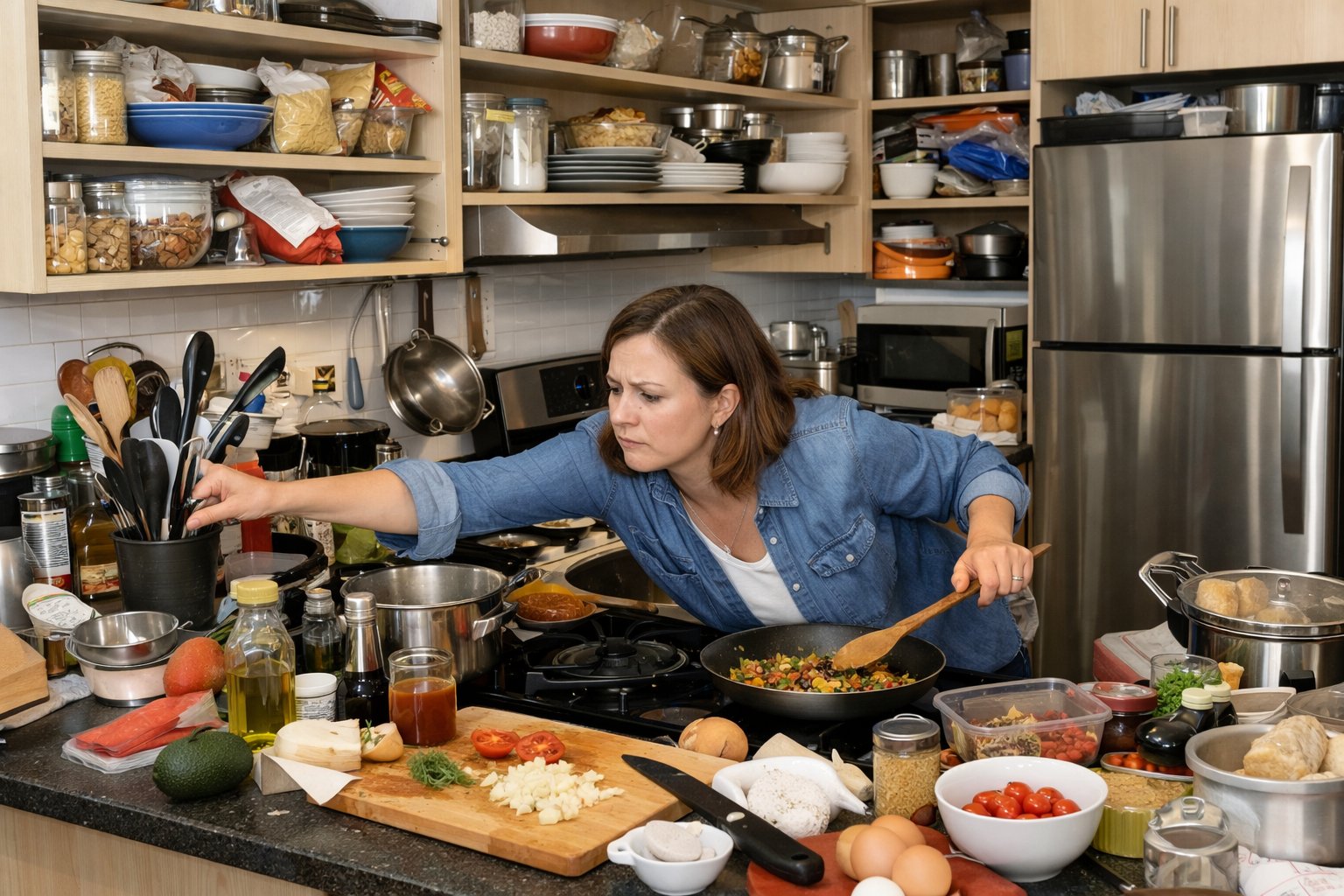
A kitchen with a bad storage setup can turn making dinner into a never-ending scavenger hunt. When storage isn't organized logically, we waste time digging through crowded cabinets, moving items around just to reach what we need, and dealing with cluttered counters that leave no room for actual cooking. These little interruptions pile up fast, and suddenly cooking feels like a chore instead of something you might actually enjoy.
How we arrange our storage directly shapes how smoothly the kitchen runs. If things are stored too high, you’re pulling out a step stool. Deep cabinets? Good luck fishing out that one pan you need. And without clear spots for your stuff, you’re always shuffling things around just to find a cutting board or a measuring cup. These aren’t tiny annoyances, they’re design flaws that slow everything down.
Honestly, who hasn’t been annoyed by a kitchen that seems to work against you? The upside is, most of these storage headaches have simple fixes. Once you spot which layout mistakes are holding you back, you can set up a kitchen that actually fits the way you cook.
Key Takeaways
- Bad storage placement means extra steps and wasted time every time you cook.
- Cluttered counters and messy cabinets make it tough to grab what you need, when you need it.
- Smarter organization makes everything run smoother and cuts down on frustration.
How Poor Storage Layout Impacts Everyday Cooking
When storage is a mess, even making a sandwich drags on with endless searching and clearing clutter. You lose time hunting for a pan, can’t find space to chop veggies, and your whole rhythm gets thrown off.
Common Cooking Frustrations Caused by Disorganized Kitchens
We’ve all stood in front of open cabinets, scanning for that one spice jar we know is in there somewhere. Bad storage creates daily friction that turns cooking from a fun activity into a patience test.
Utensils scattered across random drawers? You end up opening three before you find the can opener. Baking sheets stacked every which way mean you have to unload half the cabinet for one pan. And if your spices live far from the stove, you’re making laps across the kitchen every time you cook.
These hiccups break your focus and mess with your flow. Instead of gliding from one step to the next, you’re constantly stopping to search for something. It’s even worse when you’re trying to juggle multiple dishes or racing the clock on a busy night.
Lost Time Searching for Tools and Ingredients
On average, we spend 2-3 minutes per meal just looking for misplaced kitchen stuff. That sounds small, but it adds up—over 15 hours a year just searching for things you already own.
It gets worse when ingredients are scattered. Flour in one cabinet, baking powder across the room, vanilla extract who knows where—you end up zigzagging all over. Stuff shoved in the back of the fridge gets forgotten until it’s spoiled, which is just money down the drain.
Biggest time-wasters:
- Digging through overstuffed utensil drawers
- Pulling out piles of pots and pans to reach the one you want
- Checking three cabinets for that one tool you rarely use but suddenly need
- Double-checking the pantry because things aren’t where you expect
If you can’t grab what you need fast, recipe timing falls apart. Sauces overcook while you hunt for the colander. Veggies wait while you search for a knife.
How Cluttered Counters Disrupt Cooking Flow
Crowded counters shrink your usable space and force you to shuffle things around mid-recipe. When toasters, mail, and random stuff hog the counters, you’re left with barely enough room for a cutting board, let alone prepping a whole meal.
You end up chopping veggies in a cramped corner, which isn’t just annoying—it can be dangerous. Ingredients get moved around again and again as you try to clear a spot.
Without a dedicated cooking zone, you’re always pushing things out of the way instead of actually cooking. You might set down a hot pan and realize there’s nowhere safe to put it, or have to clear space before you can plate your food. A kitchen with clear counter zones for prep, cooking, and staging keeps you moving instead of stalling out.
Kitchen Layout Mistakes That Slow You Down
Even the fanciest storage bins can’t save you from a kitchen layout that just doesn’t work. If your main work zones are too far apart or walkways are blocked, every meal turns into an obstacle course.
Overlooking the Kitchen Work Triangle
The kitchen work triangle links your sink, stove, and fridge—basically, the three spots you hit most when cooking. If this triangle is off, you’re taking extra steps and doubling back constantly.
Designers say the total distance between these points should be between 12 and 26 feet, with each side between 4 and 9 feet. Too close, and you’re bumping into yourself. Too far, and you’re wiped out before dinner’s even ready.
When the fridge sits across the kitchen from the stove, you’re hauling ingredients through busy walkways. If the sink is far from the stove, draining pasta turns into a risky trek with a heavy pot of boiling water.
The triangle doesn’t need to be perfect, but you should be able to move between points without big detours. In bigger kitchens, you might want more than one triangle or separate work zones for different tasks.
Blocking Walkways and Cramped Spaces
Tight walkways turn cooking into a game of human Tetris. You need at least 42 inches between cabinets or between an island and other counters so you can move comfortably.
In galley kitchens, this is even more important—there’s usually just one main path. If walkways shrink to 36 inches or less, opening the dishwasher blocks everything. You can’t get to the fridge if someone’s at the stove.
Kitchen islands look great but often create bottlenecks. An oversized island in a small kitchen means squeezing around corners, and if it has seating, those chairs can block your way when pulled out.
Before you settle on a layout, walk through the space or tape it out on the floor. Open the cabinets and dishwasher to see what actually gets blocked during real use.
Poor Placement of Appliances
If you stick appliances wherever without thinking about how they work together, you’ll feel it every day. The dishwasher should be right next to the sink—makes sense, right?
When the microwave is across the kitchen from the fridge, you’re walking back and forth just to reheat leftovers. Trash and recycling bins need to be near where you generate most of your waste, usually by the sink and main prep area.
Wall ovens mounted too high or low can be dangerous when you’re pulling out heavy, hot dishes. The stove needs landing space on both sides—at least 12 inches on one side and 15 on the other—so you’re not juggling hot pots.
Coffee stations work best near the fridge and away from the main cooking zone, so your morning routine doesn’t collide with breakfast prep. Daily-use small appliances deserve their own counter space and outlets, not a constant game of musical chairs.
Ignoring Workflow Between Work Zones
Even if your appliances are in decent spots, ignoring the flow between work zones can throw off your cooking. Usually, you move from the fridge (grab ingredients) to the sink (wash) to the counter (prep) to the stove (cook). If these zones don’t line up, you end up crossing the same path over and over.
Work zones should support specific tasks without everyone bumping into each other. The prep zone needs enough counter space near both the sink and stove. The cleanup zone works best when the dishwasher, trash, and sink are all close together.
Landing zones matter too. You need counter space next to the fridge for groceries and next to the stove for hot pans. Without these, you’re left holding stuff or making extra trips. Planning your layout should be about how you actually cook, not some ideal scenario from a magazine.
Insufficient and Inefficient Storage Solutions
When kitchen storage doesn’t fit how you cook, you end up battling your own space. Bad storage creates bottlenecks, making you dig through crowded shelves or leaving key ingredients out of reach.
Wasted Vertical Space and Unused Areas
Most people only use the middle of their cabinets, leaving the top third empty or crammed with forgotten stuff. That’s prime real estate just going to waste.
Stackable shelf risers or extra brackets can give you more layers in tall cabinets. Pull-out shelves are perfect for lower cabinets where you’d otherwise have to crouch and reach into the abyss.
That gap between your countertop and upper cabinets? Mount racks for spices, oils, or utensils you grab all the time. Even the sides of cabinets or the fridge can hold magnetic strips or hanging organizers.
Vertical storage lets you see everything at once—no more digging under bags of flour to see what’s left.
Lack of Dedicated Food Storage and Pantry Zones
If you don’t have clear spots for different foods, you’ll waste time hunting for scattered ingredients. Baking supplies in three cabinets, snacks taking over the counter, rice missing in action—it’s chaos.
Dedicated food zones mean putting grains, canned goods, baking stuff, snacks, and breakfast foods in their own places. Keep things you use together—like coffee, filters, and mugs—in the same zone.
Pull-out pantry systems and tall cabinet organizers can help even in small kitchens. Bins keep veggies separate from onions (which, by the way, shouldn’t be stored together), and clear containers let you check your pasta stash without shuffling everything.
The fridge needs zones too. Assign shelves for meal prep, produce, dairy, and leftovers, so nothing gets lost or goes bad in the back.
Forgetting the Importance of Corner Units
Corner cabinets are where things go to disappear. Stuff gets shoved in the back, and you don’t see it again until a deep clean months later.
A lazy susan can make those dead zones actually useful for oils, sauces, or canned goods. Spin it, and you can grab what you need without digging.
Pull-out corner drawers cost more but use every inch. These bring the whole contents out to you, so even the deepest corners work for daily items.
Base corner cabinets without any organizing system? Honestly, they waste more space than almost anything else. Your dream kitchen shouldn’t have cabinets you dread opening.
Misuse of Open Shelving and Cabinet Organizers
Open shelves look gorgeous in photos, but in real life, they’re tricky. Show off pretty platters or bowls you use all the time, sure. But storing flour and sugar out in the open? Dust and grease city.
Use open shelves for things you grab daily—olive oil, salt, plates, utensils. Everything else is better off behind closed doors.
Cabinet organizers only help if they fit your real habits. A pull-out spice rack is pointless if you only have a handful of spices. Overcomplicated systems just add frustration if they don’t fit your stuff.
Pull-out drawers for pots and pans beat stacking them in a deep cabinet. Adjustable dividers often work better than fancy organizers you saw online but don’t actually need.
Install organizers based on what you actually cook, not what looks impressive. If you bake twice a year, you don’t need a whole baking zone with bins for five types of flour.
Counter Space Shortages and Clutter
When appliances and random stuff crowd your counters, you lose the open space you need for chopping, mixing, and plating. That leaves you working in cramped corners or wasting time clearing a spot before you even start cooking.
How Lack of Counter Space Slows Meal Prep
We all need what the pros call "landing space"—basically, at least 24-36 inches of clear counter next to the stove for hot pans and near the sink for rinsed veggies. Simple enough, but when you don't have it, even the basics get annoying. Suddenly you're balancing cutting boards on the dish rack or shoving the coffee maker around just to roll out some dough. Without a real prep zone, cooking turns into a game of shuffle-the-appliances instead of, well, actual cooking.
Small kitchens struggle with this by default, but even big kitchens can feel cramped if the layout's off. Put the fridge too far from the main work area, or jam appliances together with no buffer zones, and poof—there goes your precious counter space. Every missing foot means prepping dinner takes longer, and, honestly, it makes takeout sound more tempting.
Storing Too Much on the Countertops
Counters aren't meant to be storage units, but somehow they end up crowded with blenders, mixers, knife blocks, crocks, spice racks, oil bottles, and every cute thing we own. It's easy to let it get out of hand.
Really, only the stuff we use all the time deserves a spot out. The bread you toast every morning? Sure. The coffee maker you fire up twice a day? Keep it handy. But that pasta maker from last year? Tuck it away.
It's worth asking how often you use each thing:
- Daily items: Coffee maker, dish soap, hand towel
- Weekly items: Stand mixer, rice cooker, cutting boards
- Monthly or less: Store in cabinets or pantry
Knife blocks eat up space and get greasy inside. A drawer organizer solves both problems—cleaner knives, more room. Same goes for oils and vinegars; they actually last longer in a cool, dark cabinet, so keeping them out just makes things messier and less fresh.
Balancing Appliance Access with Free Workspace
It's a constant tug-of-war between keeping things handy and keeping counters clear. Toasters you use every morning should be ready to go, but not if they hog the only space you have for dinner prep.
Corners near outlets are perfect for small appliances—keeps the main stretch open for actual cooking. Appliance garages or pull-out shelves are lifesavers, hiding stuff when you don't need it but making it easy to grab when you do.
Heavy appliances like stand mixers? They should live somewhere you don't have to lug them around. Lighter stuff, like blenders, can rotate in and out based on what you're making that week.
Some people do a "one out, one in" swap as the seasons change—the slow cooker gets prime real estate in winter, the ice cream maker takes over in summer. It's not a bad system.
Lighting, Ventilation, and Details that Affect Kitchen Flow
Where we stash ingredients matters, but so does being able to see what we're doing and not cooking in a sauna. Bad lighting creates shadows right where you need to see, and poor ventilation traps heat and smells, making it a pain to spend time in the kitchen.
The Pitfalls of Poor Lighting Placement
Ever squinted over a cutting board or struggled to read a recipe in bad light? It's the worst. Overhead lights alone often cast your own shadow onto the counter when you lean in, which is exactly when you need to see best. It's even trickier near the stove and sink, where you can't afford to mess up.
A lot of kitchens put pendant lights too high or too far away, so they look nice but don't help where you actually work. If you find yourself dragging ingredients closer to a window or using your phone's flashlight, it's a sign your lighting setup is letting you down.
Forgetting Layered and Task Lighting
One big light fixture can't do it all. You need layers—ambient lighting for the whole room, plus task lighting right where you chop and cook.
Under-cabinet lights are a game-changer, cutting out shadows so you can see what you're doing. Range hoods should have their own lights too, so you can keep an eye on what's happening in the pan.
Essential lighting layers:
- Ambient lighting: Overhead or flush-mount fixtures for general visibility
- Task lighting: Under-cabinet lights, range hood lights, focused pendants
- Accent lighting: Optional for shelves or display spots
If you don't have this mix, you'll end up improvising with awkward workarounds, which just slows everything down.
Consequences of Inadequate Ventilation
Bad ventilation does more than just leave behind last night's curry smell. It makes the kitchen stuffy and uncomfortable, which is enough to make anyone avoid cooking complicated meals.
A good range hood pulls out steam, grease, and heat before they settle everywhere. If you skip it, moisture builds up on cabinets and walls, and greasy film collects on every surface. That's more cleaning and, over time, damaged finishes.
It's not just about cleanliness, though. Searing or stir-frying without proper airflow turns the kitchen into a sauna, so you end up rushing or skipping certain recipes altogether.
Pick a range hood that matches how you cook. Heavy searing needs serious extraction; light sautéing, not as much. Opening a window or using a fan helps, but the hood does the heavy lifting.
Design Choices That Disrupt Functionality
Storage headaches usually start with the design. Sometimes kitchens look amazing in photos but turn into a mess when you actually try to cook. Flashy features can add bulk instead of solving real problems.
Prioritizing Style Over a Functional Kitchen
We've all seen kitchens with gorgeous backsplashes and fancy finishes that just don't work for everyday meals. When design wins out over function, you end up stretching across awkward gaps or tiptoeing around cabinets that never seem to be in the right place.
Common style-first mistakes:
- Deep cabinets with no pull-outs, so stuff disappears in the back
- Open shelves that look great but collect dust and grease
- Glass-front cabinets that force you to keep everything perfect
- Skinny drawers that can't fit standard utensils
It's smarter to start with how you actually cook. If you bake a lot, make sure flour and rolling space are handy. If you meal prep, you need room for cutting boards and containers, not just pretty lights.
Choosing Trendy Features Over Timeless Design
Trendy features sneak into kitchen remodels all the time—wine fridges that barely get used, pot fillers when pots are already close by, fancy pull-outs that don't fit your stuff.
Open shelves might look cool, but they're a pain to keep clean. Closed cabinets keep things ready to use without constant dusting. Clever spice racks that don't actually fit your collection? Not so clever after all.
Features that sound great but complicate storage:
- Appliance garages with sticky doors
- Corner lazy Susans that waste space
- Drawer microwaves that steal cabinet storage
It's worth asking: Does this new feature actually make cooking easier, or is it just for show? A beautiful kitchen gets old fast if you have to fight with it every night.
Overcrowding with Islands and Storage Units
Islands can be awesome, but when they're too big, they block your path. We've seen kitchens where you barely get 32 inches to squeeze by, which is not enough when you're carrying hot pans.
Islands can also mess up the natural flow between fridge, sink, and stove. Put one right in the middle, and suddenly every recipe takes more steps than it should.
Packing in too many cabinets creates a cramped vibe and makes it tough to move around, especially when the kitchen gets busy. You really want at least 42 inches between cabinets and 36 inches in main walkways.
A right-sized island should store what you actually use at the prep zone—mixing bowls, cutting boards, tools you reach for all the time. The rest can go in perimeter cabinets, closer to where you'll actually use them.
Frequently Asked Questions
Smart storage makes cooking faster and less stressful, from grabbing ingredients to finding the right tool. Here are some ways storage layout can help—or totally mess up—your kitchen routine.
What are the top strategies to optimize kitchen storage for faster meal prep?
Zone-based storage is the way to go. Keep cutting boards, knives, and bowls near your main workspace, and stash pots and pans close to the stove.
Clear containers for dry goods save time—you see what you've got right away. Only keep daily-use stuff on the counter, like your kettle or favorite cutting board. Everything else goes in cabinets so you have room to work.
Can you give me tips for arranging my pantry to shave minutes off my cooking routine?
Group things by meal or cooking style. Breakfast stuff together, baking supplies in their own spot, dinner staples nearby.
Use the first-in, first-out method: put new groceries behind older ones, and keep the most-used items between waist and shoulder height.
Pour bulk items into clear containers and label them with purchase dates. Wrestling with half-open bags isn't fun, and this way, you know what needs to be used up first.
Why does the 'mise en place' concept matter in home kitchen organization?
Mise en place—"everything in its place"—is the secret to efficient cooking. When your kitchen supports it, you can gather all your ingredients and tools before you start, instead of scrambling mid-recipe.
Give every item a home. You'll spend less time searching and more time actually cooking. Once your whole kitchen follows this principle, prepping becomes way smoother and less stressful.
How does the organization of utensils and tools impact cooking efficiency?
Store utensils by how often you use them and where you use them. Wooden spoons, spatulas, and tongs should be right by the stove, not buried in a drawer across the room.
Drawer dividers stop the chaos so you can grab what you need without digging. Magnetic strips for knives are a great alternative to bulky knife blocks—keeps them safe, visible, and frees up counter space.
What are some common kitchen storage mistakes that can add unnecessary time to food preparation?
Crowded countertops slow you down before you even start. Every extra thing you move adds up, meal after meal.
Not using vertical space is another big miss. Adding shelves up high or hooks inside cabinet doors gives you more room and helps keep things organized.
Storing things for looks instead of function wastes time. If your prettiest bowls are front and center but your go-to mixing bowls are hidden, you're making life harder for yourself.
And if you don't create dedicated zones—baking, cooking, prep—tools and ingredients end up scattered, so you waste time hunting them down every time.
Could you explain the best practices for refrigerator organization to streamline my cooking process?
At home, we organize our fridge by temperature zones and how we actually cook. Ready-to-eat stuff and leftovers land on the upper shelves—it's a bit warmer up there. Raw proteins? Always on the bottom shelf, so nothing drips onto anything else.
Clear bins help a ton. We toss dairy in one, veggies in another, and condiments in a third. That way, if you need all the sauces, you just grab the whole bin instead of digging around for each bottle.
When we're planning a meal, we stash the ingredients together. Say we're doing stir-fry on Tuesday—I'll group the veggies, protein, and sauces in one bin. Makes it easy to pull everything out at once and get cooking.
As for the door, that's our spot for condiments and things we reach for often but don't need super cold. Milk or eggs never go there—the temp swings too much every time someone opens the door.
Share:
Why Kitchens Feel Disorganized Even When They Look Clean
Why Fixed Storage Zones Matter More Than Extra Cabinets