

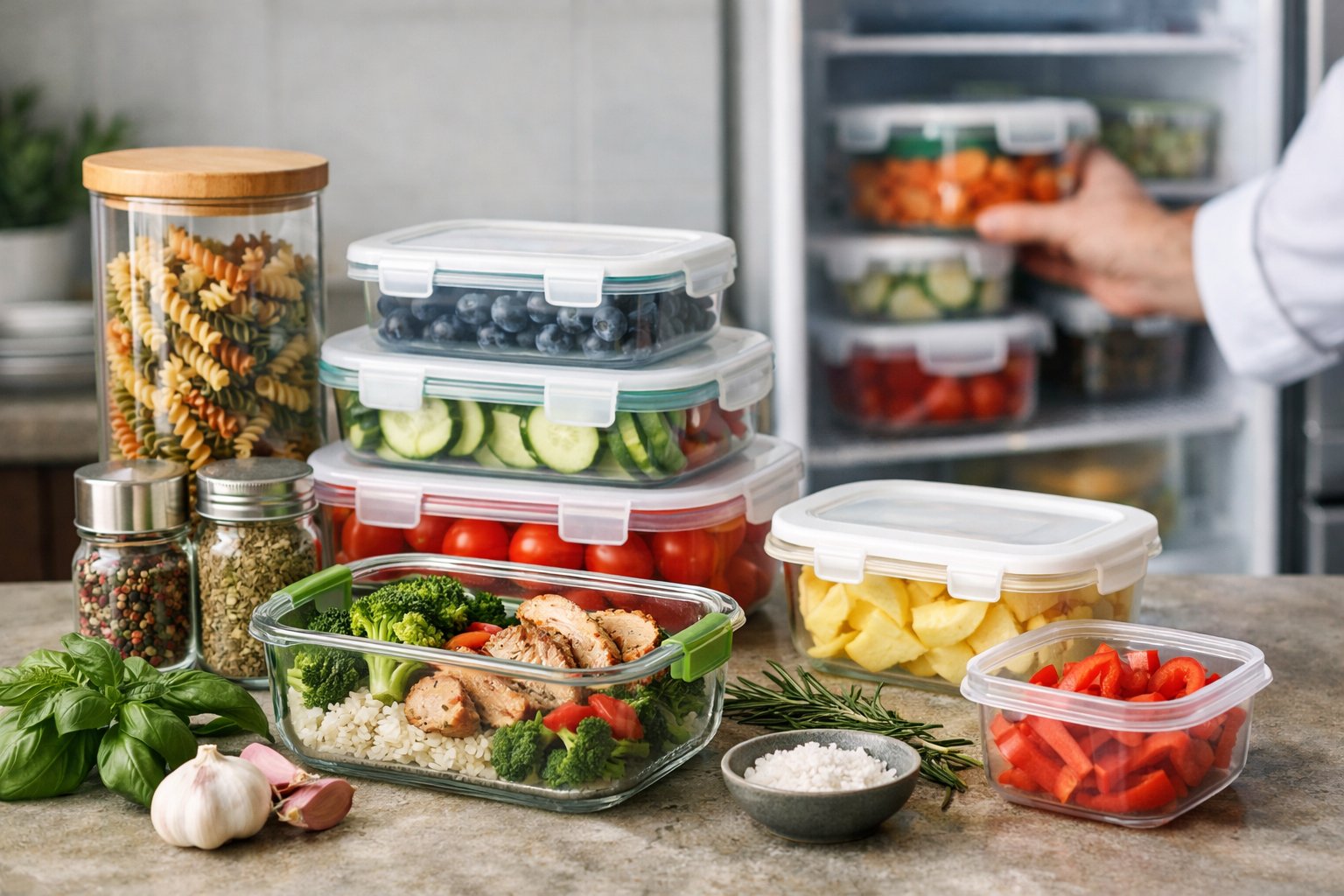
Check out our latest compact vacuum sealer for food collection!
How we store ingredients before they hit the pan, pot, or oven shapes the flavors that end up on our plates. Temperature swings, bad humidity, and too much air or light can all mess with the taste and aroma of our food before we even start cooking.
The containers we use and where we keep things really do determine whether our food bursts with flavor or just falls kind of flat.
Most of us just toss vegetables in the crisper or leave spices by the stove without much thought, but these little habits actually affect how our food turns out.
Fresh herbs lose their essential oils if we store them wrong, meat picks up funky flavors when the fridge isn’t cold enough, and even dry stuff like flour can absorb weird odors. Getting a handle on storage and flavor can help us make smarter choices that really do show up on the plate.
You don’t need fancy equipment or some complicated system. Just a bit of know-how about what each ingredient wants can make a noticeable difference in flavor.
Key Takeaways
- Temperature, humidity, and light exposure all mess with ingredient flavor before you even start cooking
- Different foods need different storage methods to keep their taste, aroma, and nutrition
- Simple things like picking the right container, keeping an eye on temperature, and organizing by ingredient needs can prevent flavor loss and make your meals better
The Science Behind Storage and Flavor Retention
Storage conditions trigger chemical reactions that change the structure of ingredients, affecting both taste and aroma. Temperature swings, oxygen, and moisture all interact with the flavor compounds and fats in our food, either helping or hurting the flavors we want.
Chemical Changes Impacting Flavor
Storage kicks off chemical changes in food that show up in the way things taste. Lipid oxidation is a big culprit—fats and oils react with oxygen to form stuff like peroxides, aldehydes, and ketones. These can make food taste rancid, metallic, or just plain off.
Temperature matters a lot. Every 10°C rise doubles the rate of fat oxidation. You’ll see this most with nuts, seeds, and fatty fish.
Enzymes keep working in stored ingredients after harvest or processing. They break down proteins and turn starches into sugars, which can totally change flavor. For example, potatoes stored at room temperature get sweeter, and when you fry them, they brown darker and can taste bitter because of the extra sugars.
Volatile and Aroma Compounds
Volatile compounds give food its signature smell, but they’re super delicate. These light molecules evaporate fast when exposed to air, warmth, or light.
Take fresh herbs—basil can lose up to 70% of its volatile oils in just a few days at room temp. Key aroma compounds like linalool and eugenol either evaporate or break down.
Storage temperature and aroma retention:
- Refrigeration (2-4°C): Cuts volatile loss by about half or more
- Freezing (-18°C): Keeps most aroma but can mess with texture
- Room temp (20-25°C): Speeds up aroma loss
Water content in ingredients changes how these aromas behave. Fruits and veggies with lots of water release volatiles differently than dry foods. Using packaging that limits empty space helps keep those flavors from escaping.
Role of Oxygen Exposure
Oxygen speeds up a bunch of reactions that just kill food quality. Leave stuff out in the open, and oxygen sneaks in, kicking off oxidation that ruins both taste and nutrition.
Fats in oils, nuts, and fish are especially sensitive. Oxygen turns them rancid by breaking them down into off-smelling compounds.
Aroma compounds react with oxygen, too. Citrus zest and spices lose their punch as oxygen dulls their bright flavors. That’s why whole spices in sealed jars stay potent way longer than ground ones left open to the air.
Cutting down oxygen exposure helps:
- Stop off-flavors from oxidized fats
- Keep delicate aromas in herbs and spices
- Prevent color loss in things like carrots
- Hold onto more antioxidants
You can even see this in vitamin C—levels drop 20% in high-oxygen storage, but sealed containers keep 90% or more.
Storage Methods and Their Impact on Cooking Outcomes
How we preserve ingredients changes their structure and moisture, which then affects how they cook. The method—cold storage, drying, fermentation, whatever—shapes texture, how flavors come out, and even how long things take to cook.
Refrigeration vs. Freezing Effects
Refrigeration keeps food fresh by slowing down enzymes and bacteria. When you cook refrigerated veggies, they let out water as expected and soften up nicely. The cell structure stays mostly intact, so sautéed peppers, for example, keep their snap and caramelize quickly.
Freezing is a different beast. Ice crystals form in the cells, breaking them open. That’s why thawed veggies leak more water when you cook them—those cells are busted. All that extra moisture can make browning tricky and may require you to bump up the heat or cook a bit longer.
Cooking differences:
- Refrigerated: Stay firm, cook as expected, brown easily
- Frozen: Release more water, cook faster but can get soggy, need more heat for browning
Frozen meat loses more liquid as it thaws and cooks, often ending up drier unless you tweak your approach.
Canning, Drying, and Dehydration
Canned foods are partially cooked during the canning process. When you toss canned tomatoes into a sauce, they break down fast because they’re already softened. Great for quick sauces, not so much when you want chunky texture.
Drying and dehydration pull out most of the water, packing in flavor. Dried mushrooms, for instance, have way more umami than fresh. When you cook with dried ingredients, they soak up liquid—handy if you want them to take on the flavor of a soup or stew.
Don’t expect dried veggies to ever get their old texture back. They’re fine in braises and stews, but not great for crunchy stir-fries.
Fermentation and Innovative Technologies
Fermentation changes ingredients on a chemical level, creating new flavors and changing how they cook. Fermented cabbage like kimchi cooks super fast and keeps its tang, unlike raw cabbage that needs longer to mellow out.
Modern techniques like high-pressure processing and irradiation extend shelf life without cooking food to death. High-pressure guacamole, for example, tastes fresher and behaves more like the real thing in recipes. Irradiation can knock down vitamin content a bit, but texture mostly stays the same, so you can cook these foods just like fresh.
Optimizing Storage for Nutritional Value and Flavor
Storage choices don’t just affect taste—they decide how many vitamins and good-for-you compounds survive until cooking. Water-soluble vitamins like C vanish fast if you store produce wrong, and fat-soluble nutrients like vitamin D need protection from light and air.
Nutrient Retention and Loss
Nutrient loss during storage follows some predictable patterns. Water-soluble vitamins leach out if veggies sit in moisture or get too warm. Fat-soluble vitamins need to be kept away from light and oxygen.
Temperature is the big one. Keeping veggies at 32°F to 40°F slows the enzyme action that destroys vitamins. Every 18°F over that, and the rate of nutrient loss doubles.
What matters for nutrient retention:
- Time: Every day in storage, you lose more vitamins
- Light: Breaks down riboflavin and other sensitive stuff
- Air: Oxidation kills vitamin C and others
- Damage: Bruising or cutting speeds up loss
Airtight, opaque containers in the fridge are your best bet. Date your food and use it up within a week or so for most veggies.
Vitamin Stability and Cooking Methods
Vitamins react differently to storage and cooking. Vitamin C is super fragile, losing about a quarter of its punch in just a day if you cut and store veggies in the fridge. B vitamins hold up better but can leach out into boiling water.
Fat-soluble vitamins (A, D, E, K) tend to last longer but can still degrade if exposed to light. Beta-carotene and other carotenoids, for example, fade with too much light, cutting the nutrition before you even cook.
If you store food right and then steam or roast it, you’ll keep more vitamins than if you boil stuff that’s been sitting out. Herbs stored in damp paper towels and sealed up keep more B vitamins than if you just toss them loose in the drawer.
Preserving Antioxidants During Storage
Antioxidants need special care to stick around. Anthocyanins in berries and red cabbage fade if stored in clear containers or under bright light, losing both color and health benefits.
Darkness and cold are a winning combo for these. Berries in opaque containers at 32°F keep their antioxidants way longer than those in clear boxes at room temp.
Tips for antioxidant preservation:
- Store colorful produce in high-humidity spots (90-95%)
- Use opaque containers for berries and purple veggies
- Keep carotenoid-rich foods away from ethylene-producing fruits
- Handle gently to avoid cell damage
Herbs have volatile antioxidants that disappear fast. Wrapping them in a damp paper towel and sealing them helps keep both the flavor and the nutrition.
Smart Storage Habits for Flavorful Cooking
Good storage keeps ingredients tasting great. Control temperature and humidity, use the right containers, and you’ll hang onto the essential oils, aromas, and moisture that make food pop.
Airtight Containers and Packaging
Airtight containers are a must to stop oxidation and moisture loss that dull flavors. If you leave spices, coffee, or dried herbs out, their essential oils just drift away, and you’re left with bland stuff. Glass jars with decent seals or quality plastic containers work well for dry goods.
For meats and veggies, try vacuum-sealed bags or packaging that pulls out extra oxygen. Oxygen scavengers in packaging can help, too. Some new packaging even uses nanoparticles to keep things fresher by fighting off microbes.
Fresh produce likes packaging that balances air flow and moisture. Perforated bags work for stuff that needs to breathe, and edible coatings on fruit can help lock in moisture. The trick is matching the container to what the ingredient actually needs.
Humidity and Temperature Control
We keep flavor intact by storing ingredients where they’re happiest—at their ideal temperature and humidity. Most produce, dairy, and proteins do best between 32°F and 40°F in the fridge. Herbs and leafy greens? They love high humidity to stay perky, but onions and garlic need a drier spot to avoid mold.
We rely on temperature monitoring systems to spot trouble before it ruins our stash. If a walk-in cooler jumps between 35°F and 45°F, condensation forms and spoilage speeds up. It’s worth checking equipment often and giving thermometers a monthly calibration.
Freezing’s a solid backup for long-term storage if we use packaging that actually blocks freezer burn. Smart packaging with temp indicators is a great help—it tells us if something’s thawed and refrozen. We stash frozen goods at 0°F or below, using thick freezer bags and squeezing out as much air as possible.
Best Practices for Ingredient Quality
We set up our storage based on how fast ingredients move and how touchy they are. First-in, first-out rotation keeps us from letting older stuff linger past its prime. Clear date labels mean we don’t have to guess about freshness.
Keeping things separate matters. Raw proteins stay far from ready-to-eat foods, and strong-smelling items like fish get sealed up tight. Light-sensitive products—olive oil, some spices—go in opaque containers, tucked away from sunlight.
We do weekly checks to catch anything nearing its quality limit. It’s a habit that cuts waste and means we’re cooking with the best we’ve got.
Food Types: How Storage Impacts Specific Ingredients
Different foods react to storage in their own ways. Veggies lose water and nutrients, meats can pick up funky flavors from fat oxidation, and herbs fall apart fast if exposed to air and light.
Vegetables and Sensory Qualities
Who hasn’t opened the crisper to find lettuce gone limp or carrots weirdly rubbery? Veggies lose their appeal through water loss, enzyme action, and breakdown of antioxidants that protect flavor.
Broccoli is a bit of a diva about temperature. Store it above 40°F, and it cranks out sulfur compounds—hello, funky smells and bitterness. We keep it in high-humidity zones, 32°F to 36°F, to hold onto that mild, sweet flavor.
Carrots and other roots need humidity to avoid shriveling, but don’t let them hang out with ethylene-heavy fruits like apples. Perforated plastic bags in the fridge keep carrots crisp and sweet for weeks.
Potatoes are tricky. Too cold—below 40°F—and their starches turn to sugar, which messes up flavor and browns too much when cooked. We stash them in a cool, dark spot, 45-50°F, with plenty of air flow.
When veggies lose their essential oils from bad storage, their flavor drops off fast once cooked.
Preserving Meat and Dairy Flavors
Meat goes downhill quickly if fats oxidize and react with oxygen, leading to rancid flavors. Ground meat is even more vulnerable since it has more surface area exposed.
We fight this by using airtight, moisture-proof wraps and keeping temps tight. Fresh meat stays happiest at 28-32°F, frozen at 0°F or colder. Some folks use natural antioxidants like grape seed extract to slow oxidation, but honestly, temperature is the big player here.
Dairy’s a sponge for odors, thanks to its fat. We keep milk, butter, and cheese in sealed containers, far from strong-smelling stuff. Cheese wrapped in wax or cheese paper breathes better than plastic, which traps moisture and can encourage odd bacteria.
Don’t store fresh dairy in fridge doors—those spots get too warm every time you open up.
Special Cases: Herbs, Spices, and Oils
Fresh herbs lose their essential oils shockingly fast if you store them wrong. Soft herbs like basil and cilantro do best in water at room temp, out of direct sun. Hardy herbs—rosemary, thyme—last longer wrapped in damp paper towels, sealed in the fridge.
Dried spices aren’t as immortal as you’d think. Ground spices lose punch faster than whole ones, thanks to oil evaporation. We keep them in airtight, opaque containers in cool, dark places—six months is about as long as they keep their edge.
Cooking oils have three enemies: heat, light, and air. Expose them, and their flavors go off. Olive oil and other delicate oils belong in dark glass bottles, stashed in a cool cupboard—not next to the stove. Nut oils? They’re even touchier—refrigerate after opening.
Storage Choices and Cooking Methods: The Interplay
How we store ingredients before cooking totally changes how they act on heat—moisture, structure, even their chemistry. All of that plays into how they cook, how long it takes, and what flavors show up.
How Pre-Storage Affects Cooking Times and Results
Cold veggies hold more water than room-temp ones, so they take longer to cook. Toss cold carrots in a pan, and they’ll steam themselves before they brown. That extra water slows caramelization and messes with texture.
Freezing changes things at the cellular level—ice crystals break down cell walls, so thawed veggies get softer. That means faster cooking for things like frozen spinach, but it can turn crisp veggies into mush when sautéed.
Storage Temperature Effects:
| Storage Method | Cooking Time Impact | Texture Result |
|---|---|---|
| Refrigerated | 15-25% longer | Firmer, crisper |
| Room temperature | Baseline | Standard |
| Frozen then thawed | 10-20% shorter | Softer, more tender |
Meat straight from the fridge takes longer to reach safe temps than meat that’s rested at room temp for 20-30 minutes before cooking.
Cooking Methods Enhanced or Hindered by Storage
Boiling and steaming are fine for properly refrigerated produce since they rely on moisture, not browning. But you lose water-soluble vitamins and flavors into the cooking water, and that loss gets worse if the produce already has compromised cell walls.
Blanching veggies right after buying and then freezing them keeps enzymes and color better than just freezing raw. It’s a solid move for stir-fries or quick steaming later.
Roasting and grilling need ingredients with good moisture. If produce has dried out in storage, it won’t caramelize—it’ll just steam. Fresh herbs kept airtight keep their punch and add flavor when tossed into hot dishes; wilted herbs barely register.
Marinating is a bit of a tradeoff. Always marinate in the fridge for safety, but know it’ll take longer—4-8 hours instead of 1-2 at room temp. Still, safety first.
Minimizing Flavor and Nutrient Loss During Cooking
To keep flavor, match storage to your cooking plans. For quick, high-heat cooking, you want max moisture and structure—use high-humidity fridge drawers for veggies you’ll stir-fry or grill.
The faster you cook, the fewer nutrients you lose. Well-stored ingredients cook quicker, so they keep more goodness. A crisp bell pepper from the fridge will keep more vitamin C in a quick sauté than a limp one that needs longer in the pan.
Try to limit water during cooking—less liquid means fewer flavors lost. If you have to boil, use as little water as you can and save it for stock or sauce. Steaming keeps ingredients above water and holds onto more nutrients, especially if you started with well-stored produce.
Store aromatics like garlic and ginger in cool, dark spots—not the fridge. Cold turns their starches to sugars too early, changing how their flavors develop. When stored right, they release their flavors slowly, building depth instead of burning off instantly.
Quality Control, Spoilage, and Innovation in Storage
Quality control in storage is all about stopping microbes and spotting spoilage before it ruins flavor. New tech and sensory testing help us keep ingredients at their best from storage to the stove.
Foodborne Pathogens and Monitoring
Microbial contamination is a huge risk with stored foods. Pathogens like Clostridium botulinum, Salmonella, and E. coli multiply fast if storage slips, making food unsafe and ruining flavor.
We’re seeing more smart sensors and e-nose devices that sniff out early spoilage before you see or smell anything. They track volatile compounds from microbial growth, so we get real-time alerts.
Whole-genome sequencing lets us pinpoint exactly where contamination started, helping researchers create targeted prevention—like bacteriocins and biopreservatives that stop bad bacteria but don’t mess with flavor.
Keeping storage cold and steady is still key. Even a short spike in temperature can give microbes a chance to grow, leading to off-flavors and spoilage.
Shelf Life Extension Technologies
Preservation tech now aims to keep ingredients fresh longer without hurting how they cook. These methods cut food waste and keep flavors intact.
Active packaging adds antimicrobials right into storage materials. Modified atmosphere packaging tweaks oxygen and CO2 levels to slow spoilage. Vacuum sealing pulls out air, protecting those delicate flavor compounds.
| Technology | Primary Benefit | Impact on Flavor |
|---|---|---|
| Vacuum Sealing | Removes oxygen | Preserves aromas |
| MAP (Modified Atmosphere) | Controls gases | Maintains freshness |
| Active Packaging | Antimicrobial | Stops off-flavors |
| Smart Labels | Tracks temperature | Keeps storage on point |
Biopreservatives—fermentation products, plant extracts—offer natural ways to slow spoilage without weird additives.
IoT storage monitors now track humidity, temp, and gas levels all the time. That means we can fix issues before they wreck our ingredients or their flavor.
Sensory Evaluation and Consumer Perception
Sensory testing tells us more than lab numbers ever could about how storage changes ingredient quality. Discriminative tests show if people notice differences between storage methods, and consumer tests reveal which methods keep flavors people actually like.
Some ways we evaluate:
- CATA surveys list sensory traits affected by storage
- Napping maps similarities between storage conditions
- TDS tracks how flavors shift during tasting
- TDE looks at emotional reactions to stored foods
These techniques give us a clear picture of how storage impacts taste and texture. For example, fresh herbs at room temp versus in the fridge have noticeably different aromas—people can pick it out in a heartbeat.
How we store ingredients directly shapes their quality. Tomatoes kept at room temp taste better than refrigerated ones, but leafy greens need cold right away to stay crisp. Knowing these quirks helps us make smarter choices and get better results in the kitchen.
Frequently Asked Questions
Storage choices matter for how your ingredients perform—whether you want spices to stay bold or biscuits to stay soft. Temp, container, humidity, and air all play their part in keeping flavors alive.
What's the deal with plastic versus glass containers in keeping my spices jazzed up?
Glass wins for spice storage. It doesn’t soak up oils or odors, so your spices keep their kick. Plastic’s a bit porous, even if you can’t see it, and over time it grabs onto essential oils, dulling your seasonings.
Clear glass also holds up better if you stash it in a dark pantry. If you’re using plastic, go for food-grade HDPE and keep it away from heat—warmth speeds up the breakdown of both the container and the spices.
Can you spill the beans on how air-tight containers keep my biscuits from turning into rocks?
Air’s the enemy of fluffy biscuits. If your container isn’t sealed, moisture escapes and air creeps in, which dries out the starches and hardens the texture.
Air-tight containers lock in the original moisture, so your biscuits stay just-baked soft. We like ones with silicone gaskets or snap-lock lids for the tightest seal.
What's the scoop on humidity's role in the drama of keeping my fruits and veggies stage-ready?
Humidity is make-or-break for produce. Most veggies love about 95% humidity—hence those crisper drawers. Fruits usually want a bit less, around 90%.
Leafy greens wilt fast in dry air; root veggies like carrots stay snappy in high humidity but can rot if it gets too damp.
One thing we’ve learned: don’t mix fruits and veggies. Many fruits pump out ethylene gas, which makes sensitive veggies spoil faster. Keep them apart and tweak humidity for each, and your produce will last a lot longer.
How does the temperature tango in my pantry affect the blockbuster performance of dry goods?
When pantry temperatures swing up and down, condensation sneaks into storage containers and brings unwanted moisture to dry goods—think flour, rice, pasta. That extra dampness? It’s exactly what mold, bacteria, and even bugs are hoping for.
Dry goods really prefer steady temps, somewhere between 50°F and 70°F, to last as long as they’re supposed to. If the temperature jumps by 10 degrees, you’re looking at half the shelf life for things like whole grain flour or nuts. Not ideal.
We try to stash the more sensitive stuff—whole wheat flour, brown rice, that sort of thing—in the coolest spots we can find, usually low shelves, far from the ceiling where heat loves to hang out. Heat’s also the culprit behind nuts and seeds turning rancid faster, since it speeds up fat oxidation.
Does the movie 'Freezer Burn' have a sequel featuring my favorite frozen veggies?
Freezer burn isn’t just a catchy phrase—it’s what happens when frozen veggies lose moisture because the packaging didn’t seal tight enough. You’ll spot it as dry, pale patches that mess with both texture and flavor. Those ice crystals clinging to the food? That’s the moisture that bailed from inside your veggies.
We try to dodge freezer burn by squeezing out as much air as possible before sealing bags. Vacuum sealers are awesome, but just pressing out air and using sturdy freezer bags gets the job done pretty well.
Honestly, it’s the temperature swings that do the most damage, not just how cold your freezer is. Every time someone opens the freezer, the temp jumps around, and that’s when ice crystals start forming. We keep the stuff we grab most often near the front and tuck less-used veggies in the back where things stay more stable.
How can I ace the art of container cuddling to keep my leftovers the talk of the town?
Start by letting your food cool to room temperature within a couple of hours after cooking. Then, pick containers that actually fit the amount of food—too much empty space just speeds up flavor loss and makes everything taste a bit sad.
I always reach for shallow containers. They help leftovers cool off faster and heat up way more evenly. Deep containers? Not a fan. Anything deeper than two inches just keeps food warm too long, and that’s prime time for bacteria to show up.
Don’t forget to slap a date on those containers. It’s surprisingly easy to lose track, and most cooked stuff only tastes its best for three or four days in the fridge. If you can, go for glass containers over plastic. Glass doesn’t get all weird in the microwave or hold on to old smells, and honestly, it just feels nicer to use.
Share:
Why Storage Decisions Influence Reheating Quality
How Better Storage Leads to Better Cooking Outcomes