

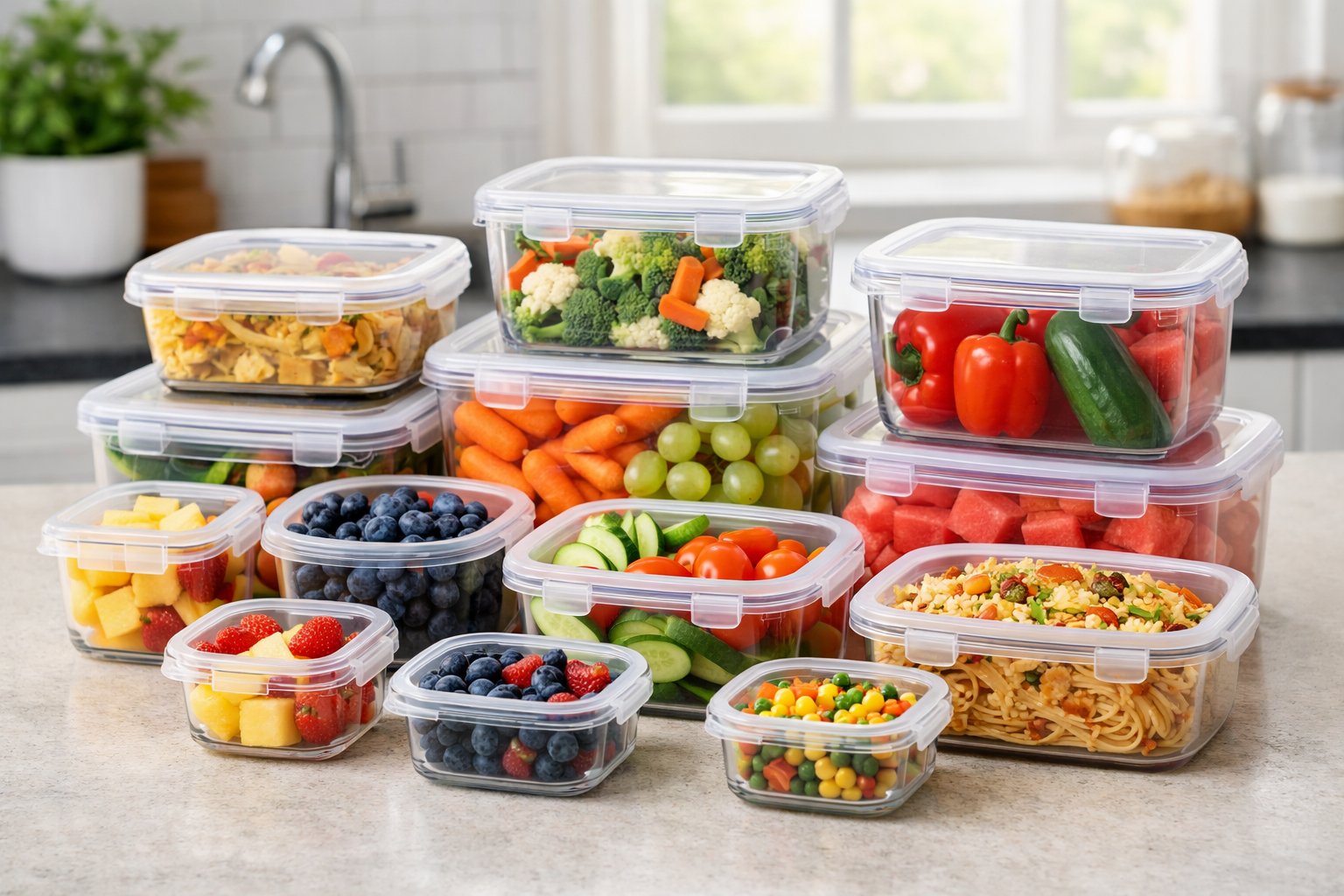
Check out our latest home & kitchen collection!
Most of us know the letdown of opening a container and finding limp lettuce or dried-out leftovers, sometimes after just a day or two. Oddly enough, it’s often not the food’s fault, or even how we stored it, but the size of the container we used.
Container size matters more than you’d think: too much empty space means extra air, which speeds up oxidation and moisture loss, and that’s a fast track to spoilage. When there’s a lot of air in a container, it swirls around the food and things go downhill quickly.
We tend to grab whatever’s clean or handy, not really thinking about whether the container fits the food. That tiny decision can make the difference between crisp veggies and sad, limp ones.
A snug container keeps air out, holds in the right amount of moisture, and gives your food a fighting chance to last its full shelf life.
Understanding how container size and food preservation work together can help us waste less and keep ingredients tasting their best.
Let’s look at matching containers to foods, what materials and seals do, and some real-world tips for getting the most out of your storage choices.
Key Takeaways
- Match container size to food volume to cut down on air and slow spoilage
- Combine good sizing with airtight lids to lock in moisture and stretch shelf life
- Picking the right size and material for each food helps reduce waste and keeps things tasty
Why Storage Container Size Directly Affects Food Freshness
The link between container size and freshness comes down to air exposure and how well the seal works. When we use a container that’s too big for what we’re storing, we set up the perfect conditions for food to spoil faster.
Role of Space and Air Exposure
Oxygen is the main villain here. If you plop a small amount of leftovers in a big container, you’re basically giving oxygen a VIP pass to your food. More air means more oxygen molecules breaking down nutrients, messing with flavors, and helping bacteria thrive.
Think about it: leafy greens wilt, cut fruit browns, and cooked meals pick up weird flavors way sooner than they should. If you use a container that’s just the right size, you really cut down on that extra air. For foods that are especially sensitive—like avocados, herbs, or sliced apples—this can mean the difference between fresh for two days or five.
Seal Quality and Airtightness
Size also affects how well a container seals. Airtight lids only do their job when they fit snugly against the rim. When there’s not enough food inside, the seal can get a little sloppy—especially if there’s no weight pressing up to the lid.
From what I’ve seen, airtight seals work best when containers are at least two-thirds full. The food helps the gasket stay in contact with the edge. If you under-fill, little gaps can sneak in, especially in the corners of rectangular containers.
Temperature swings make it worse. As your fridge cycles, the air inside expands and contracts. Bigger air pockets mean more pressure changes, and that can nudge the seal loose over time.
Preventing Spoilage and Shelf Life Loss
Keeping food fresh comes down to moisture, temperature, and oxygen. Container size plays a big role in the first and third. Too much empty space lets moisture escape from your food, drying it out, while also creating humidity that can help mold grow on the container walls.
Using a container that fits makes a real difference:
- Cooked rice: lasts 3–4 days in a big container, but 6–7 in a snug one
- Cut veggies: 2–3 days vs. 5–6 days
- Prepared meals: 3–5 days vs. 7–9 days
It adds up. Fresher food means fewer grocery runs, less waste, and smoother meal prep. Spending an extra minute to pick the right container size really does protect your food—and your wallet.
Choosing the Right Size: Small, Medium, and Large Containers
Nailing the right container size is the difference between crunchy carrots and soggy leftovers. You want a container that fits—not too roomy, not too tight—so you keep things fresh and avoid tossing food.
Best Uses for Small Containers
Small containers (think 4 to 16 ounces) shine for things that wilt or lose flavor quickly. I use them for fresh herbs, minced garlic, ginger paste, or leftover sauces that would disappear in a bigger container.
What small containers do best:
- Lunches: dips, dressings, and little snacks
- Spices and seasonings: keeps moisture out
- Portions of nuts, berries, or cut fruit: easy grab-and-go
Less air means delicate foods stay fresh longer. I like clear glass or BPA-free plastic so I can see what’s inside. Stacking small containers is a lifesaver when fridge space is tight.
And hey, if you keep things in small containers, you’re not opening a big batch every time—which helps avoid adding bacteria or moisture.
When Medium Sizes Make Sense
Medium containers (24 to 75 ounces) are the real workhorses in most kitchens. They’re perfect for dinner leftovers, prepped veggies for the week, or cooked grains you’ll use over a few meals.
A 32-ounce container holds a family’s leftover pasta or soup—just right for one meal. Filling a medium container about three-quarters full gives you enough room to avoid crushing food but not so much air that it spoils quickly.
Medium containers work well for:
- Marinating proteins (usually fits a standard portion)
- Storing 3–4 cups of chopped veggies for meal prep
- Keeping salads fresh for a couple of days
These sizes help you see what you have, so less gets lost in the fridge. They stack neatly, which keeps things organized and stops leftovers from getting shoved to the back.
Bulk Storage and Oversized Containers
Big containers (80 ounces to a few gallons) have their place, mostly for dry goods and bulk buys. I use 4–5 liter containers for flour, rice, pasta, oats, and cereals—stuff that hangs around a while.
Airtight seals matter most for these. Since you’re storing food longer, you want to keep moisture and pests out. Wide openings make scooping easy, and clear sides let you check levels without popping the lid.
| Container Size | Best For | Typical Capacity |
|---|---|---|
| 4-6 quarts | Flour, sugar | 16-24 cups |
| 8-12 quarts | Rice, pasta | 32-48 cups |
| 12+ quarts | Cereals, pet food | 48+ cups |
Square or rectangular containers use shelf space better than round ones. For daily-use items like coffee or granola, I prefer containers you can open with one hand. And if I’m freezing a bunch of meal-prep containers, I’ll stash them all in one big bin to keep the freezer less chaotic.
Material Matters: The Impact of Container Materials on Freshness
The material you pick for food storage changes how well it blocks moisture, oxygen, and other stuff that can ruin food. Each type has its perks—glass, plastic, or stainless steel all bring something different to the table.
Glass vs. Plastic vs. Stainless Steel
Glass is non-porous, doesn’t soak up smells or stains, and can handle big temperature swings. Quality glass containers go from freezer to microwave without drama. No worries about chemicals leaching into your food, so glass is great for acidic stuff like tomato sauce.
Plastic is light and convenient, but quality varies a lot. BPA-free options take care of some chemical concerns, though plastic can still pick up colors and smells over time. It scratches easily, and those tiny grooves can hide bacteria. Plastic works for dry goods and short-term storage, but it can wear out with lots of washing and heating.
Stainless steel is tough and doesn’t hold onto flavors or odors. The downside? You can’t see inside, so you might forget what’s in there. It’s great for lunches and pantry storage, but not for microwaves. Lower-quality stainless can react with acidic foods, so watch out.
Understanding Barrier Properties
The “barrier” a container creates is what keeps out (or traps in) oxygen, moisture, and light. Oxygen causes fats to go rancid and produce to wilt. Glass containers with airtight lids are champs at blocking oxygen, so crackers and nuts stay fresh.
Moisture is a balancing act. Some foods need it locked in, others need to breathe. Airtight glass and good plastic trap moisture, which is great for keeping bread soft. Bad seals let humidity in, turning cereal into sad, chewy clumps.
What matters most:
- Seal quality: Silicone or rubber gaskets make the best airtight seals
- Wall thickness: Thicker is better for blocking air and gas
- Light: Clear containers let in light that can break down vitamins; opaque ones protect sensitive foods
Innovative Materials: Silicone, Beeswax Wraps, and More
Silicone containers are flexible and collapse for easy storage. They handle extreme temps, from deep freeze to oven. Food-grade silicone doesn’t leach chemicals and resists stains better than most plastic, though sometimes it holds onto oily smells.
Beeswax wraps are a reusable swap for plastic wrap—nice for covering bowls or wrapping cheese, bread, and veggies. The beeswax and cotton combo keeps things just humid enough without getting soggy. Not for raw meat or hot foods, though, and you have to wash them gently to keep the wax intact.
These alternatives work best for specific jobs. I use beeswax wraps for cut fruit or bread, and silicone containers for freezing or reheating.
How Airtightness and Sealing Affect Perishables
A proper seal keeps out oxygen, blocks bacteria, and stops fridge odors from jumping between foods. Whether it’s a snap-lock, twist lid, or vacuum-sealed bag, the seal really decides how long your food stays good.
The Science Behind Airtight Lids
Airtight containers cut off air exchange between the inside and outside. Seal food well, and you limit oxygen—the main driver of spoilage and bacterial growth.
The gasket material is key. Silicone gaskets stay flexible in hot or cold temps and don’t crack easily. Rubber feels softer at first but can break down faster with regular washing and heat.
Common lid types:
- Snap-lock: Fast to open and close, with a satisfying “click”
- Twist-on: You can tighten as much as you want, but it’s a bit slower
- Double-seal: Two layers of protection for extra leak-proofing
You can check if a container is airtight by filling it with water, sealing, and flipping it. If it doesn’t leak, you’re good. Even tiny gaps let in moisture and germs, which shortens the shelf life of dairy, cooked meals, or cut produce.
Combatting Oxygen and Ethylene Gas
Oxygen left inside even airtight containers can still cause food to go bad—fats turn rancid, veggies brown, nutrients break down. Regular airtight containers help, but they can’t get rid of the air that’s already in there.
Vacuum sealing takes out about 99% of air, which keeps meats, cheese, and leftovers fresh way longer. Vacuum bags also pack down tight, saving freezer space and stopping freezer burn.
Ethylene gas is another headache, especially for produce. Some fruits—apples, bananas, tomatoes—release it as they ripen. If you store them in the same airtight container as ethylene-sensitive veggies like lettuce or broccoli, you’ll see spoilage speed up.
Best bet? Store ethylene-producers and sensitive veggies separately. Some newer containers even have vents that let just enough gas out while keeping humidity right for produce.
Preventing Cross-Contamination
Airtight seals block bacteria, mold spores, and food odors from drifting between items. Raw meats especially need secure sealing to stop their juices from leaking onto other foods.
Cross-contamination happens when we store foods together that shouldn’t mix or reuse containers without cleaning them well. Food particles stuck in gasket grooves become a haven for bacteria, which then spoil whatever we store next. It’s worth checking and cleaning seals regularly—look for cracks or any gunky buildup.
Food safety practices for sealed storage:
- Store raw meats in leak-proof containers on bottom shelves
- Wash gaskets with hot soapy water after each use
- Replace worn seals every 6-12 months, depending on how much you use them
- Don’t reuse containers from raw meat for ready-to-eat foods unless you’ve sanitized them
Airtight storage keeps perishable foods safe from outside contaminants and stops strong-smelling stuff like onions or fish from stinking up everything nearby. A good seal keeps that barrier in place the whole time you’re storing food.
Types of Food Storage Containers and Their Best Applications
Not all food storage containers are created equal. The material, design, and intended use all play a role in how well a container keeps food fresh.
Reusable and BPA-Free Options
Glass containers are a top pick for reusable storage. They don’t absorb odors, resist stains, and can go from fridge to microwave or oven without worry. Plus, you can see what’s inside—no more mystery leftovers.
BPA-free plastic containers are lighter and won’t break if you drop them. Most newer containers use polypropylene or polyethylene, so you don’t have to worry about nasty chemicals leaching into your food. They’re stackable and usually cheaper than glass.
Stainless steel containers are nearly indestructible and great for dry goods or lunches. They hold temperatures well, but you can’t microwave them or peek inside without opening the lid. Still, their airtight seals keep moisture and pests away from staples like flour and rice.
Silicone containers are flexible and collapse for easy storage. They can handle freezer and oven temps, and it’s easy to pop out frozen portions. Unlike rigid plastics, they don’t crack in the cold.
Single-Use vs. Reusable for Meal Prep
Single-use containers are handy for sending food to friends or packing lunches you don’t expect back. They’re cheap and you can toss them, but they create a lot of waste and don’t seal as tightly as reusable ones. That means food dries out faster.
Reusable containers save money in the long run and keep food fresher. A matching set with good seals keeps humidity levels steady, which fights freezer burn and slows spoilage. You can prep a week’s worth of lunches in stackable 16-32 oz containers without cluttering your fridge.
The upfront cost of quality reusable containers pays for itself pretty quickly compared to buying disposables over and over. Glass and high-quality plastic containers last for years if you treat them right, and their better seals mean your meals actually taste good on day four.
Unique Containers: Dough Boxes, Produce Bags, and More
Pizza dough boxes are wide and shallow so dough can rise without sticking to the lid, and they keep the right humidity for fermentation. Home bakers use them for bread dough too.
Produce bags with vent holes help fruits and veggies last longer by letting ethylene gas escape while keeping a bit of humidity inside. I’ve found they work better than sealed containers for things like lettuce, berries, and herbs that need some airflow.
Drain boxes lift produce above collected water, which stops salad greens from getting soggy. Washed veggies stay crisp for days longer. These are especially good for pre-washed items you want ready to eat.
Ingredient bins on wheels hold 20-50 pounds of flour, sugar, or even pet food. They come with scoops and keep humidity and pests out—way better than leaving stuff in paper bags.
Pro Tips for Preserving Food Quality and Reducing Waste
Good storage isn’t just about the right container size. How we pack, stack, and label food can mean the difference between a fresh meal and a trip to the compost bin. A little organization goes a long way toward stretching shelf life.
Optimal Packing Methods
How you pack food matters as much as the container itself. Squeezing out extra air before sealing helps slow down oxidation and bacteria. For soft stuff like berries or greens, don’t cram them in—bruised produce spoils in no time.
Layering helps too. Put delicate items on top and sturdier veggies on the bottom. For liquids and sauces, leave half an inch of headspace to prevent spills and allow for expansion in the freezer.
Airtight containers or vacuum-sealed bags keep out moisture and oxygen. Pressing plastic wrap right onto the surface of cut fruit or guac cuts down on air exposure. If you store different items in one container, separate them with parchment paper to avoid mixing flavors and textures.
Air Circulation and Stackability
Airflow around stored food keeps moisture and mold at bay. Don’t jam your fridge or pantry so full that air can’t move—overcrowding creates warm pockets where bacteria thrive. Leave small gaps between containers for better cold air flow.
Stackable containers save space, but make sure they allow some air circulation. For produce, containers with vented lids or built-in holes help. Clear, uniform containers make it easier to see what you have and grab what you need without toppling the whole stack.
Never stack heavy containers on top of delicate foods. Use shelf organizers or tiered racks to spread out the weight. It’s a simple way to prevent squishing and keep everything intact.
Labeling and Rotation for Food Safety
A basic labeling system changes the game. Mark containers with what’s inside and the date using masking tape and a marker. This makes it clear what to eat first and avoids forgotten science experiments in the back of the fridge.
First-in, first-out is key for cutting waste. Put newer stuff behind older items and check dates weekly. Most fridge foods stay good for 3-5 days, while frozen stuff lasts months.
Keeping a running list on the fridge door helps you remember what needs to be used up. That way, you can plan meals around what you have instead of letting things go bad. For bulk items, jot the purchase date right on the package.
Frequently Asked Questions
Container size really does affect air circulation, moisture levels, and how long food lasts. The right fit, paired with a good seal, can be the difference between crisp veggies and sad, soggy ones.
What's the secret to keeping veggies crunchy in storage?
Veggies stay crispest when stored in containers that fit their volume, with very little air space left over. Too much air speeds up wilting.
A paper towel at the bottom of the container soaks up extra moisture without drying things out. That keeps leafy greens and crunchy veggies fresh for days.
A container with some airflow but not too much, like one with adjustable vents, works well for veggies that release ethylene gas—think broccoli or cauliflower.
Is bigger really better or does size matter when it comes to food containers?
Bigger isn’t better for food storage. A half-empty large container leaves a lot of air, which means food goes stale faster.
Pick containers that leave just a little space above the food—about a quarter inch. That keeps air out but leaves room for freezing expansion.
Oversized containers also hog fridge space and make things harder to organize. Smaller containers usually work better, especially for meal prep.
Want to know why Grandma's cookies stay fresh longer in certain bins?
Grandma always used containers that fit the batch size and sealed tight. Too much air space dries out cookies and leaves them hard and stale.
Metal tins with snug lids do a better job at regulating moisture than plastic. They don’t absorb odors and keep the inside environment steady.
Never mix cookies with different textures in one container. Soft cookies will make crisp ones soggy, so give each type its own container that matches the batch size.
Should you trust any lid or are some seals a recipe for a stale disaster?
Not all lids seal equally. Snap-on lids can leave tiny gaps for air, while silicone-gasket lids make a real airtight seal and keep food fresher much longer.
To test a seal, fill the container with water and flip it upside down. If it leaks, air’s getting in too.
Old seals don’t last forever. Replace containers when gaskets get brittle or lids stop snapping tight—usually after a year or two of regular use.
Can the material of a food storage container affect taste and texture?
Glass keeps flavors true. It doesn’t hold onto odors or leach chemicals. Honestly, tomato sauce always tastes better from glass than plastic after a couple days.
Plastic can transfer flavors, especially with strong-smelling foods like garlic or curry. Some plastics get porous over time, letting in air that messes with texture.
Stainless steel keeps taste pure but hides what’s inside. Glass gives you taste and lets you see what you’re grabbing—nice combo, honestly.
Ever wonder if the shape of a container is stuffing your freshness factor?
Square and rectangular containers usually cut down on air pockets better than round ones when you’re trying to stash sandwiches, baked goods, or anything sliced. These shapes just fit the food more naturally, so you don’t end up with as much wasted space.
Round containers? They’re honestly the go-to for liquids and stuff that doesn’t sit flat. Think soups, sauces, maybe a chunky fruit salad—scooping is just easier out of a round shape.
Shallow containers tend to leave more of your food exposed to air, which can dry things out or speed up oxidation. For foods that dry out fast, like rice or chopped herbs, we reach for taller, narrower containers instead.
Share:
What Causes Moisture Buildup Inside Stored Ingredients
Why Mixing Different Ingredients in Storage Leads to Faster Spoilage