

Check out our latest home & kitchen collection!
You've probably noticed how that container of mixed ingredients spoils faster than its individual parts kept separately, but the reason goes way beyond bad luck.
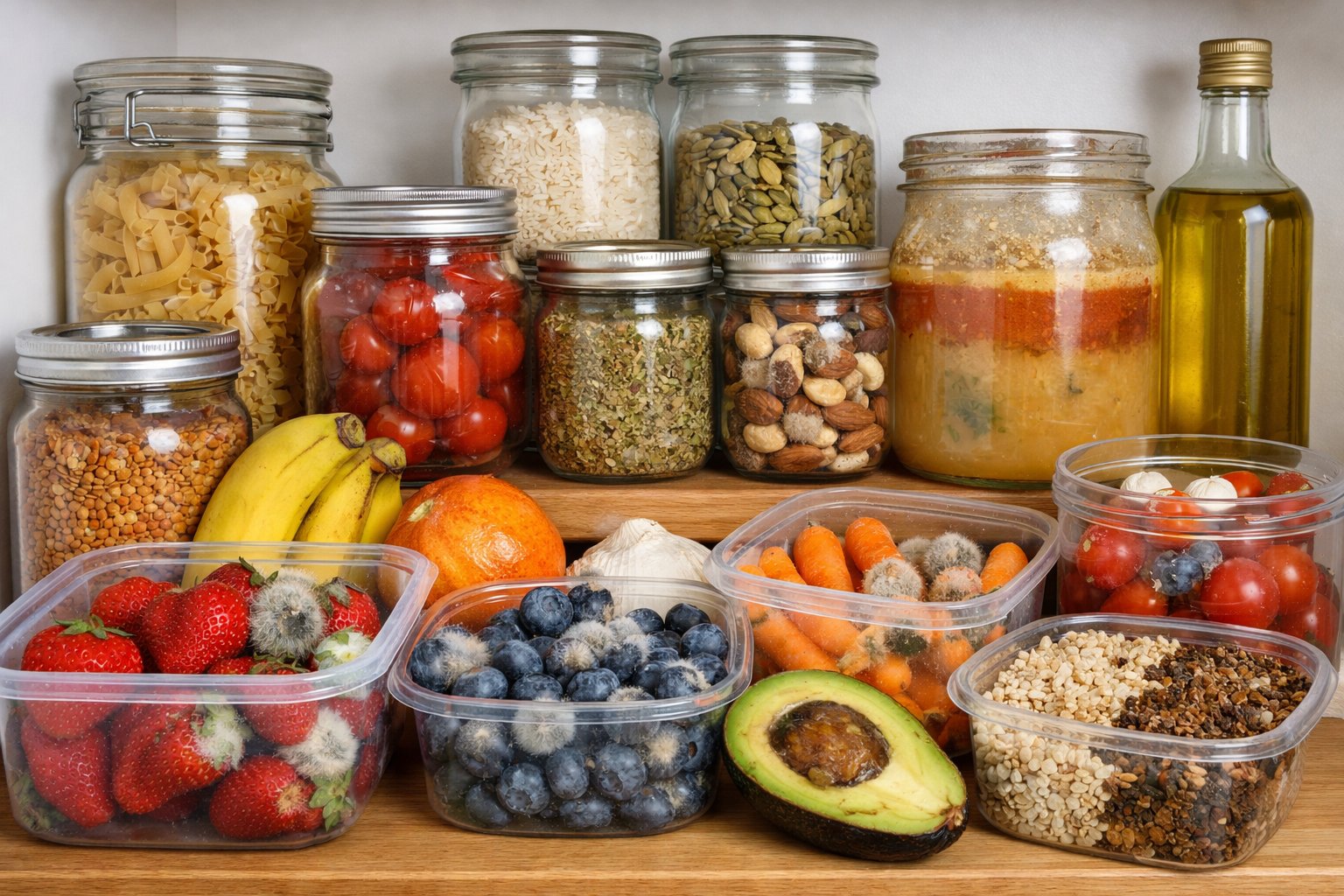
When different ingredients share storage space, they interact, mismatched pH, competing moisture needs, and cross-contaminating microbes and enzymes all speed up spoilage. What feels like convenient meal prep can turn into a science experiment you didn't sign up for.
It’s not just about keeping things cold or sealed. Every ingredient brings its own quirks, biological and chemical traits that decide how fast it breaks down.
When you toss together foods with different water content, acidity, or respiration rates, you force them into a compromise where something almost always spoils faster than if you just left it alone. And once one thing goes, it tends to drag everything else down with it.
Let’s get into the nitty-gritty of why mixed storage speeds up spoilage, which combos are the biggest offenders, and how you can actually avoid waste without making food prep a pain.
Knowing a few basics here can save you cash, cut down on food waste, and help you keep your meals fresher, without a ton of extra effort.
Key Takeaways
- Different ingredients have clashing storage needs that make them spoil faster together
- Microbes and moisture hop between ingredients, speeding up the rot in shared containers
- Separating by pH, water activity, and respiration rate keeps food fresh and cuts waste
How Mixing Ingredients Accelerates Spoilage
When we toss different ingredients into one container, we set up new conditions where microbes and chemical reactions run wild. The changes in pH, moisture, and nutrients all play off each other, making food break down faster than you’d expect.
Synergy Between Microbes and Ingredients
Mixing foods gives spoilage microbes a playground. When you put together items with different pH levels, you often land in the “danger zone”—not acidic enough to keep bacteria at bay.
Take tomatoes and grains: tomatoes are acidic, grains are pretty neutral. Mix them, and suddenly bacteria have a better shot at thriving. Each ingredient carries its own set of microbes, and when they meet, they colonize new surfaces they couldn’t reach before.
Moisture from one food can wake up dormant microbes on a drier one. It’s like setting out an all-you-can-eat buffet for bacteria and fungi. Even dried spices, which are usually safe, can get contaminated when they soak up moisture from nearby veggies or sauces.
Accelerated Enzymatic and Chemical Reactions
Mixing kicks enzymes into high gear, breaking down food faster through reactions between all those different compounds. Enzymes in fruits and veggies get extra active when they meet sugars, acids, or proteins from other foods.
These reactions mess with cell structure and create weird flavors and textures. Mix oil-based dressing with fresh greens, and the oil starts breaking down cell membranes while enzymes have a field day in the now-moist environment.
Oxygen gets in during mixing, fueling oxidation that zaps nutrients and makes things taste off. Metal ions from one ingredient can even spark browning and nutrient loss in another—stuff you’d never see if you kept foods apart.
Cross-Contamination Mechanics
Cross-contamination’s a big one. Every time we mix foods, especially with non-sterile tools or hands, we’re letting microbes hitchhike from one ingredient to another.
If you use a spoon on raw meat and then stir veggies, you’re moving bacteria right along. Even “clean” utensils can spread microbes between foods that would’ve spoiled at different rates if left alone.
Mixing also damages cells, leaking out sugars and proteins that feed bacteria. Suddenly, instead of bacteria just hanging out on the surface, they’re everywhere in the mix.
Key Intrinsic and Extrinsic Factors Impacted by Mixed Storage
Storing different foods together creates a little ecosystem where moisture, acidity, and temperature bounce off each other in ways that make food go bad faster. These changes hit both the food itself and the environment around it.
Water Activity and Humidity Interactions
Water activity (aw) tells you how much moisture is up for grabs by microbes, from 0 to 1. Put dry foods next to moist ones, and the dry stuff will suck up moisture, raising its aw.
Ever notice crackers go stale next to veggies? That’s why. Foods with aw below 0.60 are usually safe from microbes, but in a humid container, they can hit 0.70 or higher—enough for mold to show up.
Temperature swings make this worse. Warm air holds more moisture, so when things heat up, condensation forms on cooler foods. Anyone who’s seen cheese or deli meat get sweaty after sitting near warmer stuff knows the drill.
Pairings that cause trouble:
- Dried herbs with fresh produce
- Bread with cut fruit
- Nuts near leafy greens
- Flour next to open dairy
pH and Acidity Shifts
Acidic foods can mess with the pH of neutral or alkaline items when stored together. Foods under pH 4.5 usually keep bacteria away, but mixing can ruin that protection.
Acids from things like citrus, fermented foods, or vinegar can travel through the air or direct contact. Even sealed containers aren’t always airtight. The result? pH changes that let spoilage microbes move in where they normally couldn’t.
Fresh meats (pH 5.6) get especially vulnerable near alkaline veggies, losing their natural defenses.
Temperature and Relative Humidity Effects
Temperature’s your best friend against spoilage, but mixed storage often creates weird hot and cold spots. Cold, dense stuff like meat cools the air nearby, while pantry items or stuff you open a lot can warm things up.
These temperature swings speed up bacteria growth and condensation. Just a 5°C difference can double or triple how fast bacteria multiply. Pack your fridge with mixed items at different temps, and you’re basically daring your appliance to keep up.
Humidity makes it worse. Moist foods release vapor that condenses on cold surfaces, setting up mold and bacteria at the contact points between different ingredients.
Common Ingredient Combos to Avoid in Storage
Some foods are just bad housemates. They mess with each other through gas, moisture, or even just strong smells. Keeping them apart really does help food last longer and taste better.
Ethylene Gas Producers and Sensitive Foods
Apples, bananas, tomatoes, and avocados let out ethylene gas as they ripen, which makes nearby produce age faster. Store them with leafy greens, broccoli, carrots, or cucumbers, and those veggies start to wilt, turn bitter, or get soft way sooner.
Lettuce can go limp in days instead of weeks. Carrots get weird flavors. Broccoli turns yellow and mushy.
Best bet: keep ethylene producers in their own crisper drawer or sealed up. Apples do fine in airtight containers or plastic wrap. Bananas should just stay out on the counter, away from the fridge.
Ethylene-sensitive stuff goes in the high-humidity crisper, ideally in perforated bags. This keeps veggies crisp and fresh way longer.
Moisture-Releasing and Absorbing Items
Onions and potatoes are classic storage enemies. Onions give off moisture and gases that make potatoes sprout and rot. Potatoes give off a bit of ethylene, which isn’t great for onions either.
Keep onions in mesh bags or baskets somewhere cool, dry, and with good airflow. Potatoes like it dark and cool in paper or burlap, not plastic. Never store either in plastic—traps moisture, and things go south fast.
Mushrooms are tricky too. They soak up moisture from nearby foods and get slimy. Paper bags or paper towels let them breathe and stay dry.
Dairy with Strong Odors or Moisture Sources
Cheese and butter soak up smells from strong foods like onions, garlic, or fish. Ever had butter that tasted like last night’s leftovers? Not fun.
Wrap cheese in wax paper, then plastic, and seal it up. Butter does best in its own wrapper or a butter dish. Keep smelly foods in glass containers, ideally on a different shelf, preferably in the coldest part of the fridge.
Raw meat leaks moisture and bacteria that can mess with dairy. Always keep meat on the bottom shelf in leak-proof containers, and dairy up high where it’s safe.
Protein-Rich Foods and Produce
Raw meat, poultry, and fish carry bacteria like Salmonella and E. coli that can easily contaminate ready-to-eat produce. Never, ever store raw proteins above veggies or prepped foods.
Bottom shelf only for raw proteins, always in sealed or double-bagged containers. Produce goes in crisper drawers or up top, far from raw meat.
Fresh herbs like basil and cilantro wilt fast near ethylene-producing proteins or fruits. Treat herbs like flowers—put the stems in water, loosely cover with plastic, and keep them away from meat and high-ethylene foods. You’ll get up to two weeks of freshness instead of just a few days.
Microbial and Chemical Culprits in Mixed Storage
Mixing ingredients in one container sets up a perfect storm for bacteria and molds to spread, while chemical reactions break things down even faster. Cross-contamination and clashing storage needs can turn your fridge into a spoilage factory.
Spoilage Bacteria and Mold Spread
Mixed storage gives spoilage microbes a fast track to new foods. Pseudomonas, lactic acid bacteria, and Brochothrix thermosphacta love moving between touching foods.
Store raw meat next to veggies, and meat juices loaded with bacteria can easily get onto produce. Pseudomonas makes slime and off-odors in both meat and veggies. Lactic acid bacteria put out sour smells and acids that speed up spoilage in whatever’s nearby.
Molds and yeasts travel through the air, especially in tight spaces. One moldy strawberry can send spores everywhere—fruits, cheese, bread, you name it. Humidity from one food sets up the perfect spot for mold on another.
Proteolysis—protein breakdown by bacteria—goes faster in mixed storage, since different bacteria work together. What starts as a tiny problem can become a full-on spoilage mess in days.
Oxidation, Maillard Reaction, and Enzymatic Browning
Chemical reactions between foods speed up when you store incompatible things together. Oxidation happens when cut fruits or veggies hit oxygen, turning brown and giving off-flavors that can even drift to other foods.
Enzymatic browning kicks in when enzymes in apples or bananas meet oxygen. These enzymes don’t quit just because it’s cold—they’ll even affect nearby produce by releasing ethylene. The same stuff that browns apples can ripen tomatoes faster if they’re stored together.
The Maillard reaction—that browning between proteins and sugars—usually needs heat, but it can start slowly in storage when protein-rich foods touch carbs in humid conditions. This causes weird flavors and colors.
Moisture gradients from mixed storage help all these reactions along. Wet veggies release vapor that settles on drier foods, kicking off enzyme activity where it normally wouldn’t happen.
Real-World Impacts: Shelf Life, Food Waste, and Safety
Mixing up ingredients the wrong way in storage doesn’t just mess up your dinner plans. It can make food less safe, shorten shelf life, and add to food waste—problems that ripple out far beyond your own kitchen.
Loss of Freshness and Texture
When we mix up how we store our food, it really messes with how long it stays good. Moisture from one ingredient seeps into another, and suddenly what was crispy turns limp, or bread goes stale way too fast just because it’s sitting near the wrong produce.
A lot of us end up tossing food not because it’s unsafe, but because it just looks or feels off. Texture, color, and even flavor can change fast when foods don’t play nice together. It’s frustrating—sometimes you open the fridge and wonder how everything went downhill so quickly.
Freshness indicators that take a hit with mixed storage:
- Texture changes – things get too soft, too hard, or just weirdly mushy
- Color shifts – browning, fading, or just looking sad
- Moisture issues – soggy where it shouldn’t be, or dried out
- Flavor transfer – picking up weird tastes from neighbors
Foodborne Pathogens and Illness Risks
Mixing ingredients in storage isn’t just a quality issue—it’s a safety one. Raw meats up high? Their juices can drip down and contaminate ready-to-eat stuff. When you’ve got foods swapping moisture and sharing space, bacteria like Salmonella or E. coli can get a free ride.
Some bacteria don’t even care if it’s cold. Pseudomonas and Acinetobacter thrive in damp spots, giving off odors and sometimes toxins. When foods with different pH or water content touch, microbes can go wild in ways they wouldn’t if left alone.
And as food gets closer to expiring, it gets even more vulnerable. Its natural defenses fade, making it easier for bacteria from other foods to take over.
Food Waste, Sustainability, and Food Security
Improper storage leads to a shocking amount of food waste. In 2019 alone, the world tossed out about 931 million tons of food. In the U.S., it’s about 31% of what we produce, costing around $161 billion each year. That’s not just money—it’s water, land, and energy down the drain.
When veggies and dairy spoil early, all the resources that went into them get wasted too. It’s a direct hit to food security and makes the sustainability puzzle even harder to solve.
Even a couple of extra days of shelf life can make a huge difference. If we store things better—separating and organizing smarter—we can keep tons of food from ending up in the trash.
Smart Storage Solutions and Prevention Strategies
Keeping foods separate, managing temperature, and using the right packaging really do help. These are the basics for tackling moisture, ethylene, and germs.
Separation and Organization Hacks
It’s worth carving out zones in your fridge and pantry. Raw proteins go on the bottom shelf—nobody wants chicken juice dripping onto salad greens. Fruits and veggies should stay apart, since fruits like to gas off ethylene and make veggies rot faster.
Color-coded containers make life easier. Clear, airtight boxes labeled with what’s inside and when you put it there? Super helpful. This way you use up the oldest stuff first, and odors don’t jump around.
Separation tips worth following:
- Don’t store onions with potatoes (onions make potatoes sprout)
- Keep herbs away from ethylene-heavy fruits
- Use a special drawer for leafy greens or other high-moisture foods
- Leave a bit of space (at least 6 inches) between food and the wall for airflow
Optimal Temperature and Humidity Control
Temperature swings ruin food fast. Freezers need to stay at 0°F or below, fridges should be 32–40°F, and dry storage works best between 50–70°F.
Humidity matters, too. Root veggies do better in high humidity, around 90–95%. Baked goods, though, want it dry—about 15% humidity keeps mold away. If you’ve got a fridge with humidity controls, use them to set up little micro-zones.
Keep a digital thermometer handy. Even a quick warm-up when you open the fridge can cause condensation, which bacteria love—especially if you’re storing foods that shouldn’t be together.
Packaging Materials and Technologies
Good packaging makes a real difference. Modified atmosphere packs swap out the oxygen for nitrogen or CO₂, slowing spoilage. It’s not just for the food industry; some home storage solutions use the same idea.
Packaging that actually works:
| Material Type | Best For | Spoilage Prevention |
|---|---|---|
| Vacuum-sealed bags | Meats, cheeses | Keeps out air, stops freezer burn |
| Produce bags with vents | Fruits, veggies | Balances moisture, stops sogginess |
| Glass with silicone seals | Leftovers, meals | Blocks odors, keeps things fresh |
Match the packaging to the food. Freeze stuff in smaller vacuum bags to avoid constant thawing and refreezing. For fermenting, use airlocks—they let gas out but keep bacteria away.
When you’re moving groceries or prepping meals, insulated bags and ice packs help keep things at the right temp, cutting down on condensation and spoilage risk.
Frequently Asked Questions
Some food pairings in storage cause all sorts of trouble—ethylene gas, moisture, or just plain bacteria. Knowing which combos to avoid can save you a lot of disappointment (and money).
What sneaky culprits in your pantry accelerate food spoilage when mixed together?
Onions and potatoes are classic storage enemies. Onions pump out ethylene and moisture, making potatoes sprout and soften in no time.
Garlic can be just as bad. It adds moisture that encourages mold, especially if it’s hanging out with potatoes. I’ve lost perfectly good spuds this way—just from a few garlic bulbs nearby.
And those strong-smelling pantry staples like fish sauce or curry powder? They’ll seep into flour, rice, or other dry goods, ruining their flavor.
Can you list some unexpected food combos that might be spoiling the party in your storage containers?
Bread and bananas are a bad mix. Bananas give off lots of ethylene, and bread soaks it up, going moldy in half the usual time.
Mushrooms next to onions or pungent cheeses pick up weird tastes and get slimy from the extra moisture. It’s not pretty.
Dried herbs lose their kick if stored near whole spices, especially in warm spots. The oils from spices can mess up herbs, and heat just speeds up the whole process.
How can 'playing favorites' with certain foods in your storage affect the shelf life of your snacks squad?
Mixing apples with other fruits makes everything ripen unevenly. Maybe you want your avocados to soften up, but the berries nearby will mold and citrus will go bad sooner.
Leaving stuff like cut melons at room temp because you like them that way? Bacteria love it, and the juice can spread germs to other foods.
Storing crackers or chips near produce is another mistake. The veggies’ moisture turns snacks stale in a day or two, instead of staying crisp for weeks.
What are some 'no-no' pairings in your pantry that could be sending your shelf-stable foods to an early retirement?
Putting raw flour next to open cereal or crackers invites pests. Weevils and moths can move from one to the other before you even notice.
Canned goods stored near heat sources or on top of the fridge get hit with temperature swings that can mess up the seals, cutting shelf life way down.
Honey left next to baking powder or soda can crystallize faster. It’s not unsafe, but it’s a pain to use.
Sugar and salt in the same bin? They’ll clump up from swapping moisture, making both hard to measure.
How does the food storage tango between different items lead to a recipe for disaster (AKA faster spoilage)?
Ethylene from foods like tomatoes or avocados sets off a chain reaction, breaking down cell walls in sensitive items. Lettuce wilts, cucumbers yellow, and broccoli gets funky—all in a day.
Moisture moves between foods, making perfect conditions for bacteria and mold. Dry goods near produce without a barrier? Expect condensation and faster spoilage.
Temperature differences inside your storage spaces cause air to move, carrying bacteria and mold spores from warm to cool spots. That’s how one bad apple really can spoil the bunch.
In the world of shelf stability, who are the troublemakers that turn your pantry into a fast-spoiling fiesta?
Bananas, honestly, are the worst offenders. They crank out ethylene like nobody’s business, messing with anything within a few feet. Leave a bunch near apples, and suddenly the apples are mushy. Stone fruits get weirdly mealy, and leafy greens? They’ll yellow overnight, like magic but way less fun.
Avocados, when ripe, are sneaky. They shoot out concentrated bursts of ethylene right at peak ripeness. It’s wild—one overripe avocado can set off a chain reaction, making three or four other fruits ripen early in just half a day. You’d think they’d chill, but nope.
Cantaloupe and honeydew melons aren’t just fragrant—they’re aggressive. They pump out ethylene and these strong-smelling compounds that somehow sneak through plastic wrap and even containers. Ever had your butter or eggs taste like melon? That’s why. Just one melon on the fridge shelf can ruin the vibe for everything else.
Onions and their allium cousins get in on the action by releasing sulfur compounds. It’s not just the smell—they actually make things acidic. These compounds break down the starch in potatoes and mess with the proteins in beans and legumes nearby. So yeah, they’re not just making you cry when you chop them.
Share:
How Storage Container Size Impacts Food Freshness
What Makes Some Pantry Items Go Stale Before Their Expiry