

Check out our latest compact vacuum sealer for food collection!
Getting dinner on the table shouldn't feel like a race against the clock, but let's be honest, it usually does when we're rummaging through cluttered shelves or waiting for frozen ingredients to thaw.
How we organize and prep our storage spaces has a direct impact on how fast we cook. Poor storage readiness can easily tack on 10-15 extra minutes to every meal just in searching, thawing, and fiddling with temperatures. Ingredient temperature, accessibility, and whether things are already portioned out all play a role in whether you finish in 20 minutes or find yourself still cooking an hour later.
We've all pulled cold chicken from the fridge and watched it stubbornly refuse to brown, or spent way too long peering into mystery containers. These aren't just little frustrations, they're signs our storage setup is slowing us down. When ingredients are at the right temperature, organized sensibly, and prepped ahead, the difference is noticeable.
The best part? Storage readiness doesn't have to be complicated or pricey. Just letting proteins come up to room temp before cooking, putting go-to items at eye level, and using clear containers with dates can shave real time off your meal prep and help food cook more evenly.
Key Takeaways
- Organized, temperature-smart storage cuts prep time and helps you skip the scavenger hunt for ingredients
- Cold ingredients straight from the fridge slow down cooking and can mess with meal quality
- Smart habits like pre-portioning, labeling, and keeping things fresh make meals quicker and more nutritious
The Connection Between Storage Readiness and Meal Prep Speed
Storage readiness really shapes how fast we move through meal prep. When containers are easy to grab, ingredients are sorted, and our storage systems actually make sense, we spend less time searching and cut out a bunch of unnecessary steps.
How Storage Organization Influences Cooking Flow
A well-organized storage system keeps our momentum going. When we stack same-sized containers together and stash lids in their own bin, we don't waste time hunting for matches—a small tweak, but it can save 5-10 minutes in the rush.
Where we put things matters. Keeping the containers we use most at eye level in the fridge and storing dry goods like rice or pasta in clear, labeled containers in the pantry means less digging. Nobody wants to abandon meal prep halfway through because they can't find a lid or the right jar.
Designating zones for different stages of meal prep helps too. Maybe one fridge shelf is for ready-to-cook ingredients, another for finished meals, and a third for things that need assembly. This kind of layout cuts confusion and keeps things moving.
Impact of Ingredient Accessibility on Prep Efficiency
Quick access to ingredients speeds everything up. If we keep veggies in clear containers right at the front of the fridge, we instantly see what's on hand and can make faster meal decisions.
Temperature control matters as well. Setting the fridge to 4°C (40°F) keeps food fresh and ready to use—no time wasted checking if something's gone bad or sorting through wilted produce.
Grouping similar ingredients together—proteins in one spot, veggies in another, grains together—makes a mental map that speeds up cooking. We're not opening a dozen containers or searching every shelf for one thing. This is especially handy during batch cooking when we need to grab a bunch of items quickly.
Time Savings from Smart Storage Solutions
Smart storage choices really add up. Using glass containers that go from freezer to microwave to dishwasher means we don't have to transfer food, saving us 3-5 minutes per meal right there.
Mason jars are a favorite for salads and soups—easy to see what's inside, easy to grab, and no extra packaging needed. The wide mouths let us layer ingredients and scoop them out without fuss.
Pre-portioning dry goods when we unpack groceries gets the organizing out of the way early. Later, we just measure from ready-to-use containers instead of fighting with ripped bags and scattered grains. Spending 15 minutes to organize the pantry upfront can save 2-3 minutes per meal all week long.
Keeping the fridge and freezer at the right temps (0°F for freezers) keeps things fresh longer, reduces waste, and means we always have good ingredients on hand. Less time running out for last-minute replacements, more time actually cooking—or relaxing, if we're lucky.
Essential Food Storage Basics for Quick Meal Prep
Quick meal prep mostly comes down to two things: having the right containers for different foods, and knowing exactly where everything lives in the kitchen.
Choosing the Right Containers
Different jobs call for different containers. Airtight containers are a must—they keep food fresh by blocking out air and locking in moisture. For the fridge, glass containers are great since they don't hold onto smells and make it easy to see what's inside.
Freezer-safe containers need to be sturdy to avoid cracking. Not all glass can handle the cold, so it's worth checking the label before freezing anything. Freezer-safe plastic containers work too and won't shatter.
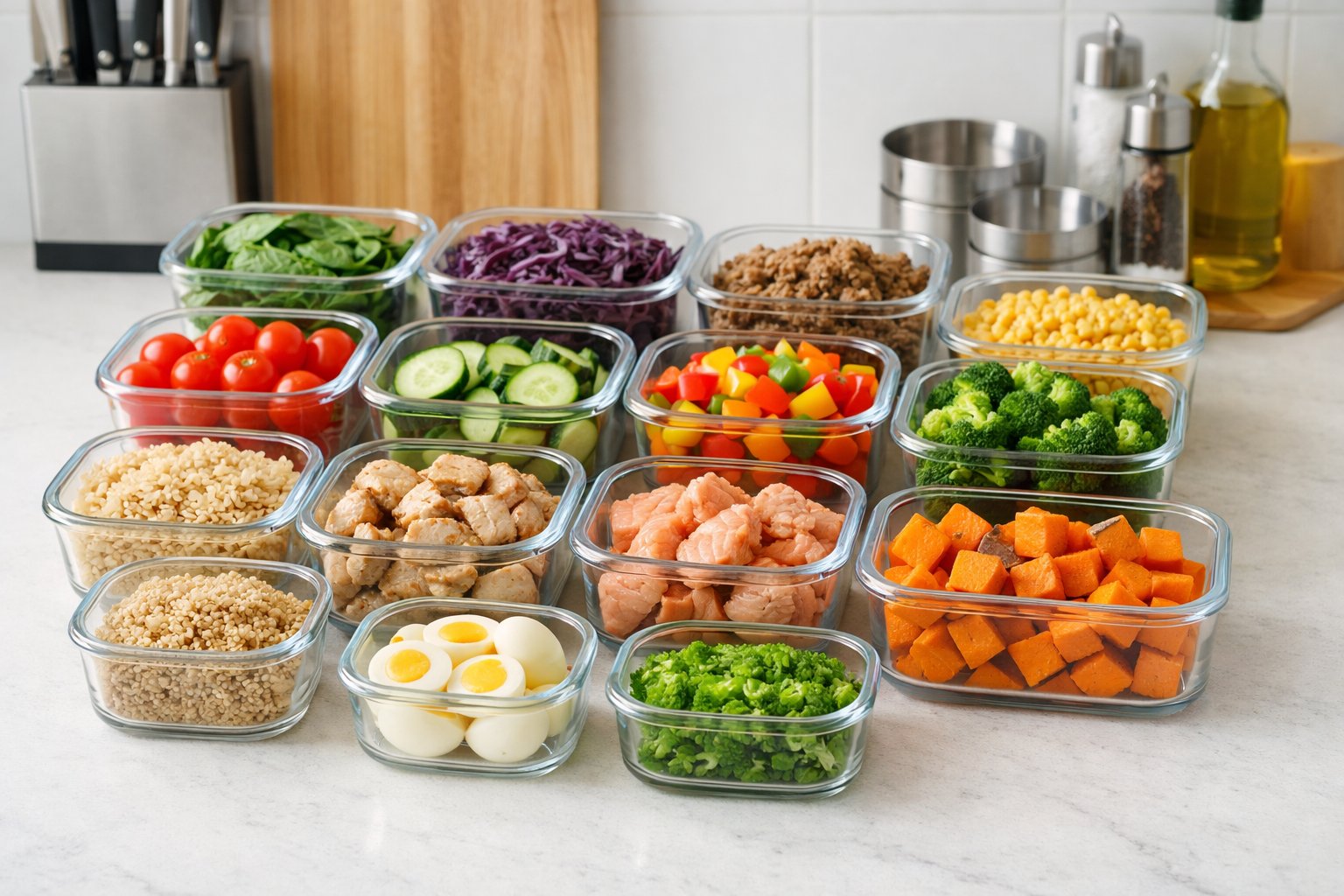
A good setup includes a mix of sizes. We use small containers for sauces or grains, medium for individual meals, and big ones for batch-cooked proteins. Rectangular shapes stack better and save space, and clear materials help us spot what we need without opening everything.
Organizing the Refrigerator, Freezer, and Pantry
Our storage zones need to make sense. In the fridge, we keep ready-to-eat containers at eye level for easy grabbing. Raw proteins always go on the bottom shelf to avoid drips, and produce lives in the crisper with the right humidity.
The freezer works best when we use a first-in, first-out system. Label everything with contents and dates, and keep older stuff in front. Flat containers stack better and thaw faster.
In the pantry, shelf-stable foods go in airtight containers to stay fresh. We group things by type—grains, canned goods, spices in their own spots. Clear containers help us notice when we're running low, so we don't get caught mid-recipe without a key ingredient.
Safe Food Handling: Speed Meets Food Safety
We all want to move fast, but food safety can't take a backseat. Bacteria don't care how busy we are—shortcuts here can lead to foodborne illness way faster than you'd think.
Avoiding Cross-Contamination in Prep
Think of your prep space as having invisible zones. Raw meats can carry nasty stuff like salmonella and E. coli, and it's way too easy for those germs to spread to other foods, boards, or your hands.
The simplest fix: use separate cutting boards—one for raw proteins, another for produce or ready-to-eat foods. Always wash your hands for at least 20 seconds after handling raw meat and before touching anything else.
Storage matters too. Raw meats always go on the bottom fridge shelf, never above foods that are ready to eat. One leaky package can contaminate everything below.
Color-coded tools speed things up and help us avoid mistakes. A lot of people use red for meat, green for veggies. When we're tired or distracted, these little cues keep us from dangerous mix-ups.
Proper Storage Techniques to Prevent Bacterial Growth
Temperature is our main weapon against bacteria. The danger zone—between 40°F and 140°F—is where germs multiply fast.
We get perishables into the fridge within two hours (or one hour if it's hot out). Hot foods shouldn't hang out on the counter; we divide big batches into shallow containers so they cool quickly before refrigerating.
Key storage temps:
- Refrigerator: 40°F or below
- Freezer: 0°F or below
- Hot holding: 140°F or above
We label everything with dates. Even in the fridge, food doesn't last forever. Cooked leftovers are good for 3-4 days tops. Raw ground meat and poultry should be used within 1-2 days.
Wrapping matters too. Airtight containers or tightly wrapped foods prevent contamination and keep things from drying out.
Using Food Thermometers and Monitoring Storage Times
Guessing temperatures isn't worth the risk. We rely on a food thermometer every time—color and texture just aren't reliable indicators.
Safe minimum internal temps:
| Food Type | Temperature |
|---|---|
| Ground meats | 160°F |
| Poultry (whole and ground) | 165°F |
| Beef, pork, lamb (steaks, roasts, chops) | 145°F (plus 3-minute rest) |
| Fish | 145°F |
| Leftovers | 165°F |
Stick the thermometer in the thickest part, away from bone or fat. Digital instant-read models are quick and keep prep moving.
We track storage times with a simple system—masking tape and a marker. A quick label like "chicken soup, 1/24" tells us exactly when to use it by, so we don't end up playing "freezer roulette" with mystery meals.
Prep-Ready Ingredients That Make Storage Work for You
Having ingredients already cooked and stored properly turns meal assembly into a quick, almost effortless process. When grains, beans, and blanched veggies are prepped and ready, you can throw together meals in minutes instead of waiting for everything to cook from scratch.
Batch Cooking and Storing Whole Grains
We like to cook quinoa, brown rice, farro, and other grains in big batches—they reheat well and keep their texture for 4-5 days in the fridge. Cooking grains like pasta, with plenty of salted water, gives more consistent results for large amounts.
After cooking, we spread them on a baking sheet to cool fast before moving to airtight containers. This avoids the sogginess that comes from trapped steam.
Storage timeline for cooked grains:
- Fridge: 4-5 days in airtight containers
- Freezer: 2-3 months in portioned bags
We portion grains into 1-2 cup servings, since that's what most recipes call for. Flattening bags before freezing helps them stack and thaw quickly. When we need them, fridge grains reheat in a minute or so, and frozen ones take about three minutes.
Beans and Legumes: Soaking, Cooking, and Storing
Dried beans are cheaper than canned and taste better when we season them ourselves. We soak them overnight, drain, and simmer until tender—anywhere from 45 to 90 minutes depending on the bean.
Cooked beans keep 5-6 days in the fridge if we store them in their cooking liquid, which keeps them from drying out. For freezing, we drain most of the liquid but leave a little to coat them, then pack into containers or bags. Frozen beans last 3-4 months and thaw quickly.
This really pays off for soups and stews. Instead of waiting for dried beans or opening cans, we just grab pre-cooked beans from the fridge or freezer. Three cups of cooked beans will stand in for two cans in most recipes.
Blanching and Storing Veggies for Later
Blanching—a quick boil then ice water bath—keeps vegetables bright, crisp, and nutrient-rich compared to just storing them raw. We blanch broccoli, green beans, carrots, and cauliflower for 2-4 minutes, then chill them right away.
After blanching, we dry veggies well with towels—extra moisture leads to freezer burn and soggy storage. Blanched veggies stay crisp in the fridge for 3-4 days and hold up in the freezer for 8-12 months.
We freeze them on parchment-lined trays so they don't clump, then transfer to bags. This way, we can grab exactly what we need. Blanched veggies go straight into stir-fries, soups, or pasta—no need to thaw, which saves real time.
Meal Prep Storage Hacks for Busy Lifestyles
The right storage systems make it easy to grab, reheat, and enjoy prepped meals. We need strategies that keep food fresh and make retrieval a breeze—especially when the week gets hectic.
Labeling, Dating, and Rotating Meal Preps
We've all played the guessing game with mystery containers in the fridge. Honestly, a basic labeling system saves so much time and confusion.
What we usually jot down:
- Meal name and main ingredients
- Prep date
- Use-by date (usually 3-5 days for the fridge, 1-3 months for the freezer)
- Quick reheating notes
First-in, first-out is our go-to rotation. We tuck newer meal preps behind older ones, so we naturally grab what needs eating first. Less food wasted, less guilt.
For frozen meals, freezer-safe labels or a bold permanent marker are a must—regular stickers just peel off from condensation. Dating is key here: frozen chicken keeps for up to nine months, but cooked pasta dishes peak closer to two months.
Portion Control and Ready-to-Heat Meals
Single-serving containers are a lifesaver. No need to reheat a whole batch if you just want one meal, and you avoid those repeated temperature swings that mess with food quality.
Freezing meal prep in individual portions beats using one big container. Once food's frozen solid, you can't really separate it without thawing everything, and doing that more than once? Yeah, that ruins texture and can even make it unsafe.
Container tricks we swear by:
- Glass for microwave reheating (no worries about temperature)
- BPA-free plastic for cold storage (but we always transfer to a plate before nuking)
- Silicone bags save space in the freezer
We stick to 300-500 grams per container. That way, reheating is predictable—2-3 minutes in the microwave, no guesswork.
Preventing Freezer Burn and Identifying Signs of Spoilage
Freezer burn sneaks up when containers aren’t sealed tight. Those gray, dried-out patches taste awful, even if they won’t make you sick.
We use airtight containers and squeeze out excess air from freezer bags before sealing. Letting food cool to room temp first cuts down on condensation inside.
Spoilage red flags:
- Meat that looks gray or greenish
- Funky, sour smells when opening
- Proteins or veggies with a slimy feel
- Any mold (even a speck means it goes in the trash)
We keep an eye on storage times. Meat-based refrigerated meals get eaten within 3-5 days. Veggie dishes can stretch to 5-7 days. For the freezer, we keep it at 0°F (-18°C) to preserve quality for months.
Fine-Tuning Storage for Nutritious, Efficient Meal Prep
How we store things really shapes both the nutrition in our meals and how fast we can pull them together. Organizing pantry staples, keeping flavor-boosters handy, and thinking about nutrient loss all play a part.
Maintaining Nutrient Density Through Storage
Nutrient density drops at different rates depending on storage. Water-soluble vitamins like C and the B group are especially sensitive to light, heat, and air.
We wrap leafy greens and herbs in slightly damp paper towels and pop them in airtight containers. They last 7-10 days this way, compared to just a few days loose in the crisper.
Temperature matters. Refrigerating cut veggies at 40°F or below slows the enzymes that break down nutrients. Pre-cut veggies lose up to a quarter of their vitamin C in just 24 hours, so we only prep what we’ll use in 3-4 days.
Freezing preserves nutrients even better for the long haul. Blanching veggies before freezing stops enzymes that cause nutrient loss. Frozen veggies can hold onto 80-90% of their original nutrition for months at 0°F.
We try to keep the most nutrient-dense foods at eye level in the fridge, so we actually use them.
Stocking Pantry Staples for Culinary Medicine
Culinary medicine is all about having functional ingredients within reach. Our pantry staples? Whole grains like quinoa, brown rice, and oats, all in airtight containers to keep them fresh.
When shopping, we look for foods that multitask:
- Legumes (lentils, chickpeas, black beans) for plant protein
- Nuts and seeds (almonds, chia, flaxseed) for healthy fats and crunch
- Whole grain pasta for quick, hearty meals
- Canned tomatoes for a lycopene-rich base
We use clear, labeled containers and arrange by how often we reach for things. The stuff we use every week goes in the middle, occasional ingredients up high or low.
It’s just easier to eat well when you can see and grab what you need. We keep breakfast grains together, lunch bases grouped, and dinner staples organized by cuisine.
Using Herbs, Spices, and Healthy Oils in Prep
Fresh herbs lose their punch fast if you don’t store them right. Tender herbs like basil and cilantro go in water like little bouquets, covered loosely with plastic in the fridge. Hardy herbs—think rosemary and thyme—get wrapped in a damp paper towel.
Spices are best for 1-2 years if you keep them away from heat and light. We stash our most-used spices in a drawer near the prep area, not above the stove where heat zaps their flavor.
Olive oil and other healthy oils need a little TLC. We pour big bottles into smaller dark glass ones to cut down on air exposure. Stored right, extra virgin olive oil keeps its good stuff for over a year.
We mix up spice blends in advance and keep them in dated jars. Makes weeknight cooking a breeze—no more fumbling for individual spices every single time.
Frequently Asked Questions
How you store stuff totally changes how fast and smoothly meal prep goes—from finding ingredients to keeping them ready to use.
What are the best practices for organizing kitchen storage to streamline meal preparation?
Grouping by meal type or cooking style makes prep way quicker. Breakfast stuff goes together, lunch items in another spot, and dinner basics where you can grab them. No more digging through cabinets for that one thing.
Store what you use most at eye level and within easy reach. Heavy or bulky things go down low, and rarely used items can live up high.
Clear containers are a game changer—you can see what’s inside without opening everything. Label with contents and prep dates so you don’t buy duplicates or let things expire.
Set up prep zones near your main work areas. Knives by cutting boards, mixing bowls near measuring cups, and oils by the stove.
Can efficient food storage really cut down on cooking time, and if so, how?
Absolutely. Good storage can shave 20-30 minutes off each cooking session. Pre-portioning ingredients into grab-and-go containers means you skip measuring and sorting when it’s time to cook.
Pre-washed, properly stored veggies are ready to use. No extra washing, drying, or trimming—saves at least 10 minutes per meal. Herbs in damp paper towels last a week, so you’re not tossing wilted bunches.
If you keep things at the right temperature, they stay fresh and need less fussing during prep. Batch prepping and storing diced onions or cooked grains means you just assemble meals when you’re hungry.
In what ways does proper ingredient storage affect the overall quality and speed of meal prep?
When ingredients are stored right, they keep their structure and are easier to prep. Crisp veggies chop faster, and meats slice cleanly. You spend less time trimming spoiled bits or dealing with soggy textures.
Airtight containers stop cheese and deli meats from drying out or getting sticky. Prepping goes smoother when you’re not wrestling with weird textures.
Seeing everything clearly in the fridge or pantry helps with decision-making. You know what’s there and can plan meals fast, which honestly just makes cooking less of a chore.
Good storage also keeps flavors from mingling, so you’re not wasting time rinsing or trimming food that picked up weird fridge smells.
Could you shed some light on how a well-planned pantry contributes to quicker meal prep?
A well-organized pantry is basically your own mini grocery store. We keep staples like beans, pasta, and grains in zones that match how we actually cook. That way, we’re not searching for stuff when we’re in the middle of a recipe.
Keeping track of pantry inventory means we don’t run out of essentials unexpectedly. We keep a running list and restock before things get critical.
Decanting dry goods into matching containers saves space and makes it obvious when we’re low on something. Plus, it keeps food fresher and safe from pests.
We put ingredients that get used together close together—pasta with sauce, rice with beans, baking stuff in its own section.
What's the relationship between meal prepping in advance and the convenience of quick meal assembly?
Meal prepping is basically turning raw ingredients into ready-to-use parts. When we dice veggies, cook grains, and portion proteins ahead, dinner can take 10 minutes instead of an hour.
Storing components separately gives us more flexibility than full meals. We can mix and match depending on what we feel like eating, which helps avoid getting bored.
Stored right, prepped ingredients keep for 3-5 days. Proteins last 3-4 days, veggies 4-5, if you cool them completely before refrigerating.
Having everything pre-portioned in containers means no decisions or chopping on busy nights. Just reheat or combine, and you’re good to go.
How do strategic storage solutions play into reducing food waste and enhancing meal prep efficiency?
Strategic storage slashes the 30-40% of purchased food that often ends up in the trash at home. If we can actually see what’s in the fridge and grab it easily, we’re way more likely to use it before it gets gross.
Clear containers and labels make it way easier to remember what’s about to expire. I like to run a first-in, first-out system so older stuff gets eaten first. Honestly, just doing that has made a noticeable dent in my food waste.
Storing things at the right temperature really helps stuff last. Take leafy greens—they’ll hang in there for 5-7 days instead of turning to mush in two if you toss in a paper towel to soak up extra moisture. Root veggies? Those can chill for weeks if you stash them right.
Freezer-safe containers are a lifesaver for leftovers and meal prep. I’ll portion out soups or grains into single servings, so they thaw fast and don’t get lost in the freezer abyss. It’s kind of satisfying to turn what might’ve been waste into easy meals for later.
Share:
How Storage Visibility Prevents Overbuying Groceries
Why Mid-Cooking Mess Often Starts With Poor Storage