

Check out our latest compact vacuum sealer for food collection!
Americans toss out nearly $1,500 worth of food every year. The main reason? It's not just poor planning or impulse buys, it's that we can't see what we've already got before heading to the store.
Food disappears into the dark corners of pantries or gets lost behind fridge shelves, so we assume we're out and buy more. Before you know it, you've got duplicates, wasted food, and a lighter wallet.
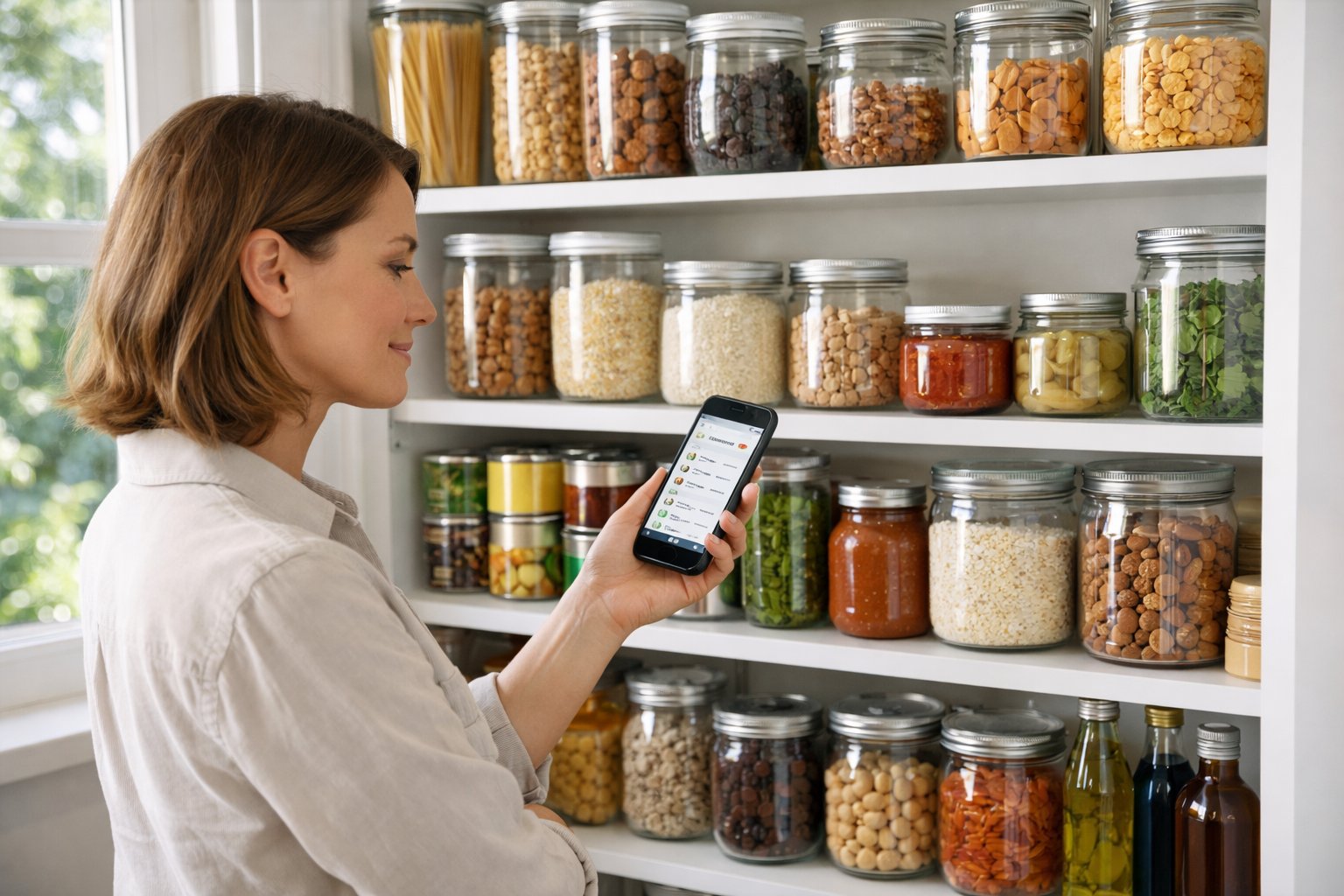
Clear storage visibility totally changes how we shop. When we can see what we have, we make smarter choices, skip the duplicates, and cut food waste by up to 30%. Glass containers, tidy shelves, and smart placement turn our kitchens into easy-to-scan inventories.
We finally know what needs using soon and what can wait, so gone are those moments where we find three jars of mustard hiding out behind the milk.
Honestly, seeing what’s in the kitchen is more powerful than most people realize. When everything’s in plain sight, grocery shopping stops being a guessing game, and we stop tossing random stuff into our carts.
Key Takeaways
- Visible storage setups help us avoid buying doubles by making it obvious what’s already there
- Smart organization with clear containers and smart placement keeps food fresh and cuts down on spoilage
- Keeping storage visible, and pairing that with meal planning, makes it way easier to save on groceries
Why Storage Visibility Stops Overbuying
When we can see what’s in our pantry, fridge, and freezer, we buy less stuff we don’t need. Visibility takes away the guesswork and keeps us accountable for what we already own.
Reducing Duplicate Purchases
Who hasn't bought an extra jar of mayo, only to discover three more lurking in the fridge? This happens because things get shoved to the back or hidden in opaque containers.
If we organize so every item is visible, this stops happening. Clear containers, the right shelf spacing, and a first-in-first-out system make duplicates easy to spot before they happen. We can scan our pantry in seconds and know what’s low and what isn’t.
Households waste up to 25% of grocery purchases on duplicates and forgotten items. By keeping everything visible, we cut these expenses and save money for fresher food we’ll actually eat.
Preventing Hidden Food Waste
Food waste doesn’t start at the trash can—it starts when food gets lost and forgotten. Think about that half-used bag of spinach wilting in the crisper while you buy a new one because you just didn’t see it.
Visibility tackles this head-on by keeping perishables and expiration dates where we can’t ignore them. If we arrange the fridge so older items are at eye level and new stuff goes behind, we naturally use things before they spoil. Same goes for pantry goods—cans and dry items close to their best-by dates go up front.
Less food goes bad, and we make fewer last-minute grocery runs to replace stuff we let expire. A good storage system makes it hard to ignore what’s about to go to waste.
Building Awareness with Pantry Scans
A quick look through the pantry before shopping makes a huge difference. If our storage is organized and visible, it takes just 30 seconds to see what’s left instead of relying on memory.
This habit stops overbuying in its tracks. We know if we’ve got enough beans, pasta, or olive oil. No more “I think we’re out” purchases that just add to the clutter.
Regular scans also help us spot patterns—what we eat all the time, what we never touch. That awareness means we can adjust what we buy to fit what we actually use, not just what we think we might want.
Structuring Your Pantry for Maximum Visibility
Clear containers and simple labeling make it easy to see what’s on hand before heading to the store. When everything’s visible, we stop buying doubles and letting food expire in the back.
Clear Storage Containers vs. Opaque Containers
Clear storage bins take the guesswork out of shopping. When we pour flour, rice, or cereal into see-through containers, we know exactly how much is left—no need to open lids or shuffle things around.
Opaque containers, on the other hand, hide what’s inside. We might think we’re out of oats when there’s a full container stuck behind the peanut butter. That’s how duplicates pile up and old stock gets wasted.
Why clear containers work:
- Quick stock checks for making shopping lists
- No need to open everything—just glance and go
- Easy to spot from any angle or shelf
- See expiration dates without digging around
Transparency, honestly, is half the battle. When we see what’s running low, we rotate stock better and use things up before they go bad.
Using Stackable and Airtight Containers
Stackable containers help us use vertical space while keeping everything visible. When containers fit together, we store more in less space and avoid those “hidden zones” where food disappears.
Airtight containers keep things fresh, which means less waste and fewer emergency grocery runs. If flour stays good for months, we’re not running out and overbuying other stuff at the same time.
Look for these features:
| Feature | Visibility Benefit |
|---|---|
| Airtight seal | Stops spoilage we can see through clear sides |
| Stackable design | Keeps things neat, not piled up |
| Uniform sizing | Makes arranging and spotting items easier |
| Wide openings | Lets us see and grab what’s at the bottom |
Straight-sided containers beat tapered ones—they stack better and give a clearer view from all angles.
Color-Coding and Date Labels for Clarity
Date labels take visibility up a notch. When we mark containers with purchase or expiration dates, we know what needs using first and avoid panic buying when we can’t remember if something’s still good.
Color-coding speeds things up too. Maybe blue for baking, green for grains, red for stuff that’s about to expire.
Labeling tips:
- Put expiration dates on front corners at eye level
- Use big, bold fonts you can read from a distance
- Pick waterproof labels that hold up in the kitchen
- Place category labels in the same spot on every container
With clear containers, date labels, and color coding, we know exactly what we have, how much is left, and what needs to be used—overbuying just doesn’t happen.
Inventory Systems and Food Rotation Methods
A good inventory system pairs smart organization with simple tracking. It turns chaos into order and helps us stop buying what we already own.
The First-In, First-Out (FIFO) Routine
FIFO—first in, first out—is simple: use older items before new ones. When we unpack groceries, we move the old stuff forward and put new purchases behind.
It works for everything, from fridge shelves to pantry cupboards. For the fridge, put expiration dates facing out. For cans and dry goods, keep labels visible. If everyone in the house sticks to the same system, nothing gets forgotten.
For things without printed dates, a quick mark with a Sharpie or sticker keeps us on track.
Setting Up Storage Zones and Shelf Risers
It helps to split storage into three zones: up front for things expiring soon, the middle for stuff with a couple months left, and the back for long-term items.
Shelf risers make a huge difference—they create levels so you can see what’s behind without moving everything. No more hidden cans or lost boxes.
Clear containers in each zone keep things visible. We group similar items together—veggies in one spot, grains in another, baking stuff somewhere else. This way, we always know what’s there before making a list.
Stackable bins and labels keep zones organized, even in small spaces. Drawer dividers work for little things, and lazy susans are great for those tricky corner cabinets.
Physical and Digital Food Inventory Tools
We keep tabs on what we have with both low-tech and digital tools. A magnetic whiteboard on the fridge or pantry door makes a handy list of what’s running low.
Apps like Pantry Check scan barcodes and track expiration dates, sending reminders when things need using. They sync to our phones, so we can check the list while shopping.
If you’re not into apps, color-coded stickers or a simple notebook work too. Mark items by category, write down purchase dates and quantities, and update once a week during a quick pantry check.
Meal Planning and Prep with Visible Storage
When we can see what’s in the kitchen, meal planning gets way easier. We build smarter lists and use up what we’ve got instead of letting it go to waste.
Building a Meal Plan Around What You Have
Starting meal planning with a pantry scan just makes sense. A quick look tells us what’s about to expire and what’s still good.
FIFO works best when we can actually see dates and quantities. Clear containers mean we don’t have to dig around. We put newer stuff behind the old, and plan meals around what needs using soon.
Here’s how we break it down:
- Expires in 3 days: Goes into the next couple meals
- Expires in a week: Used for mid-week dinners
- Pantry staples: Serve as backup
This cuts food waste because we don’t find forgotten ingredients after they’ve spoiled. Plus, we spend less by using what we have instead of buying more.
Smart Grocery Lists That Prevent Overbuying
Making grocery lists after checking storage stops most impulse buys and doubles. We split lists by pantry zones: proteins, grains, canned goods, snacks, produce.
Before adding anything, we check containers and bins. If there’s still half a box of rice or three cans of beans, we skip them. This quick check stops those “just in case” buys that crowd the shelves.
We try to be specific. Instead of “snacks,” we write “granola bars x2 boxes.” Instead of “pasta,” we list “penne 1 lb” after checking what shapes are running low.
Our list routine:
- Check visible storage for what’s left
- Note what’s running low (less than a serving)
- Cross-check with the week’s meal plan
- Add only what’s needed, plus one backup for each category
Integrating Bulk Purchases Strategically
Bulk buying saves money—if we can actually store and use what we buy. We set up zones for bulk items with deep bins or clear stackable containers so we can see how much is left.
Before buying in bulk, we measure storage space and think about how quickly we’ll use things. A 25-pound bag of flour is only a deal if we bake a lot and can keep it fresh in airtight containers.
We label bulk buys with purchase dates and track them in our inventory system—could be an app, a whiteboard, or a checklist. When we move bulk goods into smaller containers for daily use, we update the list.
For things we use often, bulk buying is great. For stuff we use rarely, smaller packages make more sense—even if they cost a bit more. We’ve learned not to buy bulk spices we only use once a year—they lose flavor long before we finish them.
Proper Food Storage to Extend Shelf Life
If we want our food to last, we have to match storage methods to food types, use the right containers, and keep conditions that slow down bacteria. These habits cut down on waste and help us avoid buying stuff we already have.
Best Practices for Different Food Types
Not all food plays by the same rules. The fridge should stay at or below 40°F and the freezer at 0°F—otherwise, bacteria get busy.
Refrigerator placement is sneakily important:
- Put meat on the bottom shelf so it can't drip on anything else.
- Use the low-humidity crisper for fruits and veggies that rot fast, like strawberries and peppers.
- High-humidity drawers work better for greens and carrots—they wilt less.
- Eggs and milk? Keep them at the back, where the temperature's most stable.
The door gets warmest, so that’s best for condiments, pickles, and juices that don’t mind a little fluctuation.
Some produce actually prefers the counter. Avocados, bananas, and mangoes ripen better at room temp and go brown if you stick them in the fridge too soon. Once they’re ripe, sure, toss them in if you want them cold.
The Role of Airtightness and Container Choice
Airtight containers are real heroes—they block out moisture, air, and whatever else might make your food go off. When air sneaks in, things get stale, nutrients drop, and flavors change.
Don’t just leave things in the packaging they came in. Transferring stuff to good containers makes a difference. Glass and BPA-free plastic with tight lids? Solid picks.
Container basics:
- Dry goods (flour, rice, pasta): Go for hard-sided airtight types to keep out moisture and bugs.
- Fresh herbs: Slightly vented containers or wrap in damp paper towels for humidity.
- Leafy greens: Breathable bags or containers with vents you can open or close.
- Leftovers: Shallow, stackable containers cool food faster and save space.
Label what’s inside and when you put it in. That way, you actually know what needs eating first and don’t end up with three open bags of rice.
Optimizing for Food Safety and Freshness
Food safety and freshness both depend on temperature and keeping things clean. Bacteria thrive between 40°F and 140°F, so watching those numbers is worth it.
Stick a thermometer on the middle fridge shelf to double-check it’s cold enough. Fridges don’t always run as cool as they claim, especially if they’re older or the door seal’s shot.
Move older items forward and put new stuff behind when you restock. This simple rotation keeps things from expiring out of sight.
Quick checks for safety:
- Wipe down shelves and containers once a week to keep bacteria from hanging around.
- Never put raw meat above ready-to-eat foods.
- Let hot leftovers cool to room temp within two hours before refrigerating.
- Check expiration dates during your weekly clean-out.
Sustaining Smart Storage Habits
Keeping track of what’s in your kitchen takes ongoing effort—labeling, regular checks, and making systems everyone at home can actually follow. It’s about turning a one-time clean-out into a habit.
Consistent Labeling and Reorganizing
Date labels really do help. Just jot down when you bought or opened something with a permanent marker. It’s quick, and future-you will thank you.
Try a color-coding system if you’re feeling ambitious. Maybe red stickers for stuff expiring soon, blue for proteins, green for produce. It’s a fast visual cue, especially if you’re not the only one using the kitchen.
You don’t need to reorganize every month. Five or ten minutes a week, just moving things forward and relabeling bins as needed, works fine. Labeling the fronts of bins instead of every item keeps things flexible when you swap products out.
Make labeling so easy you don’t even think about it—otherwise, no one will keep up.
Periodically Reviewing Your Inventory
Check your inventory before you shop. We keep a list on the phone or a whiteboard inside the pantry door, marking what’s low and what’s still in good supply.
A monthly deeper dive helps catch anything you missed. Pull everything from a shelf, check dates, and decide if you’re still actually eating those foods. It’s a good way to avoid the “oh, I forgot we had that” moment.
Every so often, actually open and check stored foods for freshness. Sometimes things last longer than the label says, and sometimes not. Seeing for yourself helps you shop smarter next time.
If your pantry is organized, these check-ins are easy—no need to dig through a jumble.
Making Storage Fun and Family-Friendly
Get everyone involved so it’s not just one person’s job. Assign zones—maybe one kid keeps the snack shelf tidy, someone else checks the fridge.
Visual guides help, especially with kids. Use pictures on bins to show where things go. Groceries get put away faster, and you don’t have to micromanage.
Gamify it if you can. Try a “shop the pantry” week, making meals only from what you already have. It gets creative, and you’ll be surprised how much you can use up.
Keep storage tools handy. If containers are hard to open or you have to hunt for a marker, nobody will update labels. Store labeling supplies right in the pantry so you can relabel on the fly.
Frequently Asked Questions
How we manage food at home affects what we buy. Simple storage systems and a bit of planning can seriously cut down on waste and overbuying.
What are effective pantry organization strategies to minimize purchasing excess food?
Clear containers are a game-changer. When you pour dry goods—flour, rice, pasta, cereal—into see-through, airtight containers, you can instantly tell what you have. No more buying another bag of pasta when there’s already one hiding in the back.
Organize by zones. Make areas for breakfast foods, snacks, cans, baking stuff, and spices. When you’re running low on something, it’s obvious. Bins and baskets keep categories together and stop things from getting lost.
Label bins by category, not individual items, so you don’t have to redo labels every time you swap something out.
A low-tech inventory works. Use your phone’s notes app, a dry-erase board, or just snap a photo of your pantry before heading to the store. A quick shelf pic can stop you from buying duplicates.
Can tech innovations in fridge management help track freshness and reduce grocery overstock?
Smart fridges with cameras let you peek inside from your phone while shopping. You’ll know if you need milk or eggs without guessing.
Some fridges monitor temperature in different zones and alert you if things get too warm. That can really help prevent food from spoiling before you use it.
There are also inventory apps where you log what you buy and get reminders before things expire. Barcode scanning can make it less of a chore.
Some companies are even working on smart scales that track how much you have left of certain foods and help build your shopping list. It’s early days, but that could be pretty handy.
How can meal planning contribute to more efficient grocery shopping and storage?
Meal planning starts with checking what’s already in the kitchen. Build your menu around what you have, then only shop for what’s missing. That way, you use up what you own before it goes bad.
Planning for a set period—like one week—helps you buy just what you need. If you’re making three chicken dinners, buy exactly three portions instead of a giant pack.
Look for recipes that use the same ingredients across the week. If you need cilantro for two dishes, you only have to buy it once, and you’re less likely to waste half a bunch.
Batch cooking and leftovers also help. You can cook once and eat multiple times, buying in bulk on purpose instead of just ending up with random extras.
In what ways does a 'first in, first out' system help in keeping food storage optimal and grocery shopping precise?
First in, first out means older items move to the front and new ones go in back. When you unpack groceries, shift existing stuff forward so you use it first. This keeps things from expiring out of sight.
Write purchase dates on things that don’t have them. A sharpie on canned goods or frozen foods gives you a timeline for what to eat next.
Clear containers make this even easier. You can see at a glance if you’ve got multiples or if something’s running low, so you don’t double up by accident.
When you rotate items during restocking, it doubles as a mini inventory check. You’ll notice what’s plentiful and what’s almost gone, so your shopping list matches reality, not just memory.
What role does container transparency play in remembering what's in stock at home?
Clear containers cut down on the guesswork. You can see what’s inside and how much is left without opening anything.
They also help you spot forgotten foods—like that half-bag of quinoa you’d otherwise lose behind a box of cereal. Suddenly, you’re more likely to use it.
You can check freshness just by looking. Is the flour still good? Are there bugs in the rice? Quick glance, done.
When all your containers are clear and similar, it’s easy to spot when something’s almost empty. That visual cue tells you it’s time to restock, instead of relying on a vague feeling or memory.
How do smart shopping lists influence better storage visibility and prevent overpurchasing?
Digital shopping lists that connect to inventory systems can nudge us to add things we've actually run out of—no more guessing what’s missing. Some apps even learn our habits, watching how quickly we go through coffee or eggs, and then they remind us to restock before we hit empty. It’s less about random hunches, more about real usage.
Lists sorted by store section or storage spot make it easier to picture where everything will end up at home. If I see my list broken down into pantry, fridge, and freezer, I’m way more likely to remember if I already have a bag of frozen peas lurking in the back. It’s almost like a pre-shopping walkthrough in my head, which helps me skip those accidental double buys.
Shared lists are a lifesaver for households with more than one shopper. Everyone can see updates instantly—what’s been picked up, what’s still needed, what’s already crossed off. No more coming home to find three cartons of milk fighting for space in the fridge. That’s a win.
Photo-based lists are a nice touch too. Snapping a pic of the empty cereal shelf or that specific brand of olive oil means I don’t have to rely on memory or vague descriptions. It’s just easier to get exactly what’s needed, and less likely I’ll grab the wrong thing.
Share:
How Ingredient Grouping Improves Kitchen Workflow
How Storage Readiness Impacts Meal Preparation Speed