

Check out our latest home & kitchen collection!
Snack time doesn't have to mean chaos in your kitchen or endless requests for help finding food. A well-organized, kid-accessible snack storage system gives children the independence to choose their own snacks while helping parents maintain structure around healthy eating habits.
When kids can see and reach nutritious options on their own, they're more likely to make better food choices and get more confident in the kitchen.
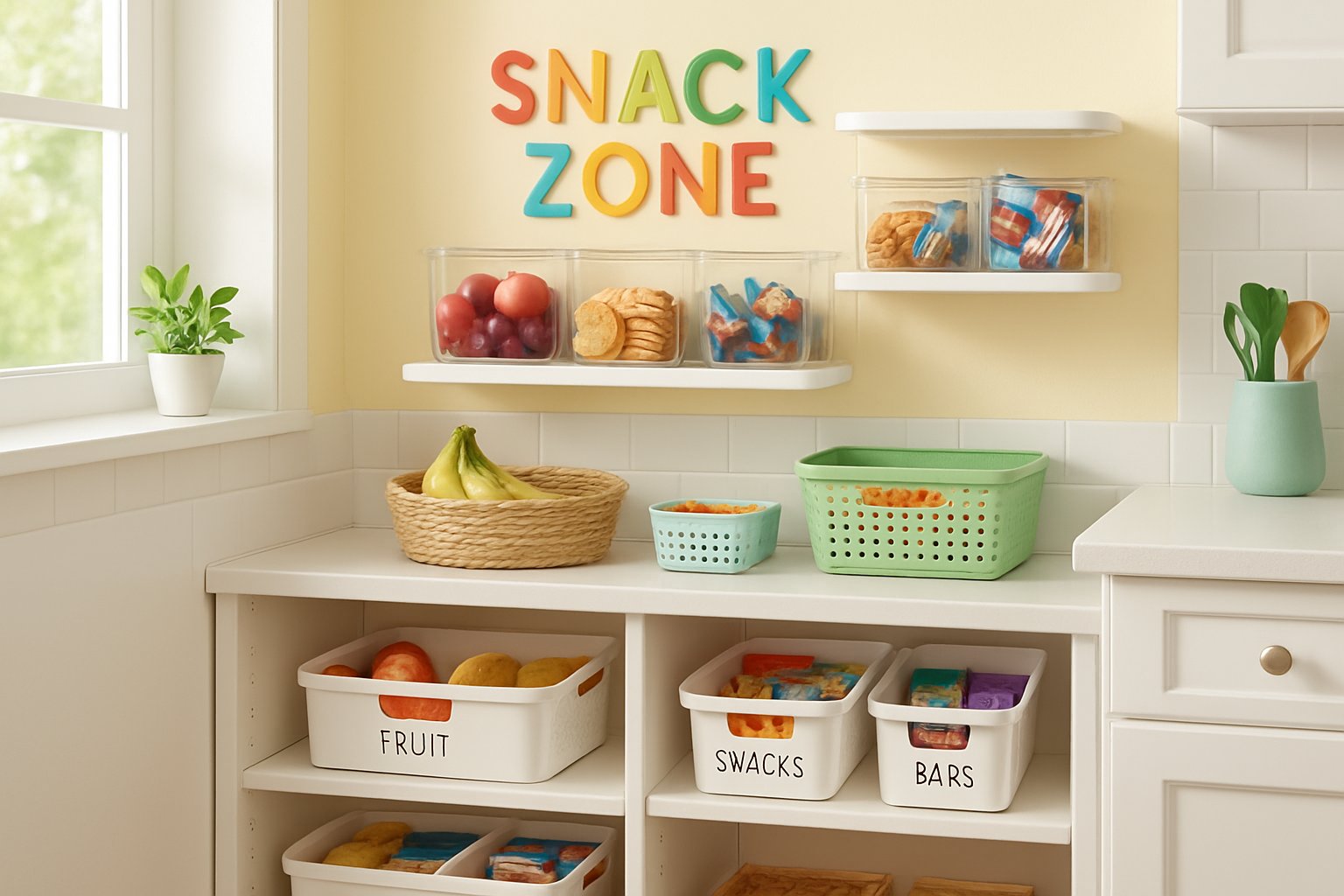
Setting up this system is easier than it sounds. The trick is to create storage zones at your child's height, stock them with snacks you approve of, and use clear containers so kids can make quick decisions.
Whether you use a pantry shelf, a kitchen drawer, or even a rolling cart, the right setup can turn snack time from a constant interruption into a smooth routine.
Let's walk through choosing the best spot, picking practical storage solutions, and filling your snack station with foods that balance nutrition and kid appeal.
You’ll also see some ideas for getting your kids involved, ownership goes a long way, and they’ll pick up skills that last way past childhood.
Key Takeaways
- Put snack storage at your child's height and use clear containers so they can grab approved options on their own
- Fill the station with nutrient-rich "always foods" and keep treats up high to encourage healthy choices
- Get kids involved in restocking and organizing to build confidence and spark interest in better snacks
Understanding the Benefits of a Kid-Friendly Snack Storage System
A good snack storage system does more than keep crackers fresh. It changes how kids interact with food, cuts down on daily snack battles, and even teaches a few life skills along the way.
Fostering Independence and Smart Choices
When we set up a snack station where kids can reach, they learn to serve themselves without needing us every time. That little bit of autonomy builds their confidence and helps them practice self-care.
Letting kids choose from pre-approved snacks gives them some control, but within the boundaries we set. They start to figure out what they want, how much they need, and if they’re actually hungry or just bored. Clear containers show them exactly what’s there, so there’s no mystery or mindless grabbing.
Single-serve portions help kids learn natural stopping points. When snacks are already divided up, they get a sense of what’s enough—no need for us to hover or count crackers. That hands-off approach respects their growing independence and sets them up for a healthier relationship with food.
Encouraging Healthy Eating Habits
A snack station filled with good options makes the healthy stuff the easiest to grab. If carrot sticks are as easy to reach as chips, kids are way more likely to eat them—no need to beg for treats hidden on a high shelf.
Rotating things like fruits, veggies, whole-grain crackers, cheese, nuts, and yogurt keeps things interesting without overwhelming kids. They start to notice which snacks keep them full or give them more energy—a lesson that sticks better than any lecture.
Organizing snacks visually—like color-coded bins or simple labels—helps kids learn about food groups and nutrition just by doing. If you stash water bottles right next to the snacks, it’s a subtle way to connect hydration and healthy eating.
Reducing Snack-Time Stress for Parents
Endless “Can I have a snack?” questions can wear you down. A self-serve system cuts out most of those requests because kids know where to go and what they’re allowed to have.
Prepping snacks ahead of time saves you from stopping everything to slice apples or dig for crackers. Once you get organized, you’ll spend less time prepping and more time actually enjoying a moment of peace.
And let’s be real—kids are more likely to eat what they pick themselves. That means less wasted food and fewer half-eaten packages hiding in the back of the pantry. You might even notice you’re tossing out less wilted produce, too.
Choosing the Perfect Location for Your Snack Zone
Finding the right spot for your snack zone is a mix of easy access for kids and practical stuff like kitchen flow and safety. You want a spot that’s visible, safe, and fits into your daily routine.
Accessibility and Safety Considerations
Put the snack station where your kids can reach it without climbing or stretching. A low pantry shelf, drawer, or base cabinet usually works for ages 3-10.
The best height lets kids see what’s there and grab it themselves. Avoid spots that need a step stool—those things tip, and nobody wants a kitchen accident.
Keep the snack zone away from the stove, knives, and cleaning supplies. A corner of the counter away from the cooking area or a cabinet near the fridge is usually safer.
Visibility helps, too. If snacks are out in the open (not buried in a walk-in pantry), you can keep an eye on what’s getting eaten and how often. It also stops kids from sneaking off with snacks.
High-Traffic Snack Zone Spots
The best snack zones sit in moderate-traffic spots—easy for kids to get to, but not right in the middle of where you cook. Some tried-and-true locations:
- Low pantry shelves (if you’ve got the space)
- Kitchen island drawers on the eating side
- Base cabinets by the fridge
- Fridge drawers for stuff that needs to stay cold
If your pantry’s tiny, try a spot near the table or breakfast nook. That way, kids can grab a snack and sit down, not wander around the house with food.
Try not to put the snack station in the main cooking zone. That area between the sink, stove, and fridge gets busy, and you don’t want kids underfoot when you’re dealing with hot pans.
Adapting Snack Storage for Small Spaces
Tiny kitchens can still have great snack zones—you just have to get creative. A deep drawer can hold several bins, each with a different snack type.
Over-the-door organizers on pantry doors add storage without taking up shelves. Put kid snacks in the lower pockets and save the top ones for adult stuff.
Rolling carts tuck into corners or under counters and move around as needed. They’re especially handy in apartments or narrow kitchens.
If you’re short on kitchen space, a low bookshelf or dresser in the dining area can double as a snack station. Just make sure it’s sturdy and easy to supervise.
Selecting Storage Solutions for Ultimate Organization
The right containers make snacks easy for kids to grab and keep everything fresh. Let’s look at some options, from drawers to open baskets to airtight bins.
Snack Drawer and Pull-Outs
A snack drawer at kid height means they don’t have to ask you where the crackers are—again. You can add pull-out drawers to lower cabinets or use what you’ve got, just add dividers to keep snacks sorted. Deep drawers are good for boxes, while shallow ones are better for little items like cheese sticks.
Pull-outs give better visibility than regular cabinets. Add adjustable dividers so bags stay upright and you don’t get a snack avalanche when someone grabs the wrong thing. If you don’t have a spare drawer, a rolling cart with shelves does the trick and can roll wherever you need it.
Make sure the drawer hardware is sturdy. Soft-close drawers are nice for preventing slammed fingers.
Wire Baskets and Open Containers
Wire baskets let you see what’s left at a glance and keep things from getting stale. Mount them on pantry walls, put them on shelves, or tuck them in cabinets for easy access. No lids to mess with—kids just reach in.
Wire or mesh works best for stuff in sealed packages, like chip bags or granola bars. Pick baskets with handles so you can move them to the table when it’s snack time. Stackable ones save space if your pantry is narrow.
Label baskets with pictures for little kids. The open design makes snacks visible, which might mean more requests, but it also teaches kids to see what’s actually there.
Clear and Airtight Containers
Airtight containers keep snacks fresh longer than those half-closed bags. Clear plastic or glass lets kids see what’s inside and stacks up neatly. Move crackers, pretzels, cereal, and other dry snacks into these as soon as you open them.
Pick sizes that fit a full box but aren’t too heavy for a kid to handle. Square or rectangle containers use space better than round ones. Look for lids that seal tight but are easy for kids to open.
Label what’s inside and maybe the expiration date if you want to keep track. It makes restocking easier too—you’ll know at a glance what’s running low.
Smart Snack Organization Strategies
Good snack organization means grouping things in a way that makes sense, using visual cues, and keeping chaos at bay.
Categorizing Snacks by Type and Frequency
Split snacks into three groups: everyday options, occasional treats, and grab-and-go stuff. Everyday snacks (like crackers, fruit, cheese, veggies) go at eye level.
Treats like cookies or chips stay up high or in a separate bin you control. The idea isn’t to ban them, just to teach balance.
Grab-and-go snacks need their own bin near the door for school or sports. Fill it with wrapped bars, pouches, or trail mix. Restock it as part of your weekly routine.
Quick frequency guide:
- Daily: Fresh produce, yogurt, nuts, whole grains
- 2-3 times/week: Baked chips, fruit leather, sweet granola bars
- Special occasions: Candy, cookies, sugary stuff
Strategies for Labeling and Color-Coding
Labels make everything easier. For little kids, use pictures—apple for fruit, crackers for crackers. Older kids are fine with simple text labels.
Color-coding helps too. Green bins for always-okay snacks, yellow for sometimes foods, red for treats. Kids get the message without you repeating yourself.
Chalkboard labels work for bins that change a lot. Write “This Week: Cheese Crackers” and update as needed. Dry-erase on plastic bins does the same job.
Zone-Based Organization Methods
Zones keep snack time calm. Set up a pantry shelf for shelf-stable stuff, a fridge drawer for cold snacks, and a counter spot for what’s in rotation.
Pantry zone: crackers, dried fruit, nuts in clear bins. Stack them so kids pull from the front. Fridge zone: a drawer at kid height with yogurt, cheese, veggies, fruit. Line it with a mat for easy cleanup.
Counter zone: a three-tier organizer with 6-9 snack options. This is the “decision spot.” Rotate snacks every few days to keep things interesting.
Zone tips:
- Keep similar snacks together
- Put favorites in the easiest spot
- Store extras behind the current stash
- Use dividers to stop fridge chaos
Stocking Your Kid-Friendly Snack Station
The snacks you choose make or break your station. You want a mix of healthy options that kids will actually eat, and you need to store them so they stay fresh and easy to grab.
Healthy Snack Staples to Include
We try to pick snacks that are both nutritious and actually get eaten. Protein-packed choices like string cheese, hard-boiled eggs, and nut butter packets help keep kids full between meals. Whole grain crackers, popcorn, and granola bars give them extra energy for all that running around.
Fresh fruit goes fastest when it's easy to grab. We keep bananas, apples, and clementines on the lower shelves—right at kid level. Pre-washed grapes and berries in clear containers? Those disappear before we even blink.
Veggies take a bit more creativity. Baby carrots, snap peas, and cherry tomatoes paired with individual hummus cups turn even picky eaters into veggie fans (well, most days). Dried chickpeas and freeze-dried veggies make a crunchy swap for chips.
Our go-to protein snacks:
- String cheese and cheese cubes
- Greek yogurt tubes
- Turkey or ham roll-ups
- Trail mix with nuts and seeds
Balancing Shelf-Stable and Refrigerated Options
We split snacks between the pantry and fridge to keep things interesting and cut down on waste. Shelf-stable stuff lives in a low cabinet or a basket on the counter, so kids can grab what they want without asking every time.
Applesauce pouches, dried fruit, whole grain crackers, and individually wrapped granola bars make up the pantry basics. These last a while and don’t mind a little temperature swing. At the start of the week, we portion out bulk buys like pretzels or cereal into reusable containers or bags.
The fridge side needs more frequent refills, but you can offer fresher snacks. We dedicate one low shelf or drawer just for kid snacks. Clear bins keep things sorted by type so kids can scan their options without digging.
Perishables need to be front and center. Yogurt cups, cheese sticks, veggies with dip, and fruit salads stay visible and easy to reach. If we shove snacks to the back, they get lost and end up spoiled.
Snackle Box and On-the-Go Storage Ideas
Snackle boxes (think tackle boxes for snacks) solve the problem of kids wanting five different things at once. Each compartment gets something different—crackers, cheese cubes, grapes, pretzels, maybe a few chocolate chips for fun.
We prep a couple of these on Sundays for grab-and-go moments. They’re perfect for sports, road trips, or backyard adventures. The sections keep foods separate and portions reasonable, so we don’t have to play snack referee all day.
For single snacks, we use small reusable containers and silicone bags instead of tossing endless plastic. Mason jars are great for trail mix or cereal. We slap on masking tape labels so kids know what’s inside without opening everything.
Our favorite portable options:
- Bento-style boxes with 4-6 compartments
- Reusable silicone snack bags
- Small glass jars with leak-proof lids
- Stainless steel containers for wet foods
Involving Kids in Snack Prep and Storage
Getting kids to help with snack prep and organization? It teaches responsibility and makes them care more about what they eat. When they pitch in, they pick up real-life skills—and honestly, they’re more likely to follow the system you set up together.
Age-Appropriate Snack Prep Tasks
Toddlers (2-3) can start with simple stuff—washing grapes (with help) or putting things in containers. Sorting snacks by color or type into bins keeps them busy and involved.
Preschoolers (4-5) can measure out crackers, spread nut butter with kid-safe spreaders, and peel bananas. Let them arrange veggies on plates or fill reusable pouches with applesauce.
School-age kids (6-8) can use crinkle cutters for soft fruits, mix up trail mix from pre-portioned ingredients, and handle basic containers. They can measure out ingredients solo and wash produce on their own.
Older kids (9+) can tackle more advanced snacks like energy balls, chop harder veggies (with some knife lessons), and portion out dips. They can read labels and help make shopping lists, which is surprisingly handy.
The trick is matching the job to their skills and comfort, not rushing them into stuff they're not ready for.
Teaching Kids to Restock and Maintain
A visual checklist with photos of what belongs in each bin works wonders. Little kids match items to pictures, older ones can use written lists.
Pick a “snack prep day” each week where everyone washes produce, portions snacks, and refills the station. It becomes a habit before you know it.
Show them how to check expiration dates and spot foods that have gone stale. Make it a game—call them “freshness detectives” and let them hunt for snacks that need replacing.
Clear containers make it obvious when supplies run low. Some families keep a “shopping list” pad near the snack spot so kids can jot down what’s running out.
Teach “first in, first out” by putting new stuff behind older snacks. It keeps things moving and gives them a crash course in kitchen inventory.
Building Lifelong Organizational Skills
The habits kids pick up from keeping their snack station tidy spill over into other parts of life. We’ve seen them use the same sorting skills for school supplies, sports gear, even their own rooms.
When kids run their own snack space, they see what happens if they forget to restock or leave lids off—stale crackers, empty bins. These little letdowns teach responsibility, no lectures needed.
Involving them in snack planning helps with budgeting and decision-making. Let them compare prices at the store or choose between two snacks based on cost and nutrition.
Praise goes further when it’s specific. Instead of a generic “good job,” try, “Hey, I saw you put the new granola bars in the back—smart move.”
Research says kids who help with food prep and storage are way more likely to eat fruits and veggies regularly. These skills build confidence and independence, and honestly, they’ll thank you when they’re running their own kitchens someday.
Frequently Asked Questions
Setting up a snack system that works means thinking through where things go, which containers to use, and how to keep everything rotating—especially with different kitchen layouts and busy families.
What's the scoop on setting up a snack station that's a hit with the kiddos?
We put our snack station at kid height—usually 24-36 inches up—so kids can grab what they want without scaling the cabinets or asking for help every five minutes.
Pick a spot: low shelf, countertop corner, rolling cart, whatever works. We stock it with clear, pre-portioned snacks so kids see their choices at a glance.
We swap out snacks weekly and let the kids help pick what goes in. It keeps things interesting and cuts down on the “there’s nothing to eat” drama.
Can you shed some light on the best organizers for a chaos-free snack drawer?
Clear acrylic bins are our go-to—you can spot what’s running low instantly. We use 4-6 inch wide bins that fit most drawers and keep similar snacks together.
Expandable dividers let us adjust as our snack stash changes. We label each section with pictures for the littles who aren’t reading yet.
Stackable containers with tight lids keep things fresh. We stick with square or rectangular shapes since they fit drawers better than round ones.
Starting a snack stash — what's the secret ingredient to keeping things fresh and accessible?
We keep things moving with a first-in, first-out system. New snacks go behind older ones, so nothing gets lost and expires.
Airtight containers are a must for opened packages. Crackers, pretzels, and cereal go into sealed bins within a day of opening to stay crisp.
We check expiration dates during grocery runs and toss anything past its prime. Fresh fruit gets washed and portioned into grab-and-go containers right at the front of the fridge.
How can I transform my fridge into a treasure trove of kid-friendly nibbles?
We dedicate the bottom shelf or drawer to snacks so kids can reach them easily. Clear bins corral things like cheese sticks and yogurt tubes.
Prepped fruits and veggies go in see-through containers at eye level. We usually handle this on Sundays so everything’s ready for the week.
A lazy Susan helps with small containers and pouches—kids can spin it to find what they want without knocking over the whole fridge.
No pantry, no problem: What are top tips for snack organization in tight spaces?
We get creative with wall shelves or over-the-door organizers. A three-tier rolling cart can squeeze a ton of snacks into just a sliver of floor space beside the fridge.
Under-cabinet baskets and hanging wire racks add storage where none existed before. We keep these low (18-24 inches from the floor) so kids can reach them on their own.
We only keep a week’s worth of snacks out instead of buying in bulk. It forces us to be choosy and helps avoid the clutter that takes over small kitchens.
Got a snackle box blueprint that will make my little munchers' tribe cheer?
We grab divided containers with 5-7 compartments and just start tossing in balanced mini-meals. Every section gets its own food group: one for protein, another for fruit, a spot for veggies, a whole grain, and, yeah, a tiny treat for good measure.
Our go-to is usually 2-3 savory things, a fruit or two, a veggie, and then something just for fun. On Sundays, we’ll throw together a bunch of boxes so they’re ready for the week—makes school lunches and road trips a whole lot easier.
Honestly, letting the kids fill their own boxes (within reason) has been a game-changer. They pick one thing from each group, which sneaks in a little lesson on portion control and gives them some say in what they eat. Not bad, right?
Share:
How to Set Up a Small Kitchen for Daily Meal Prep
A Guide to Organizing Kitchen Shelves for Easy Access