

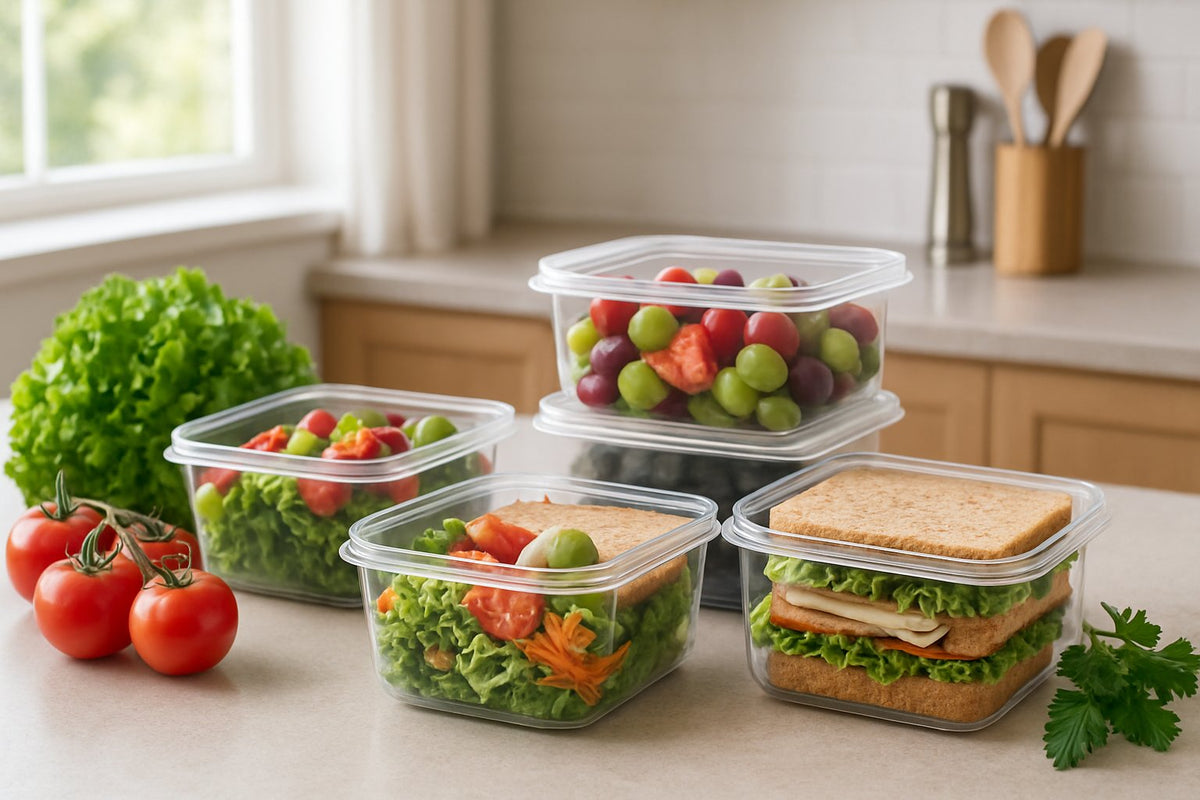
Preparing lunches ahead of time can be a real lifesaver, but let's be honest, nobody wants to open their lunchbox to find a sad, soggy sandwich or limp greens.
Keeping lunches fresh comes down to airtight containers, keeping things cold, and picking ingredients that can handle a little time in the fridge. These basics help slow bacteria and keep your food tasting like you just made it.
Most of us have had that moment: you open a lovingly packed lunch and-ugh-it's a mess. The fix? A few smart choices about containers, storage, and what goes into your lunch can make a huge difference. Whether you're prepping a single meal or a week's worth, a little planning goes a long way.
Knowing how foods respond to storage helps us avoid those lunchtime letdowns. From fridge temps to the right containers, these details matter more than you might think.
Key Takeaways
- Stick with airtight containers and keep your fridge below 40°F to keep food safe and fresh
- Pick ingredients that hold up, and keep wet stuff separate until you eat
- Store lunches in the fridge overnight and use insulated bags with ice packs when you're on the go
The Core Principles of Keeping Lunches Fresh
Keeping your lunch fresh isn't rocket science, but it does take a little know-how: understand how foods spoil, control the container environment, and use storage methods that actually work.
Understanding Food Safety and Shelf Life
Food safety isn't something you can just wing. Bacteria thrive between 40°F and 140°F, so lunches start to risk spoiling as soon as they warm up.
Some foods go bad faster than others. Cooked meats and dairy? They need to stay cold and shouldn't sit out for more than two hours. Hard cheeses and whole fruits last longer, but once you cut them, the clock starts ticking.
Time and temperature—they're a package deal. A sandwich with mayo left in a warm car for four hours? No thanks. But keep it under 40°F and you're good for the day.
Proteins, dairy, and foods with mayo or creamy dressings need the most care. Dry foods like crackers, nuts, and whole fruits are the easy stuff.
Managing Air Exposure and Moisture
Air is freshness's worst enemy. Leave food exposed, and you'll see browning, weird textures, and spoilage.
Airtight containers are a must for most lunches. They lock in moisture for things like sandwiches and keep crispy stuff from getting soggy. It's not just about taste—it's about slowing down the stuff that makes food go bad.
Moisture is tricky. Too much, and bread turns to mush; too little, and your food dries out. A paper towel in with your lettuce or veggies can soak up extra moisture, while a slightly damp one keeps herbs perky.
Vacuum-sealed containers go even further—no air means slower spoilage. They're great if you like prepping several days ahead.
Essential Storage Techniques
Temperature matters. Cold foods need to stay cold, hot foods stay hot—no shortcuts here.
Insulated lunch boxes with ice packs buy you 4-6 hours of safe storage. Freeze your ice packs overnight, and put them right next to anything perishable. Frozen water bottles? They cool your lunch and double as your drink.
For hot stuff, preheated thermoses keep soups and stews warm for hours. Just pour boiling water in first, let it sit, dump it, then add your food.
How you pack matters too. Ice packs go on top (since cold air sinks), and don't mix raw and cooked foods. Avoid stuffing containers full—it traps heat. Pre-chilling your lunch bag in the fridge for half an hour before packing gives you a head start.
Choosing the Right Packaging and Containers
Your container choice really does affect how long your lunch stays tasty. Airtight seals stop moisture loss and contamination; the container material—glass, plastic, or metal—matters too.
Airtight vs Breathable Storage Options
Airtight containers are usually the way to go. They lock in moisture and keep bacteria out—perfect for pasta salads, grain bowls, and sandwiches that dry out fast.
But not everything loves a sealed box. Some fruits and cut veggies release moisture and gas, which can lead to sogginess or quick ripening. For those, try vented containers or perforated bags.
Airtight is best for:
- Cooked grains/pasta
- Dressed salads
- Foods with sauces or dressings
- Sandwiches and wraps
Let it breathe for:
- Raw cut veggies (carrots, celery, peppers)
- Whole fruits
- Leafy greens (with a paper towel to catch moisture)
Match your container to your food. A sandwich in a vented box? Dry and sad. Tomatoes in an airtight one? Mushy by lunch.
Picking Between Glass, Plastic, and Metal
Glass containers don't stain or hold onto smells, and you can reheat right in them (just ditch the lid first). Downsides? They're heavy—lugging glass daily isn't for everyone.
Plastic containers are light and easy. Go for BPA-free, food-grade ones. Don't microwave fatty or acidic foods in them, though—chemicals can leach. If you hand-wash and skip the dishwasher's high heat, good plastic lasts a long time.
Stainless steel is tough and chemical-free. It's great for cold lunches, but you can't use it in the microwave. Acidic foods (like tomato sauce) can sometimes taste metallic if left too long.
| Material | Best For | Avoid For | Weight |
|---|---|---|---|
| Glass | Hot foods, reheating, acidic dishes | Heavy bags, kids' lunches | Heavy |
| Plastic | Everyday use, cold foods | High-heat, long-term hot storage | Light |
| Metal | Durability, cold/outdoor use | Microwaving, super-acidic foods | Medium |
Best Practices for Wrapping with Plastic Wrap, Aluminum Foil, and Parchment Paper
Plastic wrap hugs sandwiches and keeps cut fruit from browning. Wrap tightly—air pockets speed up spoilage. Don't use it for hot foods; heat can melt it or cause chemical transfer.
Aluminum foil is great for holding temperature, hot or cold. Wrap burritos, quesadillas, or roasted veggies in foil, and for freezer storage, it beats plastic wrap at stopping freezer burn.
Parchment paper is non-stick and grease-resistant—handy for baked goods or cheesy foods. Use it as a liner in containers or to separate layers that might stick.
Combining these materials with containers works best. For example, wrap a sandwich in parchment before putting it in an airtight box—the paper keeps it from getting soggy, and the container locks in freshness.
Refrigeration and Freezing Tips for Longevity
If you want lunch to taste fresh days later, you've gotta nail temperature and avoid freezer burn. A little fridge organization helps too—nobody wants to dig through chaos just to find their lunch.
Ideal Refrigerator and Freezer Temperatures
Keep your fridge at or below 4°C. Anything warmer, and bacteria start multiplying. A cheap fridge thermometer is a good investment—many fridges run warmer than you'd think, especially if they're packed or opened a lot.
Freezers should stay at -18°C or colder. That stops bacteria, yeast, and molds. Most prepared meals keep their quality for 2-3 months in the freezer if you pack them right.
Quick Reference:
| Storage Method | Temperature | Best For |
|---|---|---|
| Refrigeration | ≤4°C | Lunches eaten within 2-3 days |
| Freezing | ≤-18°C | Batch-prepped meals for weeks ahead |
Always let hot food cool to room temp within two hours before refrigerating. Putting hot stuff in the fridge can warm everything up and risk spoiling other food.
Avoiding Freezer Burn
Freezer burn shows up when air hits your food's surface—ice crystals form, moisture leaves, and your food gets dry and discolored. It won't make you sick, but the texture and flavor take a hit.
Push out as much air as you can before sealing freezer bags. Fill rigid containers almost to the top, leaving a little space for expansion.
Double-wrap if you're freezing meals for more than a month—plastic wrap first, then into a freezer bag or airtight container. Containers made for freezer use work better than regular ones.
Label everything with dates. Most meals taste best within three months, even if they're technically safe longer.
Organizing Lunches for Easy Access
Keep all your prepped lunches together on one fridge shelf or in a drawer. That way, you always know what's available.
Use a "first in, first out" system—new lunches go in the back, older ones up front. Mark containers with prep dates using masking tape and a marker.
The middle and upper shelves have the most stable temps for lunches. Avoid the door for perishables—it's too warm. Bottom shelves are fine if your food's sealed and away from raw stuff.
In the freezer, stack similar meals together and keep a running list on the door. Flat containers or bags save space and thaw faster than big round ones.
Ingredient Strategies for Maximum Freshness
Picking the right ingredients and assembling them in the right order can mean the difference between a crisp lunch and a soggy letdown. Bread type, cheese, fillings, and even layering—these details matter.
Selecting Perishable vs Non-Perishable Ingredients
Balance fresh, perishable stuff with shelf-stable options to stretch your lunch's lifespan. Tomatoes, lettuce, and cucumber taste great but release moisture and get mushy. Try sturdier veggies like bell peppers, carrots, or radishes—they stay crunchy.
Hard cheeses (cheddar, Swiss, Parmesan) last longer and don't get greasy or weird in the fridge. Aged cheeses also sweat less than fresh mozzarella or ricotta.
For protein, cooked and cooled meats like grilled chicken or roasted turkey hold up better than deli slices, which can get slimy. Hard-boiled eggs are a solid choice. If you're using mayo-based salads, eat them within 2-3 hours—they don't last long at room temperature.
Prepping and Layering Ingredients to Prevent Sogginess
How you build your lunch matters. Keep wet ingredients away from bread, or use lettuce, cheese, or a spread as a moisture barrier.
For sandwiches, spread condiments on the bread first, then put cheese directly on the bread, protein in the middle, and wet veggies like tomatoes between dry layers. This keeps bread from soaking up too much liquid.
Pack salad dressings separately in little containers. Put heavy stuff at the bottom of the salad container, greens on top, and wrap wet veggies in paper towels before adding them.
Crusty breads—sourdough, baguette, ciabatta—stay firmer than soft sandwich bread. Their thick crusts and dense crumb help them resist sogginess longer.
Top Breads, Cheeses, and Fillings for Lunch Storage
Best Bread Choices:
- Sourdough (dense texture, natural acidity)
- Whole grain with seeds (sturdy structure)
- Ciabatta (airy interior, crispy crust)
- Pita pockets (holds fillings without as much bread contact)
Best Hard Cheeses:
- Sharp cheddar
- Gruyère
- Aged provolone
- Manchego
Ideal Fillings: We lean toward sandwich ingredients that hold up and don't turn everything soggy. Roasted veggies like zucchini or eggplant? Way better than raw. Hummus, pesto, or olive tapenade bring flavor without the watery mess you get from fresh tomatoes. Pickled veggies add a tangy punch and, honestly, they're already swimming in brine, so no harm done.
Avocado's a bit of a diva—browns fast—so we either add it last minute or give slices a quick lemon juice coat. Bacon stays crispy if you stash it separately and toss it in right before eating. We steer clear of high-water stuff like watermelon or fresh mozzarella unless we're eating right away.
Smart Sandwich Storage—Beyond the Basics
Keeping sandwiches fresh isn't just about tossing them in the fridge and hoping for the best. The real trick is managing moisture, keeping wet and dry stuff apart, and picking the right containers for the trip.
Packing for Crunch: Preventing Soggy Sandwiches
Nobody's craving a soggy sandwich at lunchtime. The main culprit? Moisture sneaking in from tomatoes, pickles, and condiments.
We usually create a barrier between wet and dry. A swipe of butter or cream cheese on the bread works wonders—those fats block moisture. Or, slap some lettuce right up against the bread to shield it from juicy ingredients.
Little assembly hacks:
- Stick proteins in the middle
- Keep tomatoes and pickles away from the bread
- Add condiments at the last second if you can
- Toast or grill the bread a bit to help it resist sogginess
For tomatoes and cucumbers, we just pat them dry with paper towels before sandwich time. That tiny step saves the bread from soaking up extra water during storage.
Storing Separate Components for Ultimate Freshness
Want the freshest sandwich? Keep the parts separate until you're ready to eat. It's a little more work, but the payoff is real—no more limp bread or weird textures.
We stash bread, proteins, and veggies in their own containers. Condiments go in little cups or packets. Those bento-style lunch boxes with dividers? Total game-changer.
This method especially shines when you've got high-moisture ingredients or need lunch to last all day. Assembly at mealtime only takes a minute, but makes a huge difference.
For meal prep, we keep bread at room temp in airtight containers and store proteins and veggies in the fridge. That way, the bread doesn't pick up fridge smells or get tough.
Maintaining Sandwich Freshness on the Go
Temperature matters, especially with meat, dairy, or mayo-based fillings. These need to stay below 40°F to stay safe.
We use insulated lunch bags and tuck ice packs above and below the sandwich. That cold zone keeps everything safe for about 4-6 hours. Freezing a drink overnight and packing it with lunch gives you bonus cooling and saves space.
Our usual kit:
- Insulated lunch bag or box
- At least two reusable ice packs
- Airtight containers or tightly wrapped sandwiches
- Keep hot and cold items separate if you're packing both
If we prep sandwiches the night before, we wrap them in plastic or parchment, then seal in airtight containers. That double layer keeps moisture in and out. We skip foil for acidic stuff like pickles or mustard, since that combo can mess with flavors.
Lunch Boxes, Bento Boxes, and On-the-Go Solutions
The right container can be the difference between a fresh, tasty lunch and a sad, soggy mess. Insulation keeps stuff cold or hot, and compartments stop flavors and textures from mixing.
Choosing Insulated Containers and Ice Packs
Insulated lunch boxes use foam or reflective materials to keep temps steady for a few hours.
We always pair a lunch box with reusable ice packs. Slim gel packs fit easily and don't hog space. For best results, freeze them overnight and nestle them right up against dairy or fruit.
A few temp tips:
- Keep cold foods under 40°F
- Frozen ice packs cool for 3-5 hours, usually
- Pre-chill your lunch box in the fridge before packing
Some boxes have built-in ice pack slots, so frozen bits don't touch your food directly but still keep things cold. Hard-sided boxes hold temps longer than soft bags, but they're bulkier.
Compartmentalizing with Bento Boxes
Bento boxes solve the "my food touched and now it's weird" problem. They come with anywhere from two to six compartments.
Plastic bento boxes are dishwasher and microwave safe, but they can stain. Stainless steel resists odors and stains but don't microwave those. Removable dividers let you customize the space for whatever you're packing.
How we use the compartments:
- Small spots for wet stuff like dressings
- Big spots for mains or sandwiches
- Keep crackers or nuts away from anything moist
Most bento boxes have silicone seals to help prevent leaks, but don't trust them upside down with soup. Tighter seals keep food fresher, so it's worth testing at home before risking a full lunch.
Lunch Bags for Busy Schedules
Soft-sided bags are portable and flexible. They squish down when empty, and usually have handy pockets for utensils or napkins.
Look for PEVA or foil linings instead of plain fabric—they insulate and wipe clean. We like bags with big openings, so you're not digging around blindly.
Features we care about:
- Adjustable straps (shoulders need a break)
- Easy-clean lining
- Pockets for ice packs
Combining a lunch bag with bento boxes or containers works great. That way, you get both organization and temperature control. Just pick a bag a little bigger than your containers to fit ice packs too.
Putting It Together: What Goes Where
A fresh lunch usually comes down to knowing where each part waits overnight and how it travels the next day. Here's a simple way to set it up.
The night before. Build the sandwich with a moisture barrier, like a thin layer of butter or cream cheese or a lettuce leaf against the bread. Wrap it snugly in parchment or plastic wrap and put it in an airtight container in the fridge. Keep the wet stuff out of it for now: sliced tomatoes, pickles and dressings each go in their own small container. If you prep salad greens, cut veggies or fruit a few days ahead, a vacuum canister set keeps them visible in the fridge and pulls the air away from them without crushing anything, so there's less air around them than in a loose bag.
In the morning. Pack cold items straight from the fridge, right before you head out. Keep crackers, nuts and croutons away from anything moist so they stay crisp.
On the way. Keep perishables below 40°F with an ice pack and an insulated bag. For snack-style lunches, the Giraffy portable snack box helps keep everything in its place. Six removable compartments with their own inner lids keep crackers away from juicy fruit, the clear outer lid shows what's packed, and a built-in date dial reminds you when you packed it. It comes with an insulated carry bag and a reusable ice pack. The inner lids aren't leakproof, so keep dressings in a sealed container and carry the box upright.
| Lunch part | Where it waits overnight | How it travels |
|---|---|---|
| Sandwich | Wrapped, in an airtight container in the fridge | Insulated bag with an ice pack |
| Tomatoes, pickles, dressings | Separate small sealed containers | Added at lunchtime |
| Salad greens, cut veggies, fruit | Vacuum canister, or a container with a paper towel | Own compartment, near the ice pack |
| Crackers, nuts, croutons | Airtight container at room temperature | Separate compartment, away from moisture |
| Cheese, yogurt, cooked meats | Sealed, in the fridge | Right next to the ice pack |
Frequently Asked Questions
Good storage keeps chicken juicy, burritos safe from freezer burn, and reheated meals tasting like more than leftovers. Airtight packaging and cold temps really do make the difference.
What's the best way to keep meal prepped chicken tasting cluckin' good when stored?
We stash cooked chicken in airtight containers within two hours of cooking. Let it cool to room temp first—about 30 minutes—then seal it up and refrigerate.
In the fridge, chicken stays good for three to four days. We double-check that the lid's tight to keep it from drying out.
For longer storage, we portion and wrap each piece in plastic, then drop them in a freezer bag (air squeezed out). This keeps freezer burn at bay and the texture decent for up to four months.
In the battle of fridge vs. freezer, where should I station my meal prep troops for maximum freshness?
The fridge is for meals you'll eat in three or four days—salads, sandwiches, saucy stuff that doesn't freeze well.
The freezer? That's for anything you won't get to soon. Soups, casseroles, cooked grains, and most proteins freeze well and stay tasty for a couple months.
We avoid freezing watery things like lettuce, cucumbers, or creamy sauces. They just turn mushy after thawing—nobody wants that.
I've cooked a banquet of meal prep burritos. How do I ensure they don't turn into frosty fiestas in the freezer?
Wrap each burrito in foil, making sure it's fully covered. That's your best defense against freezer burn and dried-out filling.
Then, toss the wrapped burritos in a freezer bag, squeeze out the air, and label with the date. Frozen burritos are good for up to three months.
Let burritos cool completely before freezing. If they're warm, ice crystals form and the tortilla gets soggy when you reheat.
Lunch break's ticking! What are the top tricks to keep my prepped lunch from going stale?
Keep wet and dry ingredients apart until you're about to eat. Dressing in a mini container, tomatoes away from bread, crispy salad toppings separate—simple stuff, big payoff.
Ice packs are a must for keeping food below 40°F. We use one for every four hours the lunch will be out.
Insulated lunch boxes work way better than regular bags. We sometimes prechill them in the fridge overnight for an extra cold start.
Can you spill the beans on how long meal prepped dishes last in the freezer before they cry 'uncle'?
Most cooked meals keep their quality in the freezer for two to three months. After that, they're still safe, but flavor and texture start to fade.
Soups and stews can last up to four months—liquid helps protect them from freezer burn. Cooked rice and pasta do fine for a month or two, and meat or poultry lasts two to six months, depending if they're in sauce.
We always write dates on containers. Let's be honest—who remembers when they froze something three weeks ago? After six months, food gets dry and bland, even if it's still technically safe.
What's the magic behind reheating meal prep so it tastes almost as good as when it first sizzled in the pan?
We usually add a splash of water or broth before reheating—just enough to bring back some of that lost moisture. This trick really shines with rice, pasta, and pretty much any grain-heavy dish.
Microwaves get the job done, but we always cover the food with a damp paper towel to keep things from drying out. Instead of blasting it at full power, we go for about 70% and let it heat a bit longer. It just seems to warm things up more evenly that way.
If something's supposed to stay crispy, we skip the microwave and go for the oven or air fryer. Setting it to 350°F, we reheat until everything hits 165°F inside. Usually takes 15 to 20 minutes, but honestly, we just check until it feels right.
Share:
How to Build a Kid-Friendly Snack Storage System
Understanding Moisture Control in Food Storage