

Check out our latest home & kitchen collection!
A family kitchen is more than just a place to cook. It's where we eat, chat, do homework, and grab snacks.
When we set up our kitchens with clear zones for prep, cooking, and cleanup, and stash our go-to items where we can actually reach them, everything gets easier. Suddenly, meal prep doesn't feel like a daily battle, and the space just works better for everyone.
Honestly, the difference between a kitchen that functions and one that's just frustrating usually comes down to a handful of tweaks. No need to shell out for a remodel or bring in a pro.
If we put utensils where we use them, store food so we can see it, and set up simple systems, cooking becomes less of a grind and more of a shared activity.
Kitchens get cluttered fast, especially with a whole family using them. If we all pitch in and follow a few basic organization rules, the counters stay clear and we spend less time hunting for lost lids.
The real goal? A kitchen that fits our family's habits and keeps the daily stress to a minimum.
Key Takeaways
- Set up specific zones for prepping, cooking, and cleaning so your workflow flows (and chaos drops)
- Keep the stuff you use most right at hand—organize based on how often you reach for things
- Get the whole family on board with easy routines and labels everyone can follow
Assessing Your Kitchen and Family Needs
Before we overhaul anything, we need to get real about how the kitchen actually gets used. Where do we get stuck? What slows us down? Who’s in there the most, and when?
Evaluating Kitchen Traffic and Workflow
Try this: stand in your kitchen and mentally walk through making breakfast or dinner. Notice which spots get crowded, especially when more than one person’s cooking or grabbing food.
The classic “work triangle” (sink, stove, fridge) should let you move easily, without tripping over someone else. If you’re always doubling back or bumping into each other, it’s a sign your setup needs tweaking.
Think about how often you cross paths with family. If kids are always underfoot looking for snacks while you’re chopping veggies, maybe those zones need to be farther apart. The best kitchen layout fits how people actually move.
Identifying Common Kitchen Bottlenecks
Bottlenecks pop up where too many people want the same thing at once. The fridge during breakfast, the only clear counter at dinnertime, the lone trash can—these are classic pain points.
Notice what trips you up over and over. Are you digging through a mess of utensils? Searching for a matching container lid? Waiting for someone to finish at the sink so you can rinse veggies?
Write down those recurring annoyances. Maybe the pantry’s too far from the prep area, so you’re making extra trips. Or maybe the dish pileup makes cleanup a nightmare on busy nights.
Understanding Family Cooking Habits
Forget the “ideal” kitchen—focus on how your family actually cooks. Are you making meals from scratch, or mostly reheating? Do you batch cook on weekends, or wing it every night?
Who’s doing the cooking? If more than one person preps meals, everyone needs access to their favorite tools and ingredients. If kids help out, they’ll need their stuff down low.
Key habits to consider:
- How often do you cook at home vs. order takeout?
- How many people are in the kitchen at once, usually?
- When is the kitchen busiest?
- What kinds of meals do you make most?
- How often do people snack or make drinks?
These details help you decide where things should live and how to set up your zones.
Decluttering and Creating Functional Zones
A truly organized kitchen starts with getting rid of what you don’t use and grouping what you keep into zones that fit your family’s real routines.
Decluttering Strategies for Every Family
Don’t try to tackle the whole kitchen at once—start with one cabinet or drawer. Pull everything out, wipe it down, and sort it into three piles: keep, donate, toss.
Check expiration dates on pantry goods and spices. Spices lose their punch after about a year, anyway. Ditch duplicate gadgets—do you really need four spatulas?
Keep what you actually use:
- Cooking tools you’ve used in the last month
- Enough dishes and cups for your family (plus a couple extras)
- Appliances that earn their spot
If you’ve got a mountain of kids’ cups and plates, stash some away. Same with mismatched containers and lids—keep only what you can match up.
As you sort, group similar things together. This makes it way easier to see what you have and avoid buying doubles.
Establishing Cooking, Prep, and Cleaning Zones
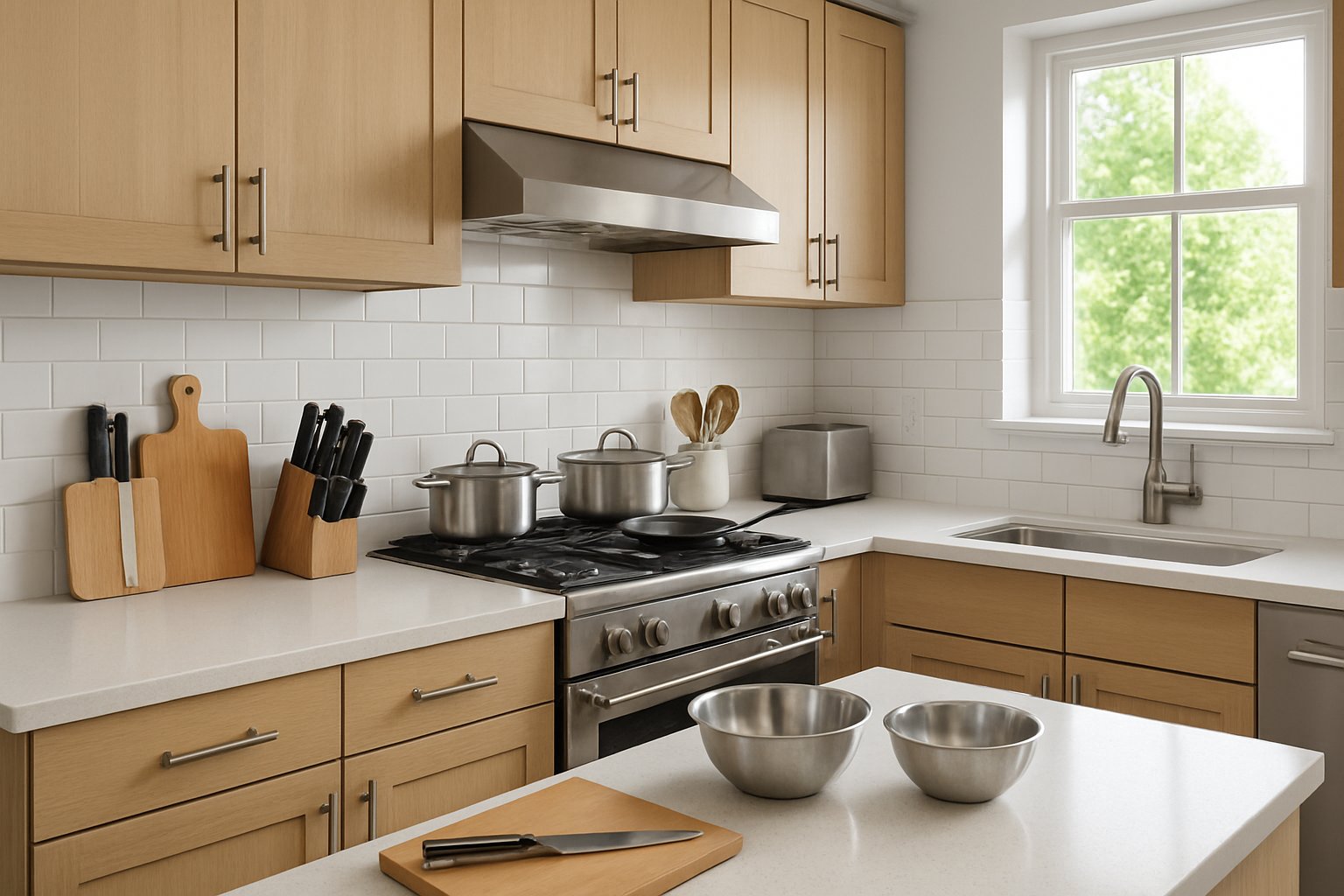
Kitchens run smoother when we organize by task. Keep cutting boards, knives, and mixing bowls near your main prep counter. Pots, pans, and spatulas belong close to the stove.
Put dish soap, sponges, and towels by the sink. If there’s a dishwasher, store everyday plates and glasses nearby so unloading is quick.
Must-have zones:
- Prep zone: Cutting boards, knives, bowls, measuring cups
- Cooking zone: Pots, pans, utensils, oils, everyday spices
- Cleaning zone: Soap, scrubbers, towels, trash bags
If you bake a lot, stash all your baking stuff together. Same for lunch-packing supplies—keep them in one spot if you’re packing lunches daily.
Designating a Family Snack or Coffee Station
Set up a grab-and-go spot for snacks or drinks so people aren’t always in your way while you cook. Stock a low drawer or cabinet with snacks, napkins, and small plates so kids can help themselves.
Keep your coffee maker, mugs, and coffee together. Toss in a basket for tea, sugar, and stirrers if you’re into that.
We keep water bottles in a cabinet near the fridge—no more “Where’s my bottle?” every morning.
Station basics:
- Snack station: Granola bars, crackers, fruit pouches, little bowls
- Coffee station: Coffee maker, mugs, coffee, filters, spoons
- Beverage station: Water bottles, juice boxes, cups with lids
Labels help, especially if everyone shares the space. This way, people can grab what they need without causing traffic jams.
Clever Kitchen Storage and Space Solutions
Smart storage turns a messy kitchen into a functional one. We can squeeze more out of the space we have by using cabinets better and going vertical.
Maximizing Cabinet and Drawer Space
Cabinets work harder when we add pull-out drawers for spices or canned goods. These organizers let us see everything—no more losing stuff in the back.
Drawer dividers keep utensils and tools from getting tangled. Assign a drawer for food storage bags, towels, or gadgets, and use organizers to stop the chaos.
Toe-kick drawers (those skinny drawers at floor level) are sneaky spots for flat stuff like baking sheets or extra towels.
Deep island cabinets hold big appliances and bulk goods. For gadgets you don’t use every day, stash them in an “appliance garage” with doors that close—out of sight, but not buried.
Creative Vertical and Pantry Storage Ideas
Walls are wasted space unless we use them. Hang cutting boards, utensils, or even cute kitchen tools on hooks or rails.
Above-cabinet space is good for storage bins, cookbooks, or rarely used items. Rolling carts with tiers corral produce like onions and potatoes without hogging counter space.
For the pantry: Group like with like—oils with oils, cans with cans. Matching jars or containers make everything look neater and help you spot what’s running low.
Open shelves show off your most-used items and make small kitchens feel bigger.
Labeling, Containers, and Spice Organization
Labels and a little spice organization save a ton of time. When everything’s clearly marked, you’re less likely to grab the wrong thing or use something past its prime.
Tips for Labeling Containers and Pantry Items
We’ve all reached for sugar and gotten salt instead. Labeling solves that—especially when you’re rushing.
Waterproof labels or a label maker are great for pantry staples. In damp spots, go for vinyl or laminated labels. Add the name and date, especially for things like flour or rice.
What to put on labels:
- Item name (be specific)
- Purchase/expiration date
- Cooking instructions for homemade mixes
- Allergen notes if needed
Stick labels where you’ll see them—fronts for jars on shelves, lids for stuff in drawers. Permanent marker works in a pinch, but it fades.
Try color-coding: one color for baking, another for grains, another for snacks. Makes it easier for everyone to find what they need.
Building a Functional Spice Wall
A spice wall makes it easy to see—and actually use—your spices. Put them on open shelves, magnetic boards, or racks you can mount.
Uniform jars look cleaner and stack better. Glass with tight lids keeps flavors fresher than plastic.
Mount the rack near your prep space, but not right above the stove (heat kills flavor). A blank wall or inside a cabinet door works. Organize spices alphabetically or by how often you use them—keep your go-tos front and center.
Label the lids and fronts. That way, you can see what’s what whether they’re on a tiered rack or in a drawer. Add the date so you know when to toss old spices.
Meal Planning, Prep, and Pantry Staples
Dinner goes smoother when we’ve got a plan and a stocked pantry that fits how we actually eat.
How to Meal Plan for Stress-Free Evenings
Meal planning doesn’t have to be a big deal. Pick one day a week (Sunday is popular, but whatever works) to sketch out meals.
Check your calendar before you decide what to make. Busy nights call for quick meals—think sheet pans or slow cookers. Save complicated stuff for when you have time.
Keep a running list of family favorites. Jot down 15-20 meals everyone will eat (or at least not complain about). This list saves you from the “what’s for dinner?” rut.
Look through your pantry and fridge before planning. You’ll probably find stuff you forgot, which helps avoid waste.
Theme nights make things even easier—Taco Tuesday, Pasta Thursday, whatever. Rotate recipes to keep it interesting.
Meal Prep Techniques for Busy Families
Weekend prep makes weeknights less hectic. You don’t have to cook everything ahead—even a little prep helps.
Try these:
- Wash and chop veggies in advance
- Cook proteins in bulk (chicken, beef, beans)
- Portion snacks into grab-and-go containers
- Wash salad greens and store with paper towels
Batch-cook basics like rice or pasta for a few meals. Make a big pot of beans and freeze portions for quick dinners.
Label everything with the date. Trust me, you won’t remember when you chopped those onions.
Go for clear, stackable containers so you can see what you’ve got. Nothing’s worse than digging for a lid that doesn’t fit.
Daily Maintenance and Cleaning Essentials
A family kitchen works best when we stay on top of little messes instead of letting them pile up. Having cleaning supplies handy and sticking to quick routines keeps things ready for whatever’s next.
Cleaning Supplies Every Kitchen Needs
You don't need a closet full of specialized products to keep a kitchen clean. A basic dish soap cuts through grease on dishes, counters, and stovetops. Keep it near the sink so you can grab it fast.
Microfiber cloths work better than paper towels because they actually trap crumbs and dust, not just move them around. It's handy to have at least five, so there's always a clean one ready. Toss them somewhere easy to reach.
White vinegar and baking soda handle most tough jobs naturally. Mix equal parts water and vinegar in a spray bottle for counters and appliances. Baking soda paste scrubs away stubborn stains but won't scratch your surfaces.
A good all-purpose cleaner saves time when you need something stronger than dish soap. Just make sure it's food-safe for kitchen use. Toss in a scrub brush for grout and a spray bottle for quick countertop cleaning.
Simple Kitchen Maintenance Routines
We wipe down counters and the stovetop after each meal with warm water and dish soap. It takes just a couple of minutes but stops grease from building up into a nightmare later. A damp microfiber cloth does the trick.
Washing dishes right away or loading the dishwasher keeps the sink clear. Afterward, wipe the sink basin to get rid of food bits and keep smells away. Running hot water for a few seconds helps flush out any leftovers.
Sweeping the floor daily catches crumbs before they get tracked everywhere. In busy kitchens, a quick sweep after dinner makes a big difference. If there's a spill, spot-mop it right away instead of waiting for the big weekly mop.
Taking out trash when it's full keeps smells and fruit flies at bay. We stash extra bags at the bottom of the bin so swapping liners is quick. Altogether, these habits take maybe fifteen minutes but keep the kitchen ready for action.
Encouraging Family Participation and Smooth Routines
Getting everyone involved in kitchen tasks turns an organized kitchen into a shared space. Cooking feels easier and less overwhelming when responsibilities are split. When we set up consistent habits, we cut down on stress and teach life skills at the same time.
Assigning Kitchen Tasks to Family Members
Match tasks to what people can do and when they're around. Young kids can wash produce, set the table, or put away unbreakable stuff in lower cabinets. Teens can chop veggies, follow recipes, or load the dishwasher. Adults handle trickier cooking and heavy lifting.
A simple rotation keeps things fair. Stick a chart on the fridge showing who's doing what each week—one person preps, another cooks, someone else cleans up. That way, no one gets stuck with the same dreaded job over and over.
Task Assignment Tips:
- Match jobs to skill and ability
- Rotate weekly to keep things fresh
- Post a schedule everyone can see
- Change things up when schedules shift
Make expectations clear from the start. When everyone knows their role, there's less confusion and frustration.
Building Lasting Organized Cooking Habits
Consistency matters more than getting it perfect. Pick one or two habits to focus on at first—trying to change everything overnight just doesn't stick.
Try a weeknight pattern: set aside time for prep before starting, clean as you go, and finish full cleanup before leaving the kitchen. Do it enough and it becomes second nature.
Habit-Building Strategies:
- Set meal prep times (like Sunday afternoons)
- Keep go-to items in the same spot, always
- Put ingredients back right after using them
- Wipe surfaces after each cooking session
Link new habits to ones you already have. If family dinner is always at 6 PM, add "everyone puts away their own dishes" right after. Piggybacking like this works better than starting from scratch.
Frequently Asked Questions
Organizing a family kitchen brings up a lot of questions about what actually works. Here are some things we've learned about decluttering tight spaces, making tools accessible, storing utensils, planning meals, dealing with small kitchens, and speeding up cleanup.
What are some effective strategies for decluttering a crowded kitchen space?
Start by emptying one zone at a time—don't try to tackle the whole kitchen at once. Check expiration dates on spices and pantry items first, since those pile up fast.
If you haven't used a gadget in six months, it's probably not worth the space. Be honest about those one-trick tools that seemed fun in the store but never made it into your routine.
Give away duplicates and donate things you know you won't use. Most families don't need three can openers or four cheese graters.
Set up a holding box for questionable items. If you don't reach for anything in that box after a month, that's your answer—let it go.
Can you share tips on maintaining a kid-friendly and accessible kitchen?
Put kids' dishes, cups, and snacks in lower cabinets or drawers they can reach on their own. It cuts down on "can you get me..." requests and helps them feel confident.
We use open bins or baskets on low shelves for grab-and-go snacks. If your kids can't read yet, label them with pictures; if they can, simple words work.
Keep a step stool handy so kids can reach the sink or help with prep at the counter.
Have a drawer or container just for kids' kitchen tools—plastic measuring cups, wooden spoons, cookie cutters. When they know where their stuff goes, they're more likely to help and clean up.
Use drawer locks or latches only for truly dangerous stuff, like cleaning supplies and sharp knives. Locking everything just makes kids more curious and doesn't teach safety.
What's the best way to sort and store kitchen utensils for maximum efficiency?
Group utensils by what you use them for, not just by type. We keep all the cooking tools (spatulas, spoons, tongs) near the stove, and serving utensils by the dining area.
Drawer dividers or utensil crocks stop everything from turning into a jumbled mess. Clear dividers are great—you can see everything right away.
Put your most-used utensils closest to where you'll need them. Cooking tools by the stove, prep tools by the cutting board, baking tools by the mixing area.
Toss anything that's damaged or just doesn't work right. A bent whisk or a wobbly spatula is more hassle than help.
Try hanging your go-to tools on a rail or magnetic strip. They're easy to grab and you free up drawer space for the stuff you don't use as often.
How do meal planning and prep techniques contribute to a more organized kitchen?
Meal planning cuts down on the daily "what's for dinner?" panic and stops you from buying random ingredients you won't use. When you know what you're making, you only buy what you need.
Batch prepping on one day—chopping veggies, portioning snacks, marinating proteins—keeps the kitchen cleaner the rest of the week.
Use clear, labeled containers with dates for prepped ingredients and leftovers. Deli-style containers in a few sizes stack nicely, and you can see what's inside without opening them.
Have a fridge zone just for meal-prepped stuff and tonight's dinner ingredients. No more hunting for that chopped onion.
Plan easy meals for your busiest days. Sometimes Tuesday's dinner just needs to be simple, and that's fine—it keeps stress and mess down.
Could you suggest organization hacks for small kitchens with limited storage?
Pop tension rods inside cabinets to make vertical slots for baking sheets, cutting boards, and lids. Suddenly, that wasted space is useful.
Lazy Susans in corner cabinets or pantry shelves make it easy to grab oils, vinegars, and spices. No more digging through the back for that one bottle.
A pegboard on a blank wall works wonders for pots, pans, and go-to utensils. It might seem like a restaurant thing, but it actually helps in small home kitchens.
Nest items inside each other—stack mixing bowls, nest measuring cups, keep pot lids with their pots. Every inch helps in a small space.
A rolling cart adds prep space and storage. Roll it out when you need it, tuck it away when you don't.
Use the inside of cabinet doors for Command hooks, shelves, or magnetic strips. It's a sneaky spot for measuring spoons, towels, or knives.
What are your top kitchen organizing tips to simplify meal clean-up and maintenance?
Try to keep your sink empty as much as possible. If you rinse dishes and load them straight into the dishwasher, you’ll avoid that dreaded pile-up that makes the kitchen feel chaotic.
Put drinks and liquids on the bottom shelf of your fridge door. If something spills, it’s way easier to wipe off the door than to deal with sticky messes on shelves crowded with food.
Clean as you go—seriously, just wipe down counters and rinse prep tools during those little breaks while you’re waiting for water to boil or food to bake. It’s not always perfect, but it makes the end-of-meal mess way less intimidating.
I swear by the “one-touch rule.” When you finish with something, put it back where it belongs right away. If you set things down to deal with later, let’s be honest, “later” usually never shows up.
Try running the dishwasher every night before bed, then emptying it first thing in the morning. That way, there’s always space for dirty dishes and you don’t end up with a sink full of stuff staring you down.
Big cutting boards are a game changer—they catch scraps and keep your counters safe. I keep a little bowl nearby for food waste, so it goes straight to compost or trash without making extra trips back and forth.
Share:
How to Label Kitchen Containers for Long-Term Organization
How to Keep Your Kitchen Countertop Clutter-Free