

Check out our latest home & kitchen collection!
Opening your fridge to find limp lettuce, shriveled peppers, or mushy berries, yeah, it’s a letdown. We buy produce with the best intentions, but somehow it ends up sad and wasted. The culprit? Usually, it’s not the produce. It’s how we’re storing it.
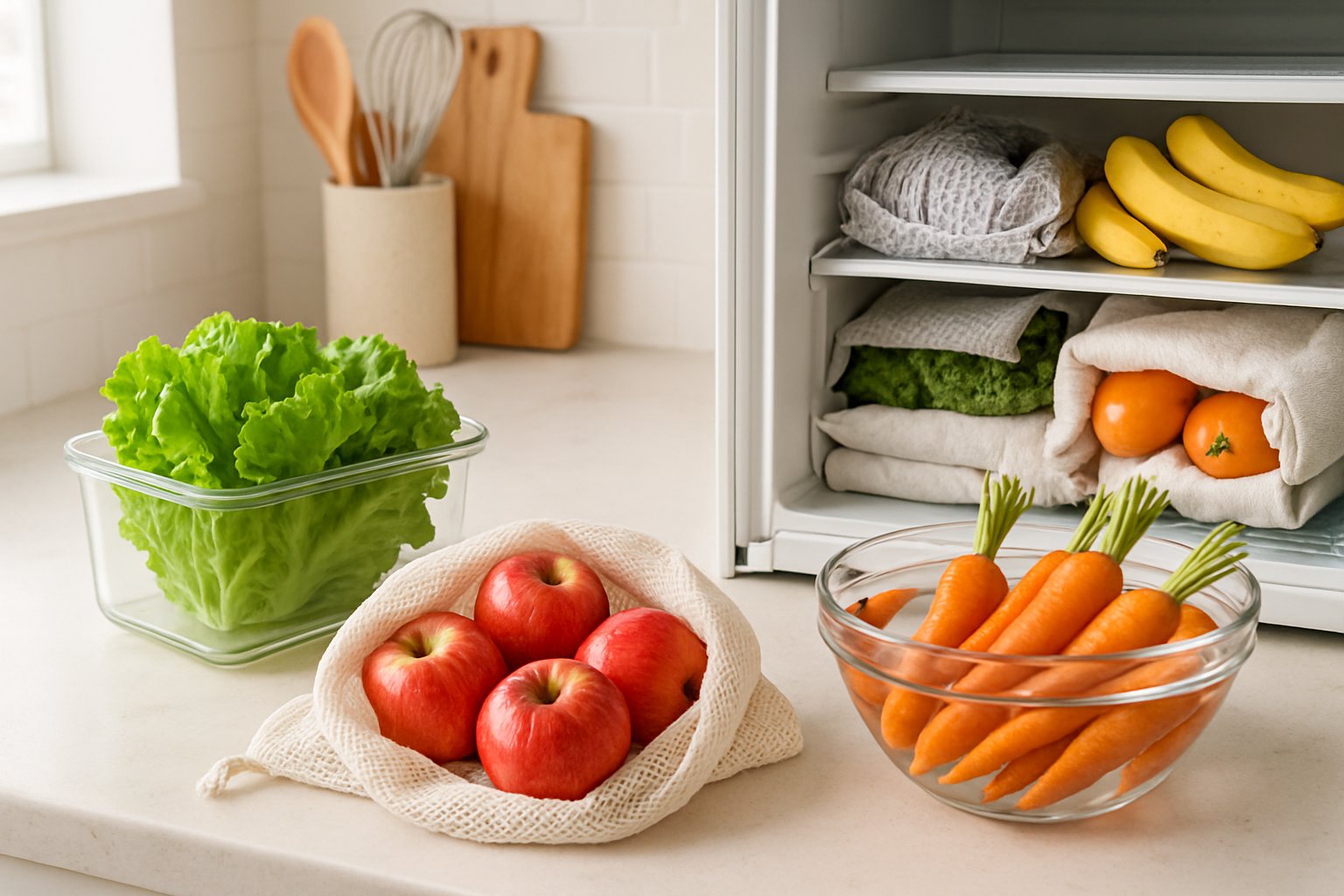
The real trick to crisp fruits and veggies is balancing moisture, airflow, and temperature, and keeping ethylene gas producers away from the ones that hate it.
Some things need the humidity of your crisper drawer, others want to breathe on the counter. A few need to stay bone-dry. Get these details right and you’ll be surprised how much longer things last.
Let’s get into some storage methods that actually make a difference. You’ll see which fruits and veggies can hang out together (and which need space), how to set up your fridge drawers, and a few hacks to perk up wilting greens. Less waste, better meals, and maybe a little more money left over, that’s the idea.
Key Takeaways
- High-moisture veggies like leafy greens do best in high-humidity drawers, wrapped in paper towels; low-moisture stuff like peppers prefers low humidity
- Keep ethylene-heavy fruits (apples, tomatoes) away from ethylene-sensitive veggies (cucumbers, leafy greens) to slow spoilage
- Don’t wash produce until you’re about to use it—extra moisture speeds up decay
Why Proper Storage Keeps Produce Crisp
When we store fruits and veggies right, we’re controlling the things that decide if they stay crunchy or turn into a soggy mess. The right setup slows moisture loss, manages ethylene gas, and keeps cell walls intact. All of this means fresher, tastier produce that you’ll actually want to eat.
Nutritional and Flavor Benefits
Good storage keeps those vitamins and minerals locked in—especially the water-soluble ones like vitamin C and B vitamins. If you just toss greens in the fridge any old way, they can lose half their vitamin C in a few days. That’s a lot.
Flavor takes a hit too if you don’t pay attention. Ever bitten into a carrot that’s gone rubbery and bland? That’s cell walls breaking down, sugars and aromas fading away. When you store produce where it wants to be—crisper drawer, counter, wherever—you keep those flavors and nutrients right where they belong. The snap of a fresh veggie? That’s the good stuff still inside.
Preventing Spoilage and Waste
We waste a shocking amount of food—up to 40%, and produce is a big chunk of that. Most of the time, it’s because we store things in ways that make them rot faster. Let moisture sit on veggies or let ethylene build up, and you’re basically setting up a rot factory.
You can fight this with a few small changes:
- Temperature control slows down enzymes and bacteria
- Humidity management keeps greens perky but avoids soggy mold
- Ethylene separation stops gas-makers from ruining sensitive veggies
Keep apples away from lettuce, stand herbs up in water like flowers, or tweak your crisper drawer vents. Sometimes that’s all it takes to keep things going a lot longer.
Impact on Meal Prep Efficiency
Nothing throws off dinner plans faster than discovering your celery is limp or your spinach is slimy. If you store produce right from the start, you won’t get stuck mid-recipe with a pile of unusable greens.
Crisp, ready-to-go veggies make cooking way easier. No need to chop off gross bits, soak wilted leaves, or run to the store at the last minute. Spend a few minutes up front—organizing drawers, wrapping herbs—and you’ll save time and stress all week.
Understanding Ethylene Gas and Its Effects
Ethylene gas is a natural plant hormone—it’s what makes some fruits and veggies ripen. Some types crank out a lot of it, others are super sensitive to it. If you don’t separate them, things go bad fast.
Which Produce Emits Ethylene
Climacteric fruits are the main culprits here. They keep ripening after harvest and pump out plenty of ethylene.
Big ethylene producers:
- Apples – all types, especially when ripe
- Bananas – even green ones give off a lot
- Avocados – big jump once they start ripening
- Tomatoes – keep ripening thanks to ethylene
- Stone fruits – peaches, nectarines, plums, apricots
- Pears – ripen best off the tree with ethylene
- Melons – cantaloupe, honeydew (not watermelon)
- Mangoes, papayas – often picked green, ripen at home
A few veggies, like potatoes, also give off some ethylene—enough to make other things sprout or spoil if you’re not careful.
Produce Sensitive to Ethylene
Lots of veggies and a handful of fruits wilt or rot fast when exposed to ethylene. Leafy greens are the worst—wilting, yellowing, soft spots, you name it.
Ethylene-sensitive stuff:
| Vegetables | Effects of Ethylene Exposure |
|---|---|
| Leafy greens (lettuce, spinach, kale) | Wilting, yellowing, soft spots |
| Broccoli and cauliflower | Yellowing, browning, off-flavors |
| Carrots | Bitterness, softening |
| Cucumbers | Premature yellowing and softening |
| Asparagus and green beans | Toughening, yellowing |
Surprisingly, watermelons are sensitive too. Berries aren’t super sensitive, but they last longer if you keep them away from ethylene producers.
Separating Fruits and Vegetables for Freshness
If you want your produce to last, just keep high ethylene producers away from sensitive items. Use different fridge drawers or storage spots.
Easy separation tips:
Put apples in one crisper drawer, broccoli and carrots in another. If you only have one drawer, put the sensitive veggies there and stash the fruit elsewhere.
On the counter, don’t let bananas and tomatoes sit near potatoes or onions. Potatoes and onions both make some ethylene, but together they’ll make potatoes sprout and onions get soft.
You can use ethylene to ripen stuff fast, though. Toss a hard avocado in a paper bag with a ripe banana—the gas will ripen it in a day or two. The paper bag traps ethylene but lets air in, so you don’t get moldy fruit like you might with plastic.
Essential Storage Tools for Maximum Freshness
Having the right gear can add days or even weeks to your produce’s life. Think containers that manage moisture and airflow, salad spinners to dry greens, and special bags for fruits and veggies.
Choosing the Right Containers
Not every container does the same job. Glass containers with vents are great for things that need airflow. Solid plastic ones are better for cut-up produce that should stay sealed. Adjustable vents are handy—you can tweak humidity for what you’re storing.
And size matters way more than most people think. Too big, and there’s too much air—stuff dries out.
Fridge Storage Strategies for Crisp Fruits and Veggies
Your fridge can be a produce powerhouse—if you use it right. Know your humidity levels, drawer settings, and where to stash what, and you’ll get way more mileage out of your fruits and veggies.
Mastering the Crisper Drawer
Most fridges have two crisper drawers, each meant for different types of produce. The trick is matching your produce to the drawer’s moisture level.
Leafy greens like lettuce, spinach, and kale go in the high-humidity drawer. Same for broccoli, carrots, and green beans—anything that dries out easily. This drawer keeps moisture in, so things don’t shrivel.
Low-humidity drawers are for produce that rots faster than it wilts. Peppers, zucchini, cucumbers, and most fruits fit here. The vents let out excess moisture and ethylene gas, which helps slow decay.
Just using these drawers the way they’re meant to be used can double how long your produce lasts. Seriously, it’s a small change with big results.
Humidity Settings and Zones
If your crisper drawers have vents, close them for high humidity and open them for low. That’s how you control airflow and moisture.
High-humidity produce:
- Leafy greens (spinach, lettuce, arugula)
- Fresh herbs (except basil)
- Broccoli and cauliflower
- Carrots and celery
Low-humidity produce:
- Apples and pears
- Stone fruits (peaches, plums)
- Peppers and squash
- Avocados (when ripe)
Asparagus does best standing upright in a jar of water in the fridge. Treat it like a bouquet—cover the tops loosely with a bag.
Arranging Produce in the Fridge
Where you put stuff matters, not just which drawer it’s in. The top shelves are the most stable temperature-wise, so delicate things like berries and grapes go there.
Keep apples and tomatoes away from ethylene-sensitive veggies, even in the fridge. Store gas-makers on a separate shelf or in their own container.
Middle shelves are good for pre-cut veggies in airtight containers. Line the containers with paper towels to soak up extra moisture and avoid slime.
Don’t keep produce in the fridge door. It’s the warmest spot thanks to all the opening and closing, so things spoil faster. That space is better for drinks or condiments.
Room Temperature Storage: When the Counter Is King
Not everything belongs in the fridge. Some fruits and veggies lose flavor and texture if you chill them. A few need warmth to ripen or just taste better left out.
Best Produce for Counter Storage
Tomatoes hate the fridge. Cold makes them mealy and kills the flavor. Keep them stem-side down, out of the sun, until they’re ripe.
Bananas, avocados, and stone fruits (like peaches and plums) need room temp to get sweet and soft. They put out ethylene as they ripen, which is exactly what you want on the counter.
Potatoes, onions, and garlic like it cool, dark, and ventilated—not cold. Store them apart, because onions make potatoes sprout faster. Sweet potatoes want the same treatment.
Winter squash and whole melons can stay on the counter for weeks. Once you cut them, though, get them into the fridge within a couple hours.
Citrus fruits are flexible. The counter keeps their oils and aroma better, but if you want them to last more than a week, the fridge is fine.
Transitioning Ripened Produce to the Fridge
Once something’s ripe, you can slow it down by moving it to the fridge. This is especially handy for avocados, stone fruits, and berries you’re not ready to eat.
Cold temps slow down enzymes and ethylene. A ripe avocado, for example, will last another 3-5 days in the fridge instead of turning to mush on the counter.
Bananas are a little different—fridge stops the ripening but makes the peel brown (the inside’s still fine). Melons and pineapple taste way better if you let them come up to room temp before eating, even if you kept them chilled.
Produce Prep: Washing, Drying, and Cutting Without Losing Crunch
How you wash, dry, and cut produce totally affects how long it stays crisp. If you time the wash right, dry things thoroughly, and use the right containers after cutting, you’ll get a lot more life out of your fruits and veggies.
When to Wash—And When Not To
It's usually best to wait and wash fruits and veggies right before you use them. Washing them ahead of time adds moisture, which just encourages bacteria and makes everything spoil faster.
If you can’t stand the dirt and want to wash right away, just be sure to dry things off thoroughly with a clean paper towel before putting them away. That extra drying step helps keep rot at bay.
Thicker-skinned produce—apples, melons, cucumbers, root veggies—should get a good scrub with a clean produce brush, even if you’re planning to peel them. Otherwise, bacteria on the outside can sneak onto the edible part when you cut through. Don’t bother with soap or bleach. Running water is all you need.
Some things need their own approach. Garlic and onions? Rinse them before cutting so you don’t drag anything nasty from the outside in. Broccoli and cauliflower work better if you cut them dry, then rinse the pieces in a strainer afterward.
Salad Spinner Tricks for Leafy Greens
A salad spinner is honestly the MVP for keeping greens crisp after washing. If you leave water clinging to lettuce, spinach, or herbs, they’ll wilt and get slimy fast.
After rinsing greens in cold water, toss them in the spinner basket—don’t cram it full. Give it a good 10-15 spins until you don’t see any more droplets. For fragile stuff like baby greens or herbs, go a little easier so you don’t bruise them.
Once they’re dry, stash the greens in a container or bag lined with a paper towel. That towel grabs leftover moisture, and the container keeps the leaves from getting smashed. If the towel gets soggy, swap it out every few days for best results.
Storing Cut Fruits and Vegetables Safely
Cut produce dries out and browns fast if you don’t protect it. Move chopped fruits and veggies into airtight containers right after prepping. That helps slow down oxidation.
Crunchy veggies—carrots, celery, radishes—do great submerged in cold water in a covered container. Change the water every day or two to keep things crisp. Bell peppers and cucumbers do better with a dry paper towel in the container instead of water.
Cut apples, pears, and avocados brown quickly. Toss slices with lemon or lime juice, or even diluted vinegar, to slow it down. For avocados you’ll use soon, storing them cut-side down in a shallow dish of water works as a quick fix.
Keep cut fruits and veggies in separate containers. Certain fruits give off ethylene gas that’ll make veggies spoil faster. Mark containers with prep dates using tape or a marker so you know what to eat first.
Special Tips for Herbs and Delicate Greens
Herbs and delicate greens are fussy—they dry out fast. The best storage depends on what you’ve got: tender herbs like basil, or tougher ones like parsley.
Best Practices for Fresh Herbs
Most herbs act a lot like flowers. Trim the stems at an angle, stand them up in a jar with an inch of water, and loosely cover with a plastic bag in the fridge.
A few exceptions:
- Basil hates cold and turns black in the fridge.
- Chives and dill do better wrapped in a damp paper towel.
- Rosemary and thyme are fine with drier conditions.
Change the water every couple days so things don’t get slimy. If any leaves touch the water, pinch them off—they’ll rot first and mess up the rest.
Chopped herbs? Wrap them in a barely damp paper towel and seal in an airtight container. They’ll last 2-3 days this way.
Keeping Leafy Greens Crisp
Baby spinach, butter lettuce, and spring mix are some of the quickest to wilt. Their thin leaves usually last only three or four days, while kale can hang on for a week or more.
If you bought greens in sealed packaging, keep them in there. Those bags are designed to slow spoilage. Once opened, transfer to a plastic bag or container with a damp paper towel inside.
For delicate greens:
- Crisper drawer = best spot (higher humidity)
- Keep it cool—ideally 35-38°F
- Don’t wash until you’re ready to eat
- Pull out any damaged leaves right away
If you do wash greens ahead of time, don’t dry them out too much. A hint of dampness is good—the surface water evaporates first, protecting the leaves’ own moisture.
How to Store Basil, Parsley, and Cilantro
Basil is picky. Keep it at room temp, stems in water, out of the sun. Like a bouquet on the counter. It’ll last up to a week and won’t get those awful black fridge spots.
Parsley and cilantro are happier in the fridge using the jar method—trim, stand in water, tent with a plastic bag. Cilantro can stay fresh for nearly two weeks this way.
Want to keep herbs longer? Chop them, press into ice cube trays, cover with water or olive oil, and freeze. Pop out a cube whenever you need a hit of fresh flavor.
Frequently Asked Questions
Smart containers, good temperature control, and keeping the right things apart can keep produce fresh way longer. Here’s what actually works in practice.
What are the best containers to use for keeping veggies crunchy in the fridge?
Perforated plastic bags or vented containers work best for most veggies. They let in a bit of air, so things don’t get soggy or bone dry.
For greens, wrap them loosely in paper towels inside a container or bag. The towels soak up extra moisture that would cause wilting.
Glass containers with lids are awesome for cut carrots and celery. Add a splash of water at the bottom to keep them snappy and ready to snack on.
Could you share effective tips for extending the crispness of fruits and veggies without a fridge?
Root veggies—potatoes, onions, garlic—stay crisp longest in a cool, dark, dry place with good airflow. Mesh bags or open baskets in a pantry work well.
Store tomatoes stem-side down on the counter, away from sunlight. They’ll keep their flavor and firmness for days.
Keep apples and bananas in separate bowls. Both give off ethylene gas, but mixing them speeds up ripening. Store them apart from each other and other produce.
What's the ideal refrigerator temperature to ensure my produce stays fresh and snappy?
Aim for 35°F to 38°F. That’s cold enough to slow down bacteria and spoilage, but not so cold you freeze your greens.
Check your fridge thermometer now and then—temps can swing with door openings or weather. If it creeps above 40°F, produce softens and spoils much faster.
Any tricks up your sleeve to slow down the ripening process of my fruit haul?
Separating ethylene-heavy fruits from others is key. Bananas, avocados, apples, and stone fruits all crank out ripening gas.
Let avocados, pears, and stone fruits soften on the counter, then move them to the fridge to buy a few more days.
Bananas last longer if you wrap the stems in plastic wrap or foil. It sounds odd, but it really does slow things down a bit.
What's the ultimate Produce Storage Guide for maintaining that just-picked freshness?
It comes down to three things: manage ethylene gas, match foods to the right temperature, and control humidity.
Keep ethylene-producing fruits away from sensitive veggies by using separate drawers or shelves. Store cold-lovers like berries, greens, and broccoli in the fridge. Tomatoes, potatoes, and bananas prefer the counter.
Use your fridge’s crisper drawers wisely—set one to high humidity for greens and herbs, and the other to low for fruits and veggies that are prone to rot. This little tweak can practically double the shelf life of a lot of produce.
Do you have a handy chart for fruit and veggie storage that I can reference for maximum crispness?
Fridge (High Humidity Drawer): Leafy greens, broccoli, carrots, cucumbers, celery, green beans, asparagus, fresh herbs
Fridge (Low Humidity Drawer): Apples, grapes, strawberries, blueberries, peppers, mushrooms
Counter (Then Fridge): Avocados, peaches, plums, nectarines, pears, kiwis
Counter Only: Tomatoes, potatoes, onions, garlic, winter squash, bananas
Honestly, we just stuck this list on our fridge door—otherwise, it’s way too easy to blank on where things belong when you’re unpacking groceries.
Share:
The Most Effective Ways to Organize Kitchen Drawers
Creating a Zero-Waste Kitchen Through Better Storage Habits