

Check out our latest home & kitchen collection!
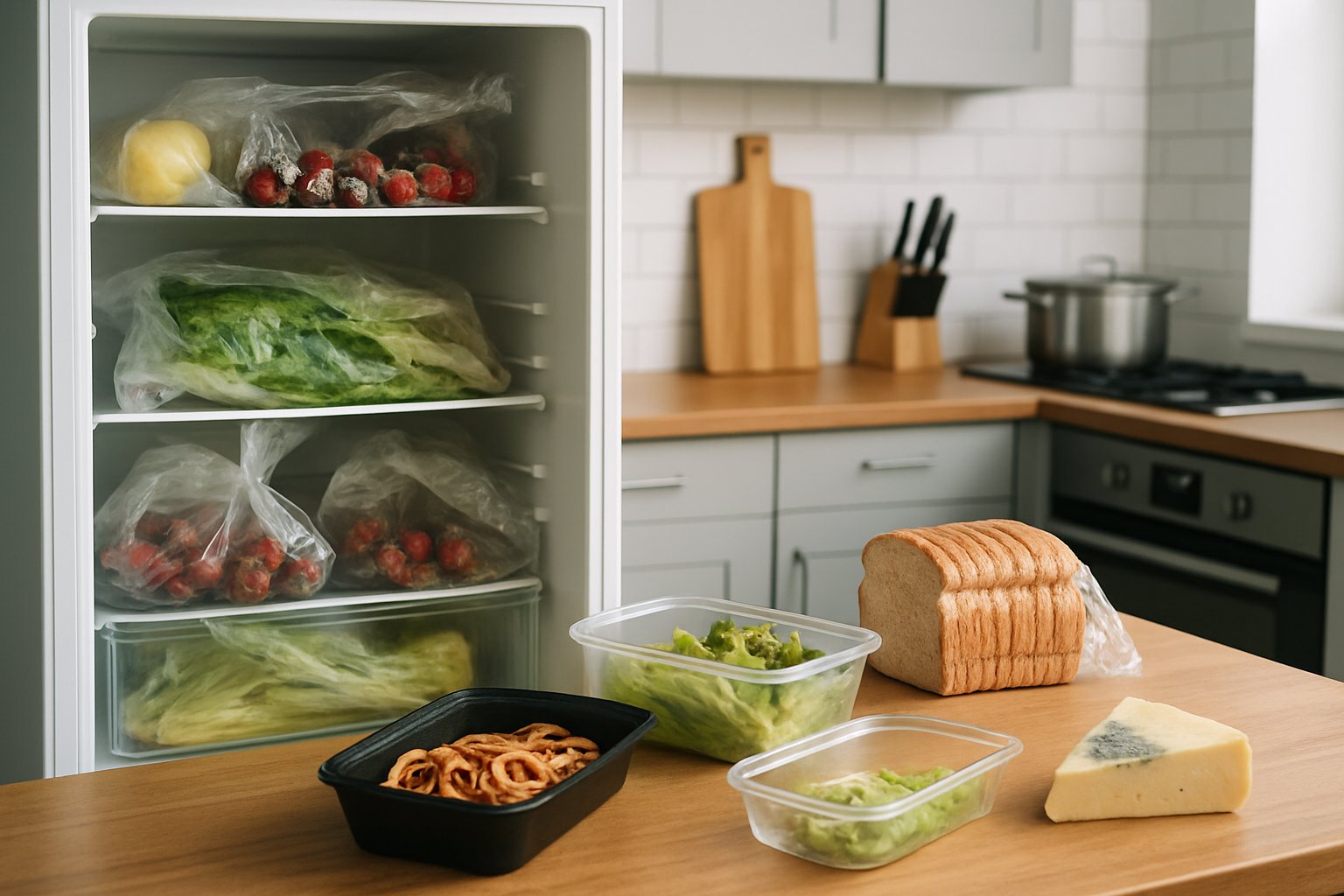
Most of us don’t realize just how much our kitchen organization habits impact how long our food stays fresh.
We head home with bags of groceries, full of good intentions, but a few careless storage choices can turn fresh produce into mush and pantry staples into science experiments in no time.
The upside? These are problems we can actually fix, if we know what to watch for.
Tweaking how we store food can add days, sometimes weeks, to its shelf life. That means less waste and a little relief at the checkout line.
Storing the wrong foods together, using the wrong containers, or just not paying attention, these are easy mistakes that almost everyone makes.
Who hasn’t rediscovered some mystery leftovers in the back of the fridge, or watched bananas brown at warp speed?
If we know which habits are working against us, we can make better choices without much fuss. This guide digs into the most common goofs and offers fixes that don’t require fancy gadgets or a total kitchen overhaul.
So, what’s quietly sabotaging your groceries, and what can you do about it?
Key Takeaways
- Keep your fridge cold enough and use the right containers—these basics matter more than you think.
- Certain foods just don’t play well together. Keep onions and potatoes or ethylene-heavy fruits away from veggies to slow spoilage.
- Simple organization systems with clear labels and a “use it before you lose it” mindset can save a surprising amount of food.
Improper Food Storage Essentials
Getting food storage right means nailing the basics—temperature, containers, and a little food safety know-how. Miss these, and you’re basically setting yourself up for a fridge full of regret.
Common Food Storage Mistakes
A lot of us set the fridge temperature too high. Bacteria love a cozy environment, and anything above 38°F is risky. Yet, how many people actually check with a thermometer? Most of us just trust the dial and hope for the best.
Mixing fruits and veggies in the same drawer is another classic blunder. Apples, bananas, and avocados pump out ethylene gas, which can turn nearby greens into wilted messes fast. That’s money (and salad) down the drain.
Then there’s the container conundrum. Leaving leftovers in the pot you cooked them in doesn’t keep them fresh, and metal can even change the taste. Flimsy packaging lets air in, so leftovers go off before you get to them. Airtight glass or BPA-free plastic containers with snug lids make a real difference.
Understanding Food Safety Basics
Food safety is all about avoiding the “danger zone”—between 40°F and 140°F—where bacteria multiply like crazy. Don’t leave perishables out for more than two hours. Hot food needs to cool for about half an hour before you refrigerate it, but don’t forget about it on the counter.
Food date labels are confusing. “Use by” is about safety; “best before” just means peak quality. We waste a lot by tossing food that’s still perfectly fine, just because of a misunderstood date.
Cross-contamination sneaks up on us. Storing raw meat above ready-to-eat foods? That’s a recipe for disaster. And don’t leave food in opened cans—metal can leach into your meal and mess with the flavor.
Impact of Poor Storage on Food Waste
Bad storage habits mean more food—and money—ends up in the trash. Opaque containers hide leftovers, so they get forgotten and rot. Unlabeled stuff turns into mystery meals no one dares touch.
Milk and eggs stored in the fridge door get hit with temperature swings every time you open it, cutting their shelf life short. That’s more spoiled milk, more wasted eggs.
When the pantry’s a mess, older food gets buried and expires. We end up buying what we already have, while perfectly good food goes bad behind the clutter. A simple “first in, first out” system helps, but it’s easy to skip when life gets busy.
Neglecting Airtight Containers for Dry Goods
Leaving dry goods in their original bags or using loose lids is just asking for trouble. Air, moisture, and pests will ruin your pantry stash faster than you’d think. The difference between food that lasts for months and food that goes stale in a week? Usually, it’s the container.
Risks of Not Sealing Food Properly
Letting air at your food means flour goes rancid, crackers get chewy, and rice loses its snap. Oxidation breaks down fats and oils, making food taste weird and old. Who hasn’t opened a box of cereal and found it disappointingly limp?
Moisture sneaks in and clumps up sugar and salt, grows mold in flour, and just makes everything feel off. Even a dry kitchen isn’t immune—humidity finds a way.
And pests? Oh, they love a loosely sealed pantry. Weevils, moths, beetles—they’ll chew through thin bags and cardboard like it’s nothing. Once they’re in, you’re tossing out a lot more than just one box of pasta.
Choosing the Right Airtight Container
Glass containers don’t absorb smells or flavors and keep things like flour or coffee pure. Downside: they’re heavy and breakable.
BPA-free plastic is lighter and usually cheaper. Look for snap-lock or click-seal lids that actually keep air out. These are perfect for pasta, cereal, and grains.
Stainless steel lasts forever and doesn’t rust. It’s solid for nuts, seeds, and anything with oils that can go rancid.
Don’t forget about size. Too much empty space means more air, but overstuffed containers won’t seal well. Try to match the container to what you’re storing, with just a little headroom.
Benefits for Shelf Life and Freshness
Seal things right, and dry goods can last months or even years longer than in their store packaging. Pasta in an airtight jar? Good for a year or more. Flour keeps its quality for twice as long.
It adds up. Save food, save money. Airtight containers pay for themselves pretty quickly if you’re not tossing out stale or buggy food.
And honestly, food just tastes better. Spices stay punchy, nuts keep their crunch, and grains don’t get that weird musty thing going on. You’ll actually want to use what you have.
Mistakes with Perishable Items
Perishables are needy—they spoil fast if you don’t treat them right. Temperature swings, bad containers, and sloppy storage can turn your fresh haul into a science project before you even get to it.
Improper Storing of Perishable Items
Grabbing whatever’s handy for storage? Not always a good idea. Containers that aren’t airtight let deli meat and cheese dry out, and reusing non-food containers can introduce weird smells or worse.
Leaving food in the store packaging is just as risky. That thin plastic wrap or produce bag isn’t built to last.
Better storage habits:
- Use airtight, food-safe containers for the fridge
- Wrap meat and seafood tightly in plastic or foil before chilling
- Store greens in perforated bags to keep the right moisture balance
- Label everything with the date—future you will thank you
Don’t cram containers full, either. Food needs a little space for air to circulate, or bacteria will find their happy place.
Temperature Troubles in the Fridge
A lot of fridges aren’t as cold as we think. The sweet spot is 34-39°F (1-4°C). Above that? Bacteria multiply, and food spoils faster.
Most folks never check their fridge with a thermometer—they just trust the dial. But dials drift, and you can’t always tell by touch.
Overloading the fridge blocks airflow, creating warm spots. After a big grocery run, it’s tempting to stuff everything in, but that just means some things won’t stay cold enough.
Quick tips:
- Stick a thermometer in the fridge and check it once a week
- Aim for 37°F (3°C)
- Don’t linger with the door open
- Let hot foods cool a bit before you put them away
Not Using the Bottom Shelf for Raw Meats
Storing raw meat on higher shelves is a recipe for cross-contamination. Any leaks can drip onto foods below—like your salad or last night’s leftovers. Yikes.
The bottom shelf is colder and contains any mess. But we still tend to stash raw chicken or beef wherever there’s room. Not a great idea.
Keep raw meat, poultry, and seafood on the bottom shelf, ideally in a tray to catch leaks. That way, other foods stay safe and cleanup is a breeze. Cooked foods and produce belong up top, away from any potential drips.
Poor Produce Storage Habits
Fresh fruits and veggies are picky. Store them wrong, and they’ll spoil before you even have a chance to use them. Where you put produce, how you organize it, and how you handle moisture all matter—a lot.
Keeping Produce in the Wrong Place
Not every fruit or veggie likes the fridge. Tomatoes, for example, lose flavor and go mealy when chilled. Cold turns their texture weird and dulls their taste.
Potatoes, onions, and garlic want a cool, dark, dry spot—not the fridge. Cold converts potato starches to sugar, giving them an odd sweet flavor and weird color when cooked. Keep these in a pantry or cupboard, away from light.
Produce that stays out:
- Tomatoes (until ripe)
- Potatoes
- Onions
- Garlic
- Winter squash
- Bananas (until ripe)
Leafy greens, berries, and most veggies need refrigeration right away. Knowing which is which just makes life easier and food tastier.
Not Separating Fruits and Vegetables
Certain fruits—like apples, bananas, and avocados—give off ethylene gas, which speeds up ripening and can spoil nearby veggies. Stick them next to lettuce or carrots, and those veggies will turn limp fast.
But you can use ethylene to your advantage. For instance, putting an apple with potatoes slows sprouting. Still, keep ethylene-producers away from delicate greens and herbs.
Set up zones in your fridge drawers. Keep ethylene-sensitive stuff away from the gassy fruits, or use bags to create a barrier. You’ll notice your produce lasts longer.
Ignoring Humidity Control
Most fridges have humidity controls in the crisper, but who actually uses them? High humidity is best for leafy greens and herbs. Low humidity is better for fruits and things that rot easily.
High humidity: Leafy greens, herbs, broccoli, peppers
Low humidity: Apples, grapes, stone fruits, mushrooms
Don’t wash produce before storing—it just invites mold. Keep things dry until you’re ready to use them. A quick wipe with a paper towel gets rid of dirt without adding moisture.
Overcrowding and Organization Errors
When we cram food into every available space, skip labeling, or ignore airflow, we’re basically setting ourselves up for food to spoil faster. It’s easy to fall into these habits, but they cost us in the long run.
Overpacking the Fridge or Pantry
Stuffing too much food into your fridge or pantry blocks air flow and makes it tough to see what you actually have. When cold air can’t circulate, some foods stay warmer than they should, which means they spoil faster.
Let’s be honest: who hasn’t bought a second jar of mayo just because the first one was hiding behind a mountain of leftovers? That’s how food gets wasted—out of sight, out of mind.
What overpacking looks like:
- Food tumbles out when you open the door
- You can’t find what you need without digging
- Mystery items lurk in the back
- Some fridge spots feel colder (or warmer) than others
Try leaving about 20% of the shelf space open. That gives air some room to move and helps you actually spot what’s in there.
Skipping Food Rotation and Labeling
If there’s no system for knowing what you have or when it expires, you’re basically setting yourself up for food storage fails. A lot of us just shove new groceries in front of the old ones, or we forget to date leftovers.
The first-in, first-out trick helps: move older stuff to the front so it gets used first. Grab some masking tape and a marker—label containers with what’s inside and the date. It’s not rocket science, and it saves you from the “what even is this?” guessing game later.
Jot down both the storage date and a “use by” date on leftovers. Most cooked food is fine for 3-4 days in the fridge, but I’ll admit, it’s easy to forget when you made something.
Organizing for Optimal Air Circulation
Where you put things matters more than you’d think. In the fridge, leave gaps between items so cold air reaches everything. Trust me, it’s worth it.
Keep the fridge at 40°F or below. Overstuffing makes the compressor work overtime and creates warm spots. Try grouping items with similar expiration dates so you can check them quickly without having to rearrange the whole shelf.
In the pantry, don’t shove things flat against the wall or stack cans so deep that nothing breathes. Shelf risers or lazy Susans can help you use vertical space and still see (and reach) everything.
Special Storage Slip-Ups for Specific Items
Some foods are just picky about how they’re stored, and ignoring their quirks means you’ll be tossing them out sooner. Bread goes stale in the fridge, potatoes and onions don’t play nice together, and cheese hates being suffocated in plastic wrap.
Storing Bread and Baked Goods Incorrectly
I’ve been guilty of tossing bread in the fridge, thinking it’ll last longer. Actually, the cold makes bread go stale faster—science calls it starch retrogradation, but all you need to know is you’ll end up with a sad, hard loaf. Room temp in a bread box or paper bag is best if you’ll eat it in a couple days.
Want to keep it longer? Freeze it. Wrap the loaf tightly in plastic, then foil, and freeze for up to three months. Slicing before freezing makes it easy to grab just what you need.
Pastries and croissants need to breathe. Airtight containers make them soggy. A loose paper bag keeps them from drying out but doesn’t trap moisture. Muffins and quick breads actually do fine in an airtight container for 2-3 days at room temp—after that, freeze ‘em.
Not Separating Potatoes and Onions
Potatoes and onions seem like they should be storage buddies, but storing them together is a classic mistake. Onions give off ethylene gas and moisture, which makes potatoes sprout and rot faster.
Keep them separated:
- Onions go in a mesh bag or wire basket with lots of air flow
- Potatoes do best in a paper bag or a box with holes
- Give them a few feet of distance
- Both like it cool and dark, around 45-55°F
Don’t store potatoes with apples or other high-ethylene fruits either. Check both regularly and pull out any sprouting or soft ones right away—one bad potato really can spoil the bunch. And keep potatoes in the dark; light turns them green and a bit toxic.
Improper Cheese and Dairy Storage
Plastic wrap traps moisture and suffocates cheese, which leads to mold and weird flavors. Cheese needs to breathe but not dry out. Cheese paper is best, but parchment or wax paper works too. You can wrap the paper-covered cheese in foil for extra protection.
Hard cheeses like cheddar and parmesan handle storage better than soft ones. Store them in the warmest part of the fridge—the door or top shelf—where it’s about 40°F, not in the coldest back spots.
Milk and yogurt should go on interior shelves, not in the door where temps swing every time you open it. Keep dairy in its original packaging—manufacturers know what they’re doing. Butter’s the exception; it’s fine in the door since it doesn’t spoil as easily.
Frequently Asked Questions
Storing food right means thinking about where you put it, what you put it in, and how those choices affect freshness and safety.
What missteps in organizing my fridge could be causing my food to go bad more quickly?
Sticking food on the wrong shelf is a big one. If you put raw meat above salads or leftovers, juices can drip down and contaminate ready-to-eat food.
It’s better to keep foods that need less cooking on the top shelf, and stuff that needs higher temperatures on lower shelves. Raw chicken (needs 165°F) should go below ground beef (needs 155°F).
And don’t keep perishables in the fridge door. The temp changes every time you open it, which shortens the life of dairy, eggs, and meat. Those belong in the coldest parts of the fridge.
Which types of containers are the MVPs when it comes to keeping pantry goods super fresh?
Airtight glass containers are tough to beat for pantry staples. They keep out moisture and air, which means things stay fresh longer.
They’re also microwave and dishwasher safe, and you don’t have to worry about BPA like you do with some plastics. For things like flour, rice, and pasta, use containers made for food storage that keep out moisture and bugs.
Don’t reuse takeout containers or yogurt tubs for long-term storage. They’re fine for a day or two, but they don’t seal properly and weren’t built for it.
Let's spill the tea: How does the wrong container lead to a food wasteland in my kitchen?
Bad containers let in air and moisture, which makes food spoil way faster. If the seal isn’t tight, dry goods get stale or even moldy.
If you use plastic containers that held non-food stuff, you might get weird smells or even chemicals leaching into your food. Flimsy containers crack and warp, letting air sneak in.
No tight seal? You’re pretty much rolling out the welcome mat for bacteria and mold. Leftovers are especially risky—they can grow harmful bacteria in hours if exposed to air.
Looking to evict bugs from your pantry party? What are the top storage containers to keep them uninvited?
You need airtight containers with solid locking lids to keep pests out. Look for ones labeled pest-proof—they usually have silicone gaskets or clamp-down lids that really seal.
Glass or thick plastic with screw-tops is way better than thin, bendy containers. Bugs can chew through cheap plastic bags and containers, so spending a bit more upfront saves you grief later.
For best results, transfer any opened flour, sugar, cereal, or grains into sealed containers right away. Cardboard and paper bags are basically invitations for pantry bugs.
I'm curious, could you list a few food safety faux pas that I might be unknowingly committing?
Leaving food uncovered in the fridge is a big one. Even a quick stop on an open plate can let bacteria or weird smells hop over.
Putting hot food straight into sealed containers traps steam, which creates moisture—perfect for bacteria. Let food cool first, then cover and store it.
Not rotating your food means old stuff gets shoved to the back and forgotten. Always put new groceries behind the old so you use the oldest first.
And don’t forget about fridge temps. Keep it between 35°F and 38°F, never above 40°F. The freezer should stay below 0°F.
In the world of refrigeration real estate, what's the smartest way to pack your food for ultimate freshness?
Let’s talk shelf strategy. Keep ready-to-eat stuff up top, and stash raw meats or things needing higher cooking temps down low. That way, if anything leaks, you’re not risking a gross mess on your salad greens.
Dairy and eggs? They belong in the coldest zone, usually the back of the middle shelves—not the door, no matter how tempting those little egg slots look. The temp’s just more stable back there, and your milk will thank you.
Honestly, it’s best to use covered, airtight containers for everything. Leaving food open just invites weird smells, dries things out, and isn’t exactly safe. I mean, who wants their strawberries tasting like last night’s garlic pasta?
Some produce just hates the cold. Tomatoes, potatoes, onions, and whole melons do better at room temp—the fridge messes with their texture and flavor. But apples and ripe peaches? Those need chilling, or they’ll turn mushy in no time.
Share:
The Role of Airtight Containers in Maintaining Food Quality
A Guide to Safe Food Storage Temperatures in the Home