

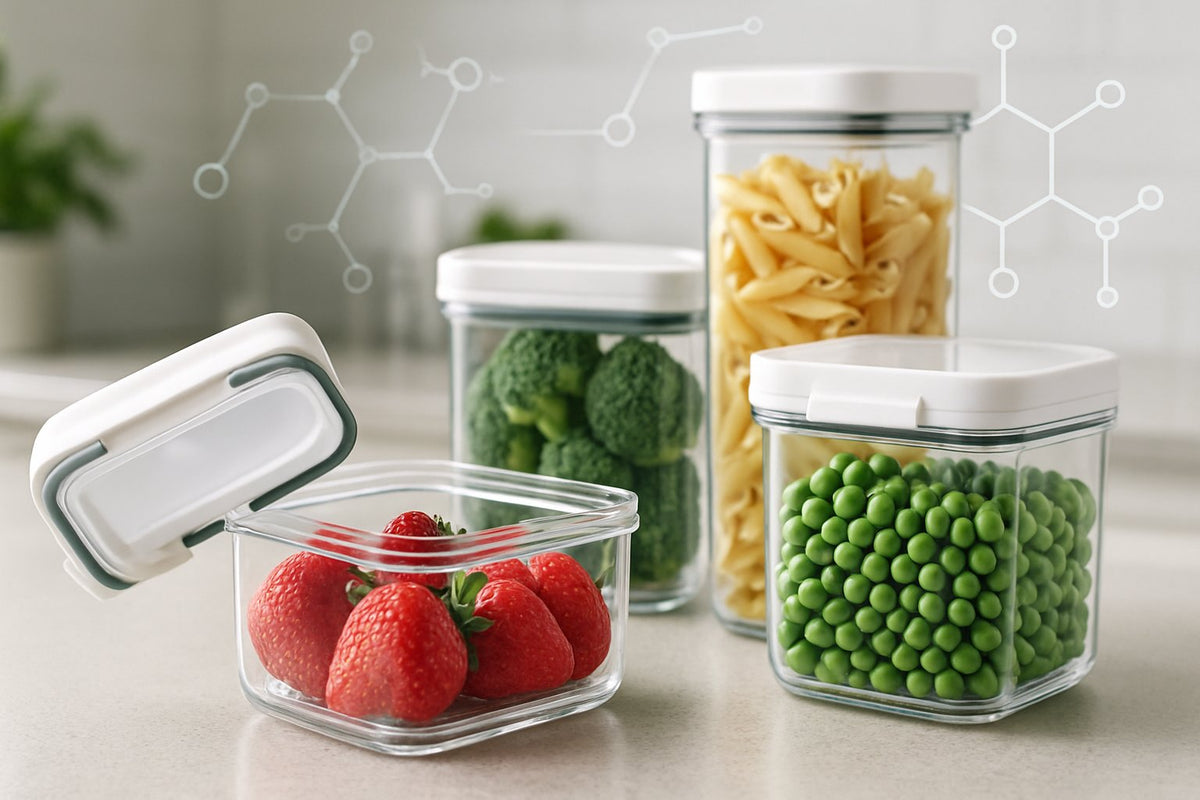
Food waste hits most households right in the wallet, and a lot of it comes down to how we store our food. Who hasn't found a mystery container in the back of the fridge, or watched lettuce wilt before its time?
Airtight containers create sealed environments that block air and moisture, preventing the oxidation and microbial growth that cause food to spoil quickly.
The difference between food that lasts a couple days and food that stays good for weeks often comes down to storage. Exposed to air, ingredients lose flavor, texture, and nutrients, and they're just sitting ducks for contamination.
Once you get how airtight containers really work, it’s easier to pick the right ones and actually make them work for you.
Plastic, glass, stainless steel, each has its perks for different foods and situations. Let’s dig into the science behind airtight seals, break down material choices, and look at some practical ways to organize your kitchen and cut down on waste.
Whether you’re prepping lunches or stocking the pantry, the right containers can seriously stretch the life of your groceries.
Key Takeaways
- Airtight sealing keeps air out, stopping oxidation, moisture loss, and bacteria in their tracks
- Glass, plastic, and stainless steel containers each have their own strengths for different storage jobs
- Picking the right containers and using them well can help you waste less food and keep your kitchen organized
How Airtight Containers Preserve Food Quality
Airtight containers keep food protected by locking out air, moisture, and anything else that might want to sneak in. This shield tackles the big three food spoilers: oxidation, drying out, and bacteria.
Preventing Oxidation and Spoilage
Store food in a regular container, and oxygen starts breaking things down almost immediately—nutrients, texture, you name it. With airtight containers, that oxygen just can’t get in.
Oxidation hits foods differently. Fats and oils go rancid, stinking up your fridge. Veggies lose crunch and start browning. Cooked meats? They turn gray and lose their appeal.
Airtight containers also slow down bacteria and mold by keeping moisture in check. Bacteria need both air and water to multiply, so seal them out and you've got a decent head start. This matters a lot for stuff like cheese, deli meats, and leftovers that seem to go south in a hurry.
Just by swapping out loose wraps for airtight containers, you can squeeze a few extra days out of refrigerated foods.
Maintaining Freshness and Flavor
Food tastes best when it keeps its natural moisture and those subtle flavor notes. Airtight containers trap both, so your food doesn’t end up dry or bland from sitting in the fridge.
Fridges pull moisture right out of unprotected foods. That’s why your salad greens wilt and bread turns to cardboard if you leave them open. Cheese gets that weird, hard edge.
Another perk: airtight containers stop odors from hopping between foods. You don’t want last night’s onions flavoring your breakfast yogurt, right? With a good seal, you can store all sorts of strong-smelling stuff side by side.
Glass and BPA-free plastic containers with silicone seals do a great job here. The seals keep air out, and the materials don’t hold onto old smells or flavors.
Reducing Food Waste by Extending Shelf Life
Food waste adds up, often because things spoil before we get to them. Airtight containers tackle this by stretching shelf life.
Studies suggest that airtight storage can double or even triple how long foods last in the fridge. Leafy greens can stick around for a week or more. Cooked grains stay soft instead of getting tough overnight. Chopped veggies don’t turn slimy so fast.
Clear containers make it easy to see what you’ve got, so you’re less likely to let things rot in the back of the fridge. When you can actually see your food, you’re more likely to use it up.
Honestly, investing in a decent set of airtight containers pays off by saving money on groceries and cutting down on those last-minute trips to replace spoiled food.
Science Behind Airtight Containers
Airtight containers rely on some basic science—mainly how seals block air and moisture, and how that affects bacteria and spoilage. The real magic is in the details of the seal and the materials.
How Seals Block Air and Moisture
The seal’s the hero here. Most containers use silicone or rubber gaskets that squeeze tight against the rim when you snap the lid on. This keeps out both air and water vapor.
Silicone seals are flexible and don’t break down from oils or acids. Rubber works too, but it might not last as long if you use it a lot. Some high-end containers add extra layers to the seal for even better protection.
Glass containers with good seals do the best job at blocking air. Glass itself doesn’t let air through, while plastic can slowly let a little in over time—not usually enough to matter for everyday storage, though.
Impact on Microbial Growth and Preventing Contamination
Bacteria, mold, and yeast need oxygen to grow, so airtight containers slow them way down. Less oxygen, less spoilage.
Moisture matters too. Lots of spoilage bugs love humidity. By keeping outside moisture out and managing what’s inside, airtight containers make life tough for anything that wants to grow in your food.
They also keep out bugs, dust, and whatever else might be floating around. So it’s not just about chemistry—it’s a physical shield, too.
Role in Food Preservation Techniques
Airtight containers aren’t just for leftovers. If you vacuum seal them, you pull out almost all the oxygen, which slows down the stuff that makes fats go bad and vitamins break down. Shelf life gets a big boost.
Some foods do better with a specific mix of gases rather than no air at all. Airtight containers let you keep whatever atmosphere you want inside—less oxygen, more nitrogen, whatever works for that food.
And when it comes to temperature, airtight containers help a lot. They stop moisture from condensing when you move food between warm and cold spots, which helps keep texture and prevents freezer burn.
Types of Airtight Containers for Food Storage
Materials matter, and so do size and shape. The right combo keeps your food fresh, your kitchen organized, and your sanity intact.
Airtight Pantry Jars vs. Vacuum Storage
An airtight container limits air exchange once the lid is closed, but it does not remove the air already inside. Vacuum storage uses a pump to remove air from compatible bags or containers. Choose between them based on the food and how you plan to store it.
| Storage option | Suitable foods | Practical use |
|---|---|---|
| Airtight pantry glass jars | Flour, sugar, rice, pasta, oats, and dried beans | Keep dry pantry ingredients visible and easy to scoop while limiting exposure to outside humidity. |
| Compatible vacuum storage bags or canisters | Freezer portions of meat, cooked meal portions, and suitable dry foods | Reduce air exposure and organize portions. Bags suit flexible storage, while canisters support foods that need protection from crushing. |
Use containers and bags designed for the intended storage conditions. Ordinary pantry jars are not automatically vacuum-compatible, freezer-safe, microwave-safe, or oven-safe. Neither airtight nor vacuum storage sterilizes food or replaces safe refrigeration, freezing, and recommended storage times.
Plastic, Glass, and Stainless Steel Options
Plastic containers are everywhere—light, cheap, and pretty convenient. Just make sure you go for BPA-free, especially if you’re microwaving. They come in every shape and size, so you can store anything from cereal to snacks.
Glass containers are sturdy, don’t hold onto smells or stains, and you can pop them in the microwave or oven. They’re heavier and can break, but tempered glass helps with that.
Stainless steel is tough and doesn’t rust, even if you use it daily. It won’t react with acidic foods, so tomatoes and citrus are safe. The downside? You can’t see what’s inside without opening them, but they’re great for long-term storage or big batches of dry goods.
Choosing the Right Size and Shape
Pick sizes based on what you actually store, not just what looks nice on the shelf. Small containers (1-2 cups) are perfect for spices and sauces. Medium (4-8 cups) works for grains and leftovers. Big ones (12+ cups) are good for bulk stuff or meal prep.
Square and rectangular containers stack better and use space more efficiently than round ones. Round works best for soups and liquids—it’s easier to clean the corners.
Container Size Guide:
- Snacks & Spices: 1-2 cups
- Leftovers & Grains: 4-8 cups
- Bulk Storage: 12+ cups
- Meal Prep: 3-4 cups (standard portion size)
Stackable sets with matching lids make everything easier. Before you buy, measure your shelves so you don’t end up with containers that don’t fit.
Benefits of Transparent Containers
Clear containers are a game changer. You can see what’s inside without opening them, which keeps food fresher by limiting air exposure. Plus, it makes meal prep less of a guessing game.
Being able to spot what you have helps you use things up before they spoil. You’ll shop smarter, too, since you’re less likely to buy duplicates.
Glass is always see-through, but plenty of plastics are clear and lighter to carry. And honestly, a lineup of colorful ingredients in transparent containers just looks good—it makes staying organized feel a bit more satisfying.
Best Practices for Storing Perishable Items
Keeping perishables fresh is all about smart organization and paying attention. Temperature, placement, and rotation all play a part.
Organizing Your Fridge and Pantry
Think of your fridge like prime real estate. Keep perishables at 5°C (41°F) or lower—that slows down bacteria. The coldest spots (usually the back of the bottom shelf) are best for raw meats, fish, and dairy in airtight containers.
Keep raw stuff away from ready-to-eat foods to avoid cross-contamination. Use the upper shelves for leftovers and meals you’ve prepped—temperatures are steadier up there. The door is warmest and changes the most, so save that for condiments.
In the pantry, group similar foods together. Use stackable airtight containers to save space and keep pests out. Put things you use all the time at eye level, and stash the big, heavy stuff on lower shelves.
Labeling and Rotation for Maximum Freshness
FIFO (First In, First Out) keeps you from wasting food. When you add new groceries, move the older stuff to the front so you use it first.
Label every container when you fill it. Masking tape and a marker work fine, or grab some reusable labels. For meal prep, jot down both the prep date and when you should eat it by—3-4 days is a good rule for most refrigerated stuff.
What to label:
- What’s inside
- Storage date
- Use-by date
- Portion size, if it matters
Check your stash once a week for anything funky—bad smells, weird colors, odd textures. If it looks or smells off, toss it. A quick scan keeps the rest of your food safe.
Meal Planning and Efficiency with Airtight Containers
Airtight containers take the chaos out of meal planning. Prepped ingredients stay fresh, and you’re not left staring at a half-empty fridge wondering what’s for dinner. They also make it easy to store bulk buys, so you shop less and waste less.
Streamlining Meal Prep and Cooking
Airtight containers let us prep ingredients on Sunday and keep them fresh till Thursday—no limp veggies or bland leftovers. You can chop up veggies, cook grains, marinate proteins, and portion out snacks all at once, then seal everything up and trust it'll hold up.
Key meal prep benefits:
- Pre-portioned meals stay good for 3-5 days in the fridge
- Prepped ingredients like chopped onions or washed greens keep their crunch and moisture
- Batch-cooked stuff like rice, quinoa, or roasted veggies don’t get mushy
- Marinating proteins works especially well since sealed containers block odors from spreading
Container size actually matters. Smaller ones are great for single servings; bigger ones fit family-sized batches. Glass containers are a personal favorite—they're clear so you see what’s inside, and you can just toss them in the microwave.
Labeling with dates helps us keep track of what’s still safe. Most prepped veggies last 3-4 days, cooked proteins 3-5 days, and cooked grains can go for 5-6 days if sealed right.
Bulk Storage and Reducing Food Waste
Buying in bulk is only a win if we actually use what we buy before it goes bad. Airtight containers give us the extra time we need to make bulk shopping make sense.
Dry goods like rice, flour, pasta, and oats hang on for months—sometimes years—once you move them out of flimsy bags and into airtight containers. These containers block moisture, keep pests out, and stop that weird stale taste from creeping in.
| Food Item | Original Packaging | Airtight Container |
|---|---|---|
| White rice | 6 months | 1-2 years |
| All-purpose flour | 6-8 months | 1 year |
| Nuts | 2-3 months | 6-9 months |
| Coffee beans | 2 weeks | 1 month |
Storing leftovers right means less waste. Instead of tossing half a casserole that dried out, you pop it into an airtight container and it stays moist for another meal. Same goes for half-eaten bags of chips, opened cheese, or cut fruit that would otherwise brown and shrivel up in hours.
Maintaining and Caring for Airtight Storage Containers
Taking care of airtight containers means they’ll keep doing their job—and our food stays safe and tasty. Regular cleaning and checking for damage helps keep seals tight and food fresh.
Cleaning and Seal Upkeep Tips
Wash airtight containers after every use with warm soapy water, and pay extra attention to the rim where food gunk likes to hide. If you skip this, the seal won’t work right, and bacteria can start to grow.
For stubborn smells, try a baking soda paste or soak the container in vinegar for half an hour. Glass handles these treatments better than plastic, which can pick up odors over time.
Don’t forget the seals. Pull out silicone or rubber gaskets and wash them separately—otherwise, mold can sneak in. Let everything dry completely before putting it back together; trapped moisture is just asking for mildew.
Some containers can handle the dishwasher, but high heat might warp plastic lids or wreck seals. If you use the dishwasher, stick them on the top rack and away from the heating element.
Inspecting for Wear and Tear
Every few months, check seals for cracks or if they’ve lost their stretch. If the gasket’s shot, the container won’t seal no matter how hard you squish the lid. A quick water test works: fill it, seal it, flip it over the sink, and watch for leaks.
Plastic containers sometimes warp, especially around the rim. Warped edges mean the lid can’t seal tight. Snap-lid containers can also have broken clips or weak springs—if they feel loose, they’re probably not sealing right.
Manufacturers often sell replacement gaskets and lids, so you don’t have to toss the whole set. If you can’t see through cloudy or scratched containers, it might be time to swap them out—digging around for what you need isn’t fun.
Frequently Asked Questions
Airtight containers bring up a few practical questions—like, do they really keep food fresh? Do they keep out bacteria, or just make us feel better about leftovers? The seal keeps out air, but does that always help?
How does sealing food in airtight containers combat the devious bacteria and preserve freshness?
Airtight containers slow down spoilage by blocking oxygen, which most bacteria need to multiply. The seal keeps new germs out and holds moisture steady.
But here’s the catch: some bacteria, like Clostridium botulinum, actually thrive without oxygen. That’s why you can’t just seal up food at room temp and think it’s safe.
The real trick is using airtight containers with proper refrigeration. Keep things below 40°F, and you’ll slow bacteria way down—plus the seal keeps things from drying out or picking up fridge funk.
For dry goods, the seal keeps out bugs and dampness. That alone helps prevent mold and most bacteria from getting started.
Can you dish out the details on how airtight containers might affect the flavor and texture of our noms?
Airtight containers help food taste better for longer by stopping air from messing with flavors. Coffee, spices, and nuts keep their punch when you keep air out.
They also stop flavors from mingling—nobody wants onion-scented cookies.
Texture-wise, a good seal keeps snacks crispy and bread moist (well, up to a point). Crackers won’t go limp, and fresh bread doesn’t dry out as quickly.
But not everything loves being sealed up. Mushrooms and some berries can get slimy because they trap their own moisture and gases. Sometimes, a little air is a good thing.
What's the lowdown on the impact of airtight containers on the shelf life of pantry staples?
Airtight containers can make pantry staples last months—or even years—longer than if you leave them in their original bags. Flour, sugar, rice, and pasta all benefit from less air and less moisture.
Whole grain flours, in particular, go rancid fast when exposed to air, but in airtight storage, they keep much longer.
Grains and beans keep their nutrition and cook up better when stored airtight. No weird smells, no loss of flavor.
Brown sugar won’t turn into a brick if you keep it sealed with a little moisture source inside. Kind of a game changer, honestly.
Could you spill the beans on whether all foods benefit from the airtight treatment or if some prefer to breathe?
Nope, not everything wants to be sealed tight. Mushrooms need some air or they’ll get soggy and weird.
Fruits like bananas, avocados, and tomatoes ripen best when they can breathe a bit. If you seal them too soon, you might get odd textures or flavors.
Fresh bread is tricky. If you seal it while it’s still warm, you get condensation and a soggy crust. Sometimes it’s better to leave it loosely covered for a day or two.
Dry goods, cooked meals, and cut fruit generally do best in airtight containers. Whole produce? Sometimes a vented container or a paper bag is actually better.
Hard cheeses like a little air too, or else they get ammonia buildup. But you still want to protect them from drying out.
Wanna keep your snacks from going stale? How do airtight containers keep the crunch in your munchies?
Snacks like chips and crackers go stale when they suck up moisture from the air. Airtight containers block that humidity, so your munchies stay crisp.
The less air you trap inside, the better—less moisture to sneak in and ruin the crunch.
Cookies and baked goods also stay fresher in airtight containers, but make sure they’re totally cool before sealing or you’ll trap steam and get soggy results.
Are we hyping up airtight containers too much, or do they genuinely help maintain nutrients in our grub?
Airtight containers do help keep nutrients around, especially ones that can’t handle oxygen all that well. Vitamins A, C, and E, for example, start breaking down when they hit air, but a decent seal slows that down.
Some nutrients hate light, too. Many airtight containers block or at least dim the light, which helps protect things like riboflavin and a handful of antioxidants.
But let’s be honest—no container’s magic. Nutrients fade over time no matter what, and honestly, temperature probably matters more than just a tight lid.
Dried herbs, spices, nuts, and whole grains seem to hold onto their nutrients best in airtight containers since they’re mostly fighting off oxidation. If you’re storing fresh produce, though, getting the temperature and humidity right does more than just sealing it up.
Frozen foods? Yeah, airtight containers help there too. They keep out freezer burn, which wrecks cell structure and drains out those water-soluble vitamins.
Share:
How to Build a Functional Cooking Station in Your Kitchen
Simple Kitchen Storage Mistakes That Lead to Food Spoilage