

Check out our latest home & kitchen collection!
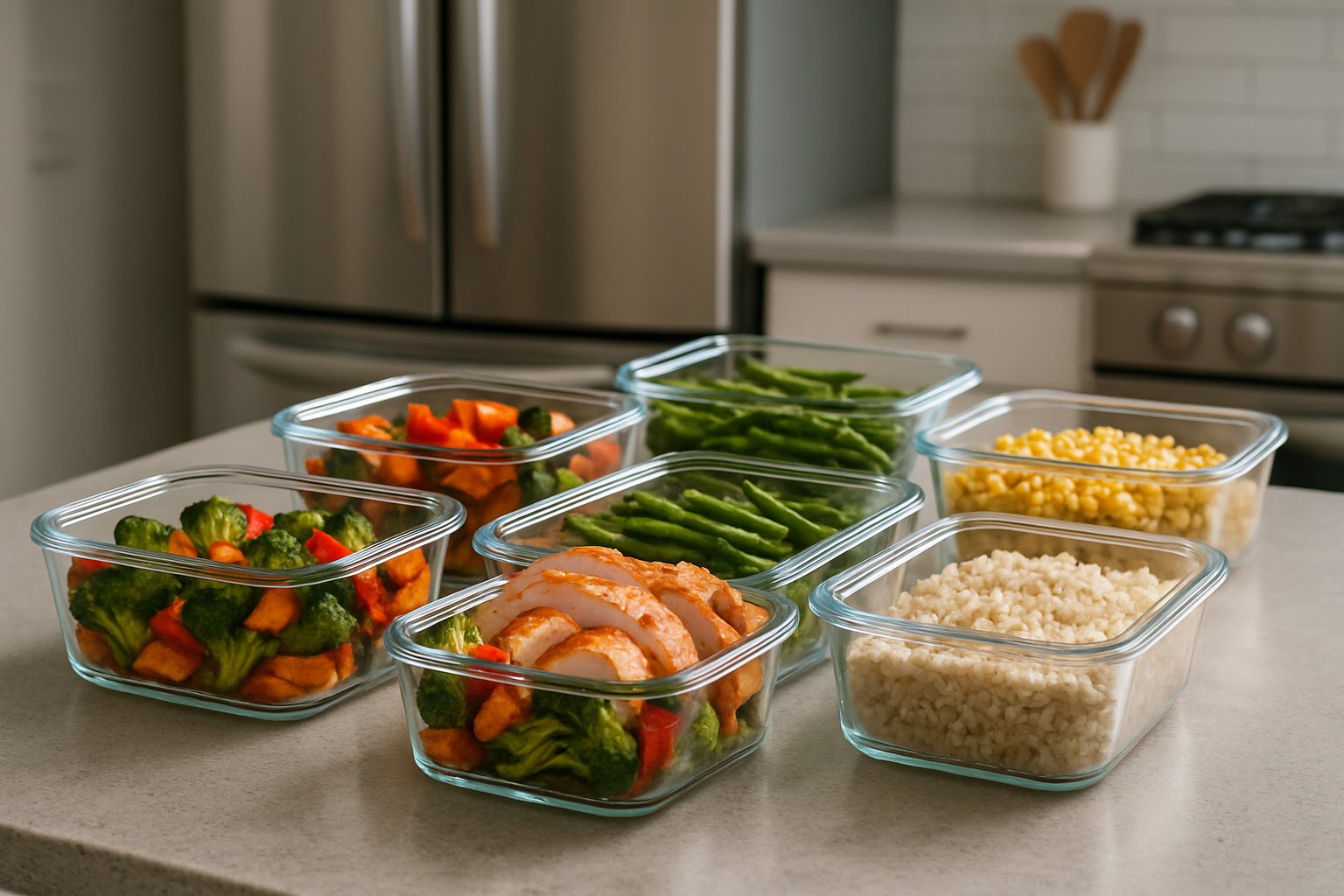
Storing cooked meals the right way is what stands between leftovers that taste like you just made them and, well, something you’d rather not eat.
We’ve all opened the fridge only to find last night’s dinner has dried out or taken on that weird freezer-burned flavor. Honestly, it’s disappointing. But keeping meals tasty and fresh isn’t mysterious, it’s just a matter of knowing a few key tricks.
The best way to store cooked meals? Cool them quickly in shallow containers, use airtight containers or vacuum-sealed bags, and keep them in the fridge at or below 40°F for short-term storage or freeze at 0°F for longer stretches.
Which method you pick depends on when you’ll eat the food and what kind of dish it is. Some foods freeze like a dream, but others are best kept in the fridge and eaten within a few days.
Let’s dig into the details, from picking the right containers to dodging the classic mistakes that ruin leftovers. Whether you’re meal prepping or just trying to make your food last, these tips will help you keep things tasty and safe, minus the guesswork.
Key Takeaways
- Cool cooked food quickly in shallow containers before refrigerating or freezing to stop bacteria and keep quality up
- Use airtight containers or vacuum-sealed bags to block air and moisture loss that wreck flavor and cause freezer burn
- Store food at the right temps (40°F or below for the fridge, 0°F for the freezer) and eat refrigerated meals within 3-4 days, or freeze for longer
Why Proper Storage Matters for Cooked Meals
Storing cooked meals right keeps them tasting good, holds their texture, and stops you from tossing food (and money) in the trash.
Preserving Flavor and Texture
If you store cooked meals the wrong way, you’re practically asking for dry proteins, rubbery textures, and mushy veggies. Grains can turn into a gluey mess. It’s not great.
Airtight containers help keep moisture in and air out, so flavors stay sharp. The USDA says to cool food fast and refrigerate within two hours for safety and quality. Shallow containers help food cool quicker and more evenly than deep ones, so textures don’t get weird.
Nutrients start to fade when food’s exposed to air and changing temps. Vitamins like C and B-complex are especially sensitive. By sealing food up and keeping the fridge cold (at or below 40°F), you’re holding onto more of the good stuff you cooked up in the first place.
Reducing Food Waste
Americans toss out about 30-40% of the food supply, and a lot of that is cooked meals forgotten in the fridge. Learning to store food safely stretches your meals from a day or two to several days in the fridge, or even months in the freezer.
Labeling containers with dates and what’s inside helps you remember what to eat first. Most cooked dishes last 3-4 days in the fridge; frozen meals can stay good for 2-3 months. Knowing this keeps you from throwing out perfectly fine food or, worse, eating something sketchy.
It’s smart to portion out meals, freezing individual servings instead of a giant batch. That way, you only thaw what you’ll actually eat. This works especially well for things like soups, stews, or casseroles.
Supporting Sustainable Eating Habits
Every meal you save from the trash shrinks your environmental footprint. Food production takes water, energy, and land, so wasting less just makes sense.
Good storage habits make meal prep easier. You can buy in bulk, cook bigger batches, and set aside portions for the week. That cuts down on packaging waste from lots of little purchases and saves energy since you’re not cooking every single day.
Once you get comfortable storing meals properly, you’ll probably cook at home more and rely less on takeout (and all those disposable containers). Plus, you can grab seasonal produce on sale, cook it up, and freeze it for later instead of buying expensive, out-of-season imports.
Cooling and Handling Cooked Food Safely
Cooling and handling food right keeps bacteria from turning your meals into a science experiment. Cool food quickly, watch your temps, and keep cooked stuff away from raw ingredients.
The Two-Hour Rule and Temperature Danger Zone
The “danger zone” sits between 40°F and 140°F. Bacteria love it there—they can double every 20 minutes. Don’t leave cooked food out for more than two hours, or just one hour if it’s hot in your kitchen (over 90°F).
After cooking, the clock’s ticking. A food thermometer helps you check that reheated meals hit at least 165°F, which kills off harmful bugs.
Temperature guidelines:
- Refrigerator: 40°F or below
- Freezer: 0°F or below
- Danger zone: 40°F to 140°F
- Safe reheating: 165°F minimum
Best Practices for Cooling Before Storage
Don’t put hot food straight into the fridge—it’ll warm everything up and risk other items. Split big batches into shallow containers (no more than 2 inches deep) so heat escapes fast.
An ice bath works wonders: set your hot food container in a bigger bowl of ice water and stir now and then. It cools things down way faster.
For soups and stews, spread them in shallow pans instead of leaving them in a deep pot. Once it’s close to room temp, get it in the fridge within two hours.
Preventing Cross-Contamination
Keep cooked food on upper fridge shelves and raw meat on the bottom, so nothing drips onto your ready-to-eat stuff. Use separate cutting boards and utensils for raw and cooked foods—no sense risking it.
Airtight containers keep food fresher and act as a barrier against germs. Wash your hands before handling cooked food and try not to touch your face, your phone, or other things during food prep.
When reheating, grab clean utensils, not the ones you used before storing. Date your containers so you know what to eat first.
Choosing the Best Storage Containers
The container you pick really affects how your meals taste and feel later. Material matters, seals matter, and knowing the pros and cons helps you make the best call for your kitchen.
Airtight Containers: Locking in Freshness
You need airtight seals to keep meals fresh. These containers block air, which would otherwise dry out your food and dull the flavor.
Look for containers with gaskets or silicone seals around the lid. Some have extra latches for a tighter fit. In my experience, those outperform the basic snap-on lids by a mile.
For the freezer, airtight seals are even more important. Test them by filling a container with water and giving it a shake—if it leaks, air can get in, and your food will suffer.
Vacuum-sealed bags are great for soups, stews, and marinated proteins. They suck out almost all the air. Standard freezer bags work too—just press out as much air as you can before sealing.
Plastic vs. Glass: Pros and Cons
Plastic containers have been everywhere for years, but concerns about chemicals like bisphenols and phthalates leaching into food have made a lot of us think twice. This is especially true if you’re storing hot, fatty, acidic, or alkaline dishes.
If you’re using plastic, let food cool before storing and don’t microwave it. That helps reduce chemical transfer.
Glass containers are a safer bet. They don’t leach chemicals and can handle temperature changes. You can see what’s inside without opening them, and they go straight from fridge to microwave.
Downsides? Glass is heavier and can break. Not ideal if you’re carrying lunch to work, but for home storage and reheating, it’s hard to beat.
Stainless Steel and Specialty Options
Stainless steel containers are tough, lighter than glass, and many are oven-safe (unlike some glass and all plastic). You can’t microwave them or see inside, though. They’re great for lunches, pantry storage, or freezer meals—just label them so you don’t forget what’s in there.
Some have divided compartments, which is awesome for keeping meal components separate. The containers themselves last forever; only the lids might wear out eventually.
There are also specialty options. Vacuum-seal systems are fantastic for batch cooking and long-term freezing. Collapsible silicone containers save space but can leak, so I stick to using them for dry goods.
Refrigerating Cooked Meals for Short-Term Freshness
Refrigeration keeps cooked meals safe and tasty for a few days—if you keep temps low and store food right. Knowing how long different foods last and where to put them in the fridge makes a big difference.
Optimal Temperature and Humidity Settings
Keep your fridge at or below 40°F (4°C). A fridge thermometer is handy since built-in displays aren’t always spot-on.
Crisper drawers are humid—good for produce, not so much for cooked meals. Store leftovers in the main compartment, where humidity’s lower and temps are steadier.
Every time you open the fridge, temps can swing. Keep perishable foods off the door shelves—the back of the middle shelf is usually coldest and most stable.
If you’re cooling a big batch, use ice packs around your containers. That helps them chill faster and keeps the fridge from warming up.
Safe Storage Duration by Food Type
Different foods last different amounts of time in the fridge. Here’s what I stick to:
| Food Type | Storage Duration |
|---|---|
| Cooked meat and poultry | 3-4 days |
| Cooked seafood | 1-2 days |
| Soups and stews | 3-4 days |
| Cooked pasta and rice | 3-5 days |
| Cooked vegetables | 3-4 days |
| Egg-based dishes | 3-4 days |
Seafood goes off quickest—eat it within two days. Seriously, day-three fish is never good.
Cooked rice is tricky. It can harbor Bacillus cereus spores that survive cooking. Refrigerate rice within two hours and reheat until it’s steaming (at least 165°F).
Always date your containers. It makes meal prep so much easier when you know what to eat first.
Organizing Your Refrigerator for Meal Prep Lovers
Arrange your fridge so meal prep is easy. Ready-to-eat stuff and tonight’s dinner go up top. Middle shelves hold meal prep containers, oldest in front.
Raw ingredients like meat go on the bottom shelf, away from cooked meals. Clear, stackable containers let you see what’s inside without opening every lid.
I like having zones: one for proteins, one for grains, one for veggies. It makes grabbing what you need a breeze.
Use door shelves for condiments and sauces. Don’t put leftovers there since temps aren’t as stable.
Freezing Cooked Meals for Long-Term Storage
Freezing cooked meals can stretch their life to 2-6 months while keeping taste and texture pretty close to fresh. The trick is cooling food the right way, picking good containers, and portioning things so you can grab just what you need later.
Preparing Food and Containers for the Freezer
Airtight, freezer-safe containers are a must if you want to avoid freezer burn and keep food tasting like it should. Glass is great, but only if it’s marked freezer-safe—otherwise, you risk shattering. Always leave about an inch at the top for liquids to expand as they freeze.
Freezer bags come in handy for soups, stews, and sauces. Squeeze out as much air as you can before sealing—or splurge on a vacuum sealer and really get the air out. That makes a big difference for shelf life and texture.
Go for BPA-free plastic containers designed for the freezer. Regular ones can get brittle and crack, which is just annoying.
It’s smart to divide big batches into meal-sized portions before freezing. That way, you’re not stuck thawing more than you’ll eat. Flat bags save space and thaw quickly—way better than wrestling with a giant frozen block.
Cooling Before Freezing: Essential Steps
Never stick hot food straight into the freezer. That’ll warm up everything else and could make some of your frozen stuff unsafe.
Let cooked food cool down within two hours to keep it out of that risky 40°F–140°F zone. To speed things up, split big portions into shallow containers or use an ice bath and stir now and then.
Spreading food thin on a baking sheet helps it cool faster. Once it’s no longer warm, get it into containers and pop it in the freezer right away.
Skim off extra fat from soups and stews before freezing. It keeps things tasting and reheating better later.
Labeling and Portioning for Convenience
Slap a label on every container—dish name and freeze date. It sounds boring, but it saves you from freezer roulette later.
Dates matter. They help you use up older stuff first and keep track of how long things have been in there. Most cooked meals are best within 2–3 months, soups and stews a bit longer—maybe 4–6 months.
Portioning into single or family servings makes weeknights way easier. Grab what you need, thaw just that, and dinner’s sorted. Individual portions thaw faster, too—no more waiting forever.
For things like cooked rice or ground meat, freeze them flat in bags and just snap off what you need later. Super flexible for quick meals.
Safe Thawing and Reheating Techniques
Thawing the wrong way can let bacteria do their thing, and reheating badly can leave you with cold spots or soggy food. Not ideal. Let’s dodge those issues.
Refrigerator, Cold Water, and Microwave Thawing Methods
The fridge is your safest bet for thawing. Move food from freezer to fridge and let it chill out (literally). It’ll stay below 40°F the whole time.
Big portions? Give them a full day per 5 pounds. Smaller stuff will usually thaw overnight.
If you’re in a hurry, use the cold water method: seal the food in a watertight bag, submerge it in cold water, and swap the water every half hour.
Microwave thawing is the fastest, but you have to cook the food right after. Some parts might get warm enough for bacteria to multiply. Never thaw at room temperature—seriously, that’s just asking for trouble.
Best Ways to Reheat and Preserve Quality
Heat leftovers to 165°F throughout to kill any nasty bacteria. Use a food thermometer, especially with thick dishes where cold spots hide.
Oven’s best for casseroles and bakes—preheat to 350°F, cover with foil, and heat 20–30 minutes, depending on size.
Soups, stews, and sauces do well on the stove. Heat over medium, stir often, and bring to a boil. A splash of broth or water helps revive them.
Microwave? Cover with a microwave-safe lid and stir halfway. You can reheat straight from frozen, but expect it to take longer. Only reheat what you’ll eat now—each round of reheating just makes food worse.
Practical Tips and Common Mistakes to Avoid
Storing food right isn’t rocket science, but a few easy mistakes can ruin a meal or even make you sick. Here’s how to keep things safe and tasty.
Overfilling and Underpacking Storage Containers
We’ve all tried to cram in that last bit, but overfilling means you won’t get a good seal and air sneaks in. That’s a fast track to freezer burn.
Leave too much empty space and you’ve got the opposite problem—extra air dries out food and can let bacteria grow. Aim to fill containers about 80–90% full, just enough room for the lid.
Liquids expand, so give soups and sauces about half an inch of headspace. Choose the right size container—don’t stash a tiny serving in a huge tub. For freezer bags, get as much air out as you can before sealing.
Tracking Dates and Best Practices for Leftovers
Always date your containers—no exceptions. A little masking tape and a marker do the trick.
Most cooked meals are good for 3–4 days in the fridge. Seafood? Eat it within 2 days. Use the “first in, first out” rule: put new stuff in the back, older stuff up front.
Keep a leftovers list on the fridge door if you tend to forget what’s in there. Frozen food keeps its best quality for 2–3 months, but it’s safe indefinitely at 0°F.
Signs Your Stored Meal Has Gone Bad
Trust your senses. If something smells off—sour, rancid, or just weird—toss it. Don’t try to salvage it.
Check for mold, odd colors, or a slimy layer. If you see any of that, it’s time to let go.
If veggies are mushy or meat feels sticky, don’t risk it. Never taste questionable food—just throw it out. It’s not worth getting sick.
Frequently Asked Questions
Got questions about keeping cooked meals fresh, organized, and safe? You’re not alone. Here’s what most folks want to know.
What are the top tips for refrigerating meal prep to ensure it stays as good as day one?
Cool food fast—don’t leave it out for more than two hours. For big batches, divide into smaller containers or use an ice bath.
Keep your fridge at or below 40°F. Don’t trust the dial—use a thermometer.
Airtight containers are key. They stop food from drying out and picking up weird fridge smells. Glass is awesome because it doesn’t stain or hang onto odors.
Store cooked meats on the lower shelves to avoid drips contaminating other food.
Can you give me the lowdown on the best containers to keep my frozen meals tasting great?
Glass containers with tight lids are hard to beat for freezing. They’re sturdy and don’t hold onto smells.
BPA-free plastic containers made for freezing are good too—just make sure they’re thick enough not to crack.
Freezer bags are space savers. Flatten the food, squeeze out air, and stack them up.
Whatever you use, leave about half an inch of headspace for liquids. Overfilled containers can crack as food expands.
Always label with what’s inside and the date. Seriously, don’t skip this step.
For max freshness, what's the 'use by' playbook for leftovers chilling in the fridge?
Cooked meat, poultry, and seafood: 3–4 days. Rice, pasta, and veggies: 3–5 days. Soups and stews: 3–4 days.
Dairy-based dishes? Eat within 2–3 days.
If you’re unsure how old something is, trust your nose and eyes. Anything that smells off or looks slimy should go.
What's the foodie's guide to avoiding the most common pitfalls of eating reheated meals?
Only reheat what you’ll eat. Constantly cooling and reheating is a recipe for bad texture and possible bacteria.
Heat food to 165°F all the way through. Don’t just guess—use a thermometer if you can.
Oven for casseroles, stovetop for soups and sauces, microwave for quick single servings.
When microwaving, cover with a lid or damp paper towel and stir halfway. That keeps things moist and heats evenly.
Don’t microwave in just any container—make sure it’s microwave-safe. Some plastics leach chemicals when hot.
If leftovers seem dry, add a little water or broth. It can make a big difference, especially for rice or pasta.
What are the golden rules for freezing food that even my grandma would approve of?
Let food cool completely before freezing. Hot food messes up your whole freezer.
Freeze in meal-sized portions so you only thaw what you’ll use.
Wrap food tightly and get all the air out to avoid freezer burn.
Most cooked meals are best within 2–3 months in the freezer. After that, they’re still safe but might not taste as good.
Thaw in the fridge overnight, or use cold water for speed—just change the water every 30 minutes.
Some foods just don’t freeze well. Potatoes can get grainy, cream sauces separate, and crispy stuff goes soggy. Plan your meal prep with that in mind.
How about a crash course on keeping shelf-stable foods scrumptious and safe to eat?
We stash shelf-stable stuff in cool, dry spots—definitely nowhere near sunlight. Heat and moisture? Those ruin everything.
Once a package is open, it needs to be sealed up tight. Crackers, cereal, grains—if you want them to stay crisp, toss them in airtight containers. No one likes stale snacks.
Canned goods stick around for ages, but I always check for dents, rust, or bulges. If a can looks sketchy, I just don't mess with it.
After opening a can, I treat it like fresh leftovers. Into a covered container it goes, and straight to the fridge. I try to use it within a few days—no one wants mystery food lingering.
First-in, first-out is the way to go. New stuff slides to the back, so the older cans and boxes get used first.
Even the most stubborn shelf-stable foods have their limits. I try to remember to peek at expiration dates and, honestly, if I know I won't eat something in time, I just donate it.
Share:
A Beginner’s Guide to Pantry Organization That Actually Lasts
How to Build a Functional Cooking Station in Your Kitchen