

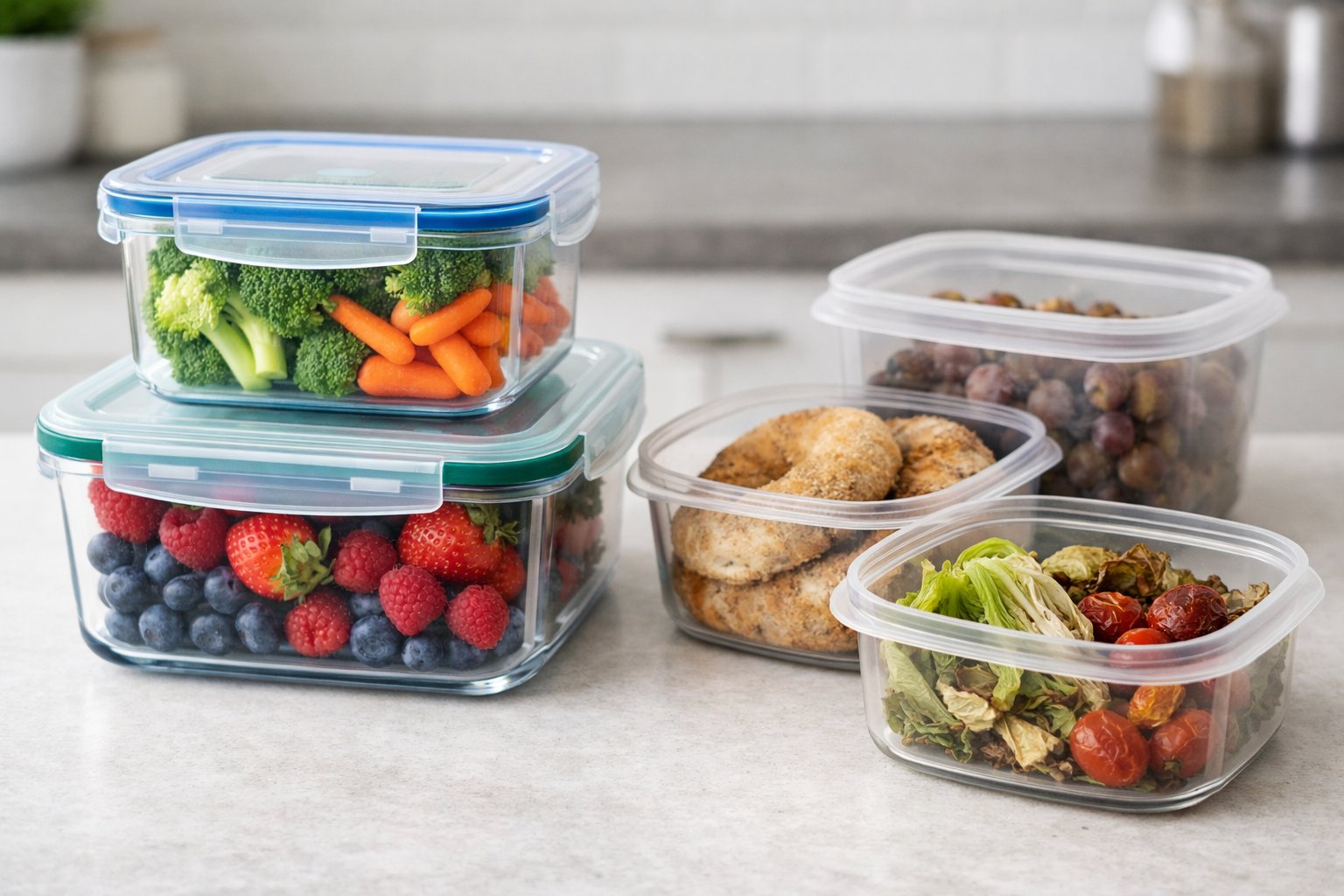
Check out our latest compact vacuum sealer for food collection!
We've all been there, opening a container of crackers that went stale overnight or finding cheese that's mysteriously hard at the edges. Usually, the problem is a container that isn't sealing as well as we hoped.
When storage containers aren't truly airtight, food gets hit with faster oxidation, moisture swings, flavor loss, and more bacteria and mold. Shelf life drops by days, even weeks. It only takes a tiny gap in a lid to invite oxygen, humidity, and all sorts of funky odors right into your food.
Different foods react in their own ways. Grains and cereals attract pests and go stale. Leftovers dry out or pick up weird flavors from whatever's nearby. Fresh produce wilts in hours, not days. Even oils and nuts go rancid much faster when air gets in.
Honestly, knowing what happens when containers aren't airtight can save you a lot of headaches (and money).
Luckily, you don't need to redo your whole kitchen. Once you figure out which foods are most at risk and what to check for in a real airtight seal, you can waste less, keep things fresher, and skip those "why does this taste weird?" moments.
Key Takeaways
- Non-airtight storage lets in oxygen and moisture, which speeds up spoilage, staleness, and flavor loss.
- Different foods react differently—dry goods clump and attract pests, fats go rancid, and produce wilts or gives off gases that mess with other foods.
- Picking containers with real seals and matching storage methods to each food cuts down waste, keeps things fresh, and helps avoid cross-contamination.
Why Airtightness Matters in Food Storage
When food containers don't seal right, air sneaks in and starts a chain reaction. Spoilage speeds up, nutrients break down, and shelf life shrinks. It's wild how fast air exposure can ruin good food.
How Air Exposure Triggers Spoilage
Air brings more than just oxygen. It carries moisture, bacteria, mold spores, and odors that immediately start working on your food.
Once food's exposed, microorganisms get in. Bacteria love humid conditions, especially on things like cut fruit, leftovers, and dairy. Mold spores land and can start growing in just a day or two if the conditions are right.
Moisture in the air messes with food both ways. Dry goods like crackers and cereal soak up humidity and get soggy or clump. Meanwhile, stuff in the fridge loses moisture and dries out—meat gets tough, produce wilts.
What travels through air:
- Bacterial spores and pathogens
- Mold and yeast particles
- Moisture vapor
- Strong odors from other foods
- Insects and pest larvae
Temperature swings just make it worse. When warm air hits cold food, condensation forms inside containers. That's how you get those annoying water droplets—definitely a sign the seal failed.
Role of Oxidation in Food Degradation
Oxidation happens when oxygen reacts with fats, oils, vitamins, and pigments in food. It changes flavor, color, texture, and nutrition.
Fats and oils go rancid, giving you that stale, bitter taste. Nuts, chips, and baked goods are especially quick to turn. Ground coffee? It loses most of its aroma in a week without a good seal, since the oils oxidize so fast.
Fresh-cut produce is a classic example. Apples, potatoes, and avocados brown in minutes as enzymes react with oxygen. Sure, the browning isn't dangerous right away, but it means nutrients are already breaking down.
Vitamins, especially C, B, and A, break down when exposed to air—sometimes losing half their potency in a few days. That's why leaving cut veggies out just isn't a great idea.
Meat changes color too. Fresh red beef goes brown, deli meats get grayish. Not always spoiled, but definitely a sign oxidation's doing its thing.
Impact on Food Freshness and Shelf Life
Without real food preservation, shelf life drops. Airtight seals are the difference between food lasting days or weeks.
Bread that lasts a week in a sealed container dries out in two or three days if exposed to air. Moisture leaves, starches harden, and texture turns to rock. Cheese gets moldy way faster, and crackers lose their crunch in no time.
Shelf life comparison:
| Food Type | Airtight Storage | Non-Airtight Storage |
|---|---|---|
| Fresh bread | 5-7 days | 2-3 days |
| Nuts and seeds | 3-6 months | 2-4 weeks |
| Coffee (ground) | 2-3 weeks | 3-5 days |
| Crackers | 3-4 months | 1-2 weeks |
| Cooked rice | 4-6 days | 1-2 days |
Wasted food costs add up. The average household tosses about $1,500 in groceries every year, and bad seals are a big part of that. When flour gets bugs or berries mold overnight, that's just cash in the trash.
Buying in bulk only works if you can keep food fresh long enough to use it. Rice, flour, dried pasta—they all need moisture-proof, pest-proof containers to last. Otherwise, you just end up restocking more often.
Consequences of Using Non-Airtight Containers
If your containers don't seal right, you end up with three major problems: microbes multiply, fats and oils break down, and moisture moves where it shouldn't. Each one messes with food quality, safety, and shelf life in its own way.
Accelerated Mold Growth and Bacterial Proliferation
Bad seals give bacteria and mold easy access. Once they're in, they multiply fast if there's moisture and air. Bread is a classic example—it can sprout mold in just a couple days if the container has gaps, versus a week or more with a good seal.
The real danger with mold isn't just what you see. Some molds make toxins that can make you sick, and these can spread beyond the fuzzy spots. That's why you can't just cut off the moldy part on soft foods like bread or cheese.
Bacteria are just as bad. They break down proteins and carbs, creating slime, weird smells, and sometimes real safety issues. High-moisture foods—cut fruit, cooked rice, dairy—are especially at risk. At room temp, bacteria can double every 20 minutes if conditions are right.
Foods most at risk:
- Fresh and cooked meats
- Soft cheeses and dairy
- Cooked grains and pasta
- Cut fruits and veggies
- Baked goods without preservatives
Faster Staling, Rancidity, and Off-Flavors
Oxygen exposure makes fats and oils go rancid. You get that stale, cardboard taste in crackers and chips, or bitter, paint-like flavors in nuts and oils. Ground coffee loses most of its aroma in a week if it's not sealed tight.
Enzymes in food speed up these reactions when air gets in. Lipase breaks down fats, polyphenol oxidase browns cut produce. Not always unsafe, but definitely less tasty.
Baked goods go stale from starch retrogradation—starch molecules harden and lose moisture to the air. Bread gets hard, cookies lose their snap. Technically still edible, but the texture and flavor take a nosedive.
Spices and herbs lose their punch as essential oils evaporate. Who hasn't opened an old jar of oregano and found it smells like nothing?
Moisture Loss and Texture Changes
When containers aren't sealed, moisture moves in or out depending on humidity, and it's never good. Dry goods like flour, cereal, and crackers soak up moisture and get soft, clumpy, or moldy. In the fridge, foods lose moisture to the dry air and get freezer-burned even without a freezer.
Meats and cheeses really suffer from moisture loss. Deli meat gets dry edges, cheese turns crumbly and loses its creamy bite. Leftover chicken or fish goes rubbery on the outside, while condensation underneath can breed bacteria.
Fresh produce can't win either way. Leafy greens wilt and get slimy, root veggies go limp, berries end up either moldy or shriveled almost overnight if not stored right.
Temperature swings just make it worse. Warm air meeting a cold container makes condensation, which leads to wet spots and speeds up spoilage everywhere.
Understanding Container Types and True Airtight Design
Not every container labeled "airtight" keeps air out. It really comes down to material quality, seal design, and construction—there's a lot of variation among glass, plastic, and steel options.
How to Identify an Airtight Food Container
A real airtight container blocks air with a well-designed seal, not just a snug lid. Look for features that actually keep air out.
Key features:
- Silicone seals or gaskets that wrap all the way around the lid
- Locking mechanisms (snaps, clamps, twists) that hold the lid tight
- Smooth rim surfaces—no cracks or chips to break the seal
The lid should take a little effort to remove when it's sealed right. If it pops off easily, air's probably getting in. Some good airtight containers even have valves to let you squeeze out extra air after sealing.
Try the water test: seal a paper towel inside, dunk it in water, and look for bubbles—if you see any, it's leaking. Or stick the sealed container in the freezer; if it caves in a bit, that's a good sign the seal works.
Key Materials: Glass, Plastic, Stainless Steel, Silicone
Each material has its perks for airtight storage. Glass doesn't stain or hold odors, so it's great for strong-smelling foods. Plus, you can see what's inside without opening it.
Airtight plastic containers are lightweight and cheap, but plastic can get tiny scratches that hide bacteria and eventually mess up the seal.
Stainless steel is tough and doesn't get damaged easily, but you can't see inside. Works well for dry goods or stuff you don't need to check on often.
Material comparison:
| Material | Durability | Air Barrier | Cost | Weight |
|---|---|---|---|---|
| Glass | High | Excellent | Medium | Heavy |
| Food-grade plastic | Medium | Good | Low | Light |
| Stainless steel | Very high | Excellent | High | Medium |
Silicone seals are the real MVP here. Good silicone stays flexible, fills gaps, and keeps the barrier tight.
Testing and Maintaining an Effective Airtight Seal
It's smart to check your containers regularly to make sure they're still doing their job. Look at silicone seals every month for cracks, warping, or stiffness—if you spot any, swap them out.
To keep seals working:
- Wash seals separately so you can get rid of trapped crumbs or gunk
- Skip abrasive cleaners that can scratch sealing surfaces
- Store with lids a bit loose so seals don't get squished
- Check rims for chips after washing
For the water test, fill the container halfway, seal it, and dunk it in a sink. If you see bubbles, air's getting in.
If you use containers a lot, swap silicone seals every year for best results. Most brands sell replacements, so you don't have to toss good glass or steel containers. If a container fails the water test, maybe use it for non-food storage instead of risking your groceries.
Common Foods Most Affected by Inadequate Airtight Storage
Some foods collapse in quality the moment a container doesn’t seal right, while others hang on a little longer. Dry goods lose their crunch and attract pests, fatty foods turn rancid from oxygen, and fresh stuff like produce or leftovers spoil or get weird in texture within days.
Dry Goods: Cereal, Crackers, and Flour
Cereals and crackers soak up moisture like sponges. If a container isn’t sealed, humidity creeps in and makes crispy food soggy—sometimes overnight. That box of cornflakes? Chewy and dull by morning if you just fold the bag closed.
Flour’s even fussier. It grabs onto moisture, turns clumpy, and gets tough to measure. Plus, the natural oils inside start to oxidize once exposed to air, giving flour a stale or off smell. Whole wheat flour spoils faster than white flour because it’s got more oils.
Pantry pests love these foods. Moths, weevils, and flour beetles can squeeze through tiny gaps and lay eggs in dry goods. Once they show up, you’re tossing entire bags.
Tight-sealing containers block out moisture and bugs. Glass jars with rubber gaskets or sturdy plastic bins with locking lids do the trick for cereals and flour. Vacuum-sealed bags are a bit much for daily use, but they’re great for long-term or bulk storage.
Fatty Foods: Nuts, Seeds, and Oils
Nuts and seeds are loaded with oils that go bad fast when they hit air. Almonds, walnuts, sunflower seeds—leave them in a loose bag and they’ll taste bitter or smell funky in days. Nobody wants that in their trail mix.
Ground nuts, like almond flour or peanut butter powder, are even more delicate. Once those oils meet oxygen, rancidity speeds up. Vacuum-sealed containers or bags keep them fresh way longer.
Cooking oils don’t fare well in bottles that don’t seal tight. Olive oil, for example, loses its flavor and gets a greasy, stale taste if the cap’s loose. Light and air are both a problem—dark glass bottles with solid caps are best.
How fast do fats go rancid without airtight storage?
- Walnuts: 3-4 weeks at room temp
- Almonds: 4-6 weeks
- Ground flaxseed: 1-2 weeks
- Opened olive oil: 1-2 months
Refrigerating nuts in airtight containers helps, but honestly, vacuum sealing is king for keeping them fresh for months.
Leftovers, Fresh Produce, and Baked Goods
Leftovers might be the most vulnerable when containers leak. Cooked pasta, rice, and meat can grow bacteria within hours at room temp, and even in the fridge, loose lids let moisture escape and odors mingle. You ever open a container of yesterday’s dinner to find it dried out on top and slimy underneath? Yeah, not great.
Produce is tricky. Leafy greens wilt in less than a day without a good seal. Berries mold fast if exposed to air and humidity. Cut fruits like apples and avocados brown almost instantly.
Baked goods take a hit too. Bread goes stale in 2-3 days if loosely covered—compared to a week in an airtight container or a bread box that balances airflow. Cookies lose their crunch and pick up weird flavors from neighboring foods if the seal’s bad.
Cheese paper and specialty wrappers help cheese breathe without drying out, but regular plastic wrap or loose containers let it harden or mold. Hard cheeses last longer than soft, but neither does well without a decent seal.
Vacuum sealing works for some leftovers and cut produce, but it can squish delicate stuff like berries or soft bread.
Risks Beyond Spoilage: Food Safety and Cross-Contamination
If we leave food containers partly open, we’re not just dealing with mold—we’re setting up easy routes for bacteria and letting pathogens hop between foods.
Preventing the Spread of Molds and Bacteria
Non-airtight storage is basically an open door for mold spores and bacteria. When a container doesn’t seal, airborne stuff lands on food and multiplies, especially between 40°F and 140°F—where bacteria double every 20 minutes.
Partial sealing is barely better than no seal. A loose lid lets moisture in and out, causing condensation that helps bacteria grow. This is a real problem with high-risk foods like cooked meats, dairy, and prepared dishes.
Key prevention steps:
- Use containers with real rubber or silicone seals
- Check the seal by tugging the lid before storing
- Toss warped or cracked containers right away
- Keep foods below 40°F in properly sealed containers
Honestly, the difference between airtight and “almost closed” is the difference between stopping contamination and just slowing it down. If you’re thinking a loose lid is fine, you’re rolling the dice.
Minimizing Cross-Contamination in Shared Storage Areas
Fridges and pantries basically become contamination highways if containers aren’t sealed. Bacteria can move between foods via drips, splashes, or even circulating air.
The biggest risk? Storing raw meats above ready-to-eat foods in leaky containers. Even a little meat juice can carry nasty pathogens like Salmonella or E. coli. Without airtight seals, juices can leak and contaminate everything below.
Storage order matters (bottom to top):
- Raw meats, poultry, seafood (bottom shelf)
- Whole fish and shellfish
- Ground meats and processed seafood
- Whole cuts of beef and pork
- Cooked foods and leftovers
- Ready-to-eat items (top shelf)
Pantries aren’t immune. When dry goods mix with half-used stuff, like open flour bags or cereal boxes, pests and odors spread fast. Airtight containers for each type keep bacteria, allergens, and weird smells from hopping around.
Shared utensils are a sneaky problem too. Scooping from multiple containers without washing in between just spreads whatever was lurking in the first one to everything else.
Environmental and Lifestyle Implications of Airtight Storage
Using sealed containers cuts food waste and helps keep kitchens organized. It also affects our environmental footprint depending on what containers we pick.
Reducing Food Waste and Maximizing Meal Planning
Food waste ramps up fast when storage isn’t airtight. Oxygen wilts produce, stales grains, and spoils leftovers days sooner than you’d expect.
Seal things up right, and groceries actually last. Fewer store runs, less food in the trash. Some studies say households waste up to 40% of what they buy, and a chunk of that’s just bad storage.
Meal planning gets easier when you can count on ingredients staying fresh. You can prep veggies on Sunday and still use them Thursday. Batch-cooked grains and proteins stay safe all week. That kind of reliability makes it easier to stick to a plan instead of scrambling to use up food before it spoils.
And the impact isn’t just in your fridge. Every tossed item means wasted water, energy, and resources from farm to table. Keeping food fresh longer means fewer replacement buys and a smaller carbon footprint.
Reusable vs. Disposable Containers: A Greener Choice
Choosing between reusable airtight containers and disposables isn’t just about convenience—it’s about long-term impact. Single-use plastic bags and containers pile up in landfills and oceans.
Quality reusables mean you’re not buying box after box of plastic bags. A good glass or BPA-free plastic container can last for years. Sure, it costs more up front, but you save money pretty quickly by skipping disposables.
Environmental comparison:
| Container Type | Average Lifespan | Waste Generated | Cost Over 5 Years |
|---|---|---|---|
| Disposable plastic bags | Single use | High | $300-500 |
| Reusable airtight containers | 10+ years | Minimal | $50-150 |
Buying in bulk and using your own containers also cuts down on packaging waste. It all adds up to a less wasteful, more circular kitchen.
Kitchen Organization and Cooking Readiness
Airtight containers turn kitchen chaos into something manageable. When you can see what you have and know it’s still good, cooking’s less of a headache.
Clear containers let you check what’s running low. You know if you need more rice or flour before you start a recipe. That kind of visibility cuts down on overbuying and keeps you from finding expired stuff hiding in the back.
Stackable, standard-sized containers use space better than a jumble of bags and boxes. You can fit more in the same cabinet, which is a lifesaver in small kitchens.
Cooking gets easier when ingredients stay fresh and easy to grab. You’re more likely to cook at home if you trust your pantry and can find what you need fast. That means healthier meals and less takeout (which usually comes with extra packaging and more waste).
Frequently Asked Questions
Imperfect seals speed up spoilage, dull flavors, and invite pests—different foods, different problems. Here’s what really happens when containers don’t close all the way.
How does imperfect sealing influence the shelf life of pantry staples?
Pantry staples lose a ton of shelf life when containers aren’t sealed. Flour that should last 6-8 months might only go 2-3 before it gets stale or buggy.
Pasta, rice, oats—they all suck up moisture if the lid’s loose, and that makes them clump and go stale. We’ve had dried goods lose a third of their storage time just from slightly loose lids.
Nuts and seeds are especially touchy. Their oils oxidize fast when exposed to air, turning bitter and rancid in weeks instead of months. Coffee loses its oomph in days instead of weeks.
The worst part? You often don’t know something’s off until you taste it. By then, you’ve probably already started cooking with it.
Can you walk us through the impact of humidity on improperly sealed dry goods?
Humidity sneaks in and ruins dry goods. Crackers, cookies, chips—they turn soft and lose crunch within hours.
Brown sugar hardens into a brick when moisture escapes through a loose seal. Flour clumps up and can even mold if enough humidity gets in, especially in a warm kitchen.
That extra moisture triggers other issues too. Some bacteria need just the right water levels, and damp flour or grains suddenly become their favorite spot. Cereal stales and loses texture, spices clump and lose kick.
Temperature swings make it worse. Warm air meets cold surfaces, and condensation forms inside containers with bad seals. That’s how you end up with water droplets speeding up spoilage.
Could you explain the risks of oxidation on foods in containers that aren't fully airtight?
Oxygen slips in and starts breaking down fats and oils right away. Oxidation brings rancid smells and off flavors—food tastes stale or even bitter.
Vitamins take a hit too. Vitamin C and B-complex vitamins break down with air exposure, so food loses nutrition before it even tastes bad.
Fresh produce browns fast—think cut apples or potatoes. Enzymes react with oxygen, changing color, texture, and flavor almost immediately.
Meat changes color when oxidized. Fresh beef goes from red to brown, deli meats get a grayish tint. The look changes before bacteria take over, so food looks unappetizing even if it’s still technically safe.
Oils go rancid at different speeds. Nuts, seeds, and whole grain flours have oils that break down faster than refined grains. Once the flavor’s gone, there’s no getting it back.
What's the lowdown on the preservation of flavors in foods when the storage is subpar?
Aromatic compounds just drift away through loose seals, and with them, the flavor. Ground coffee can lose more than half its aroma in a week without a tight seal.
Fresh herbs wilt and lose punch within a day or two if exposed to air. Dried spices lose essential oils, turning from bold to bland in weeks.
Cross-contamination is a flavor killer, too. Strong-smelling foods like onions, garlic, and fish send their odors through leaky lids to everything nearby. Ever had strawberries taste like last night’s curry? Or milk that picked up a fishy note? Not fun.
Once those flavor compounds evaporate or oxidize, food tastes flat. Even if it’s safe to eat, bland basil or cardboard coffee isn’t what anyone’s after.
Cheese is especially sensitive. It dries out and soaks up fridge odors, losing all the character it started with.
Could non-airtight storage invite unwanted critters to our food fiesta?
Absolutely—and they don’t waste time. Pantry moths, flour beetles, and weevils slip through gaps you’d barely notice. The smell of grains, flour, and dried stuff leaking from a loose lid? That’s basically a dinner bell for them.
These pests lay eggs right in your food. One moth can drop hundreds, and in just a few weeks, you might spot little larvae crawling through everything nearby. At that point, you’re probably dumping the whole batch.
Weevils are especially sneaky. Sometimes they’re already hiding in the food when you bring it home, biding their time. If you don’t seal things up tight, they’ll wander from one container to the next.
Rodents? They’re a whole different headache. Mice can chew through flimsy plastic or squeeze through holes you’d swear were too small. Their droppings and urine don’t just ruin food—they can make you sick.
It’s worth checking your container seals now and then. Worn-out gaskets, cracked lids, or those containers that kind of snap but don’t really seal? Might as well roll out the welcome mat.
What culinary mishaps might we face with semi-exposed ingredients lurking in our cupboards?
Baking can go sideways fast when ingredients turn on us. Rancid flour? Suddenly, cakes and cookies taste weirdly bitter or sour, and honestly, no amount of sugar or vanilla seems to cover it up.
Brown sugar sometimes turns into a rock-hard brick, and then we're out here hacking away or tossing in bread slices, hoping for a miracle. Spices that clump together just won't measure right, and that throws off recipes where you actually need to be precise.
If baking powder or soda goes stale, forget about your cakes rising. Cookies spread in odd ways, and it's easy to blame the recipe when, really, it's just tired ingredients.
Salt that's soaked up moisture clogs the shaker. Pasta can break apart if it's gotten too humid in storage. Rice sometimes cooks unevenly because some grains are dry, others not so much.
Oils love to steal smells from whatever's nearby. Ever sautéed veggies in oil that tastes like last month's onions? Not great.
Then there's the surprise of soggy crackers on a cheese board, limp chips at a party, or bread that's gone stale right before you want French toast. Maybe these sound minor, but they can ruin a meal and waste all the effort you put in.
Share:
Why Proper Sealing Matters More Than Expiry Dates
How Storage Environment Impacts Ingredient Stability